At the "UM " Science [S01-ep12]: Variety Blends at the Food Technology Lab
This week, Hélène Fréville ofthe AGAP Institute for Genetic Improvement and Adaptation of Tropical and Mediterranean Plants discusses the performance of variety mixtures in wheat cultivation. In the second half of the program, Charles Cunault introduces you to the food technology platform.
10,000 years ago, between the Mediterranean and the Euphrates, the first lines of a long—a very long—history were written: the story of humanity’s domestication of wheat. While the earliest crops were the result of spontaneous crossbreeding between wild grasses, humans quickly refined their methods—albeit over the course of several thousand years—gradually fostering the emergence of more robust and productive varieties. From that point on, the history of humanity and that of wheat remained inextricably linked, with varieties intermingling as a result of exchanges between civilizations. The Middle Ages saw the development of new farming methods: fields were plowed and expanded. By the 16th century, regions such as Beauce, Brie, and Haute-Auvergne were already specialized in cereal production. However, it wasn’t until the 19th century that true plant breeding began, with the first genealogical studies on wheat conducted by Louis de Vilmorin, who would go on to develop the first modern wheat varieties: the Vilmorin varieties. You can’t be creative with every plant… The 20th century and the postwar period marked a turning point in the cultivation of this cereal, which consists of more than 30,000 genes and 42 chromosomes. More than ever, the focus was on yield. In just 50 years, France tripled its production by mandating single-variety crops.
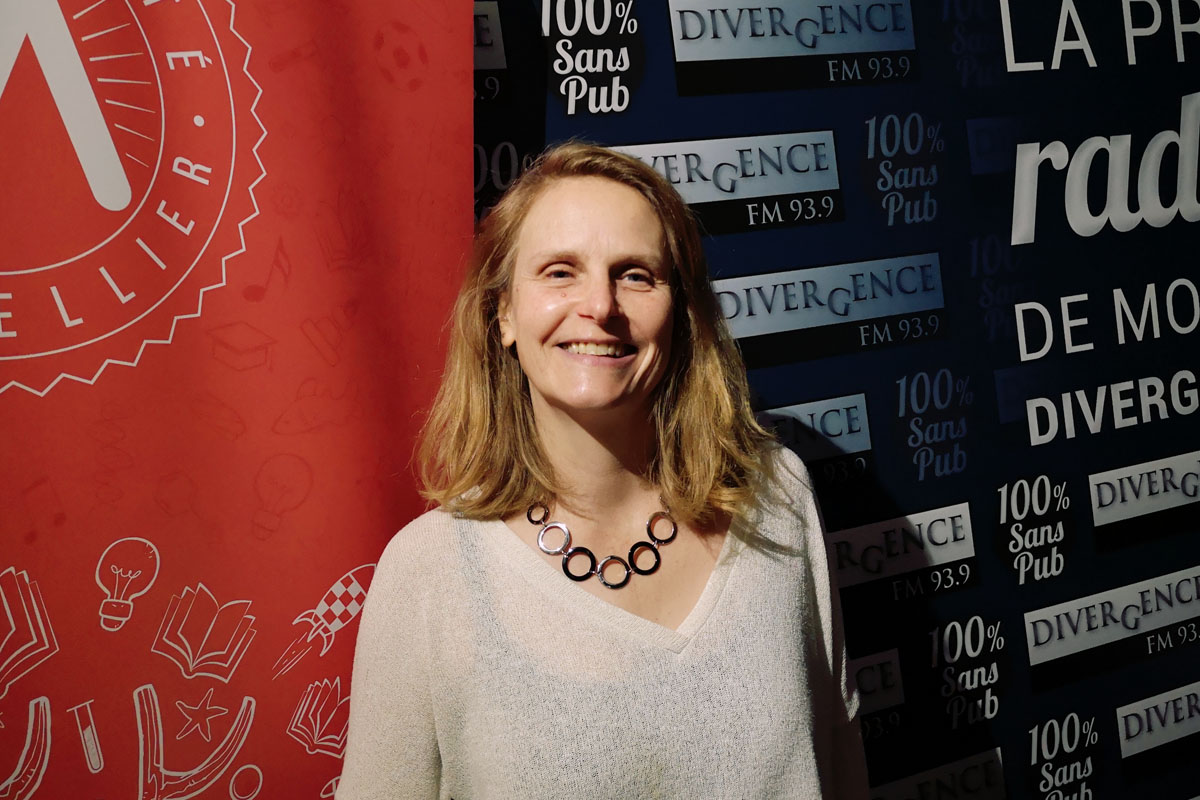
Single-variety crops are now being called into question by agroecology, as our guest explains. Hélène Fréville is a researcher at the AGAP Institute for Genetic Improvement and Adaptation of Tropical and Mediterranean Plants. She presents her work on the performance of variety mixtures in wheat cultivation, analyzed from a genetic perspective. Her study was published in the journal *New Phytologist* on January 26.
See also:
- Crop Mixtures: A Promising Agroecological Practice Analyzed Through the Lens of Genetics (INRAE press release).
- From cultivar mixtures to allelic mixtures: opposite effects of allelic richness between genotypes and genotype richness in wheat (New Phytologist, January 26, 2022).
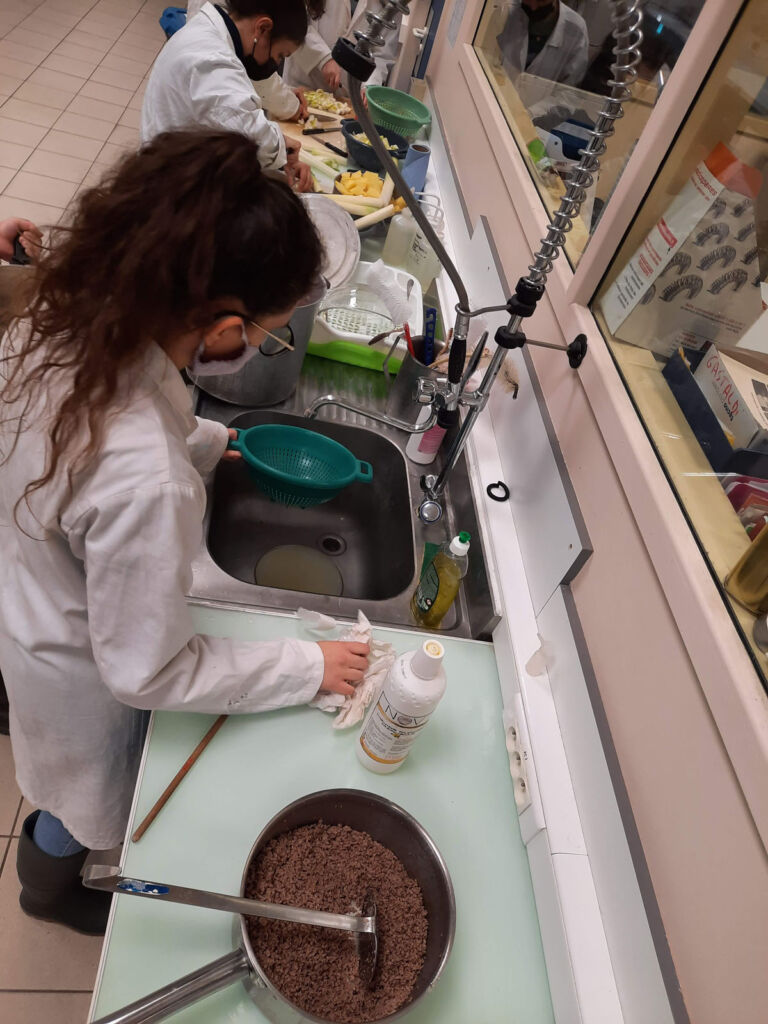
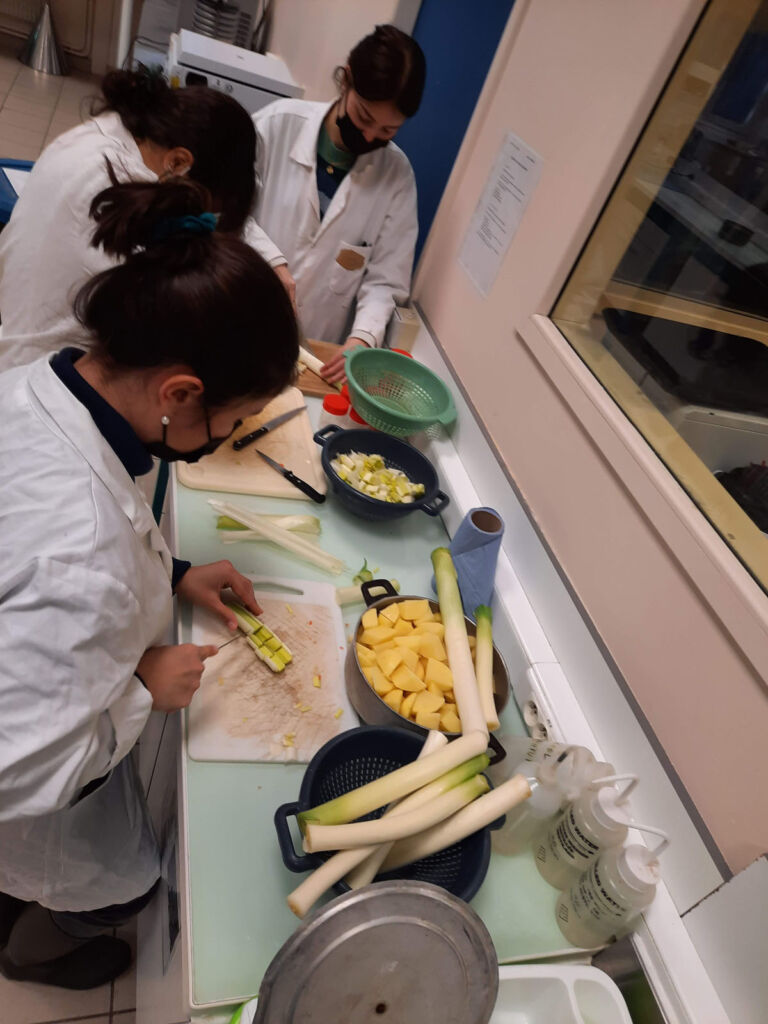
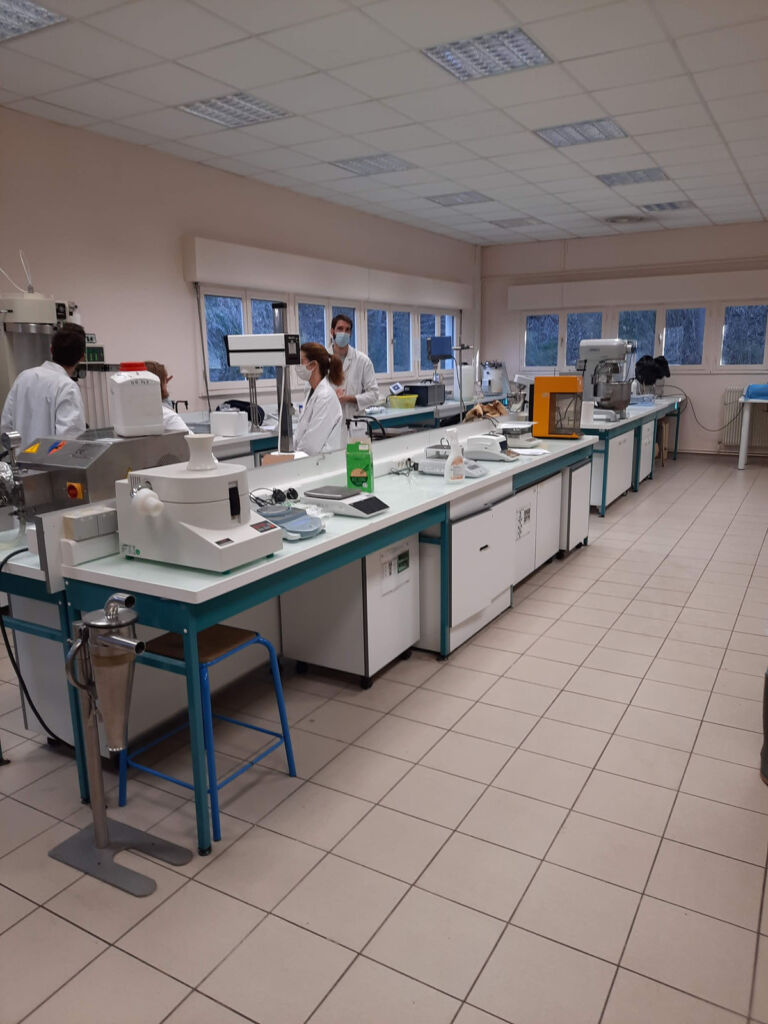
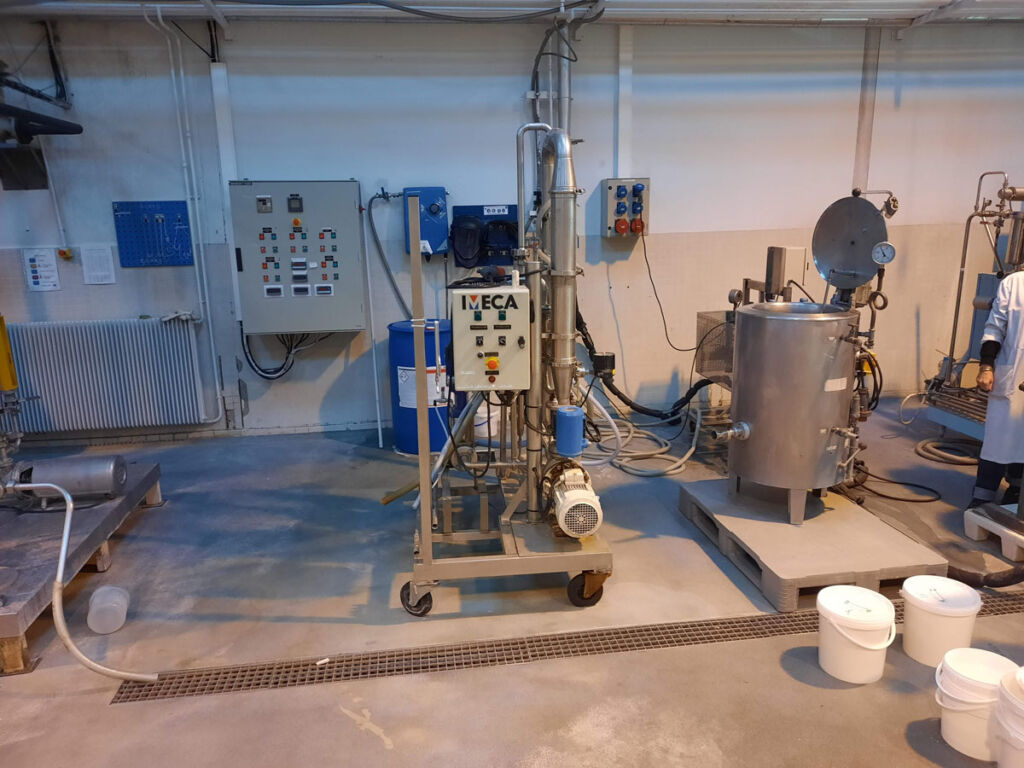
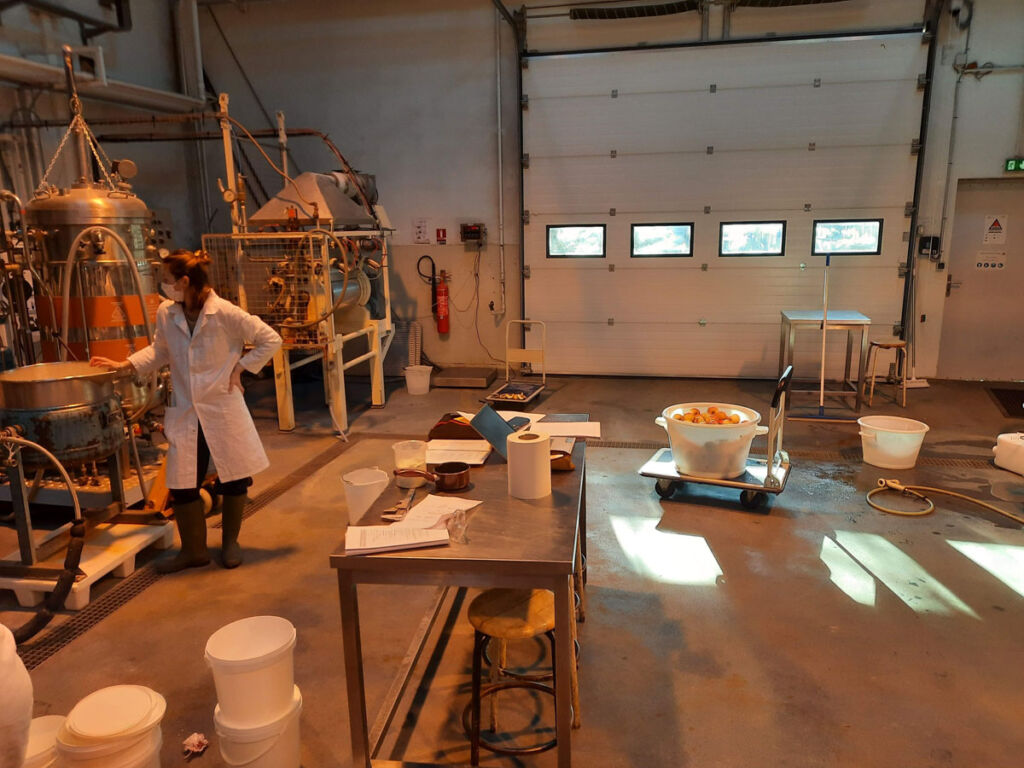
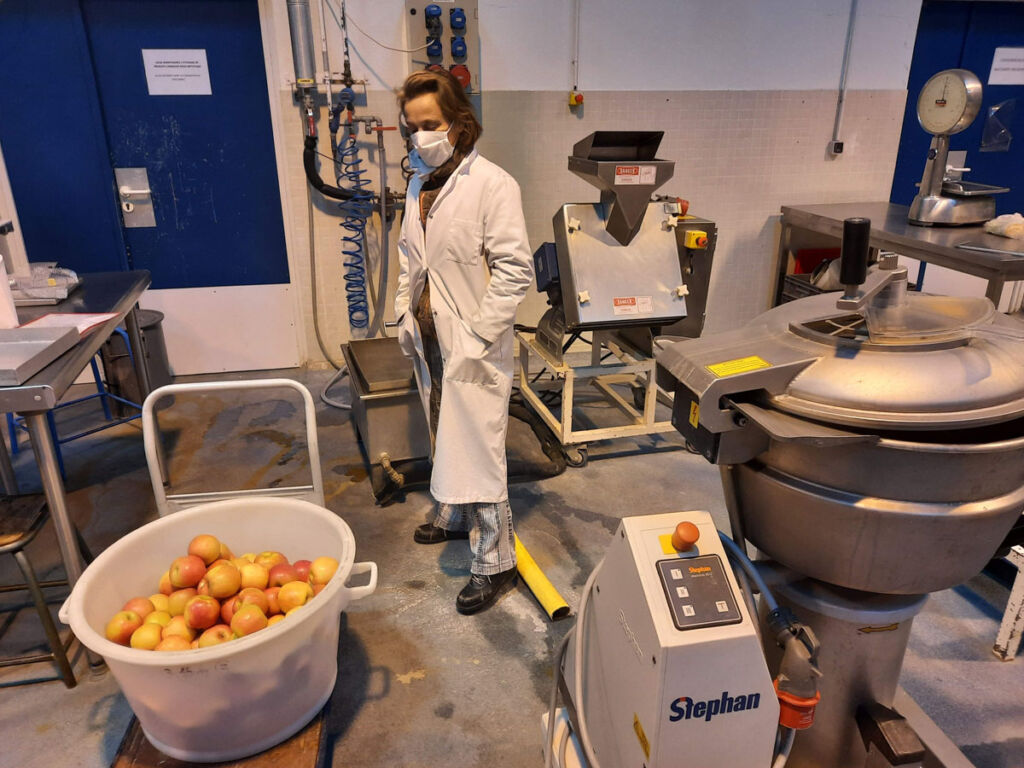
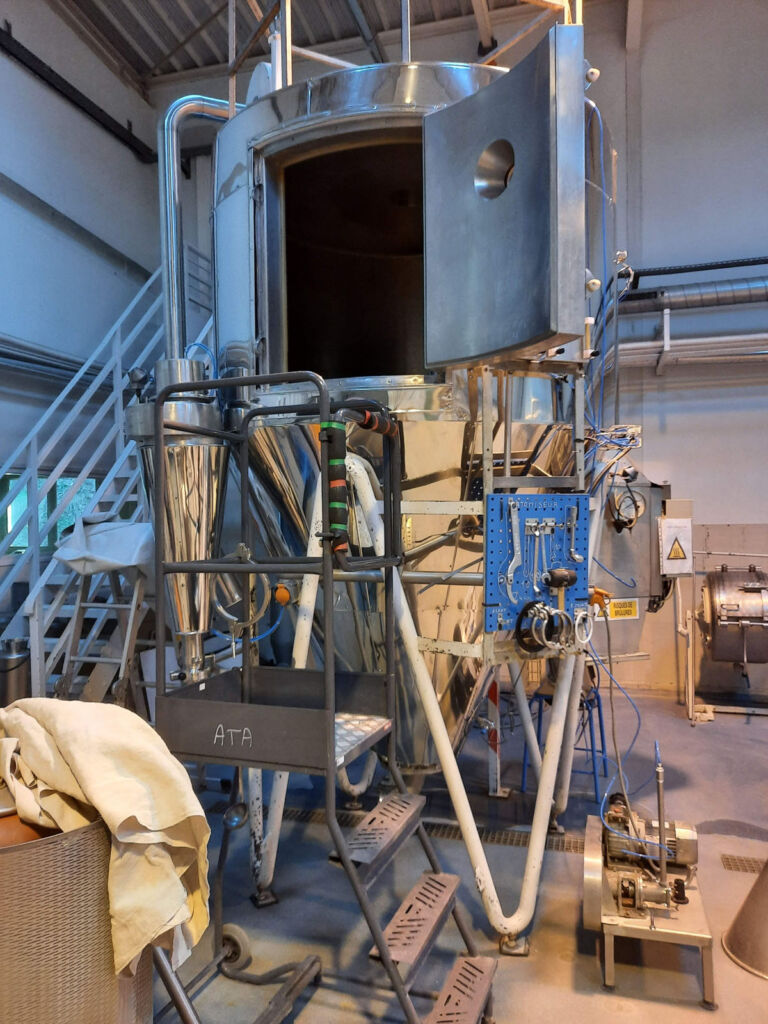
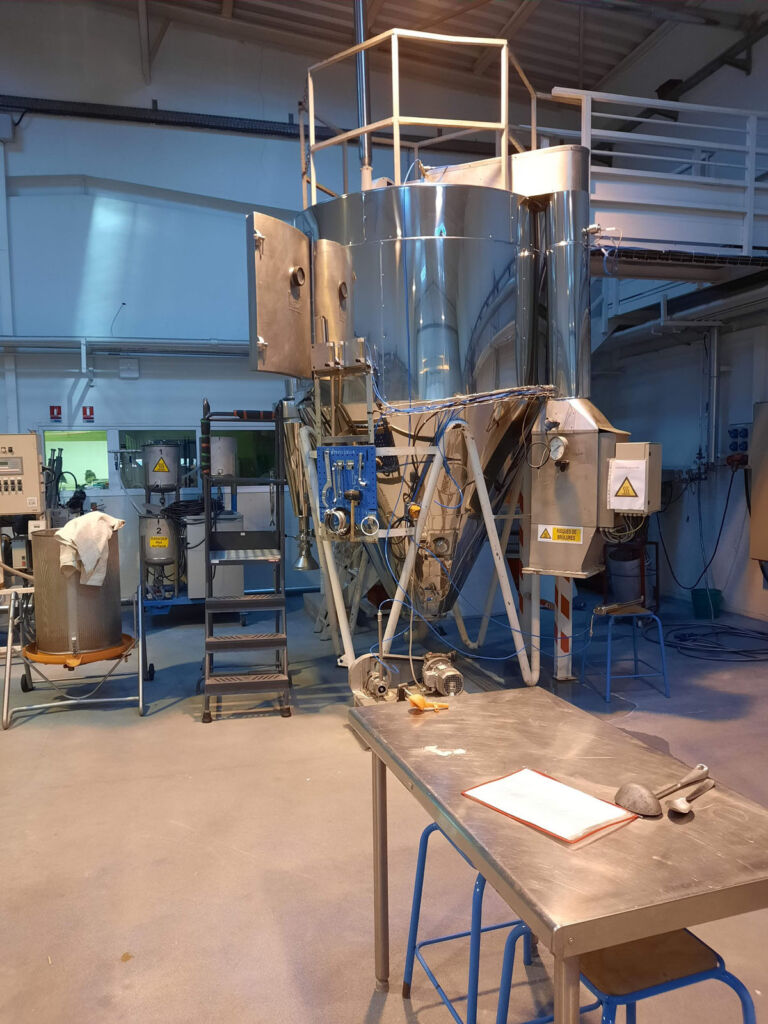
In the second half of the show, we’ll take you through washing leeks, peeling potatoes, cooking rice, and blanching apples—but be warned: this isn’t cooking; it’s the genius of food processing. Charles Cunault is our guide through this food technology lab, and it’s all happening at the IUT in Montpellier.
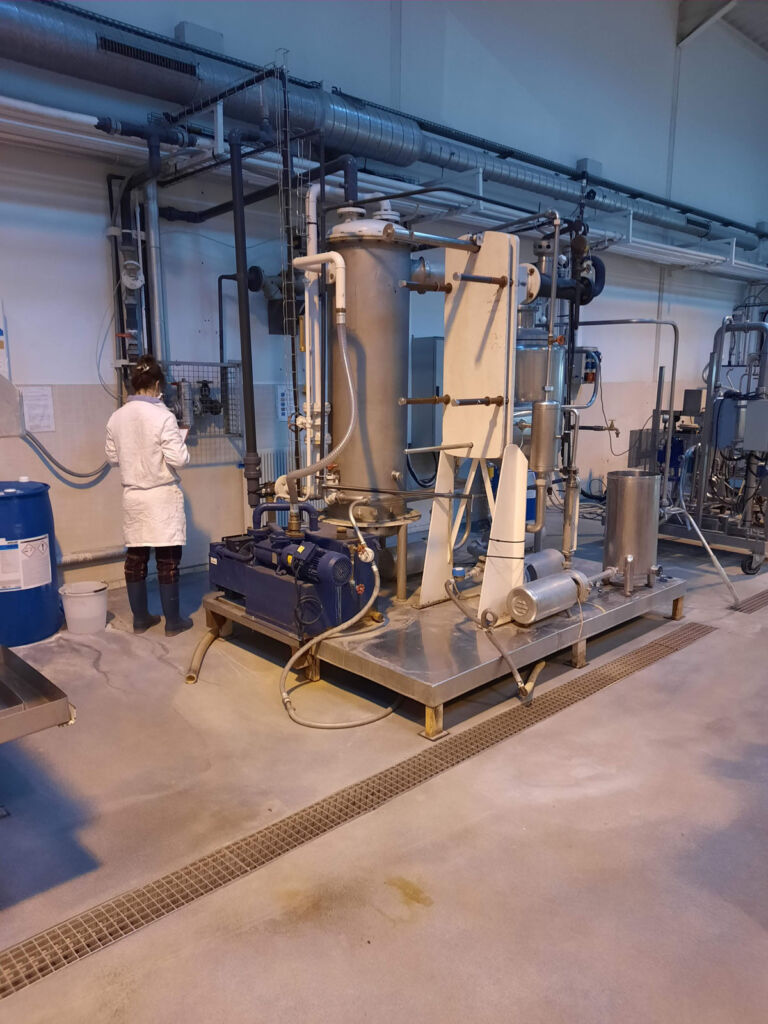
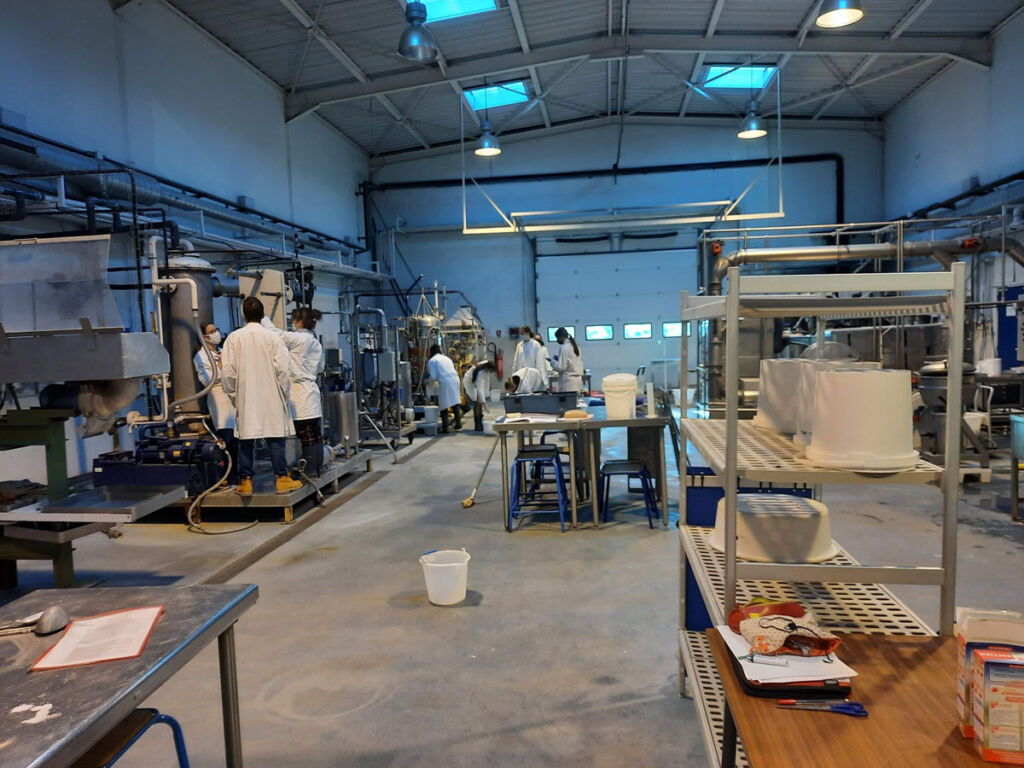
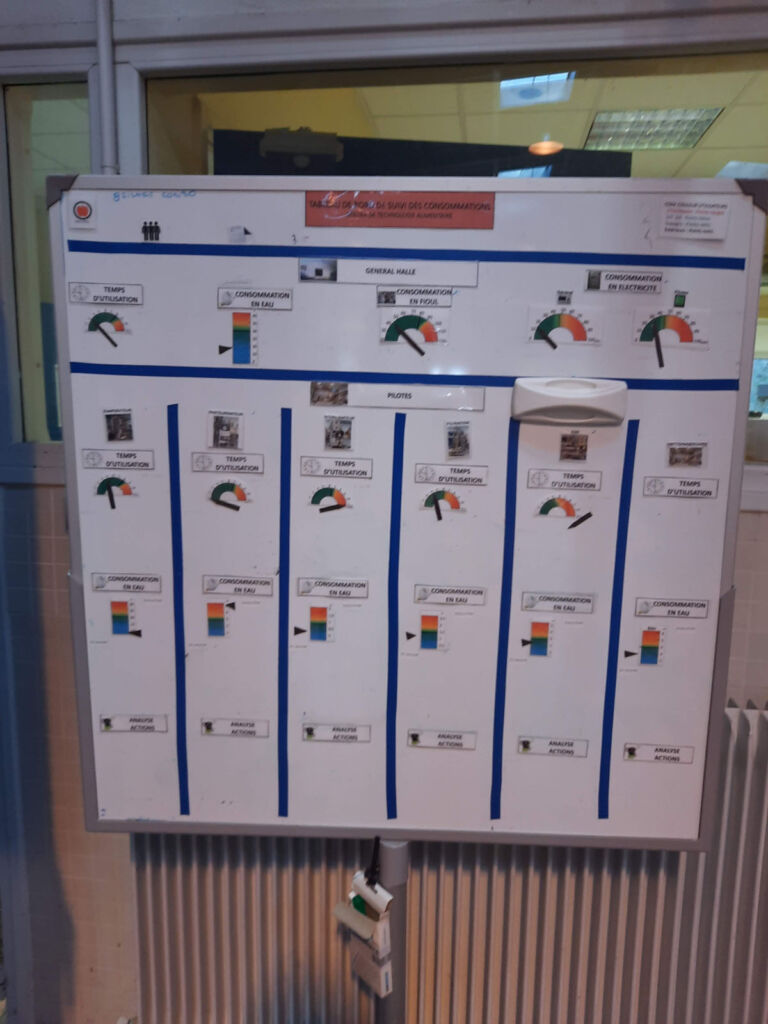
At "UM : Science," here's the lineup—let's get started!
Co-production: Divergence FM / University of Montpellier
Host: Lucie Lecherbonnier
Interview: Aline Périault / Lucie Lecherbonnier
Report: Aline Périault
Director: Anna Demeulandre
Listen to the show “A l’UM la science” on Divergence FM 93.9

Check out theUM podcasts, now available on your favorite platform (Spotify, Deezer, Apple Podcasts, Amazon Music, etc.).