[LUM#13] “Restoring Trust”
From March 17 to May 11, 2020, France found itself in an entirely unprecedented situation. Eight weeks of lockdown—an experience that varied from person to person. How and why did the French comply—or fail to comply—with the rules that were imposed? To better understand this complex issue, Marlène Guillon and Pauline Kergall conducted an investigation.
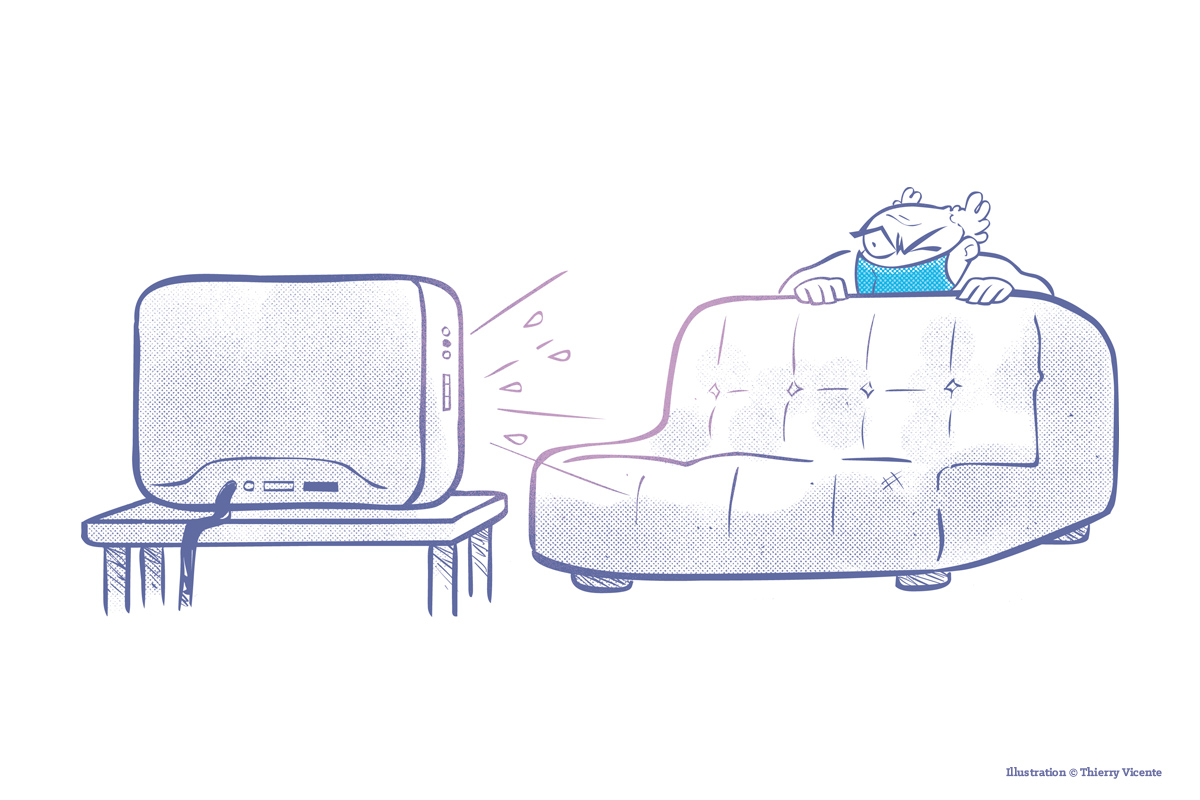
Why conduct a survey on the lockdown? “Because while we were in lockdown, we had time for it, ” jokes Marlène Guillon of the Montpellier Research in Economics* laboratory. But above all, because from the very beginning of this very unusual period, the researcher noticed among her acquaintances that reactions to this new reality varied widely. “Some people followed the rules very strictly, while others didn’t at all, continuing to go out and gather despite the guidelines in place. So I wanted to find a way to understand these different attitudes.”
Together with Pauline Kergall, a doctoral student at the MRE laboratory, they created an online survey and recruited more than 1,900 volunteers between April 16 and 30. The survey covered topics such as income, work arrangements during the lockdown, perceptions of their health, the number of times they went out each week, and trust in the government’s handling of the crisis; in total, the volunteers answered 57 questions designed to better understand their experience of the lockdown.
A Trust Issue
Marlène Guillon and Pauline Kergall then carefully analyzed the volunteers’ responses. Among the major trends emerging from the survey, the researchers noted that attitudes toward lockdown are directly correlated with several factors, including: the perceived threat posed by COVID-19, the perceived benefits of lockdown, well-being during this period (see box), and trust in the government’s ability to manage this crisis.
“Overall, 74% of respondents said they somewhat or strongly agreed with the lockdown,” the researchers note, acknowledging that they were surprised by the overwhelming support for the measure. “It seems that this was the only thing that appeared effective to them, probably because there was nothing else available at the time,” Marlène Guillon speculates.
Because during the second half of April, the situation may have seemed confusing: “There was a shortage of masks and tests, and the debate over hydroxychloroquine dominated media coverage, ” Marlène Guillon notes. As a result, only 30% of respondents said at the time that they trusted the government to manage the crisis. This percentage, incidentally, declined over the two weeks the survey lasted. Yet trust is a major issue: “Those who said they trusted the government to manage this crisis were also the ones who most strictly followed the rules enacted during the lockdown, ” explains Pauline Kergall.
Digital Tracing
Trust is essential for compliance with lockdown measures. But that’s not all. The researchers also took advantage of this survey to explore French people’s attitudes toward the digital contact-tracing app now known as StopCovid, which was being developed at the time. The idea is to trace the contacts of an infected person using their cell phone. “We wanted to know if the French would be willing to use it by asking two questions: Do you consider this type of app acceptable, and are you likely to install it?” they explain. At the time, 42% of the volunteers considered such an app somewhat or completely acceptable.
“Those who found this app unacceptable were precisely the ones who expressed the least trust in the government, ” the researchers note. “This is a key finding because it is estimated that 70% of the population would need to install the app for it to be fully effective, ” they explain. This insight could also prove very useful in the event of a future lockdown. “This information could indeed help determine the communication strategies to be implemented to support such measures, in order to restore trust.”
Focus on Well-Being
During the lockdown, did you feel isolated, depressed, stressed, anxious, or bored? Never, rarely, sometimes, often, or all the time? Using these questions, Marlène Guillon and Pauline Kergall determined a “well-being index” for the volunteers. “Based on the responses, this index was scored on a scale from 0 to 16,” explain the researchers, who made the following observation: those with a high well-being index who coped relatively well with the lockdown are also the ones who adhered to it most closely. “In particular, we noted that those with the lowest well-being index were also the ones who reported going out the most, for example,” explains Pauline Kergall. “To improve compliance with lockdown measures, it is therefore important to support those who are struggling with it—for example, by setting up remote psychological support hotlines, ” the researchers recommend.
Check out theUM podcasts, now available on your favorite platform (Spotify, Deezer, Apple Podcasts, Amazon Music, etc.).
*MRE: Reception Team 7491 (UM)