Violence in French sports clubs: Nearly 60% of athletes affected, according to a previously unpublished study
Nearly six out of ten athletes in France report having experienced abuse at their sports clubs. Whether psychological, physical, sexual, or related to neglect, these incidents of abuse remain largely hidden, as victims rarely speak out. A study of more than 2,200 athletes provides, for the first time, an accurate picture of this abuse, the profiles of those affected, and the sports most at risk.
Grégoire Bosselut, University of Montpellier and Elise Marsollier
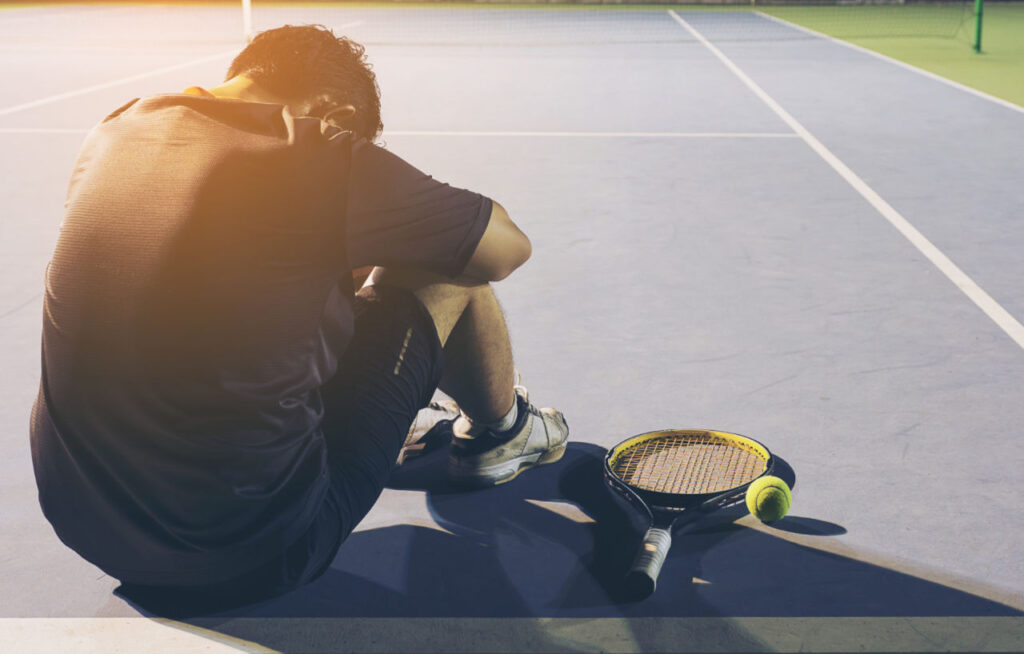
Sports are often portrayed as a place for personal growth, pushing one’s limits, learning, and positive values. Yet behind this image lies a less rosy reality. The sports environment, whether recreational or competitive, can also be the scene of various forms of violence perpetrated by coaches, volunteers, parents, and, above all, other athletes. Such incidents are too often trivialized or ignored. Yet for many athletes, the line between athletic expectations and abusive behavior remains blurred.
A massive reality that remains largely invisible
Our study, conducted in France in 2024 among 2,250 athletes aged 14 to 45, sheds new light on the extent of this phenomenon in French sports clubs. It reveals that 59% of participants reported having experienced at least one form of violence since joining their current club. More specifically, psychological abuse is the most common: insults, humiliation, yelling, threats, or excessive pressure are reported by nearly half of the athletes (47%). This is followed by neglect (failing to care for an injured athlete—25%), physical violence (hitting, choking—23%), and sexual violence (harassment, indecent exposure—21%). These figures, already substantial, likely fall short of the reality, given how reluctant victims are to come forward.
These findings are consistent with thoseof studies conducted abroad, which reveal that psychological abuse is the most prevalent form of abuse in sports. It is all the more insidious because it can be mistaken for the norms promoted in the sports environment or for the indispensable “mental toughness” required for athletic performance. Athletes are thus encouraged to “toughen up,” “accept pain,” and “make sacrifices.” These normalized expectations blur the lines and can mask abusive behavior.
The survey also reveals that victims rarely experience violence in isolation, but rather a multitude of abusive behaviors that overlap or occur simultaneously: 21% of respondents reported experiencing both psychological abuse and neglect, 15% reported psychological abuse combined with physical abuse, 10% reported both sexual abuse and neglect, and 9% reported psychological abuse combined with sexual abuse and neglect.
Team sports and men are at the highest risk
Team sports (soccer, rugby, handball, basketball) and combat sports appear to pose the highest risk, particularly in terms of physical violence among participants, likely due to frequent physical contact, territorial disputes, and team dynamics.
The athletes who appear to be at the highest risk are men over the age of 20 who participate in team sports, 57% of whom report physical violence. In contrast, precision and artistic sports—such as archery, rhythmic gymnastics, dance, and synchronized swimming—have significantly lower prevalence rates (7%).
The higher the level, the more commonplace violence becomes
Our study also highlights a clear link between the level of athletic participation and the likelihood of experiencing abuse. Athletes competing at the national or international level are most at risk, particularly from psychological and sexual abuse and neglect. For example, elite athletes under the age of 35 report experiencing psychological abuse in 73% of cases.
These figures may be explained by the pursuit of results and excellence, which can create an environment conducive to excess: constant pressure, and the normalization of physical pain and psychological difficulties. The notion that the goal of performance takes precedence over everything else tends to justify behaviors that, outside the world of sports, would be considered unacceptable.
Sexual Violence: Two Groups at Particularly High Risk
Sexual violence affects one-fifth of respondents (21%), with two groups being particularly vulnerable.
On the one hand, young adults aged 20 to 34 who participate in sports at the departmental or regional level, among whom the rate rises to 28%. It is possible that their similar age to their coaches—and thus a closer relationship with them—contributes to this vulnerability.
Furthermore, more than one-third of elite athletes (32%), regardless of gender, sport, etc., report having experienced sexual violence since joining their club. At this highly competitive level, power dynamics between coaches and athletes are often very asymmetrical, which can facilitate abuse. https://www.youtube.com/embed/qflcKNoYLtw?wmode=transparent&start=0 Suite (2022), a documentary by steeplechase champion Emma Oudiou on sexual violence in track and field.
Nearly 94% of young elite athletes have experienced abuse
Some groups experience multiple forms of violence. The group most at risk consists of elite athletes aged 20 to 24 who have been with their club for more than three years. Only 6% of them report no violence, while 14% say they have experienced all four forms of violence.
Another highly vulnerable group consists of regional team athletes who have been with their club for more than six years; 7% of them report having experienced all four forms of violence.
In contrast, non-competitive athletes over the age of 35 who participate in artistic or precision sports, such as archery, appear to be the least affected (81% report no violence).
Why do victims stay silent?
One finding in particular caught our attention during the study: athletes who had experienced violence were also the ones most likely to drop out of the survey before reporting all instances of violence. This finding suggests that the reported figures on violence are underestimated.
It is possible that simply recalling the violence they experienced may trigger emotions that are difficult to manage, causing participants to stop answering. Some may also hesitate to confront their memories or put their traumatic experiences into words, leading to a form of avoidance. This withdrawal mechanism suggests that physical, neglect, and sexual violence are likely underestimated in the final data and, more broadly, in the current literature.
This bias serves as a reminder that a significant number of victims of violence in sports remain invisible, both in investigations and in society. It highlights a major challenge for future research: how can we gather the testimonies of these athletes who are suffering without causing them emotional distress?
A major challenge for French sports
Our study encourages us to reflect on the changes needed to ensure that sports clubs—whether competitive or not—become environments free of all forms of violence: better training for coaches and instructors, as well as greater awareness among athletes about what constitutes violence and what does not.
Sports can and must remain a space for empowerment. But for that to happen, it must stop being—for too many athletes—a space where acts of violence—especially the most invisible ones—are still too often swept under the rug.

Grégoire Bosselut, Associate Professor (HDR), specialist in social psychology applied to sports, University of Montpellier and Elise Marsollier, Researcher in sports psychology (Laboratory on Vulnerabilities and Innovation in Sport (L-ViS) – Claude Bernard University of Lyon 1), mental coach, and instructor in mental preparation, ethics, and integrity (National Institute of Water Sports)
This article is republished from The Conversation under a Creative Commons license. Readthe original article.