Science at theUM [S02-ep16]: From Plushie Studies to Flatsat and the Hackathon
This week, Thierry Brassac, a science communicator at the University of Montpellier, shares the secret behind the comforting power of stuffed animals. Our report takes you to the university’s space center to discover a “flatsat.” Finally, Eric Servat, director of the UNESCO water center Icireward, is launching the Water4futur hackathon. A program broadcast on Divergence FM—93.9 every Wednesday at 6 p.m.
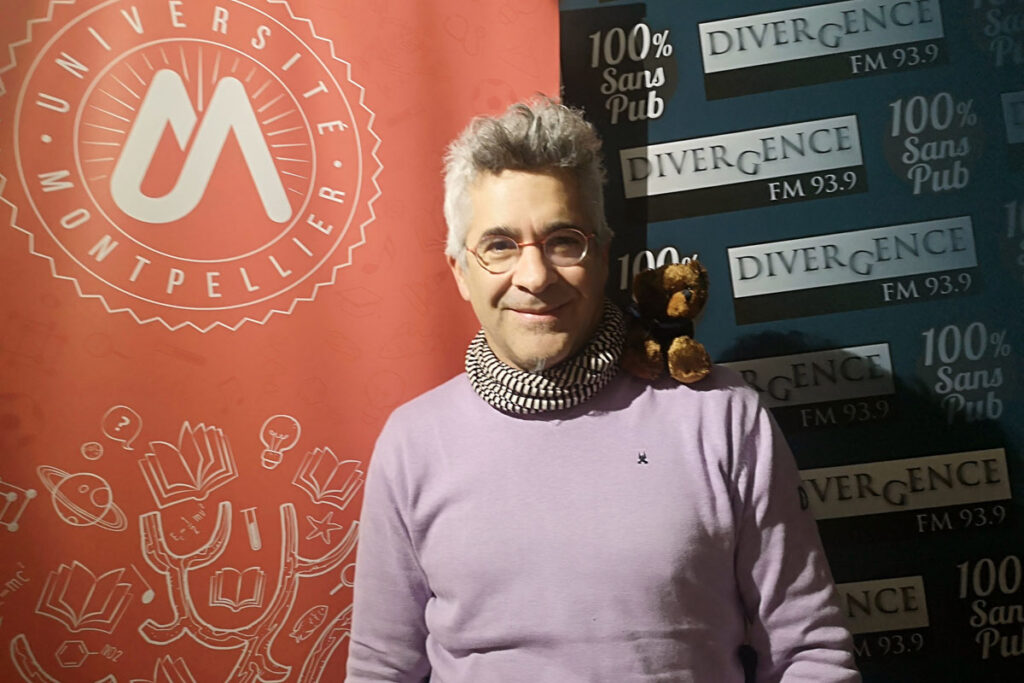
It’s a rabbit that has been an extension of Elodie’s son’s or Caroline’s daughter’s right arm ever since they were born, while Maxime’s bed is home to a donkey, a lamb, and a bear. As for Anouk, don’t even think about taking her to school without her beaver—a meltdown is guaranteed! When he was little, Patrick’s favorite was a blue dog shaped like pajamas, while Gabriel’s comfort blanket was none other than a deer named Coquelicot. Drawn to vast white expanses, Norian always carried a penguin with him, while Marie never fell asleep without her Bibiphoque. David, for his part, swore by his giraffe, and Nicolas truly loved his monkey, Chocolat. As for me, it was to console myself for the painful loss of my cat that I bought my latest stuffed animal—a flamboyant fox about thirty centimeters tall, made of a particularly soft and comforting orange and white velvet… That was two years ago!
Whether they’re bears, foxes, seals, or—why not?—lobsters or octopuses, almost all of us have fond memories of those first companions who, though inanimate, were able to offer us comfort that matched the depth of our sorrows as children—and sometimes even as adults. In “grown-up” terms, this is called a transitional object. But where does this comforting power of stuffed animals come from?
This is the challenging question faced by a multidisciplinary team of researchers—including biologists, psychologists, ecologists, biostatisticians, and science communicators—from the University of Montpellier, Paul-Valéry University, and the University of Aix-Marseille. They developed an experimental protocol inspired by the natural sciences and cognitive psychology to create a profile of France’s most comforting teddy bear and to try to understand the mechanisms behind this attachment through a participatory study involving nearly a thousand participants. They recently published their study in *The Journal of Positive Psychology*.
Our guest, Thierry Brassac, is a science communicator in the scientific culture department at the University of Montpellier; he has been coordinating this study for many years.
See also:
- What Makes a Teddy Bear Comforting? A Participatory Study Reveals the Prevalence of Sensory Characteristics and Emotional Bonds in the Perception of Comforting Teddy Bears, Anne-Sophie Tribot, Nathalie Blanc, Thierry Brassac, François Guilhaumon, Nicolas Casajus & Nicolas Mouquet, January 30, 2023, The Journal of Positive Psychology.
In the second half of the show, we’ll continue exploring children’s dreams as we take you to the Montpellier University Space Center, where Pablo Boizeau will introduce us to a “flatsat.”
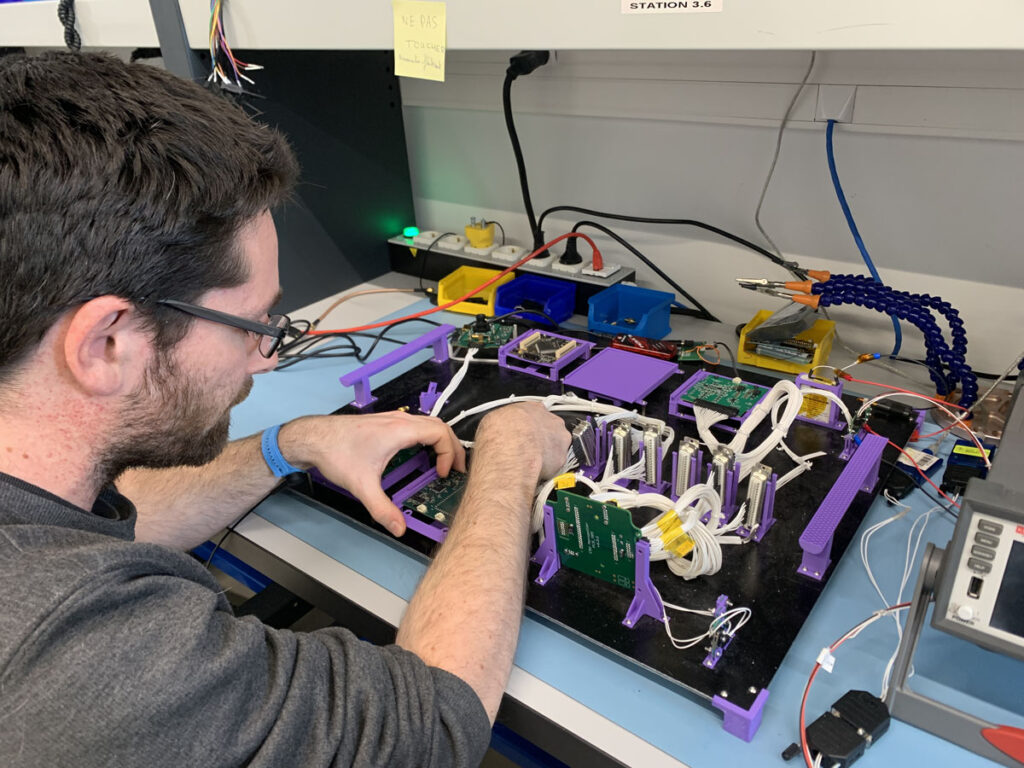
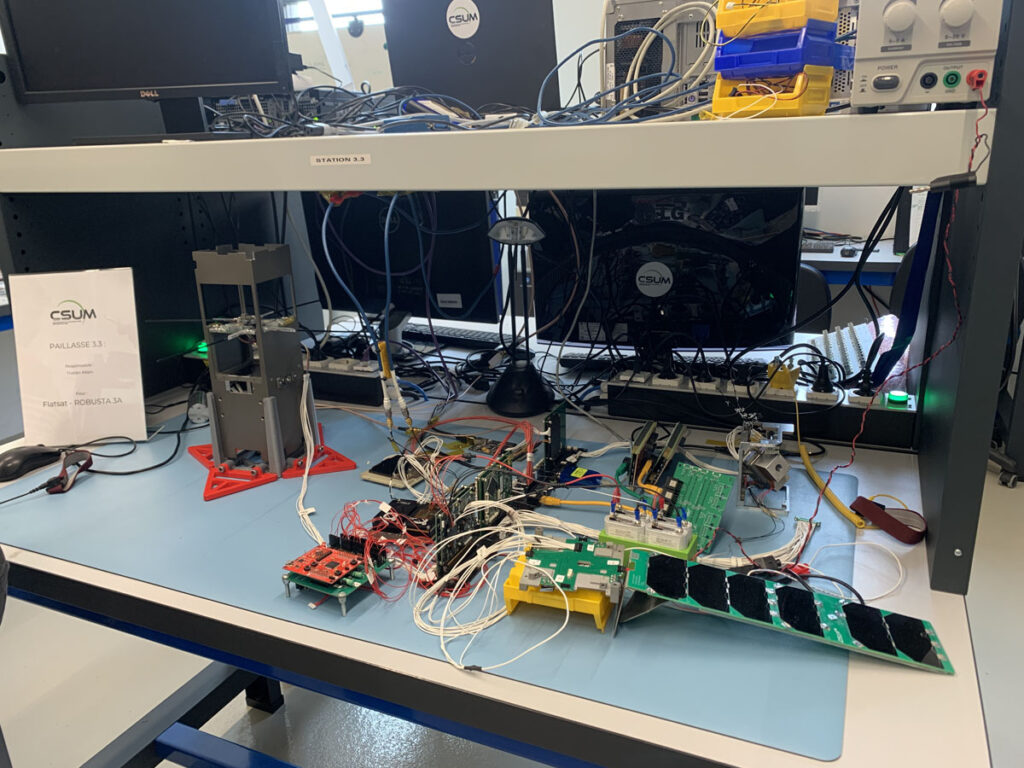
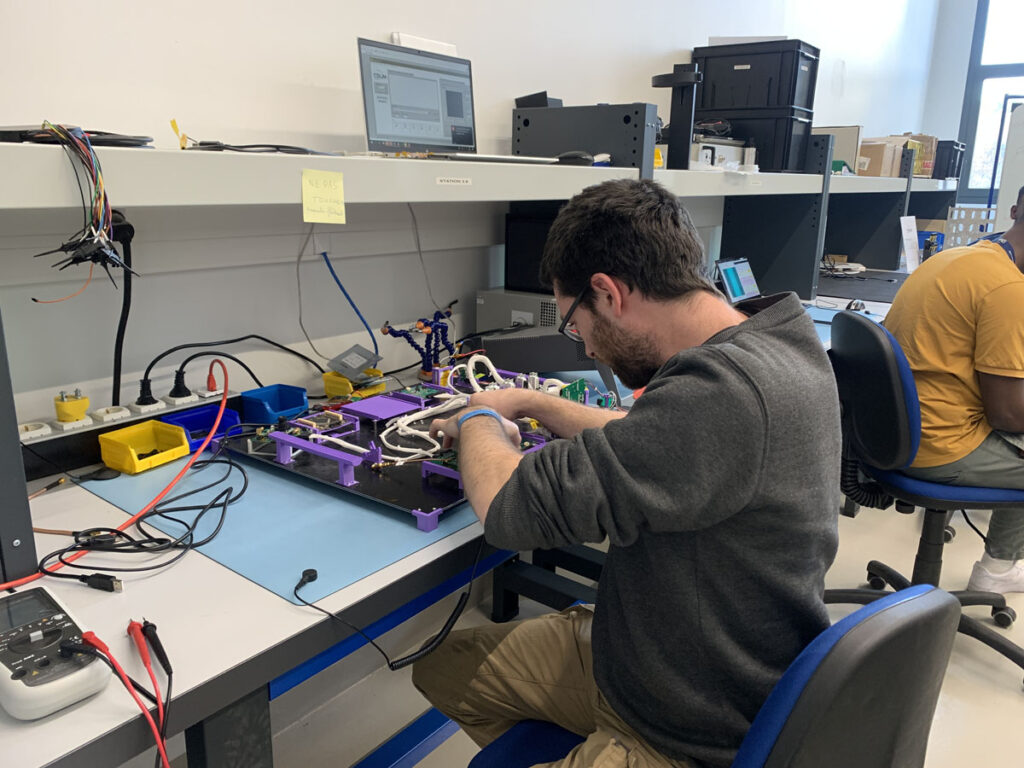
Our last-minute guest this week is Eric Servat, director of the UNESCO water center Icireward, who is here to talk to us about the Water4futur Hackathon, which will take place in Montpellier on February 16 and 17.
At "UM : Science," here's the lineup—let's get started!
Co-production: Divergence FM / University of Montpellier
Host: Lucie Lecherbonnier
Interview: Lucie Lecherbonnier / Aline Périault
Reporting and editing: Lucie Lecherbonnier
Director: Naomi Charmetan
Listen to the show “A l’UM la science” on Divergence FM 93.9

Check out theUM podcasts, now available on your favorite platform (Spotify, Deezer, Apple Podcasts, Amazon Music, etc.).