"UM : Science" [S02-ep18]: From Water to Early Childhood
This week on *A l’UM *, science is getting a head start on World Water Day. Julie Mendret, a researcher at the European Membrane Institute talks to us about “Reuse,” and Omar Samhari welcomes us for a report at the membrane filtration facility, also at theIEM. At the end of the program, Brahim Azaoui, an associate professor at the Faculty of Education, introduces the study days: Early Childhood: Languages, Multimodality, and Multilingualism , which will take place in Montpellier from March 15 to 18.
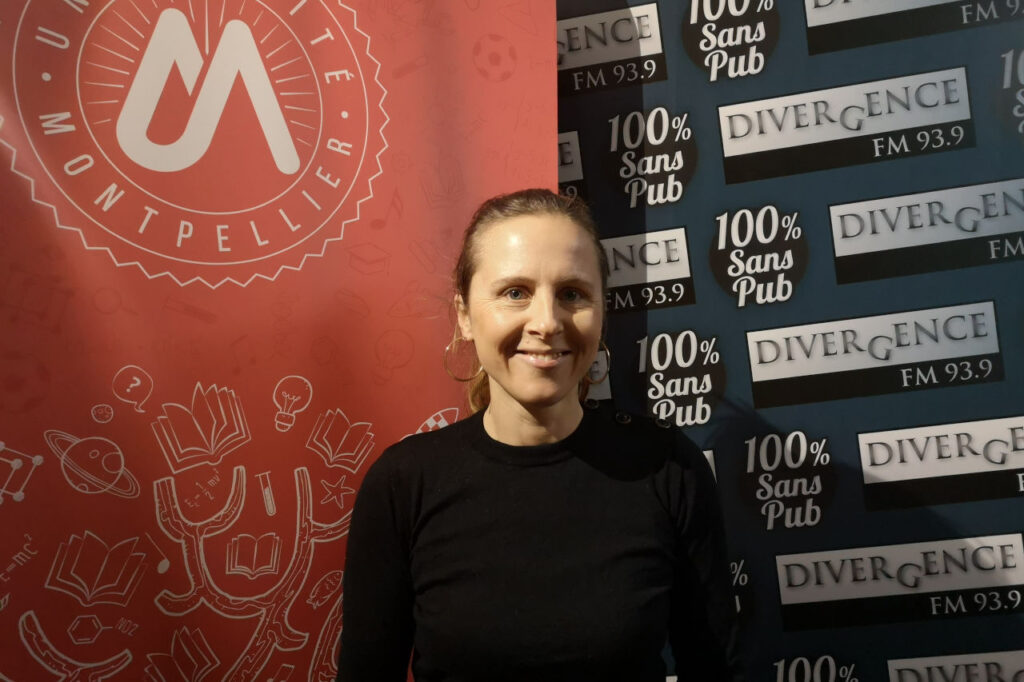
And to start off, here’s a number: 32. That’s the number of consecutive days without rain that France experienced between January and February. A dismal record, according to Météo France, which had never recorded such a streak since measurements began in 1959. In the Pyrénées-Orientales, the situation is so concerning that last February, the prefecture decided to place all of its municipalities on “heightened alert.” In other words, water was rationed for uses deemed “essential,” meaning no more swimming pools, car washing, or stadium irrigation. This drought comes amid a context where water shortages have been recurring since August 2021—but more importantly, it’s occurring in the middle of winter, a time when groundwater levels normally replenish and reach their peak. Admittedly, rain has been falling again for the past few days, but it’s unclear whether this will be enough to prevent the Pyrénées-Orientales from reaching the final threshold—the “crisis” level—where water use would be strictly limited to drinking water supply and to uses related to“sanitation, health, and safety.” Faced with this problem, other countries have taken the lead, particularly in the Global South. For years, they have been focusing not on rain dances but on water reuse, or “REUT” in French. Julie Mendret is our guest. She is a researcher atthe European Membrane Institute(IEM) and a specialist in water reuse.
See also:
- Drought:“Reusing wastewater alone cannot solve the problem,” Le Monde, March 7, 2023
- Drought and wastewater reuse: In France, a new push and obstacles to overcome, The Conversation, December 4, 2022
- Wastewater Reuse: What Will the New European Regulation Change?, The Conversation, March 15, 2022
- Urban wastewater reuse using a combination of nanofiltration and ozonation: Techno-economic assessment, Chemical Engineering Research and Design, 2019,
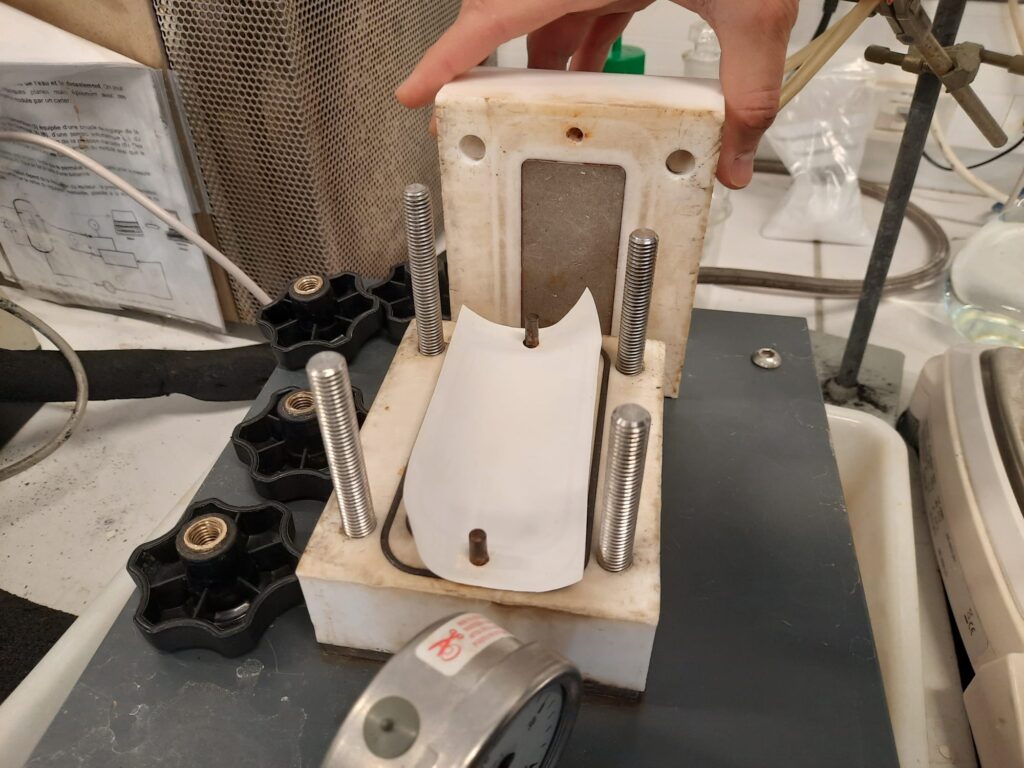
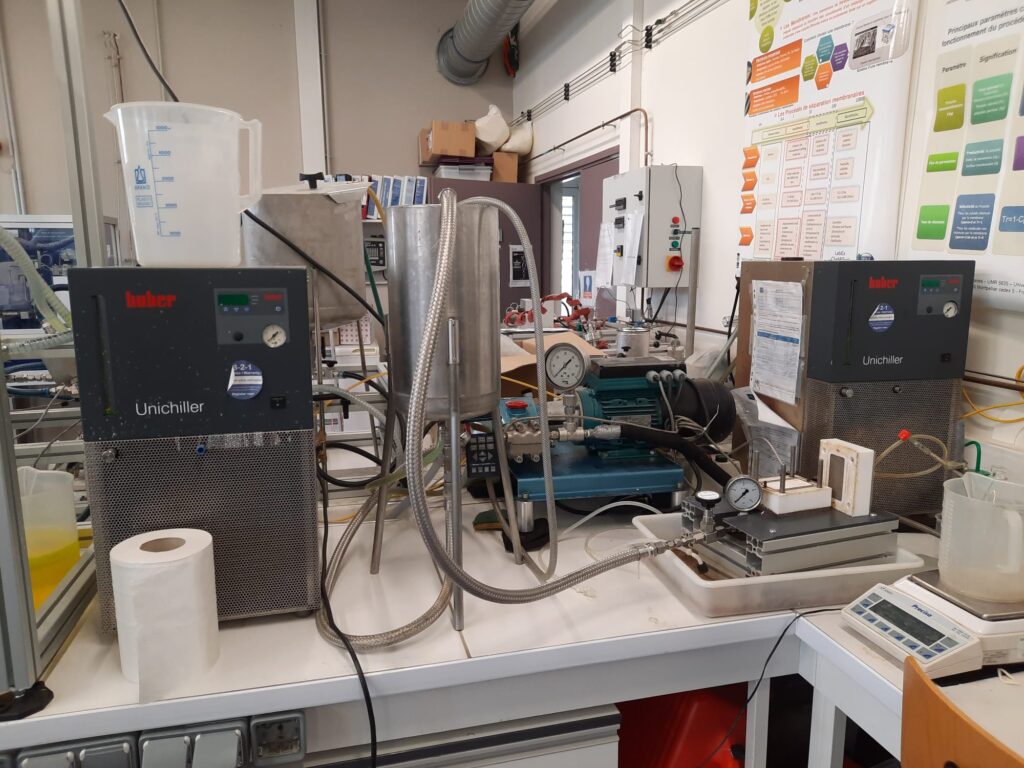
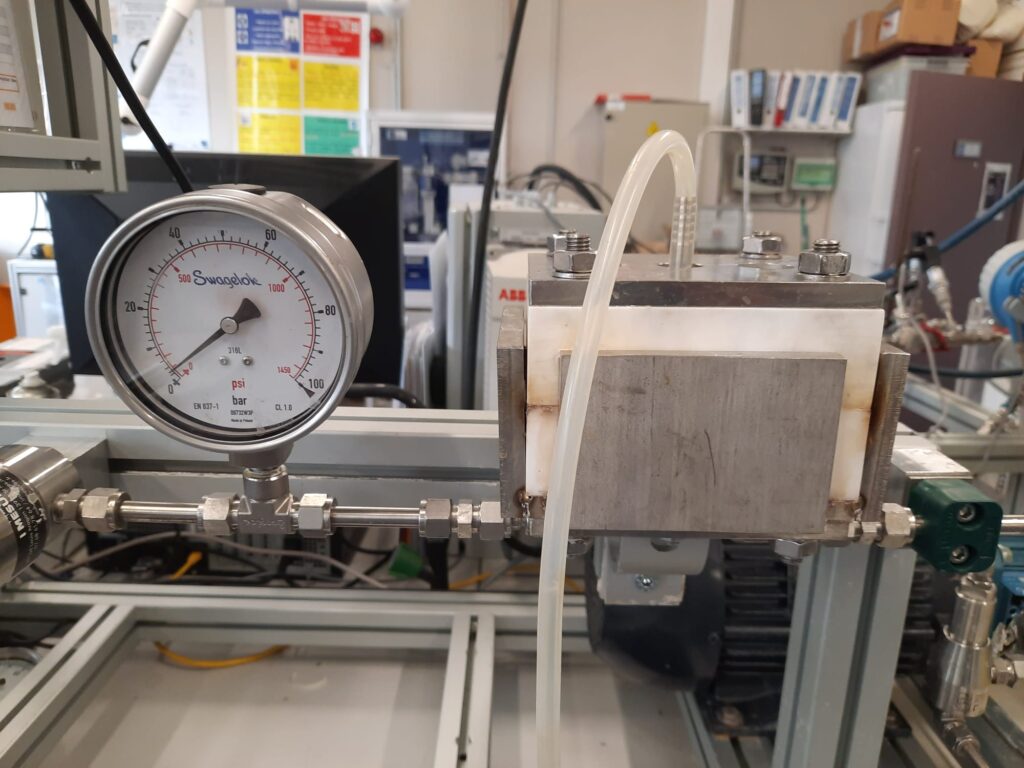
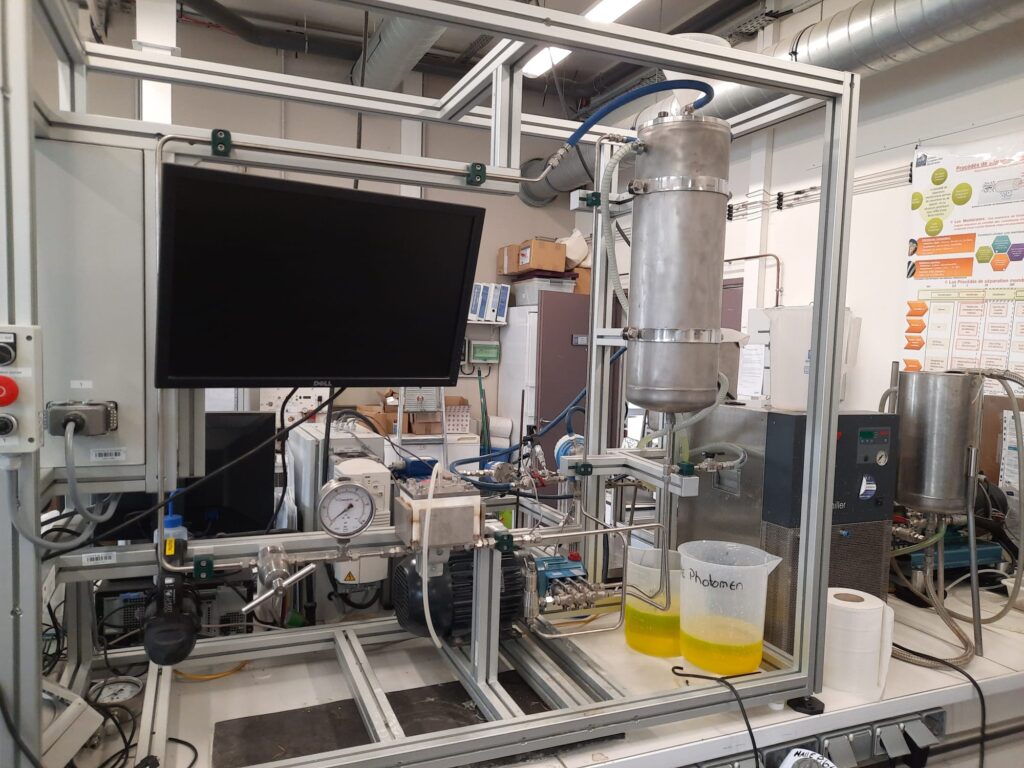
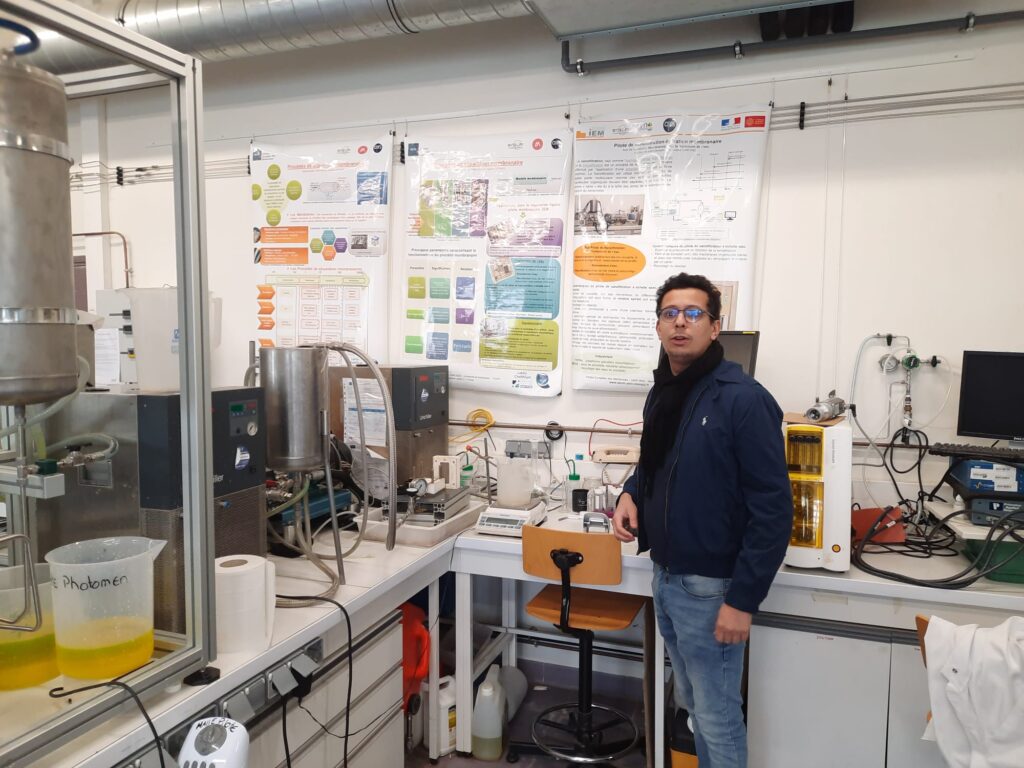
In the second part of the program, we remain at the European Institute of Membranes, specifically in the membrane filtration facility—a testing facility that allows for the implementation of various filtration techniques ranging from benchtop scale to pre-industrial scale. Omar Samhari, a postdoctoral researcher at theIEM , shows us how to desalinate seawater to produce drinking water using reverse osmosis.
Finally, our last-minute guest is from the School of Education. Brahim Azaoui is a lecturer, and he’s here to talk to us about the symposium, “Early Childhood: Languages, Multimodality, and Multilingualism,” organized at the “UM ” in collaboration with the University of Le Mans and the AFalaC association from March 15 to 18.
At "UM : Science," here's the lineup—let's get started!
Co-production: DivergenceFM / University of Montpellier
Host: LucieLecherbonnier
Interview: Lucie Lecherbonnier / Aline Périault
Reporting and editing: Aline Périault
Director: Naomi Charmetan
Listen to the show “A l’UM la science” on Divergence FM 93.9
Check out theUM podcasts, now available on your favorite platform (Spotify, Deezer, Apple Podcasts, Amazon Music, etc.).