UM : Science [S02-ep23]: From Antibiotic Resistance to Satellite Assembly
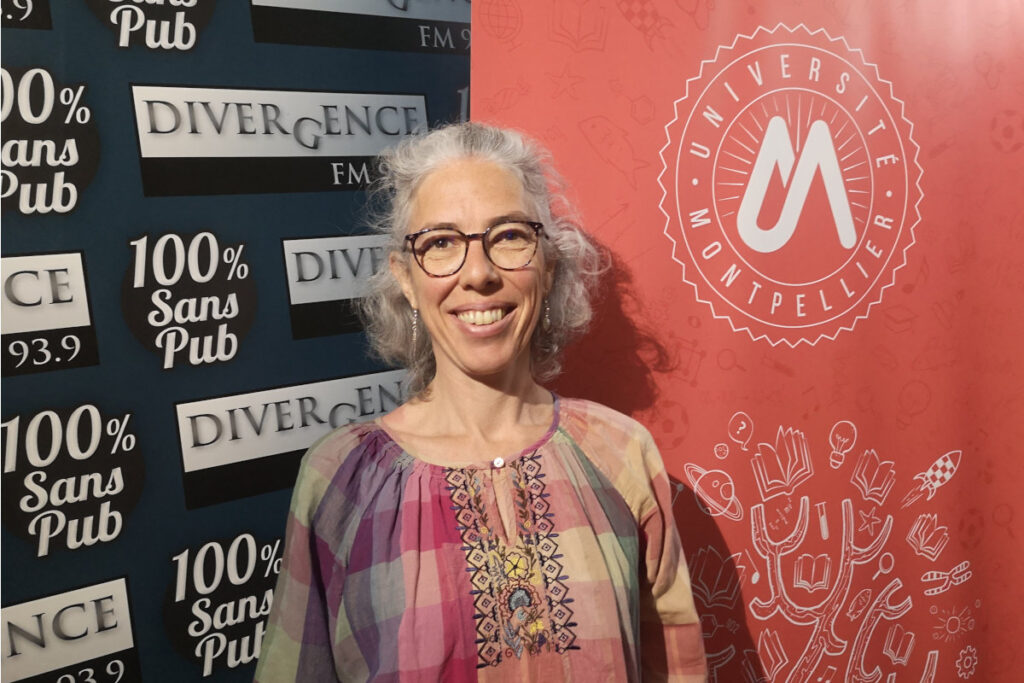
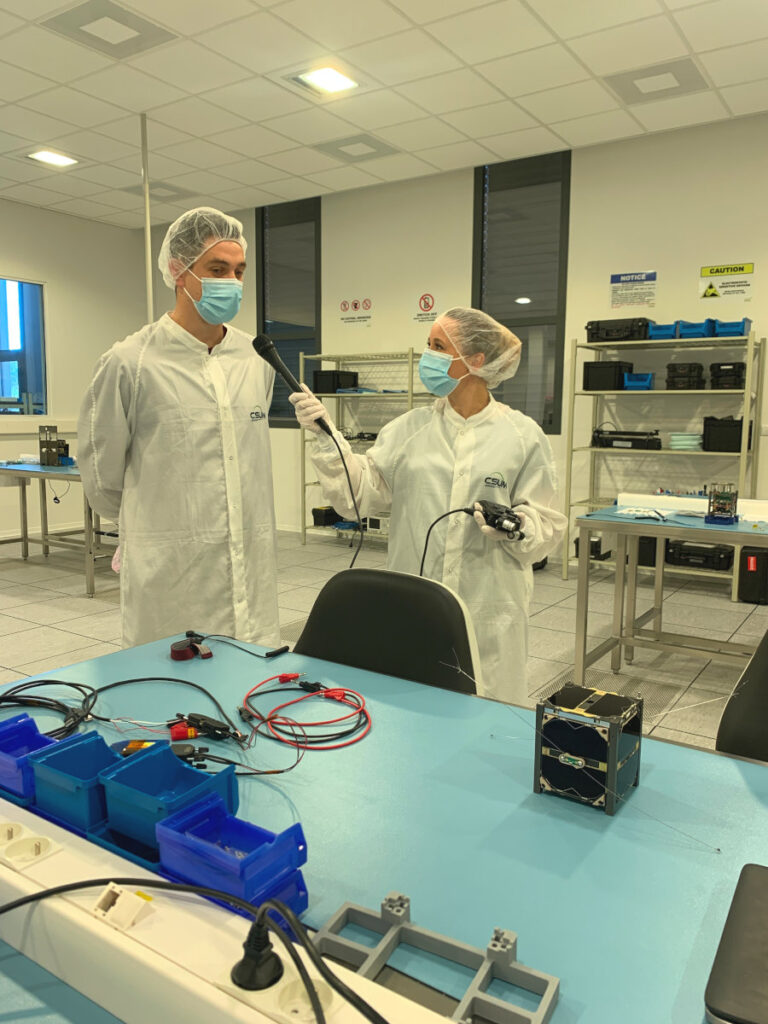
This week on *A l’UM *: Science, Stéphanie Bedhomme, a researcher at the Center for Functional and Evolutionary Ecology, talks to us about the distribution of antibiotic resistance genes. In the second segment, Romain Briand assembles a satellite at the University Space Center. Finally, Agnès Pesenti, head of science outreach, announces the next Science Bar.
It was more than ten years ago, and yet I remember it as if it were yesterday. That day, my doctor told me that the antibiotic I had been using to treat chronic pyelonephritis was no longer working. Since I’m allergic to penicillin, my treatment options were significantly limited—a fact that, as I could see from my doctor’s expression, caused her serious concern. My situation was eventually resolved when it turned out that I had never actually been allergic to penicillin, but the question remained: what would happen if antibiotics stopped working? Could I have died from pneumonia, a urinary tract infection, or even a simple tooth infection?
Today, antibiotic resistance is estimated to cause approximately 12,500 deaths in France and 33,000 in Europe. According to the French National Authority for Health, it could become the leading cause of death worldwide by 2050, with more than 10 million deaths per year, if nothing is done by then. Incidentally, despite a slight decline over the past decade, France remains one of the largest consumers of antibiotics. Could this excessive use play a role in the development of resistance? Are we more affected than our European, African, or American neighbors? Are there other factors that could explain the rise in this resistance? That’s our topic for today.
A study published in the journal eLifeprovides new insights into the global distribution of resistance genes to a class of antibiotics and offers some strategies for controlling this phenomenon, which could trigger the most alarming health crisis of the coming decades. Stéphanie Bedhomme, a researcher at CEFE (the Center for Functional and Evolutionary Ecology) and one of the two authors of the paper titled“Ecology, rather than antibiotic consumption, is the main predictor of the global distribution of aminoglycoside-modifying enzymes.”
See also:
CNRS Press Release: Understanding the Factors Driving the Spread of Antibiotic Resistance to Better Curb It
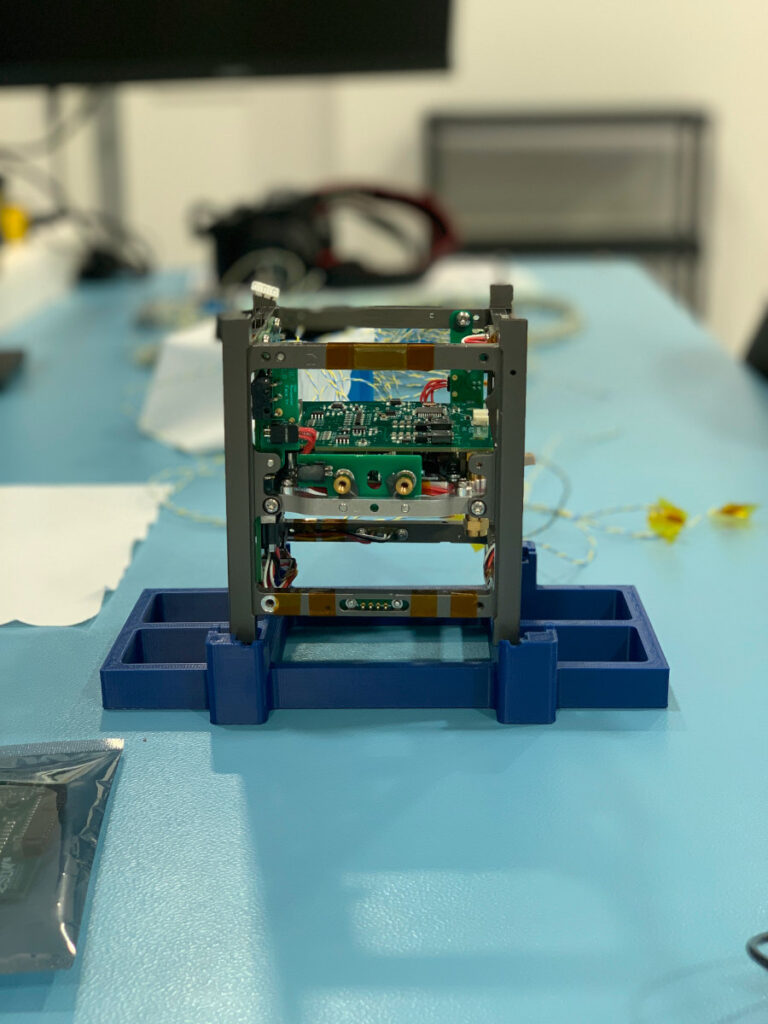
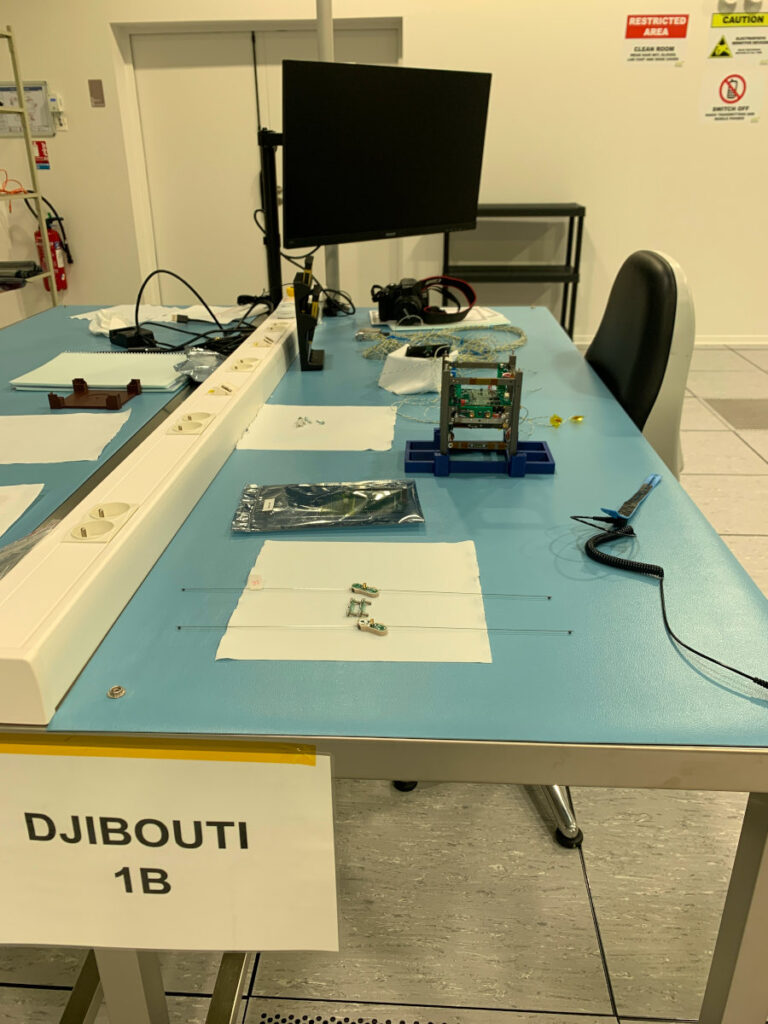
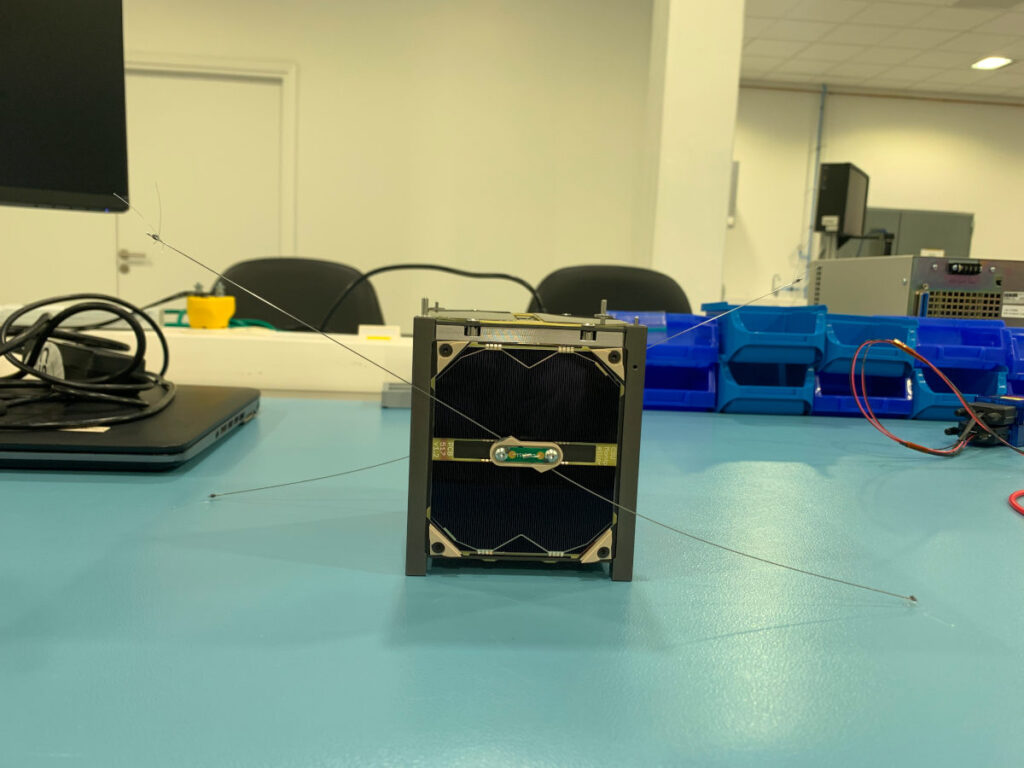
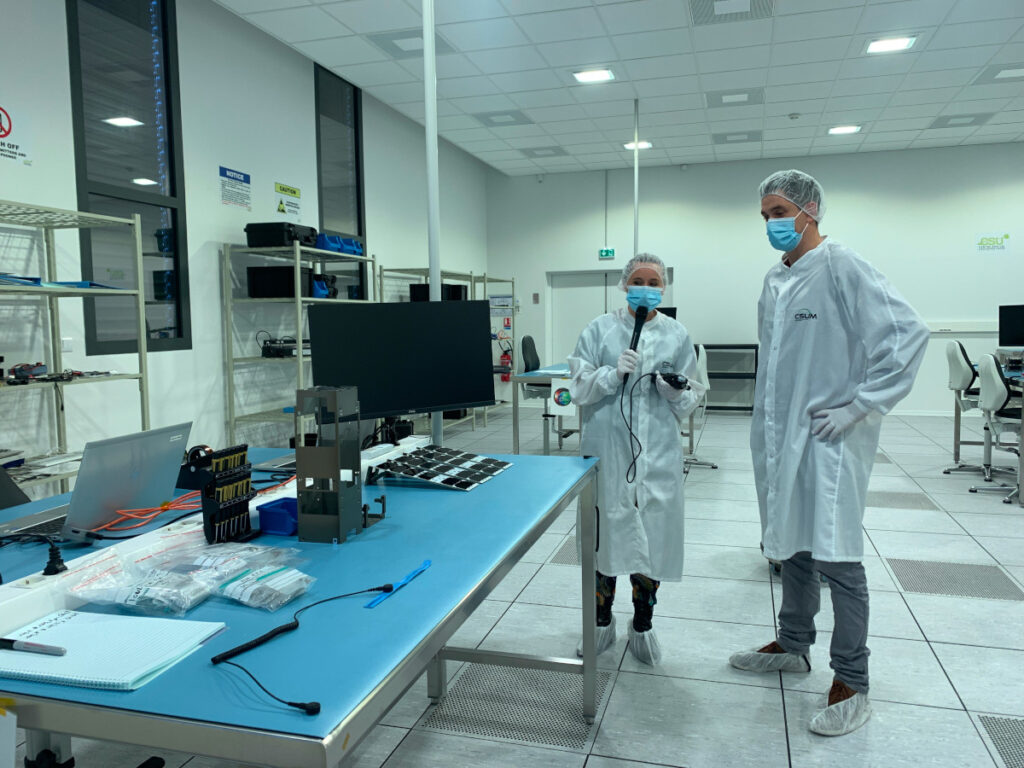
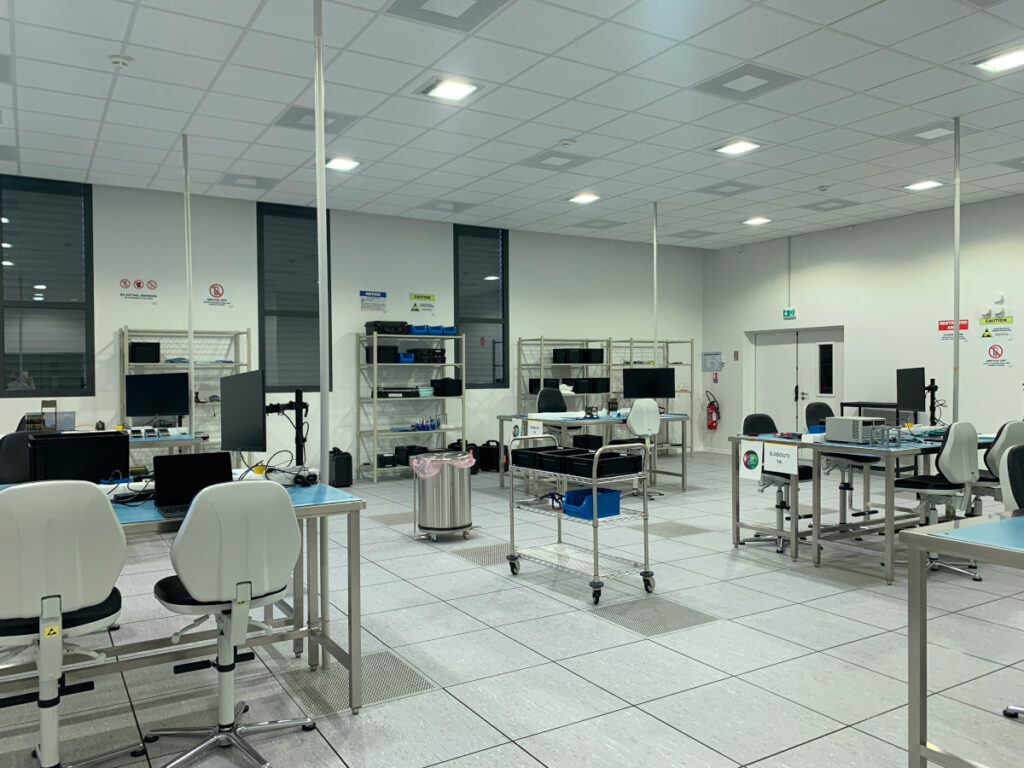
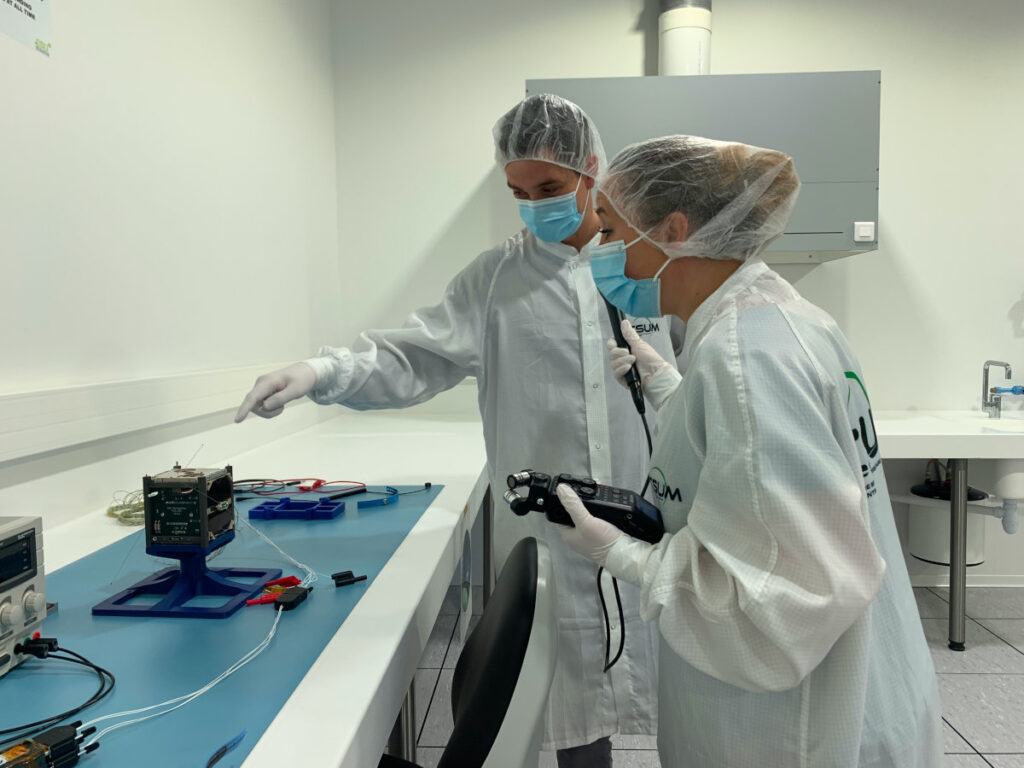
In the second part of the show, we’ll take you inside the clean room at the Montpellier University Space Center. Wearing a lab coat and a hairnet, Romain Briand, an engineer and AIT (Assembly, Integration, and Testing) manager, will tell us a little more about how a satellite is assembled. Finally, Agnès Pesenti, head of science outreach, will join us to talk about the latest Science Bar event, which will take place on May 25 at 8:30 p.m. at Le Dôme.
At "UM : Science," here's the lineup—let's get started!
Co-production: Divergence FM / University of Montpellier
Host: Lucie Lecherbonnier
Interview: Lucie Lecherbonnier / Aline Périault
Reporting and editing: Lucie Lecherbonnier
Director: Naomi Charmetan
Listen to the show “A l’UM la science” on Divergence FM 93.9

Check out theUM podcasts, now available on your favorite platform (Spotify, Deezer, Apple Podcasts, Amazon Music, etc.).