Science at theUM [S03-ep15]: Diet and Cancer
This week on *A l’UM * science, Sophie Tissot, a doctoral student at the Mivegec, talks to us about evolution, cancer, and diet. Our report takes us on a tour of the PhénoArch with Bertrand Muller. Finally, our last-minute guest is Agnès Pesenti, who introduces us to the upcoming Bar des sciences. A program co-produced with Divergence FM and airs every Wednesday at 6 p.m. on 93.9.
It’s January 24—the first month of this new year has barely passed, and yet New Year’s resolutions are already a distant memory. Do you know, by the way, what the most common resolutions are among the French? The very original trio: exercising, eating better, and, of course, losing weight.
So we can talk about the dictates of fashion, the tyranny of the body, and so on, but perhaps this obsession with food in our modern societies also reveals a sense of some kind of evolutionary imbalance. We know the harmful effects of our diets on our bodies. The links between diet and cancer, for example, have been widely demonstrated. It’s sad, but the more you eat—and the richer your diet—the greater your risk of fueling a future cancer.
Today, evolutionary oncology is taking a close look at these links between food availability and tumorigenesis and is trying to understand whether this correlation exists only in mammals or whether humans share this trait with species that are very different from them in evolutionary terms, such as fish or hydras. To do this, science is doing what it does best: experimenting and comparing.
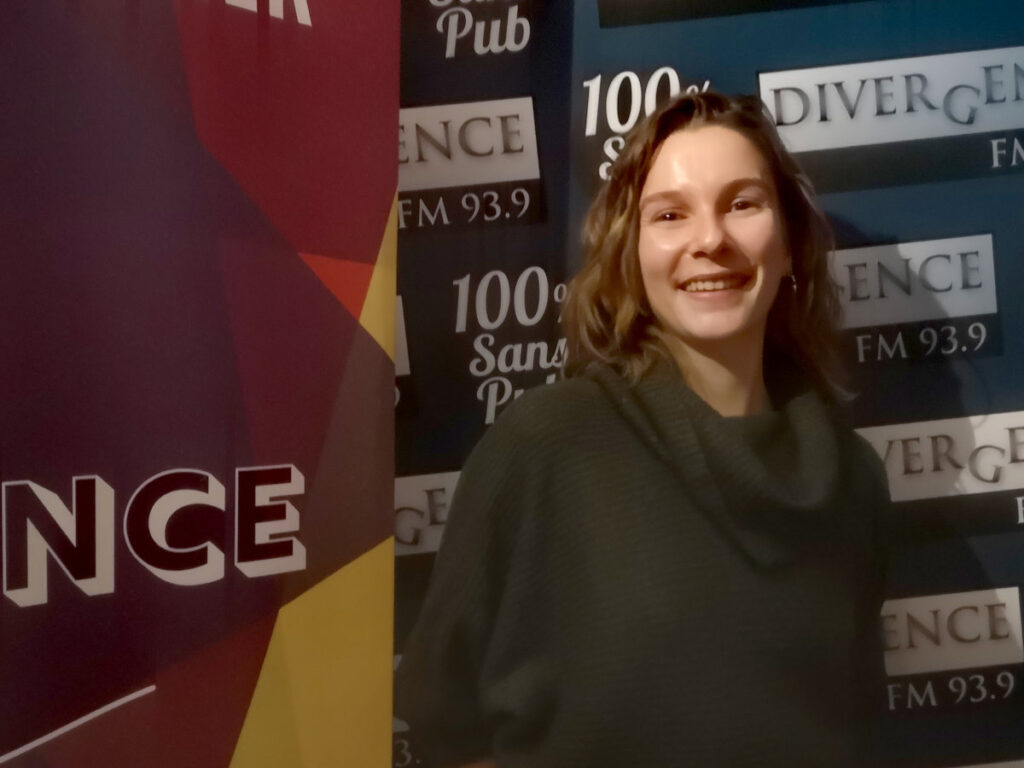
We discuss this with Sophie Tissot, a doctoral student at the Mivegec laboratory and at CREEC, the Center for Ecological and Evolutionary Cancer Research. She is the first author of this study, titled “The impact of food availability on tumorigenesis is conserved throughout evolution,” published in the journal *Scientific Reports*.
More info:
- Read the press release : Diet and Cancer: Links Preserved in the Tree of Life
- Read the article " The Impact of Food Availability on Tumorigenesis Is Evolutionarily Conserved"
- Read the article “Darwin Was Right”
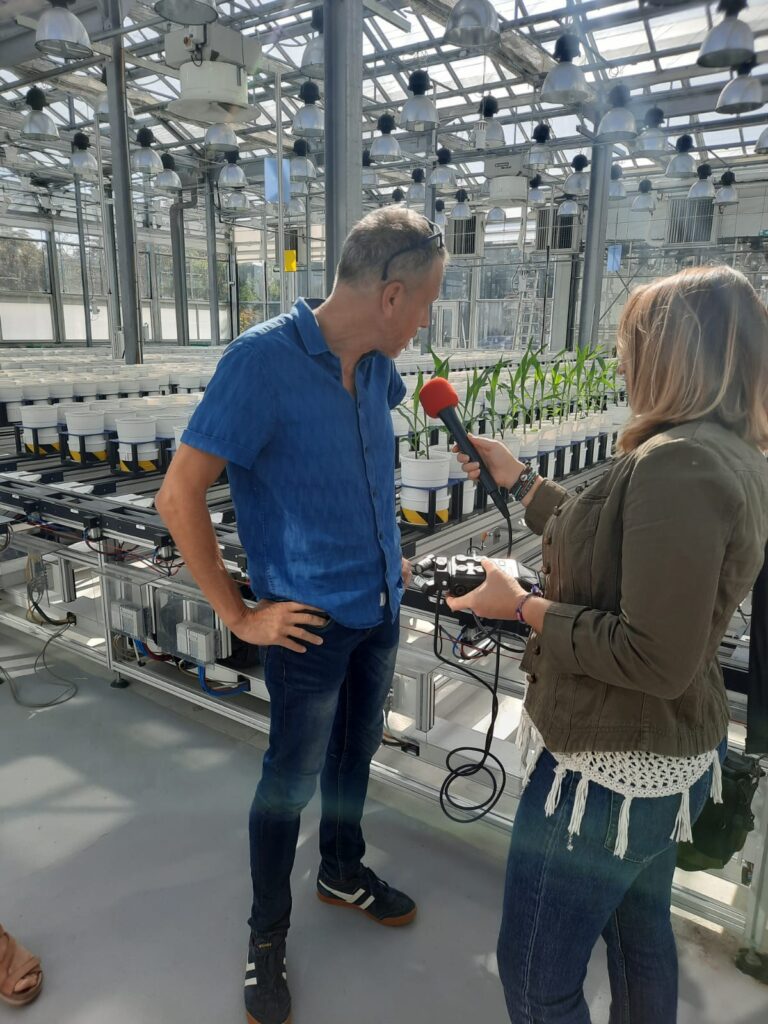
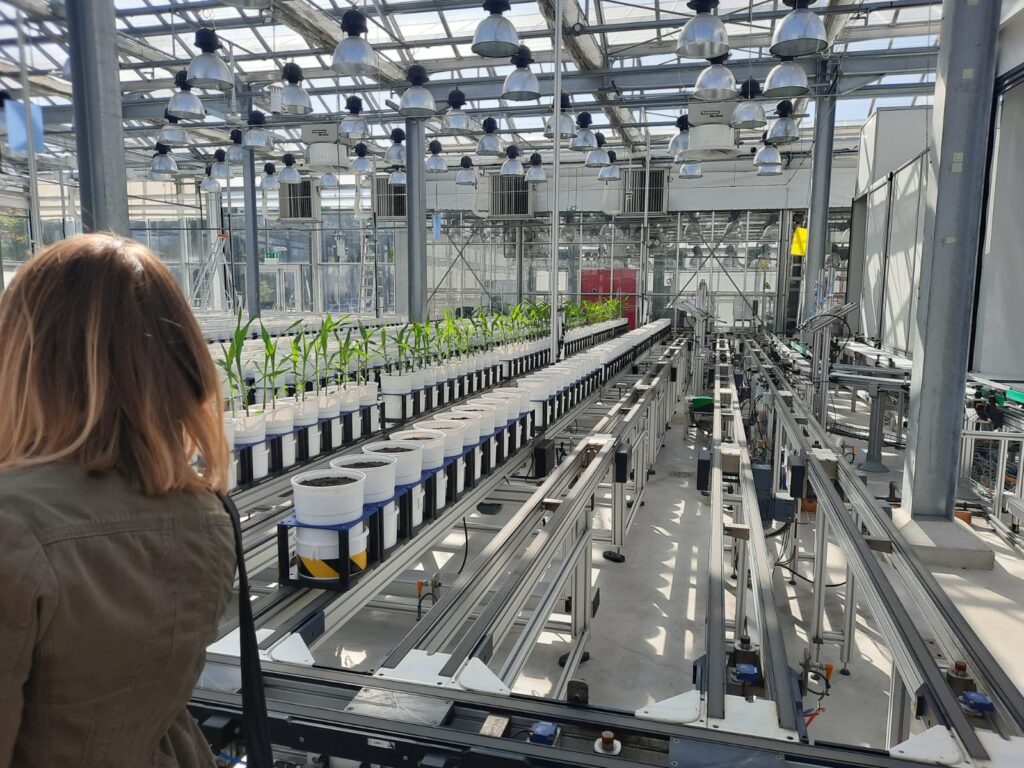
In the second half of the program, Bertrand Muller, a researcher at Lepse—the laboratory for plant ecophysiology under environmental stress—introduces us to PhénoArch, a phenotyping platform dedicated to analyzing the genetic determinants of plant responses to drought, temperature, and light.
Finally, for our last-minute interview, Agnès Pesenti, head of science outreach at theUM, is here to extend her best wishes and announce the reopening of the “Bar des Sciences” with an upcoming lecture on January 25 on the topic: “Should We Be Afraid of Artificial Intelligence?”
At "UM : Science," here's the lineup—let's get started!
Co-production: Divergence FM / University of Montpellier
Host: Lucie Lecherbonnier
Interview: Aline Périault / Lucie Lecherbonnier
Production: Alice Rollet / Tom Chevalier
Listen to the show “A l’UM la science” on Divergence FM 93.9

Check out theUM podcasts, now available on your favorite platform (Spotify, Deezer, Apple Podcasts, Amazon Music, etc.).