Science at theUM [S03-ep16]: Postillons Under the Microscope
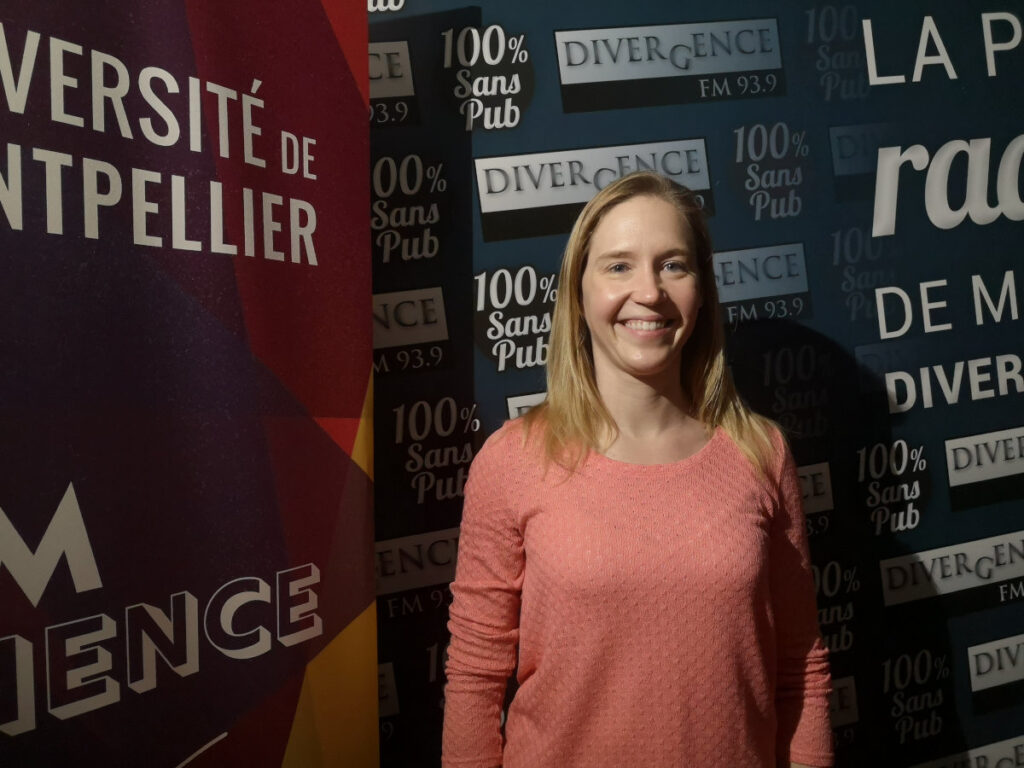
This week on *A l’UM * la science, Ashley Nord, a researcher at the Structural Biology Center, talks to us about bacteria, viruses, and droplets. Our report takes us on a tour of the Phenopsis with Myriam Dauzat. Finally, our last-minute guest is Ghyslaine Besançon, who introduces us to the screening and discussion of the film Bigger Than Us. A program co-produced with Divergence FM and airs every Wednesday at 6 p.m. on 93.9.
We’ve all found ourselves in the middle of a heated discussion with someone who is very angry or very drunk—someone who, in the heat of the moment or under the influence of alcohol, sprays a barrage of spit with every word, against which the only defense is to squint tightly while taking a small step back.
It’s not only an unpleasant sensory experience but also a form of intrusion—as if the person you’re talking to weren’t just sending you a mixture of water, proteins, and mineral ions; that’s what saliva is made of, by the way. By the way, did you know that the term “postillon” comes from the Italian “postiglione”? “Poste” here refers to a horse-drawn carriage used to transport travelers.
At first glance, this seems quite far removed from our saliva droplets, and yet these droplets, too, carry passengers. Remember COVID and our fears when one of these liquid bombs would crash into our faces. Yes, droplets are excellent vehicles for viruses. But are viruses the only ones to benefit from this fast and free mode of transportation? No—bacteria can also be airborne, as can happen in the transmission of tuberculosis. These aerosols were the subject of our guest ’s latest paper, published in the *Journal of Aerosol Science*.
She is a CNRS researcher and a biophysicist at the Center for Structural Biology ( CBS ), and she is also one of the eight recipients of the Impulscience award presented by the Bettencourt Foundation last November for her research on biofilms.
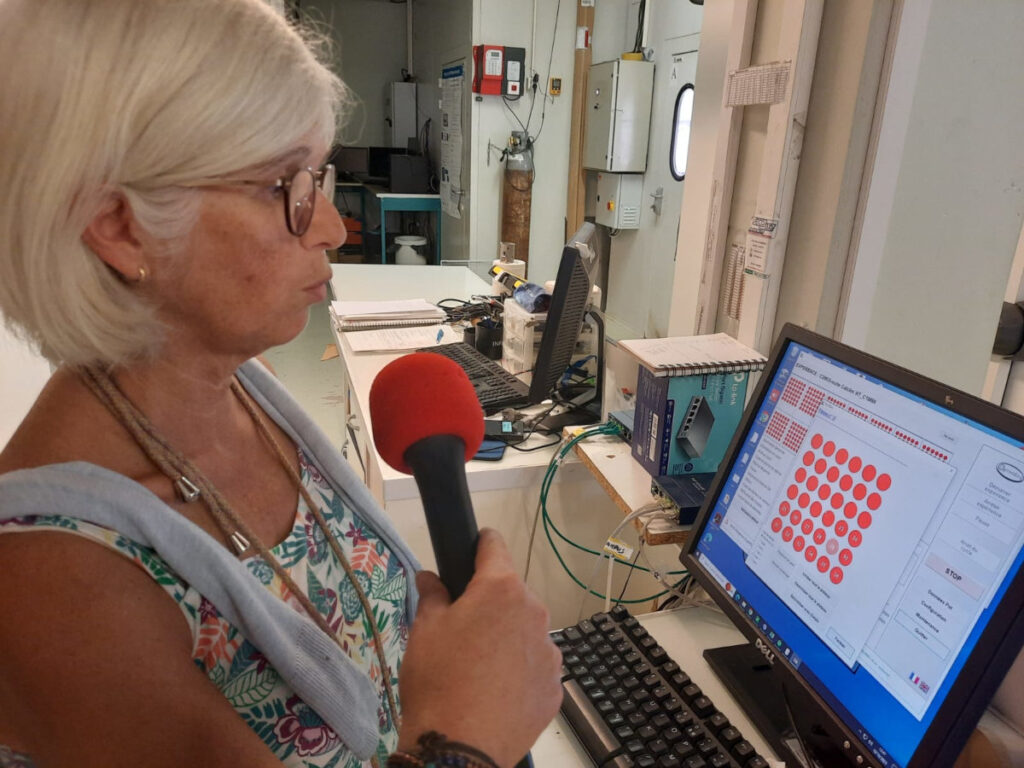
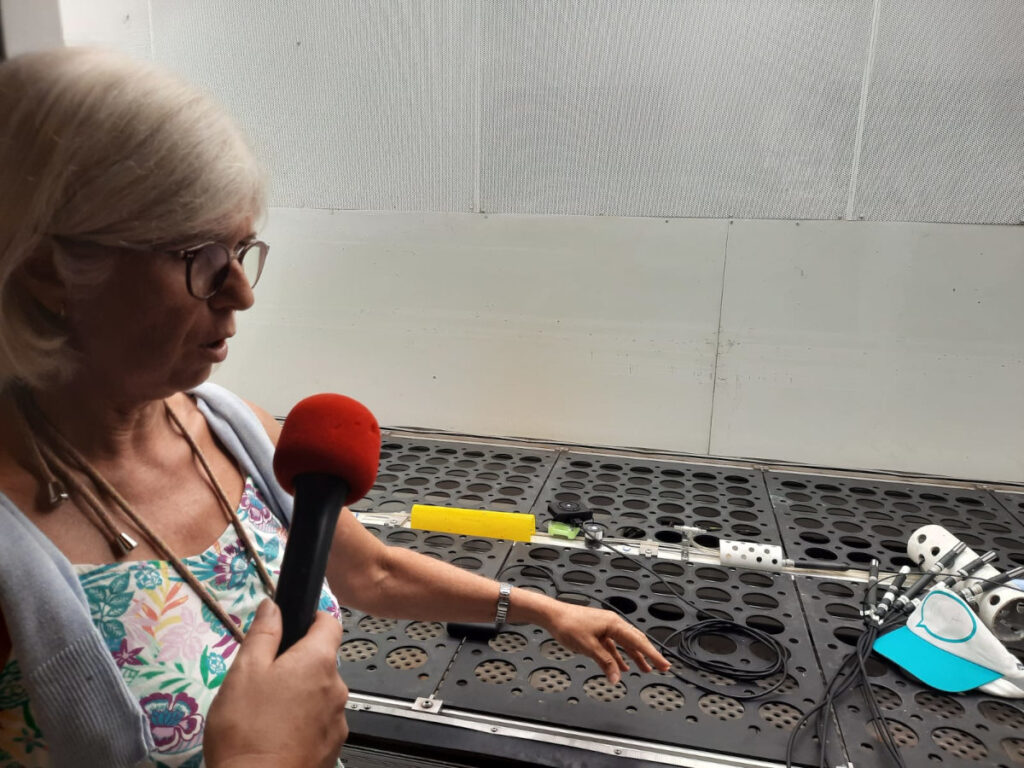
In the second half of the program, our latest report on the M3P platform takes us, along with Myriam Dauzat, to see Phenopsis, an automated irrigation and imaging system for grow rooms that allows users to monitor the development of more than 500 plants.
Finally, our last-minute guest is Ghyslaine Besançon, communications director at the Institut Agro Montpellier, who will introduce the screening and discussion of the film *Bigger Than Us*, which will take place on February 6 at 6 p.m.
At "UM : Science," here's the lineup—let's get started!
Co-production: Divergence FM / University of Montpellier
Host: Lucie Lecherbonnier
Interview: Aline Périault / Lucie Lecherbonnier
Report: Aline Périault / Lucie Lecherbonnier
Director: Alice Rollet
Listen to the show “A l’UM la science” on Divergence FM 93.9

Check out theUM podcasts, now available on your favorite platform (Spotify, Deezer, Apple Podcasts, Amazon Music, etc.).