UM : Science [S03-ep19]: The Domestication of Cacao
This week on *A l’UM * science, we’re discussing the domestication of cacao with geneticist Claire Lanaud from the Agaplaboratory . The report takes us to Baillarguet with Sébastien Vidal, head of the microcosm platform. Finally, in the closing minutes, Agnès Pesenti will introduce us to the upcoming Bar des sciences event dedicated to Brain Awareness Week. The show airs every Wednesday at 6 p.m. on Divergence-FM 93.9.
You can enjoy it very dark, like a good cup of coffee, with a pinch of salt or a dash of chili for a little twist. You might prefer it topped with hazelnuts or almonds for a crunchy texture, or let it melt, smooth and steaming, to savor it by the cup. For many of us, chocolate is much more than just a treat.
Every year, the French consume more than 300,000 kg of chocolate, or 7 kg per person. In Switzerland, in 2023, the press lamented that, for the first time in 40 years, chocolate consumption had fallen below 10 kg per capita per year. They are the champions in a world that consumes 7.2 billion metric tons of cocoa every year. That’s all there is to it.
Paradoxically, producing countries are far from being the leading consumers. In Côte d’Ivoire, the world’s leading producer with more than 2 million metric tons produced each year, consumption amounts to about 500 grams per person per year.
Yet cocoa does not originate from Africa—the leading exporter—nor from Europe—the leading importer—but from South America, and more specifically from the Amazon, before humans brought it out of the forest and domesticated it.
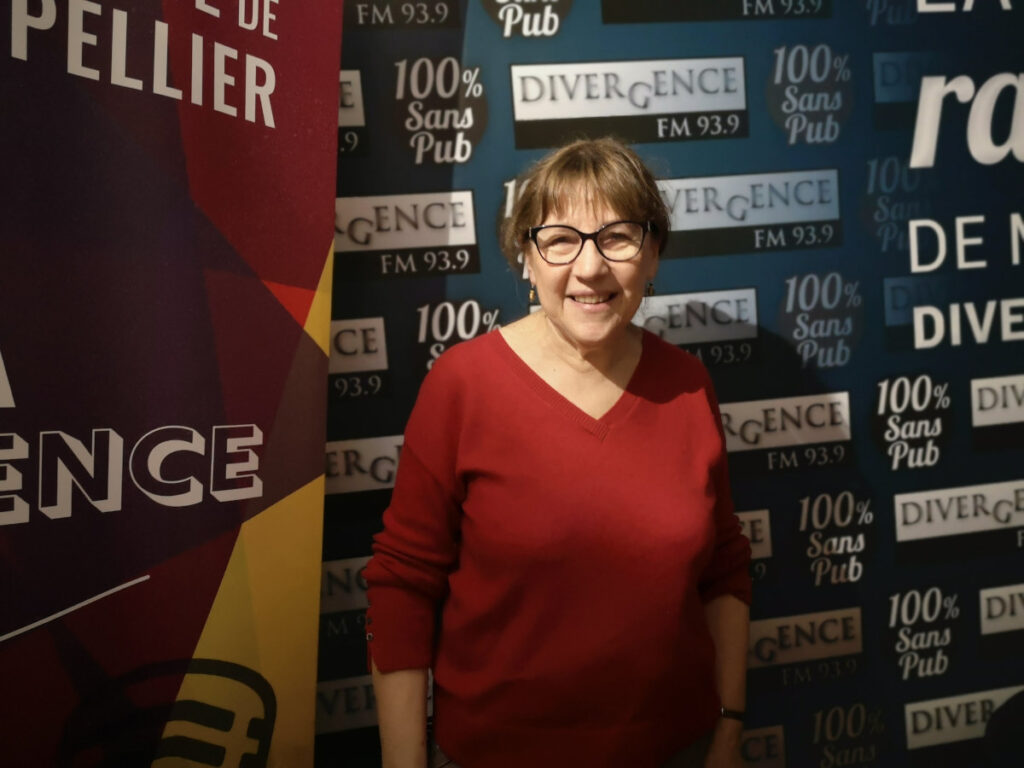
When? That’s the question we’re asking today with our guest. She is a distinguished geneticist at the Agap laboratory. Working with a team of archaeologists, anthropologists, geneticists, and biochemists, they have detected traces of ancient DNA on pottery dating from 5,000 to 400 years old to trace the history of cacao domestication. A study conducted with her colleagues Hélène Vignes, Xavier Argout, Bénédicte Rhoné, and Olivier Fouet from the Agap laboratory.
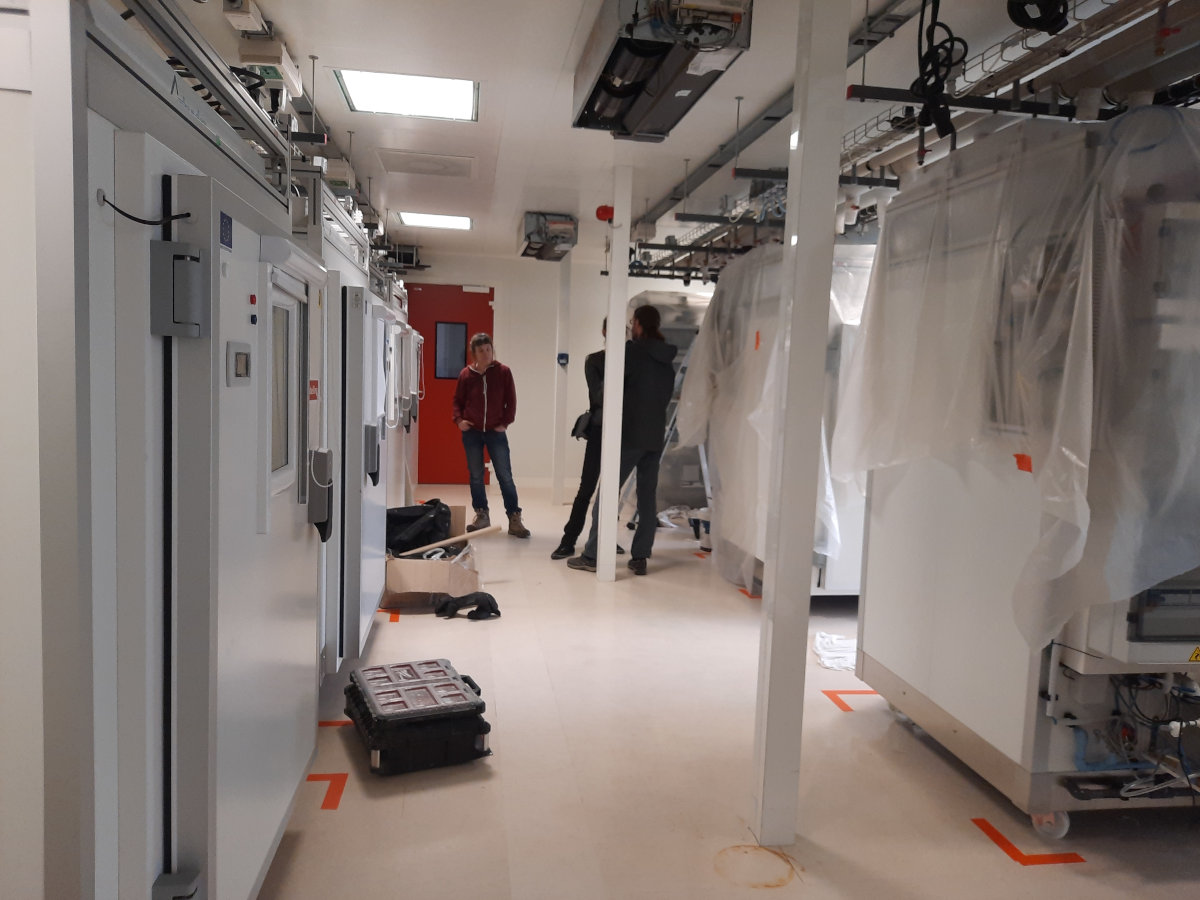
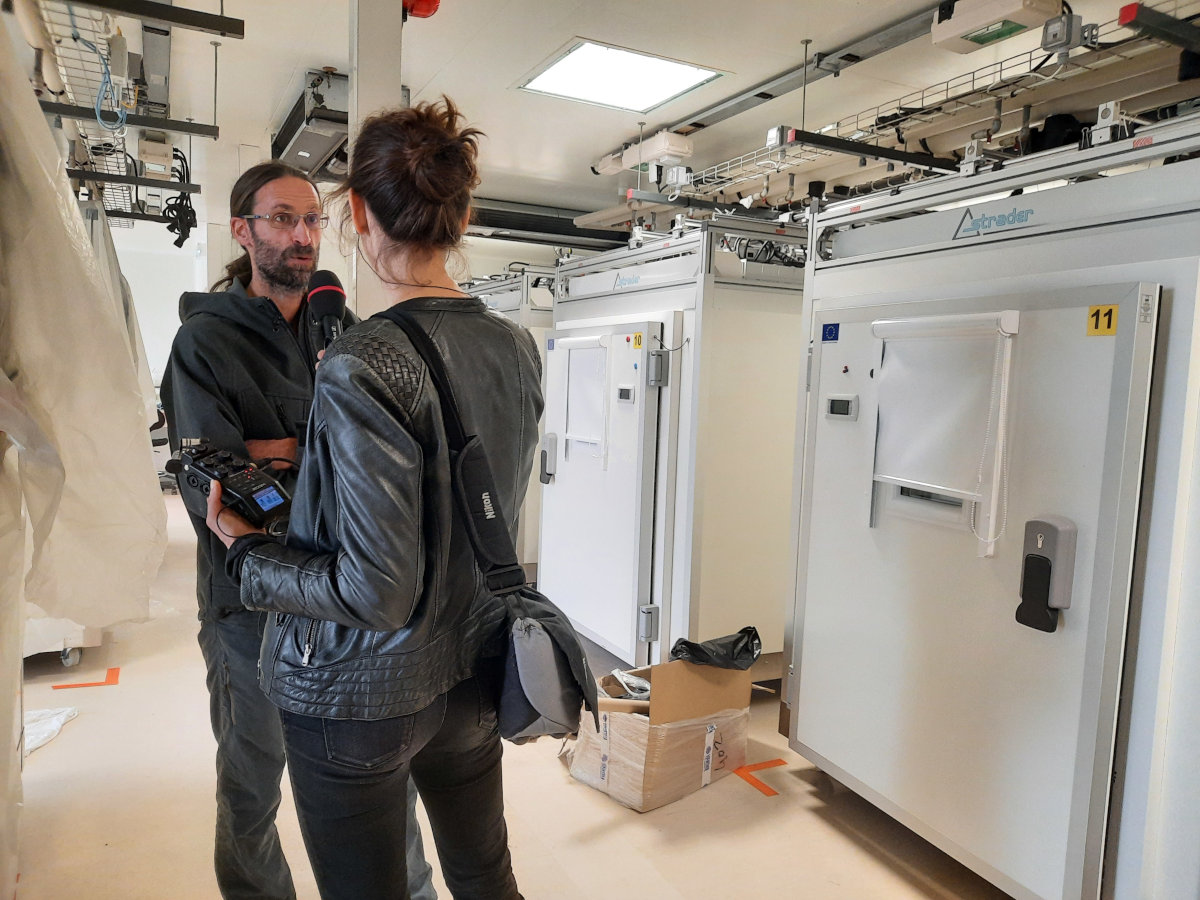
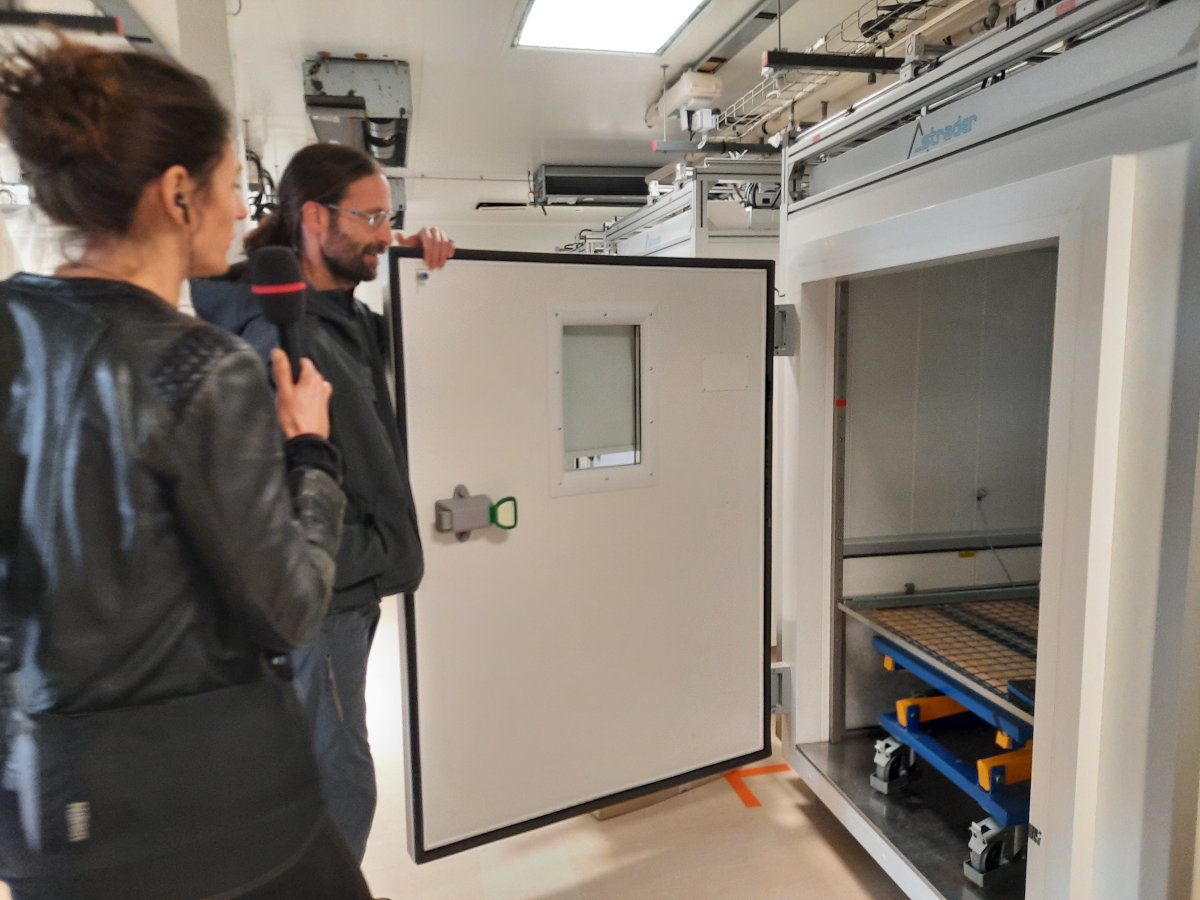
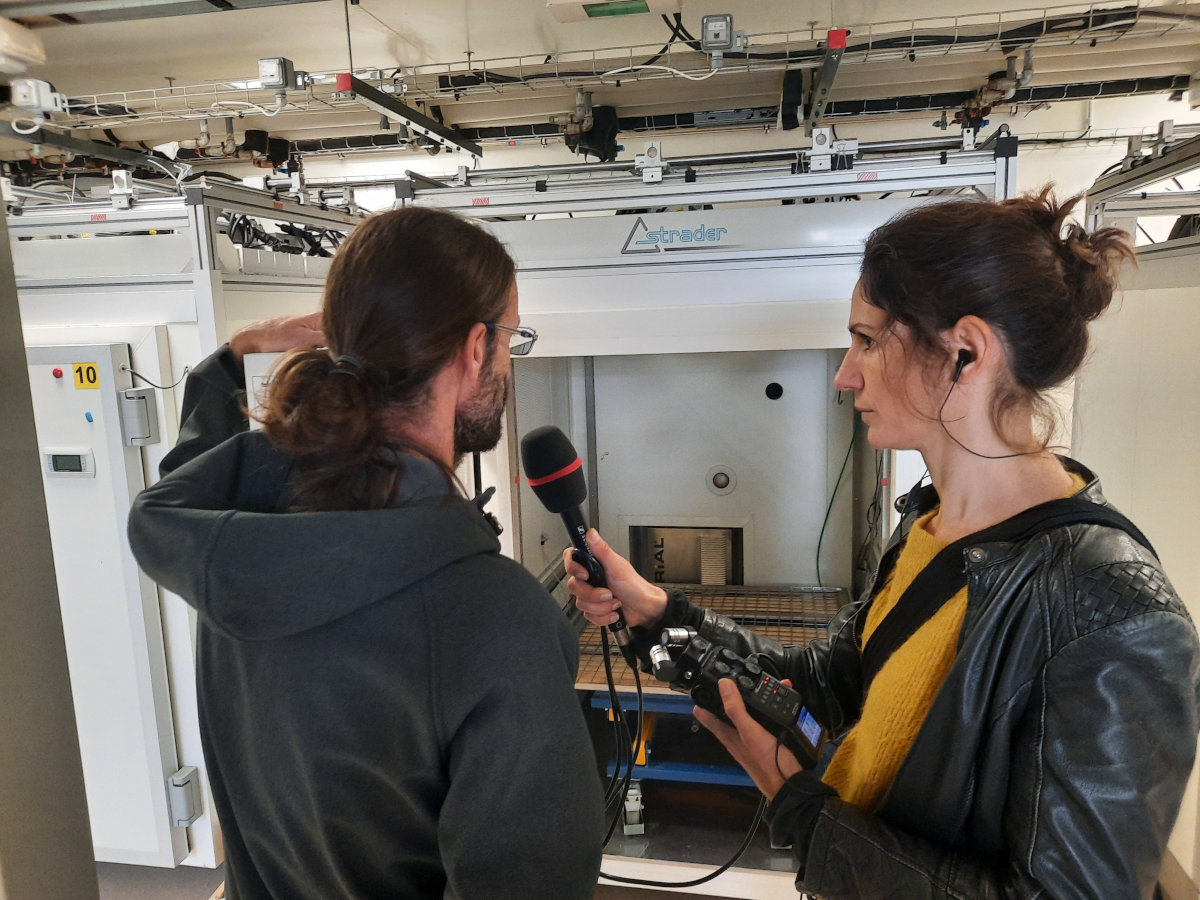
In the second half of the show, you’ll see our second episode at the Ecotron in Baillarguet. This week, we’re visiting the microcosm platform with Sébastien Devidal, the research engineer in charge of the Ecotron’s microcosm platform, who shows us its 13 identical, independent climate chambers—each measuring 2 cubic meters—which can accommodate not only plants but also soil and even butterflies, all for the purpose of studying the effects of climate change.
Finally, we’ll be welcoming Agnès Pesenti, as the Bar des sciences is back, and this time the conference’s theme is part of Brain Awareness Week.
At "UM : Science," here's the lineup—let's get started!
Co-production: Divergence FM / University of Montpellier
Host: Lucie Lecherbonnier
Interview: Aline Périault / Lucie Lecherbonnier
Reporting: Aline Périault, Lucie Lecherbonnier
Editing: Aline Périault
Directed by: Alice Rollet / Tom Chevalier
Listen to the show “A l’UM la science” on Divergence FM 93.9

Check out theUM podcasts, now available on your favorite platform (Spotify, Deezer, Apple Podcasts, Amazon Music, etc.).