Science at theUM [S03-ep30]: Festivals in Rural Areas
This week on *A l’UM *: Science with Emmanuel Négrier, a researcher at the Cepel, talks to us about the unique characteristics of festivals in rural areas. In the second half of the show, we return to Cemipai with Sébastien Lyonnais, who introduces us to his atomic force microscope. A program co-produced with Divergence FM and broadcast every Wednesday at 6 p.m. on 93.9.
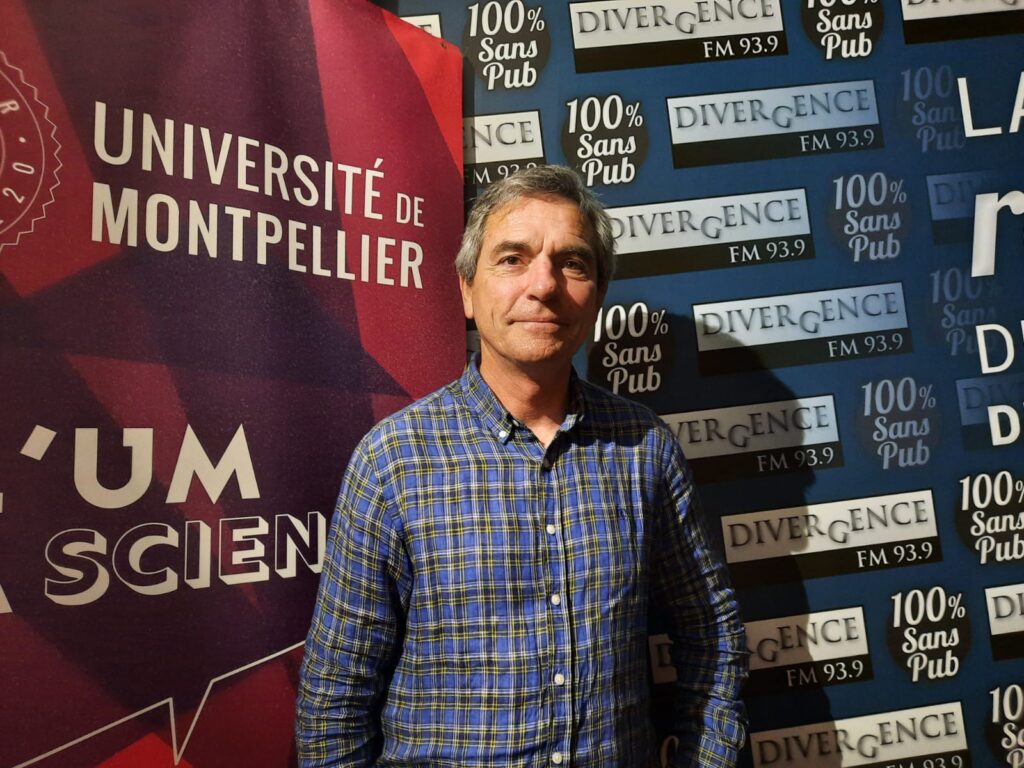
Every year, more than 7,000 festivals are held in France. This phenomenon has been growing rapidly since the 2000s, though it is by no means new. Hector Berlioz founded the first event of this kind in 1869; the festival, known as the Chorégies d’Orange, celebrated its 150th anniversary in 2019. In a different vein, Concarneau has been hosting the Festival des Filets Bleus since 1902. These are relatively modest festivals that cannot compete with the industry giants such as the Festival Interceltique de Lorient or the well-known Fête de l’Huma, which draws more than 800,000 attendees each year.
While Brittany is often in the spotlight, Occitanie is also a land of festivals. Every year, more than 150 such events take place in the Gard and Hérault departments alone, offering an astonishing variety. Indeed, what do the very Parisian Radio France Festival and the Montaren Chickpea Festival have in common? What about the Cratère Surface in Alès and the Printemps des Comédiens at the Domaine d’O? Or the Feu Garance Reggae Festival in Bagnoles-sur-Cèze and the Tous Contes Fées in Clarensac?
Nothing? Or perhaps quite the opposite. That’s what our guest’s latest survey reveals, at least in part. A researcher at the Montpellier Political Science Laboratory ( CEPEL)—which he also directs—he has been coordinating the major Sofest survey for the past five years alongside Aurélien Djakouane ! Sofest involves 25,000 questionnaires, 3,500 volunteers surveyed, and 1,300 festivals analyzed across 13 regions. This year, the two coordinators and their team of about ten researchers focused on the specific cultural, social, and economic dynamics of festivals in rural areas, which account for no less than one-third of the 7,300 festivals surveyed.
For more information:
- See also the article “It Is Through What Is Missing That We See the Place Culture Holds, ” published in Lum magazine.
- Also listen to the program “Festivals” on the Cefe’s experimental site.
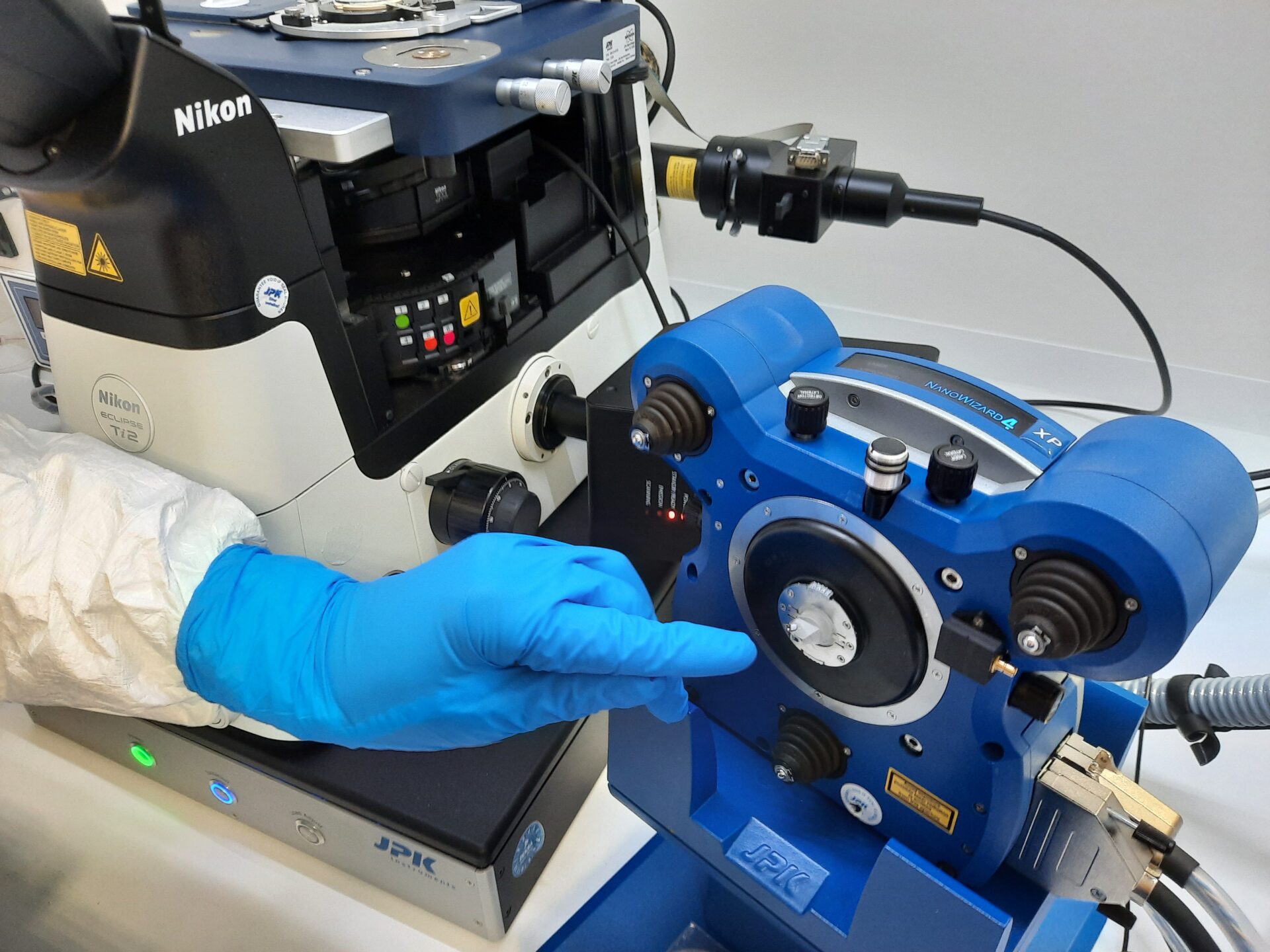
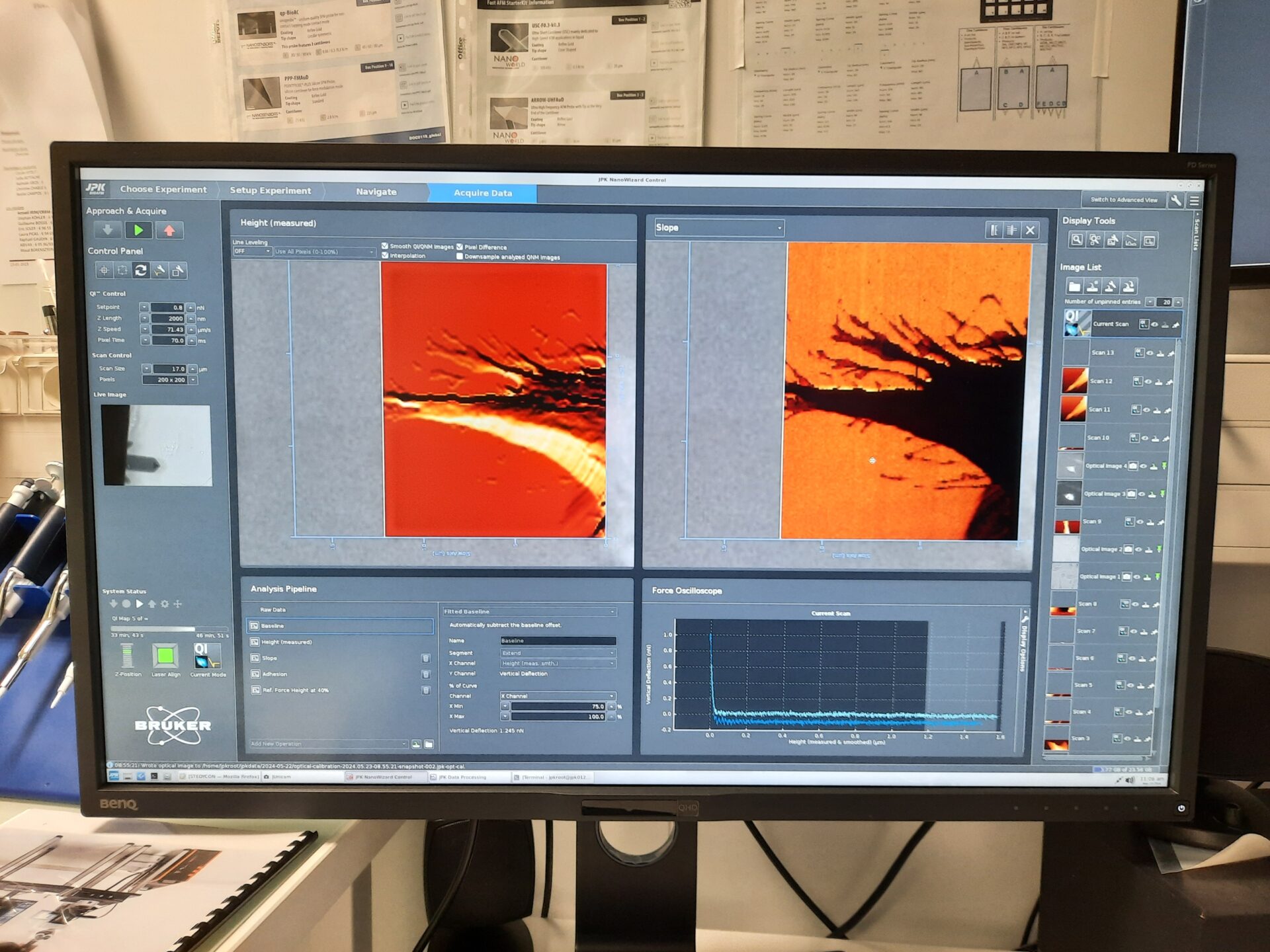
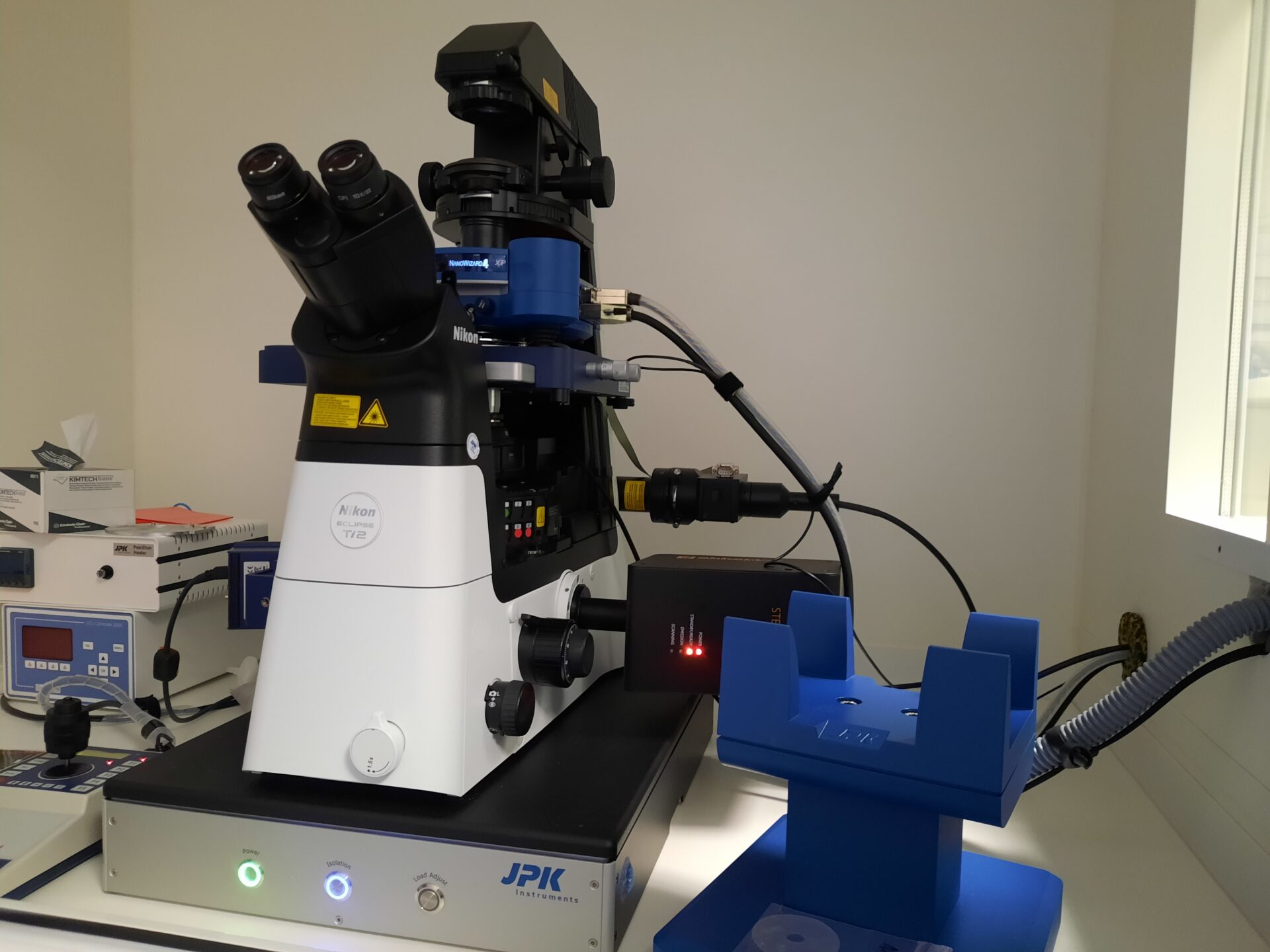
In the second part of the program, for the final report in the series on Cemipai, Sébastien Lyonnais introduces us to his favorite piece of equipment, the atomic force microscope (AFM), coupled with fluorescence. It is the only one of its kind in the world installed in a Level 3 biosafety facility, and researchers are clamoring to use it to visualize viruses and bacteria topographically using a device that offers incredible observational capabilities.
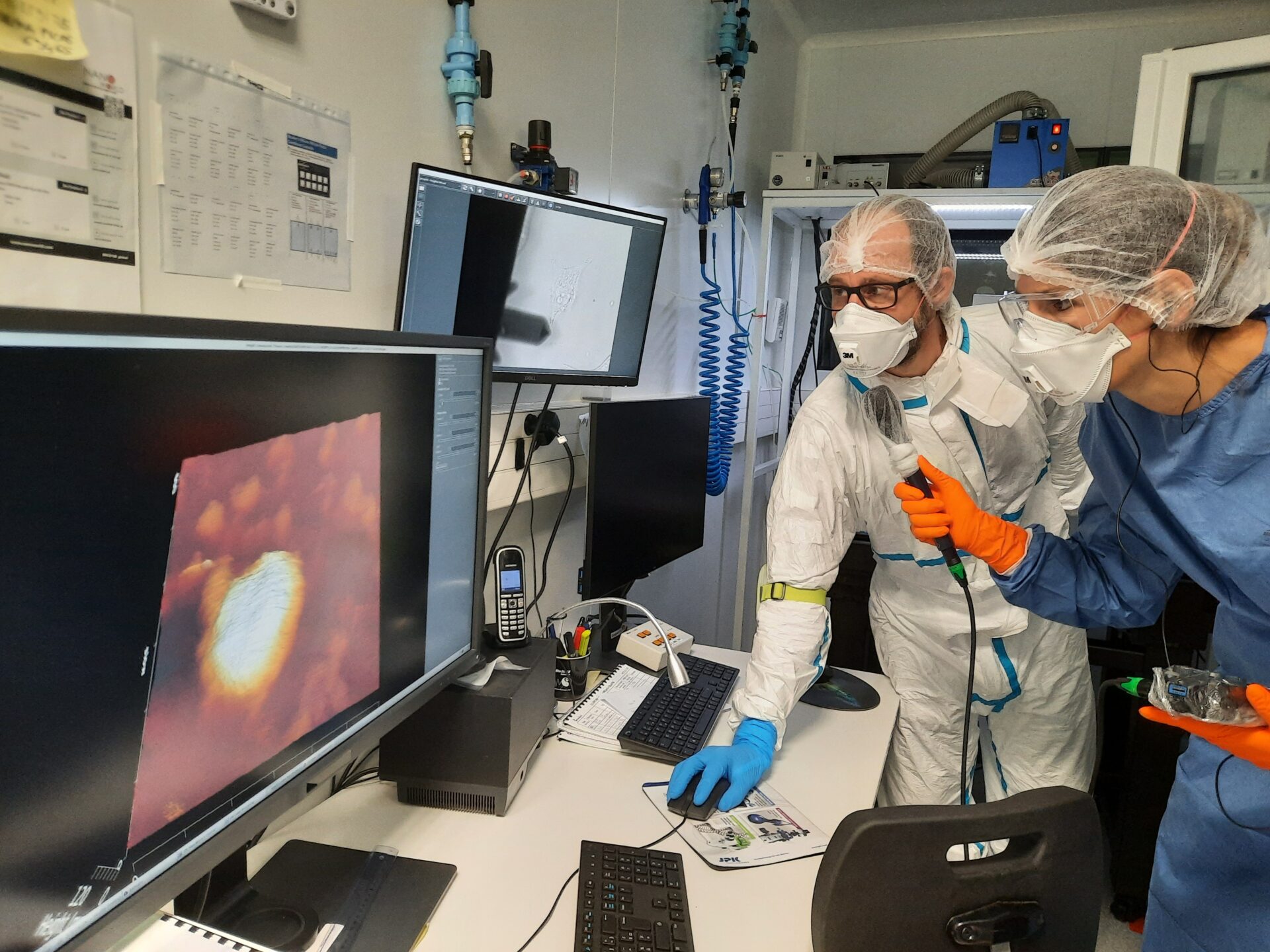
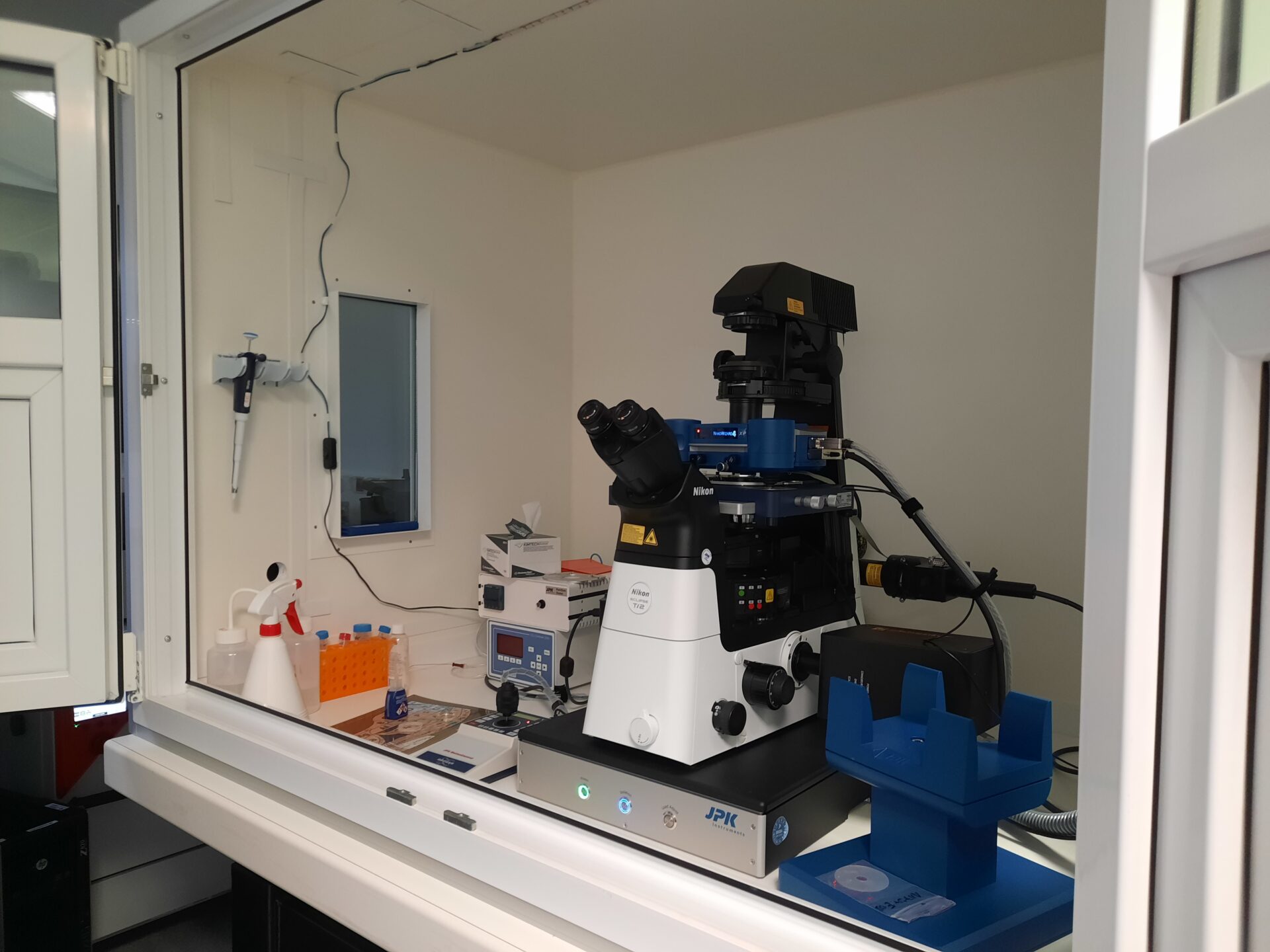
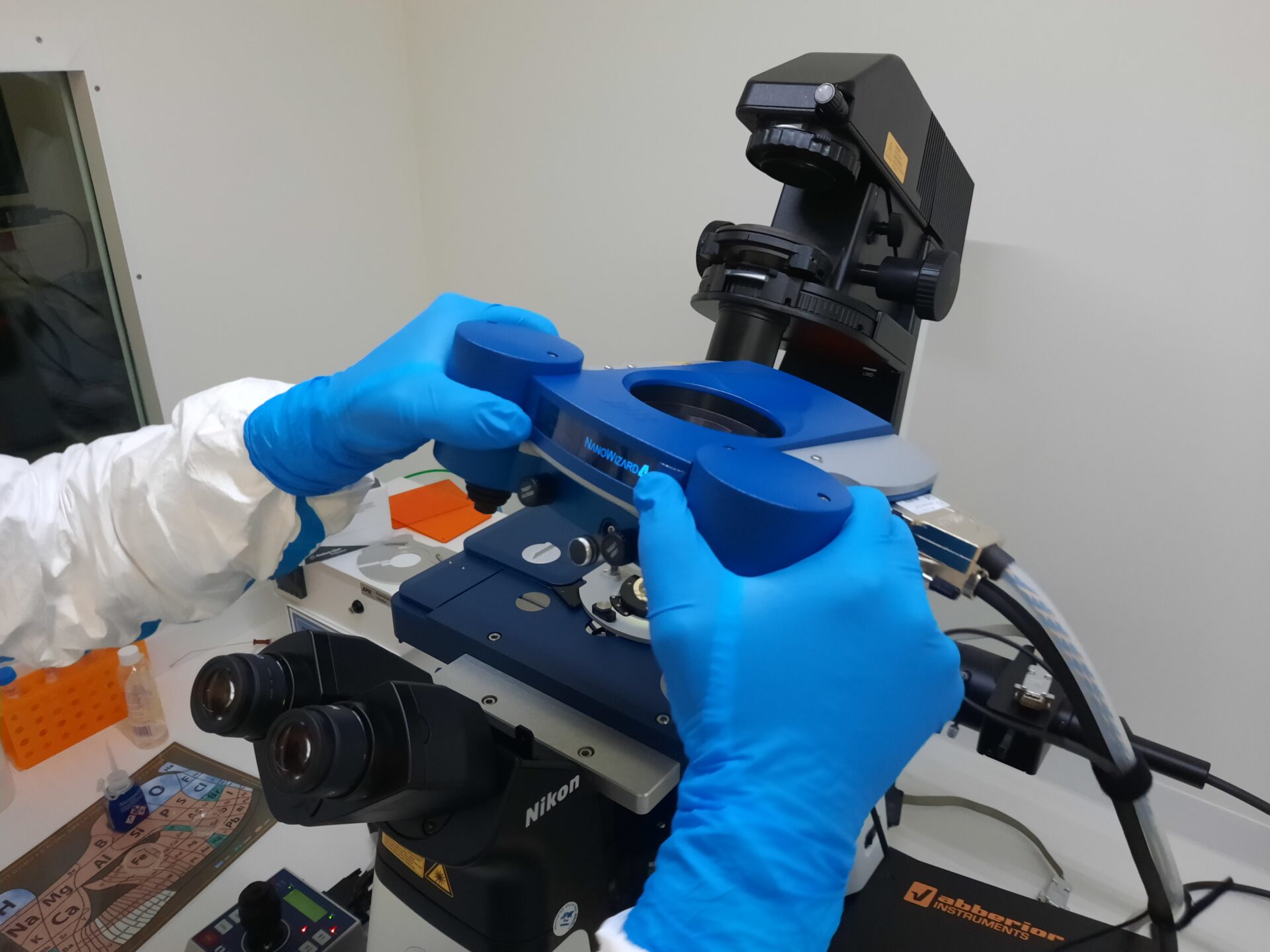
At "UM : Science," here's the lineup—let's get started!
Co-production: Divergence FM / University of Montpellier
Host: Lucie Lecherbonnier
Interview: Aline Périault / Lucie Lecherbonnier
Reporting and editing: Lucie Lecherbonnier / Aline Périault
Directed by: Tom Chevalier / Alice Rollet
Listen to the show “A l’UM la science” on Divergence FM 93.9

Check out theUM podcasts, now available on your favorite platform (Spotify, Deezer, Apple Podcasts, Amazon Music, etc.).