UM : Science [S04-ep03]: The Race for Rare Metals
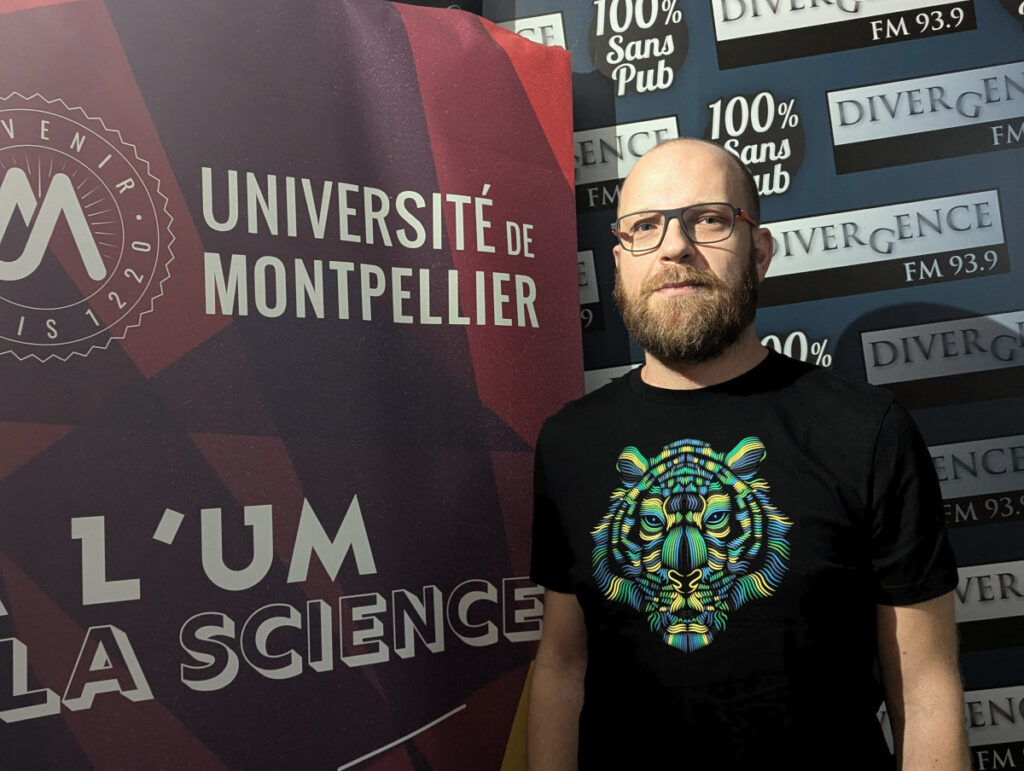
This week on *A l’UM *: Science with Roberto Interdonato, a researcher at the Tetislaboratory, talks to us about mining transactions. The report takes us to the nuclear magnetic resonance platform with Aurélien Lebrun. Then Thomas Pichery, sustainable development communications officer at theUM, talks to us about the Science Festival. A show broadcast every Wednesday at 6 p.m. on Divergence FM-93.9.
And today we’re talking about a form of cognitive dissonance—a dissonance between a vision of our future selves, a clean, green world where our electric cars and bikes don’t pollute, where our homes are heated by renewable energy sources that are good for nature, and where we can continue to consume the products of our industries without guilt because they have a near-zero carbon footprint.
Set against this image is the other one—the old, ugly one—that of our societies saturated with black, dirty, toxic fossil fuels, embodied by the coal mine in *Germinal* or by the gold mine and its rivers of arsenic. An outdated image, an image of the past.
And yet, the reality of the situation requires us—whether we are European, American, Canadian, Australian, Russian, or Chinese—to overlay these two images in order to grasp the idea that the energy transition comes at a cost, and that we are not the ones paying for it.
Because our batteries, solar panels, and wind turbines have one major flaw: they’re energy-hungry. Lithium, cobalt, nickel, copper, zinc, and aluminum are their guilty pleasures. And according to the Net Zero Emissions by2050 (NZE) scenario, demand for so-called critical minerals is expected to increase by 1.5 to 7 times by 2030.
And when you say “ore,” you think of… a mine. You can picture it: dirty, ugly, toxic. The image of arable land being seized, of hunger, of irreversible ecological damage, of child labor, of war.
Using open data, Roberto Interdonato of the Tetis Lab and his team mapped the current transnational mining network linking investor countries and host countries to highlight distributional injustices and the unequal distribution of the social and environmental costs of resource extraction.
He published an article in the *Revue Perspective de Développement Mondial* titled “Mineral Resources: The Uncomfortable Truth of the Energy Transition.”
See also:
- The article " Precious Gems"
The report takes us once again to the Balard Chemistry Center, to the nuclear magnetic resonance facility, where Aurélien Lebrun explains how spectrometry can be used to better characterize molecules or determine the purity of samples.
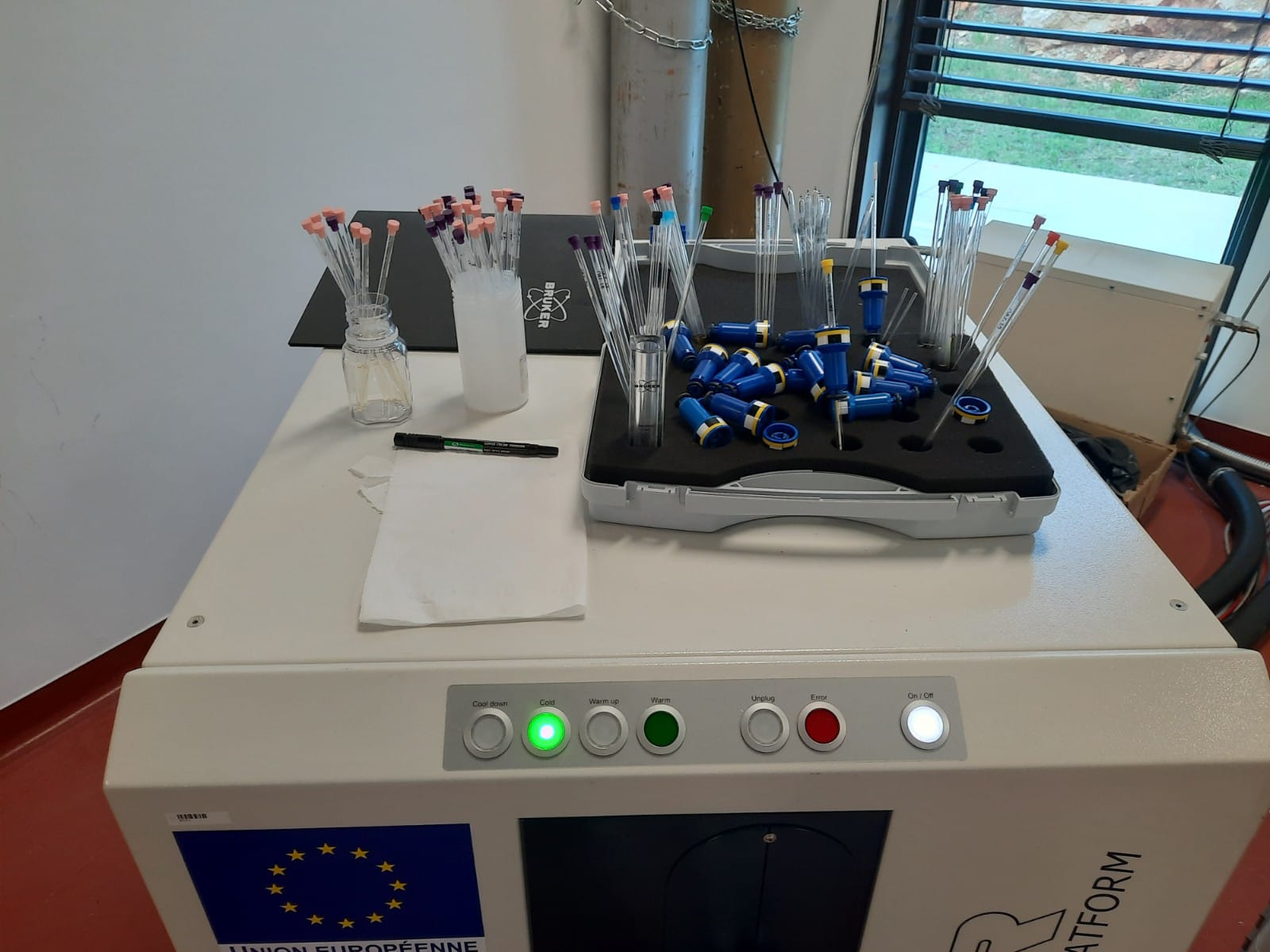
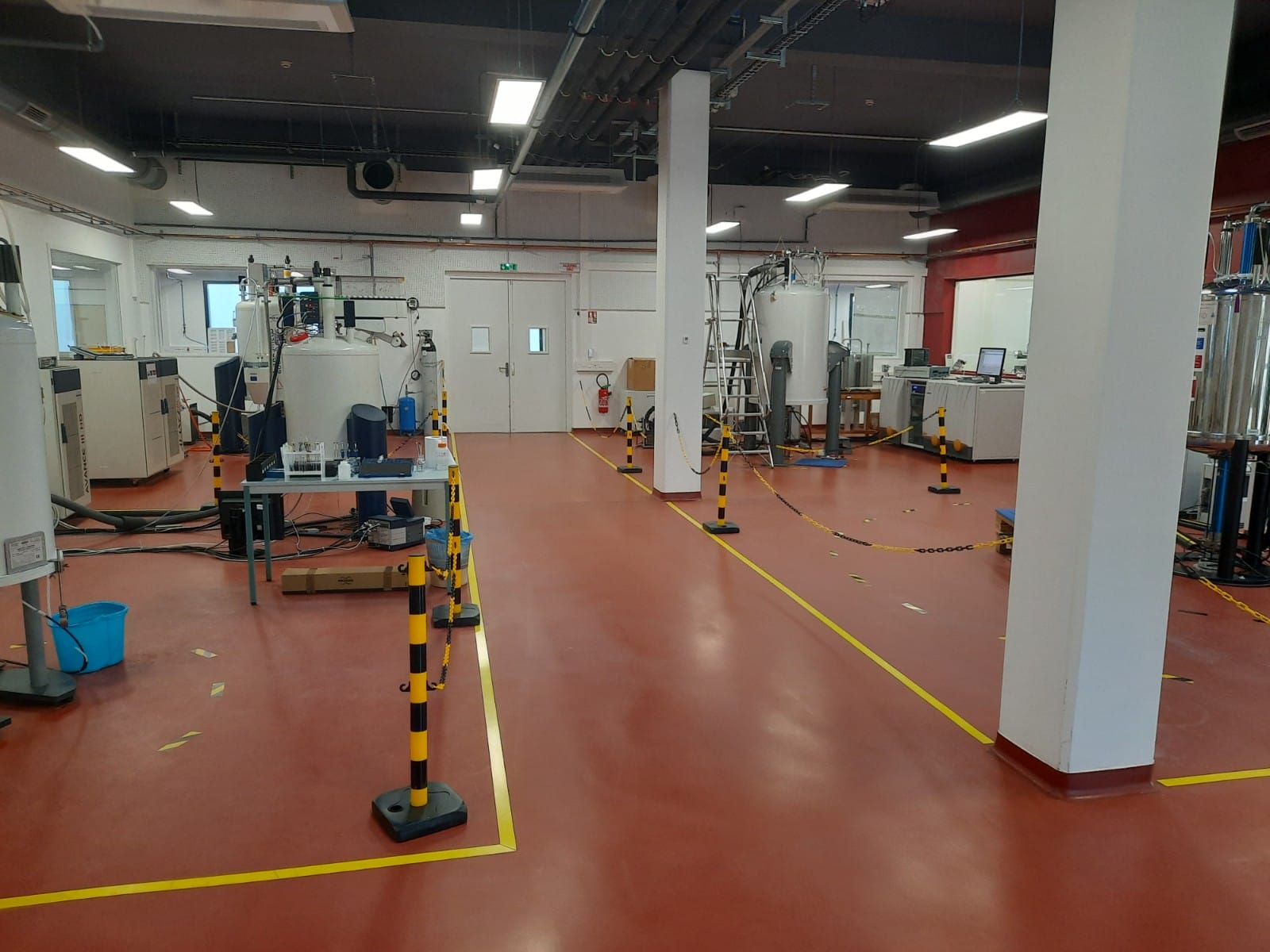
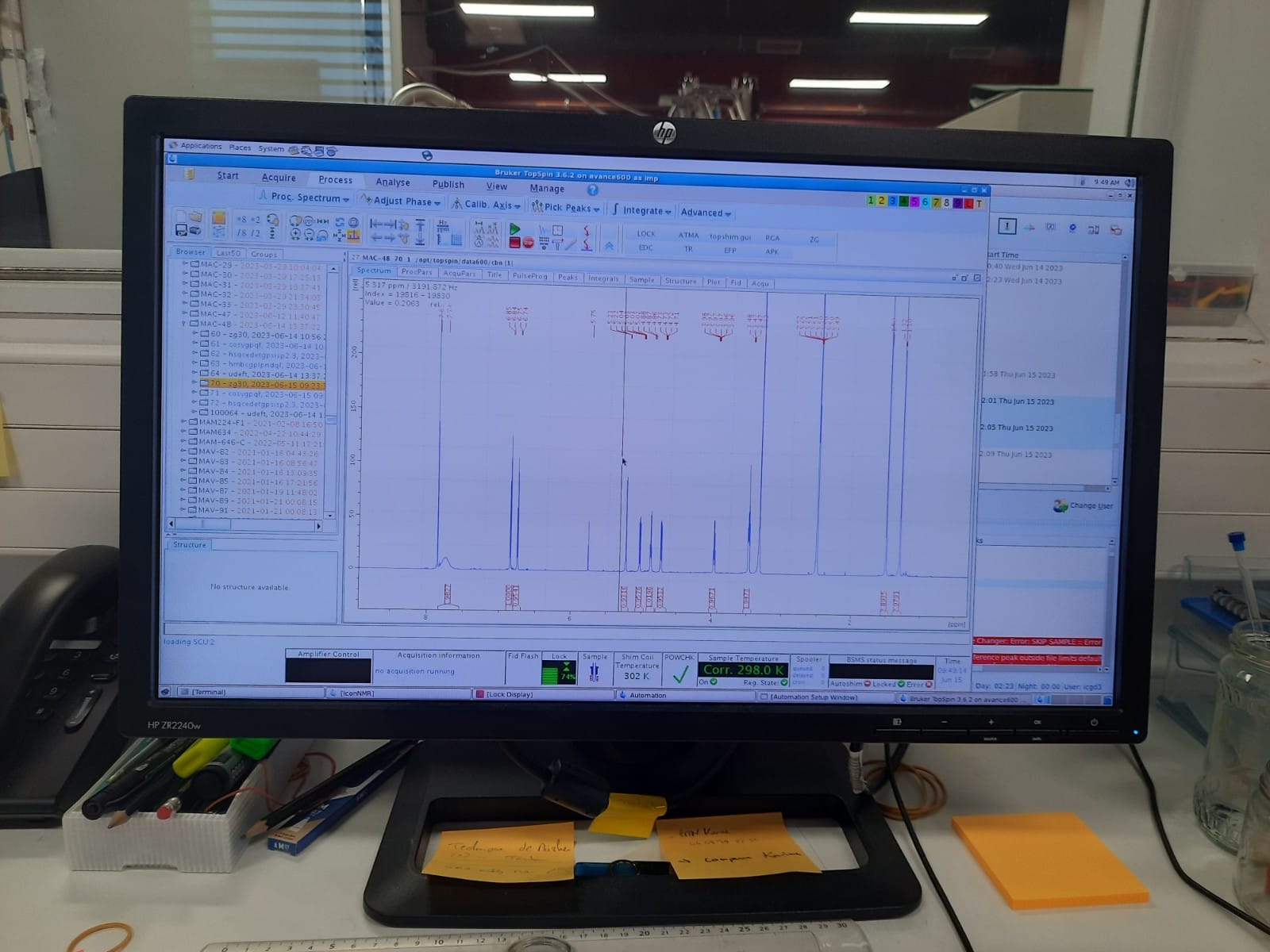
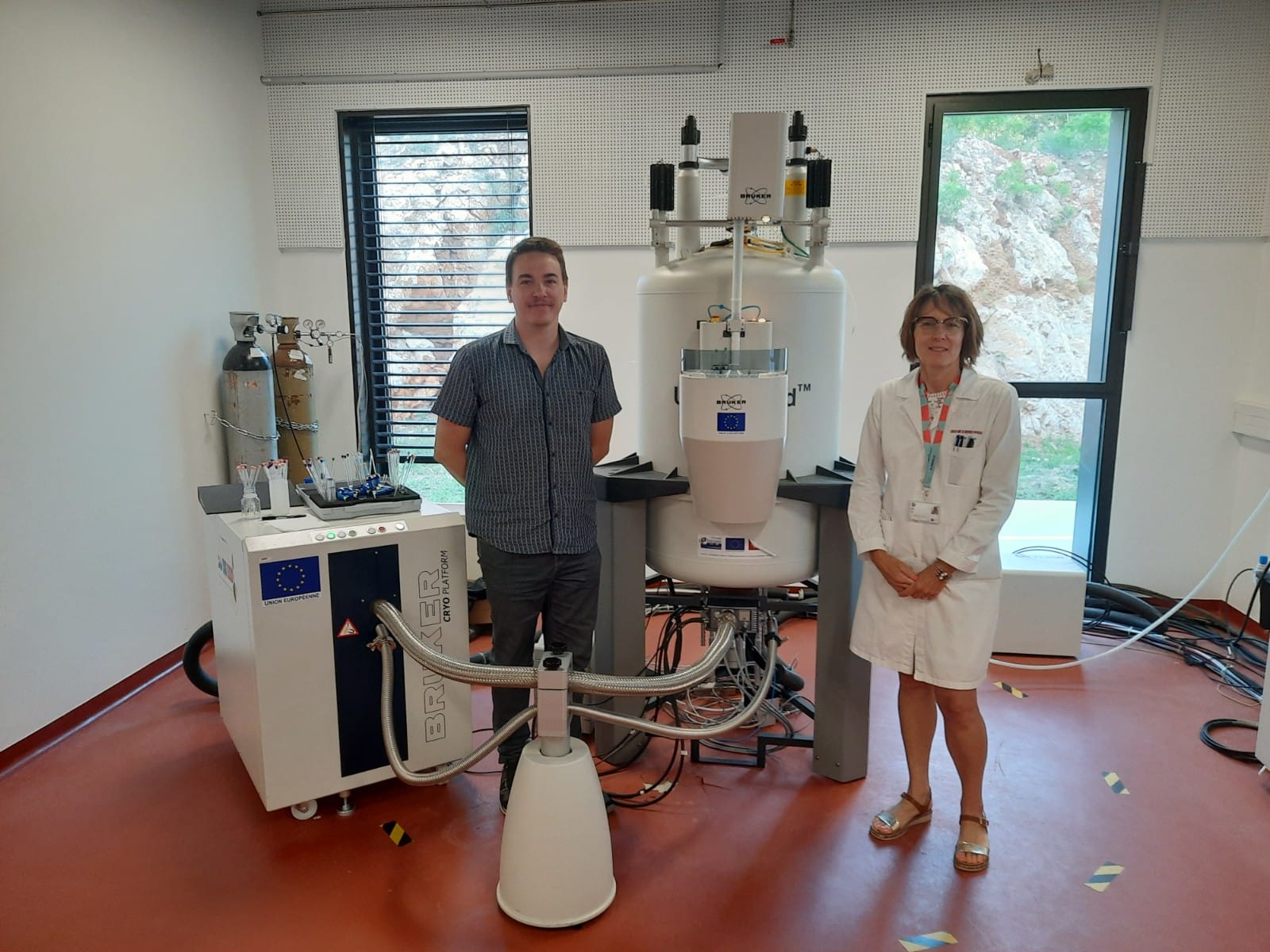
Finally, our last-minute guest is Thomas Pichery, who is the communications manager for sustainable development at theUM , and he’s here to tell us about the Science Festival, which begins this weekend.
At "UM : Science," here's the lineup—let's get started!
Co-production: Divergence FM / University of Montpellier
Host: Lucie Lecherbonnier
Interview: Aline Périault / Lucie Lecherbonnier
Reporting and editing: Lucie Lecherbonnier / Aline Périault
Director: Tom Chevalier
Listen to the show “A l’UM la science” on Divergence FM 93.9
Check out theUM podcasts, now available on your favorite platform (Spotify, Deezer, Apple Podcasts, Amazon Music, etc.).