[LUM#17] BioInspir Combines Chemistry with Ecology
After successfully remediating contaminated soil using plants that hyperaccumulate heavy metals, Claude Grison and her colleagues at the ChimEco laboratory and the startup BioInspir are now tackling water pollution.

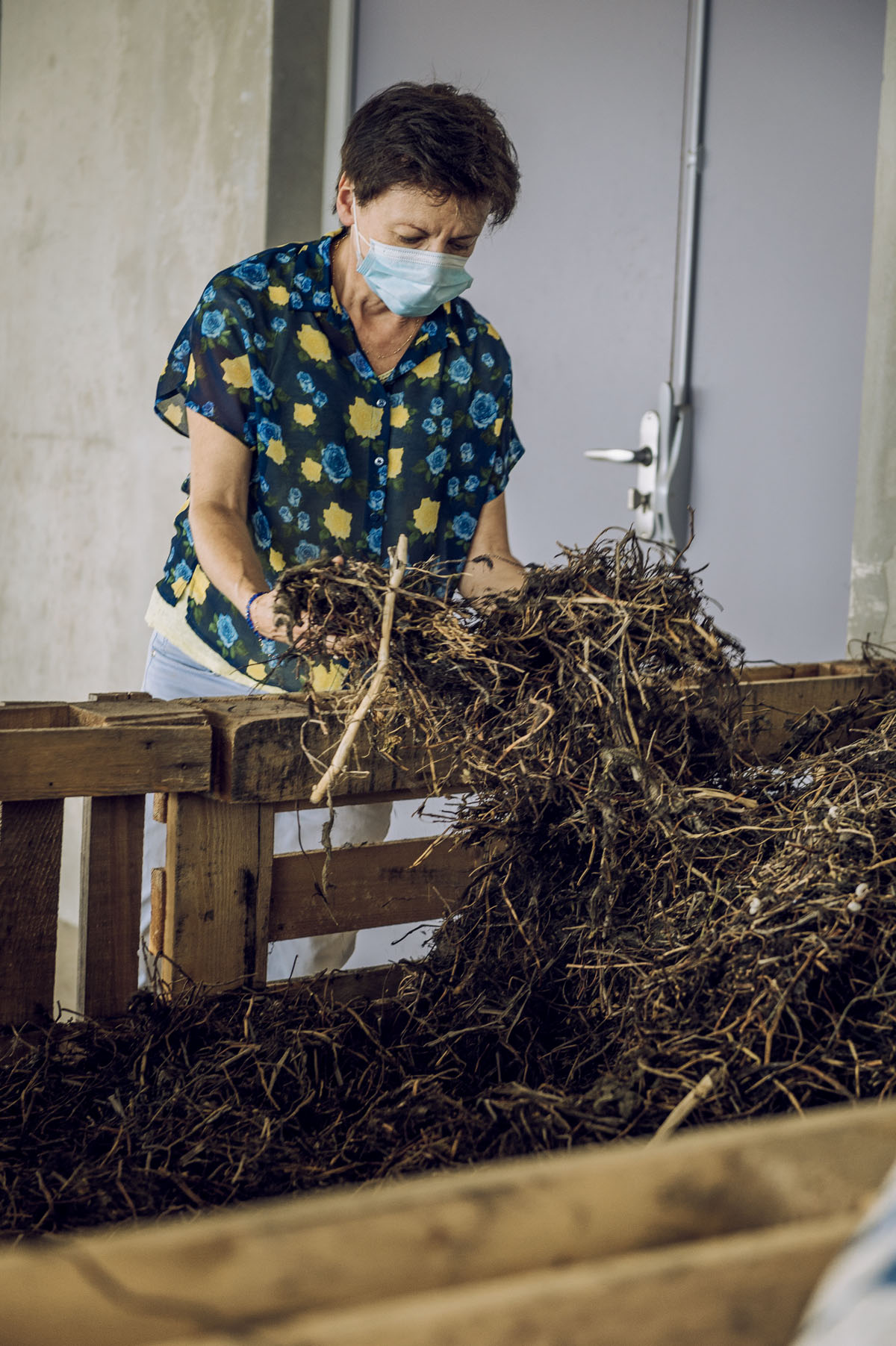
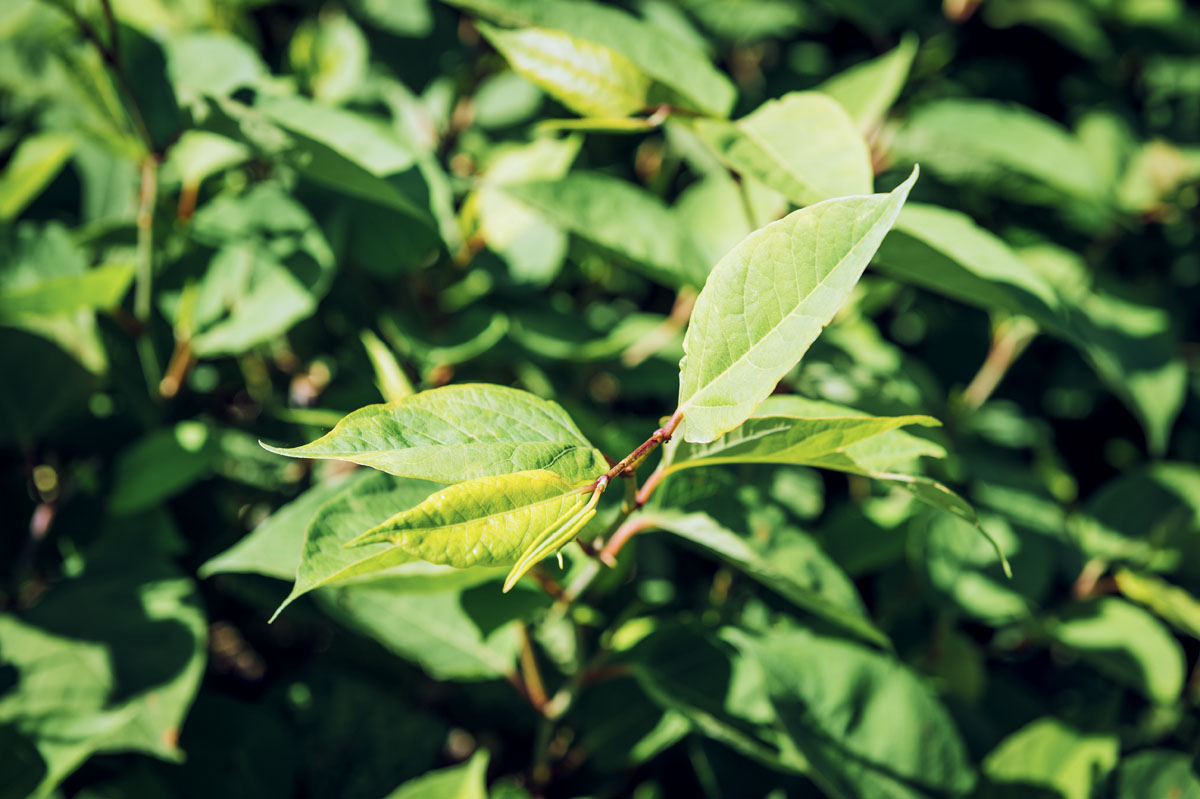
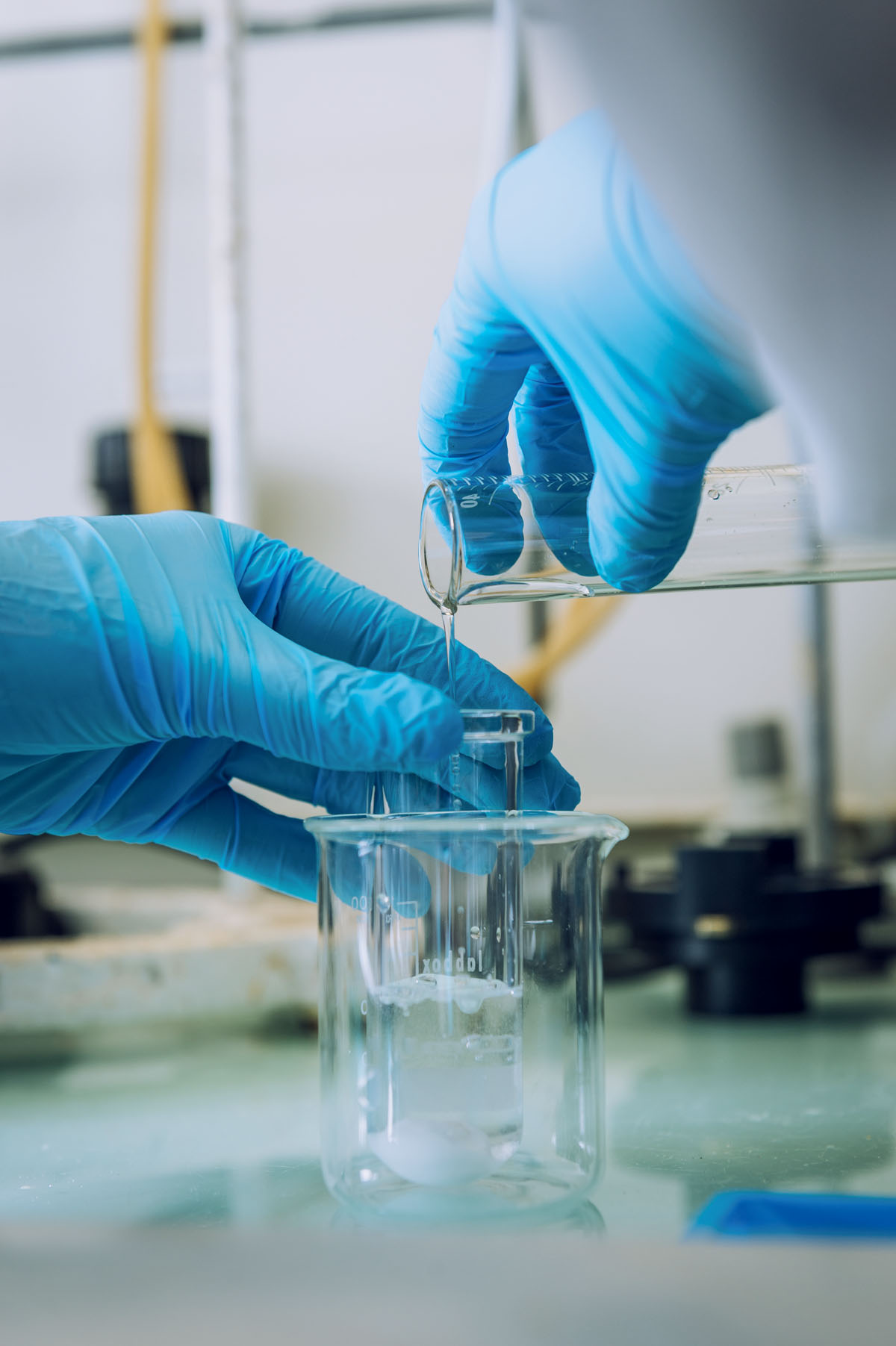
Cleaning up water with… aquatic plants. This is the eco-friendly and innovative process developed by the ChimEco* laboratory, which has created a plant-based filter capable of capturing metals from polluted water.“ After working on soil remediation using plants that hyper-accumulate heavy metals, we realized in the field just how widespread water pollution is ,” recalls Claude Grison. Could these very special plants also serve as a weapon against pollution in this context? The chemist’s intuition quickly became a reality, and by 2016, researchers began treating aquatic systems with these plants. “They have molecular antennae on the surface of their roots that capture metal elements.”
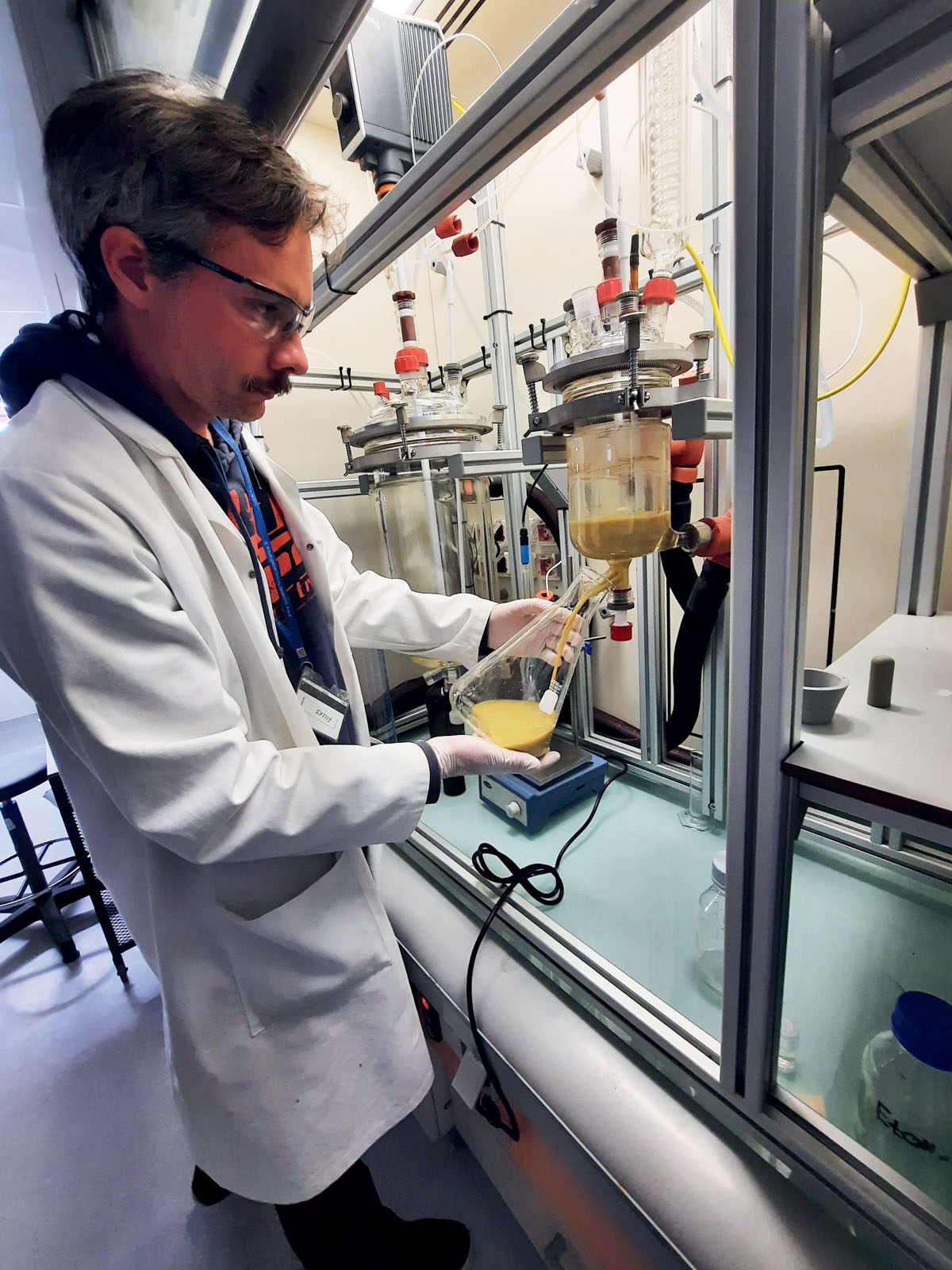
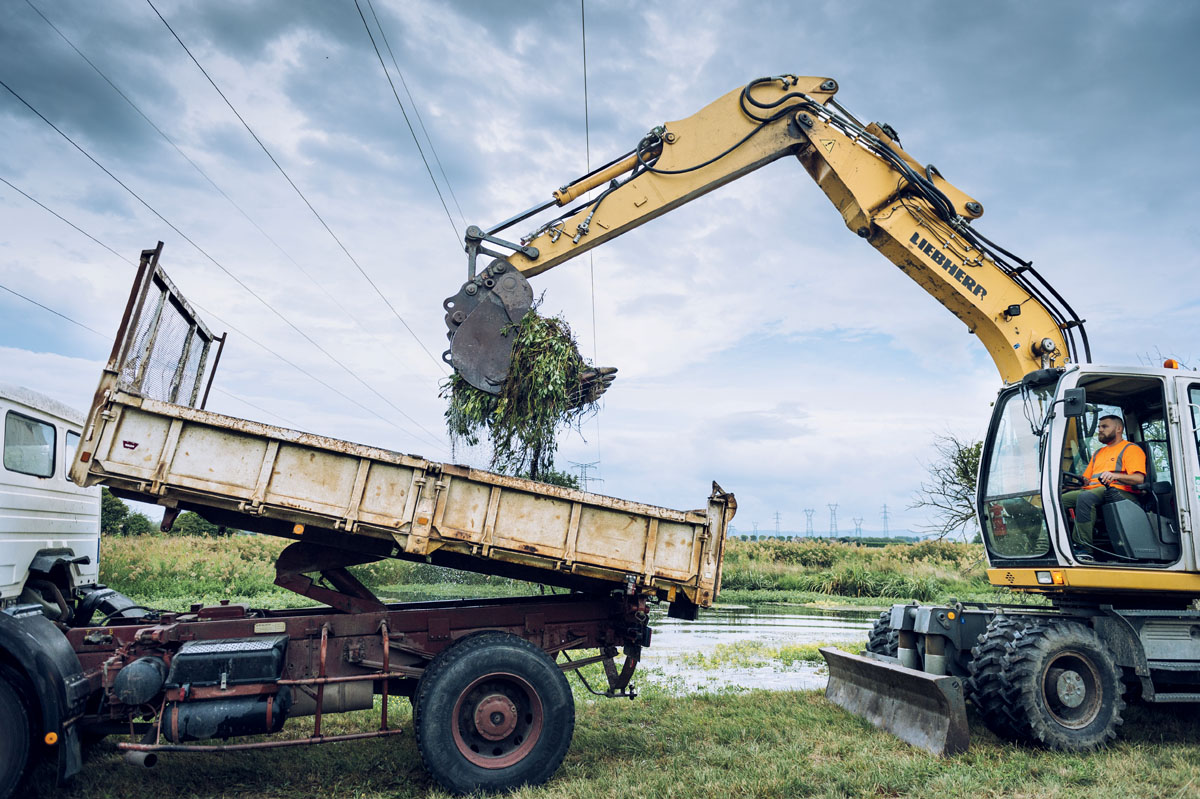
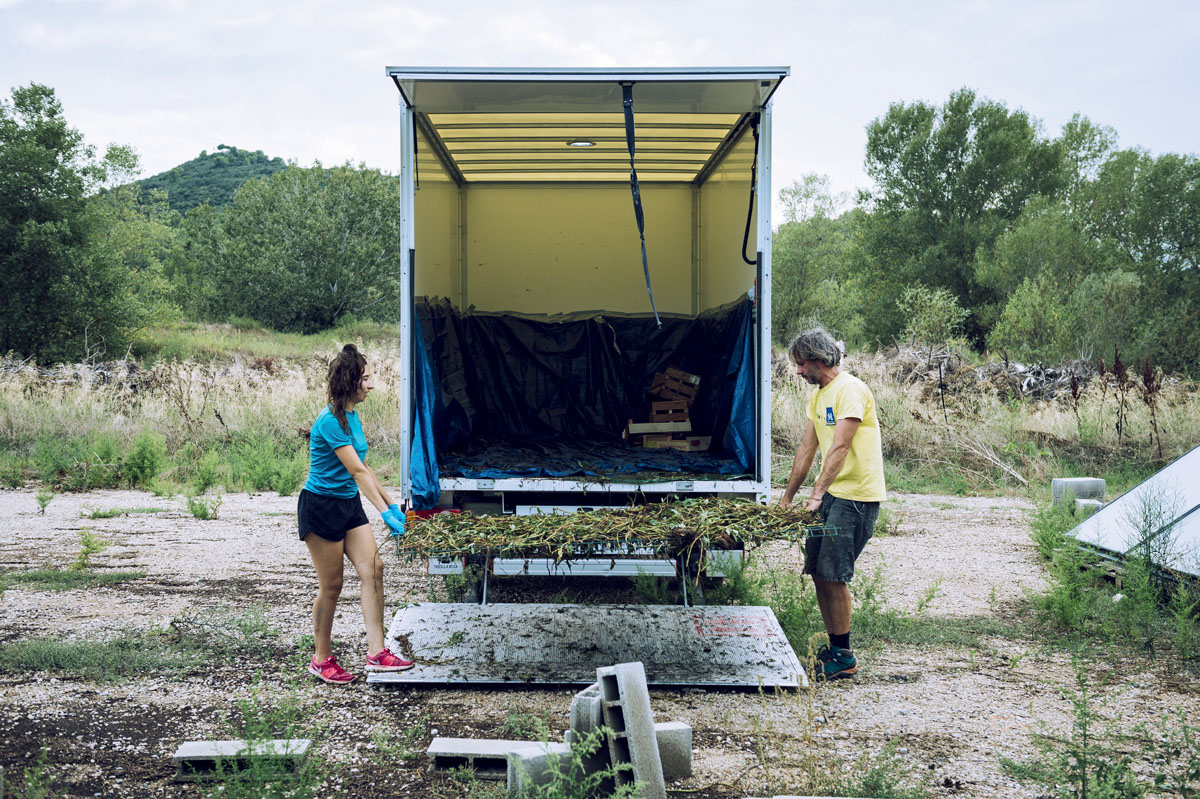
The experiment took on a whole new dimension the day Claude Grison and her team found a dead plant in their water purification system. “Even though it was dead, it still had the same purification capacity!” recalls the researcher. The process then evolved: “Now we grind up roots to make plant-based filters that purify the water.” And not just any roots… The chemical ecologists use invasive species—true ecological disasters in wetlands. Purifying water while restoring the environment: a true two-for-one benefit for this innovation.
A revolutionary process with elements of the circular economy, as the substances extracted from water by plants are then used to produce plant-based catalysts. These catalysts enable the production of various molecules needed by sectors such as the pharmaceutical industry. The startup BioInspir was founded in 2021 to commercialize these products. The company, born out of a desire to create a different kind of chemistry, is the only one in the world to have mastered this technology, which uses no chemical inputs, solvents, or synthetic reagents. “It’s a process with no environmental footprint, ” explains Claude Grison. Truly eco-friendly chemistry with one big winner: the environment.
See also:
- A portrait of Claude Grison, the formula for clean chemistry
- A video presentation of the ChimEco laboratory
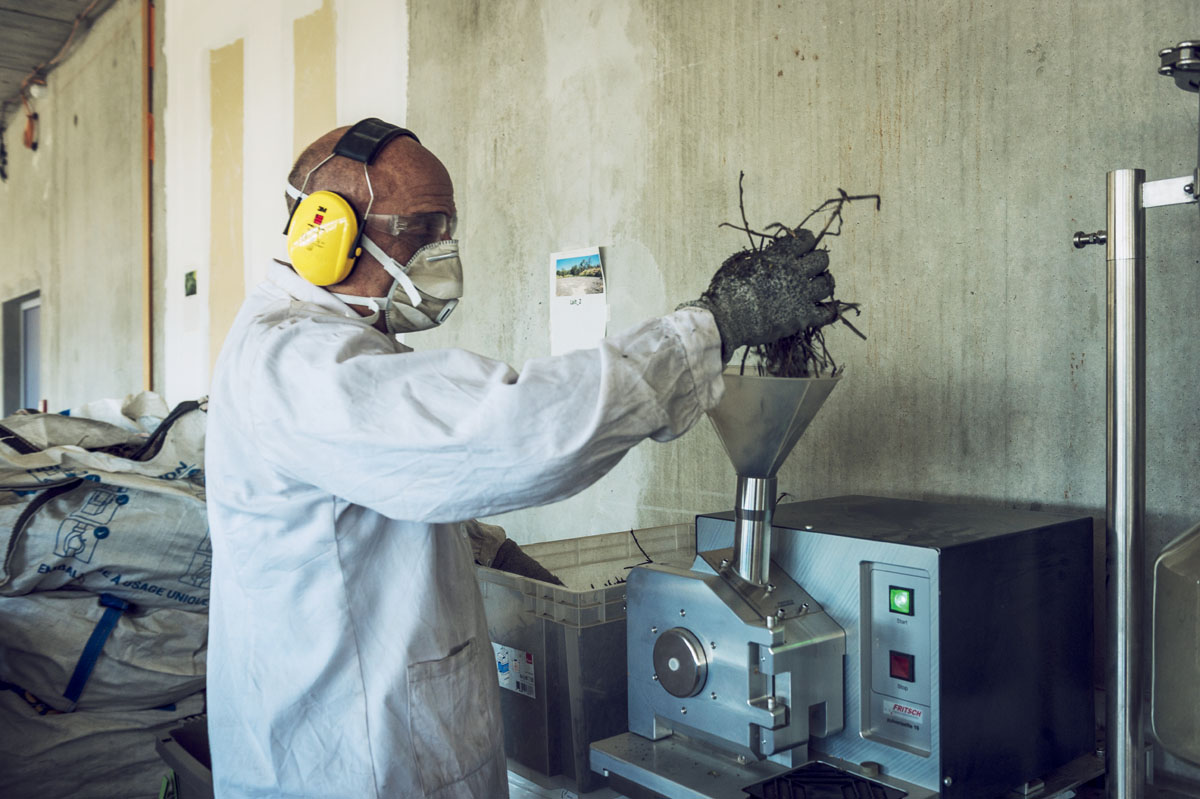
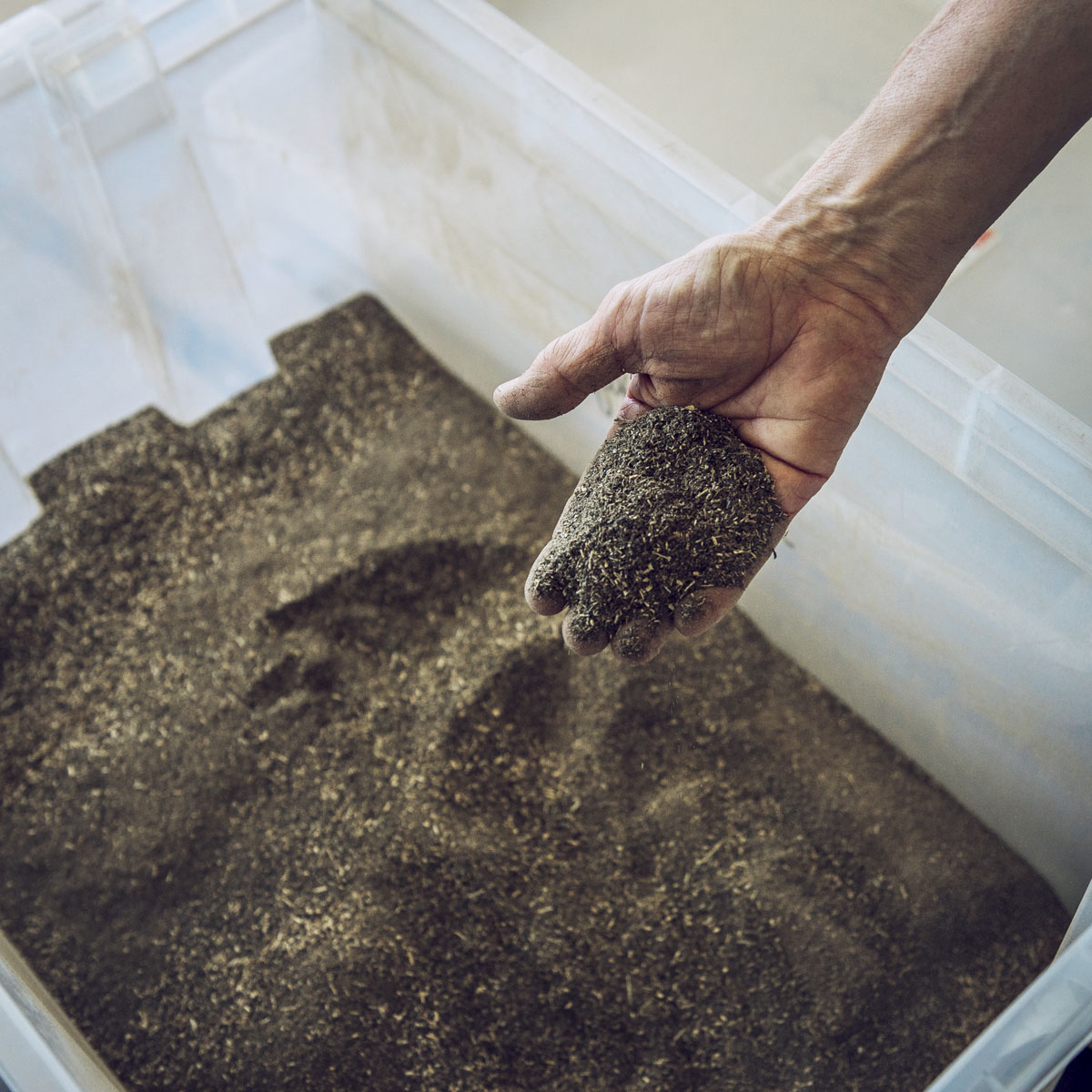
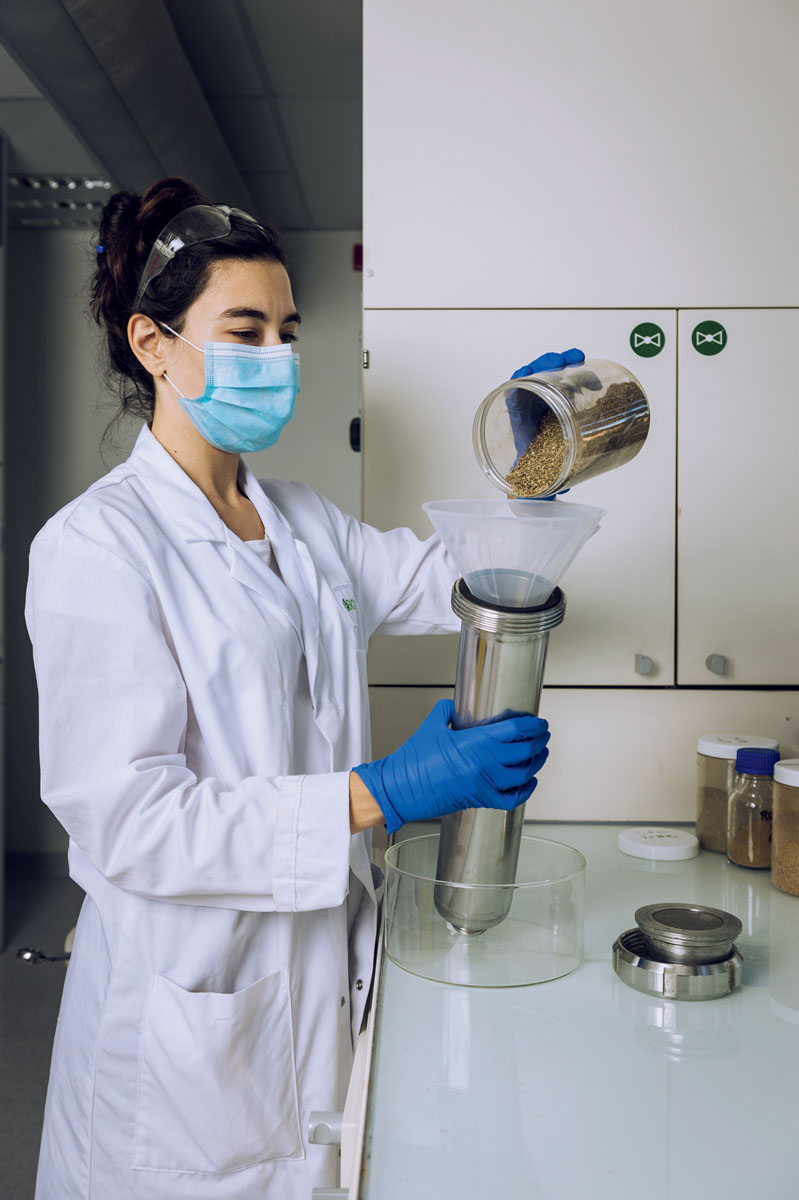
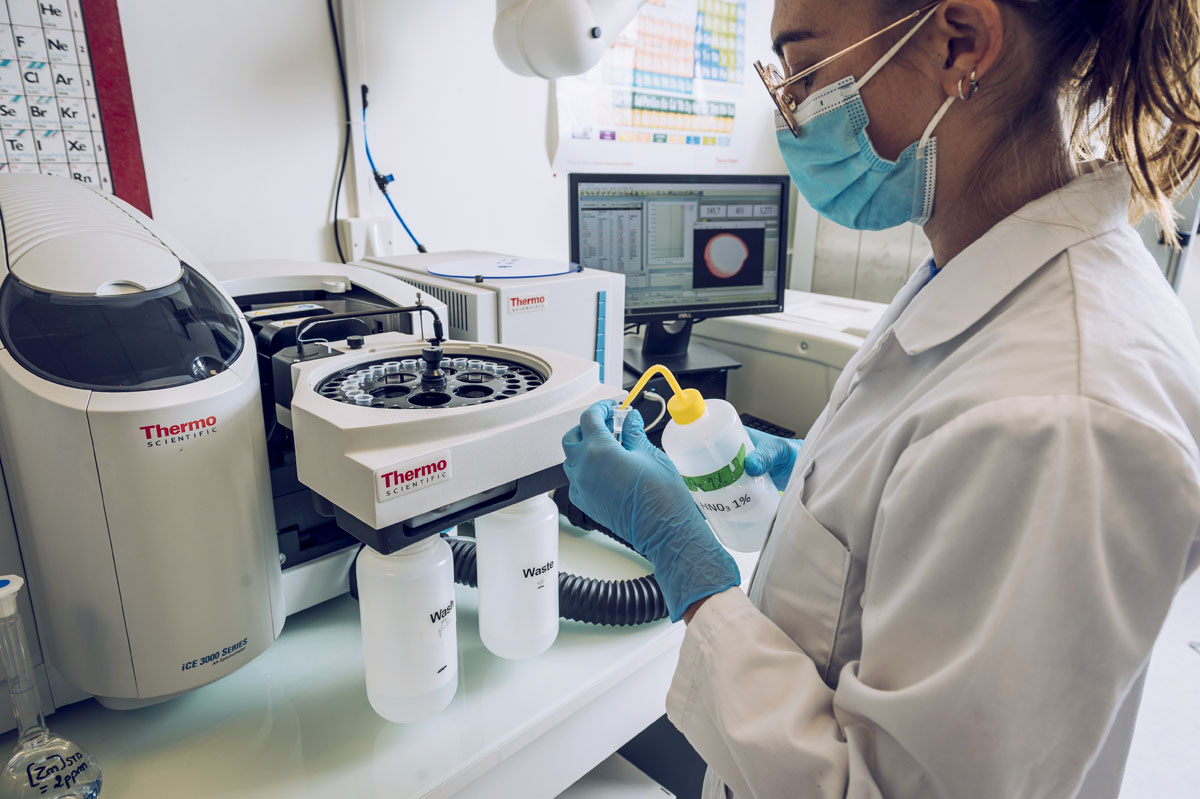

photos © Cyril Fresillon / ChimEco / CNRS Photo Library
Check out theUM podcasts, now available on your favorite platform (Spotify, Deezer, Apple Podcasts, Amazon Music, etc.).