Booster Innovation Montpellier: A January Session Focused on Enhanced Support
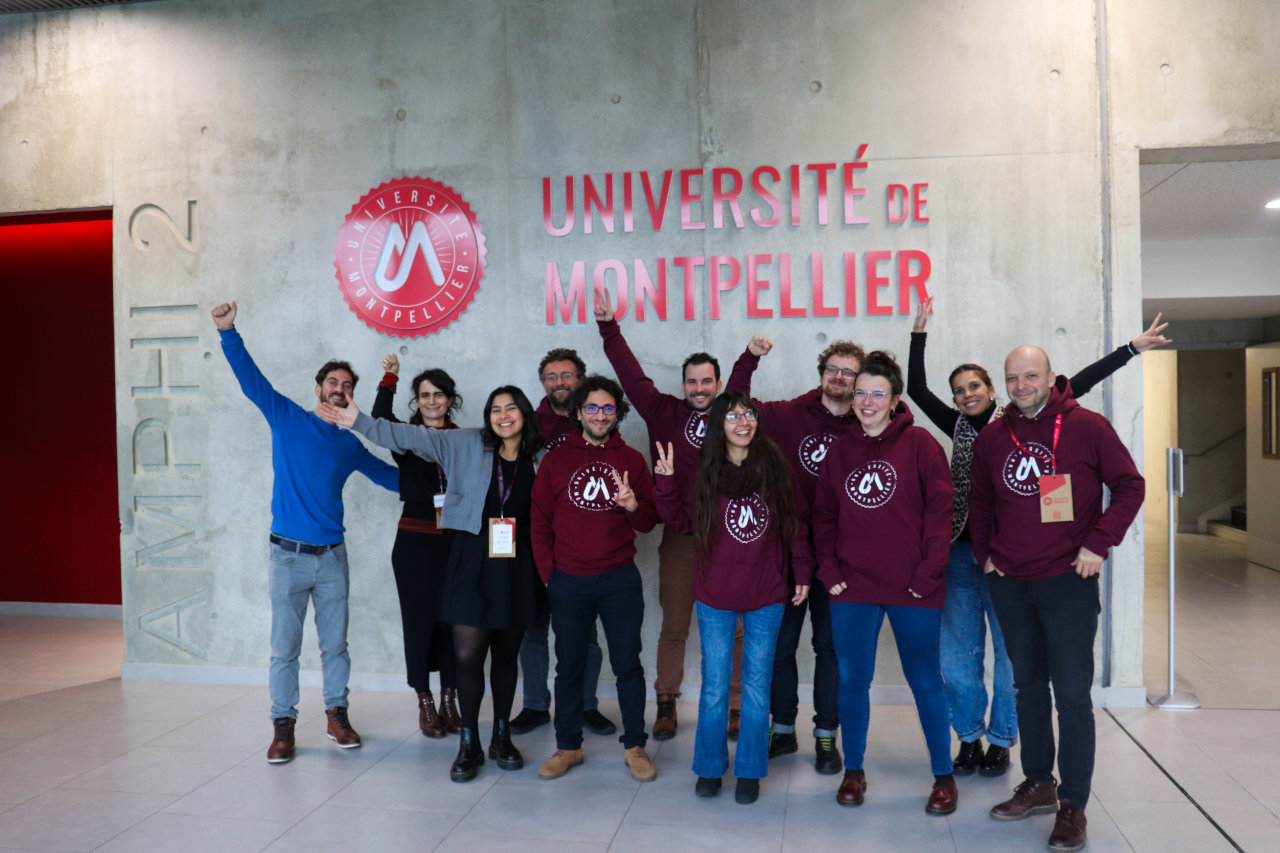
The January session of the Montpellier Innovation Booster , led by the University Innovation Hub (PUI), brought together six research-based projects united by a common goal: to accelerate the development of innovative ideas with high potential.
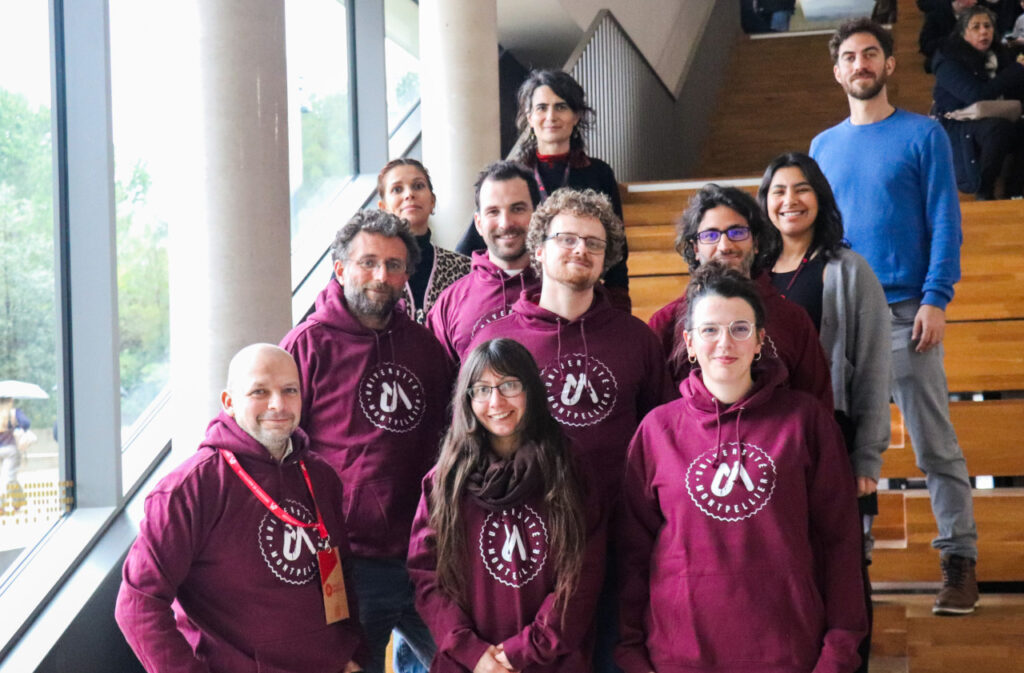
Enhanced support in the early stages of BIM
This new edition is part of an initiative to provide enhanced support. Leading up to the session, project leaders benefited from structured preparatory work through a pre-BIM book that encouraged them to clarify their needs, structure their value proposition, and anticipate the key elements of their pitch.
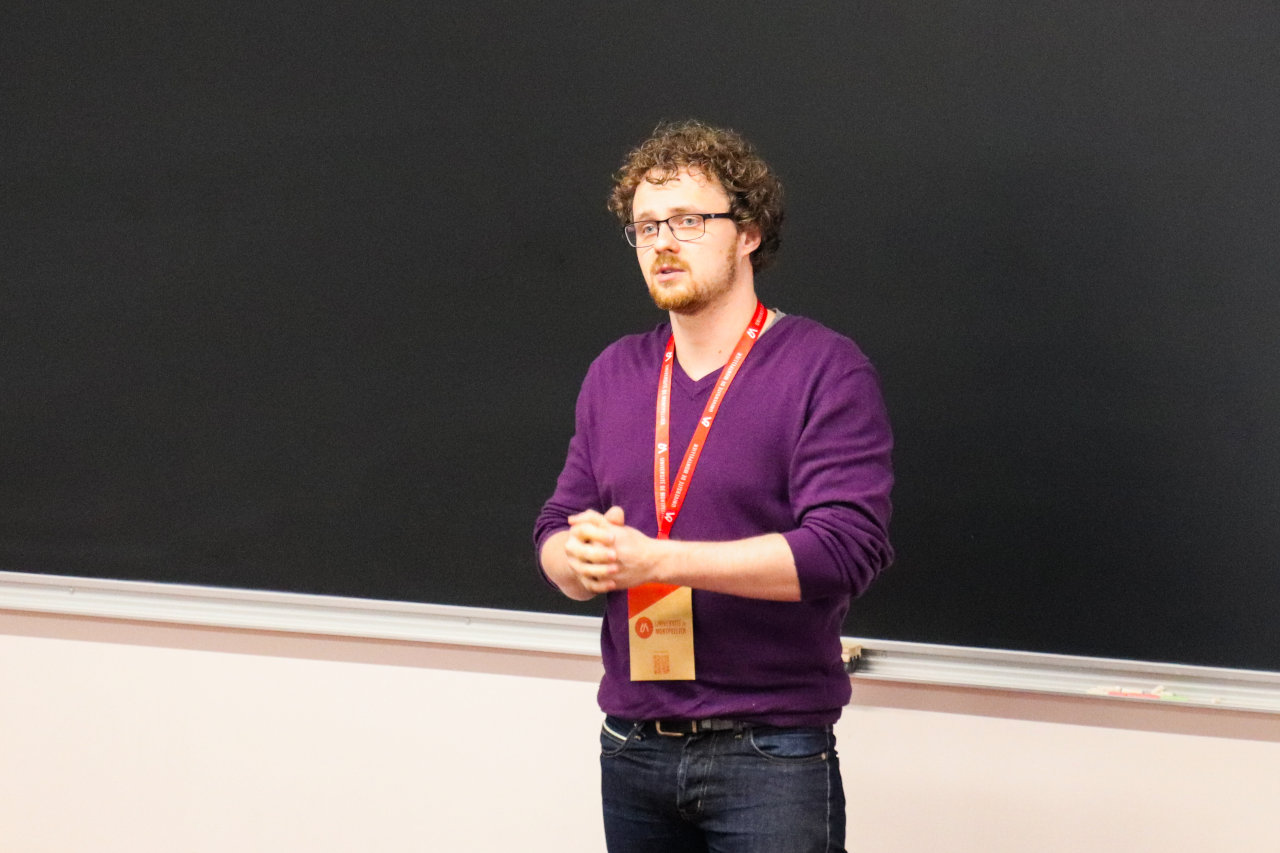
Romain Lanotte, a former doctoral student at the University of Montpellier, a past BIM award winner, and a participant in the Pepite Deetpech program—who is currently incubated at Initium with his deep tech startup Theralan—came to share his experience with BIM participants during a masterclass on startup creation. His insights gave project leaders a practical understanding of the steps and challenges involved in launching a startup.
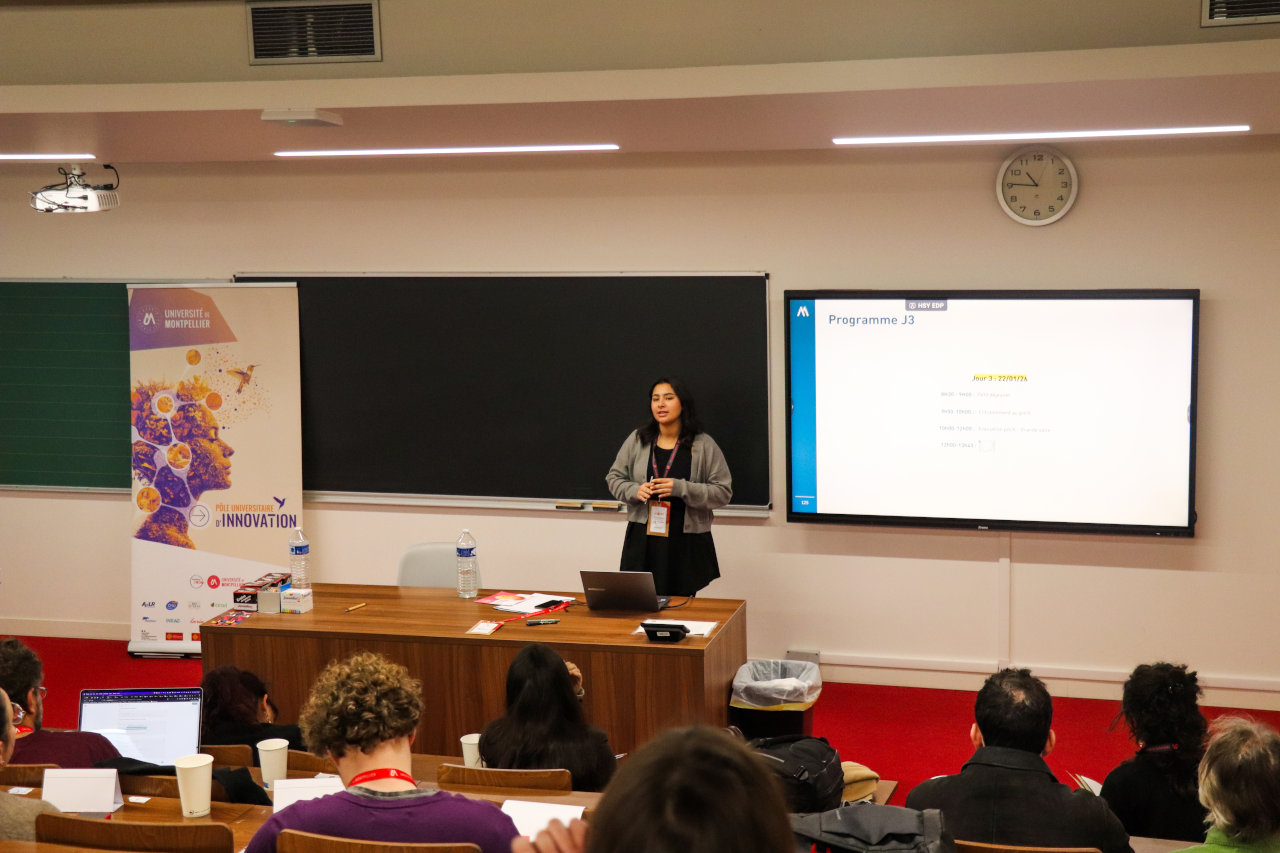
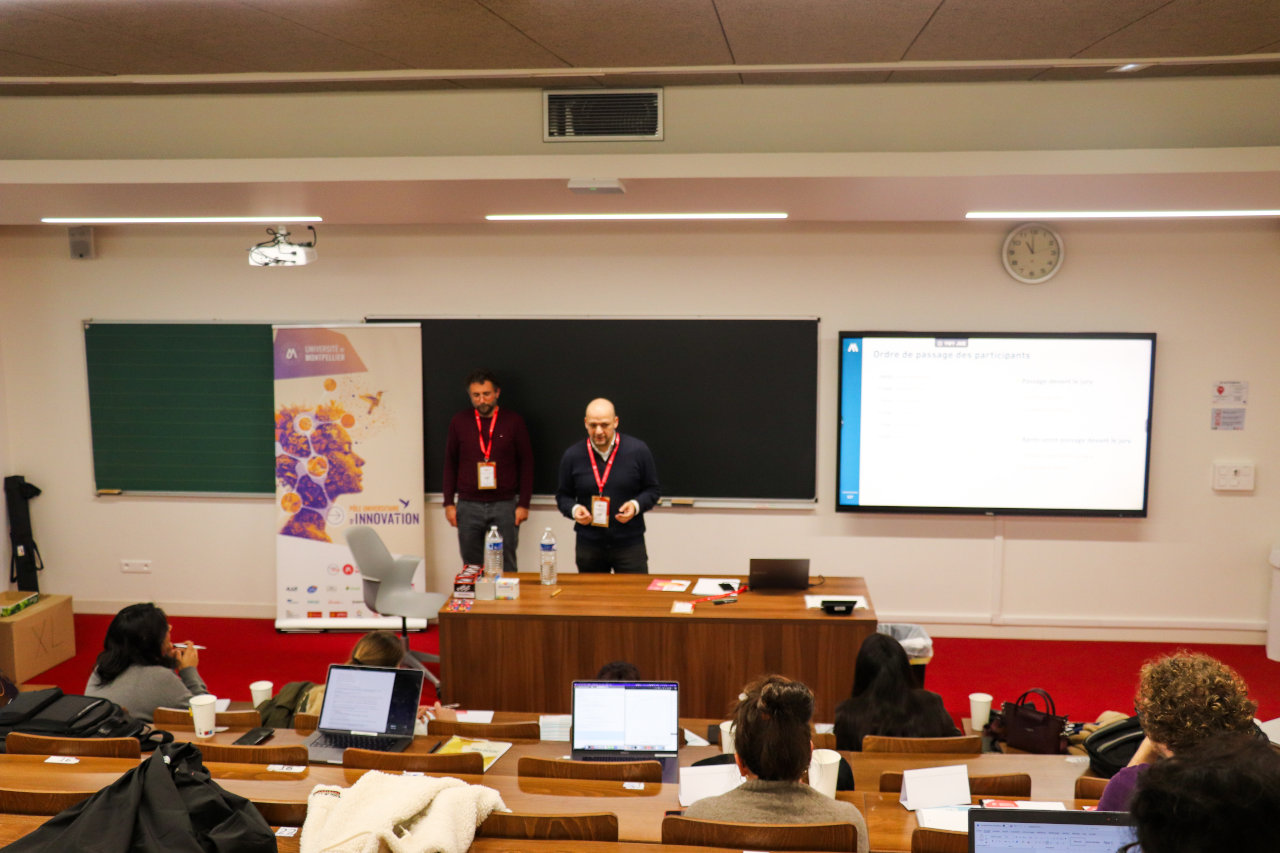
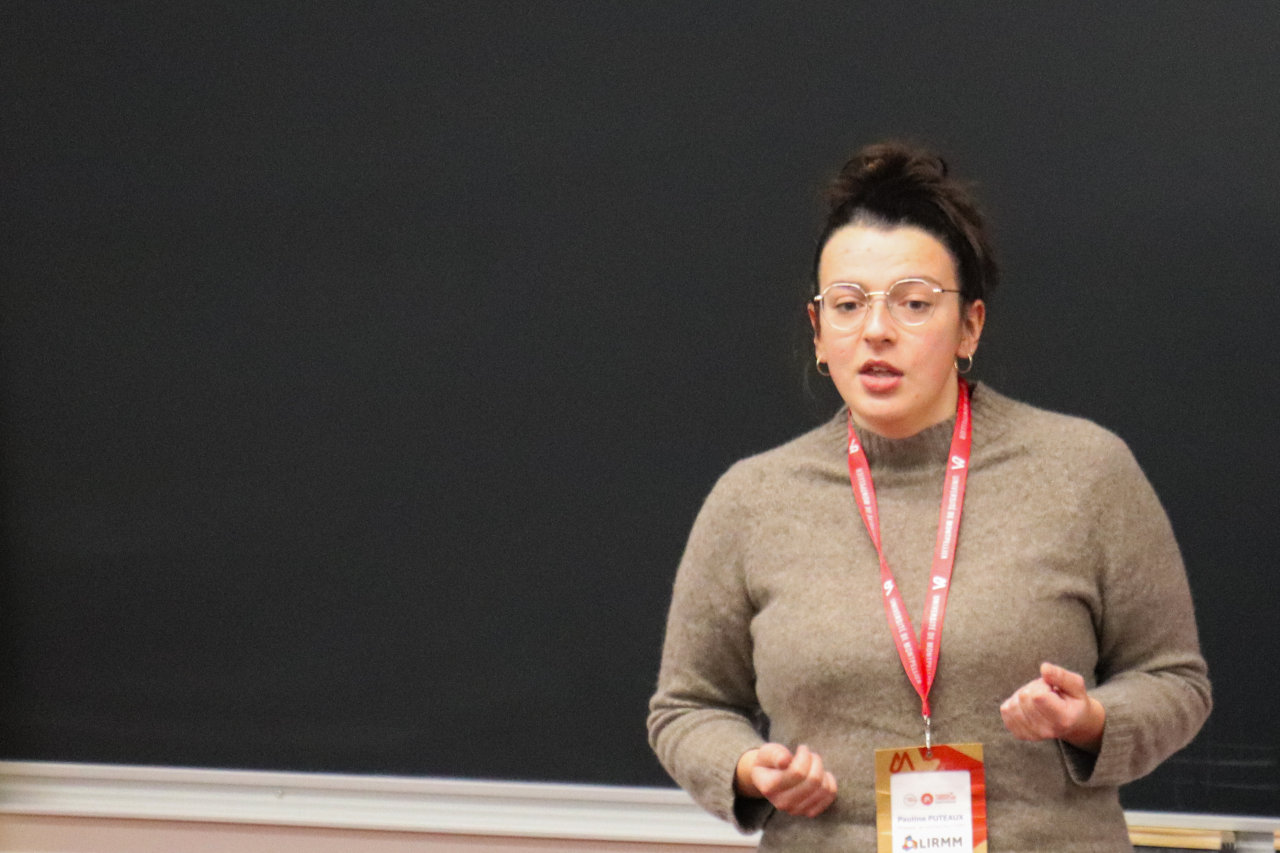
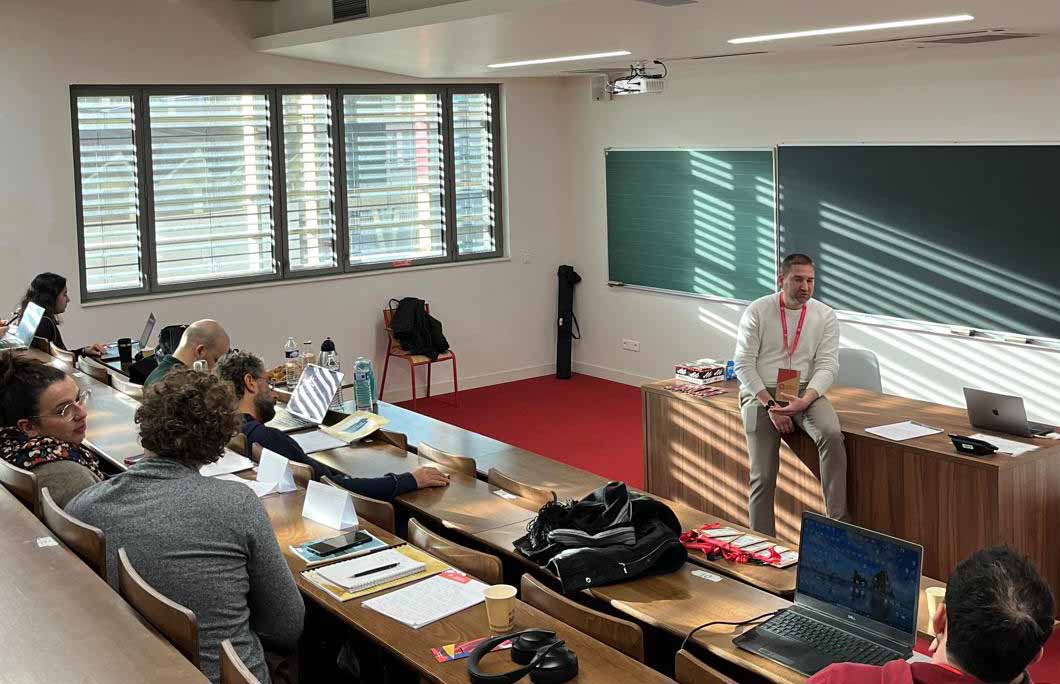
Over the course of two days, the support program consisted of two parts: substantive coaching, focused on structuring the pitch, highlighting the project’s value, and formulating the request; and stylistic coaching, centered on communicating complex scientific concepts in layman’s terms, body language, pacing, and oral delivery.
This approach is fully in line with the program’s philosophy, which combines workshops, personalized coaching, and preparation for a pitch to a panel of experts.
Projects Supported During the January Session
- Host–Microbe Interactions & Sustainable Bioproduction (project led by the DGIMIlaboratory – INRAE)
Development of innovative tools to analyze host–microbe interactions and explore the use of insects as a means of promoting sustainable bioproduction. - Next-Generation Therapeutic mRNAs (project led byIRIM – CNRS)
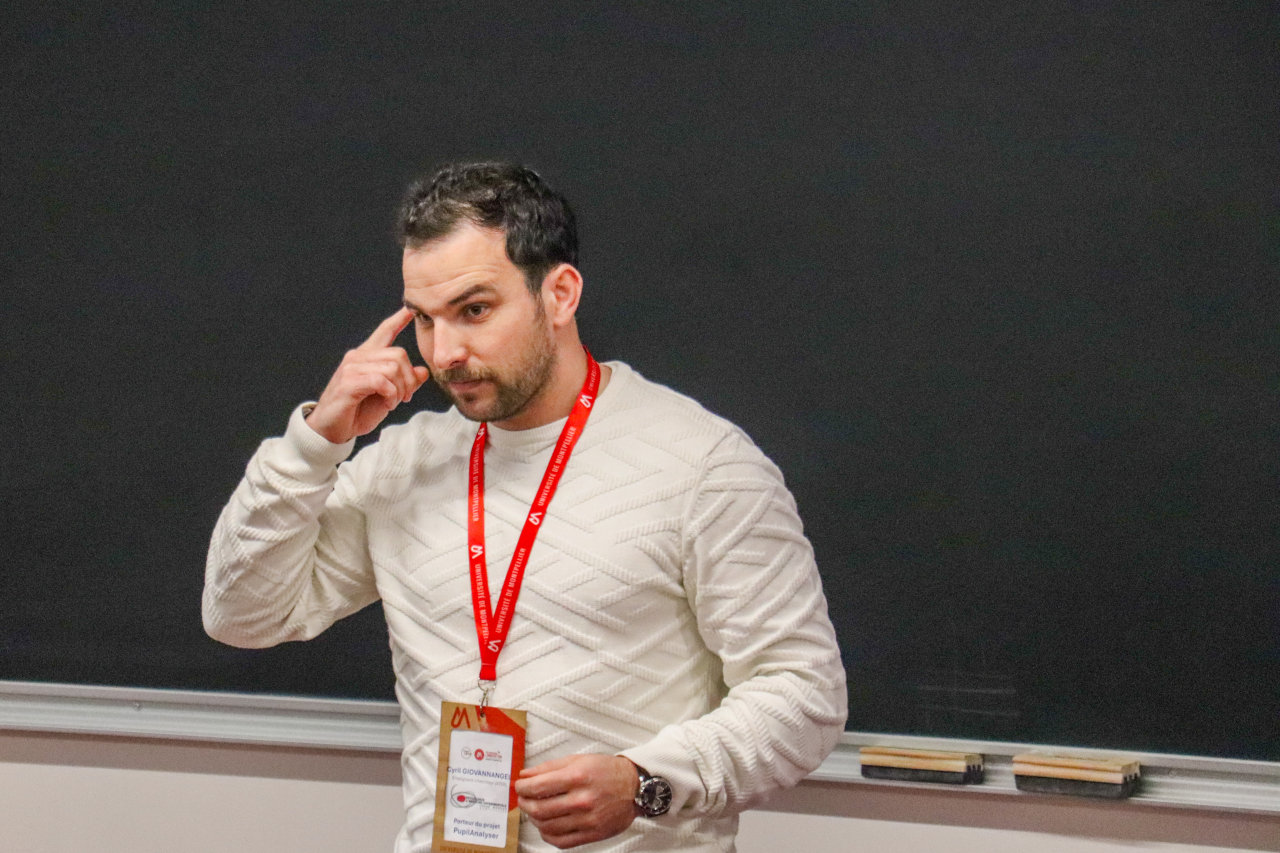
Design of more stable mRNAs incorporating viral sequences to improve the efficacy and durability of vaccines. - Biomechanical analysis of the iris using a smartphone (project conducted at the PhyMedExplaboratory — UM, Inserm, CNRS)
Development of a mobile app to noninvasively assess the biomechanical properties of the iris and the functioning of the autonomic nervous system. - Augmented Reality Educational Tours (a project led by the Amaplaboratory — UM, CIRAD, CNRS, INRAE, IRD)
Creation of immersive augmented reality experiences to raise awareness about the interactions between wildlife, plants, and humans in tropical botanical gardens. - Detection of Vertigo Using Artificial Intelligence (a project conducted at Lirmm — UM, CNRS, Université Paul Valéry Montpellier, UPVD, Inria)
Deployment of an AI-based application to detect vertigo via smartphone and improve care starting from the first consultation. - Photonics Test Bench for Industrial Metrology (project led byIES — UM, CNRS)
Development of an innovative photonic test bench dedicated to the metrology of optical sensors for strategic industrial sectors.
Schedule for the Next Session
- May 19–21, 2026
- Registration deadline: April 24, 2026
- Registration Form