These Students Who Get Involved
Who said young people aren’t interested in getting involved anymore? At the “UM,” more than 130 organizations invite you to discover college life through the lens of solidarity and community.
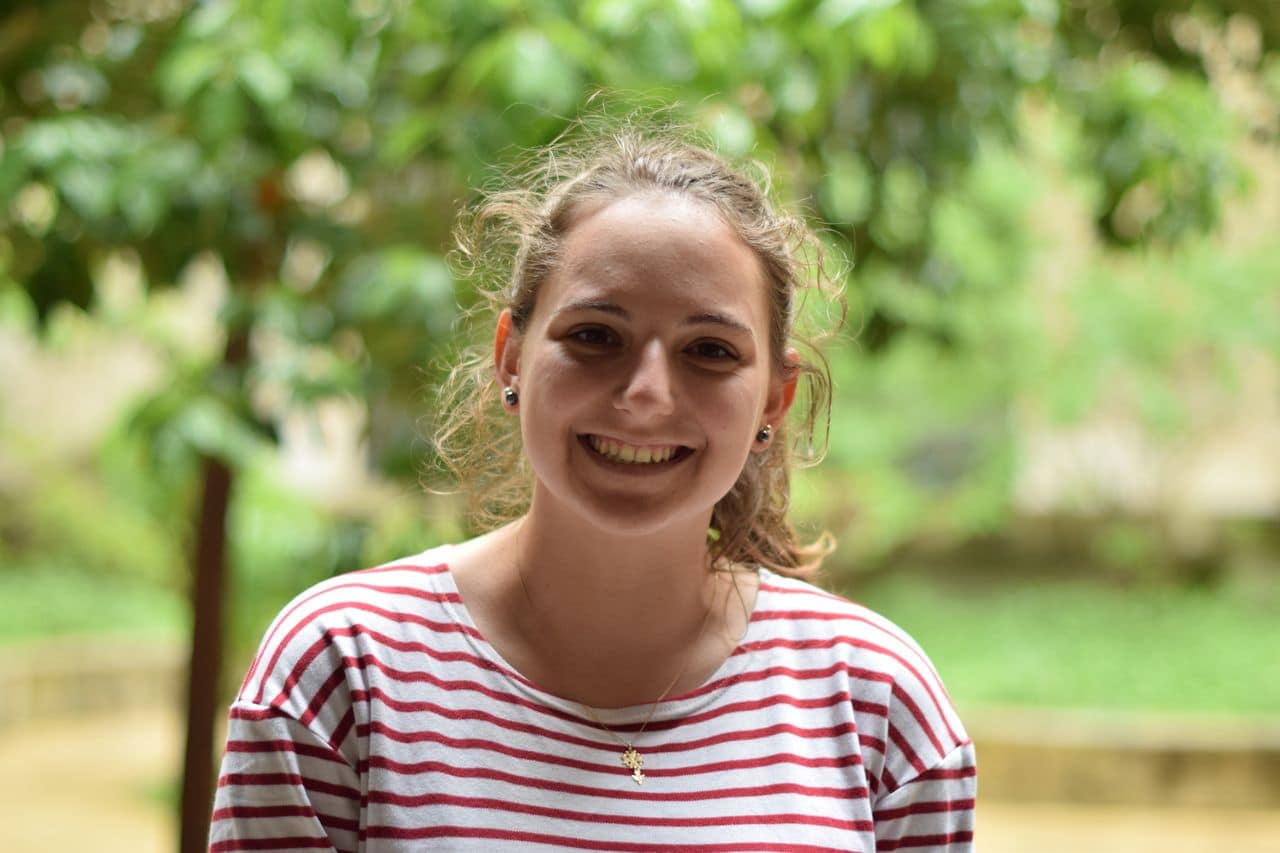
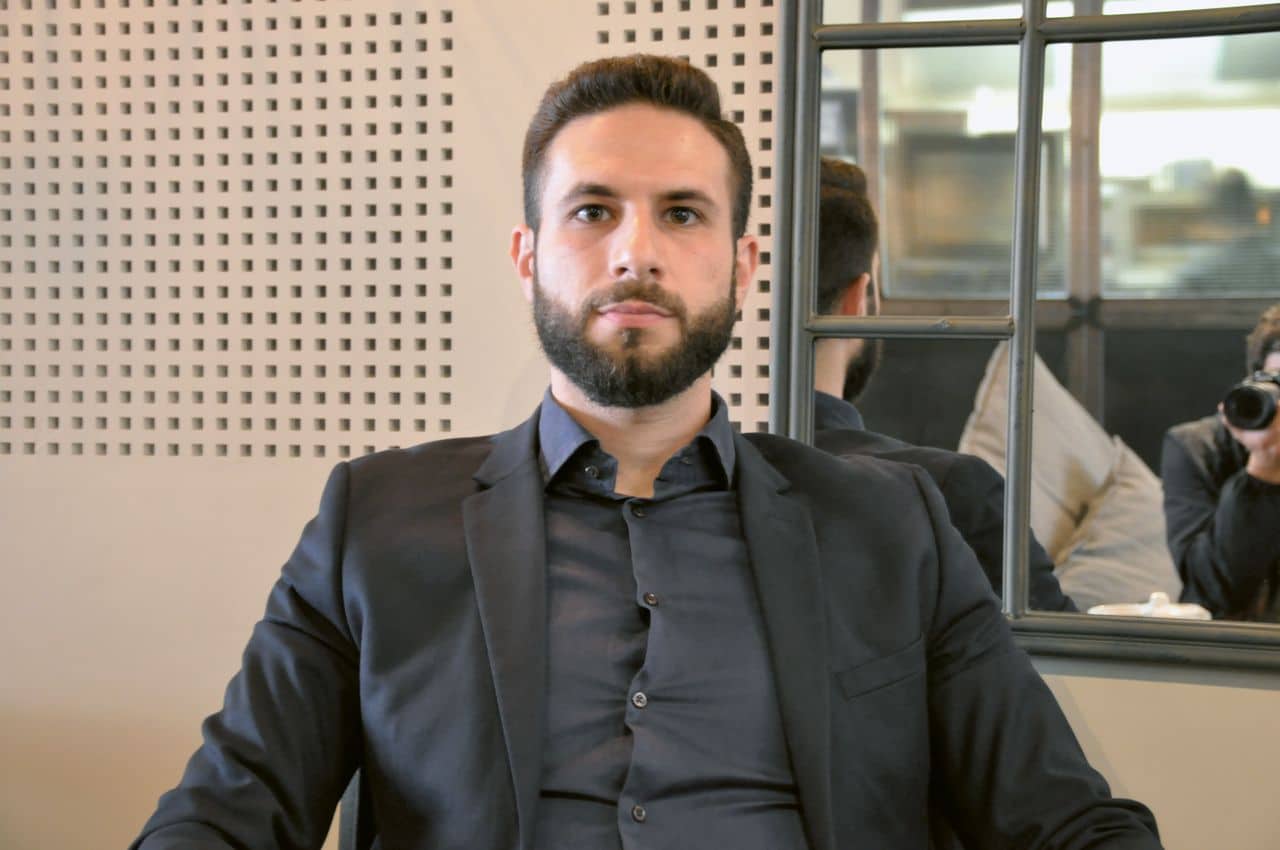
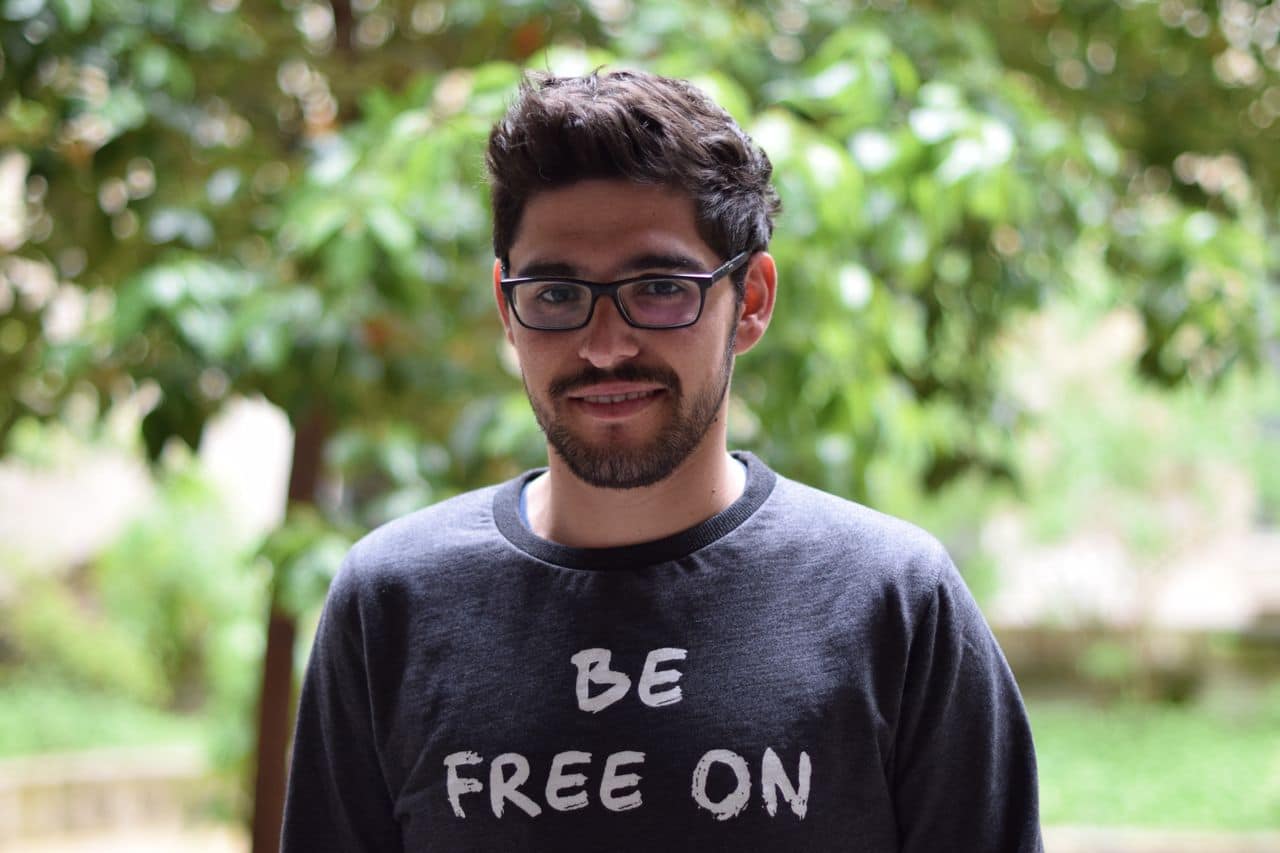
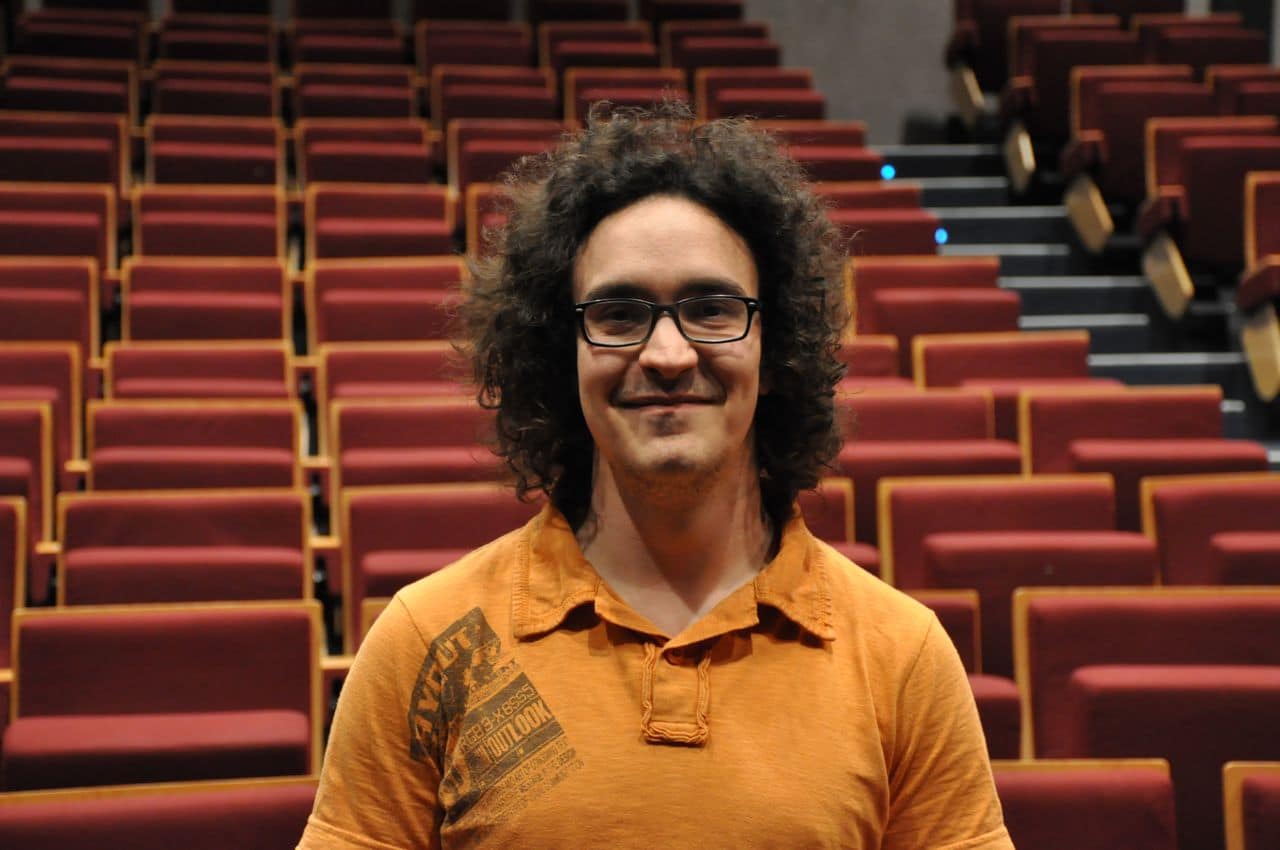


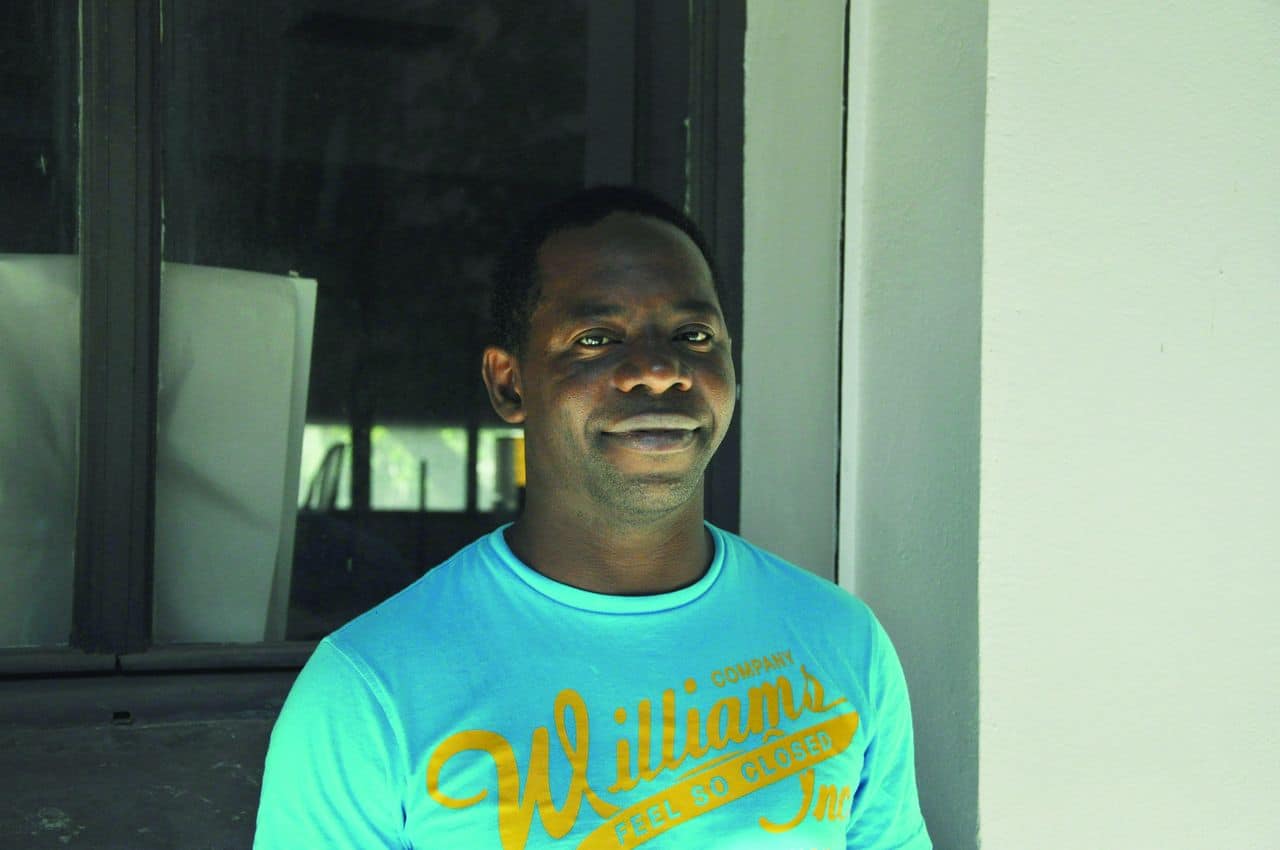
Youth in Action: From the Streets of Montpellier to the Mediterranean Crisis
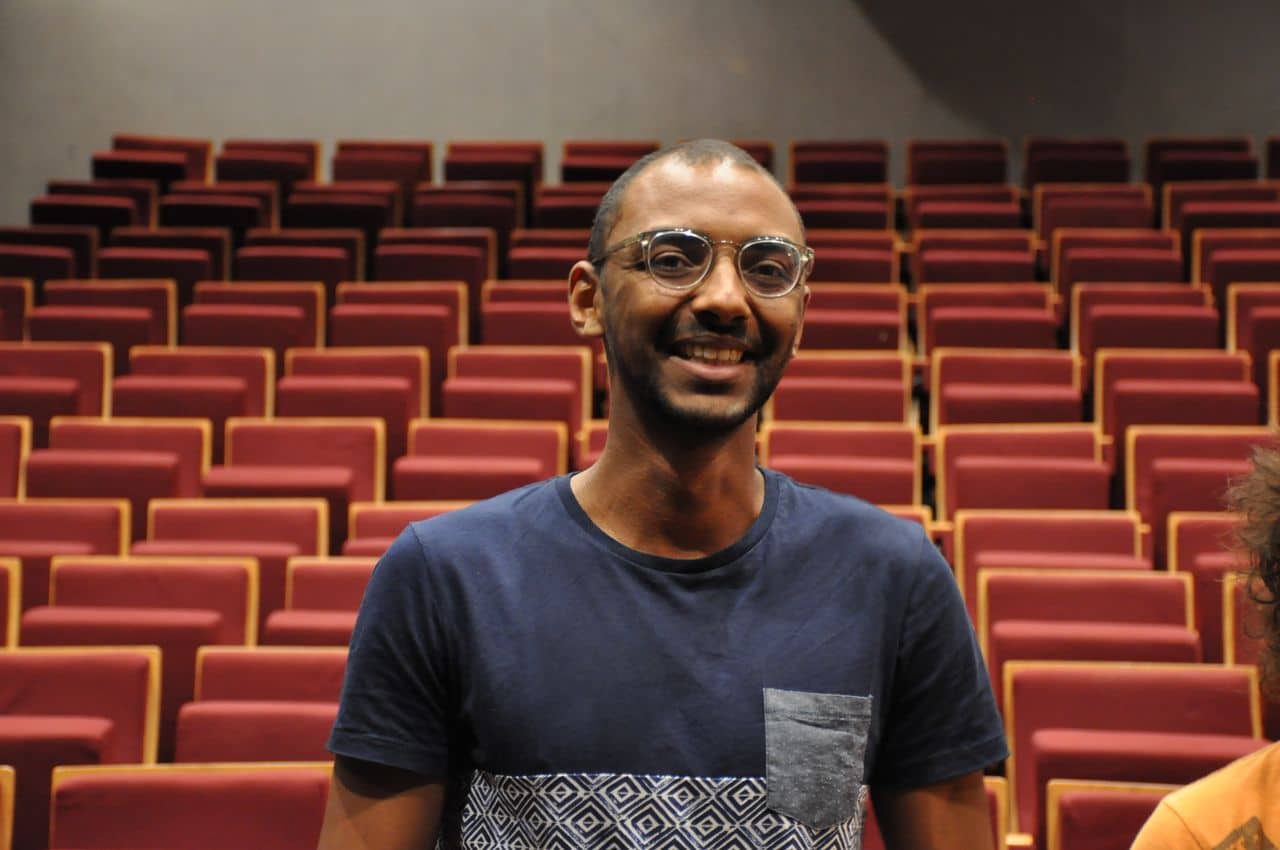
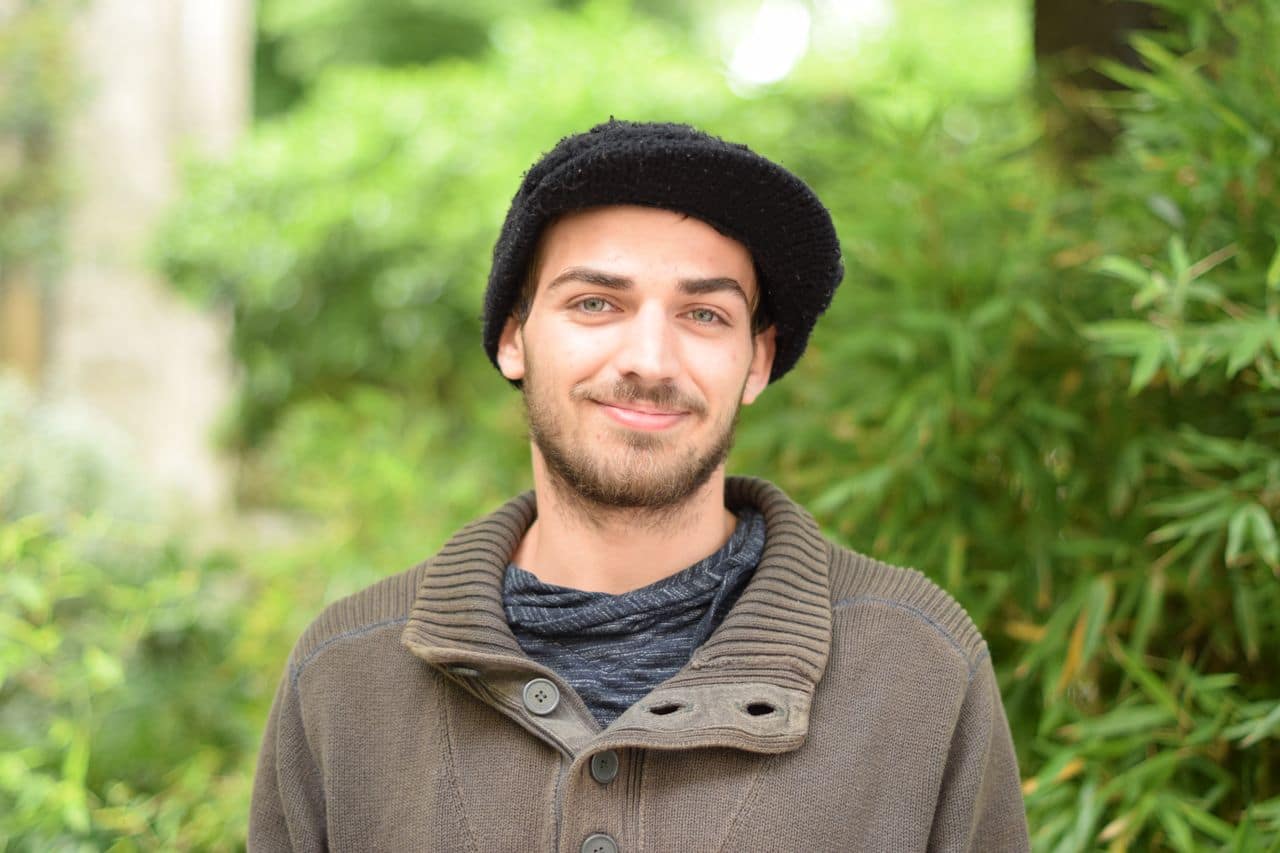
In just over two years, the organization Jeunesse s’engage has managed to rally no fewer than 80 members behind Thierry Escolar and his friend Olivier Saunier, the two students at the helm of an organization that is breathing new life into collective action. A student of history and political science, Thierry advocates for a “nonpartisan approach that transcends political divides.” He organizes students—from middle school to high school—to participate in civic initiatives: outreach patrols through the streets of Montpellier, health prevention campaigns, and drives to collect hygiene products for women in need…
It is through action that this young man thrives: in the summer of 2016, Thierry arrived in Palermo with a ton of supplies for young migrants stranded on the coast of Sicily. Once there, he and a few others launched a humanitarian effort worthy of a professional NGO: sports activities, psychological support, training sessions… The young political scientist invites anyone with good intentions to join him: “There comes a time when protesting is no longer enough. After philosophy comes action.”
Health Mentoring: Promoting Equal Opportunity in PACES
The health sciences tutoring program provides first-year students in the Common First Year of Health Sciences (PACES) with more than 1,000 multiple-choice questions each year, course reviews, practice exams, and valuable study tips. Led by upperclassmen in medicine, pharmacy, dentistry, or midwifery, the health studies tutoring program brings together nearly 250 tutors trained in the fundamentals of teaching. Their role is to support PACES students throughout this pivotal year, which culminates in a highly selective entrance exam.
And the results speak for themselves: “ A student who has received tutoring sees their chances of passing the entrance exam increase sixfold—a figure equivalent to that of students who attended prep schools,” says Mathieu Bauer, president of the FED, which brings together various healthcare tutoring associations. Private prep schools charge several thousand euros for their support, whereas tutoring is provided free of charge. Funded by the university, this program mobilizes faculty members each year to train the tutors.
TheUM ’s Naturalist Group: Championing Biodiversity
At GNUM, we make little distinction between beginners, passionate amateurs, and professional researchers. It’s a way of celebrating diversity that fits well with this organization, whose goal is precisely to promote an unsuspected (bio)diversity: that of our campuses. Through the “Inventaire fac’” project, GNUM has brought to light hundreds of plant and animal species that thrive right at our feet or above our heads, thereby contributing to valuable monitoring of the state of local biodiversity. A fine example of “citizen science” that has inspired others in Marseille and Toulouse. GNUM also conducts awareness-raising activities with schoolchildren in Celleneuve and La Mosson, organizes nature outings, and hosts events such as the 24 Hours of Biodiversity in Triolet, featuring scientific activities, observations, and school workshops… Above all, GNUM seeks to raise awareness:“We’re always more motivated to protect what we know,” sums up Thomas, who completed his civic service last year with this association, which has 170 members. At the heart of GNUM’s philosophy is the blending of skill levels and expertise. The organization invites everyone—whether they’re from theUM or not—to roll up their sleeves and get their feet in the dirt to help advance our understanding and protection of this unassuming yet vital biodiversity.
iTALKs: When Speech Is Set Free
Inspired by the famous TED Talks, iTALKs were launched in 2017 at the Richter Student Center. In April, about 20 students took the stage at the MDE, often for the first time.
The concept: For 5 minutes, each participant presents a topic close to their heart to the audience—with humor, seriousness, or emotion… While the format is lighthearted, the goal is very serious: to practice public speaking, a source of anxiety for many students. Yet it’s an essential skill for presenting one’s work effectively. Beyond their educational value, iTALKs provide an opportunity for students from very different campuses and academic backgrounds to come together.“The goal is also to allow everyone to share a passion or a personal experience with an audience of strangers and in front of a panel of judges,” explains Nicolas Heckmann, the project’s founder. On the agenda for this first edition were topics as diverse as experiences with racism, growing up in Tahiti, the blue economy, and the death of a loved one…
To prepare for their presentations, these iTalkers benefited from eight training sessions led by an instructor from the Cours Florent and a coach from the doctoral school. Because public speaking isn’t something you can just wing.“Having the courage to speak up takes real effort,” confirms Frauke Batbedat, stage manager at the MDE.
iTalks are back in 2018, so stay tuned!