Charm-EU: A Summer School That Showcases Europe’s Research Excellence
From June 23 to 27, 2025, the University of Montpellier hosted the first edition of the Charm-EU Summer School on doctoral researchers . The goal: to help them develop a transdisciplinary approach that would enable them to tackle complex challenges in their future research projects. The program included a week of stimulating group workshops for participants from all over Europe and an inspiring international conference on transdisciplinarity in research.
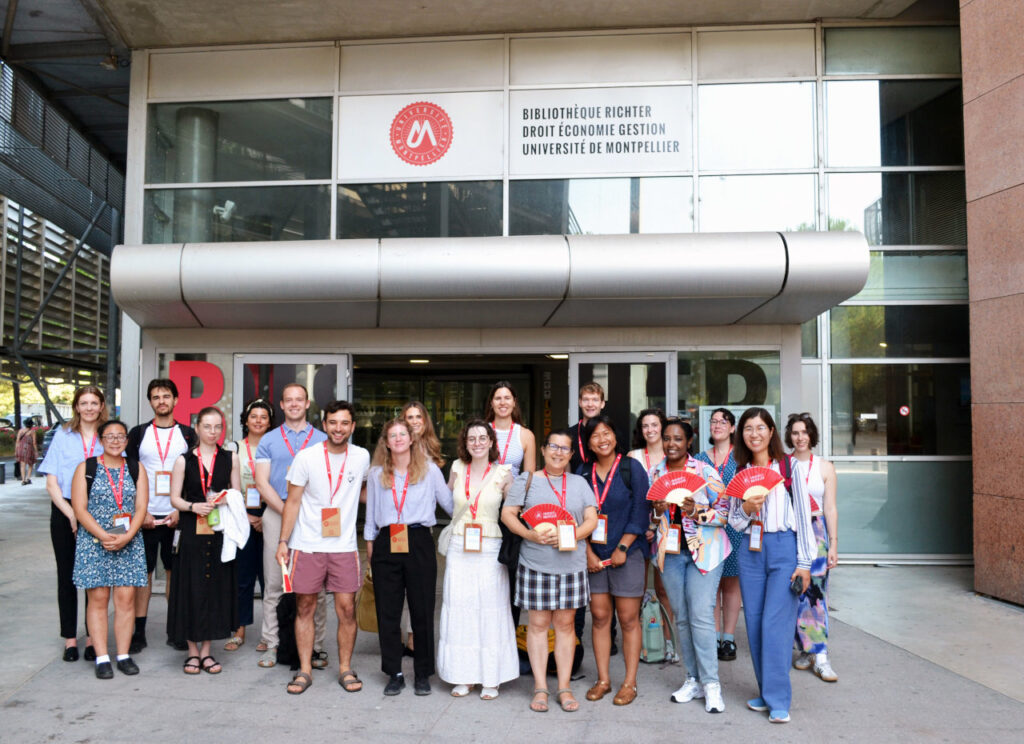
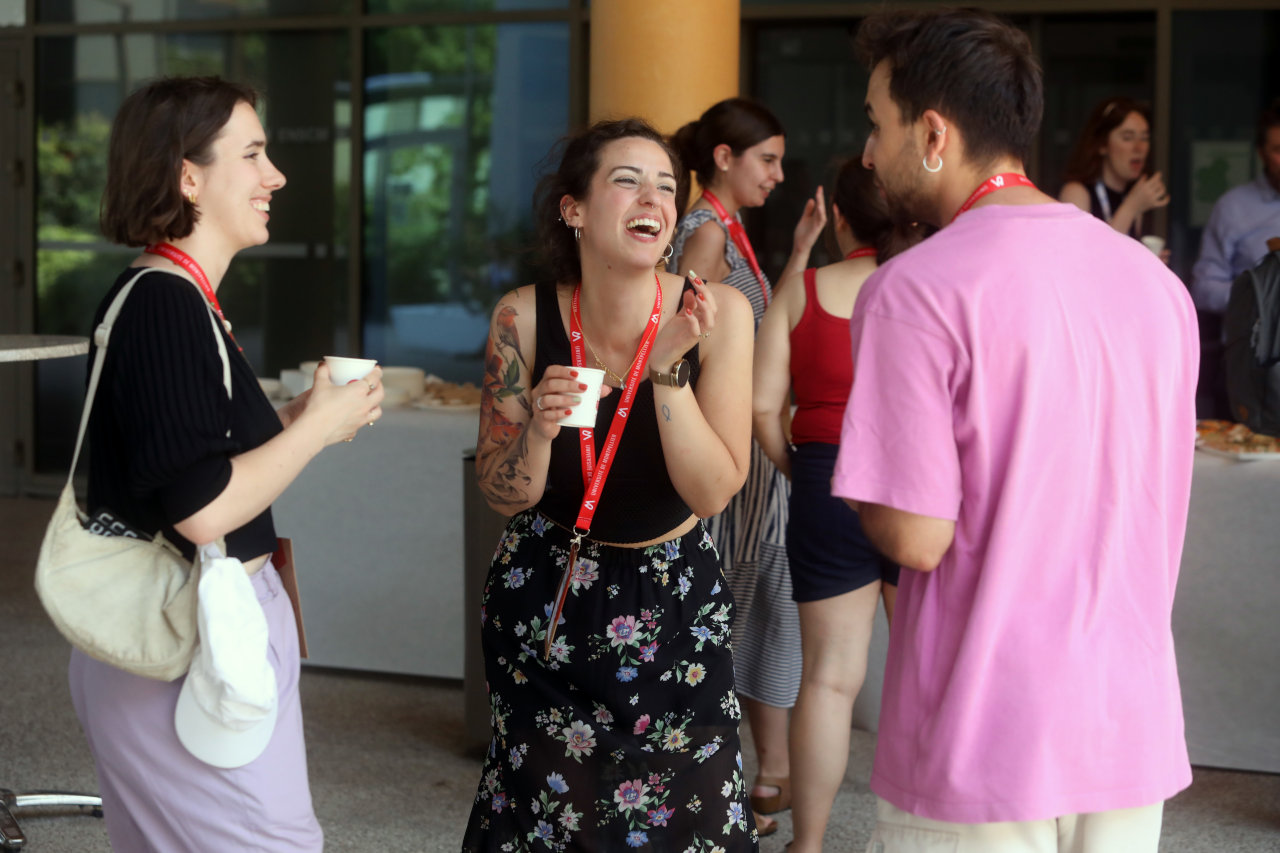
On June 23, 26 doctoral researchers s arrived from all corners of Europe to participate in the first Charm-EU Summer University, organized specifically for them. Hailing from the nine prestigious institutions that make up the alliance of European universities—including theUM —they brought with them a wide variety of academic backgrounds. Psychology, education, ecology, art, health, sociology, IT… And yet they had chosen to share this week of group workshops with other students from fields of study that were sometimes very different from their own. There’s nothing quite like this for sparking interest and putting their knowledge and projects into practice during workshops whose educational content had been meticulously prepared bythe Charm-EUalliance’s KCTs (“Knowledge Creation Teams”) , multidisciplinary “knowledge creation” teams composed of teachers,Professors , faculty researchers, and instructional designers.
The theme chosen for this unique summer school was“Developing Transdisciplinary Practice to Tackle Complex Challenges.” Participants had one week to work together on developing a transdisciplinary research project, guided by experienced researchers. This is because developing a transdisciplinary approach is a key skill for the young researchers of tomorrow. Knowing how to contextualize one’s research project and detail the concrete impact of the expected results is essential from the very beginning of the design phase. However, many calls for proposals encourage a collaborative approach that integrates multiple disciplines as well as the involvement of international partners.
A First-of-Its-Kind International Conference
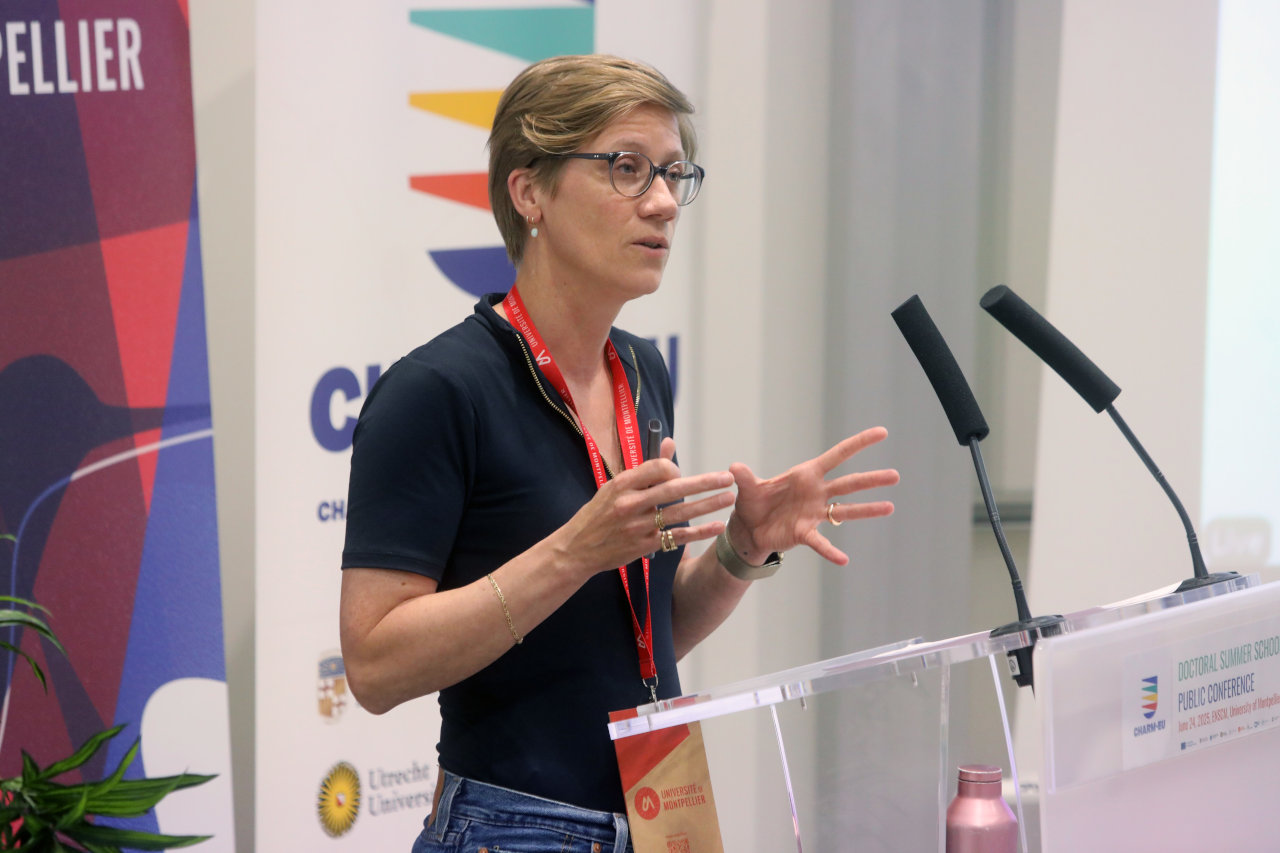
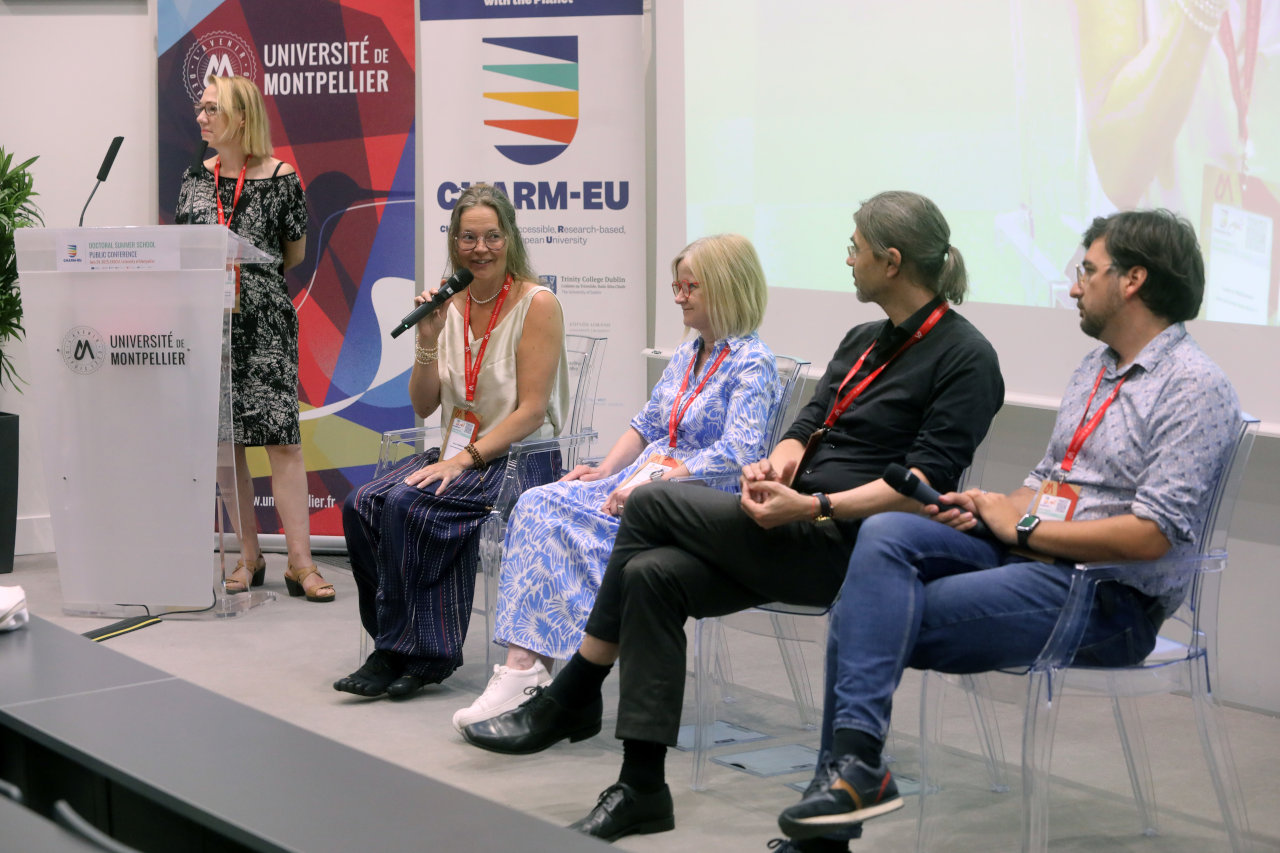
June 24 was a particularly busy day, as it was dedicated to the first major Charm-EU conference organized by the alliance, featuring renowned researchers, 9 experts, 9 European universities, and 9 research themes… This conference , titled “Connecting Knowledge, Shaping Futures: Transdisciplinarity in Research,” provided a non-exhaustive yet inspiring overview of projects at the universities within the European alliance. The invited international speakers are leading researchers who have placed transdisciplinarity at the heart of their work. They share a commitment to excellence in research and a deep dedication to contributing to a more sustainable society. Their fields of expertise are wide-ranging: philosophy, law, physics, hydrogeology, epidemiology, medicine…
Mircea Sofonea, an associate professor of epidemiology and the evolution of infectious diseases at theUM, who is participating this year in the international Charm-EU program, addressed the following topic in his presentation: “Interdisciplinarity in Health Crisis Management—Lessons from Research Conducted in Montpellier on Pandemic Surveillance and Control.” His remarks focused on health crisis management, examining the divides that separate not only disciplines but also professional fields within healthcare—divides that have a clear impact on decision-making. He also served as a spokesperson forthe ExposUM Institute, where, as research director, he is responsible for accelerating interdisciplinary projects on environmental health led by the University of Montpellier and its partners. Giving these experts a platform was an opportunity to demonstrate that transdisciplinarity can drive research forward. It served as a tremendous source of inspiration to fuel the research of tomorrow.
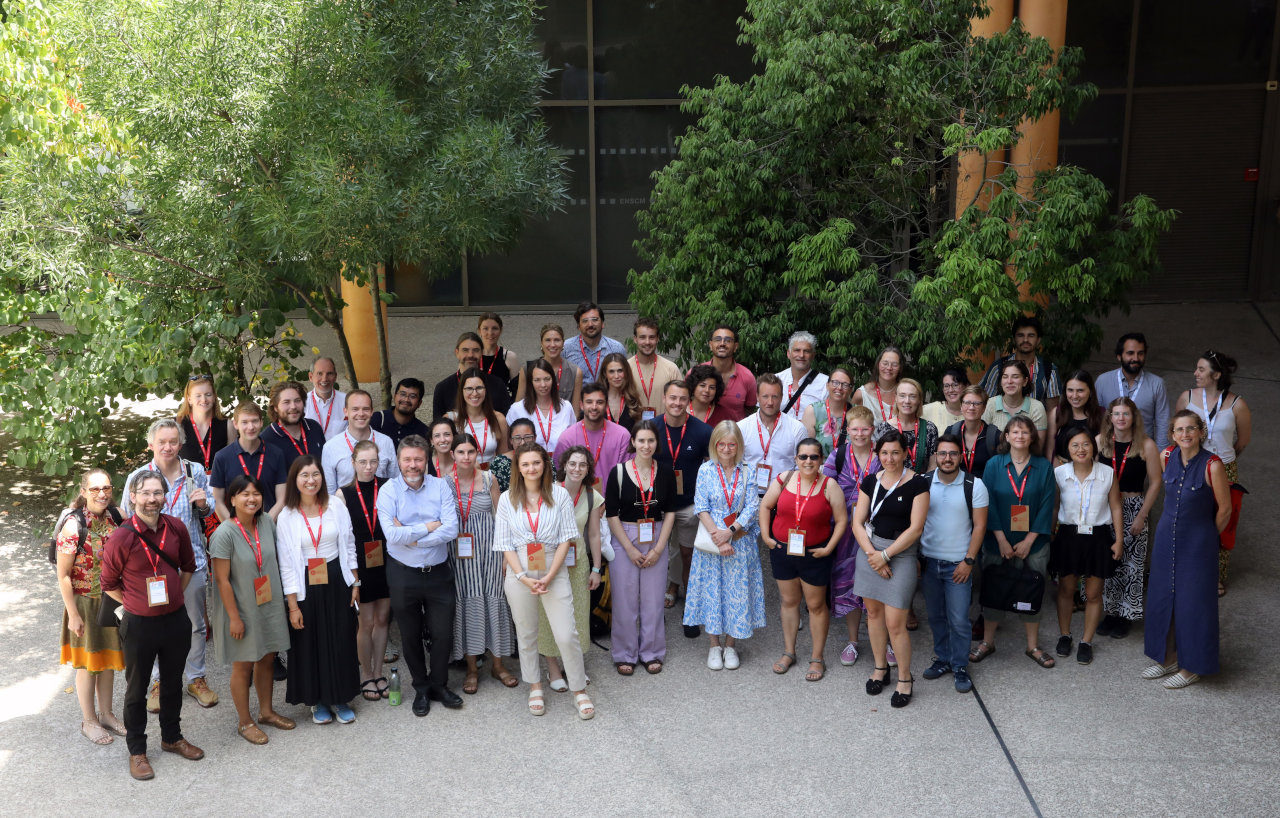
Make way for the next generation of European research
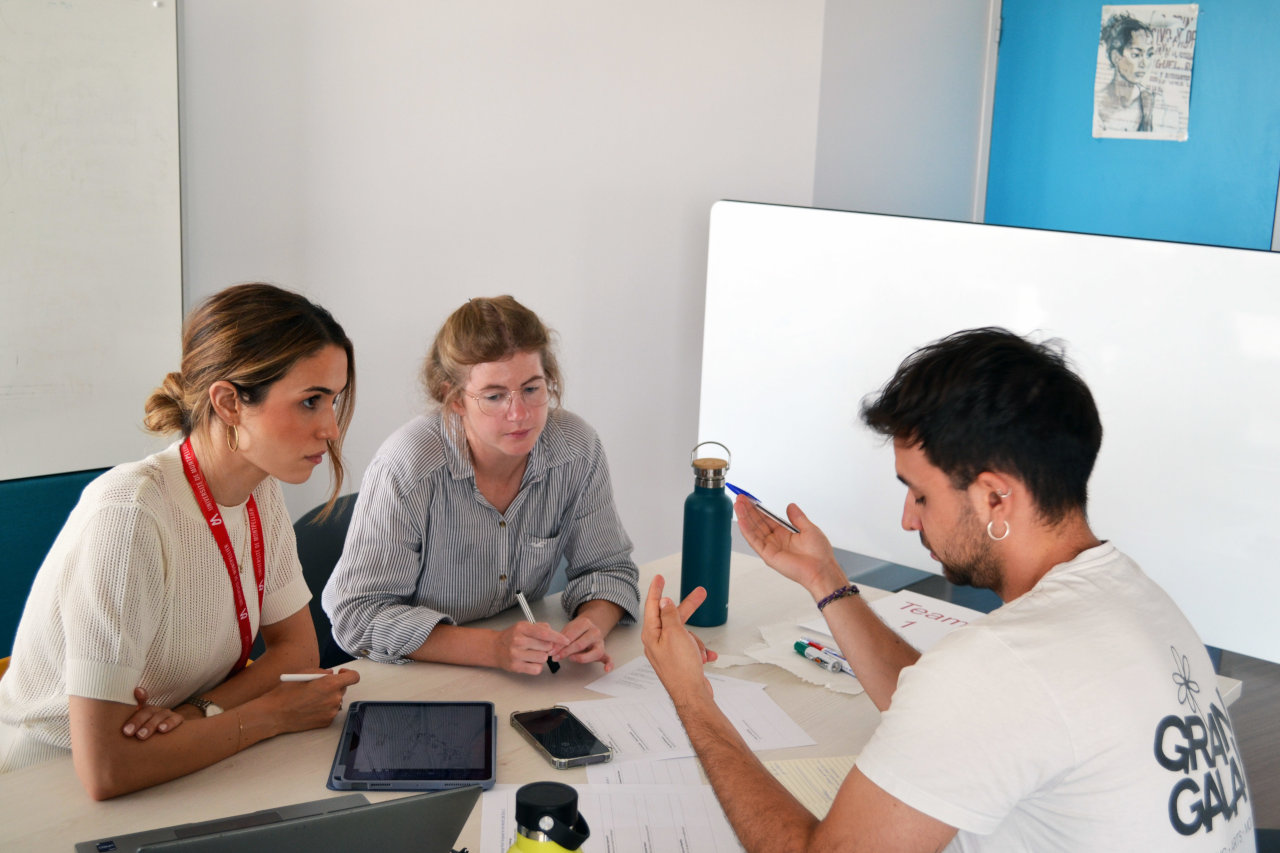
Following these inspiring discussions, the “ doctoral researchers ” worked tirelessly on research project proposals in small groups. They also took well-deserved breaks to explore the city through a unique digital walking tour using a geolocation app and to discover French cuisine in a fun, collaborative way.
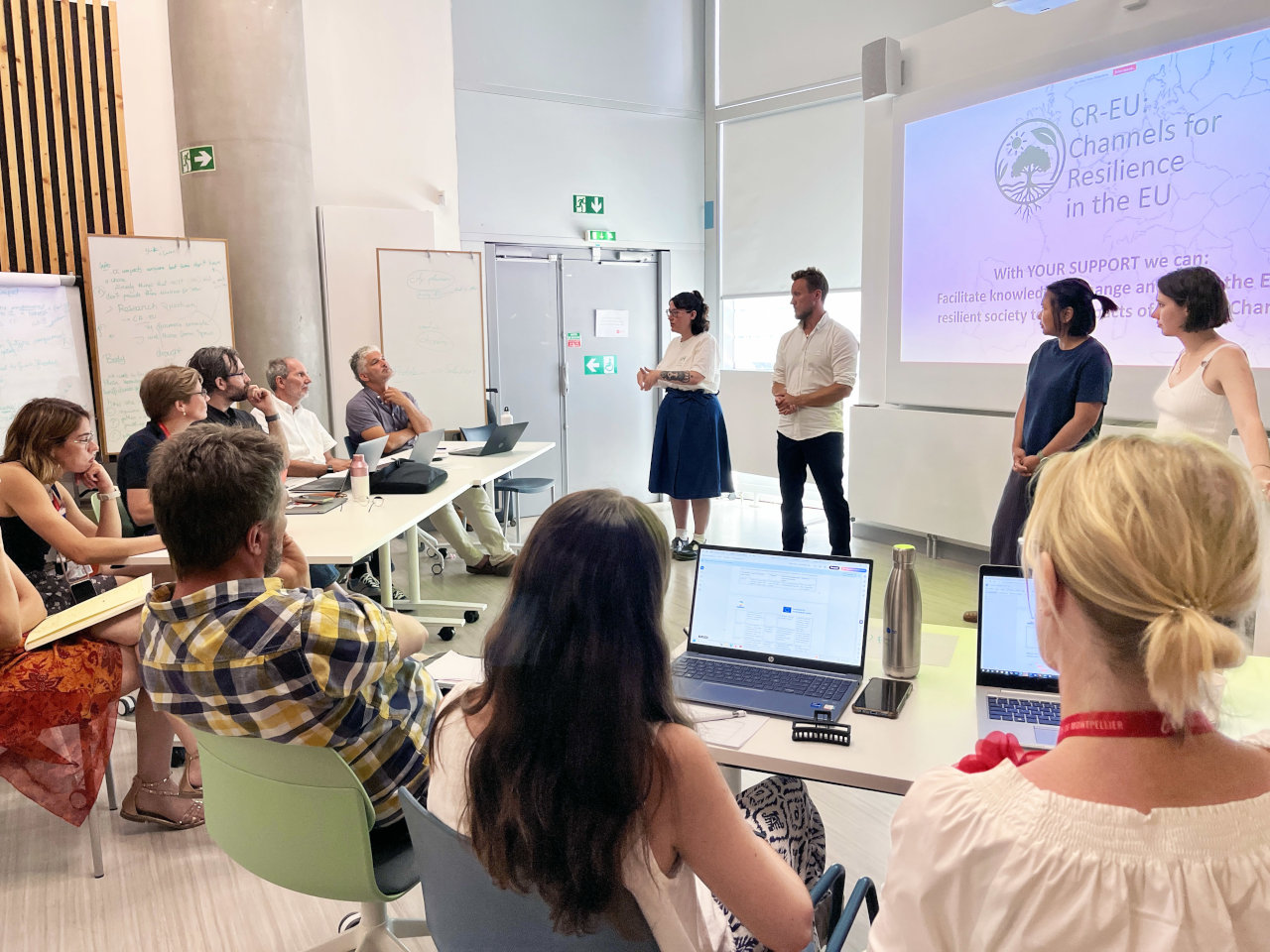
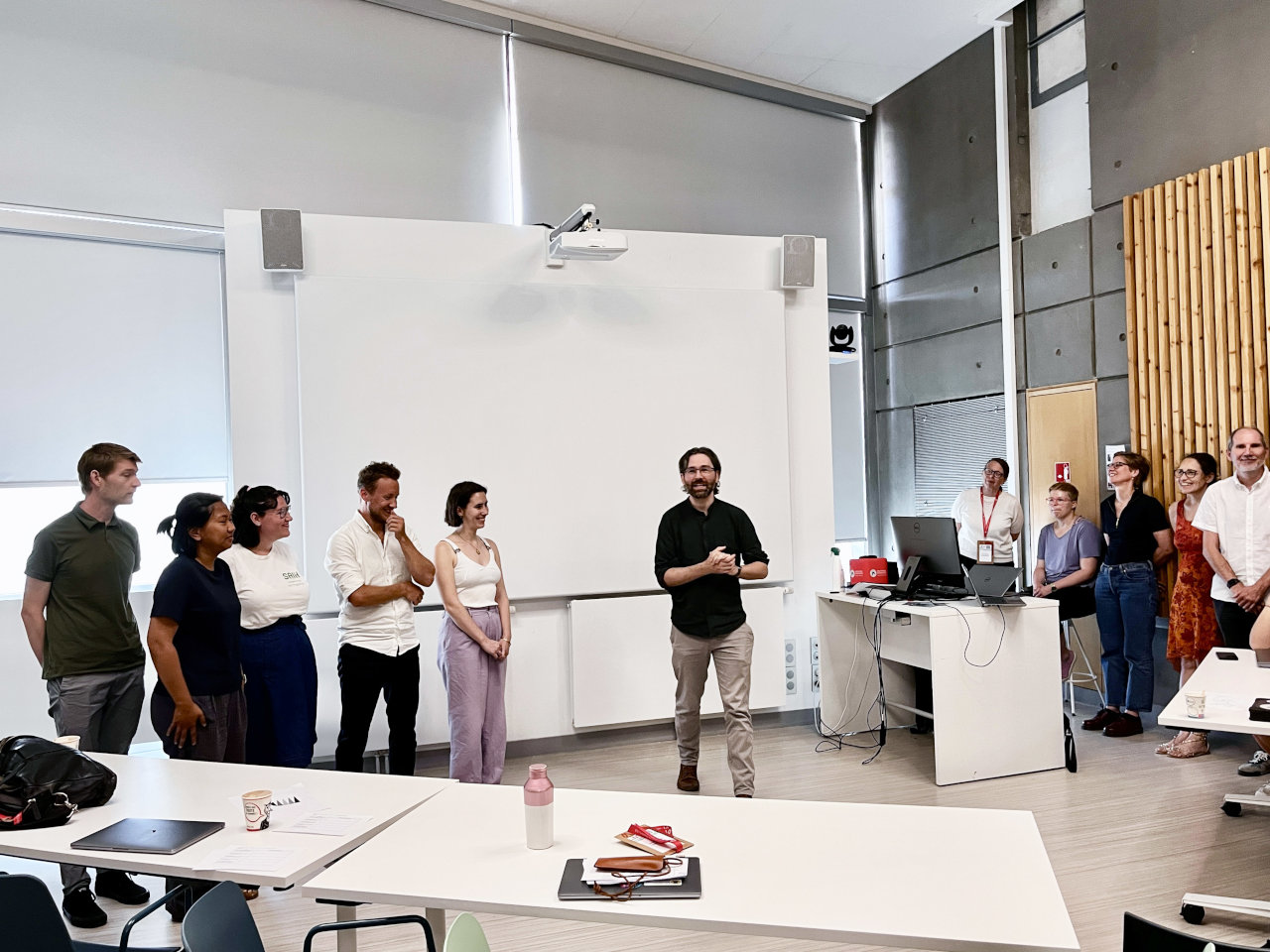
On the final day, however, the “ doctoral researchers ” presented their work from the week with the utmost seriousness to a jury composed of KCT members. They rose to this final challenge with brilliance, determination, and creativity, addressing topics related to contemporary issues such as international collaboration, food, global health, research systems, urbanization processes, and AI…
The jury members noted the remarkable quality of the students’ work, their eagerness to learn and collaborate across disciplines, and a strong desire to engage in projects that allow them to make a significant impact on the world we live in. Although the week’s challenge was won by a narrow margin by the team that worked on climate change, everyone came away a winner. This is proof, if any were needed, that the next generation of European researchers is ready to tackle the challenges ahead with confidence and innovation.
Future Joint Projects
All of these factors demonstrate that this edition in Montpellier was a success. This unprecedented international event thus “laid the groundwork for future joint research projects within the alliance,” in the words of Gilles Subra, Charm-EU project manager at theUM, particularly for the next generation of researchers. The next edition is already in the works for 2026 and will take place in Finland at Åbo Akademi University. Together, let’s make way for the next generation of research in Europe!
Watch the conference again:
Charm-EU: An Interdisciplinary Alliance
At the opening of the conference, Philippe Augé, president of theUM , highlighted the crucial importance of transdisciplinarity across all institutions of higher education. It is also at the very heart of the international degree program “Global Challenges for Sustainable Development,” an innovative joint curriculum offered by the nine partner institutions of the Charm-EU alliance of European universities. The program focuses on solving real-world challenges aligned with societal issues, and students are admitted regardless of their academic discipline. The president also reiterated that, as a university, “we are built on our two pillars: education and research.” It is worth noting that several projects have already taken place within the alliance that aim to combine research and transdisciplinarity, notably a shared research-based module at the end of 2024 involving the University of Montpellier and Utrecht University, drawing on the expertise of numerous specialists from the I-site (SIRIC Montpellier Cancer, Montpellier Cancer Institute, Montpellier Cancer Research Institute, Max Mousseron Institute of Biomolecules), and in direct collaboration with patients. More information is available on this joint module, the second edition of which begins in September 2025 and involves a collaboration that extends to the University of Barcelona,the IHU Immun4cure, and the FHU Evocan-2 to address the challenges of immunotherapy in cancer treatment.