Chengdu-Montpellier: Home Visits for the Two Partner Universities
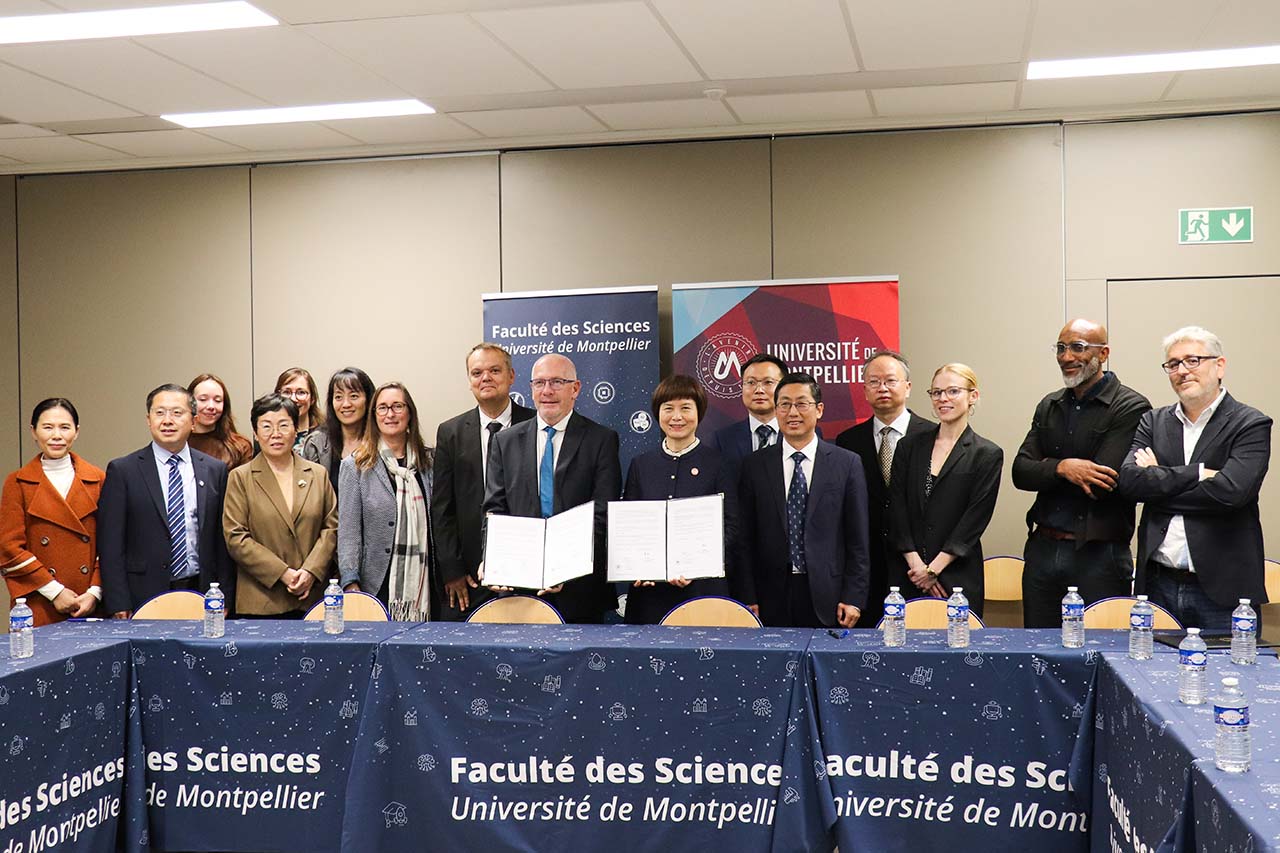
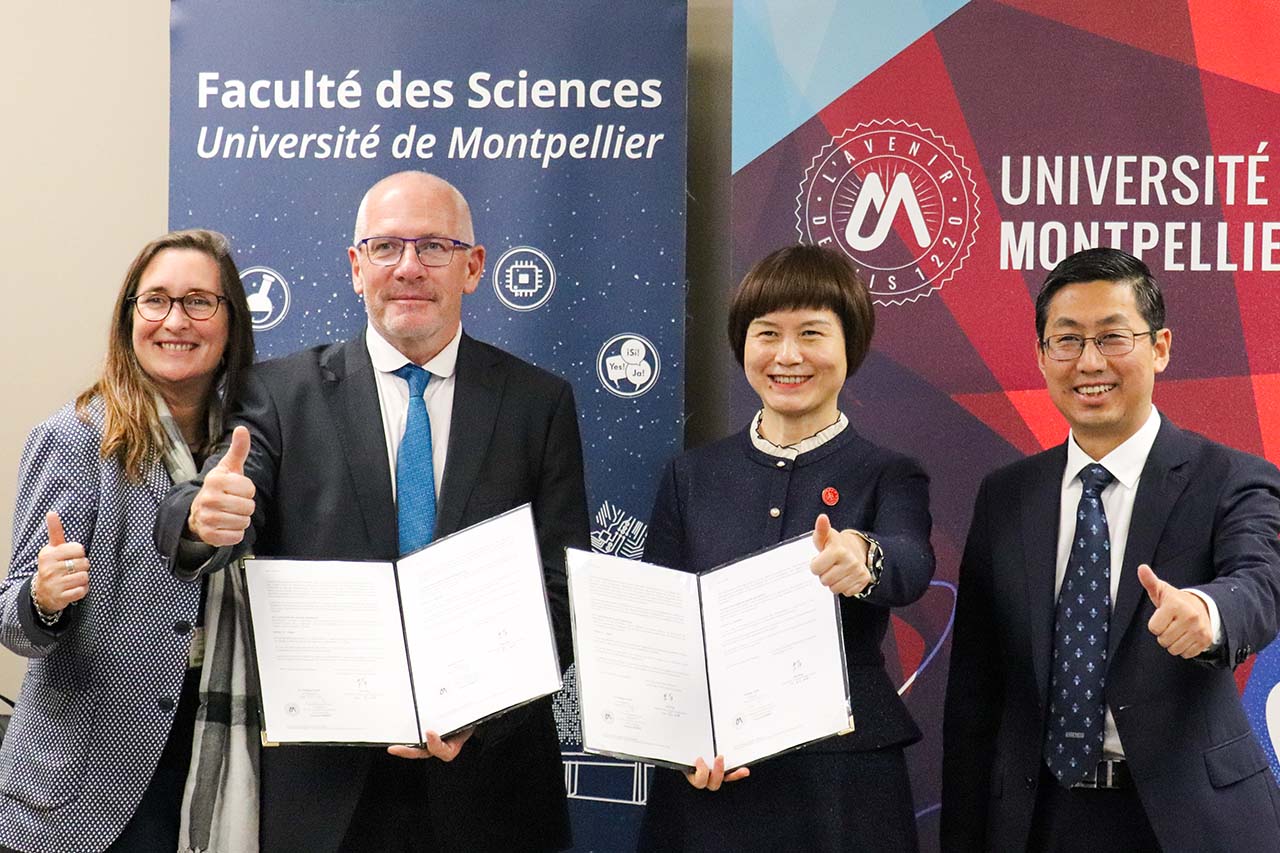
While the International Relations Office of theUM visited Chengdu during the International Exchange Month at theUniversity of Electronic Science and Technology of China (UESTC), a Chinese delegation visited Montpellier on November 6 to strengthen cooperation between the two institutions.
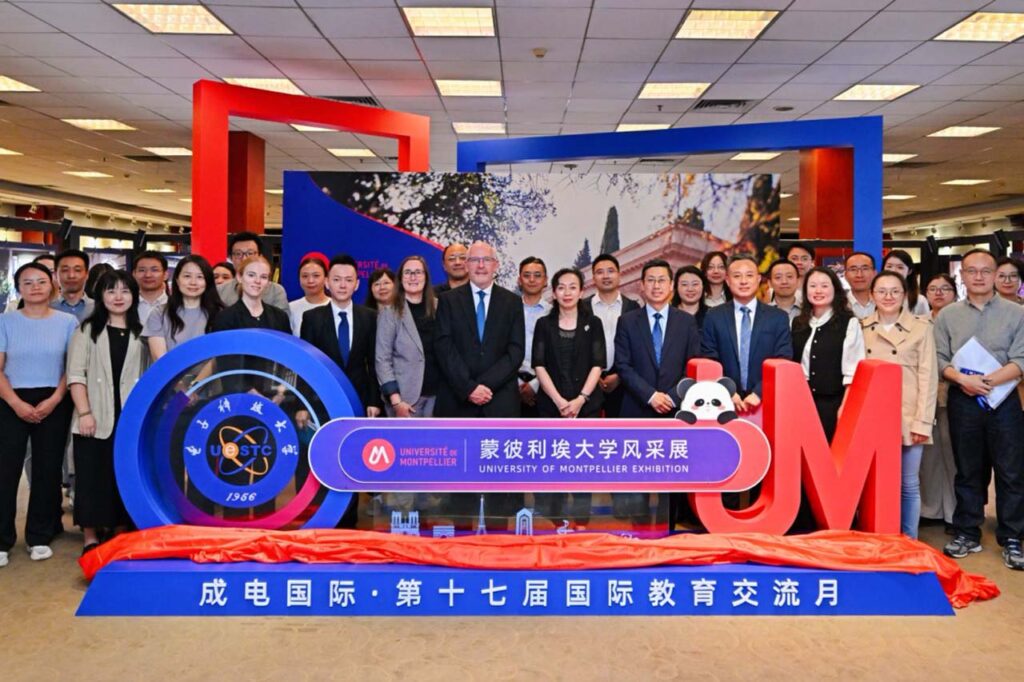
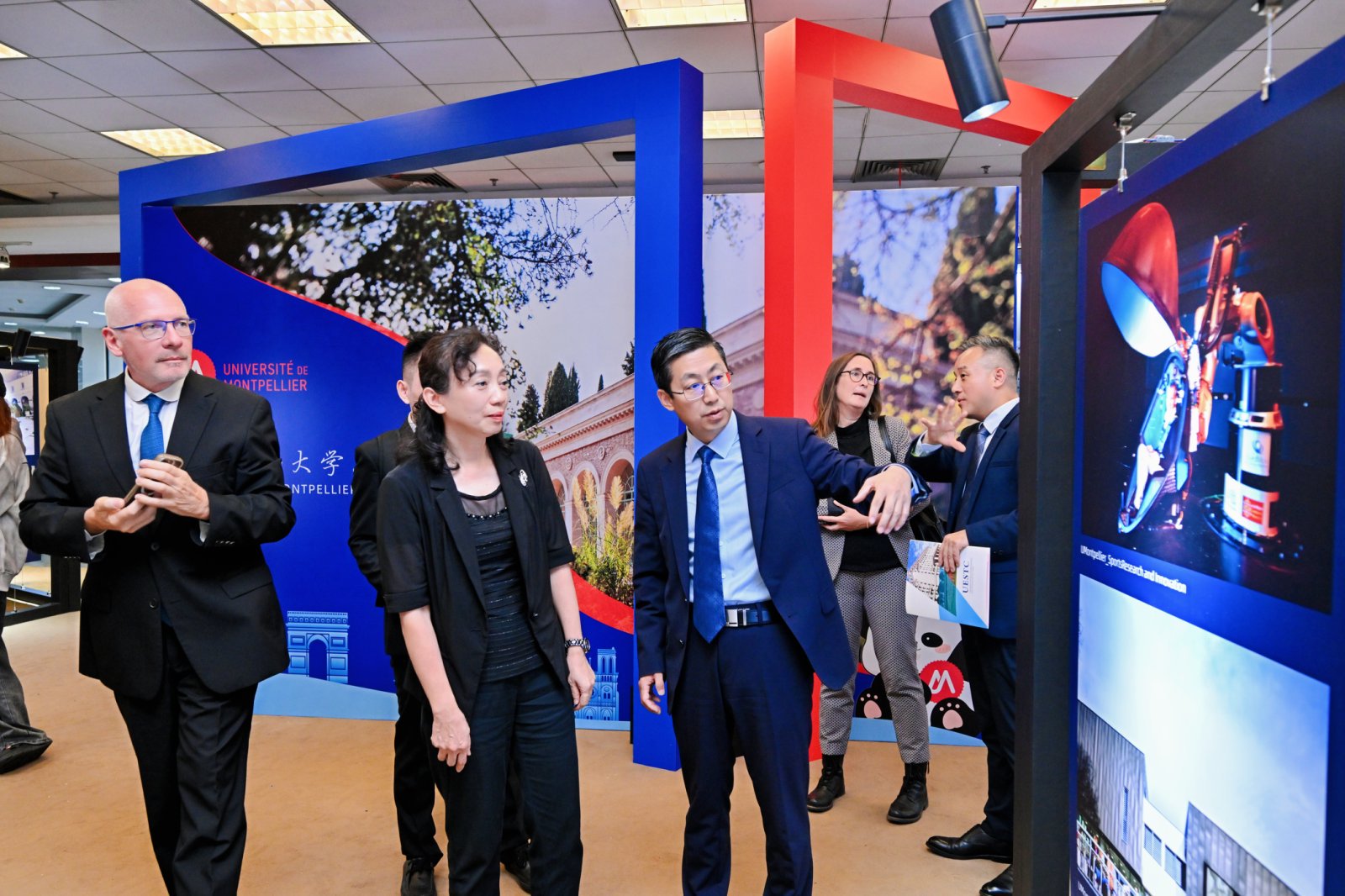
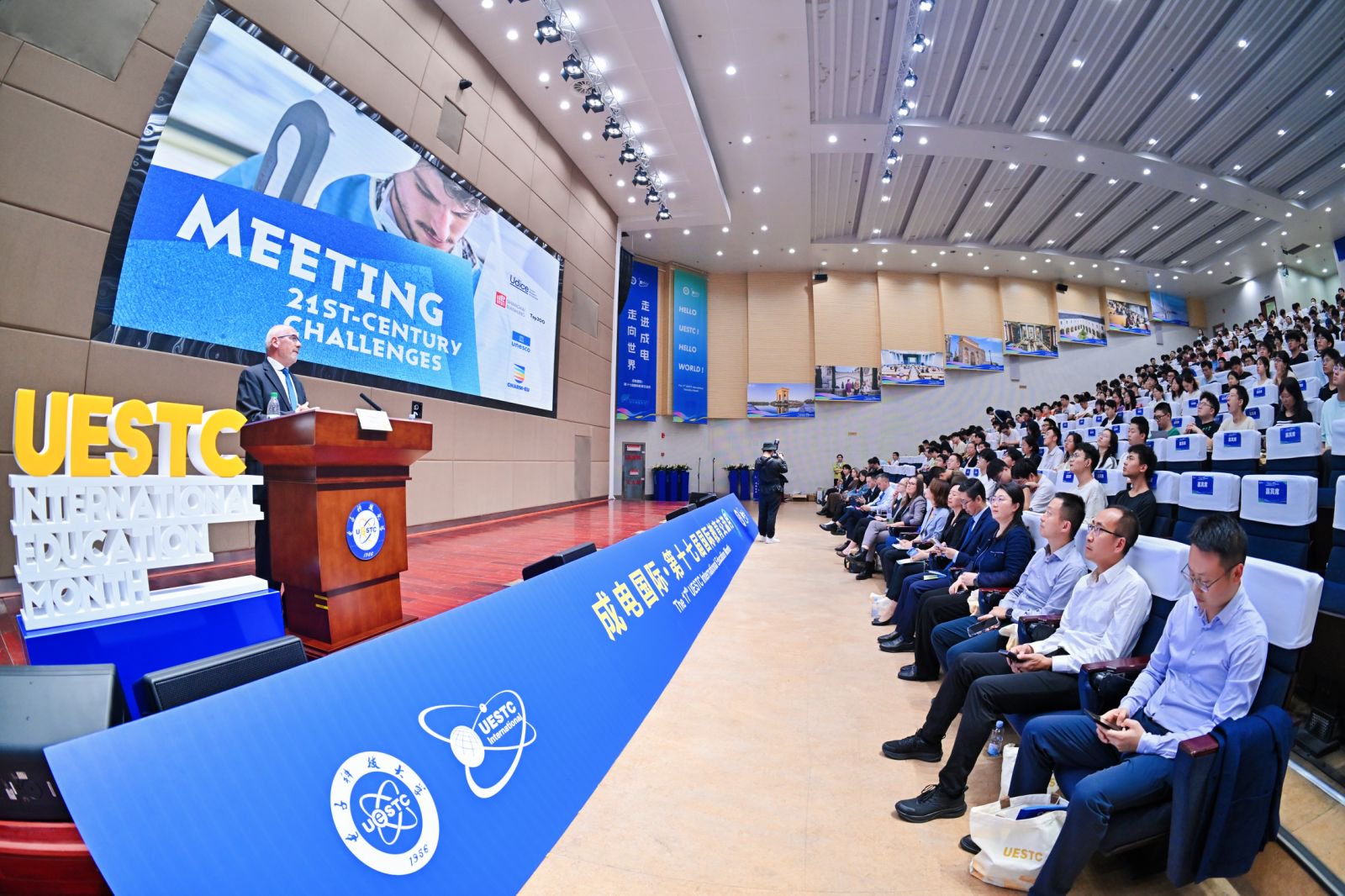
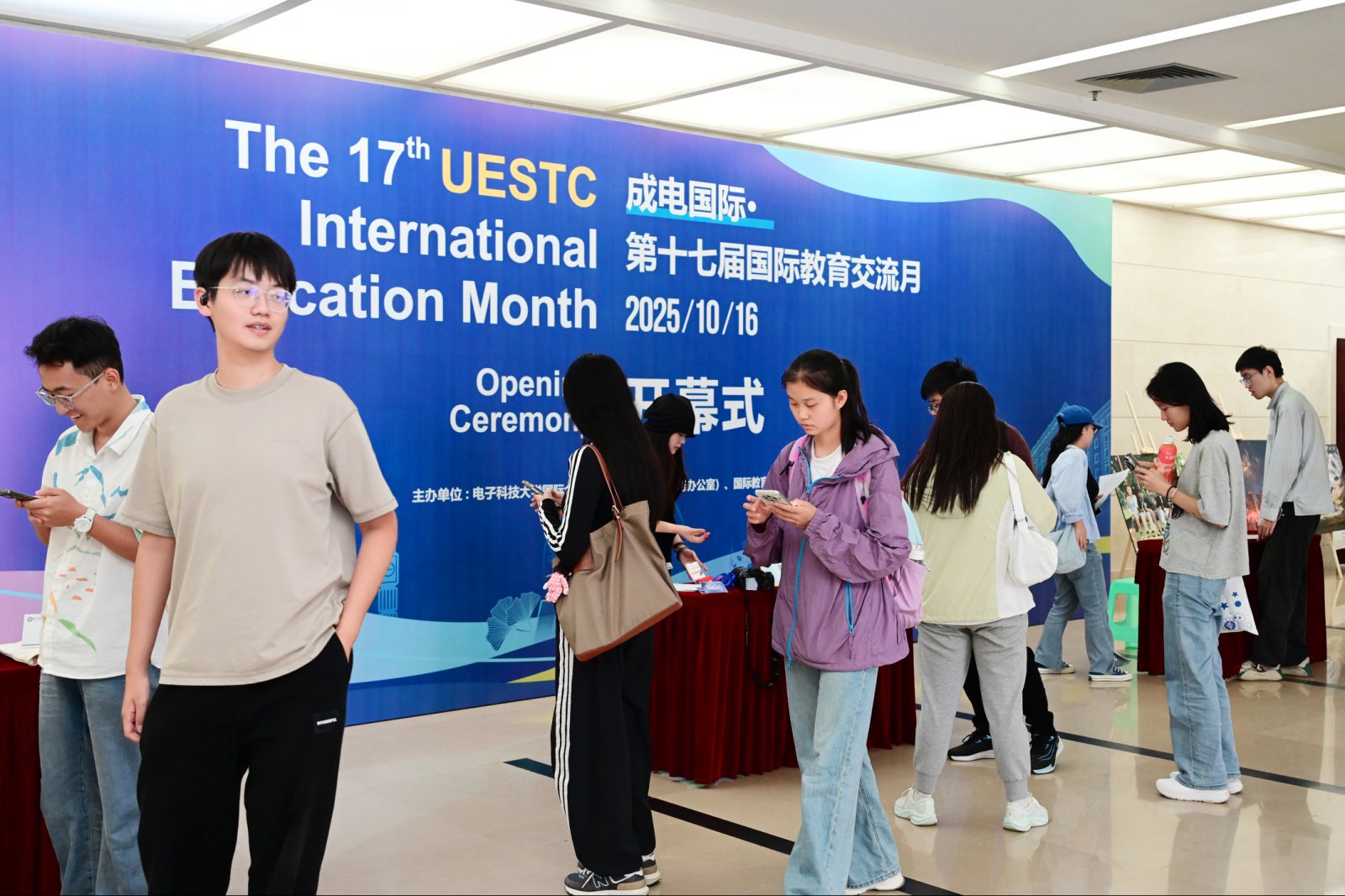
For a month, photographs and videos showcased the University of Montpellier on the campus of the University of Electronic Science and Technology of China (UESTC) in Chengdu. The exhibition was inaugurated on October 16 by François Pierrot, vice president for international relations at theUM, accompanied by part of his team. It was an opportunity for him to address 600 Chinese students and reiterate the need to develop meaningful technologies capable of helping humanity tackle global challenges, such as climate change.
Historical Links
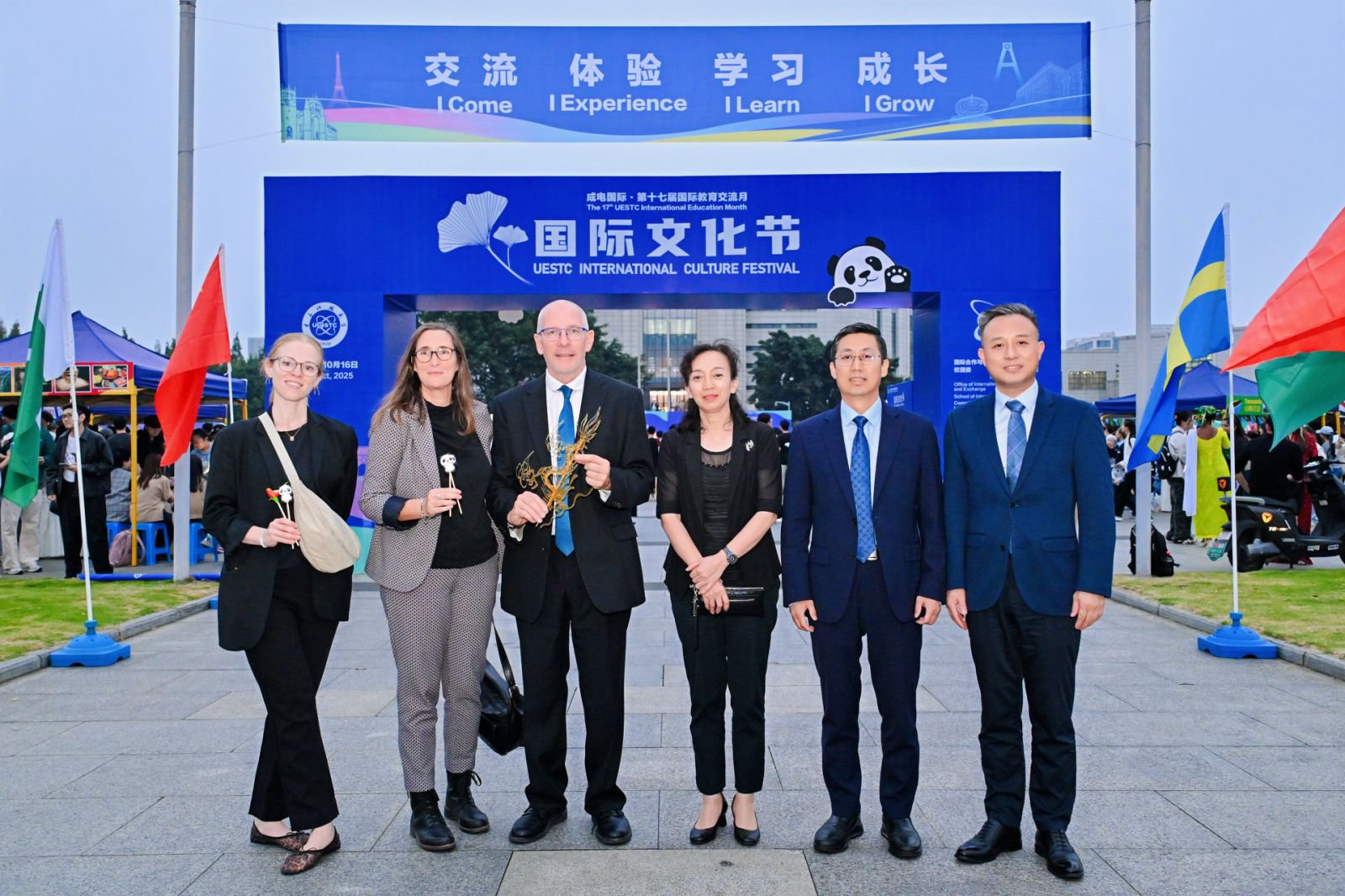
The vice president also took the opportunity during this event to meet with UESTC officials Cao Ping, Peng Lan, and Hu Jun. While the two cities have been sister cities since 1981—the first such partnership between a French and a Chinese city—the cooperative partnerships and projects linking the two universities have continued to grow. In addition, UESTC hosts the Alliance Française in Chengdu and, together with theUM , co-founded the Confucius Institute in Montpellier.
Concrete and Sustainable Actions
Following this visit, theUM , in turn, hosted a Chinese delegation on November 6. The agenda for this meeting included discussions on new joint projects, such as a winter school in mathematics and engineering to be held at the Faculty of Sciences in 2026, as well as a presentation on the LIRMM.“UESTC is a long-standing, valued partner with whom we intend to strengthen ties through concrete and sustainable initiatives,” stated François Pierrot. The delegation’s visit concluded with the signing of an interuniversity cooperation agreement by Cao Ping, chair of the UESTC Board of Directors, further strengthening the academic and scientific ties between the two institutions.