Water4Future Hackathon: The Future of Water
On February 27 and 28, the UNESCO-ICIREWARD International Center and the University of Montpellier organized the8th edition of Water4Future for students. Over the course of 48 hours, 800 participants from around the world worked in teams to design innovative solutions with significant social and environmental impact, using a hybrid format that is enjoying growing success.
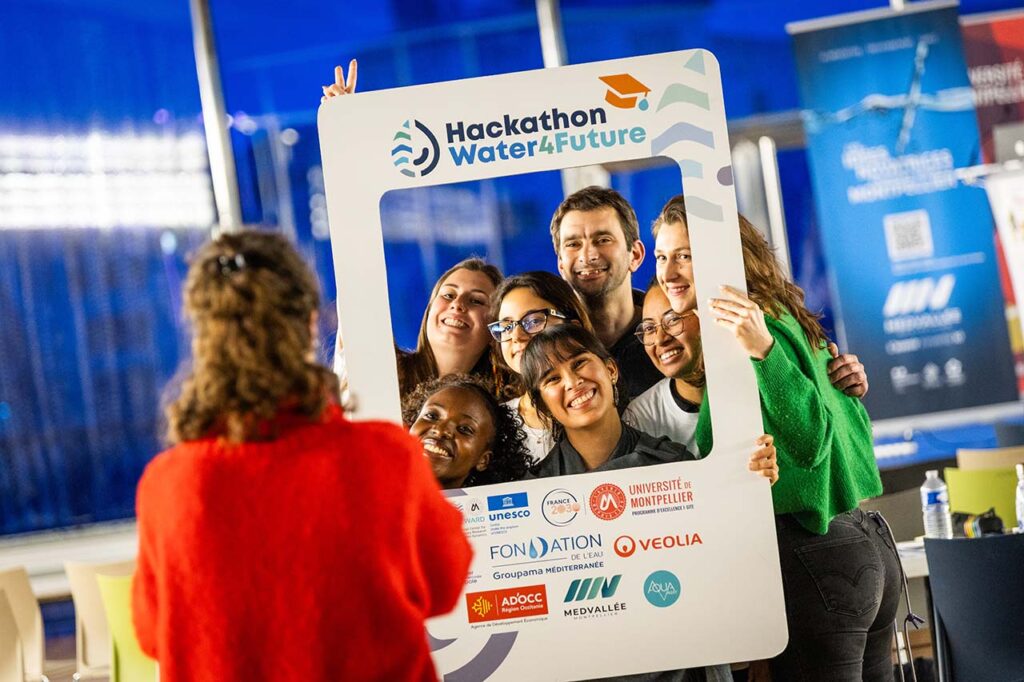
It’s just a short step from utopia to reality. Or almost. In 2018, the first edition of the Water4Future student hackathon took place in Montpellier.“There were barely 70 to 80 of us, including participants, the organizing team, and coaches,” says Eric Servat, director of the UNESCO Icireward International Center, a leading institution dedicated to inland water resources and supported by the University of Montpellier. Eight years later, the initial challenge has been more than met, as 130 teams—comprising more than 800 students of 22 different nationalities—are competing in this year’s event.“It’s now the largest student hackathon dedicated to freshwater,” enthuses the Montpellier-based hydrologist.
48 Hours to Innovate
The concept is simple: a theme, a project, and 3 minutes to make your case. The hackathon’s theme—this year, “water and land use planning ”—is announced two days before the event’s official kickoff. On the day of the event, once the starting signal is given from the meeting room at Montpellier City Hall, teams have less than 48 hours to design an innovative project with a positive social and environmental impact for more sustainable water management. While about twenty-five of them are present on site, others take part in the challenge remotely. In total, 66 universities and engineering schools are represented, located in France (Montpellier, Toulouse, Limoges, Corsica, Réunion), Europe (Poland, the United Kingdom), and Africa (Tunisia, Morocco, Senegal, Ivory Coast, Benin, Togo, Djibouti, Burundi, Kenya, Mali, Chad, Burkina Faso, Tanzania, Madagascar, Egypt, Cameroon).
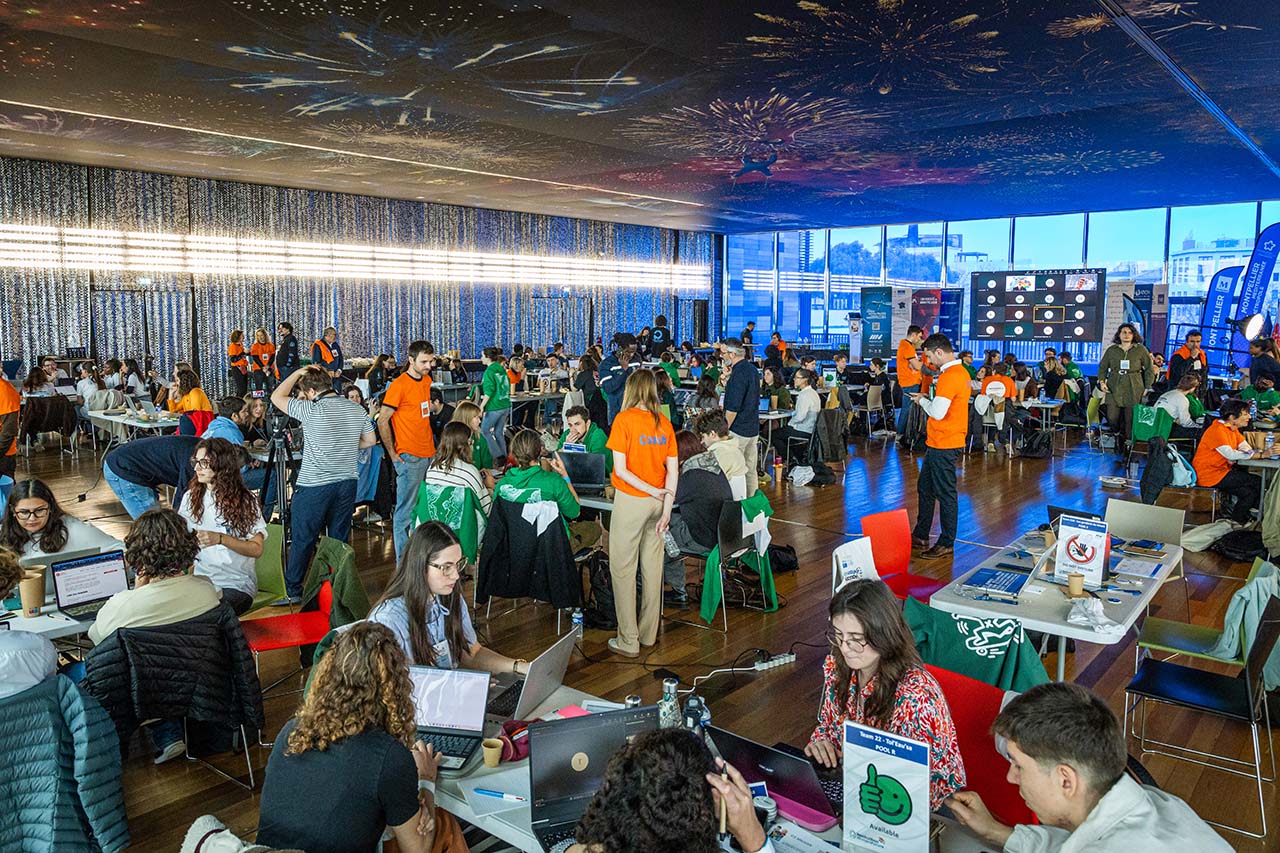
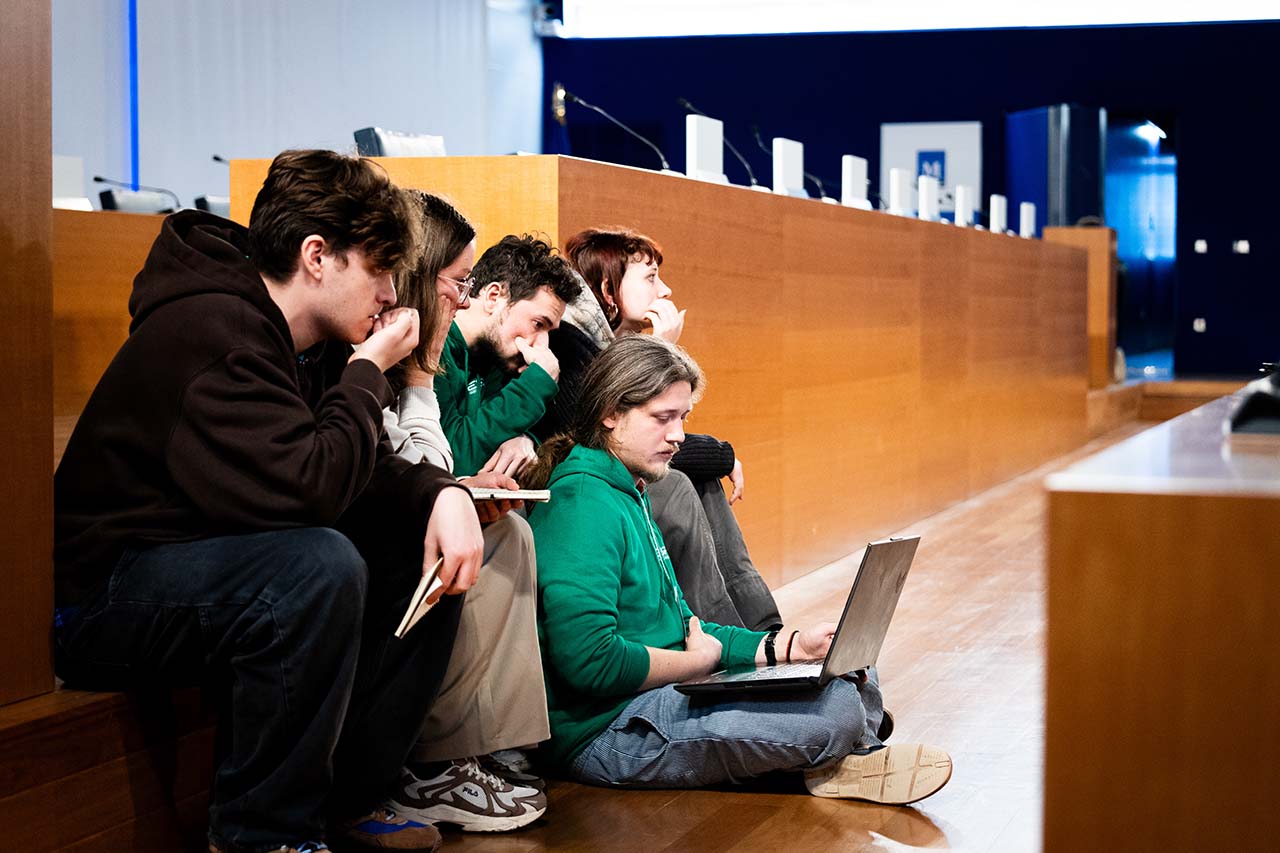
Before long, the room buzzes with excitement, and discussions heat up. Choosing a topic, discussing it as a group, and making collective decisions isn’t as easy as it sounds. “Not only do students have to learn to work as a team within a very limited timeframe, but they’re also quickly forced to recognize the need to seek out key skills from outside the group,” explains Eric Servat. The projects take shape with the support of 90 coaches brought in for the occasion—experts in geography, hydrology, urban planning, economics, climate, communication, entrepreneurship, finance, accounting, and more…



"Water Talent" in the Spotlight
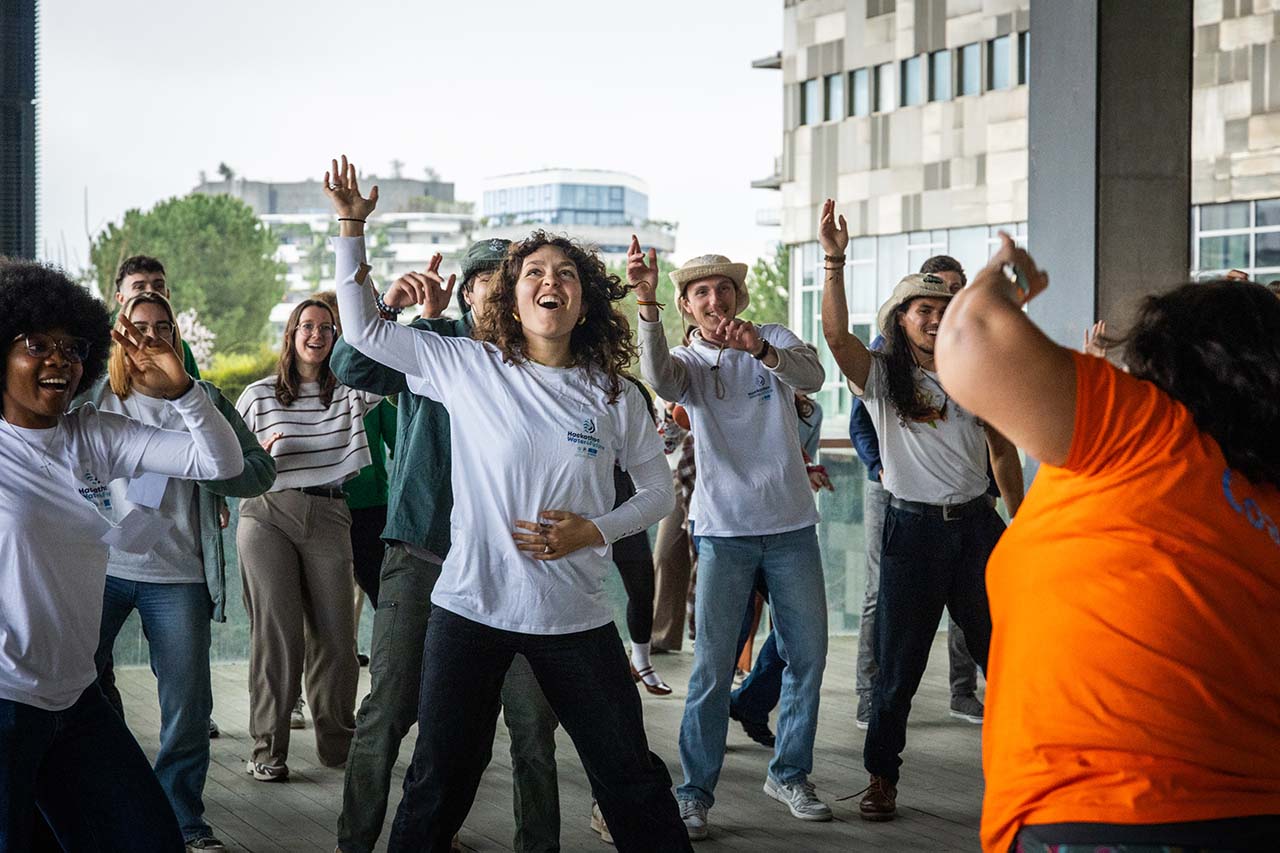
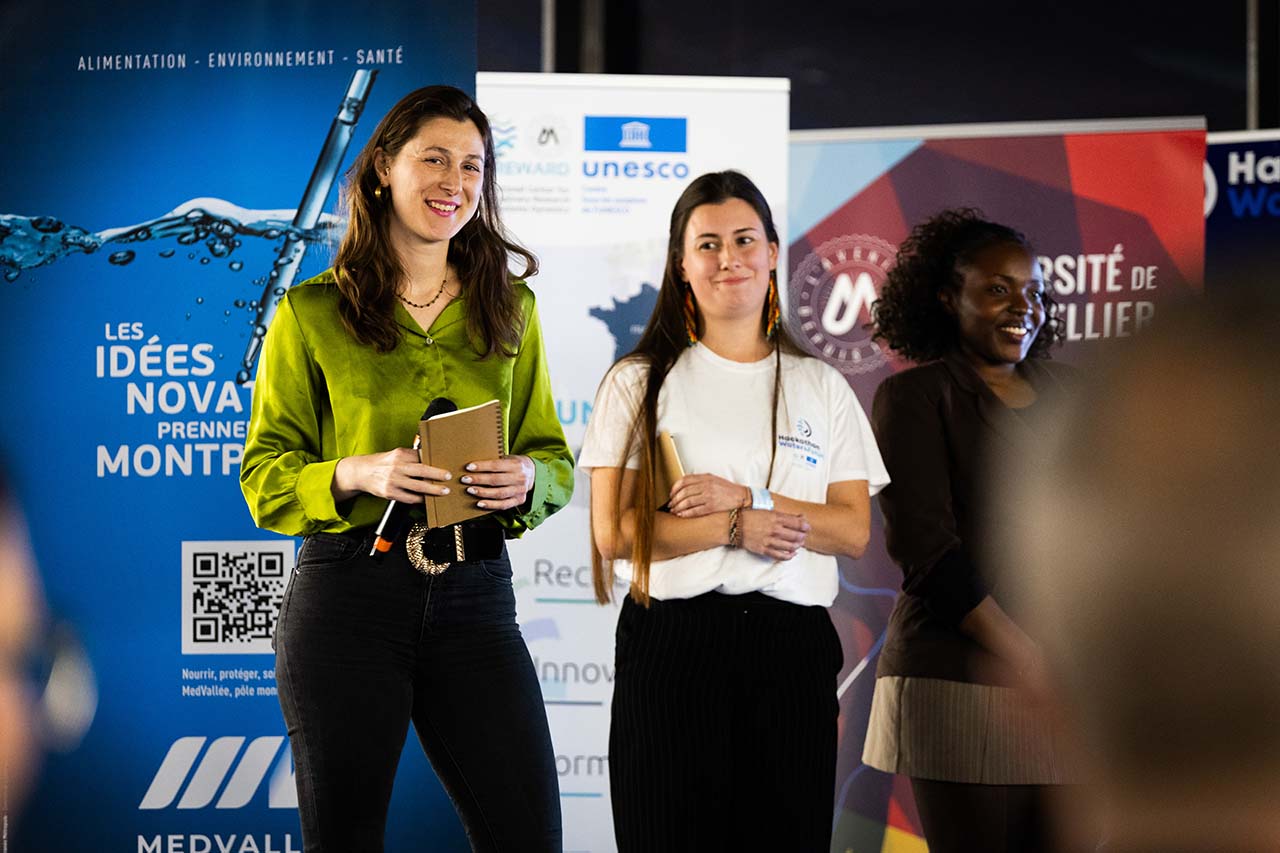
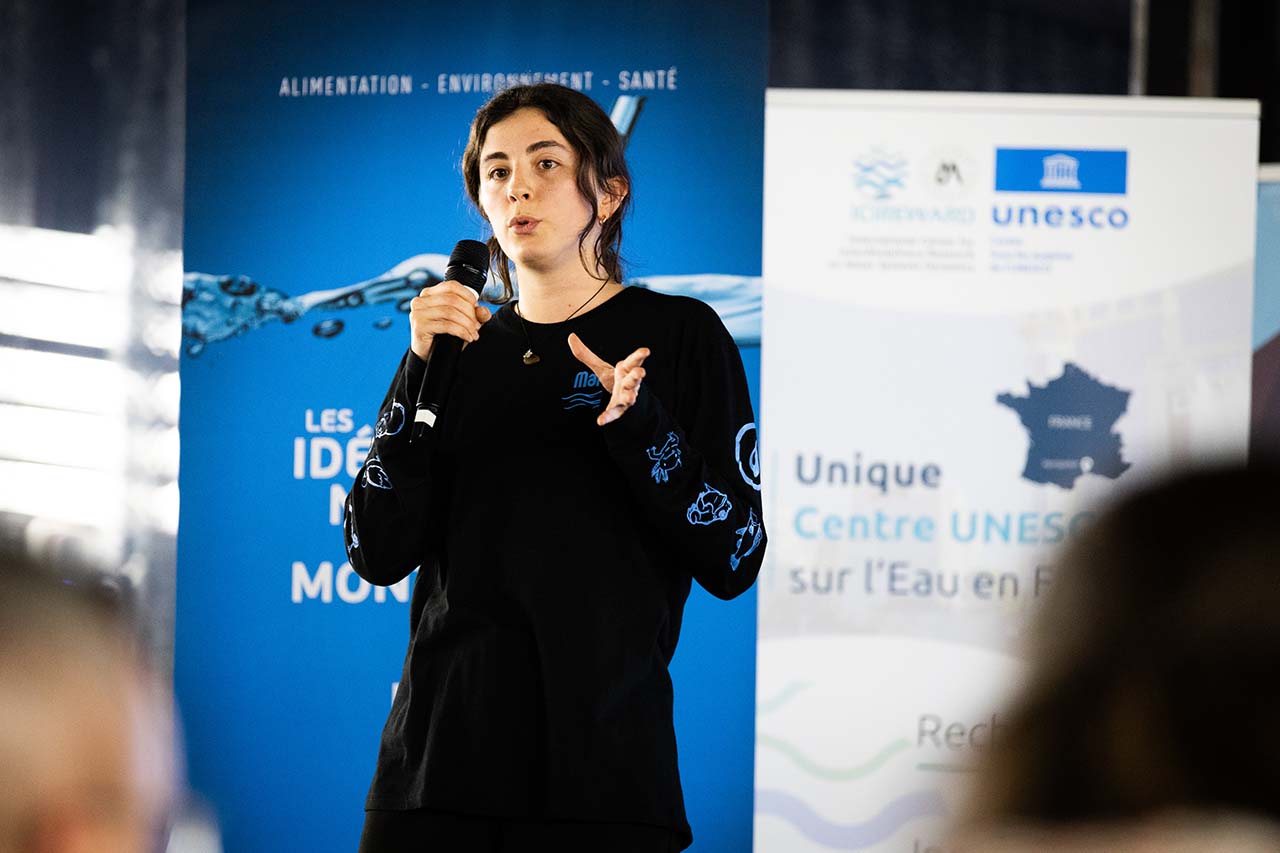
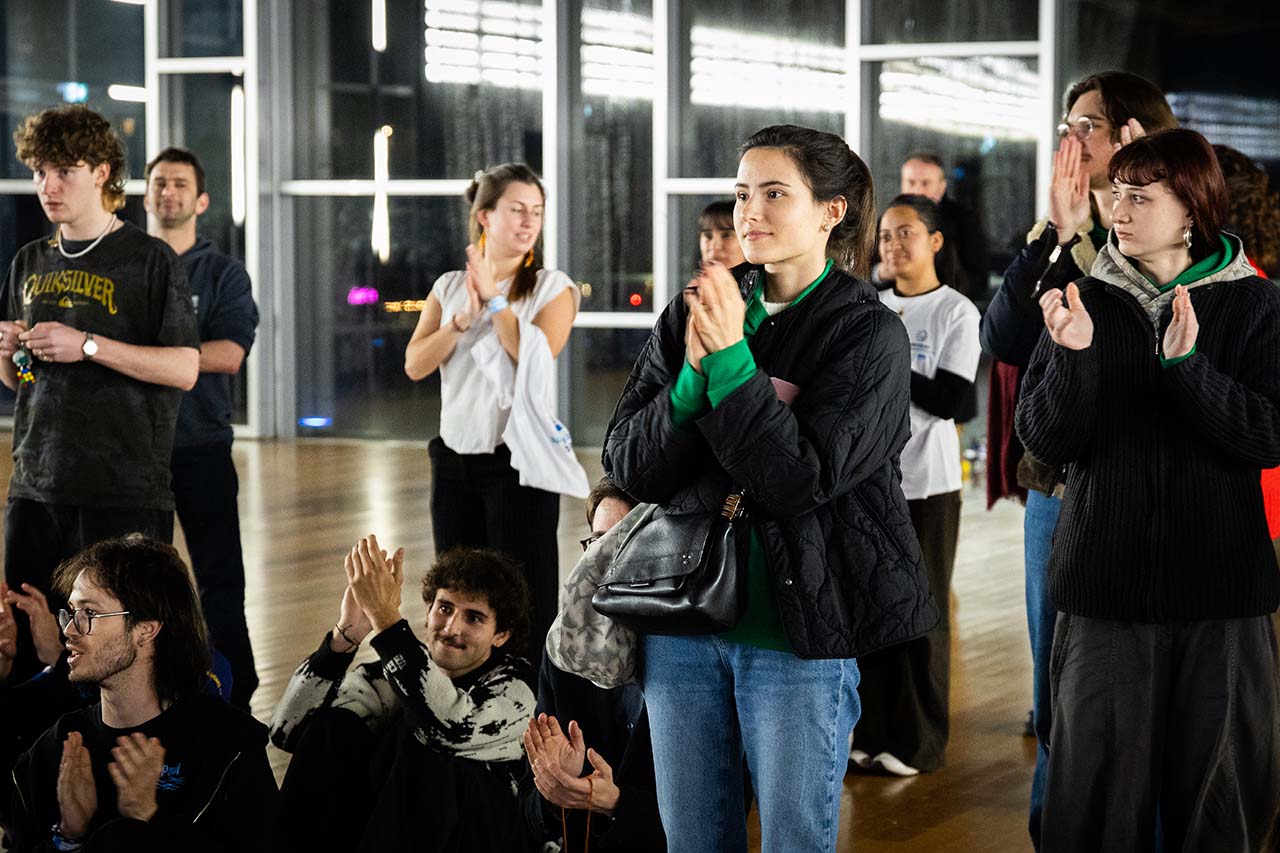
It’s the second day of Water4Future, and the atmosphere is electric. The night before, the teams fine-tuned their projects and presentations late into the evening. It takes several strong coffees to shake off the doubts left by a night that was far too short. Things are picking up speed; the pitch sessions begin in each selection pool in the early afternoon. Each team has three minutes and a Q&A session to convince the jury of their project’s potential. The participants’ energy, poise, and creativity are impressive. A fun fitness session is organized before the results are announced to help everyone unwind. After all, it’s just a game.
The hackathon continues. Due to the large number of teams participating in the 2026 edition, an additional selection round has been added. Following this round, 38 teams remain in the competition,all of whomare guaranteed to walk away with the “Water Talent” title, recognizing“their commitment, creativity, and innovative proposals addressing water challenges.” The second pitch session— effectively the semifinals—highlights both the variety of projects and the cultural diversity of the participating teams. “The international dimension is essential,” emphasizes the director of the UNESCO ICIReward International Center. “It allows everyone to realize that, when faced with the same problem, solutions can vary greatly. For while the issue of water is universal, solutions depend heavily on the local context.”

The Importance of the Human Dimension
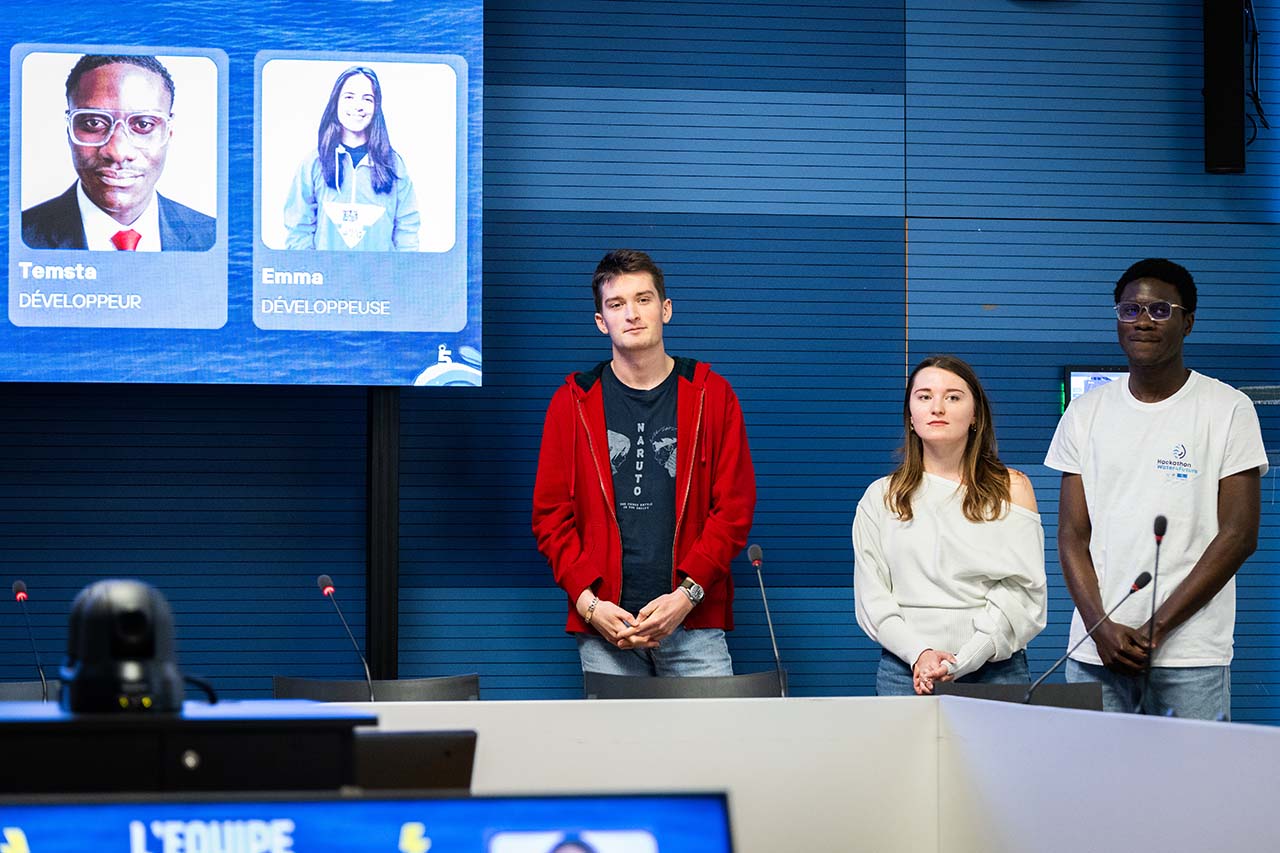
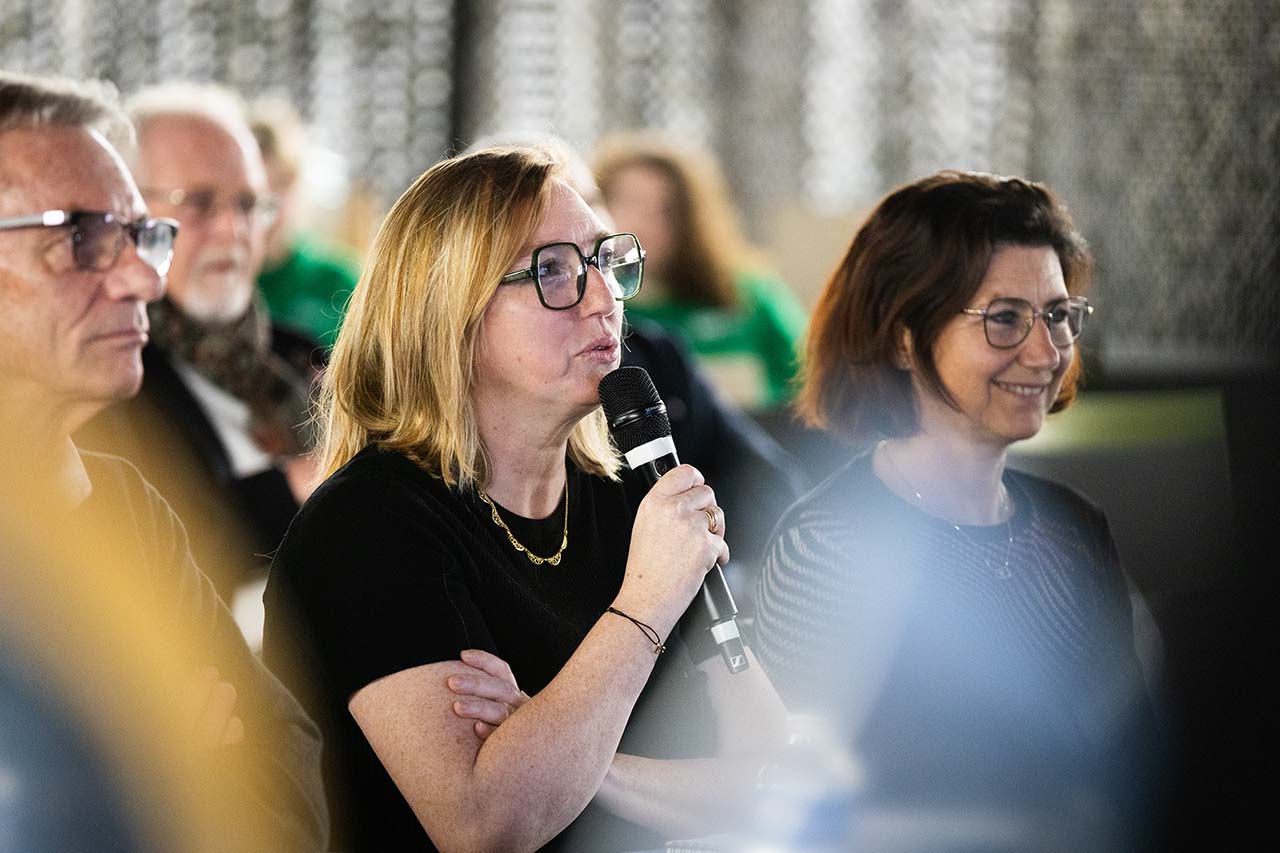
As the list of finalists is announced, joy and disappointment go hand in hand. It’s time for the final ten teams to present their projects—either on stage or on the big screen—before an international jury of professionals. Some teams are already standing out for the quality, relevance, and impact of their projects. This is exactly what Eric Servat is looking for:“Water is, first and foremost, about people. If we overlook its human dimension, we completely miss the point. For example, the role of women in Africa is not the same as in France when it comes to accessing safe drinking water at home.”
It is almost 10 p.m. when the winning team of the8th Water4Future Student Challenge is announced. The winning team is from the National School of Mathematical Engineering and Modeling (Benin) for an innovative system designed to improve forecasting and early warning while helping to build the region’s resilience in the event of major flooding. Will this project ever see the light of day?“Few projects actually come to fruition, because this is first and foremost a training process,” insists Eric Servat. These two days of collective intelligence, innovation, and international cooperation have nonetheless demonstrated the younger generation’s desire to work toward more sustainable management of water, an essential yet vulnerable resource.
ICIREWARD: A UNESCO International Center Dedicated to Water
The UNESCO-ICIREWARD International Center (International Center for Interdisciplinary Research on Water Systems Dynamics) is the first and only UNESCO research and training center dedicated to inland water in France. Located in Montpellier, it ranks among the most important centers of its kind internationally. ICIREWARD brings together and strengthens collaboration among nearly 500 scientists and 180 doctoral students across 18 research laboratories. The Center’s scientific community thus forms a rich multidisciplinary and international network aimed at improving our understanding of water-related issues. Its research areas combine hydrological, chemical, and biological sciences with the social sciences to provide comprehensive expertise in addressing the challenges facing water resources: their availability, quality, and equitable distribution, as well as extreme events (floods, droughts). Icireward works year-round with elementary, middle, and high school students, college students, and the general public (e.g., the Water4Future Program, “PLOUF” on April 17, 2026, an awareness day for schoolchildren in conjunction with World Water Day).