[LUM#16] River Biodiversity in Jeopardy
From extinctions caused by habitat changes or pollution to the introduction of new species, human activities have profoundly disrupted fish biodiversity in rivers and streams around the world.
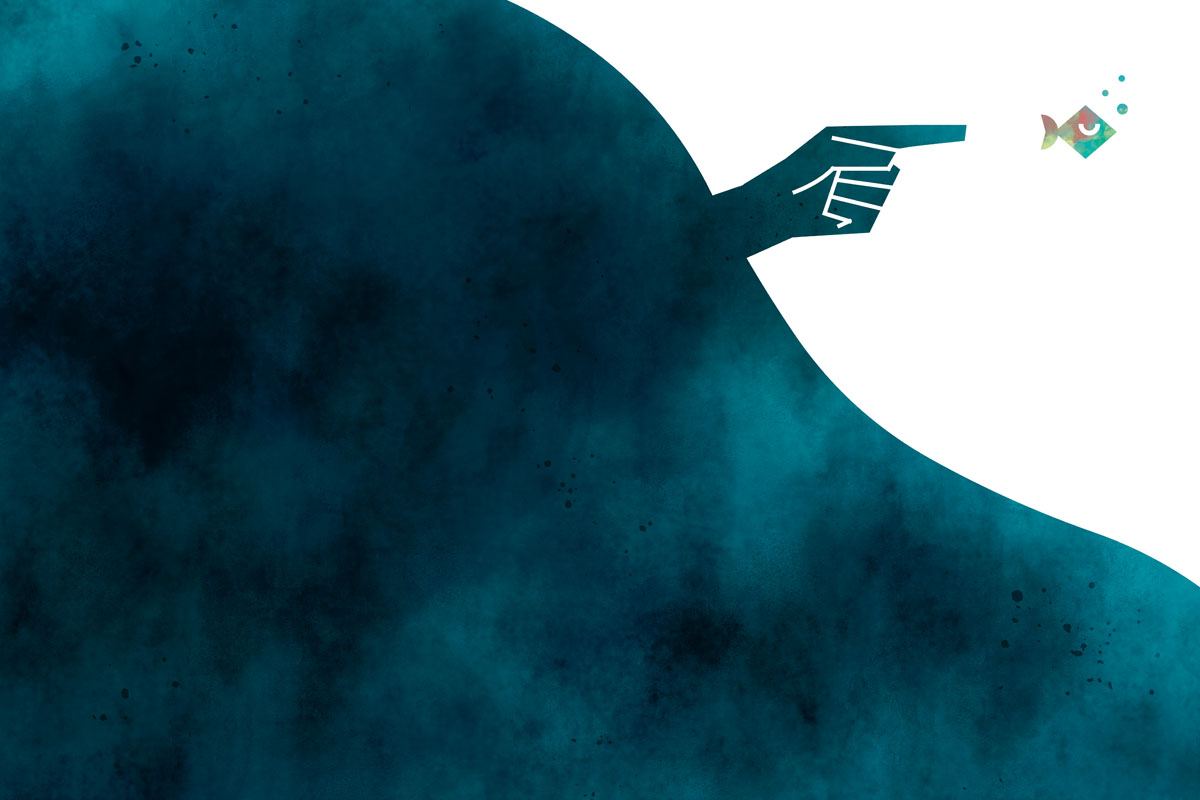
Although rivers and streams account for only 3% of the Earth’s surface, they are home to nearly 17,000 species of fish. How are these species affected by human activities? To find out, Sébastien Villéger, a researcher at the Marine Biodiversity, Exploitation, and Conservation (Marbec)* laboratory, and his colleagues at the University of Toulouse examined more than 2,400 waterways, covering nearly 80% of the world’s rivers. The goal: to map the number of species in rivers to determine changes in biodiversity over the past two centuries. “The most comprehensive study ever conducted on this subject, ” the researcher notes.
Rivers preserved far from human activity
And according to their findings, which were published in the journal *Science*, these changes are widespread. “More than 50% of the waterways examined in the study have had their fish fauna significantly altered by human activities, ” explains Sébastien Villéger. Are some rivers spared? “Our study shows that only 14% of the world’s rivers are home to fish biodiversity that has been minimally impacted by human activities.” These rivers, which show no local changes in their fish communities, are precisely those located farthest from human settlements, in areas with little economic activity: “tropical regions such as the Amazon, Central Africa, parts of Southeast Asia, northern Australia, and a few rivers in the far north of the Northern Hemisphere, ” the researcher explains.
Everywhere else, the wildlife inhabiting the rivers bears no resemblance to what it was just a few decades ago. Some species are on the verge of extinction, such as the sturgeon, which has been decimated by overfishing. Others are struggling, such as the trout, a particularly sensitive species that is just as vulnerable to warming waters as it is to water pollution. Still other species are affected by changes to their habitats, such as those whose turbulent waters have been transformed into stagnant waters due to the construction of a dam, thus giving way to other fish better adapted to this new environment.
Introduced Species
For while some species have now disappeared, others are just waiting to take their place. “One-third of the fish found today in French rivers were not historically present there,” explains Sébastien Villéger. Carp, zander, gambusia, catfish, sunfish, and wels catfish—all of these fish are now an integral part of our river landscapes, yet they were all introduced by humans, mostly intentionally. This introduction is harmful to native species, which often suffer from the arrival of these newcomers.
So why move the fish? “Introductions began as far back as antiquity—notably with the carp, which the Romans brought to Europe for farming—and other species of fisheries interest were introduced, especially after the 18th century, ” explains the biologist. Some of these species also allow fishing enthusiasts to show off impressive catches, such as catfish or largemouth bass. Many species have also been introduced through the aquarium hobby, such as goldfish, which some aquarium owners have released into rivers. “As for the gambusia, it was introduced in many countries to combat the proliferation of mosquitoes, whose larvae it eats, ” adds Sébastien Villéger.
Homogenization
But with so many new species arriving, hasn’t the biodiversity of our rivers increased? “It has indeed increased locally in some cases, but that isn’t necessarily good news…,” replies Sébastien Villéger. “Because this increase in biodiversity is accompanied by a homogenization of our rivers, which end up all looking alike. This is a global problem because, since most of the world’s waterways are subject to similar human pressures, the faunal, functional, and phylogenetic differences between waterways facing these same disturbances tend to diminish.” This homogenization is all the more problematic because it reduces ecosystems’ ability to respond to global changes.“ This will likely lead to local species losses in the future,” warns the expert.
Can this phenomenon be curbed? “We can take measures to protect and restore habitats, as we did for salmon, which helped save their populations. We can also consider taking more drastic measures to prevent the introduction of new species and limit the spread of those already established, ” suggests Sébastien Villéger. In the United States, for example, electric barriers have been installed in canals to prevent silver carp from invading the Great Lakes from the Mississippi River basin. In France at present, only the sunfish and the catfish are officially considered invasive.
*Marbec (UM —CNRS—IRD—Ifremer)
Check out theUM podcasts, now available on your favorite platform (Spotify, Deezer, Apple Podcasts, Amazon Music, etc.).