The Sea Without People
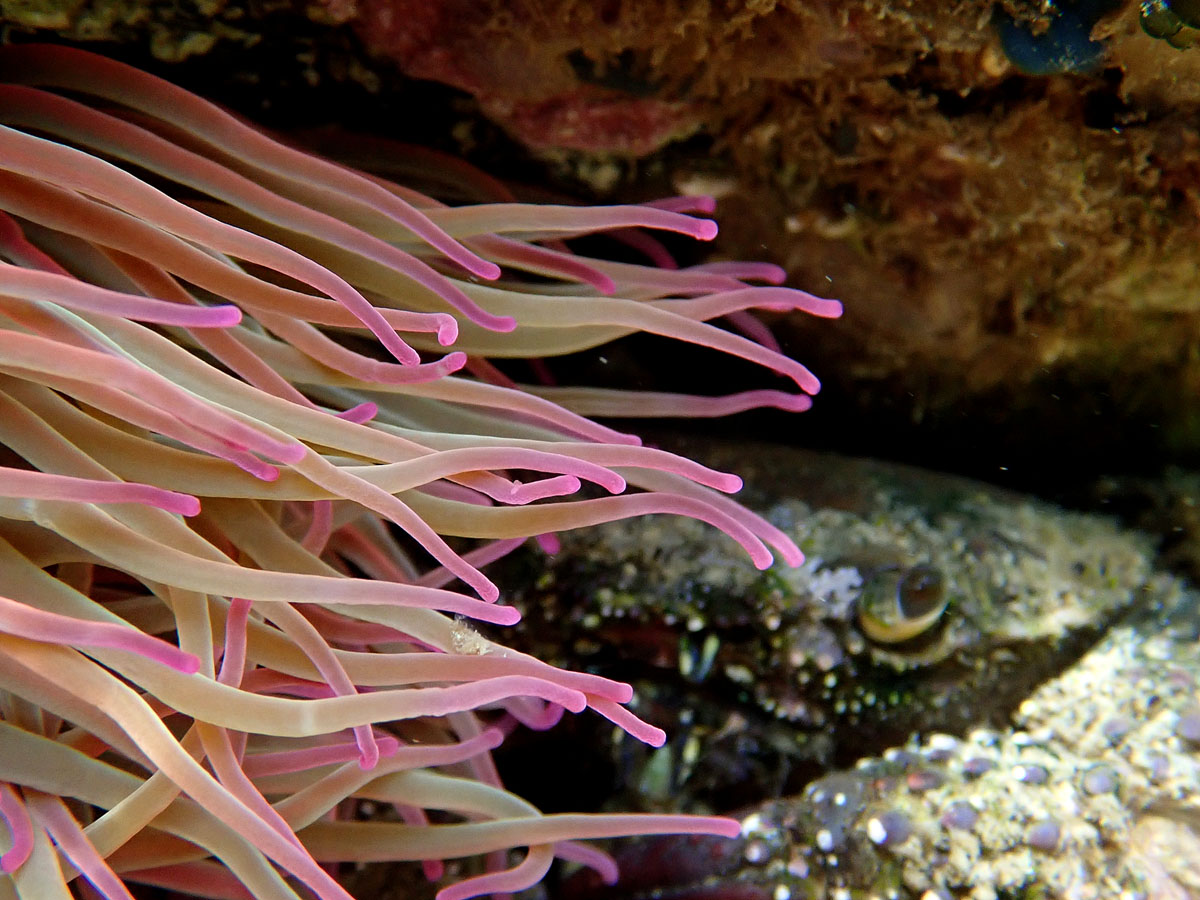
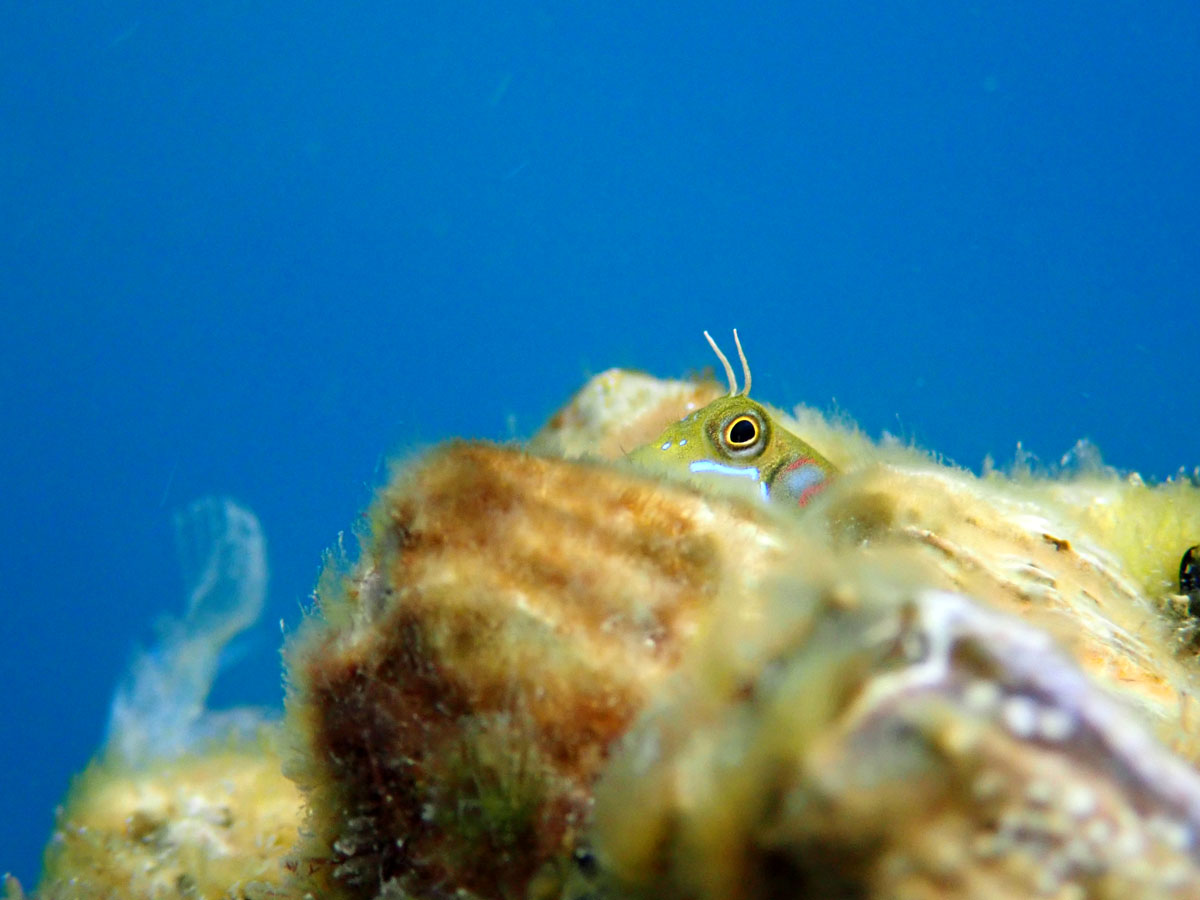
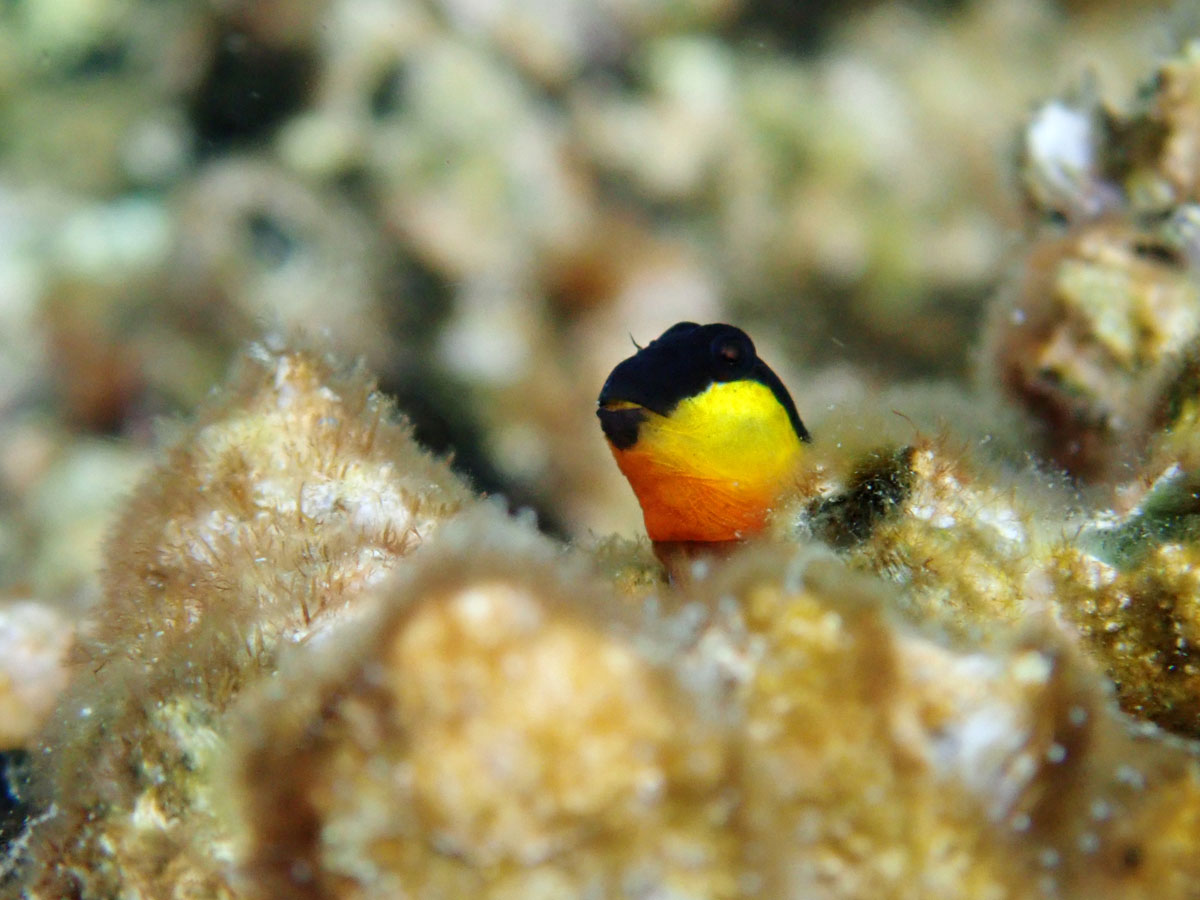
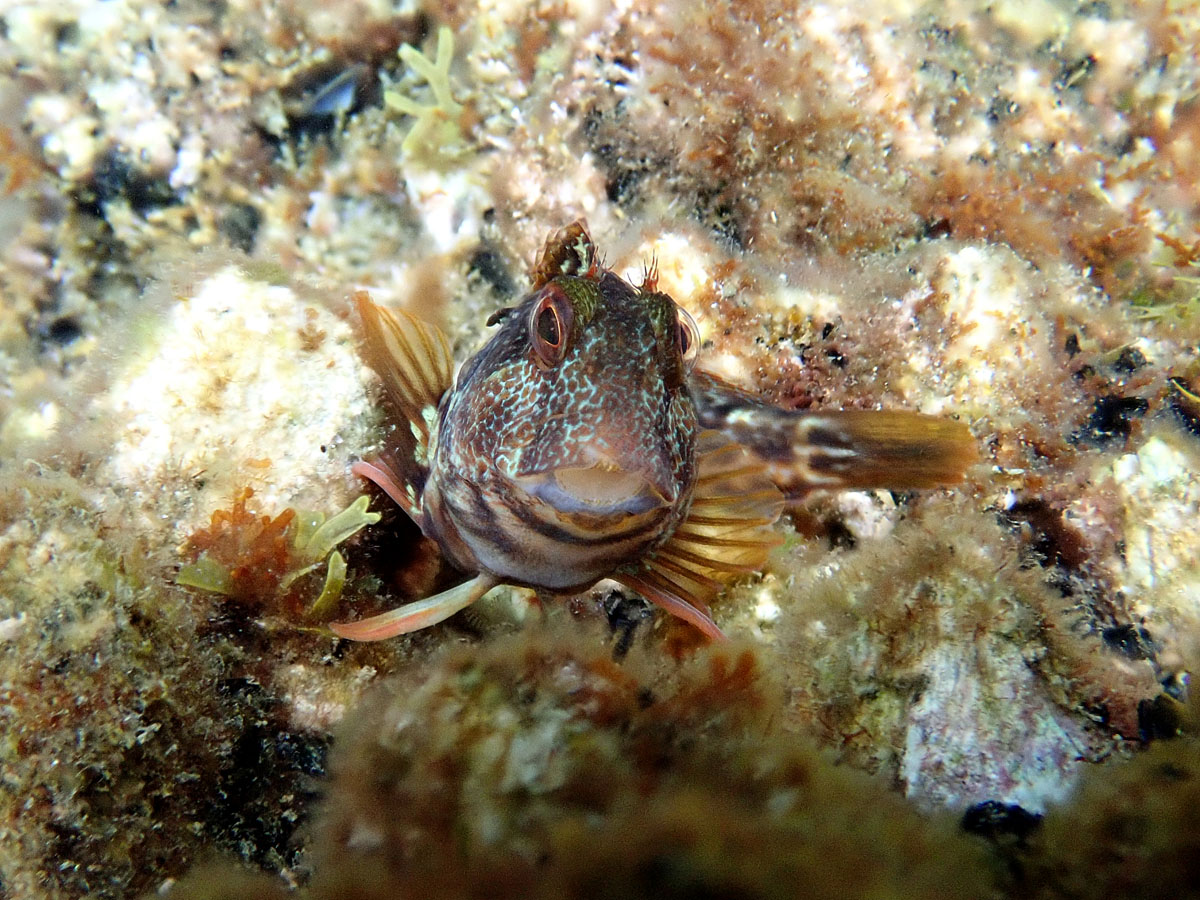
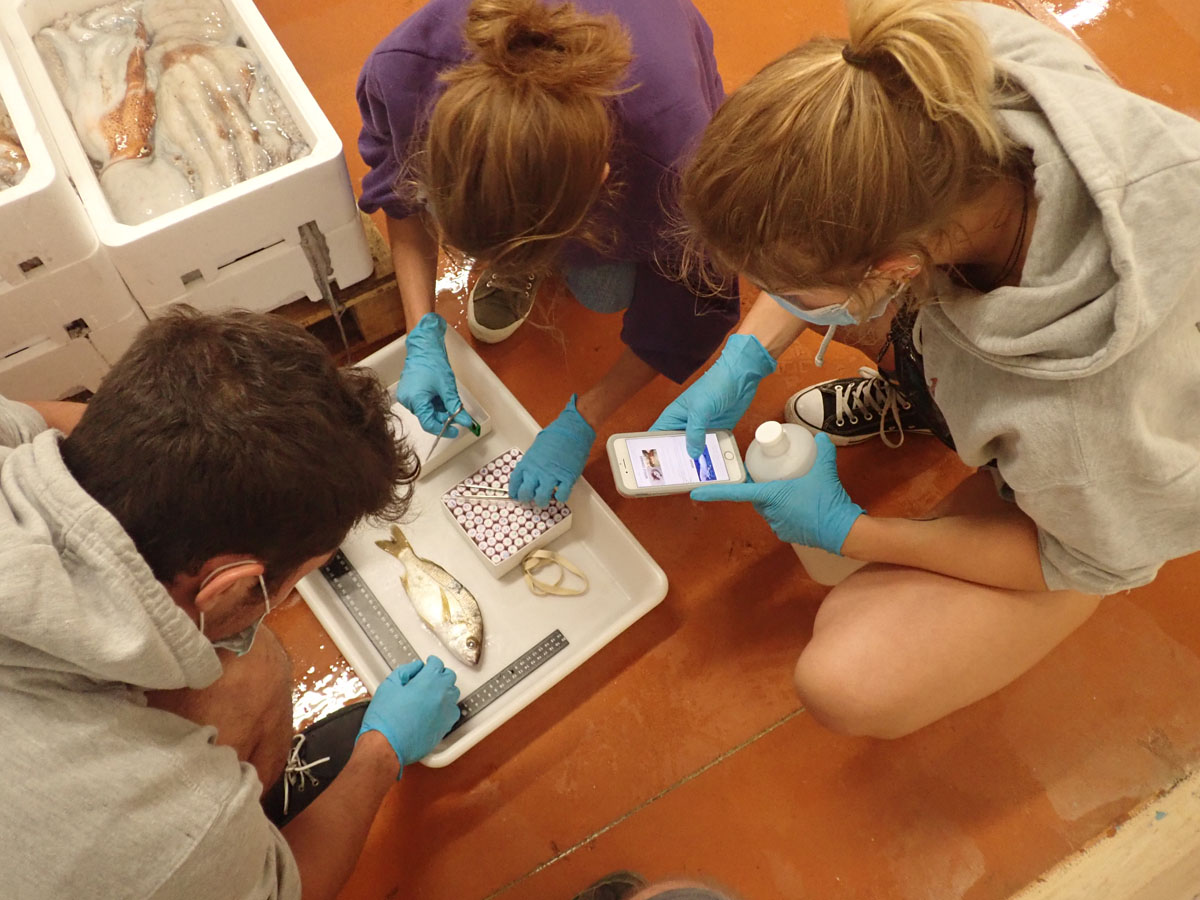
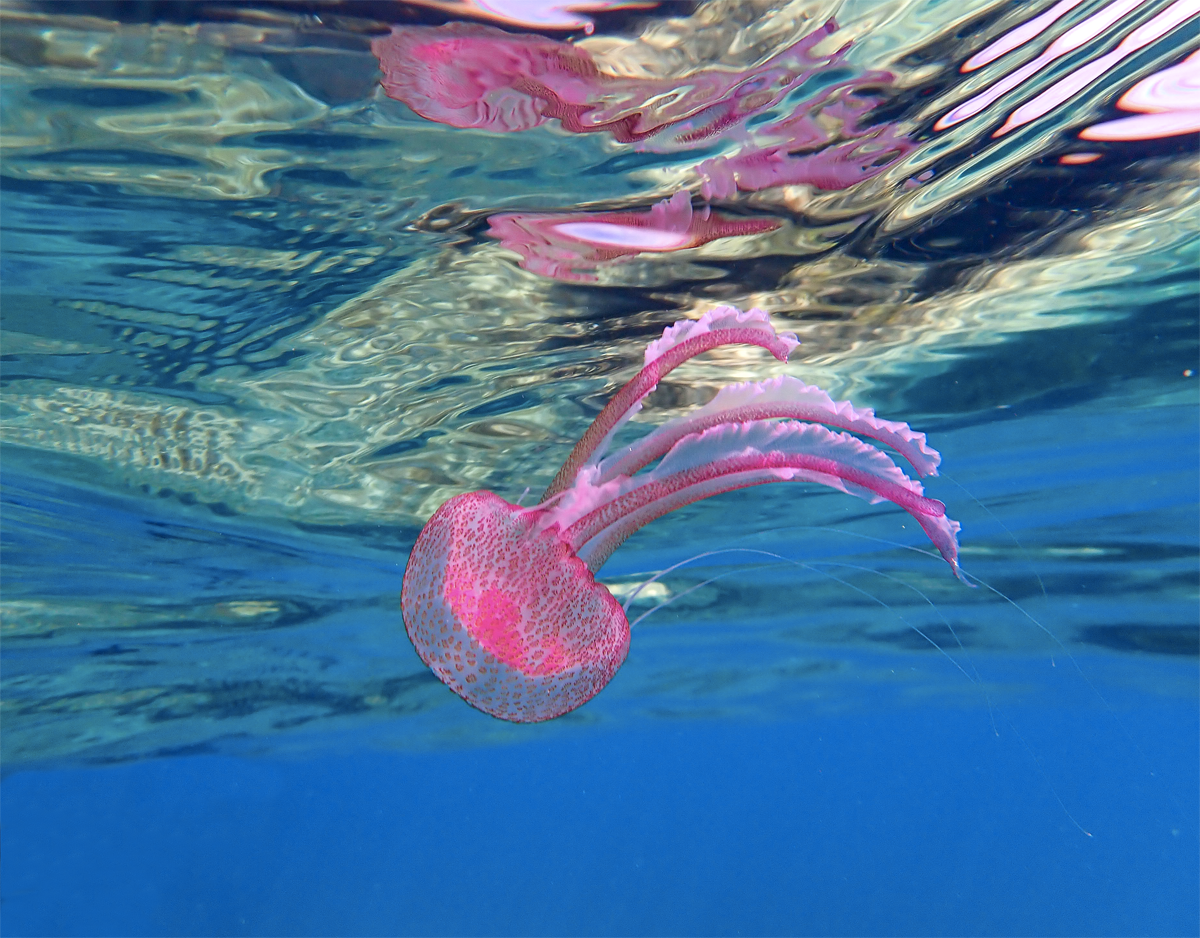
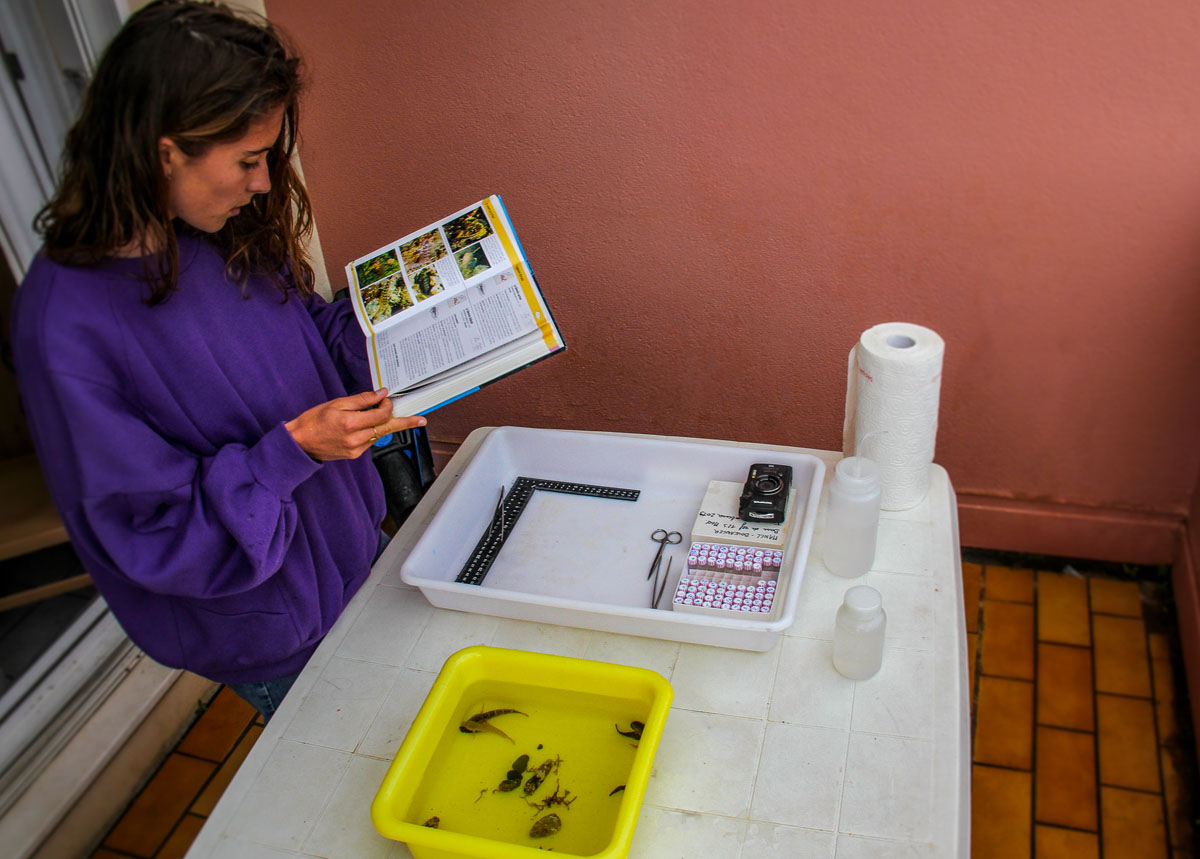
Not a single boat in sight. Deserted beaches. No one at sea. No one except Julie Deter and David Mouillot’s* team, along with their researchers, technicians, and divers. They are among the select few who were able to cruise the Mediterranean during this very unusual period of lockdown. Their goal: to study marine biodiversity in the absence of humans.
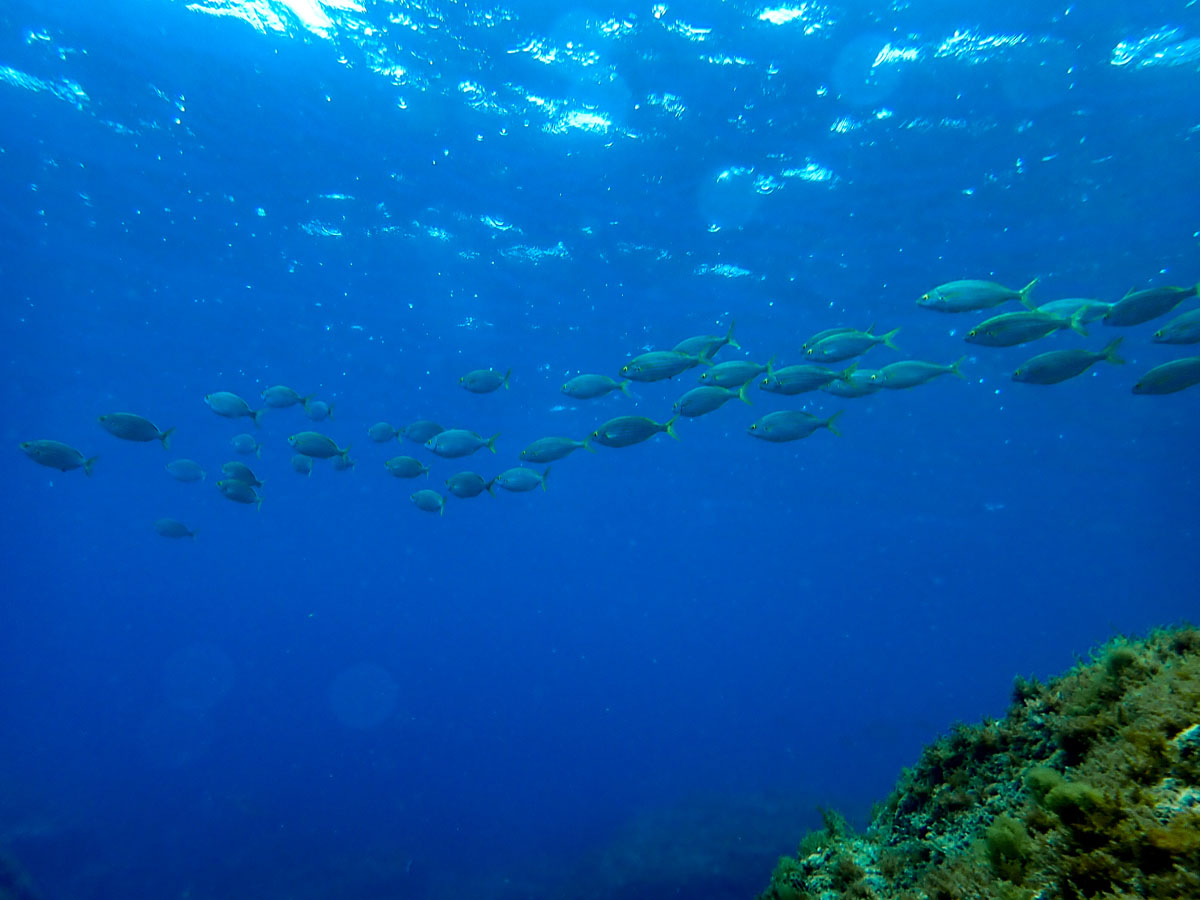
photos © Lila Desgarnier / Nadia Faure / Lola Romant / Raphaël Seguin
“It was a wonderful opportunity to obtain a true baseline for the marine environment, which had been temporarily spared from human presence. This new baseline will, in particular, allow us to more accurately measure the extent of marine biodiversity loss and the impact of the protective measures that have been put in place,” explains David Mouillot.
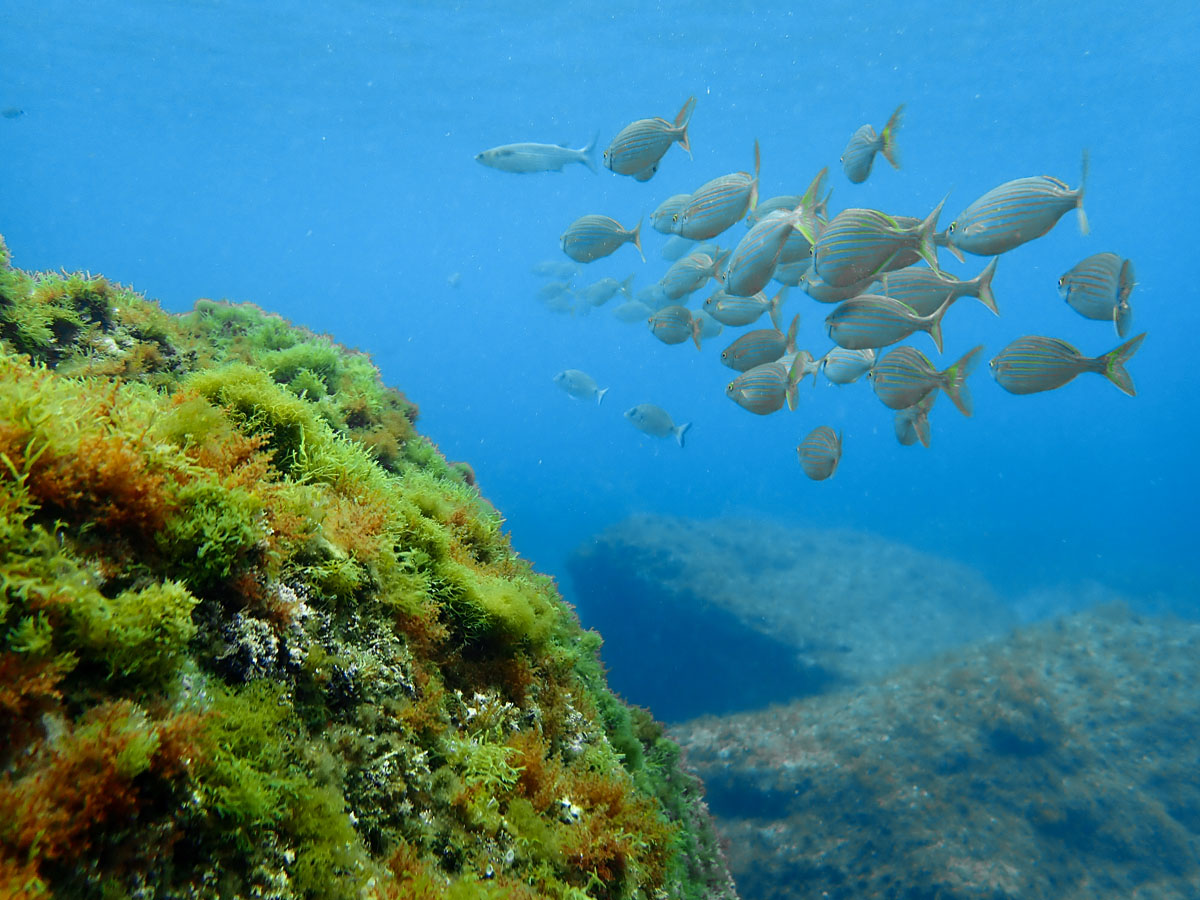
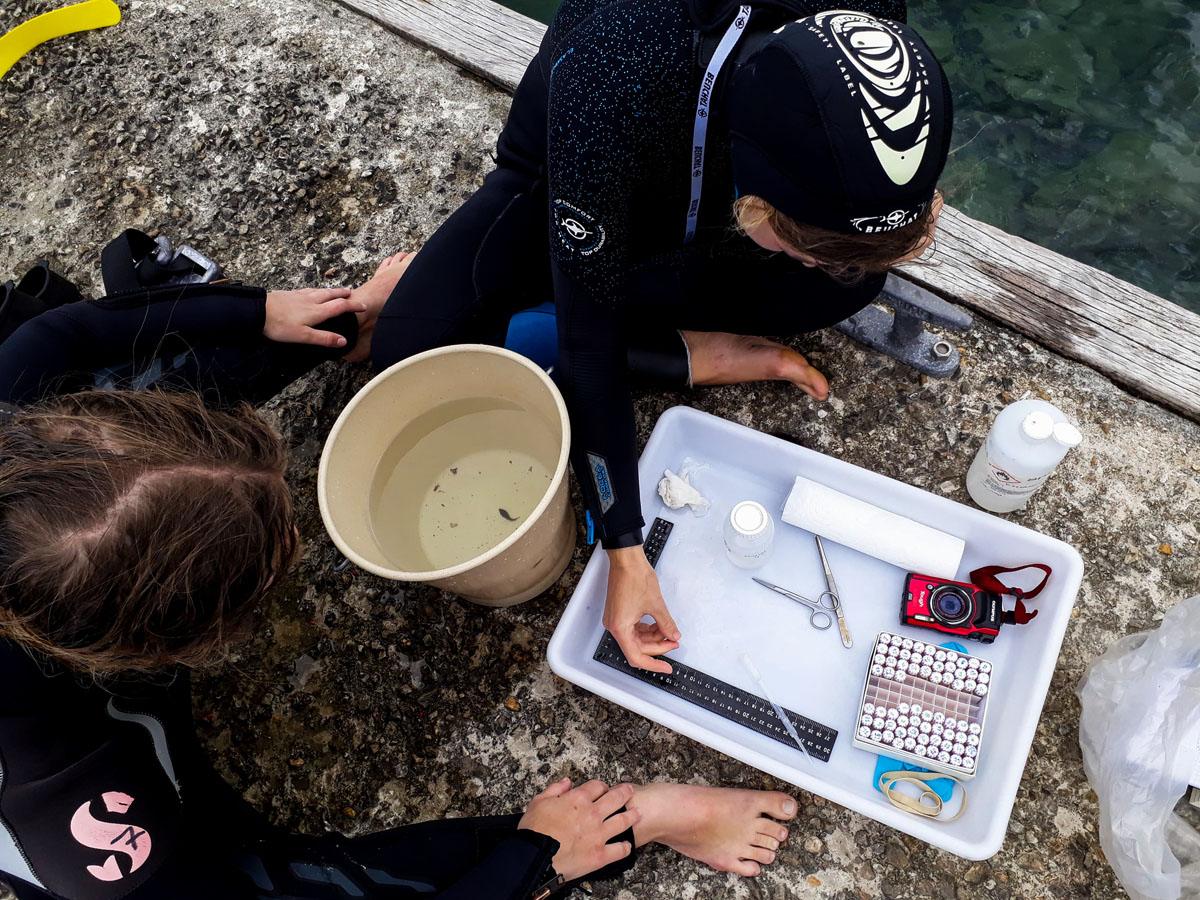
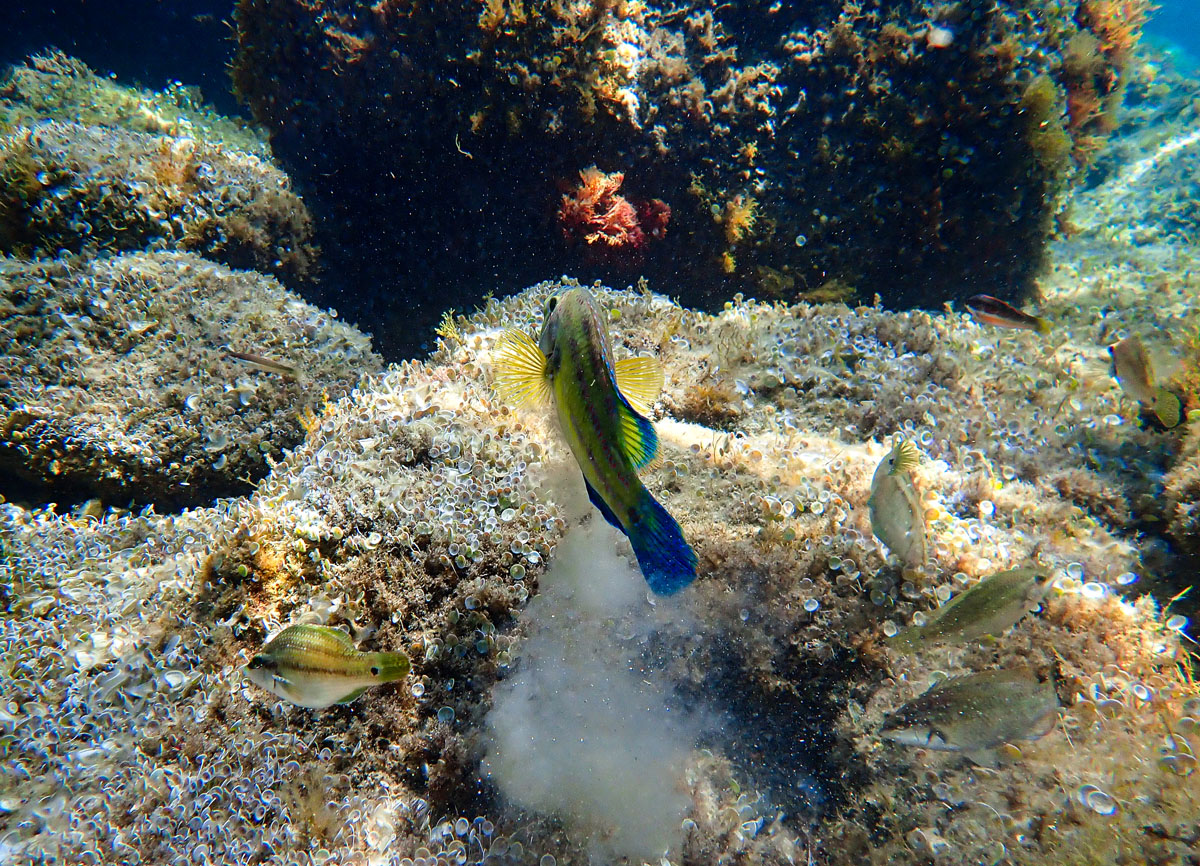
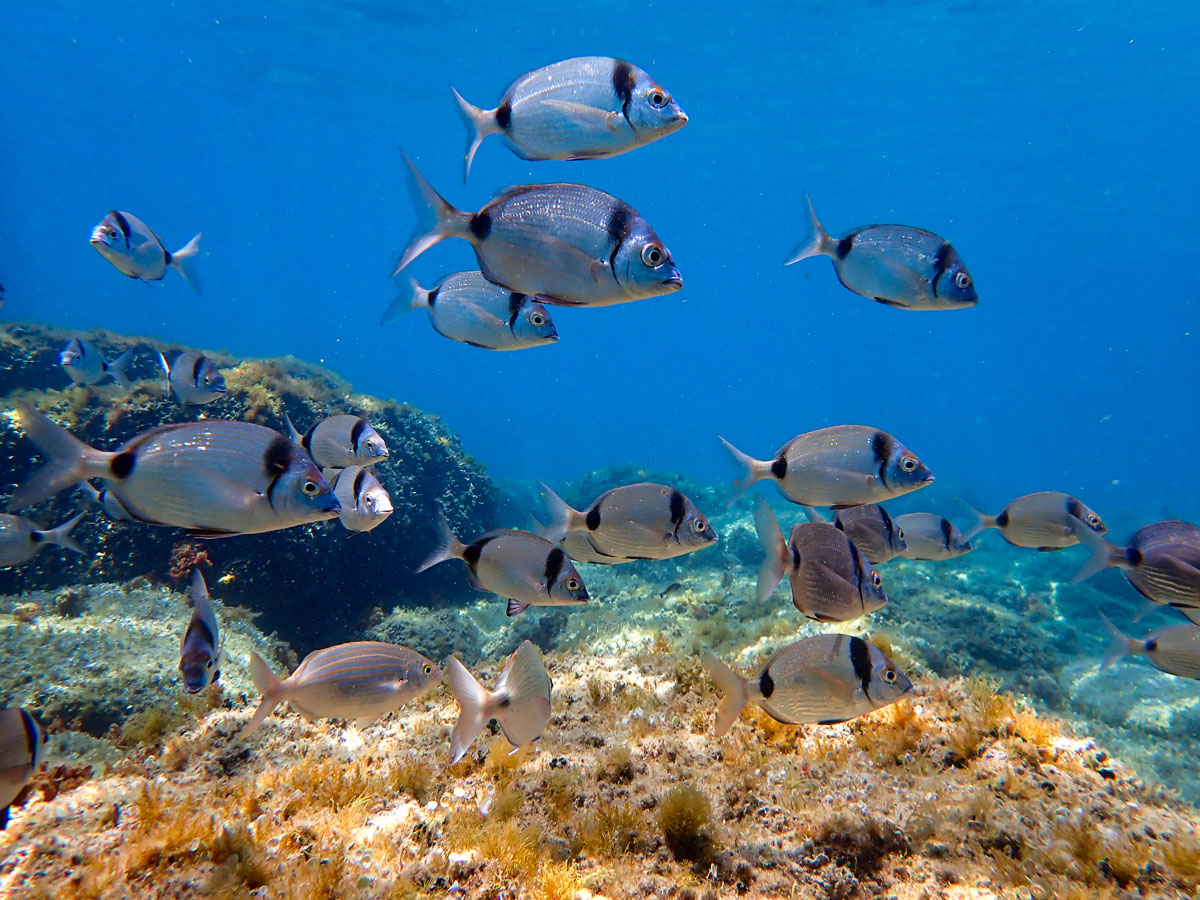
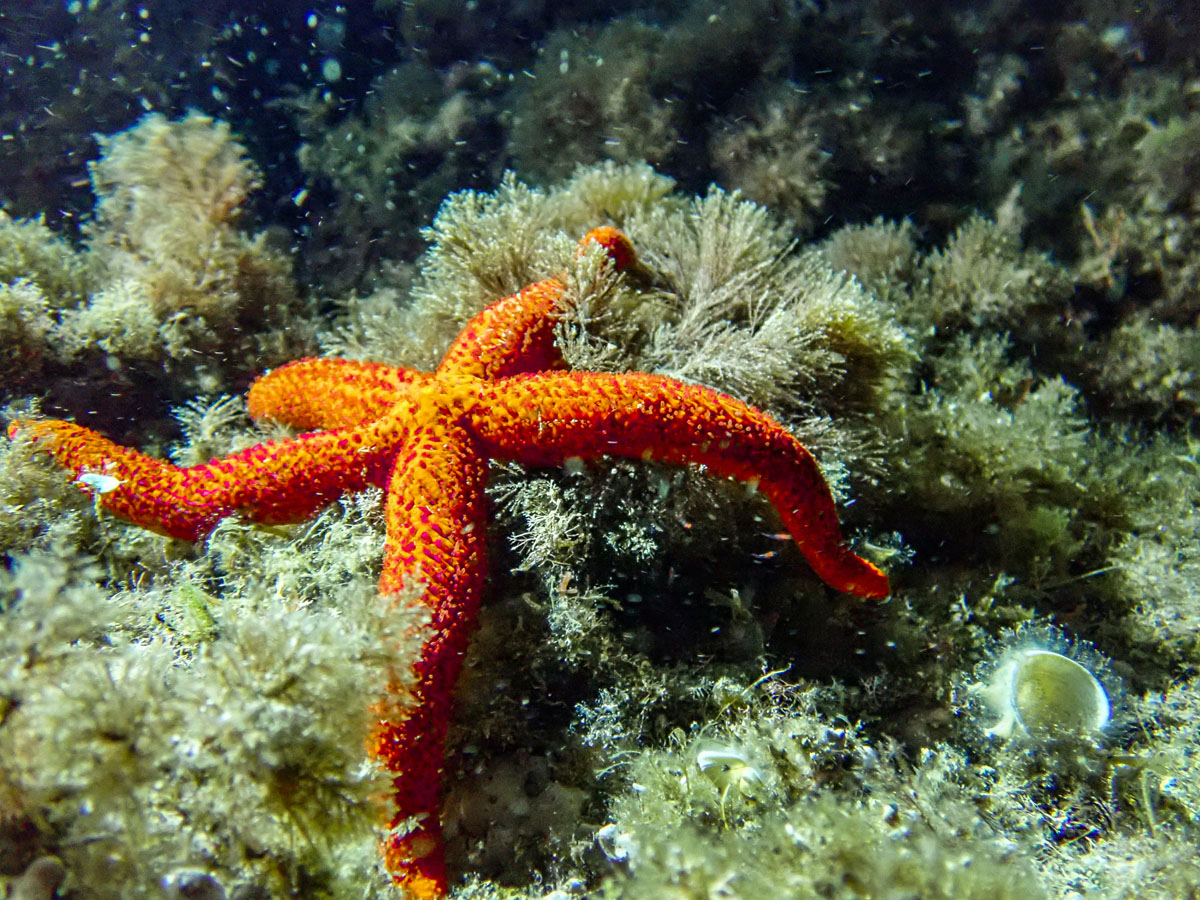
The team used several types of tools to study marine biodiversity. “Visual tools, for one, thanks to the scuba divers who captured exceptional footage.” But they also used hydrophones to listen to the sounds of the sea, which are normally drowned out by boat noise.
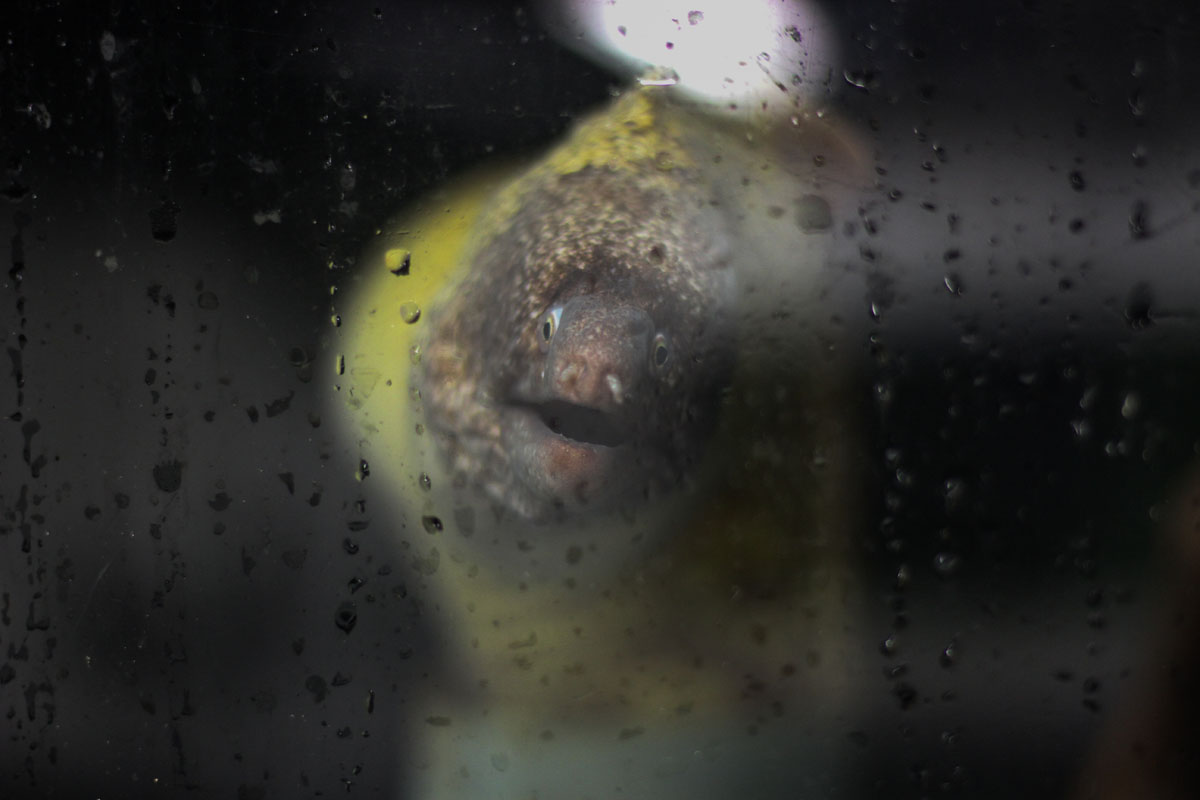
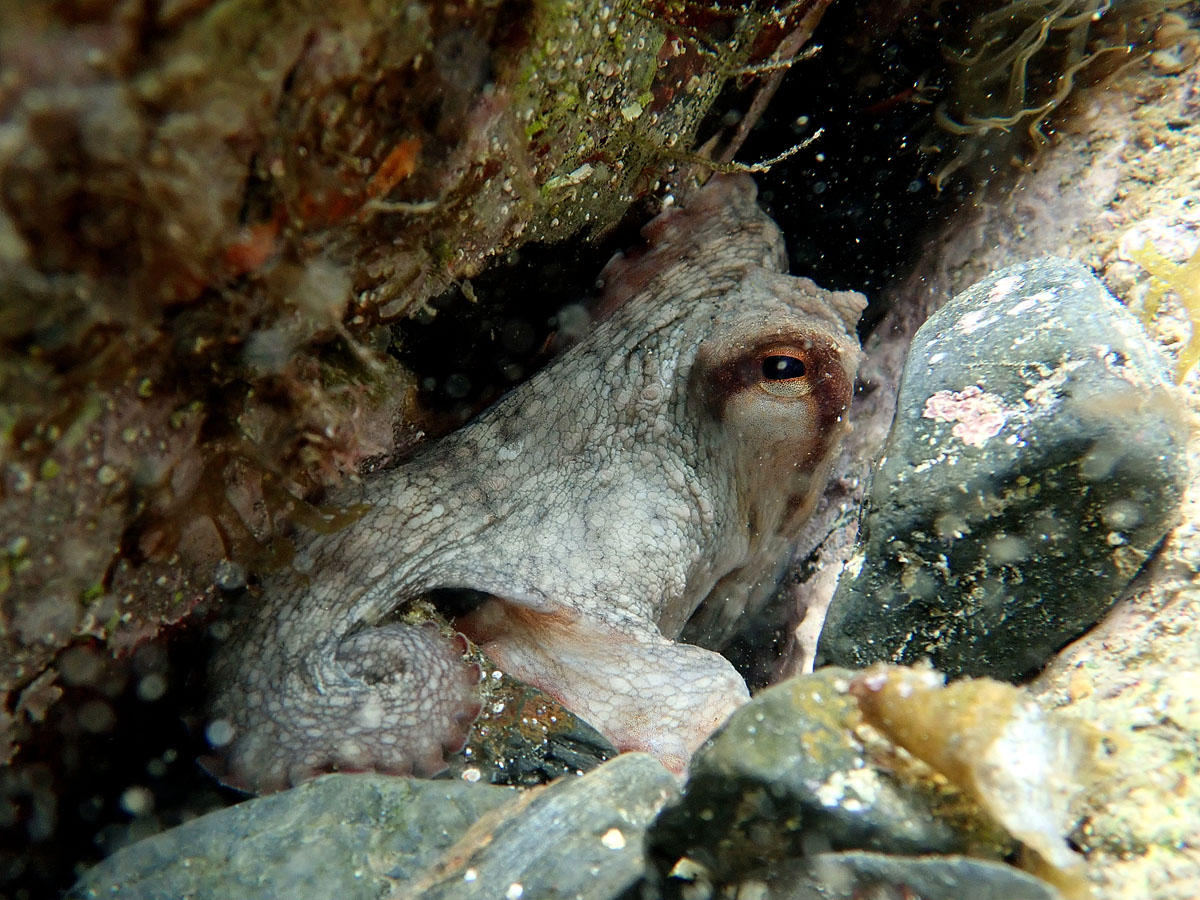
The project also made use of an innovative tool: environmental DNA analysis. The principle involves filtering water samples to recover DNA left behind by living organisms. This DNA is then compared to a reference database to determine which species it belongs to. “This technique reveals the presence of rare or elusive species that we never see while diving,” explains David Mouillot. “This will allow us to determine whether species that are usually found on the seafloor or farther out at sea moved closer to shore during the lockdown.”
Researchers thus observed that the Mediterranean Sea had clearly benefited from the absence of humans. “Fishing, recreational boating, and even just swimming—all these activities have an impact on coastal residents, who undoubtedly resumed their normal activities during our lockdown. And vice versa this summer.”
* Marine Biodiversity, Exploitation, and Conservation Laboratory (MARBEC) (IRD, Ifremer, University of Montpellier, CNRS) – Andromède Océanologie. Mission conducted in partnership with SpyGen, with funding from the Water Agency and approval from the Maritime Prefecture.
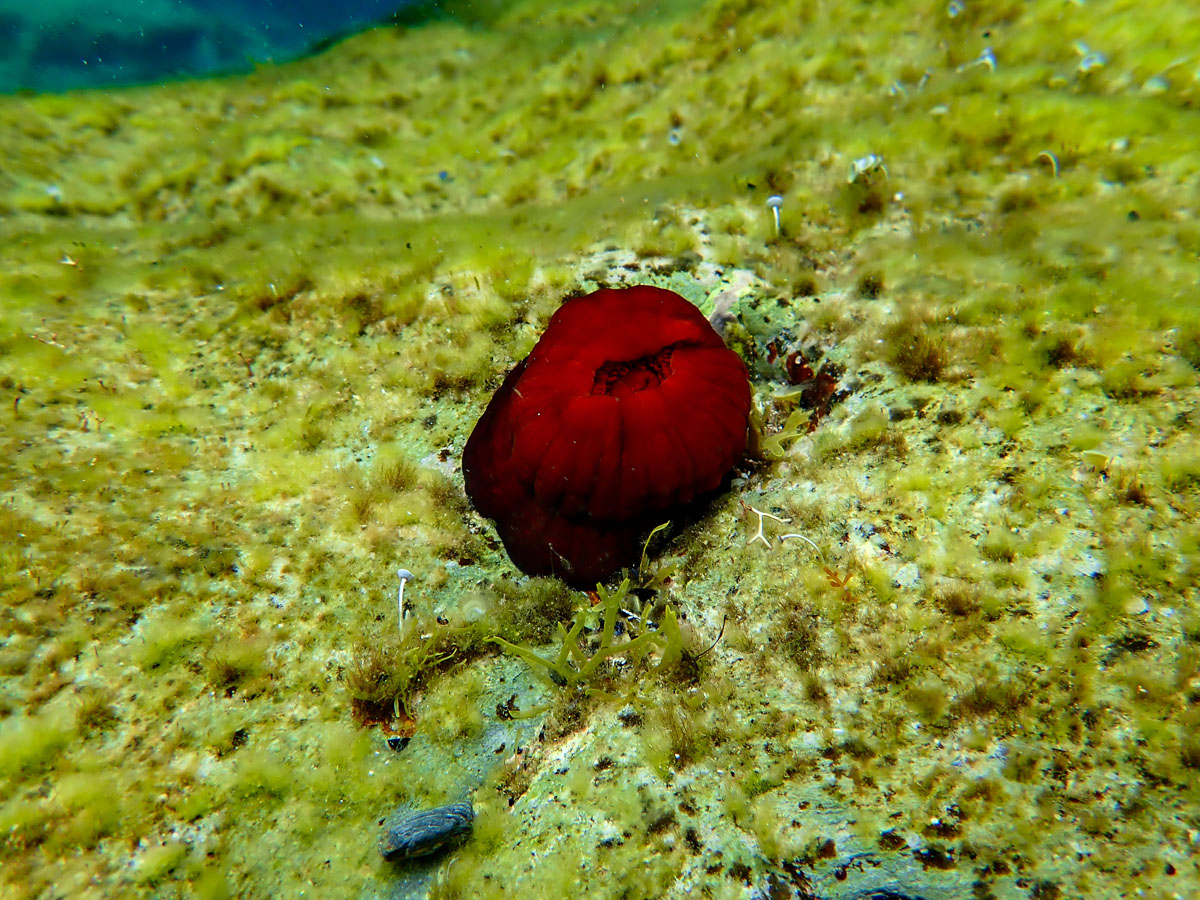
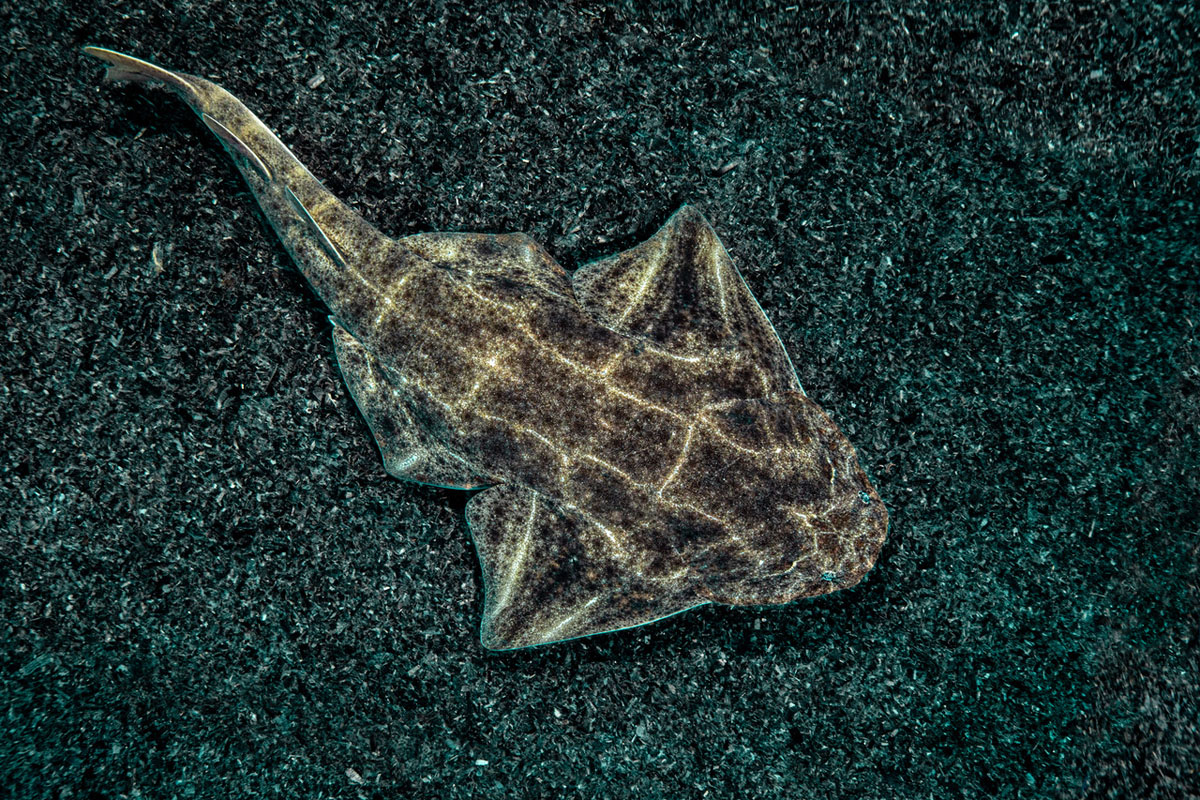
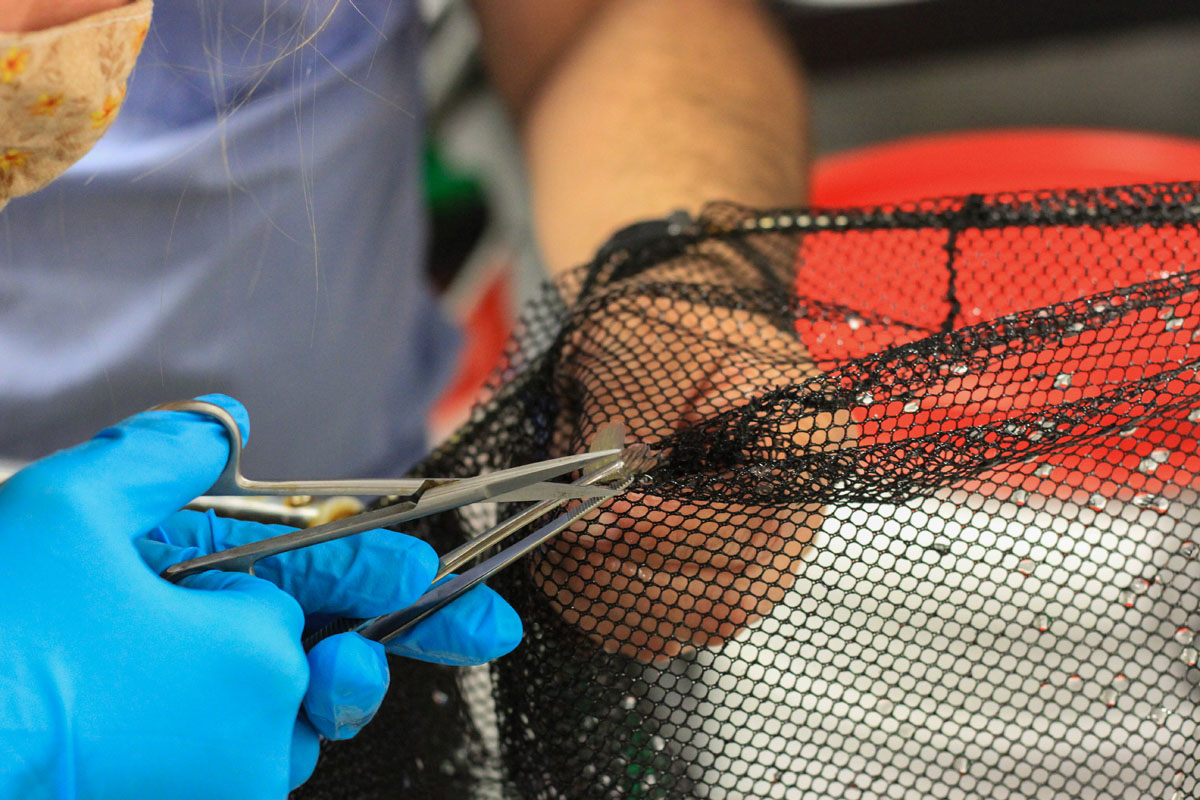
Photos © Lila Desgarnier / Nadia Faure / Lola Romant / Raphaël Seguin