Global Days and the New Africa-France Summit in Pictures
From October 4 to 7, the University of Montpellier and its partners in the I-Site MUSE project organized the“Montpellier Global Days: Africa 2021”in the lead-up to the Africa-France Summit. These four days of academic events drew a total of more than 2,000 people who came to listen to presentations and discuss six key themes. The event also provided an opportunity to sign the strategic partnership agreement between the MUSE partners and to celebrate the three new and distinguished honorary doctorates awarded by theUM. A look back in pictures.
More than 2,000 people, both in person and remotely, participated in these four days of scientific discussions. Debates and roundtable discussions marked the first two days of the event, which was organized around six main themes: biodiversity; water; food systems; international health and the One Health approach; agroecological transitions; and technologies applied to “feeding, caring for, and protecting.”
THEMATIC DAYS ON OCTOBER 4 AND 5
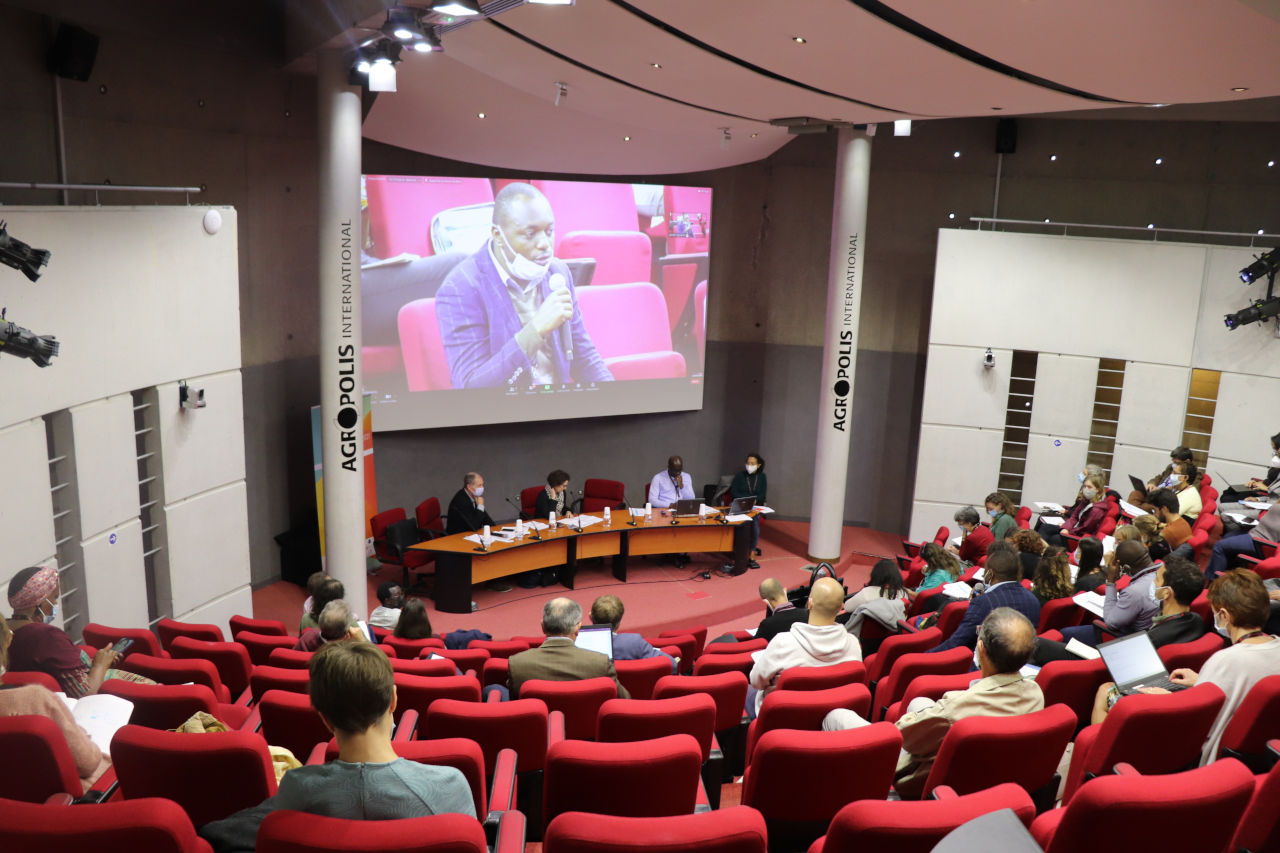
The thematic days on food systems were held on October 4 and 5 at Agropolis International. The roundtable discussions included topics such as“Sustainable Food Systems,”“Food Systems and Markets,” and“Feeding Africa’s Growing Cities” …
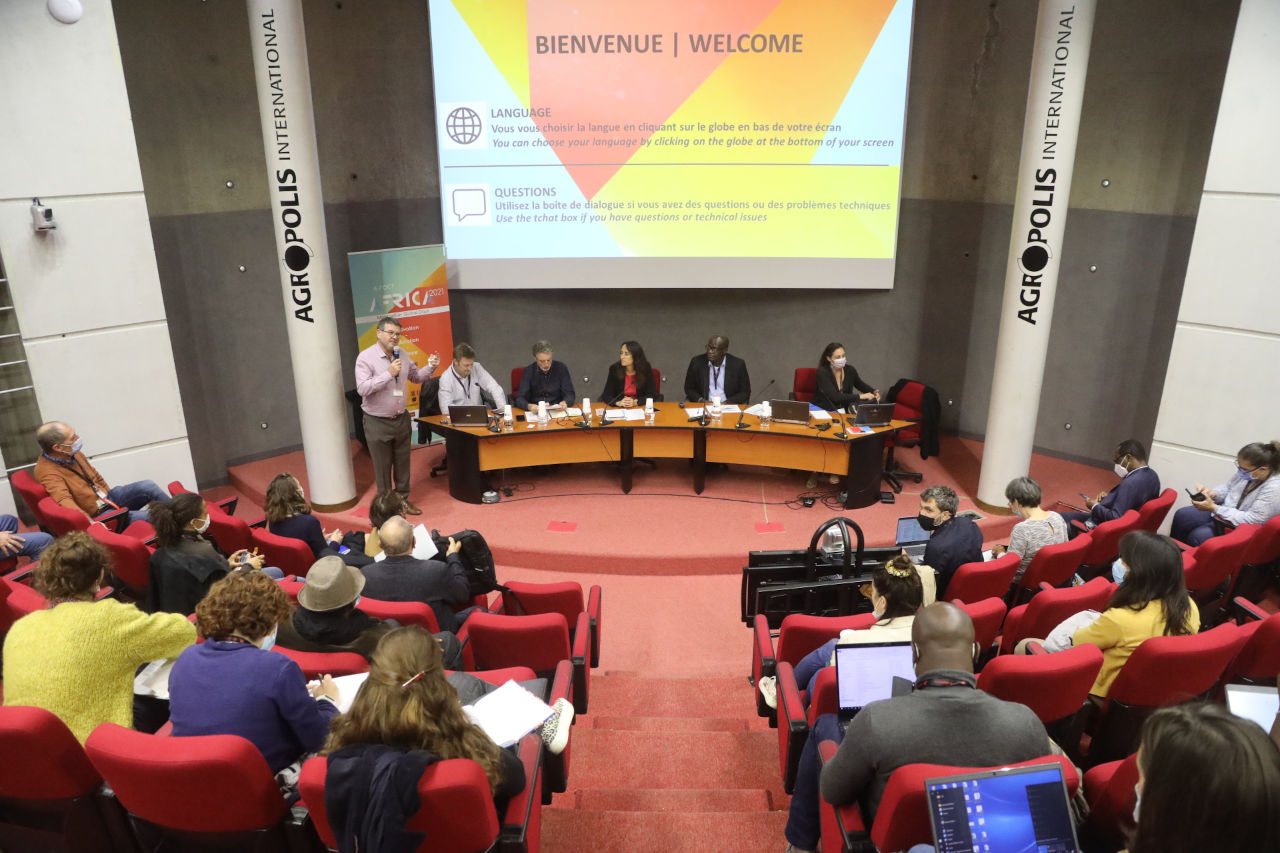
In addition to the Montpellier-based researchers from Muse, the event brought together researchers from Ghana, Burkina Faso, Benin, Tunisia, Morocco, and South Africa, led by Patrick Caron, vice president of theUM in charge of international affairs. Representatives from the City of Montpellier and a Senegalese ambassador were also in attendance.
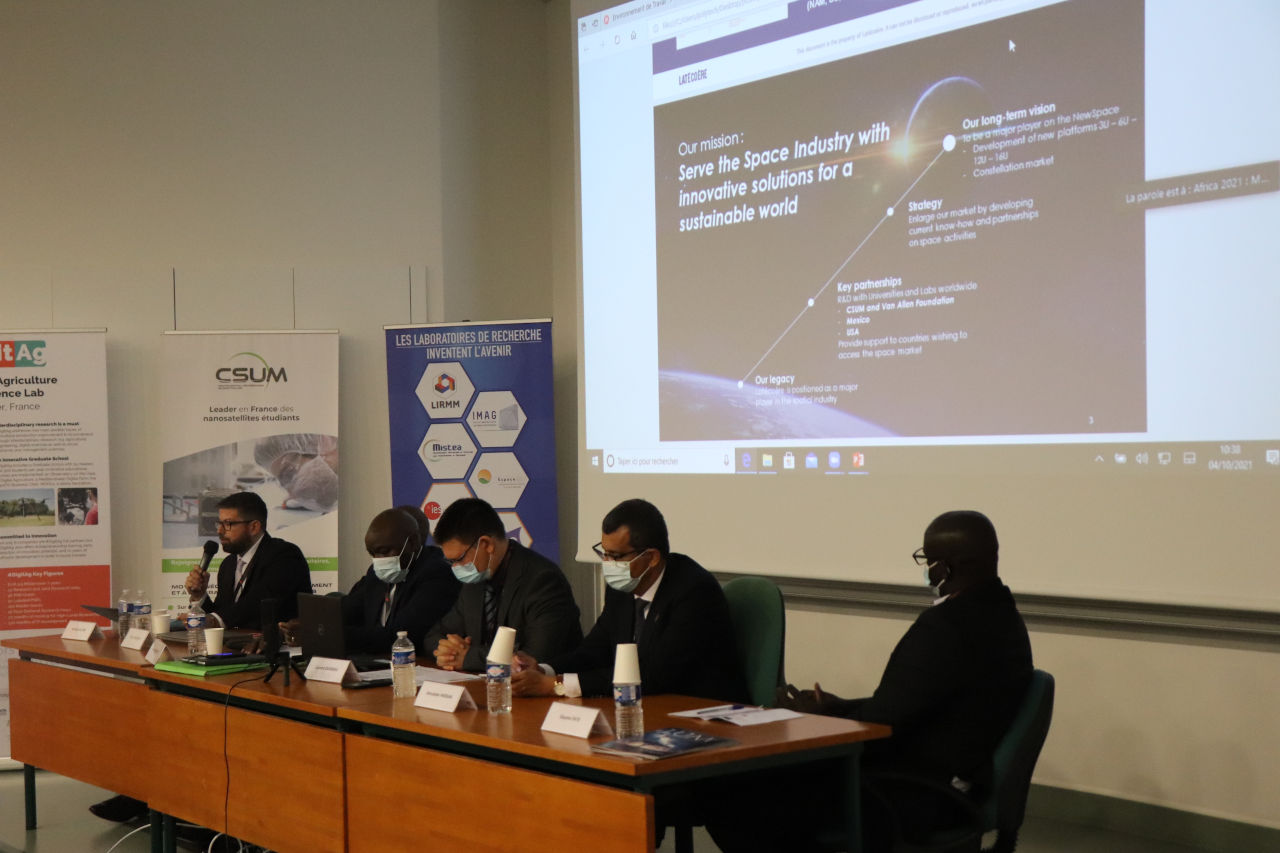
Technology experts gathered on the Saint-Priest campus on October 4 and 5 to discuss the question, “What technologies can we use to heal, feed, and protect?” From South Africa, Djibouti, Senegal, Niger, and Côte d’Ivoire, many participants took part in these three roundtable discussions moderated by Laurent Dusseau (CSU), Lionel Torres (Polytech), Pascal Bonnet (CIRAD), Nicolas Baghdadi, and Isabelle Piot-Lepetit (INRAE).
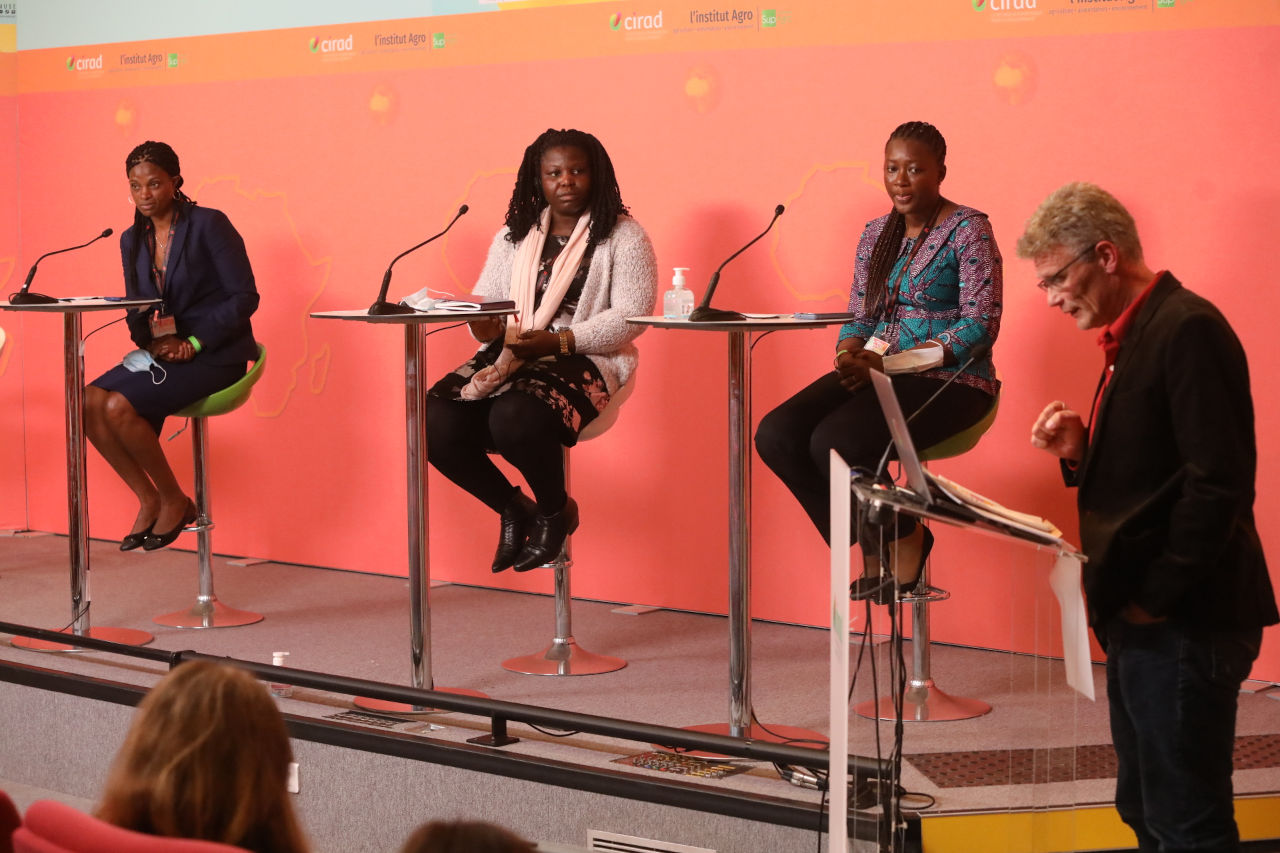
MUSE members and their African partners—whether local, regional, or international—have established long-standing collaborations. Partners were present at CIRAD for these two days dedicated to agroecology.
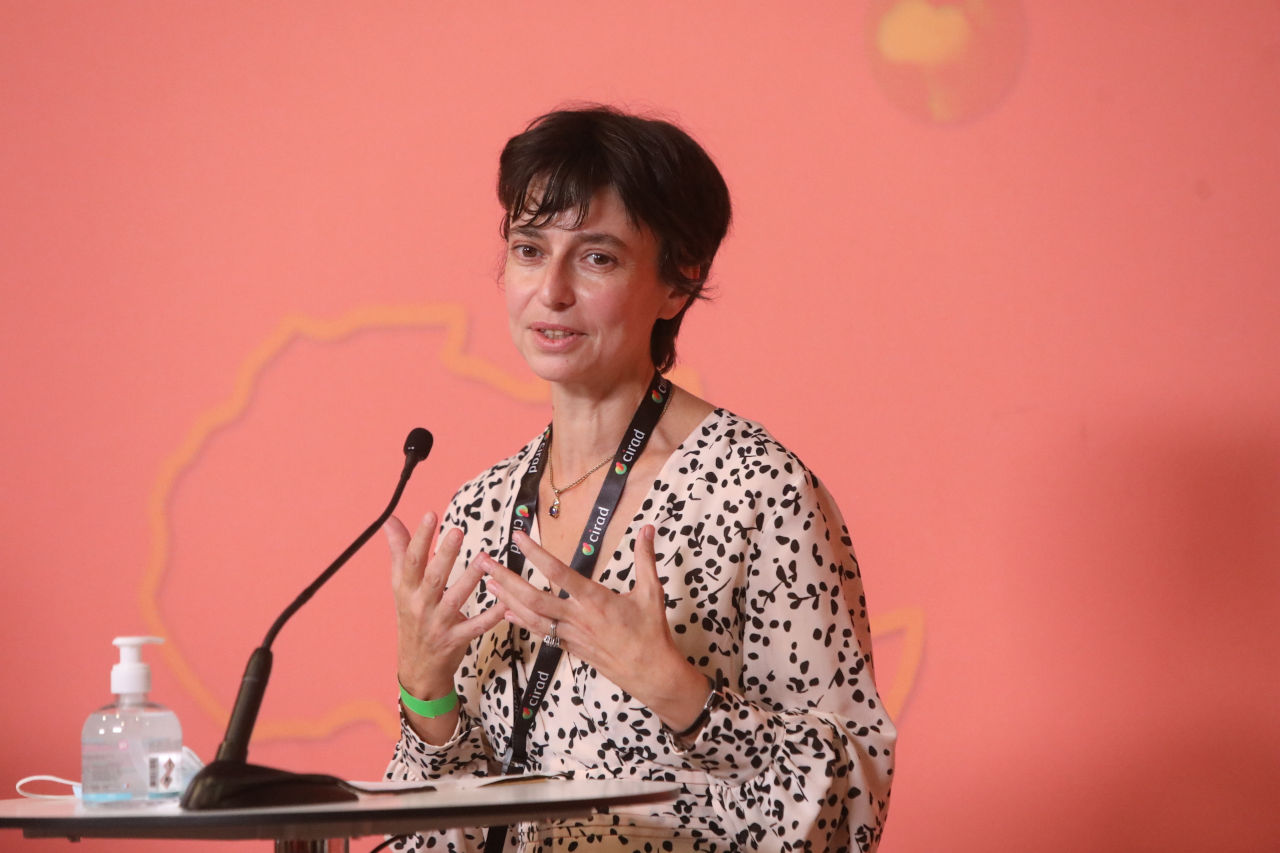
Elisabeth Claverie de Saint Martin, President and CEO of CIRAD.
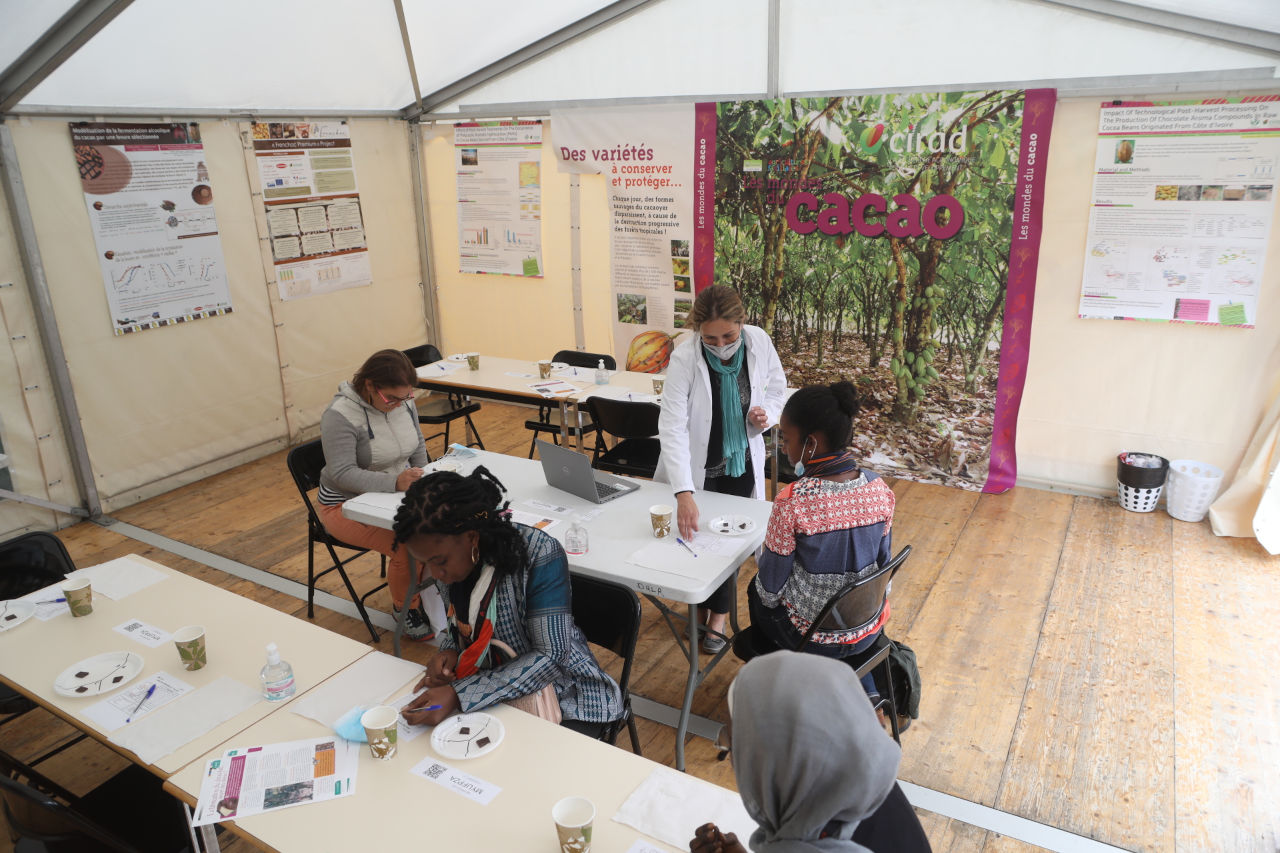
Agroecology as a Path Toward Sustainability in Agricultural Supply Chains? The Example of Cocoa.
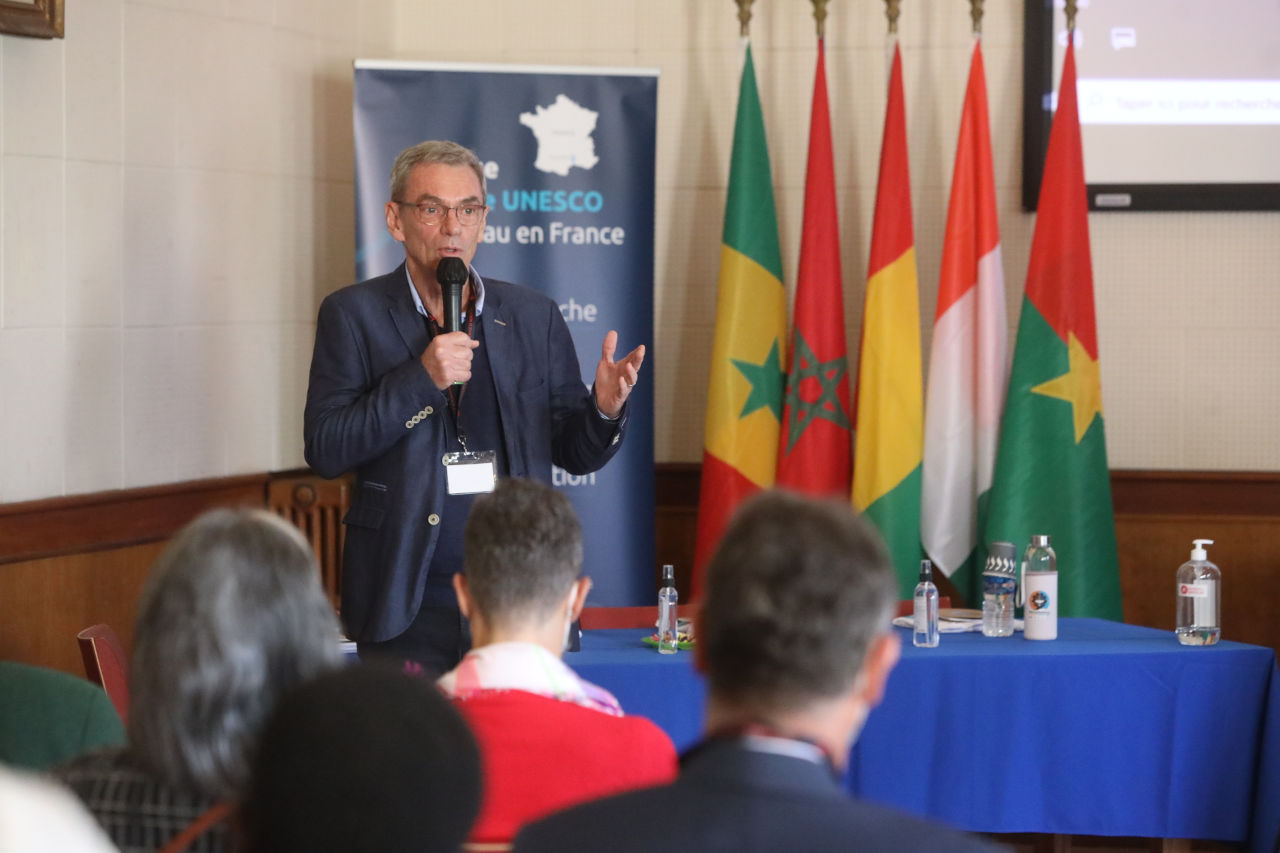
The Water Days were held under the direction of Eric Servat, director of the UNESCO Icireward Center.
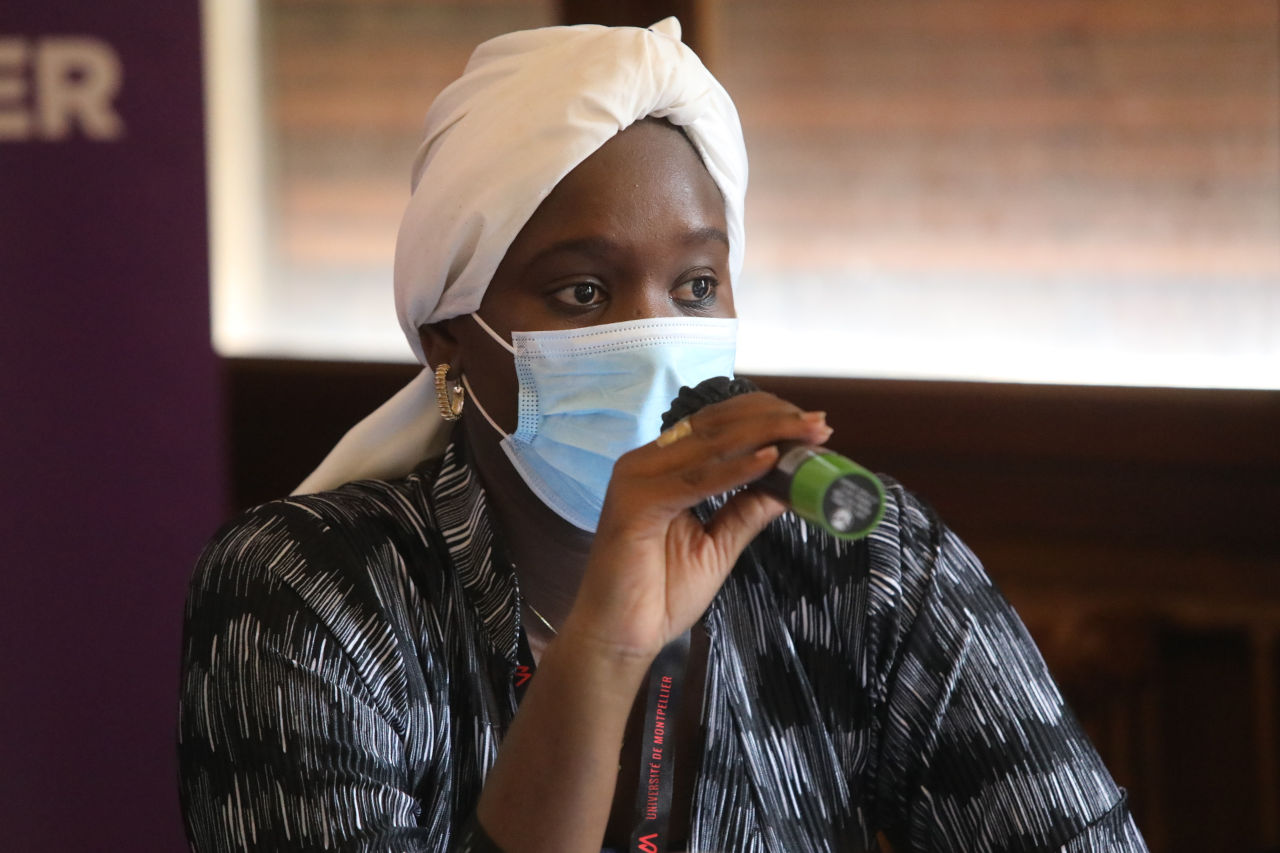
Among the experts who came from across the African continent was Fatimatou Sall of Senegal, from the Association of Young Water and Sanitation Professionals.
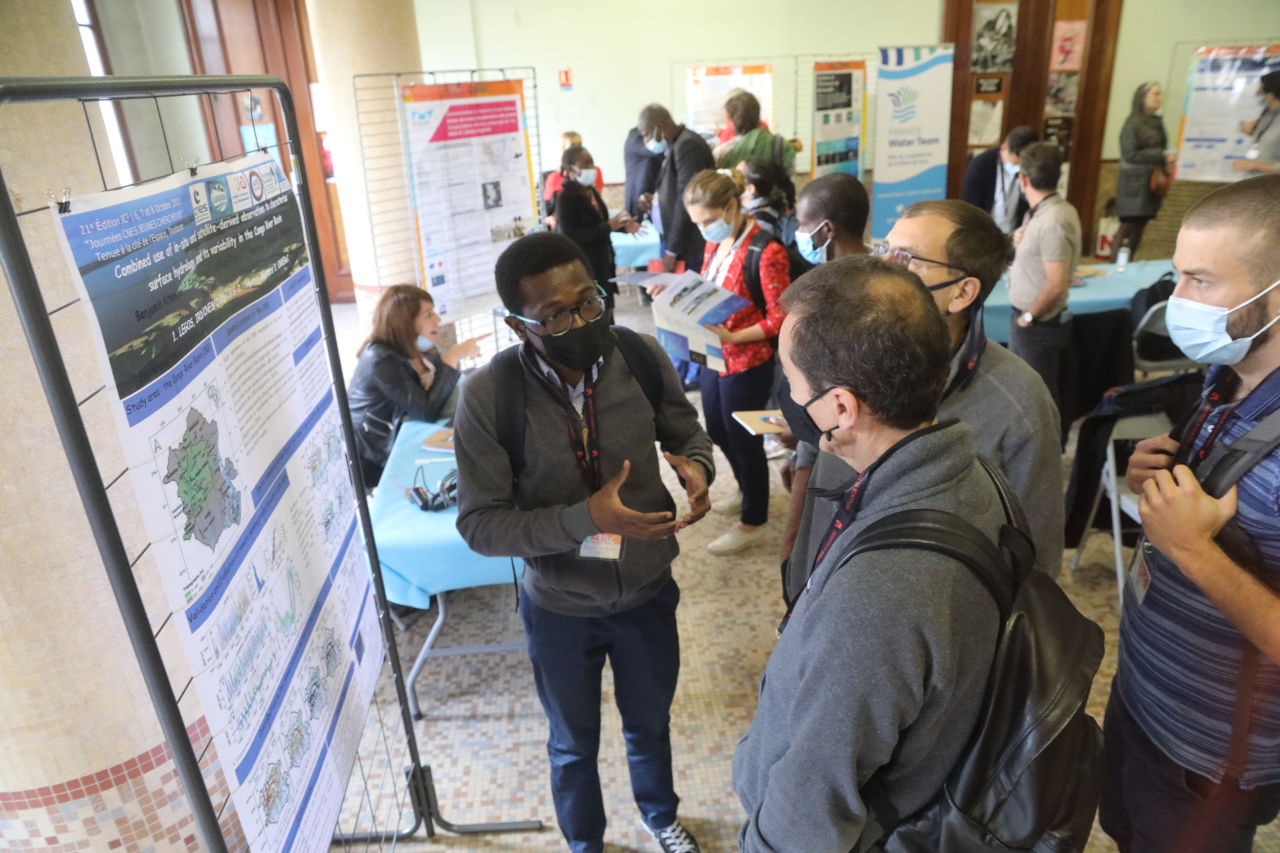
In addition to the roundtable discussions, an exhibition on research projects being conducted in Africa was held in the lobby of the Institute of Botany.
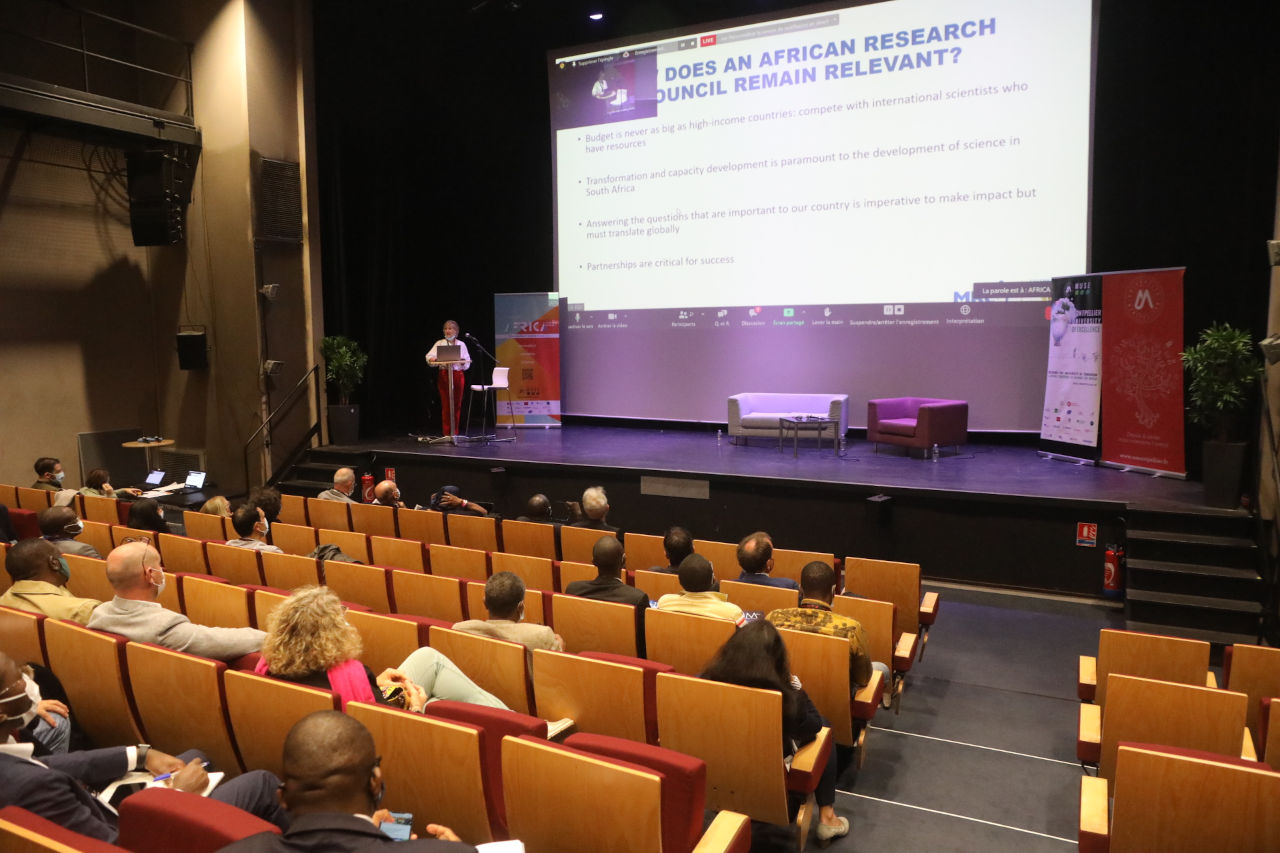
International partnerships, infectious disease challenges, One Health approaches… Glenda Grey, president and CEO of the South African Medical Research Council (SAMRC), led these two days dedicated to international health.
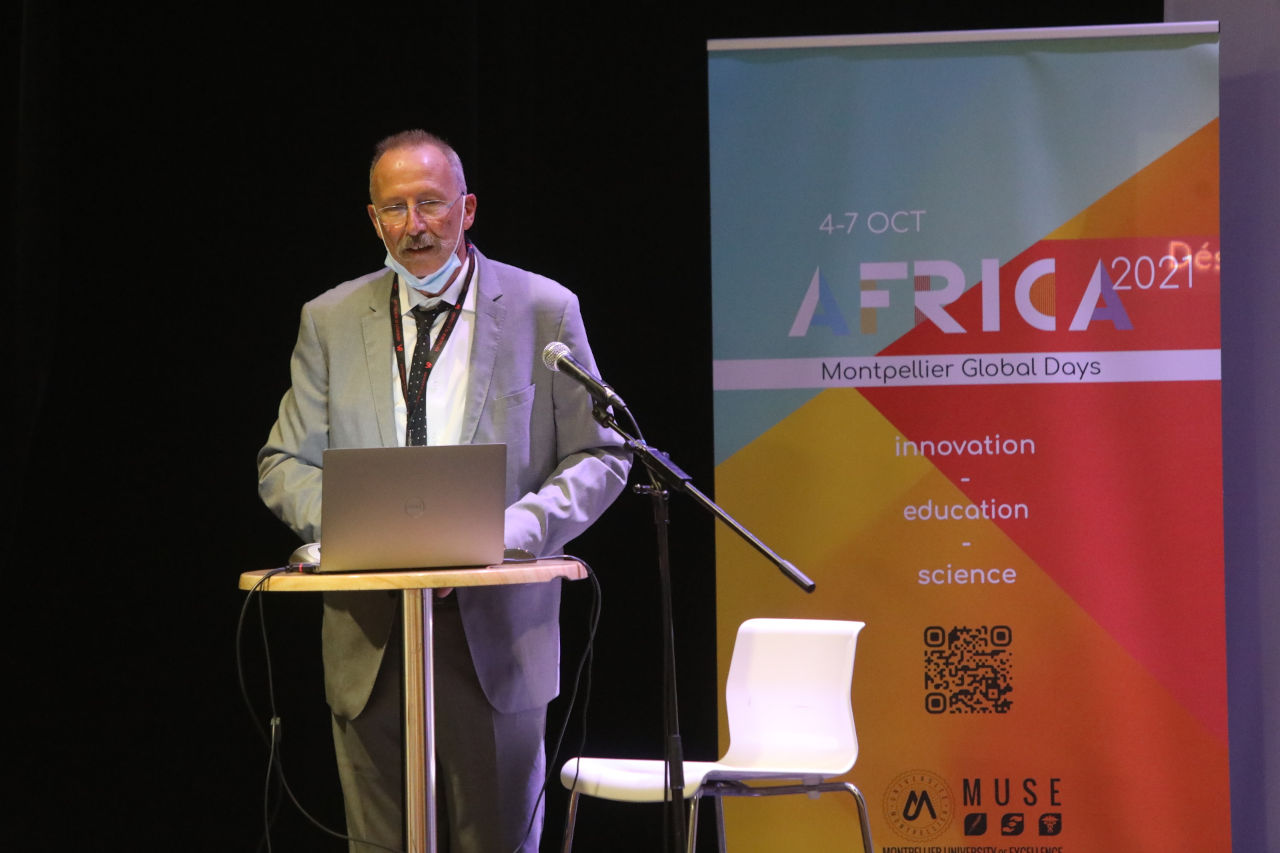
Alongside Glenda Grey, Philippe Vande Peer, head of the virology and bacteriology department at Montpellier University Hospital and a researcher at Inserm, moderated part of the discussions at the “Aimé Schoenig” Student Center.
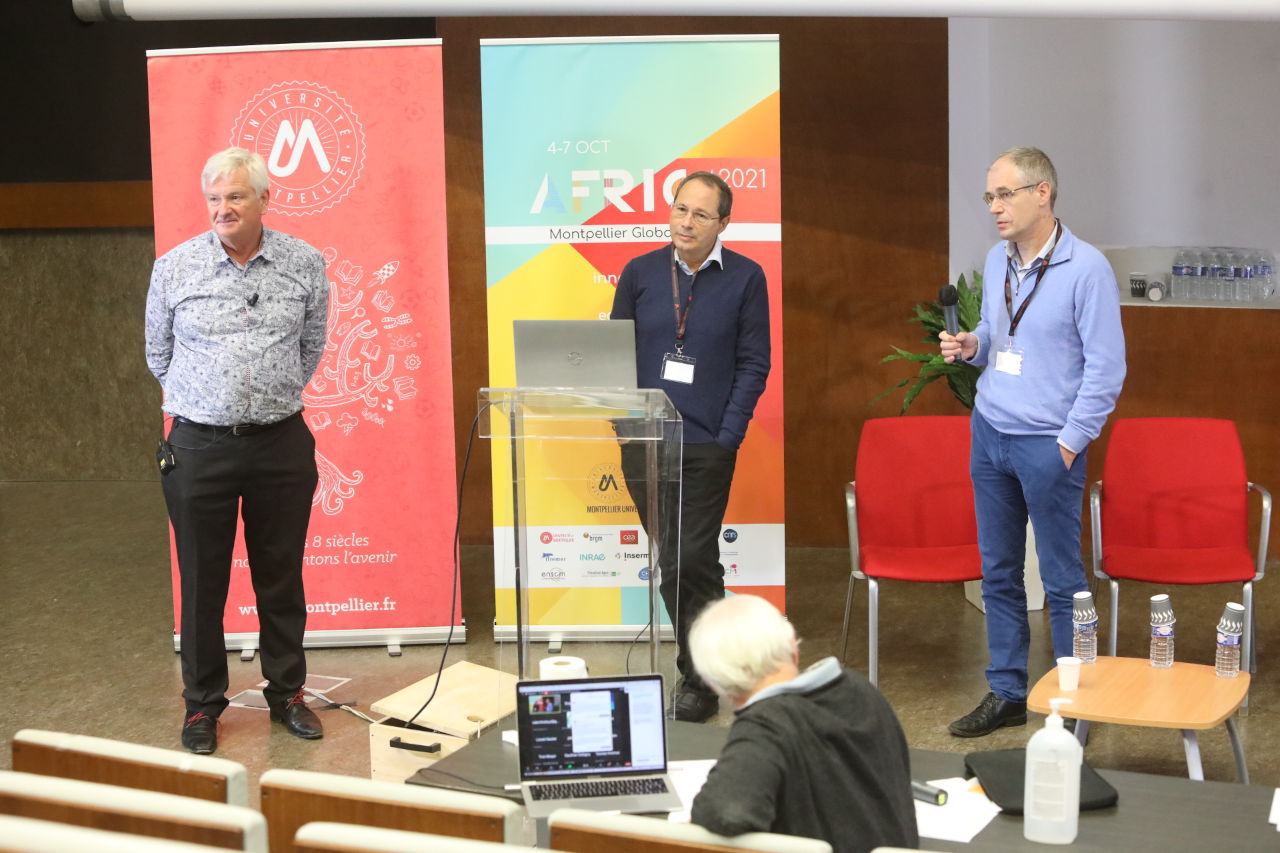
Biodiversity was, of course, a highly anticipated topic. The roundtable discussions took place at the Institute of Botany and were led by Montpellier-based researchers Rutger De Wit (CNRS), Philippe Jarne (CNRS), and Daniel Barthelemy (CIRAD).
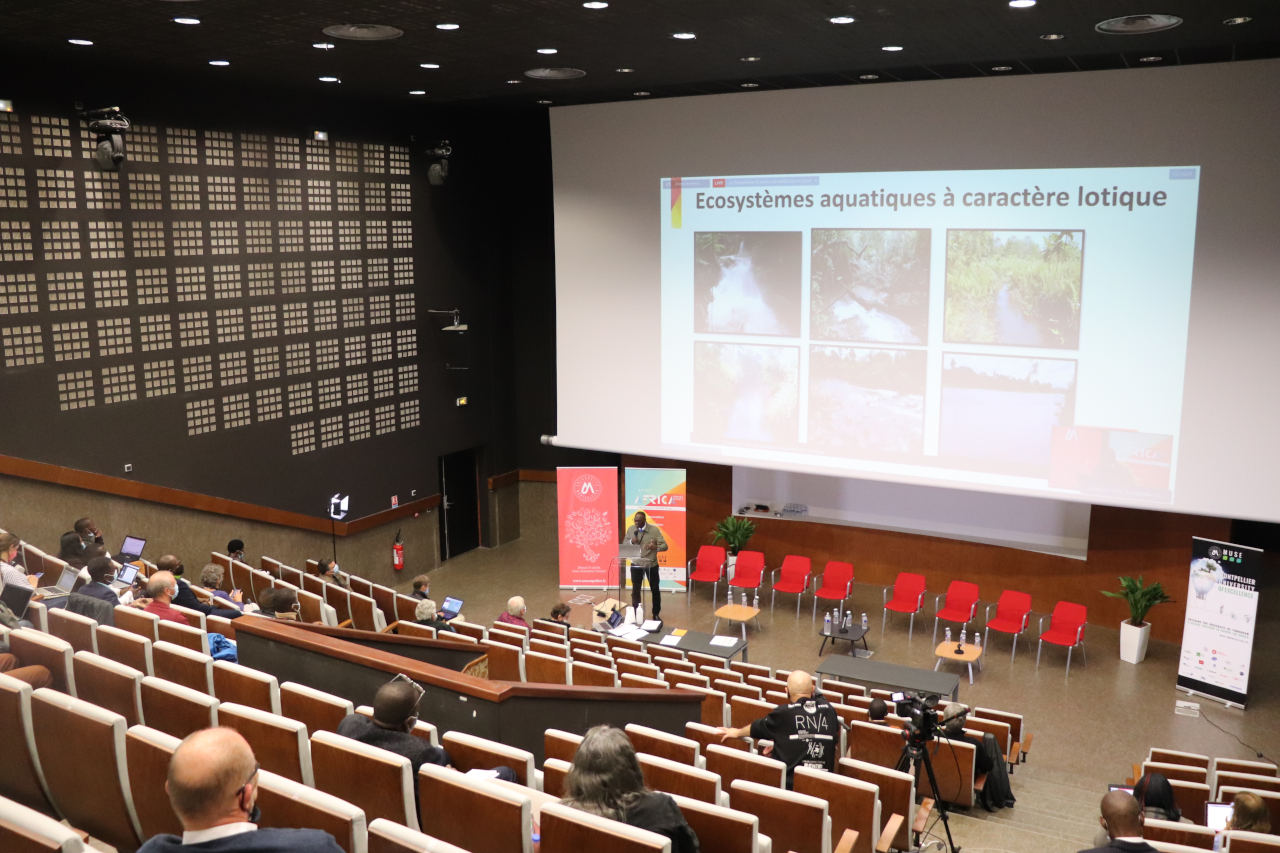
Allassane Ouattara, a professor at the University of Abidjan (Ivory Coast), came to present his work on the biodiversity of aquatic ecosystems, integrated water resources management, aquaculture development, and fisheries management.
INTERDISCIPLINARY DAYS ON OCTOBER 6 AND 7
Following these two days of thematic discussions, numerous experts took the stage once again at the School of Pharmacy and then at the Arena for a summary session and further debates. Among them were:
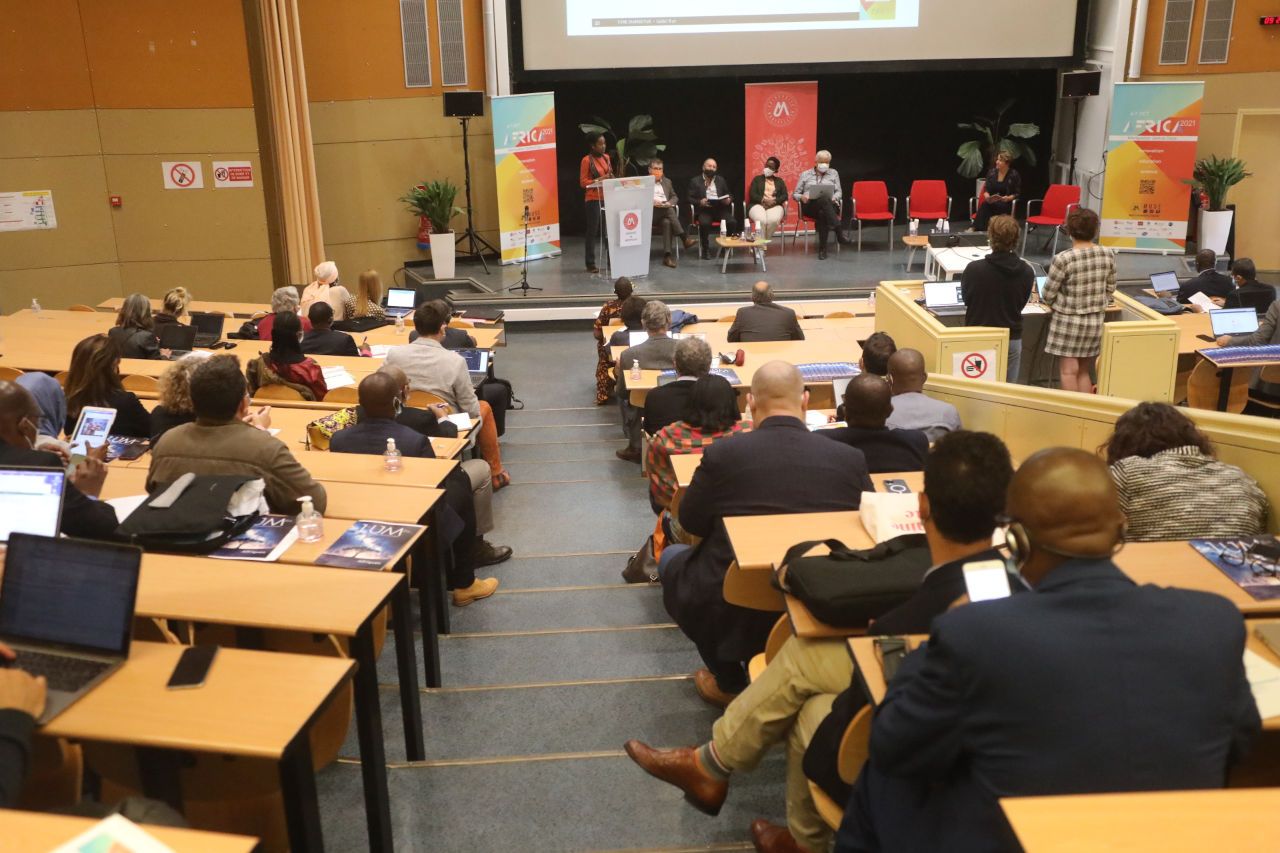
Nadine Andrieu, an agronomist at CIRAD, presenting the findings of the agroecology group.
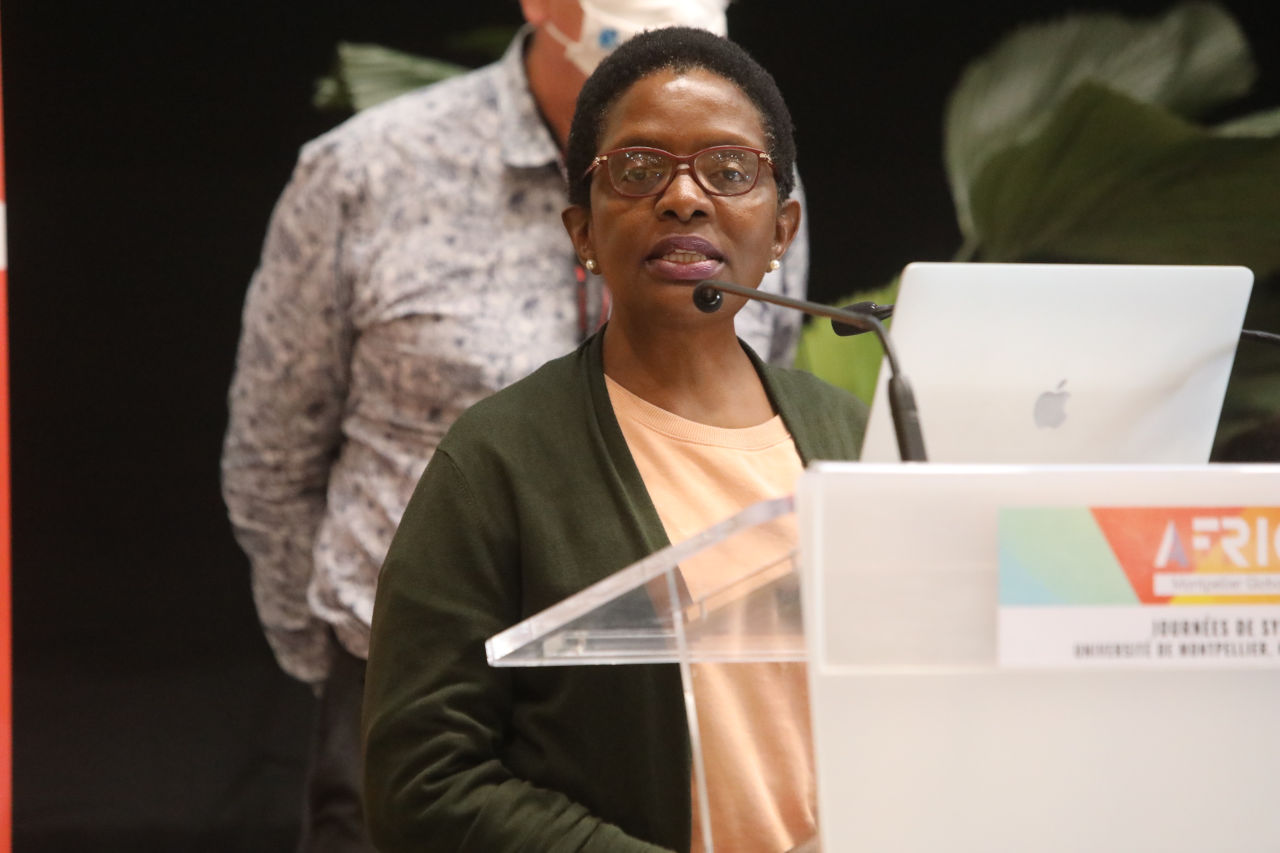
Prisca Mugabe of the University of Zimbabwe, rapporteur for the biodiversity group.
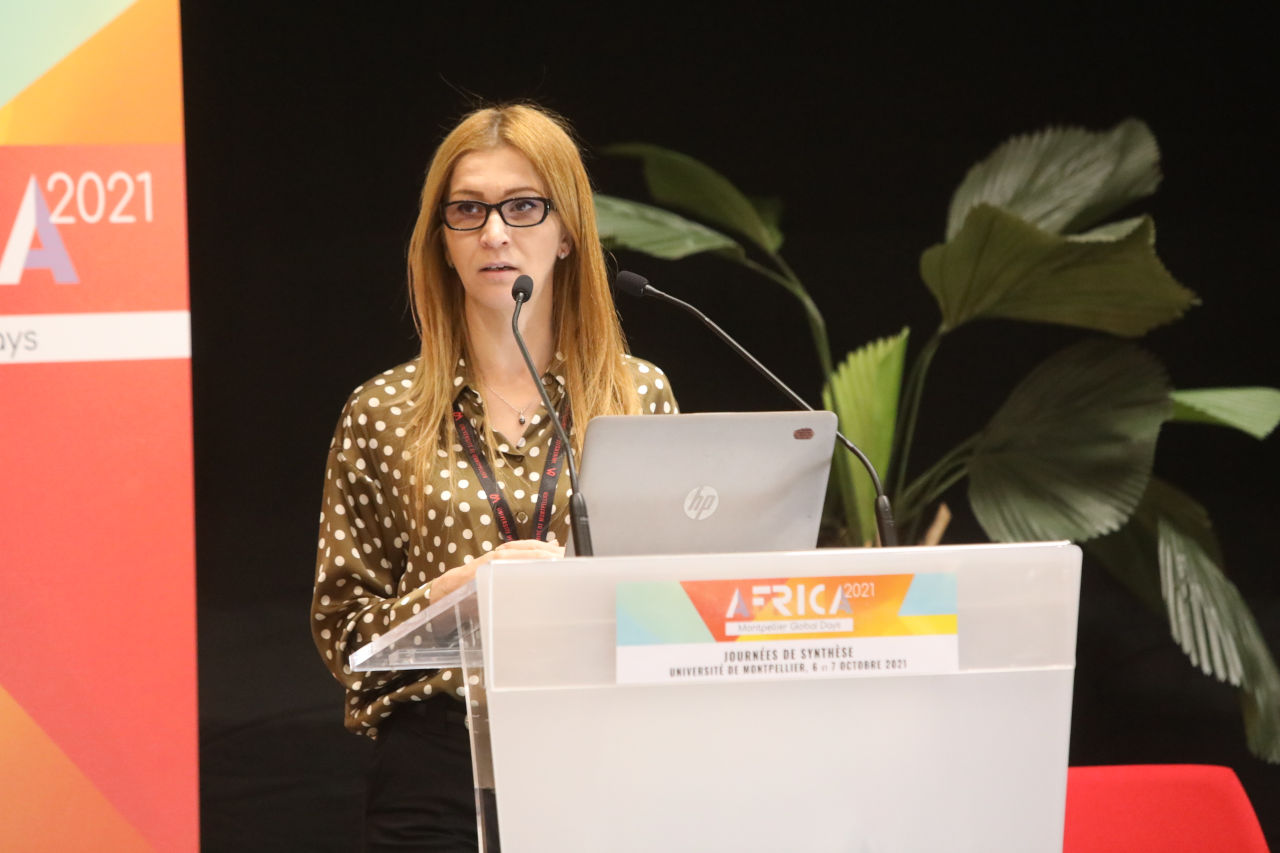
Oula Amrouni, a Tunisian researcher at the National Institute of Marine Science and Technology.
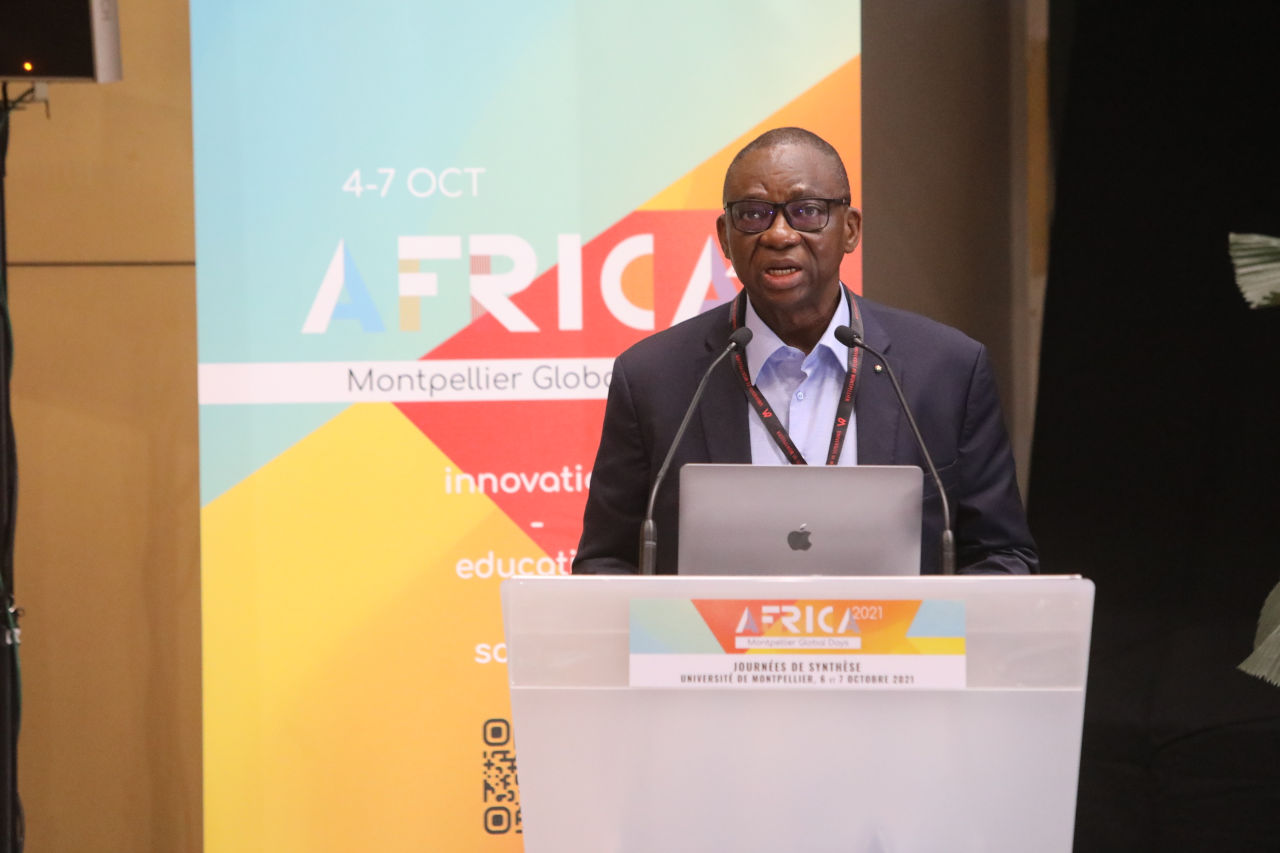
Nicolas Meda, former Minister of Health of Burkina Faso and an epidemiologist, spoke on behalf of the “International Health” group.
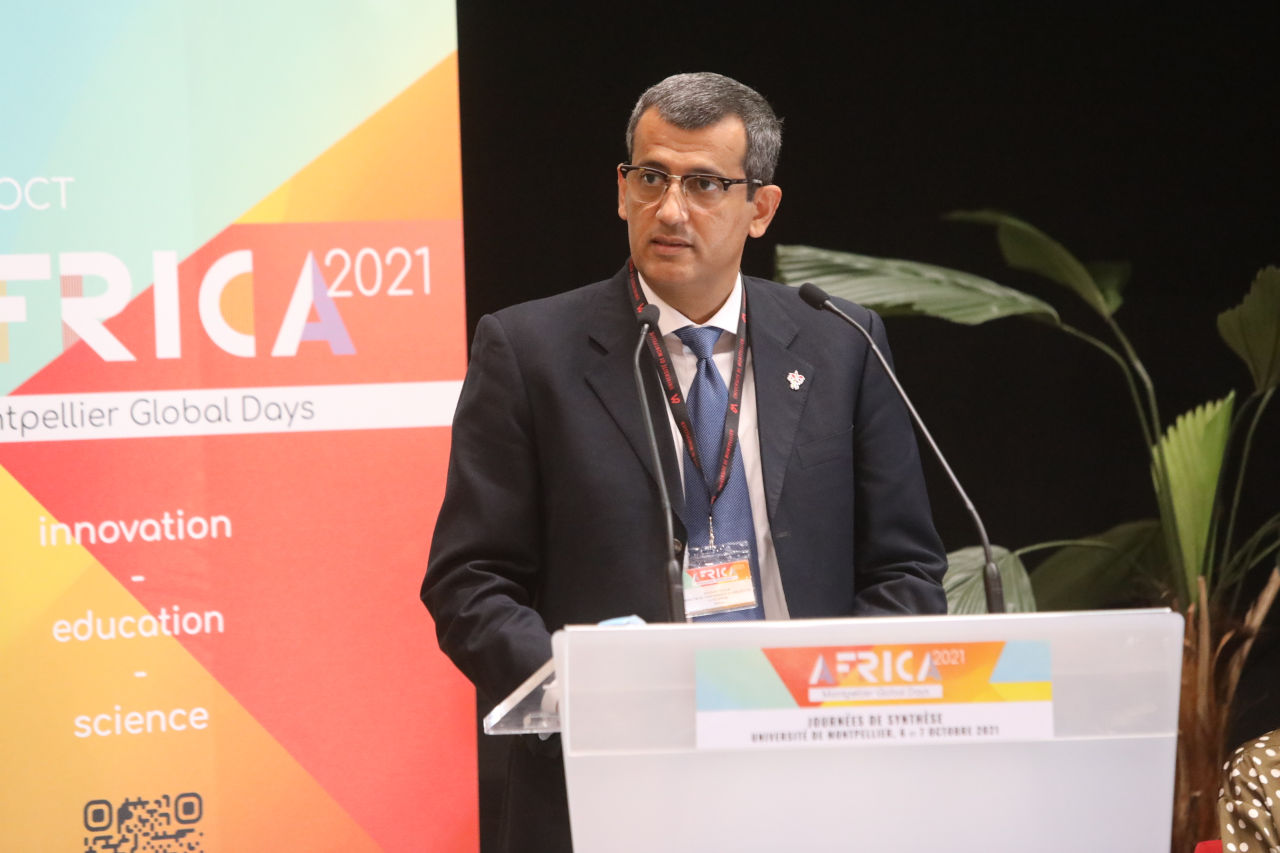
Aboubaker Hassan, from Djibouti’s Ministry of Higher Education and Research, presented the summary from the “Technologies to Feed, Care for, and Protect” group
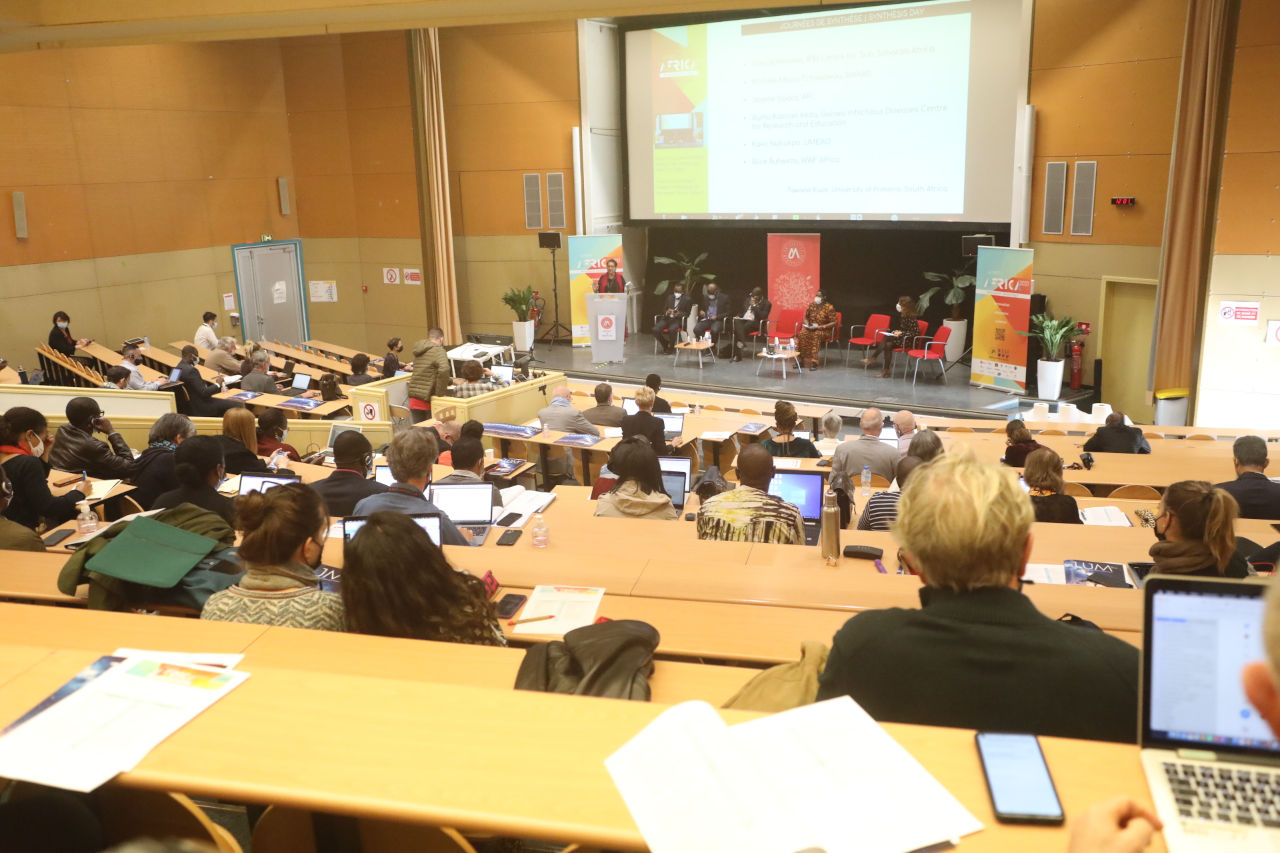
Numerous figures from African research and civil society gathered around Tawana Kupe (see honorary doctorate), including Michèle Mboo-Tchouawou of African Women in Agricultural Research and Development in Kenya. Joyene Isaacs of the ARC in South Africa; Alpha Kabinet Keita of the Center for Research and Training in Infectious Diseases in Guinea; Kako Nubukpo of the West African Economic Union; Alice Ruhweza of WWF Africa…
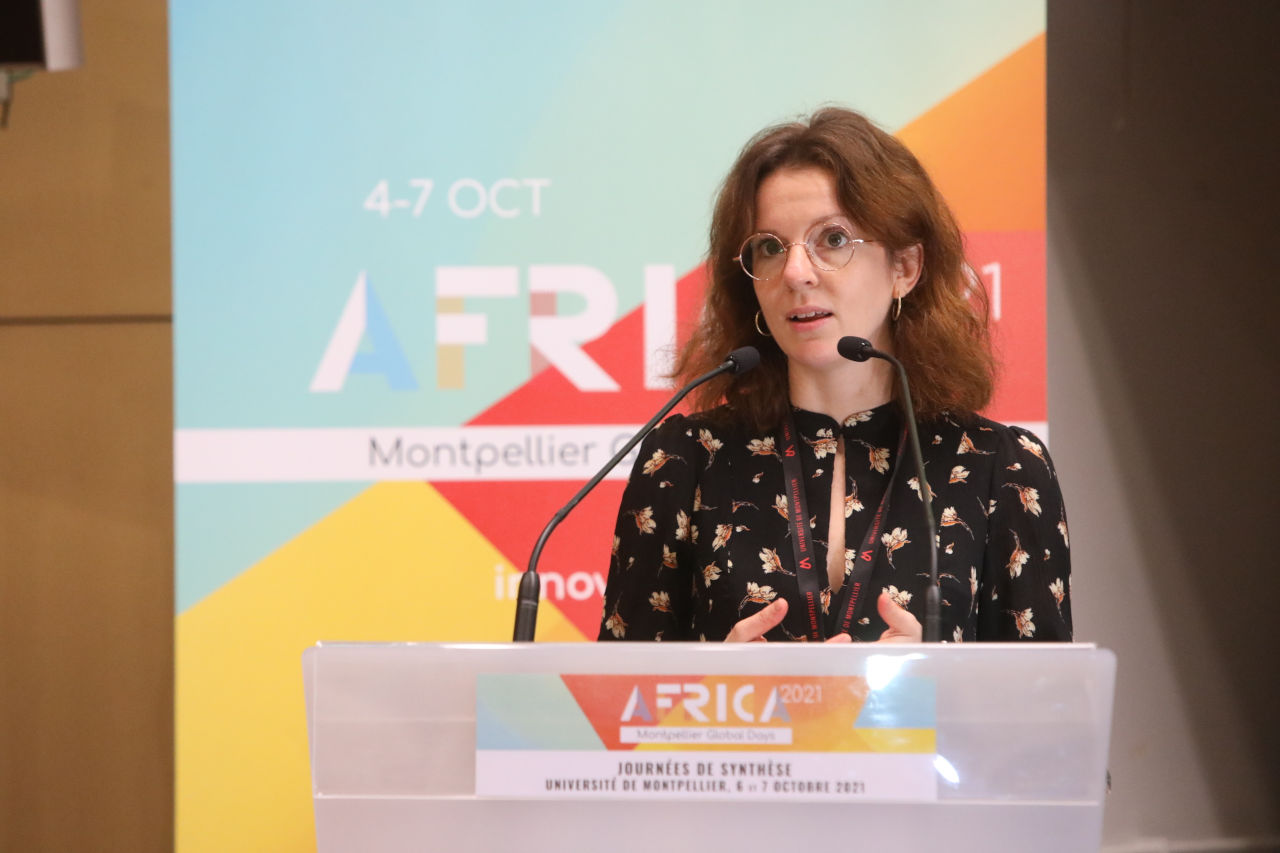
Sina Schlimmer of the Sub-Saharan Africa Center at the French Institute for International Research
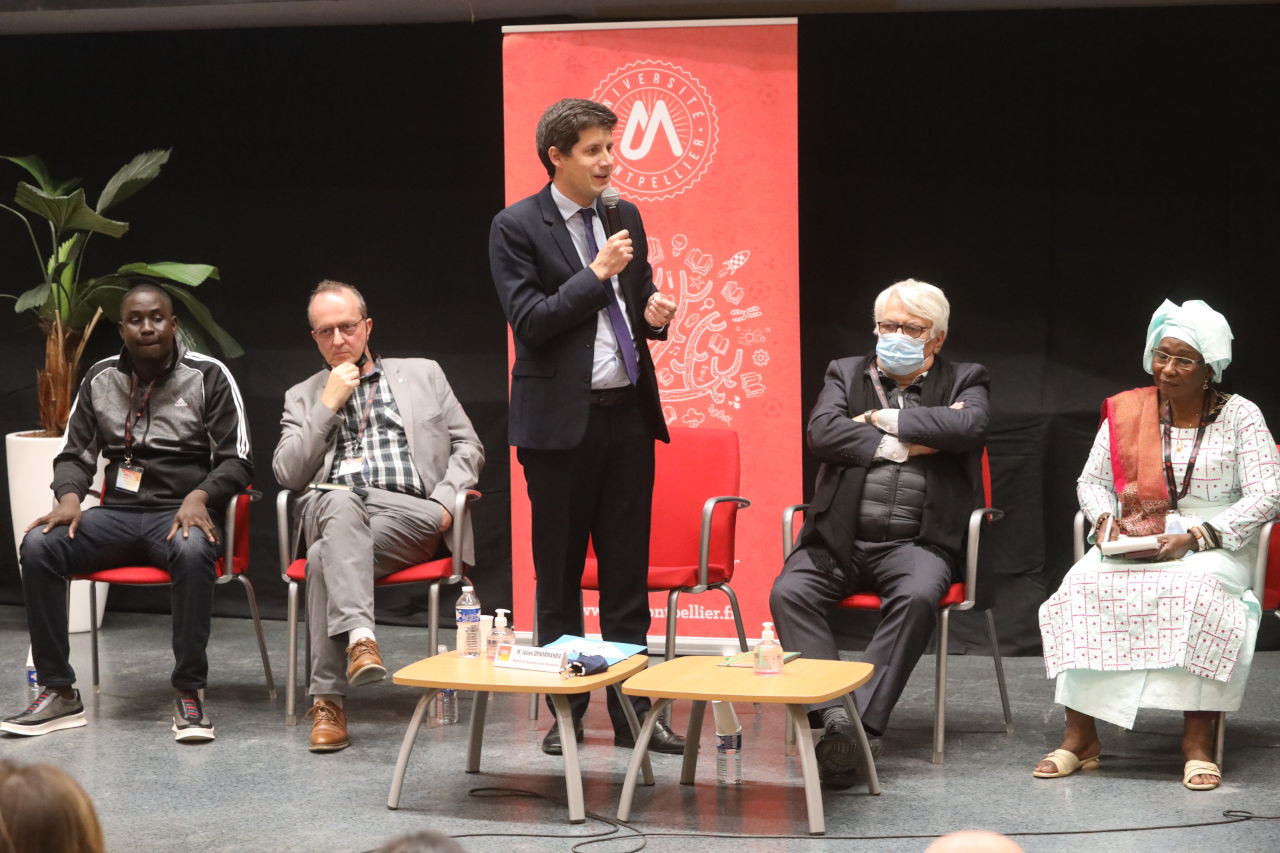
The afternoon was then devoted to a roundtable discussion between civil society representatives and researchers on various topics, including the Great Green Wall. The French Minister of Agriculture, Julien de Normandie, participated in the discussion.
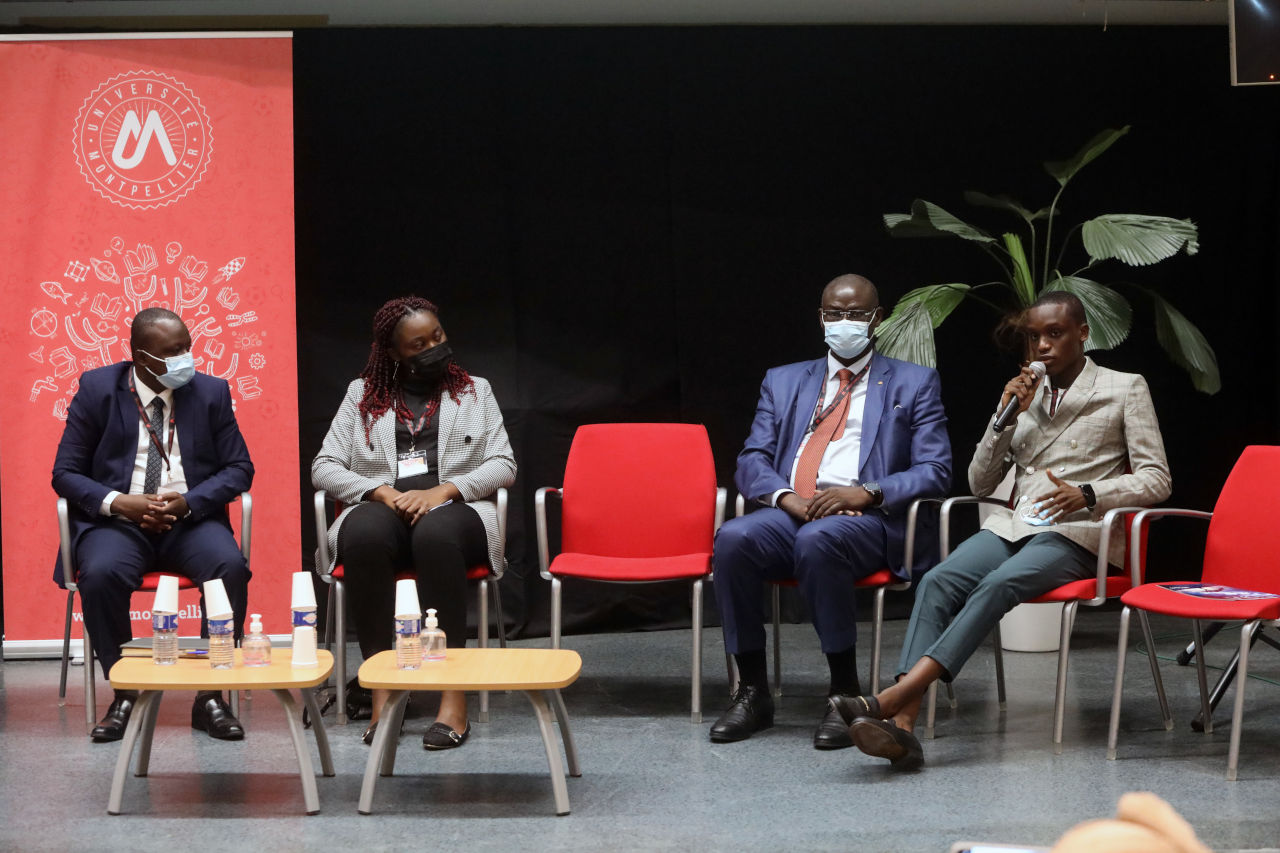
The debate on development through higher education brought together students with Moussa Diaby of the Houphouët Boigny National Polytechnic Institute in Côte d’Ivoire and Serigne Magueye Gueye, director general of the Franco-Senegalese campus.
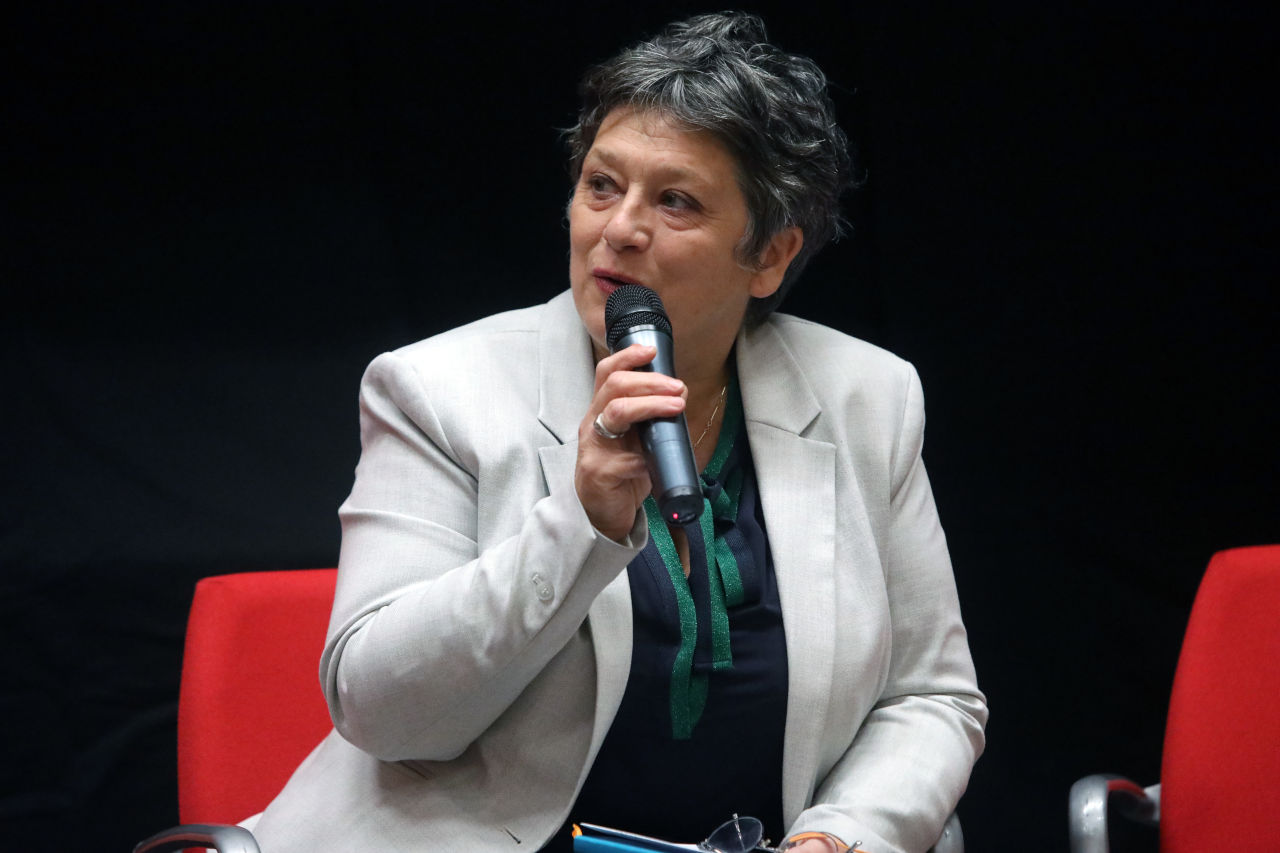
Valérie Verdier, President and CEO of the IRD, participated in the panel discussion titled “What Are the Prospects and Pathways for Development Through Research?”
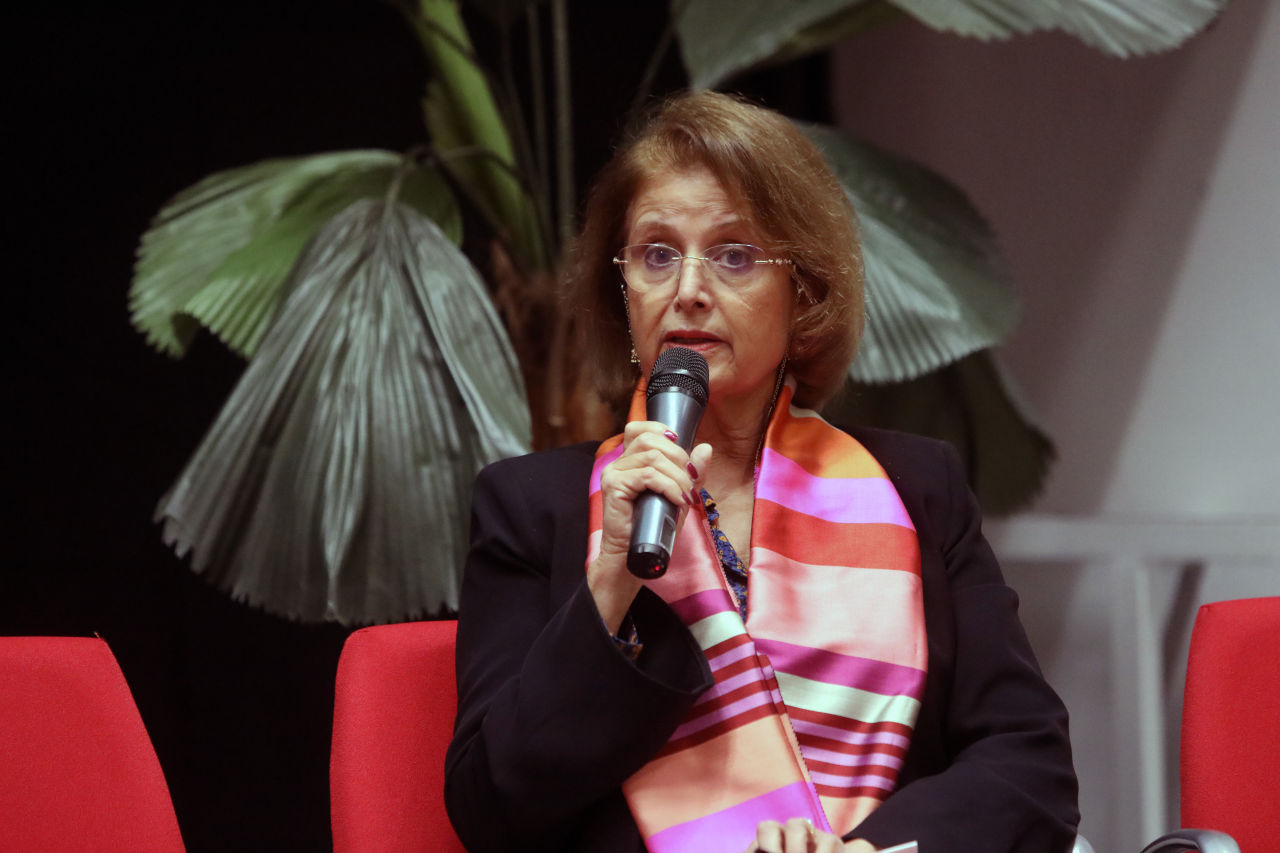
Habiba Chaabouni, from the Tunisian Academy of Sciences, attended the roundtable discussion titled “Building Tomorrow’s Intelligence Together for Africa and the World.”
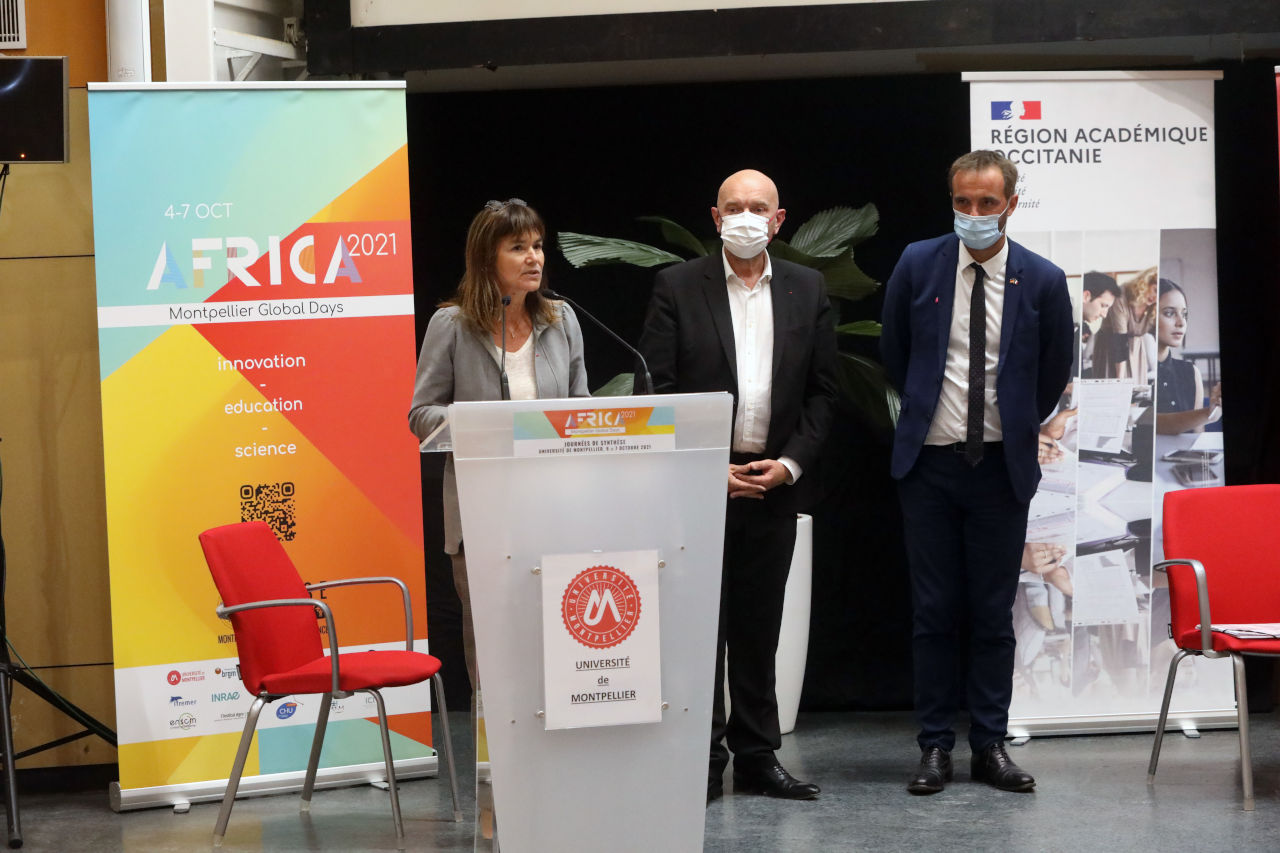
Closing Ceremony of the Montpellier Global Days with Philippe Augé, University of Montpellier; Sophie Béjean, Rector of the Occitanie Academy; and Michaël Delafosse, Montpellier Méditerranée Métropole & City of Montpellier
The New Africa-France Summit (October 8)
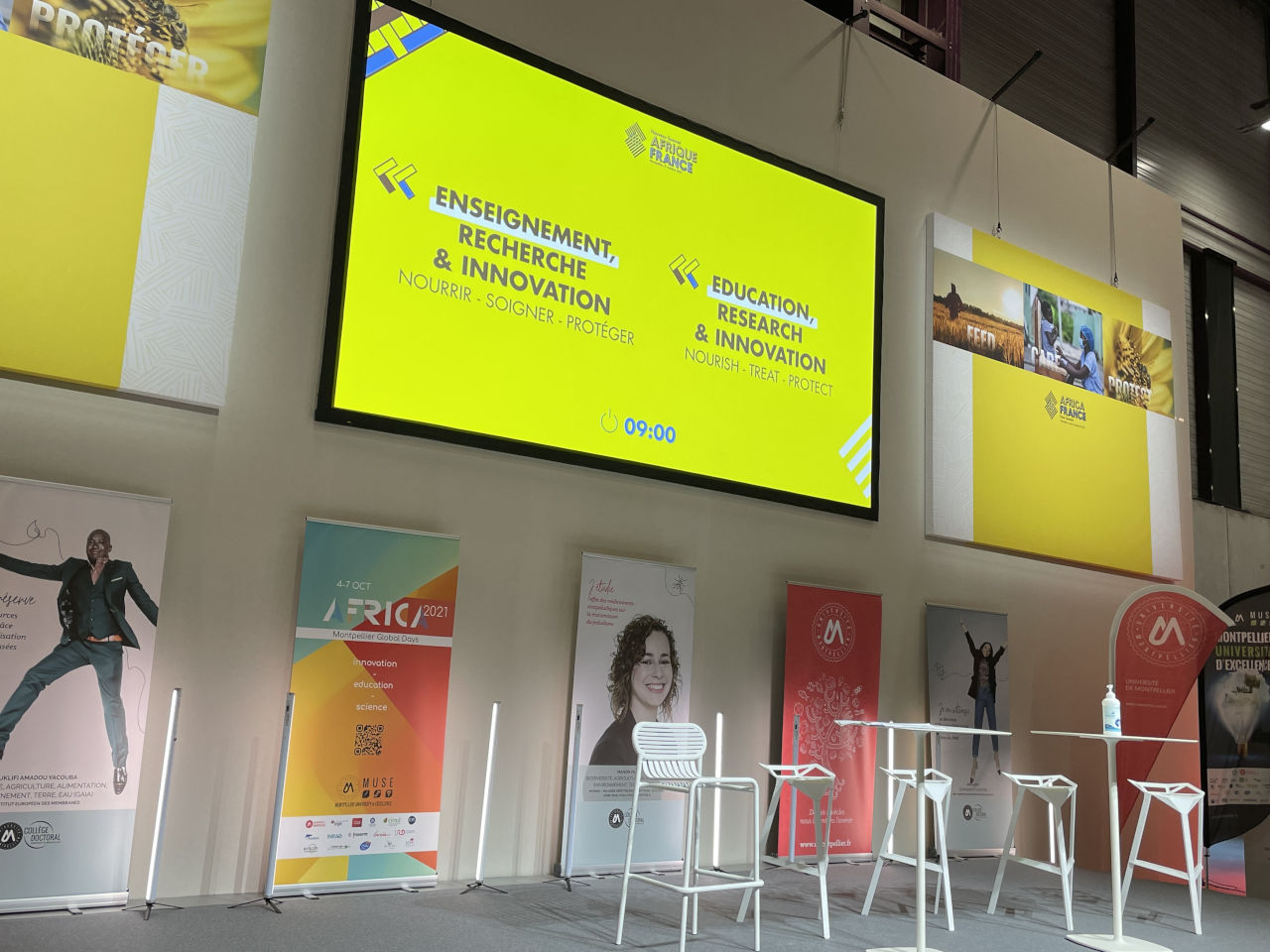
Higher education, research, and innovation were at the heart of the program organized for the New Africa-France Summit at the Arena on October 8. Watch the video.
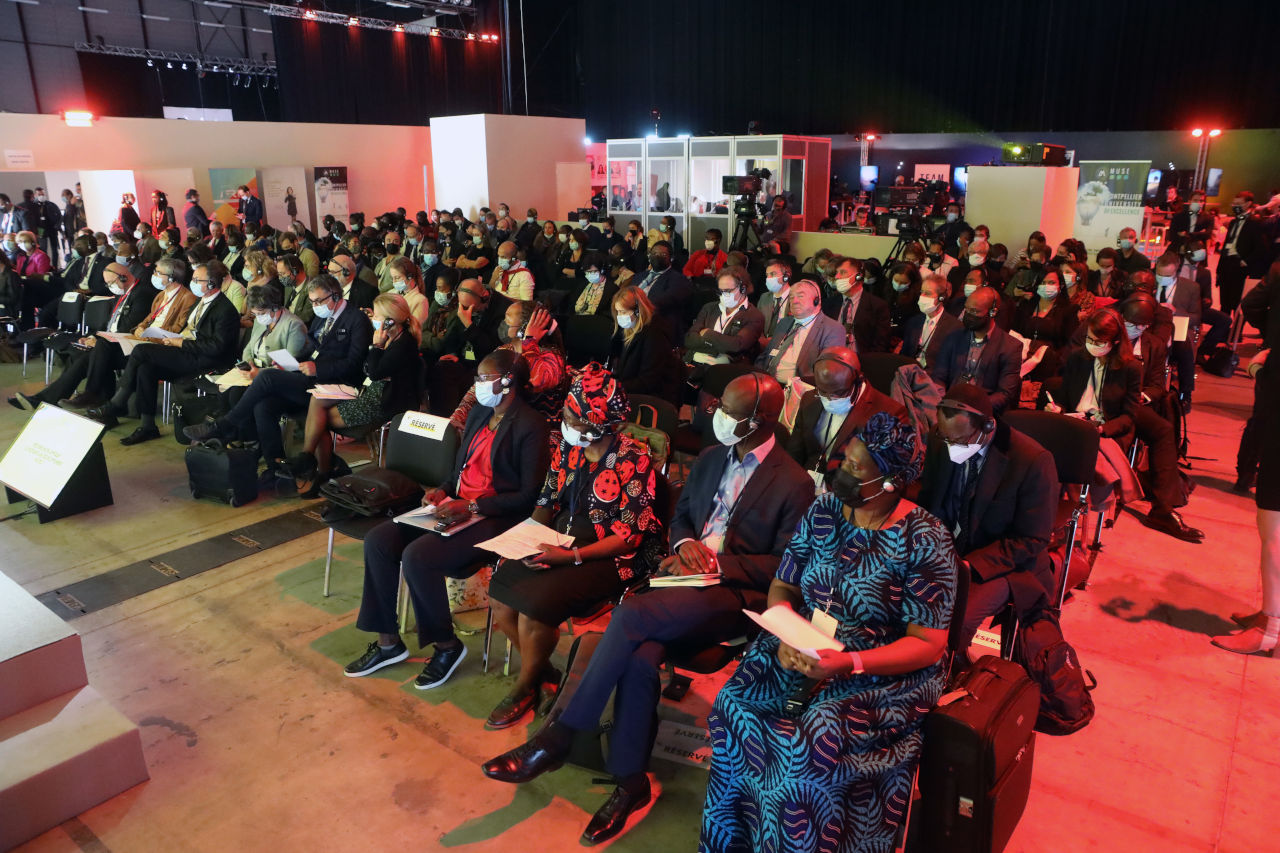
Throughout these two days of presentations and discussion, visitors streamed into the 300-square-meter space dedicated to ESRI.
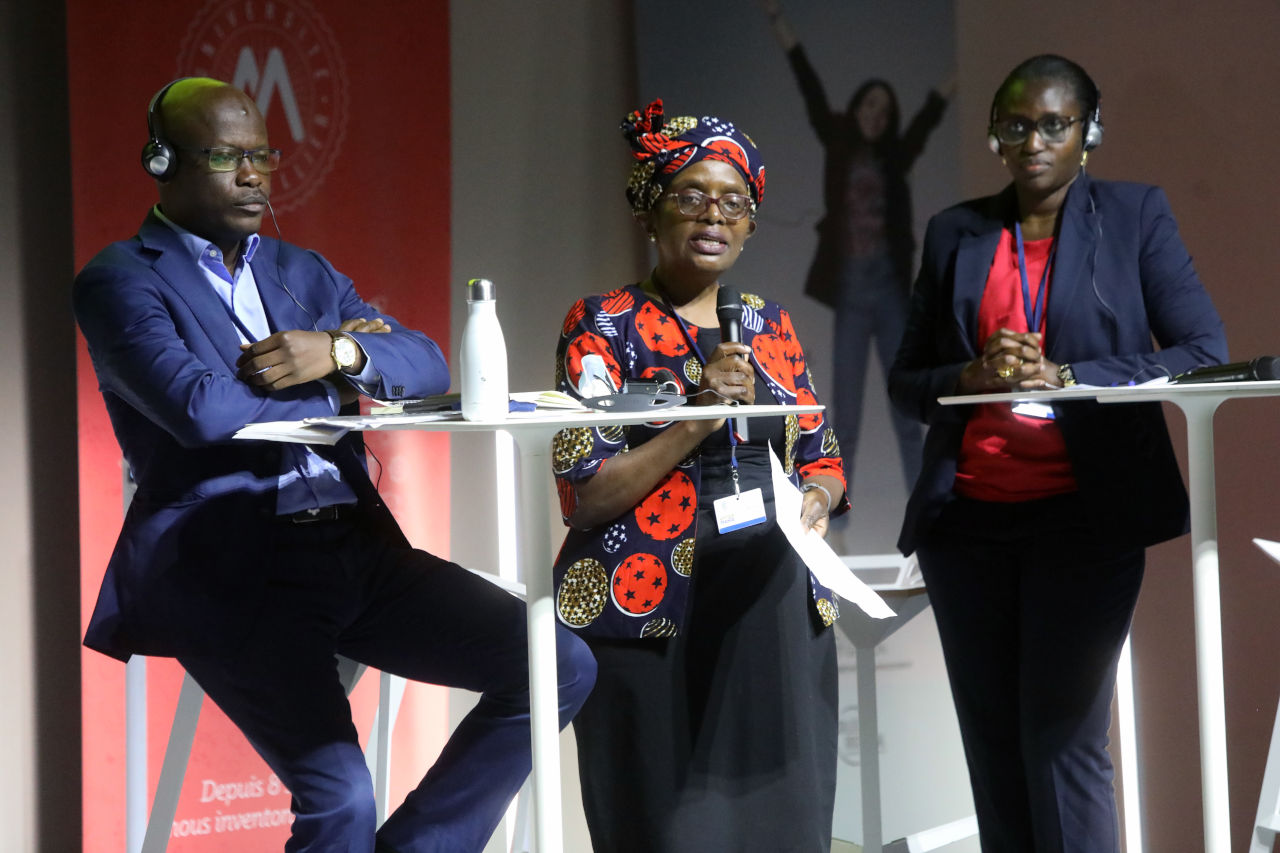
Astou Camara of the Senegalese Institute for Agricultural Research, Prisca Mugabe of the University of Zimbabwe, and Abdoulaye Touré of the Guinean Center for Research and Training in Infectious Diseases.
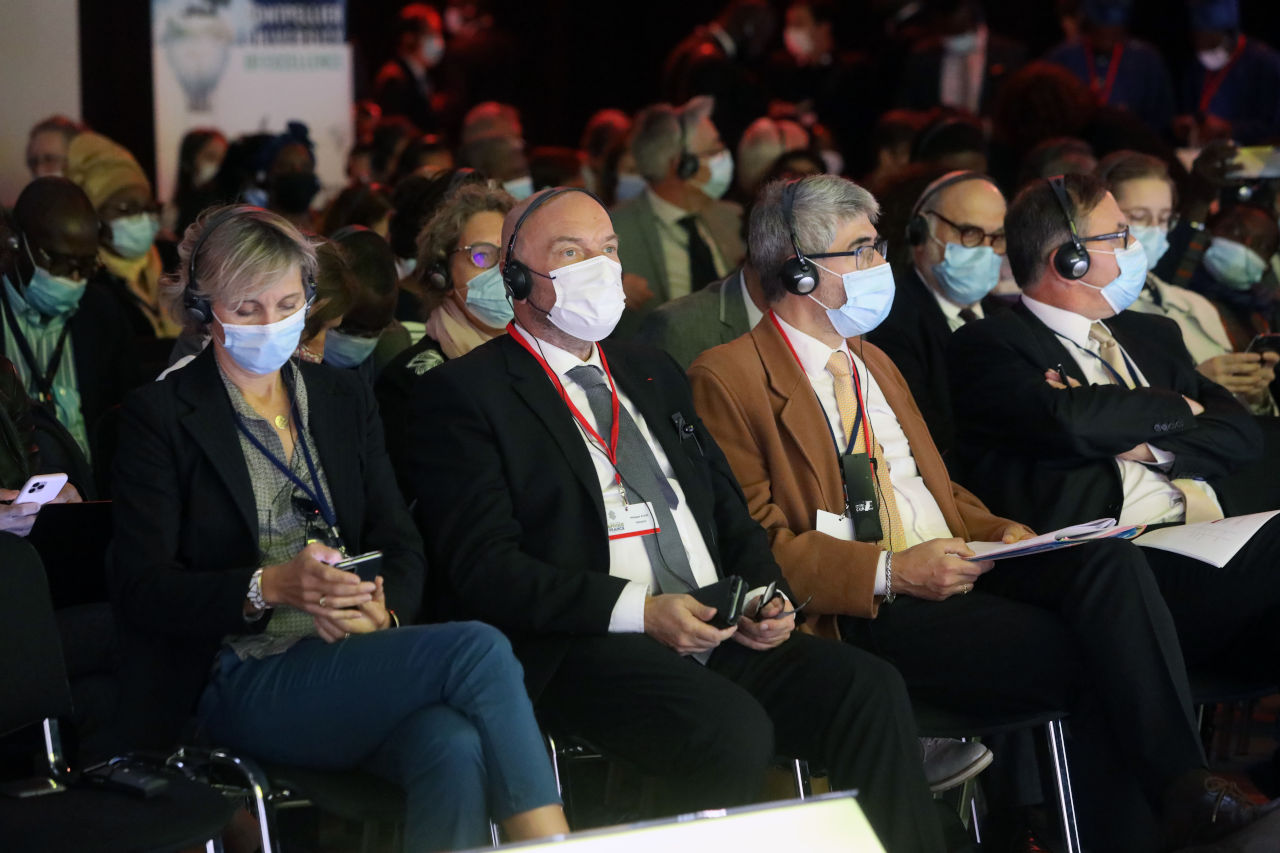
Philippe Augé at the Arena during the wrap-up day.
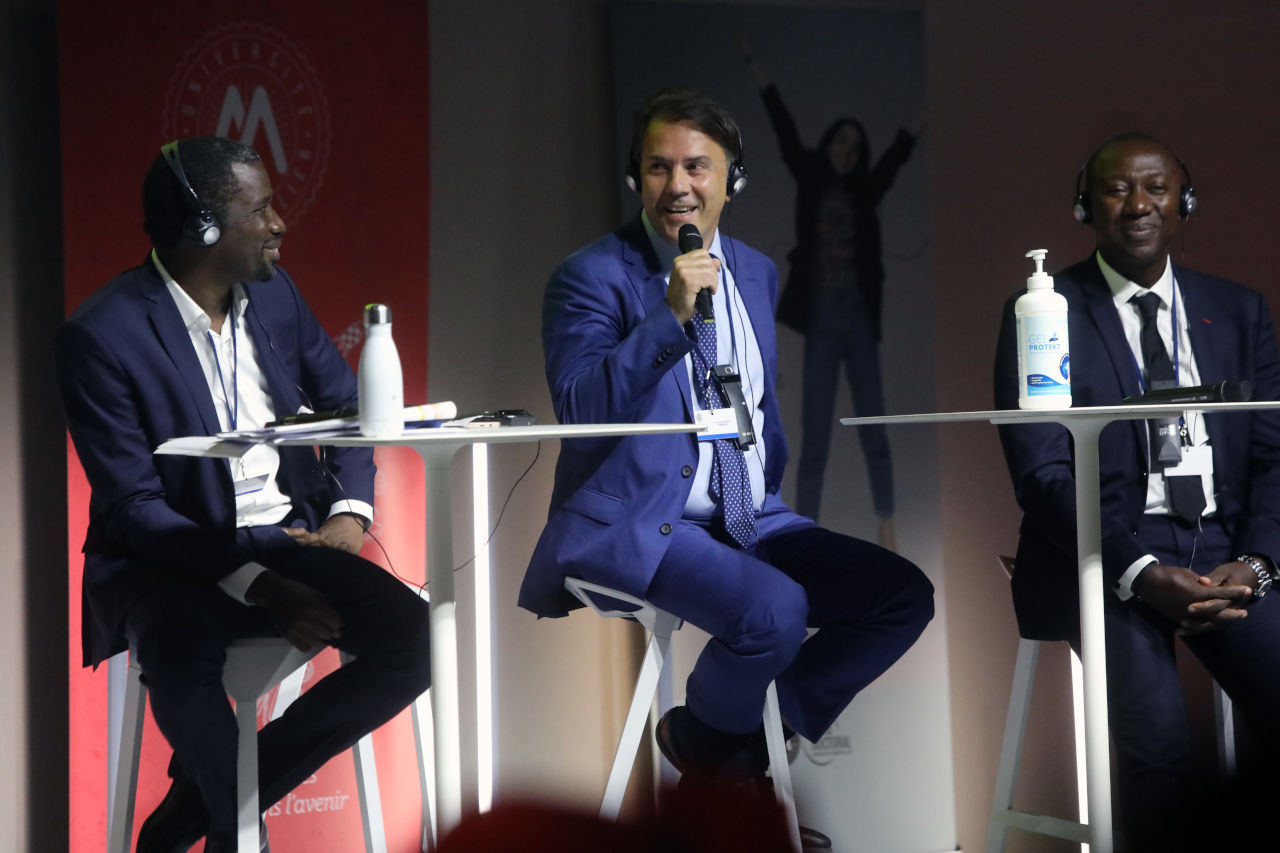
Philippe Nérin of SATT AxLR was present alongside Bouna Kane, director of Simplon Afrique, a startup that offers training in digital professions.
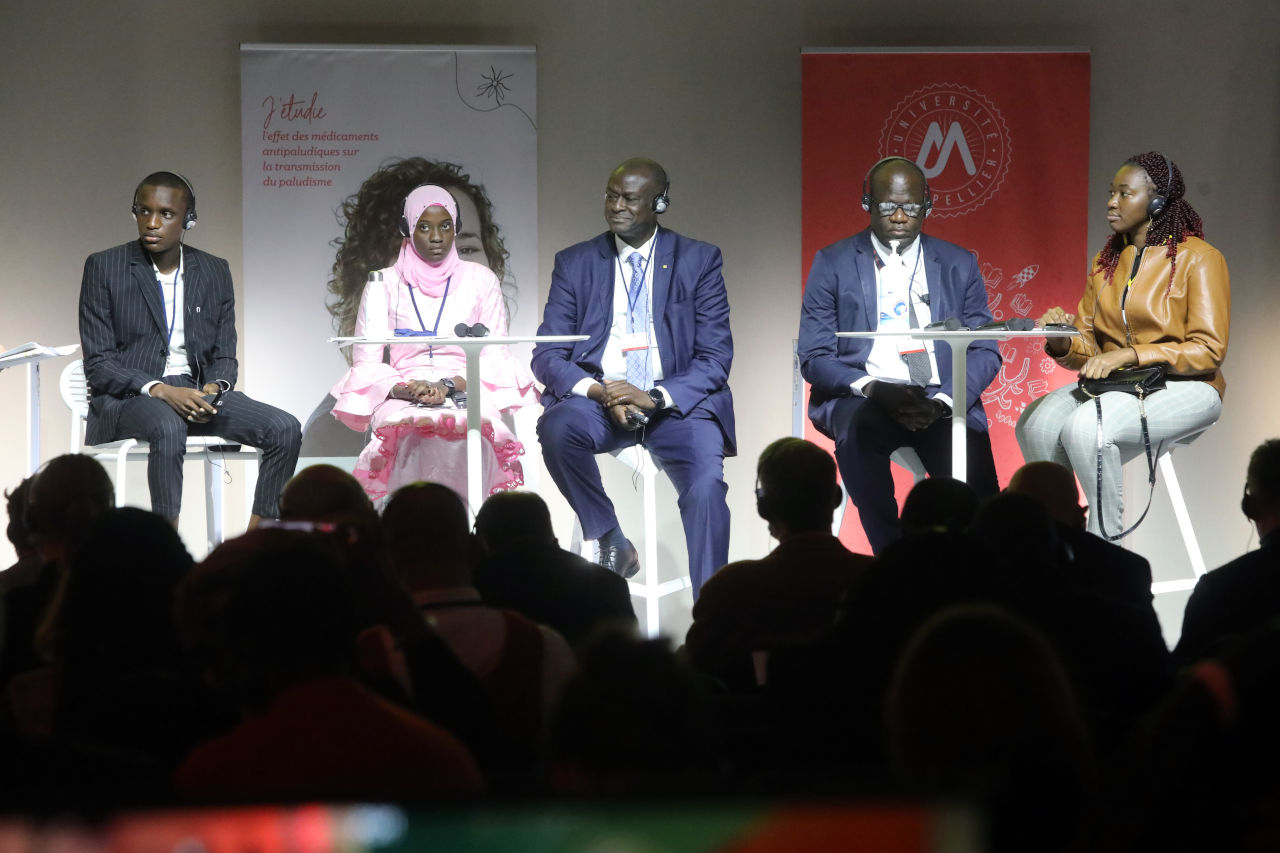
Students with Siaka Koné from the Houphouët Boigny National Polytechnic Institute (Ivory Coast) and Serigne Magueye from the Franco-Senegalese Campus
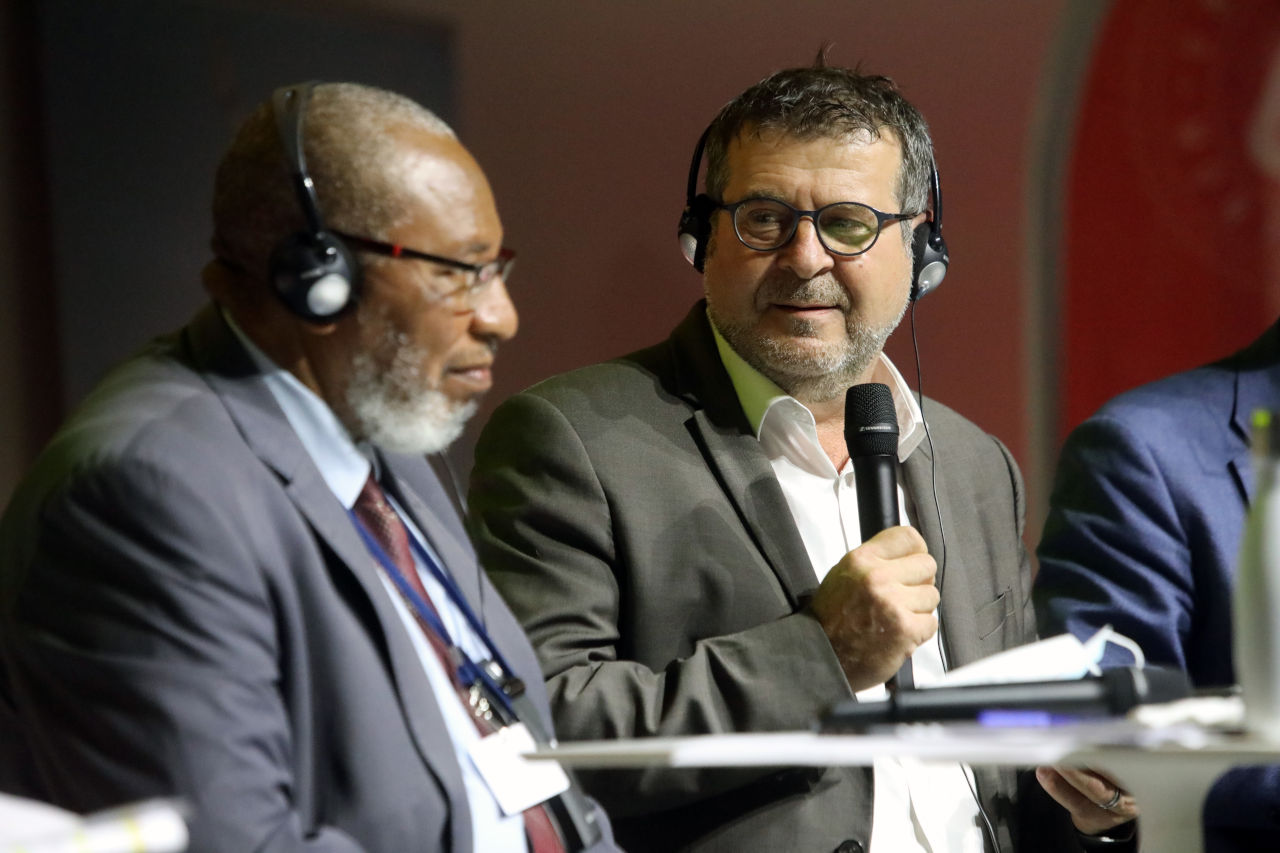
Patrick Caron, Executive Vice President for International Affairs at theUM , speaks with Youba Sokona, Vice Chair of the IPCC
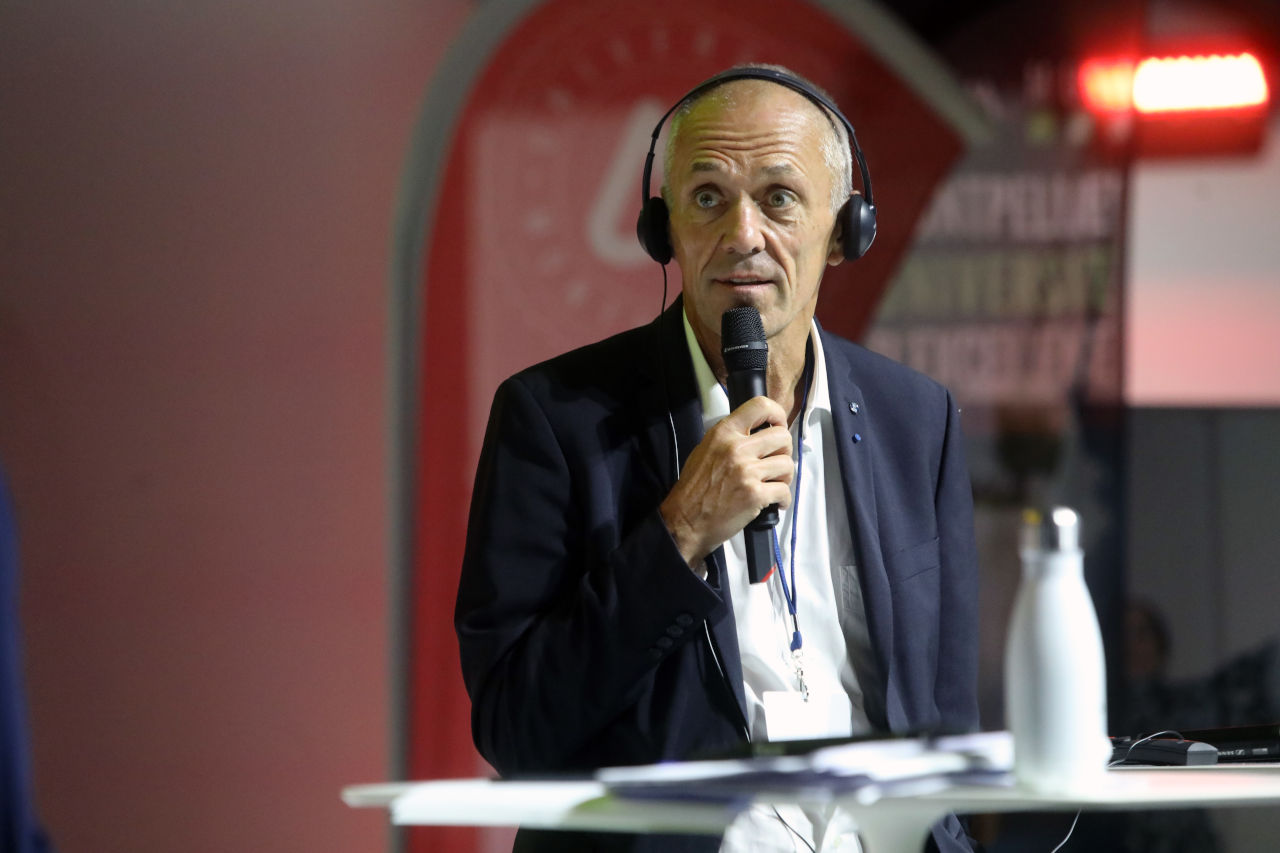
Antoine Petit, CEO of the CNRS
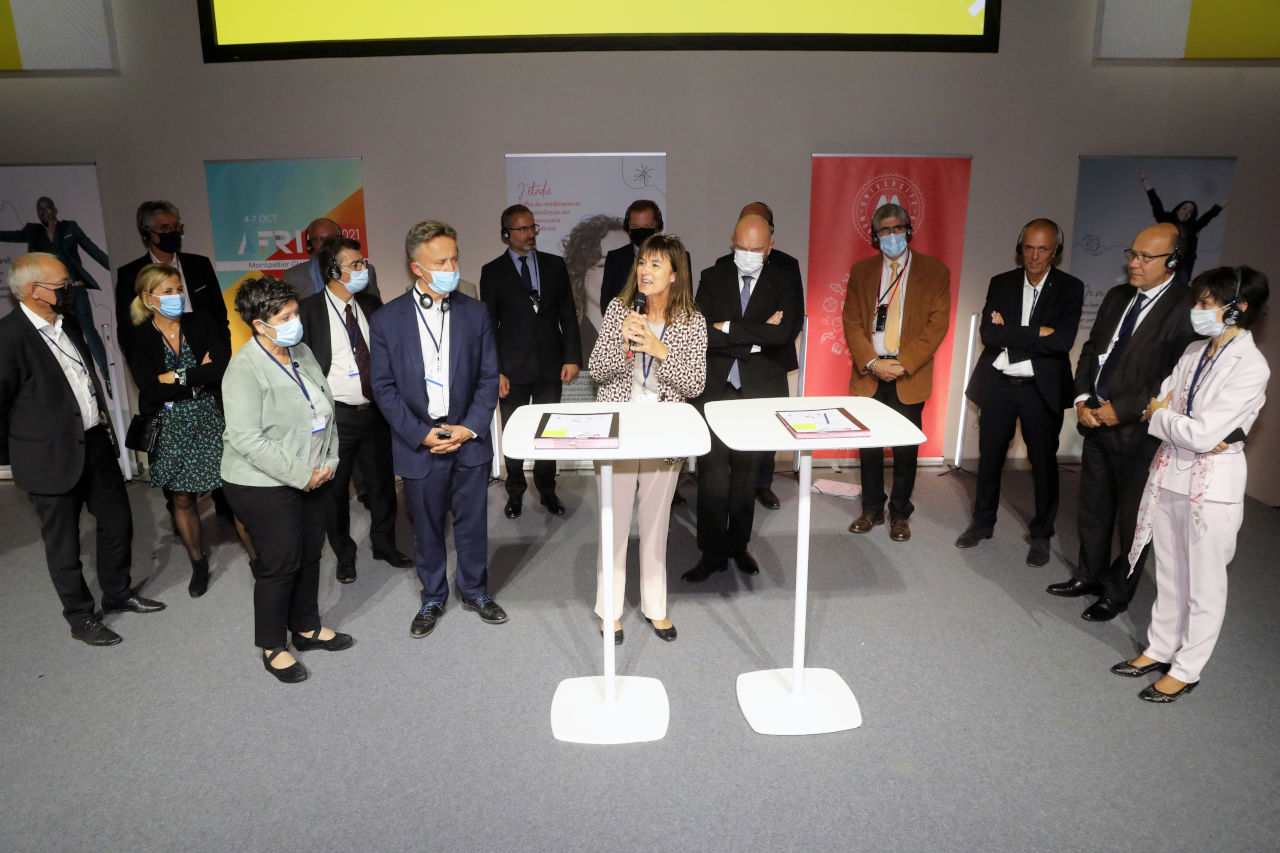
The ESRI session at the New Africa-France Summit concluded with the signing of a strategic agreement between the partners of the MUSE project in the presence of the President of theUM , all the CEOs and directors of partner schools, research organizations, and university hospitals, and Sophie Béjean, Rector of the Occitanie Academic Region.
HONORARY DEGREES
These Global Days—Africa 2021 also provided an opportunity to award honorary doctorates from the University of Montpellier to three leading figures in African research.
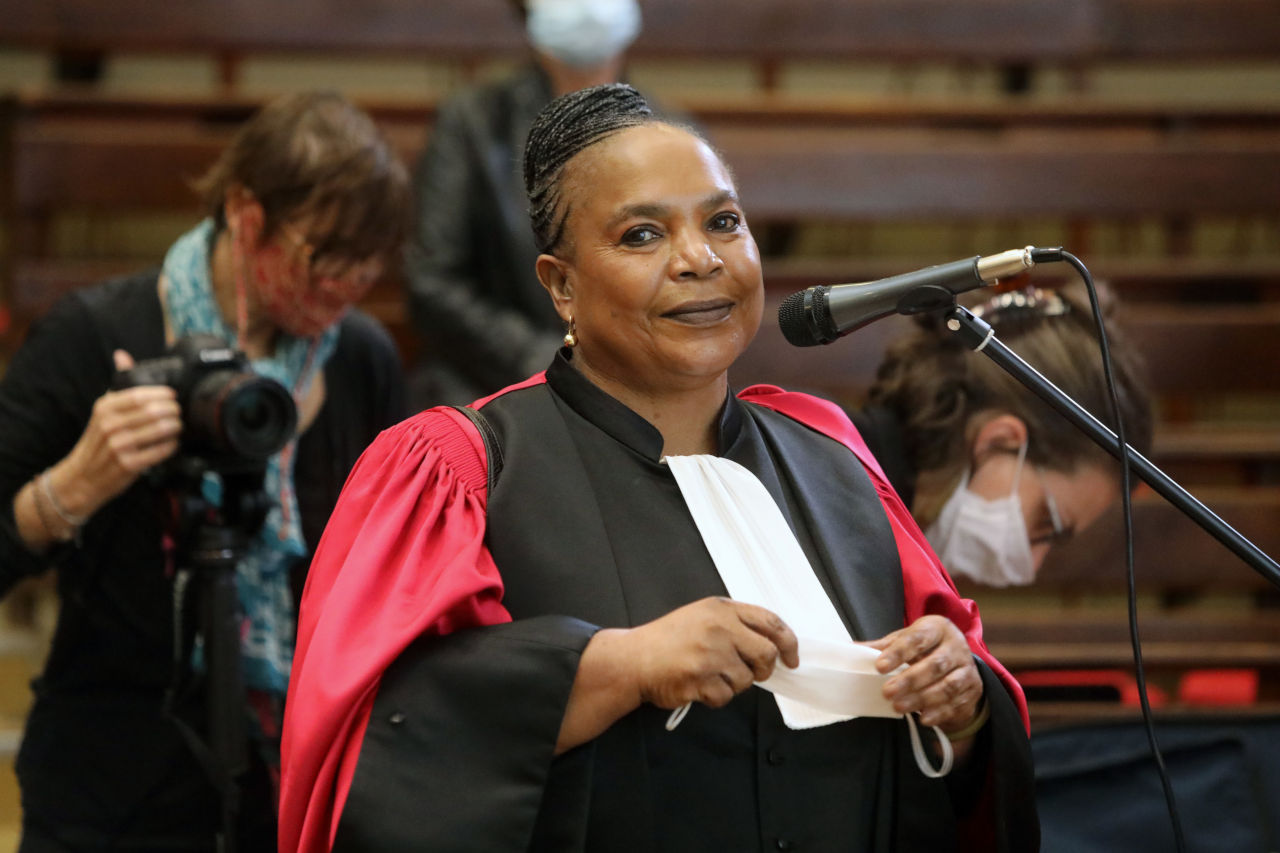
Chipepo Kankasa is a pediatrician in Zambia, where she works at the Lusaka Hospital. Watch the video.
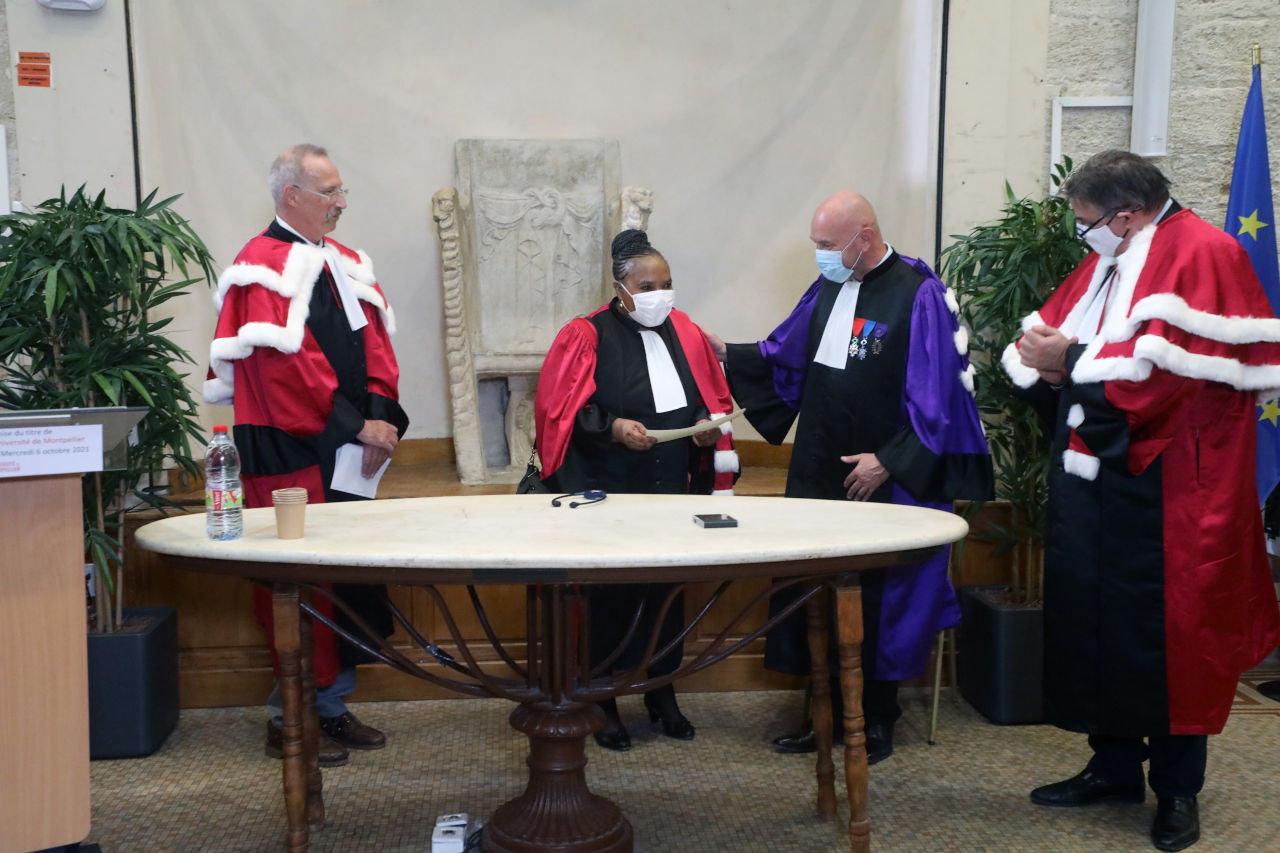
It was from Philippe Augé, and at the recommendation of Philippe Vande Peer, a doctor (on the left in the photo) who specializes in the fight against AIDS in Africa, that he was awarded the honorary degree. Watch the video.
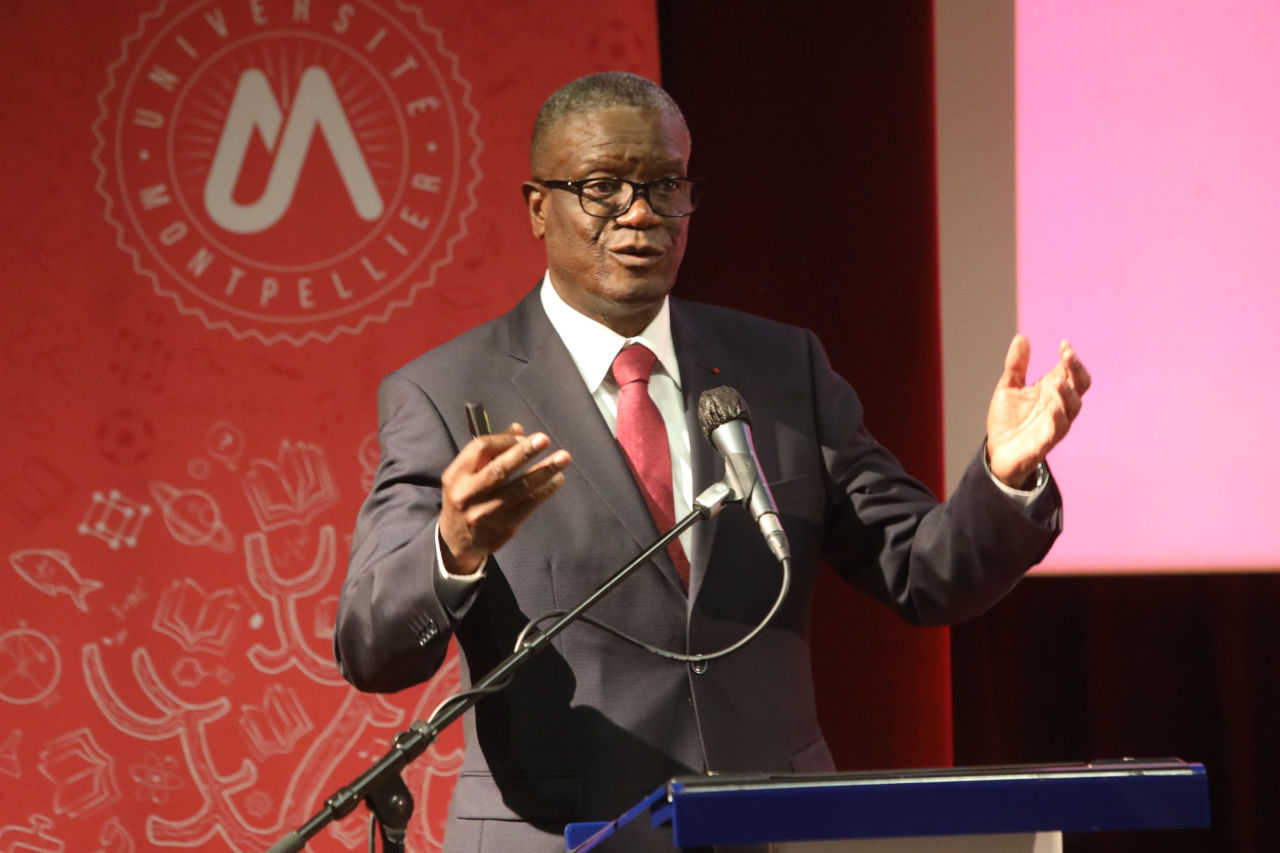
Denis Mukwege, nicknamed “the man who mends women,” is a Congolese gynecologist and the founder of Panzi Hospital. This facility specifically treats women who have been victims of rape and sexual assault committed in the context of war. Denis Mukwege was awarded the Nobel Peace Prize in 2018.
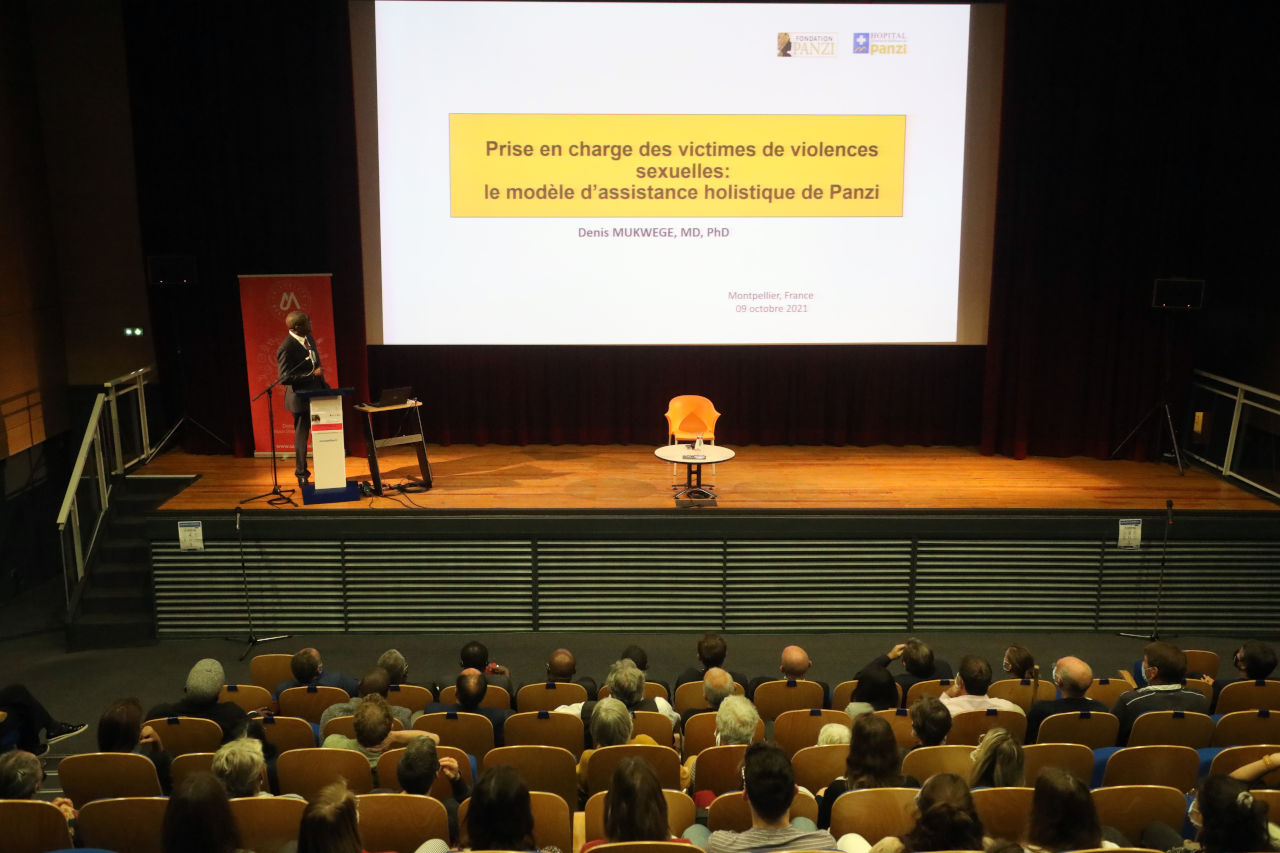
The Congolese gynecologist gave a lecture at the Rabelais Hall to present his latest book , *La force des femmes* (The Strength of Women), in which he describes the method developed at Panzi Hospital.
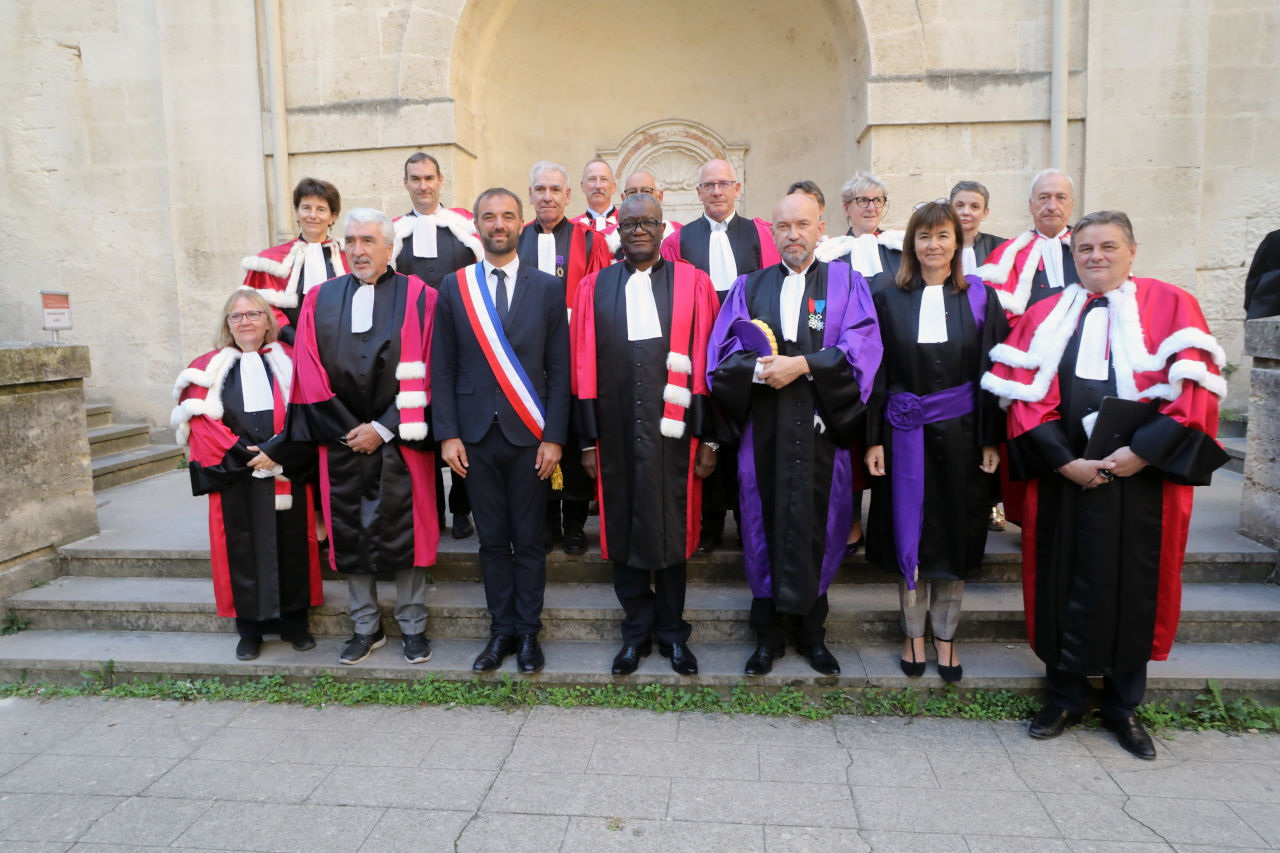
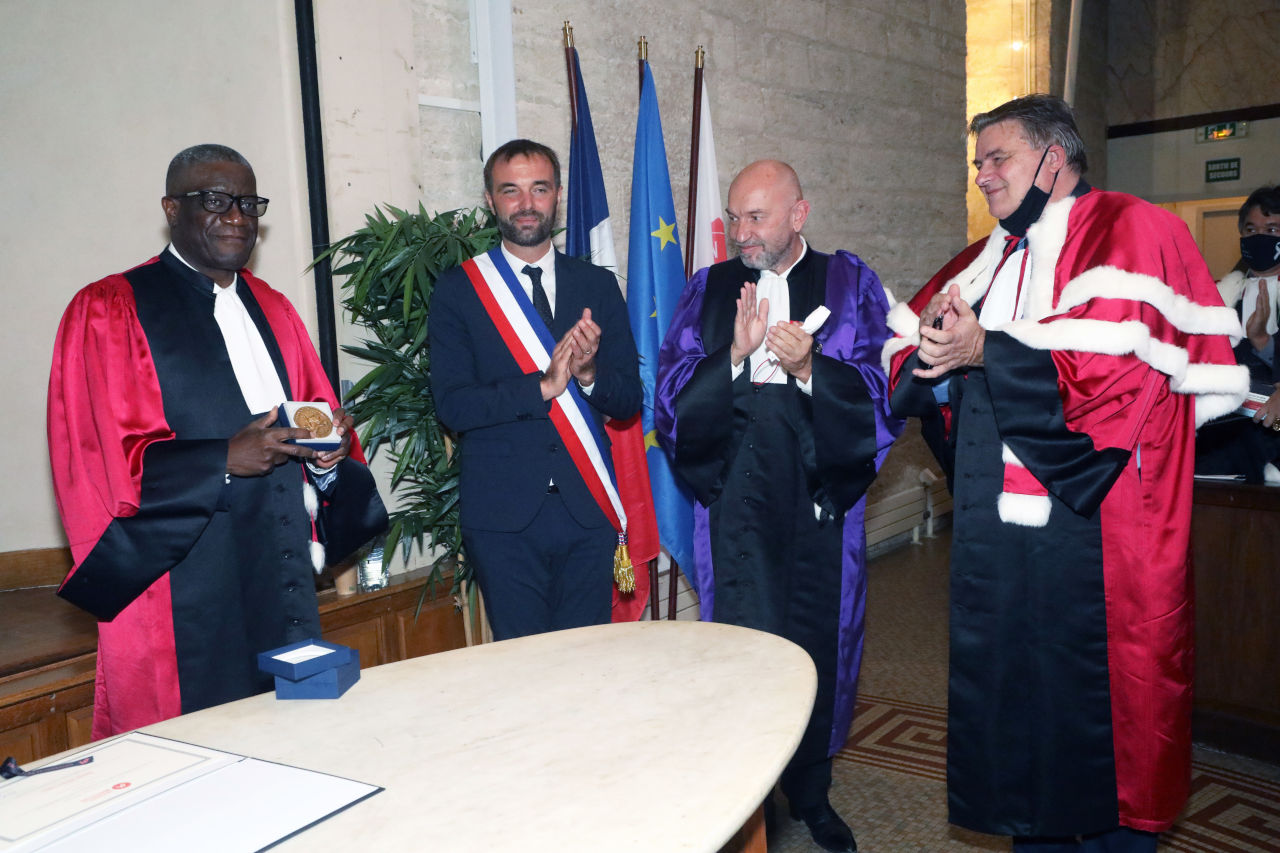
An honorary doctorate recipient and honorary citizen of Montpellier, the ceremony took place in the presence of Rector Sophie Béjean, Mayor Michaël Delafosse, President Philippe Augé, Dean Mondain, and numerous vice presidents and members of the School of Medicine. Watch the video.
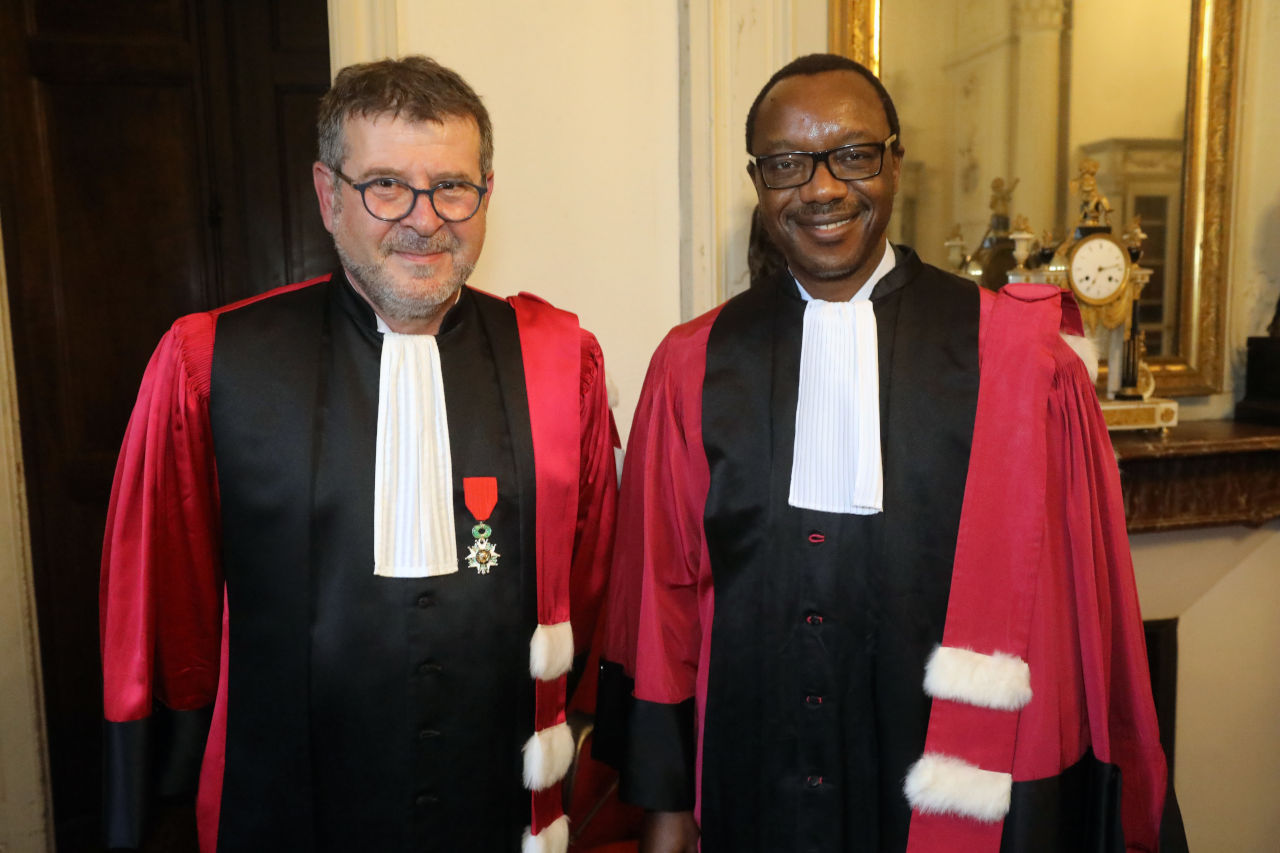
Tawana Kupe (right) and Patrick Caron, Executive Vice President for International Affairs. Tawana Kupe is a Zimbabwean-South African academic. He is president ofthe University of PretoriainSouth Africa and a specialist in media studies and journalism. Watch the video.
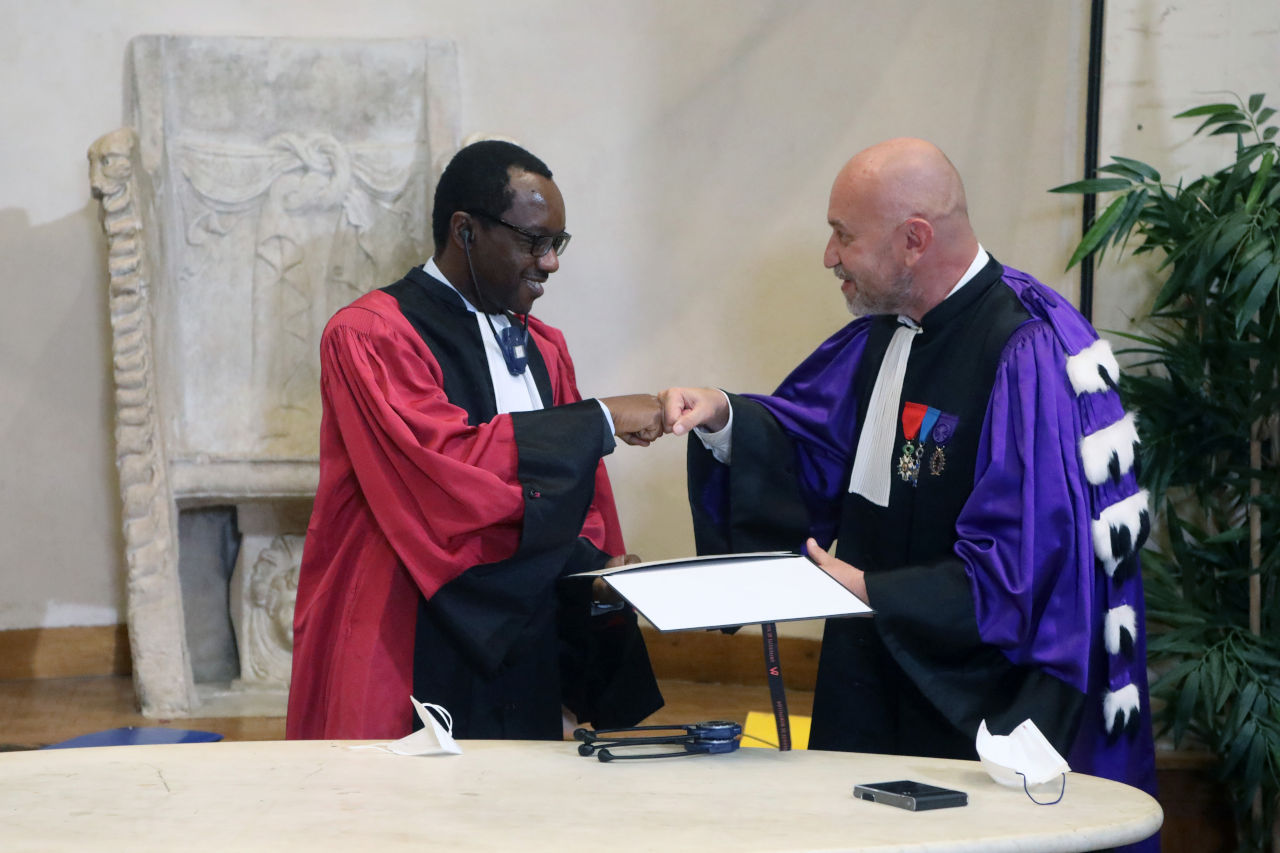
Tawana Kupe and Philippe Augé at the ceremony. Watch the video.