At theUM of Science [S04-ep22]: The Migration Routes of Seabirds
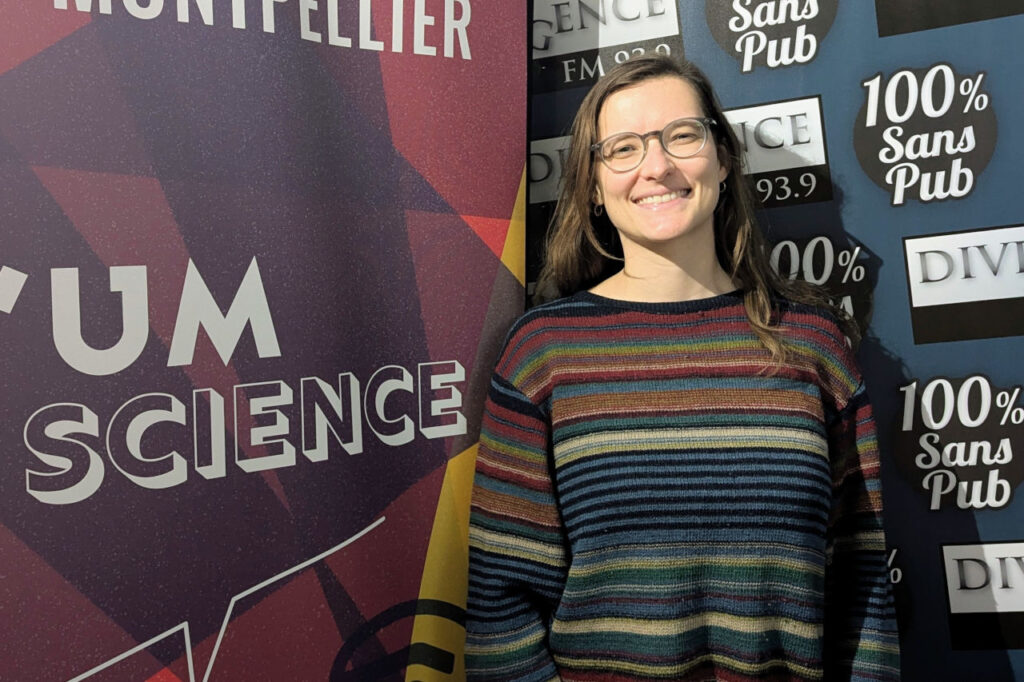
This week on *A l’UM * Science, Marie-Morgane Rouyer, a doctoral student at the CEFE, reveals the migratory routes of seabirds. Louise Nyssen, co-director of theIres, has us doing some math, and the pharmacy students’ social club invites us to tour a giant colon. The show airs every Wednesday at 6 p.m. on Divergence.
From November through March, they gather at dawn in the Scamandre reed beds for a chance to watch the cranes take flight as they leave their roosts and head for their foraging grounds. A mere four months remain before these famous migratory birds—whose numbers are growing as more and more choose to winter in the Camargue—return to Northern Europe to breed. These are undoubtedly the same people who, starting in April, stroll around with their noses in the air, hoping to catch that little black flash that signals the return of the swallows.
Summer teals, purple herons, lesser kestrels—migratory birds hold a certain fascination for us, one that can easily be attributed to the mysteries and ever-renewed magic of their eternal returns. While the migratory routes of land and coastal birds have long been relatively well known to researchers and naturalists, the same cannot be said for seabirds and their great intercontinental odysseys.
It is high time, however, that our conservation policies paid greater attention to the fate of these long-distance migrants, many of which are classified as threatened species. To provide a framework for international cooperation, researchers have mapped and identified six marine migration routes across the world’s oceans. This is a groundbreaking cross-species study in which Marie-Morgane Rouyer participated. We had previously interviewed her two years ago upon her return from COP 15 on biodiversity; she is now continuing her doctoral research at CEFE, the Center for Functional and Evolutionary Ecology. A study published in *Global Ecology and Biogeography*.
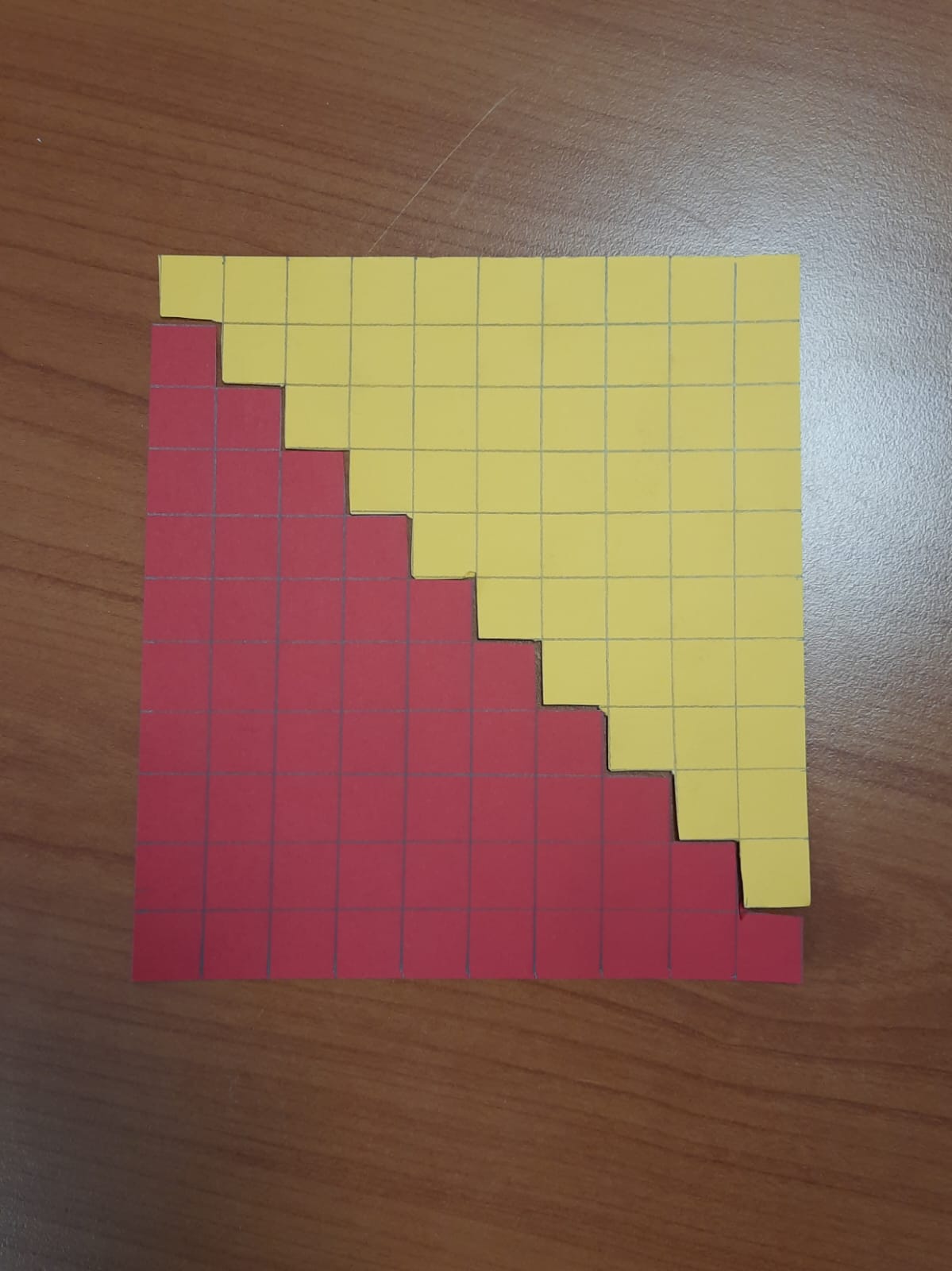
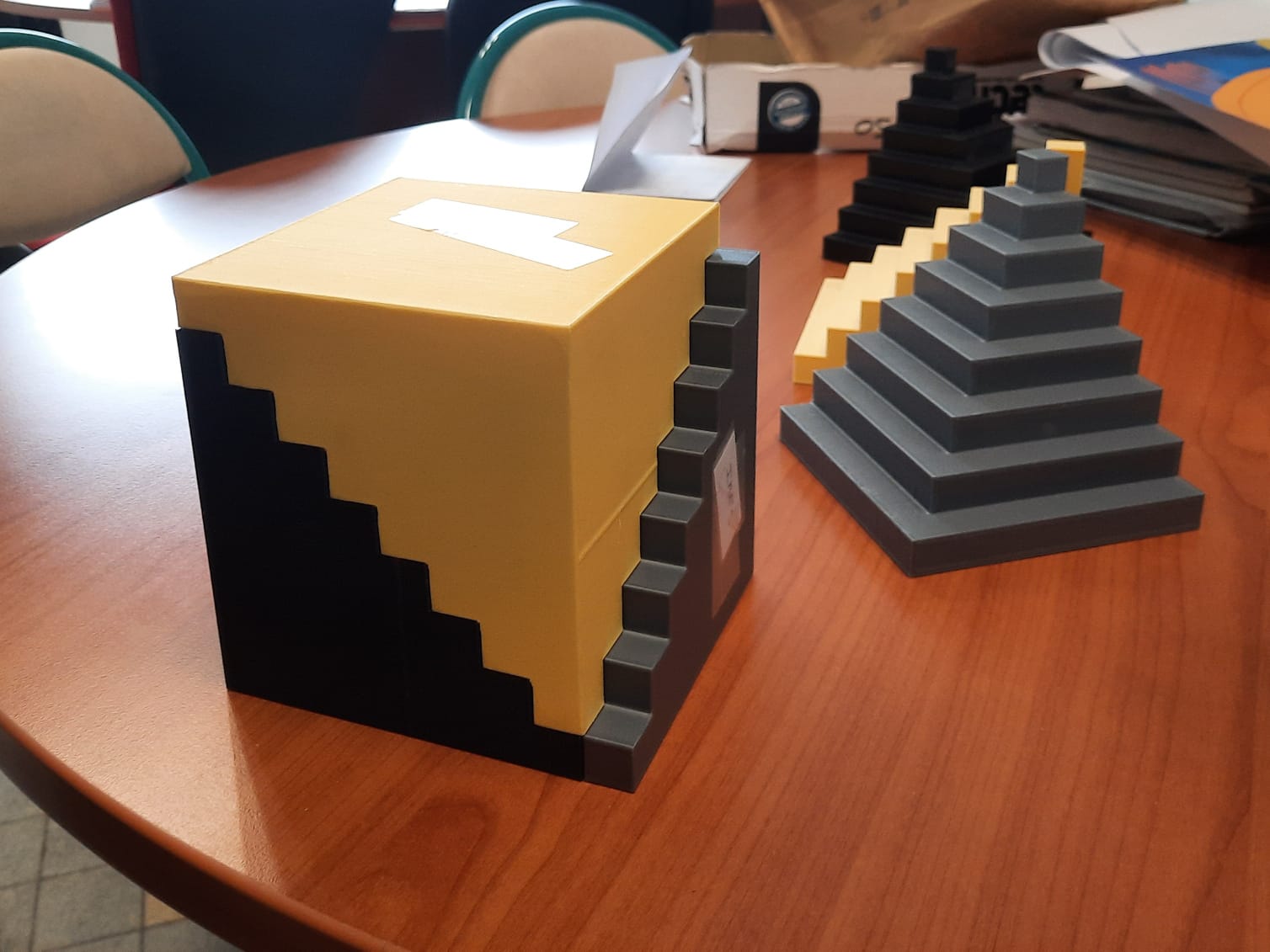
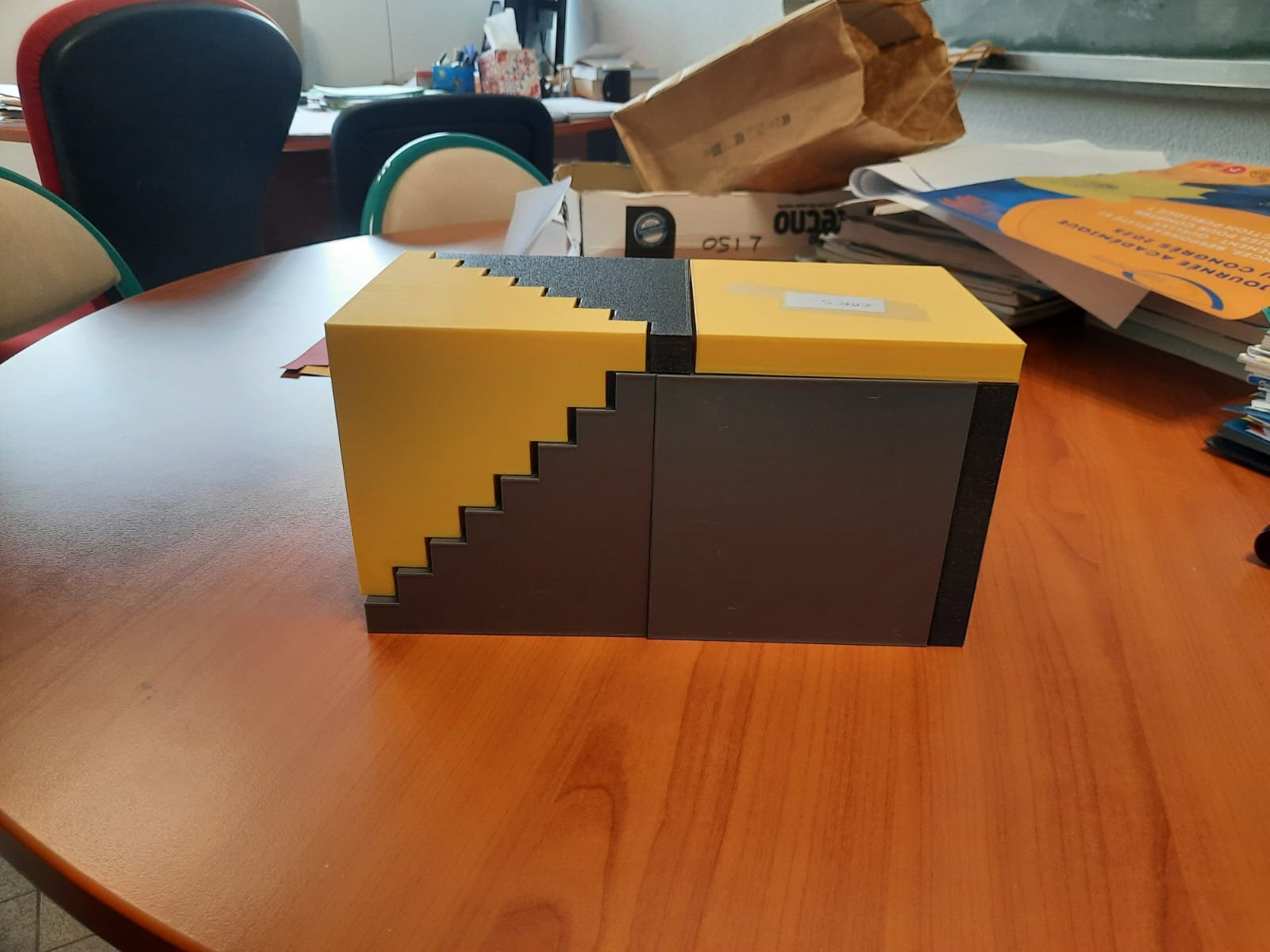
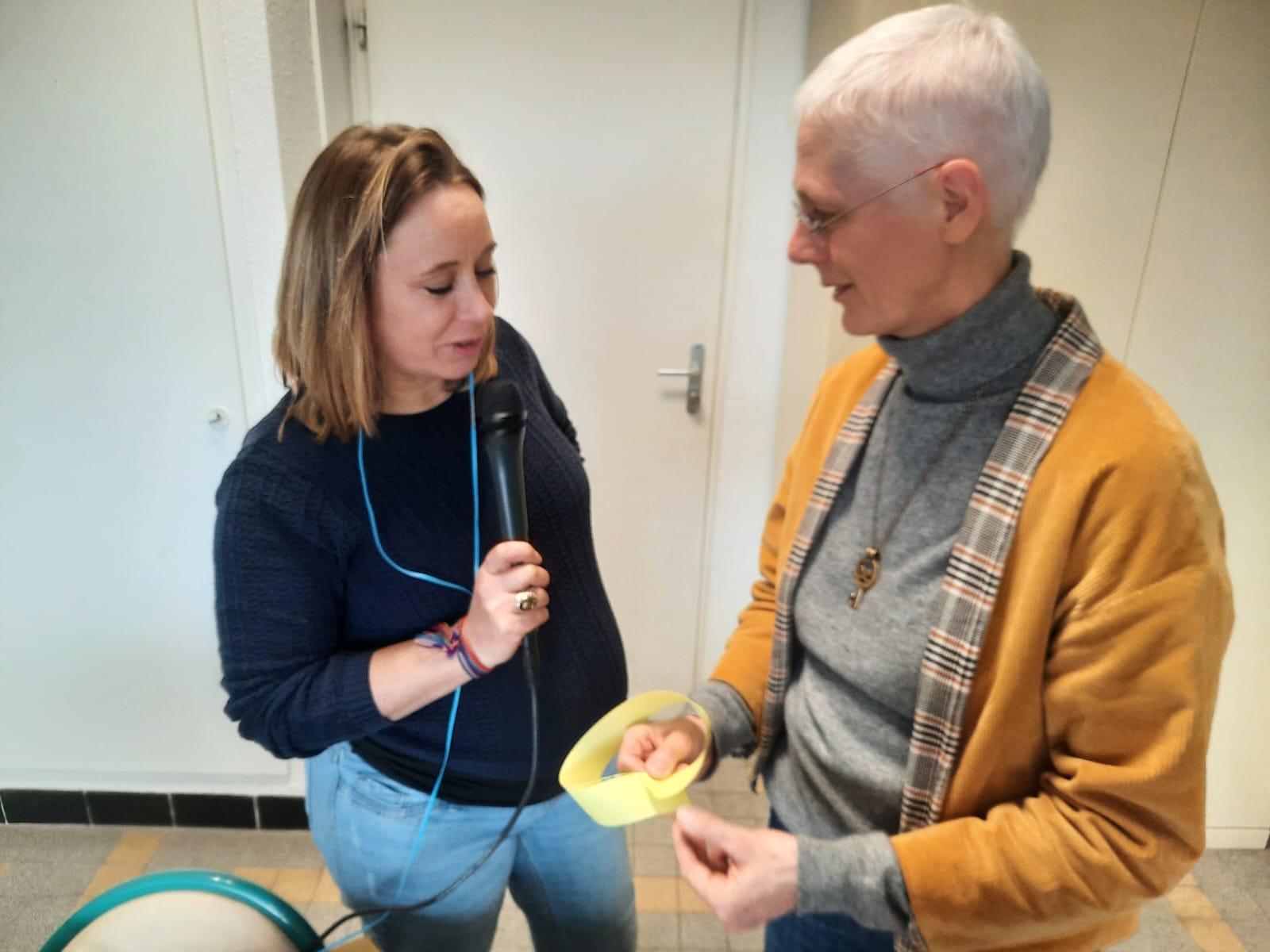
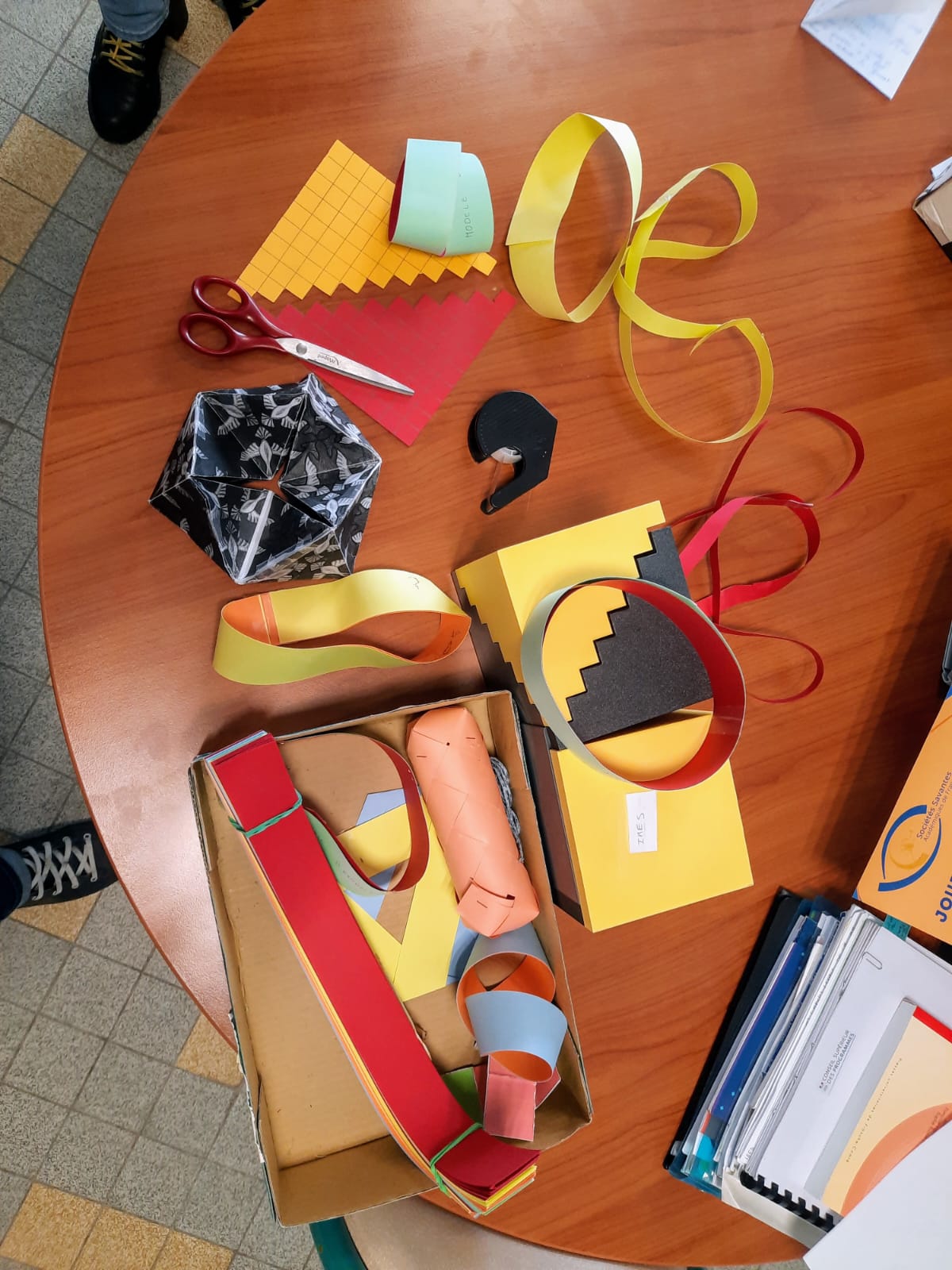
In the second part of the program, we continue our in-depth look atIRES, the Research Institute for Science Education, which aims to bridge the gap between research and secondary education. This time, we’re focusing on mathematics with Louise Nyssen, its co-director and a specialist in number theory at Imag. She offers us a unique approach: math that you can manipulate, fit together, and cut up—with surprising results designed to capture the attention of young children.
Finally, our last-minute guest is Leonardo Zezza, vice president in charge of social affairs and public health for the Montpellier Pharmacy Students’ Association. He’ll be introducing the “Côlon Tour,” which will be stopping by the Pharmacy campus tomorrow between 10 a.m. and 4 p.m.
Read:
- The study: “Global Marine Flyways Identified for Long-Distance Migrating Seabirds From Tracking Data,” February 16, 2025.
Listen:
- Science for Fun: From Seabird Migration to the Earth’s Movements, 2021
- "UM , Science: From COP15 to the Science Bar," 2023
At "UM : Science," here's the lineup—let's get started!
Co-production: Divergence FM / University of Montpellier
Host: Lucie Lecherbonnier
Interview: Lucie Lecherbonnier / Aline Périault
Reporting and editing: Aline Périault / Lucie Lecherbonnier
Director: Robin Laillou
Listen to the show “A l’UM la science” on Divergence FM 93.9

Check out theUM podcasts, now available on your favorite platform (Spotify, Deezer, Apple Podcasts, Amazon Music, etc.).