UM its performance and resource agreements (COM) with its academic departments, schools, and institutes
In 2025, the University of Montpellier decided to implement its performance agreements with each of its 16 academic departments, schools, and institutes (UEI). Already tested in the past, this ambitious initiative has now been confirmed and is part of a clear commitment to strengthening the institution’s cohesion while respecting the autonomy and unique characteristics of its various components.
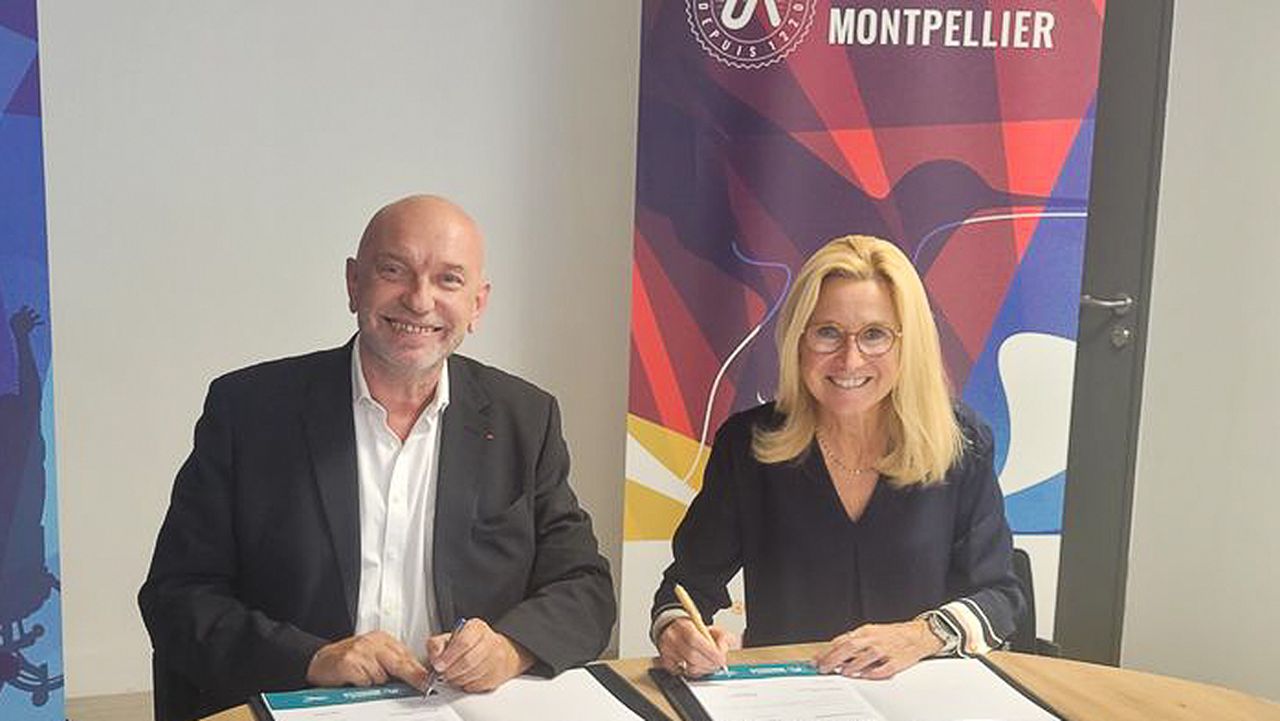
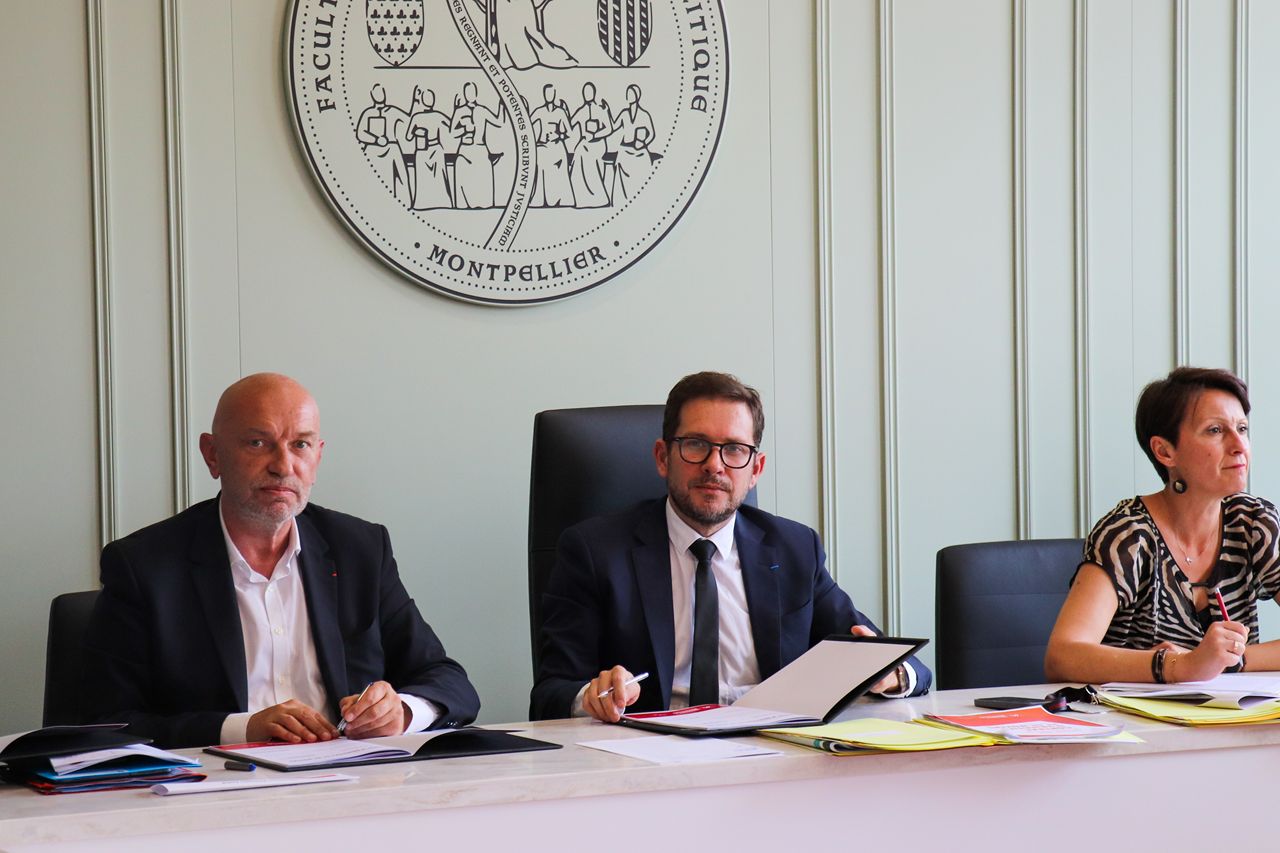
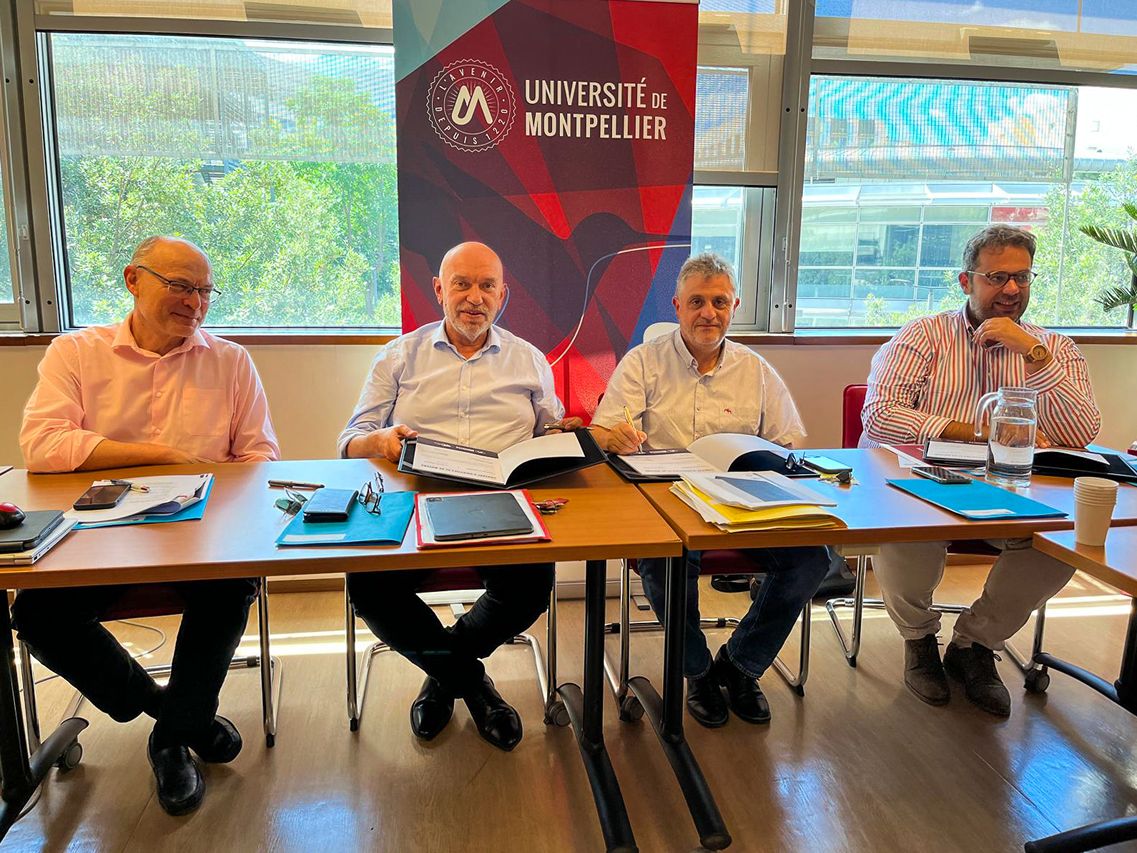
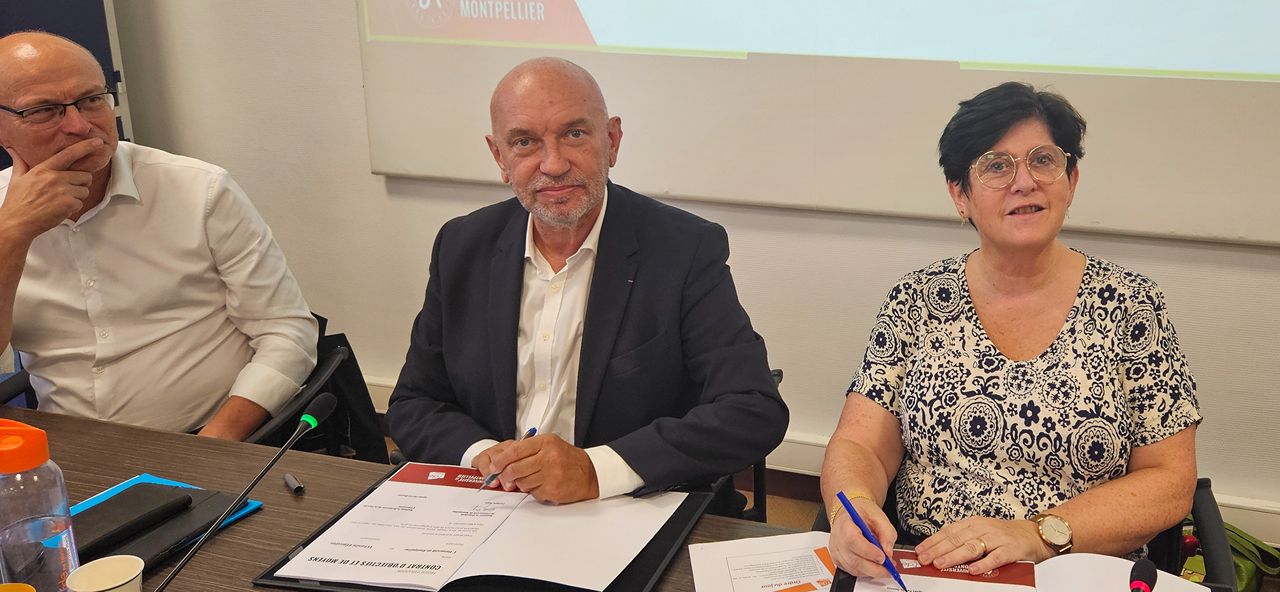
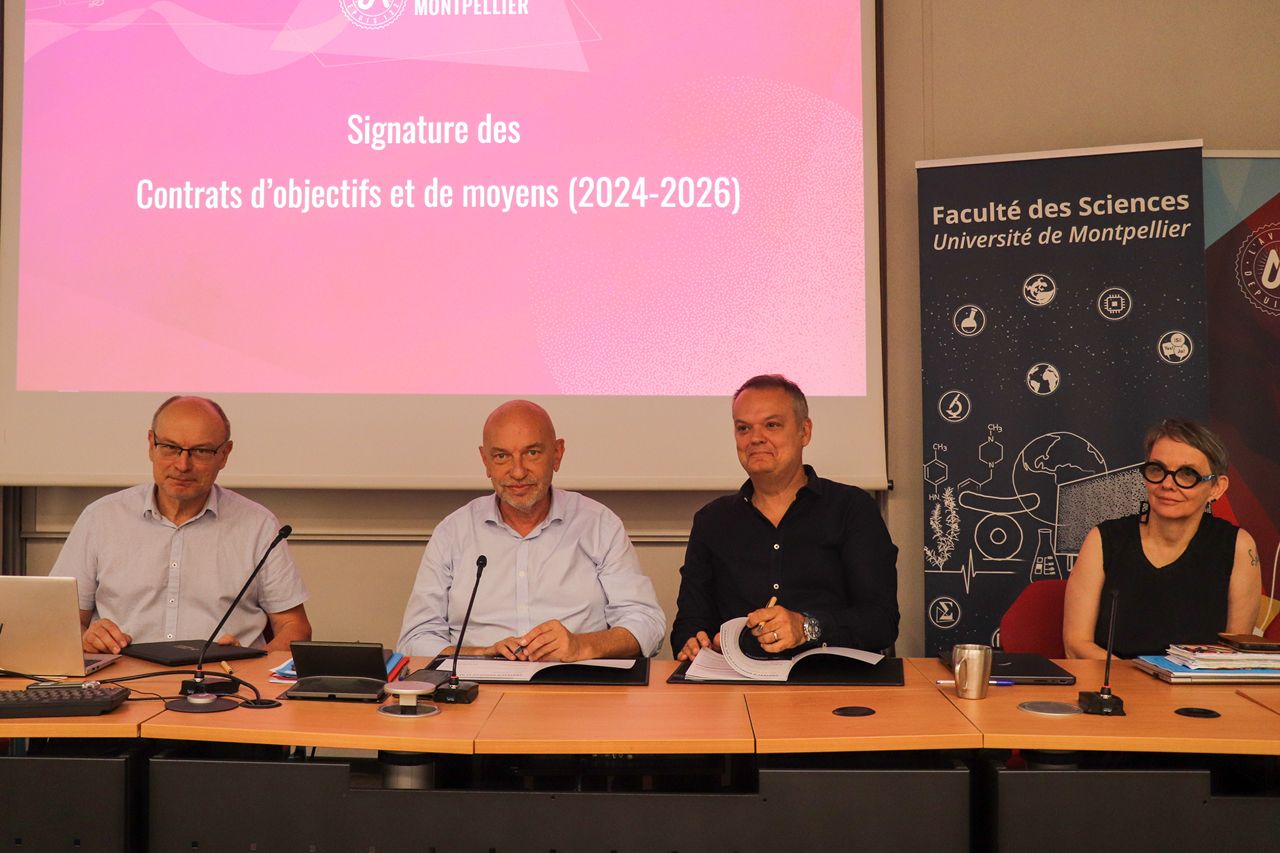
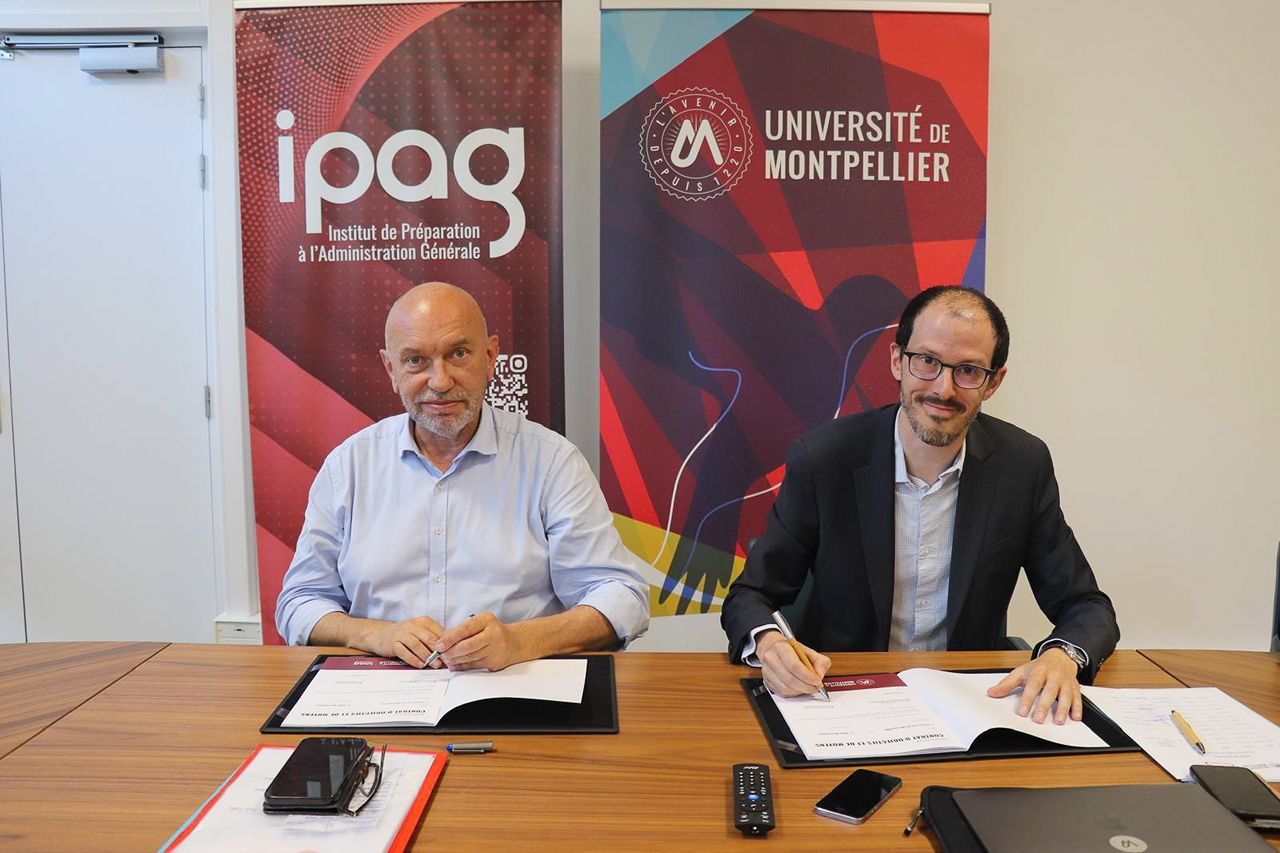
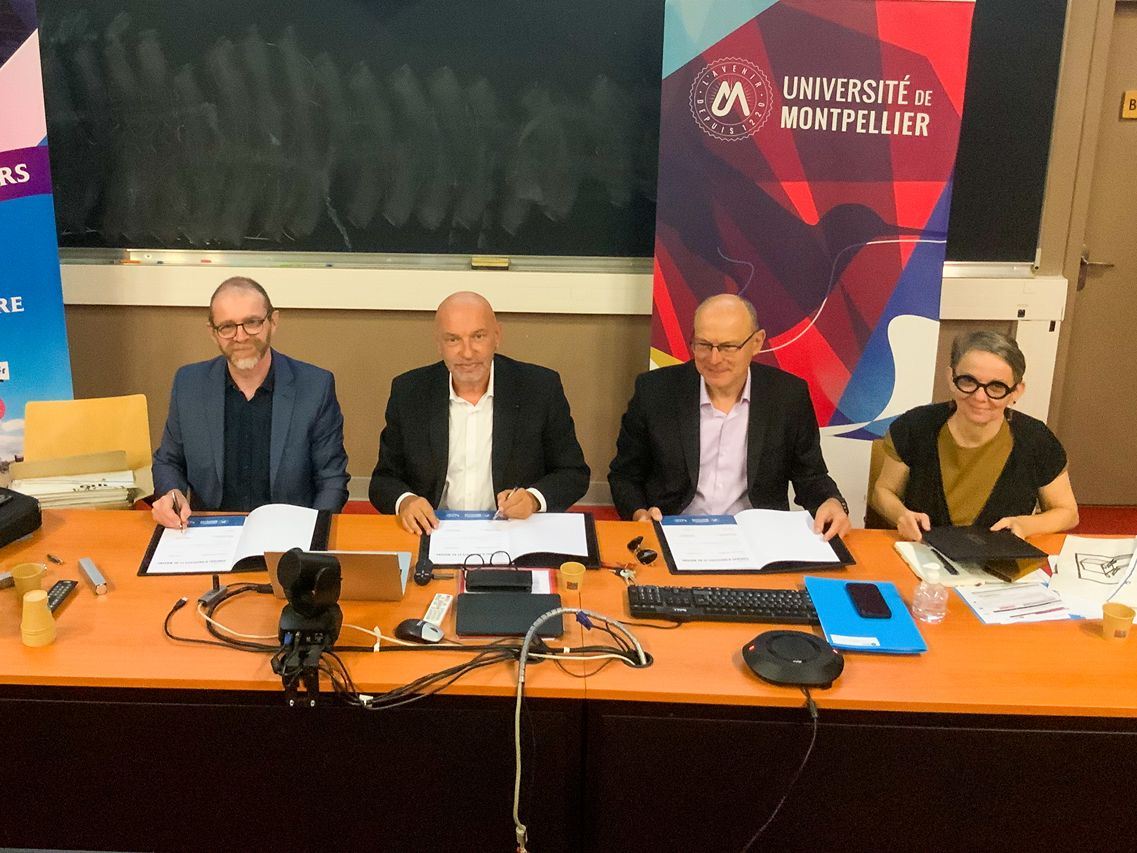
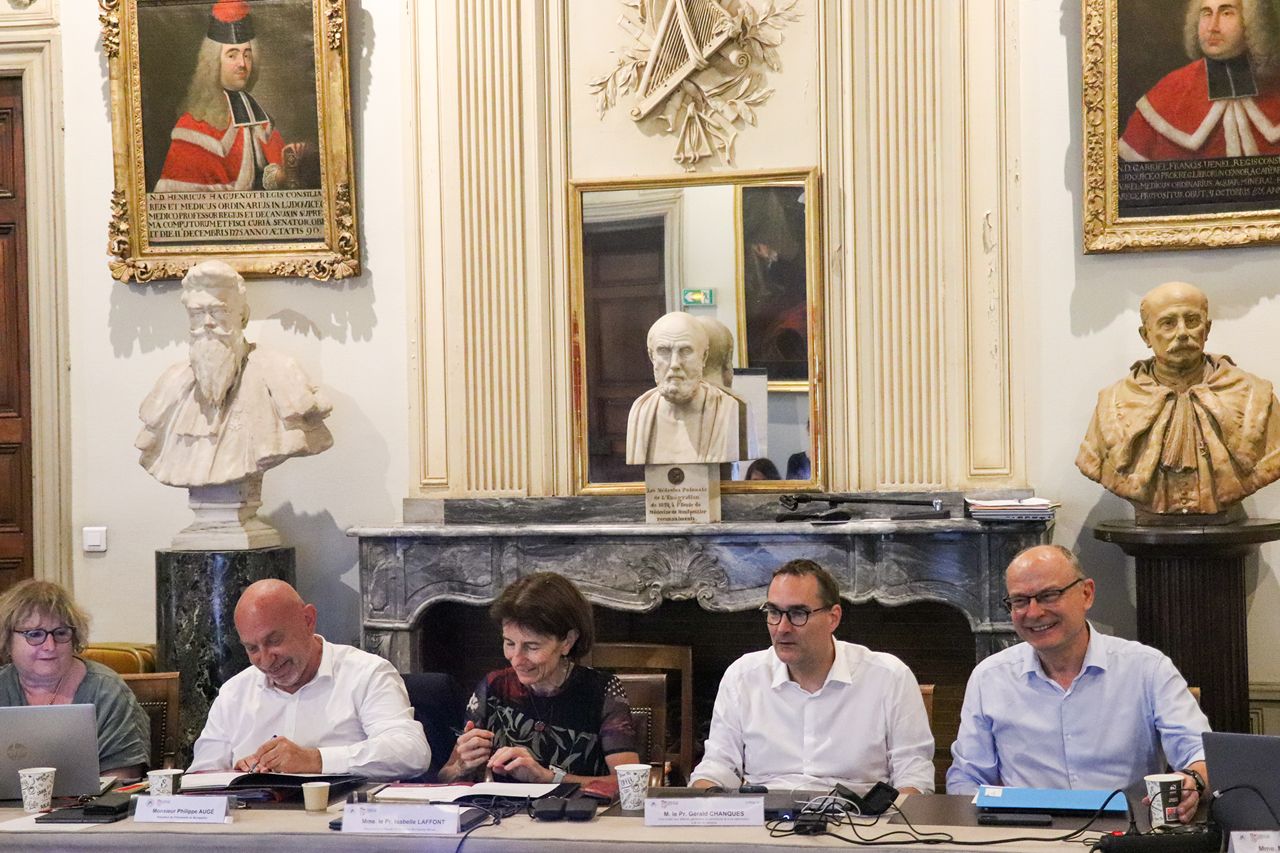
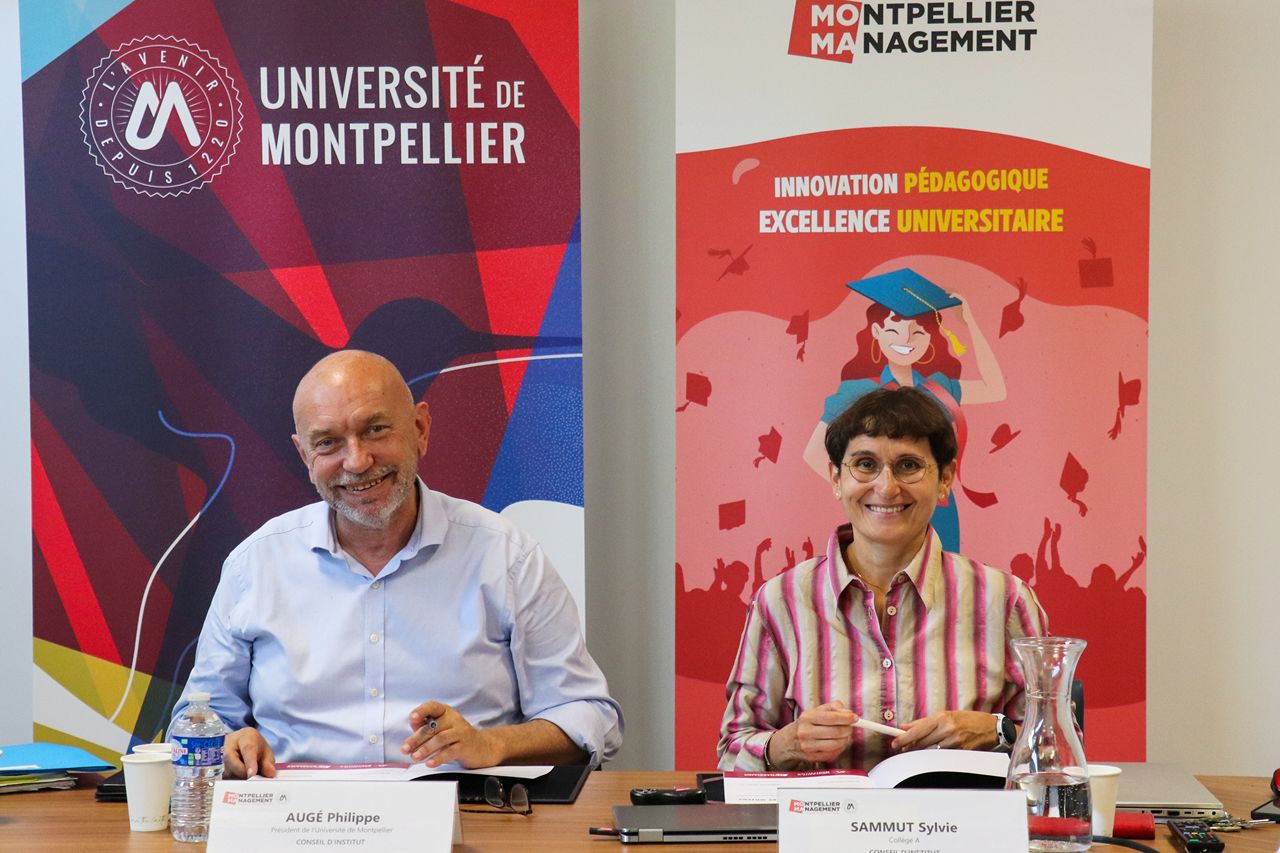
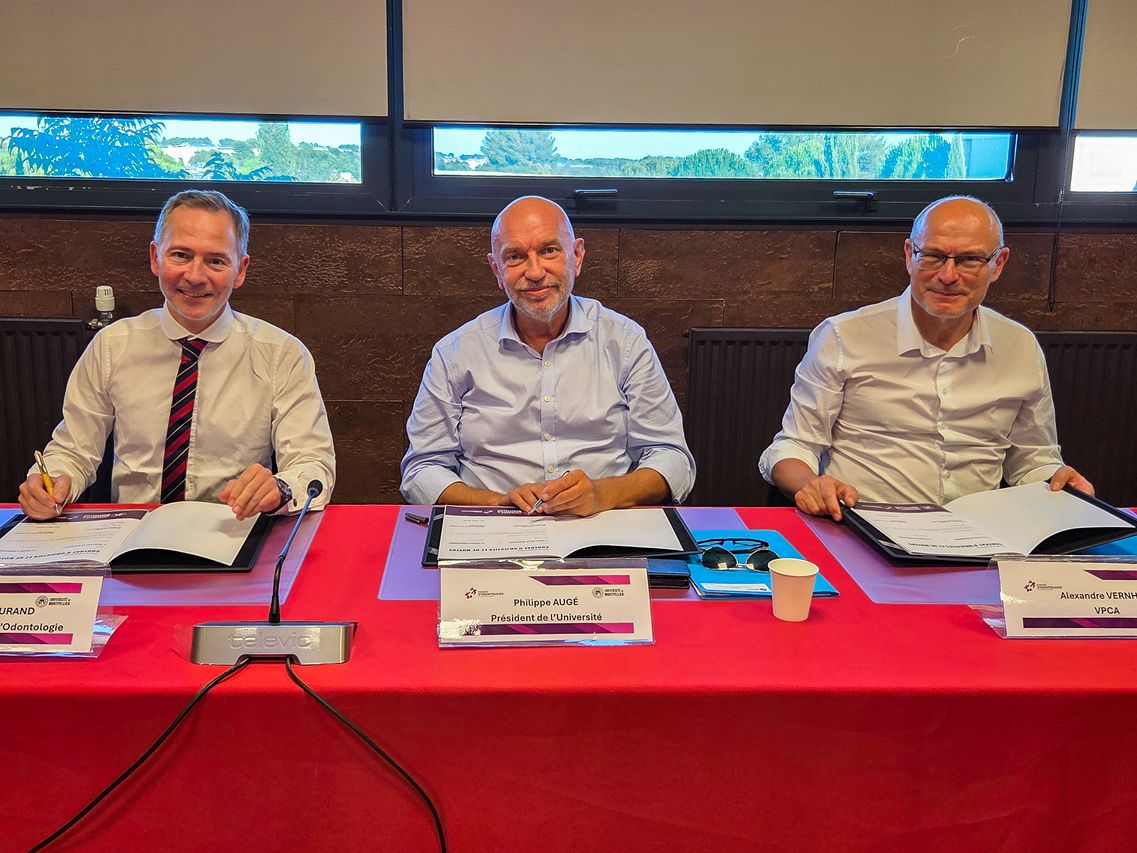
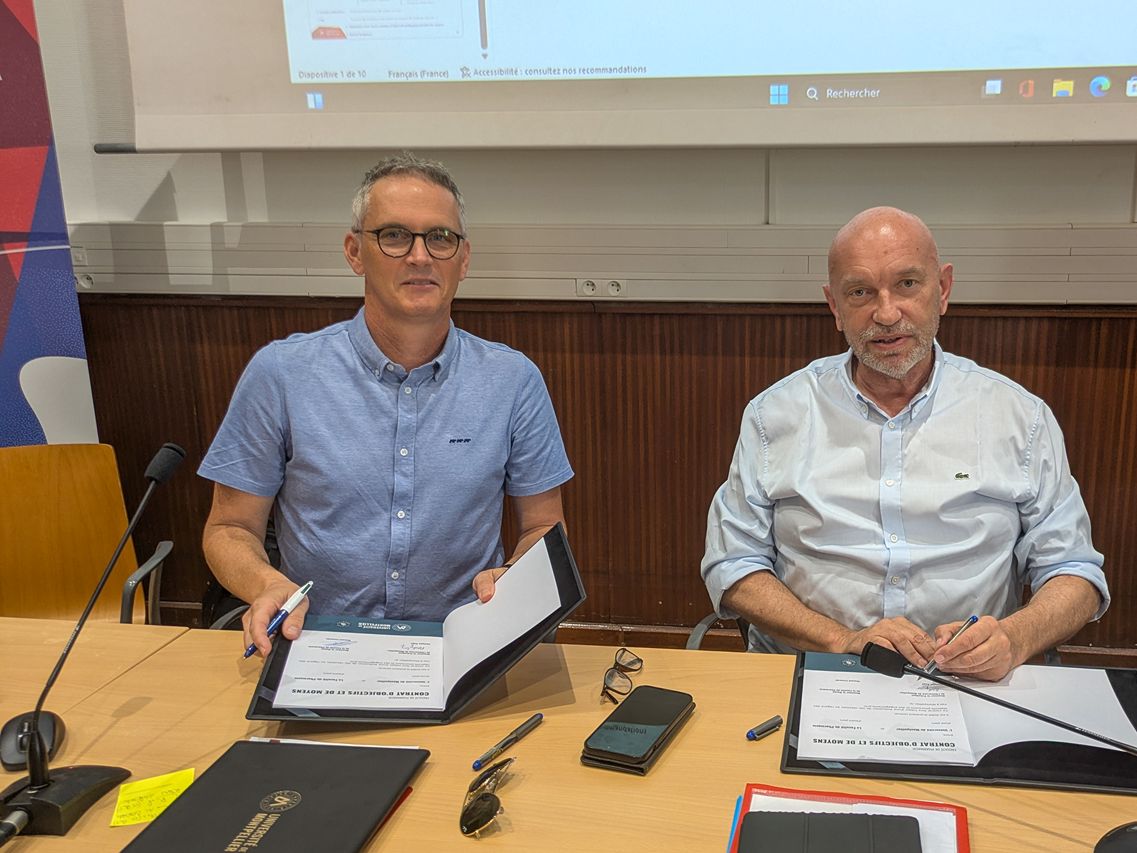
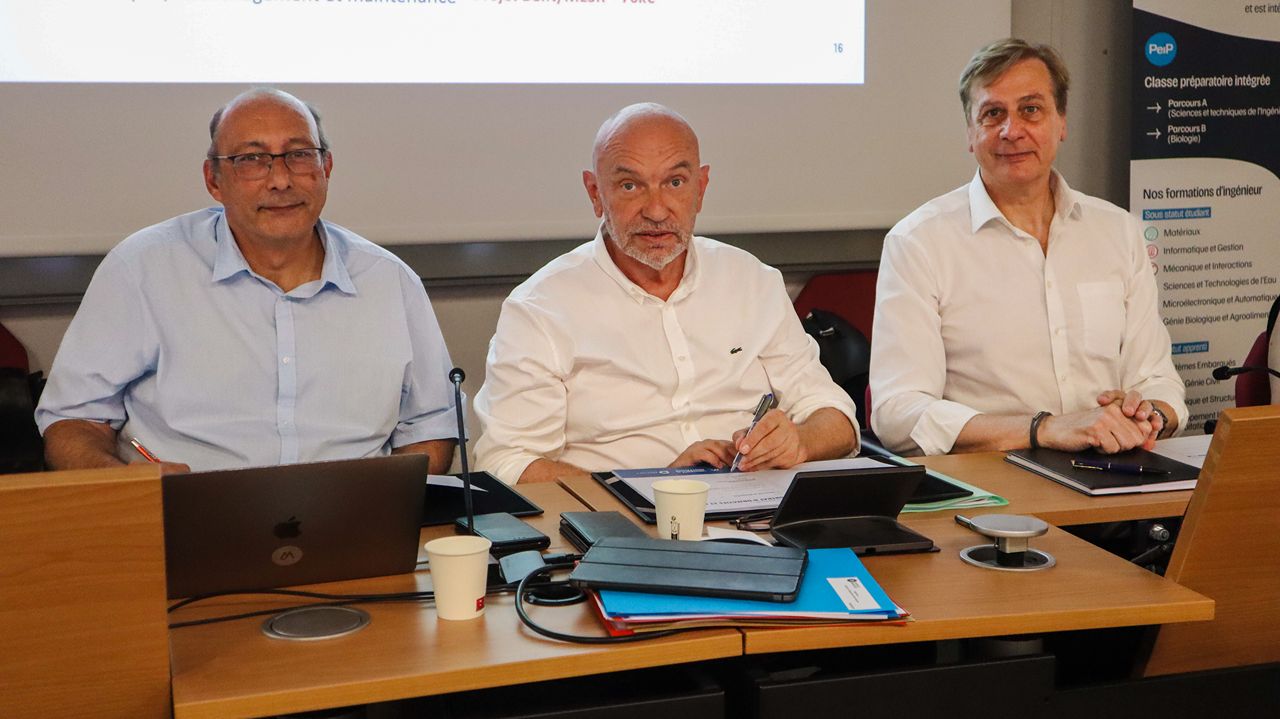
As part of the 2021–2026 multi-year agreement signed with the Ministry of Higher Education and Research, the University of Montpellier has identified the development of the COM as a key driver of its modernization and the consolidation of its management systems. Through these COM, the institution has sought to develop an effective management system aimed at aligning the strategies of its constituent units with that of the University, while also highlighting their unique characteristics in accordance with the principle of subsidiarity. Serving as a vehicle for dialogue between the administration and the UEIs, the COM also facilitate the dissemination of data and information specific to each unit.
These contracts are structured around four components. The first, focused on profiling, provides a detailed overview of each component in terms of its operations (student enrollment, academic offerings, success rates, career placement, etc.) and resources (human, financial, and physical resources, etc.).
The second section examines the strategy of each UEI, highlighting not only the unit’s contribution to the institution’s overall policy but also the unique characteristics and strengths of each unit.
By tracking key indicators derived from the institution’s policy documents, the performance component enables an assessment of the strategy.
Designed in coordination with central administrative services, these three components converge into a fourth component focused on providing financial support to the institution for the implementation of specific projects. With a budget of €1.8 million over three years, funded from the institution’s budget, these COM initiatives will enable the implementation of concrete actions in the coming years. Starting in 2025, some thirty projects have secured dedicated funding in the areas of education, student life, as well as ecological transition, social responsibility, and internationalization.
For Philippe Augé, President of the University of Montpellier, this internal contracting reflects a clear ambition: to consolidate a modern and collaborative governance model: “These contracts are a valuable tool for dialogue and management. They allow us to balance autonomy with cohesion, support our constituent units in their projects, and work together to enhance the University of Montpellier’s appeal and performance.”