A new home for Montpellier's medical community!
The oldest medical school in the Western world is moving from downtown Montpellier to the Arnaud de Villeneuve campus. All while reviving a long tradition of educational innovation…
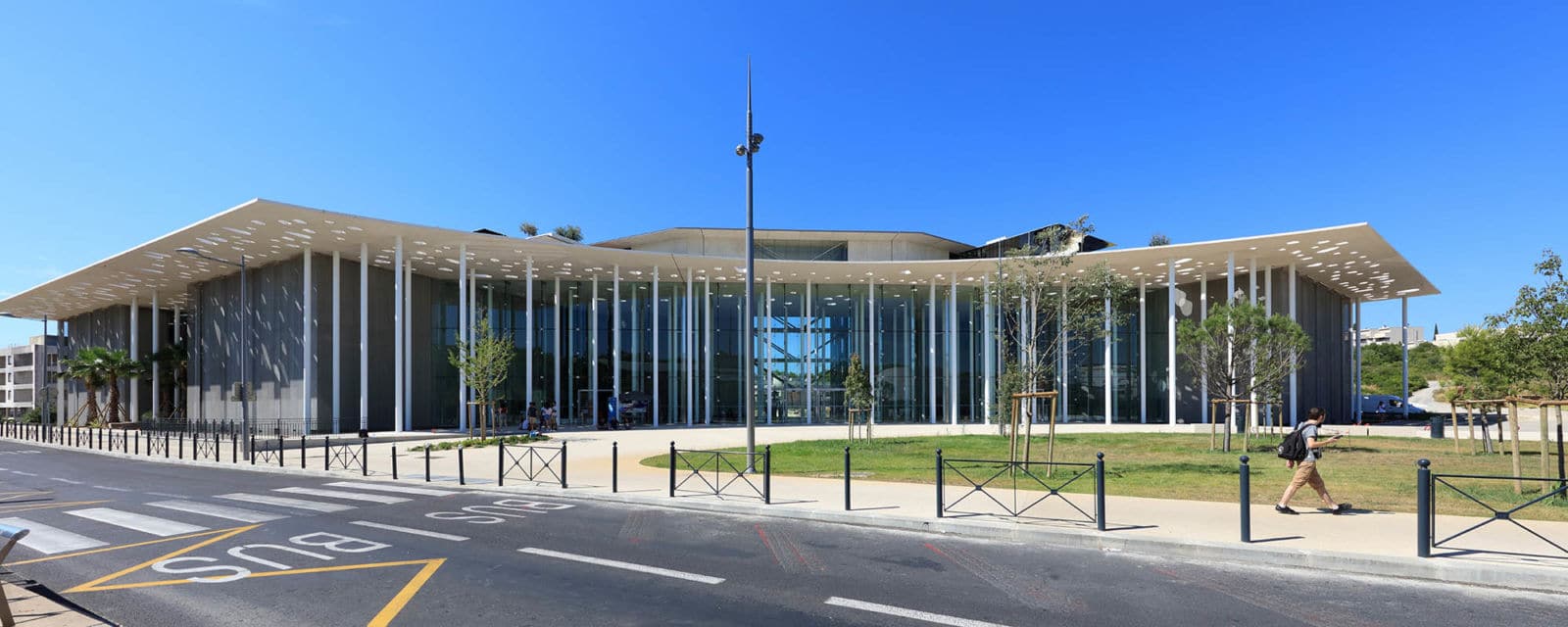
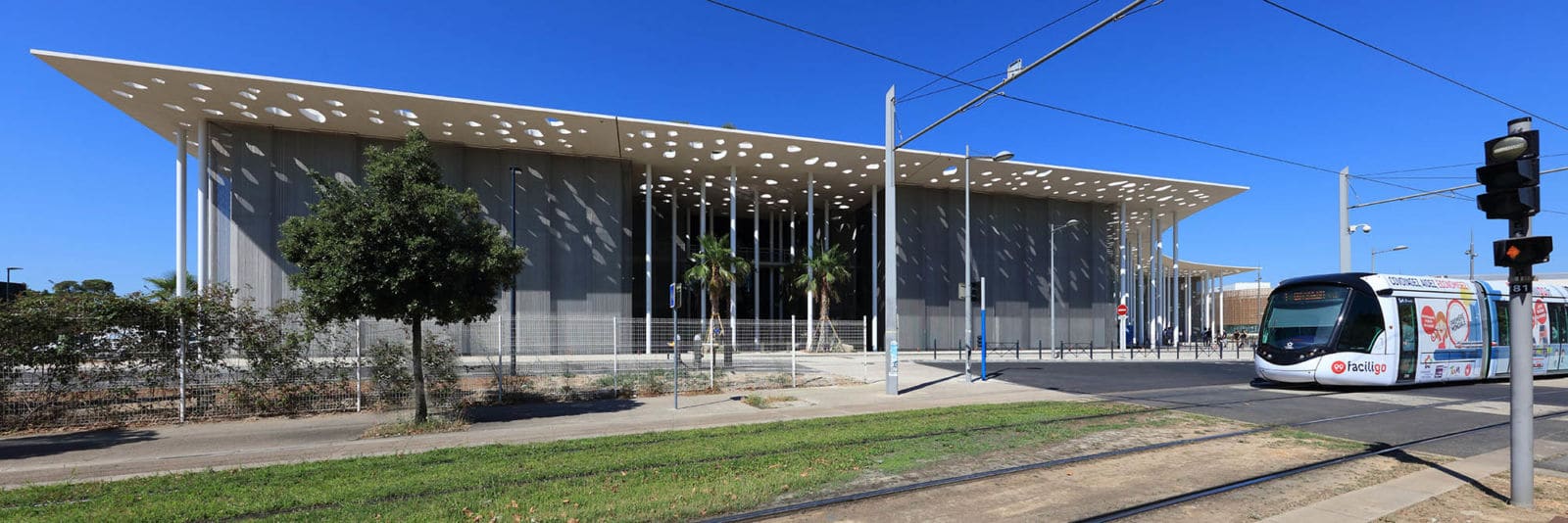
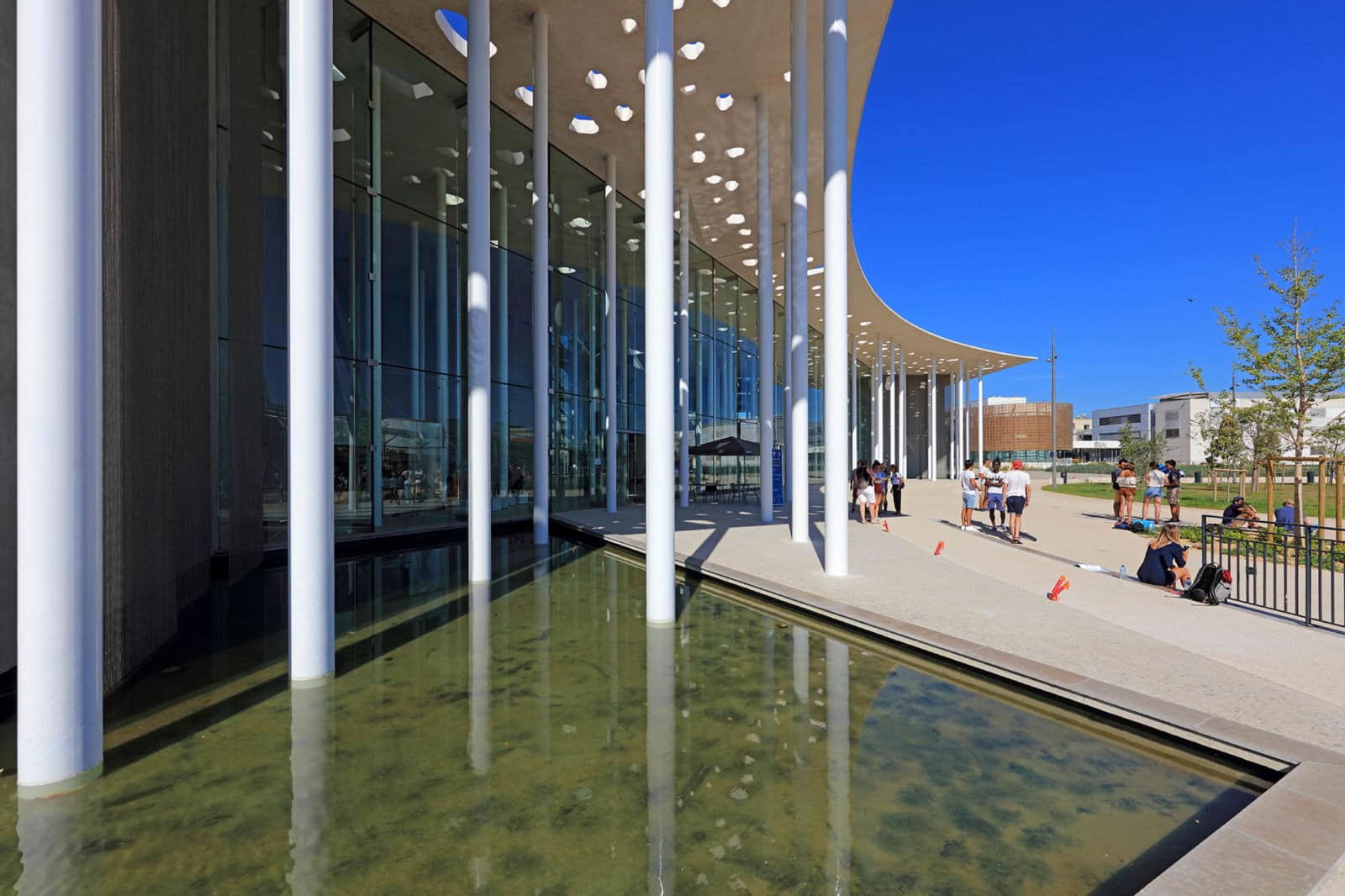
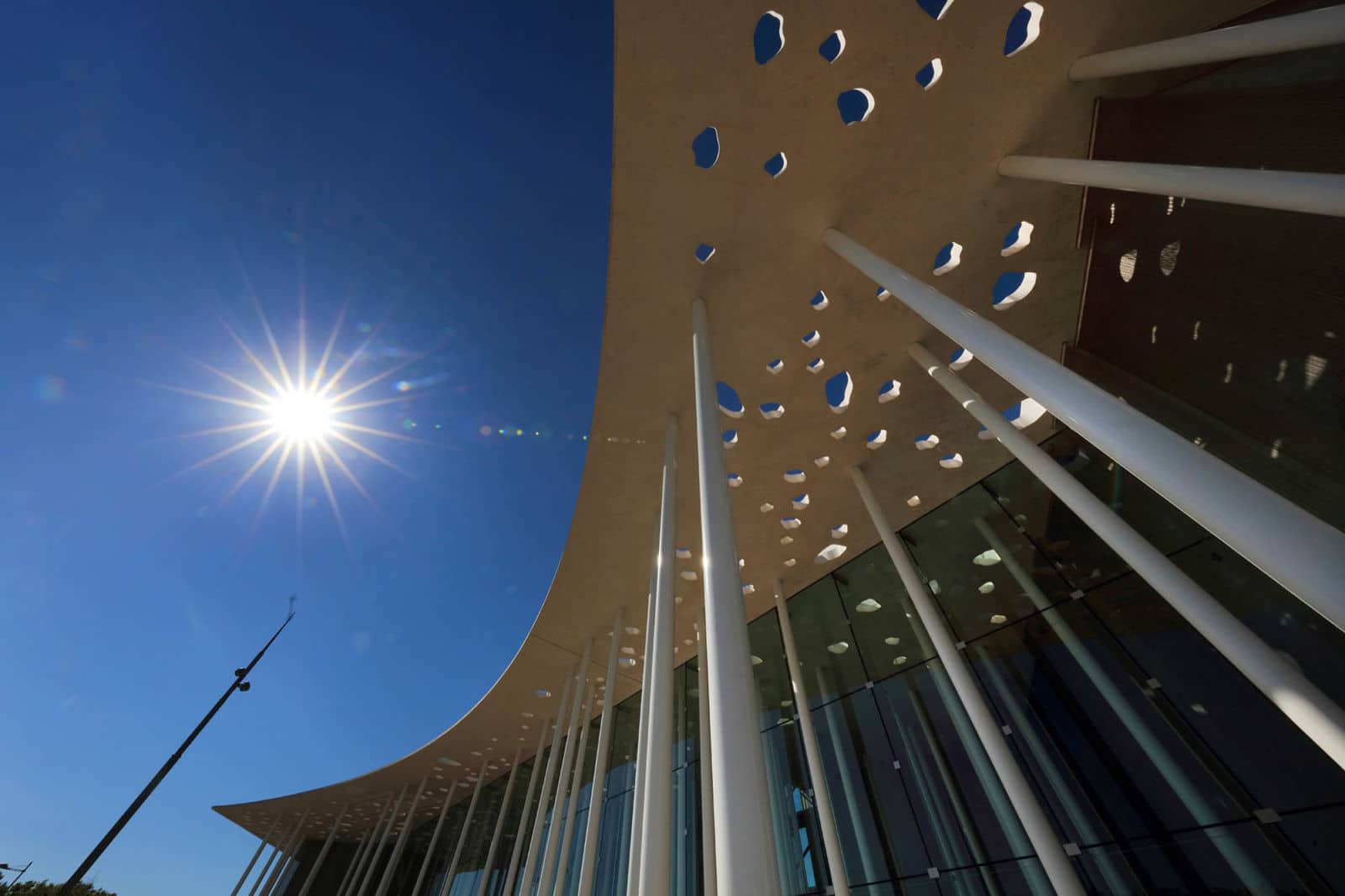
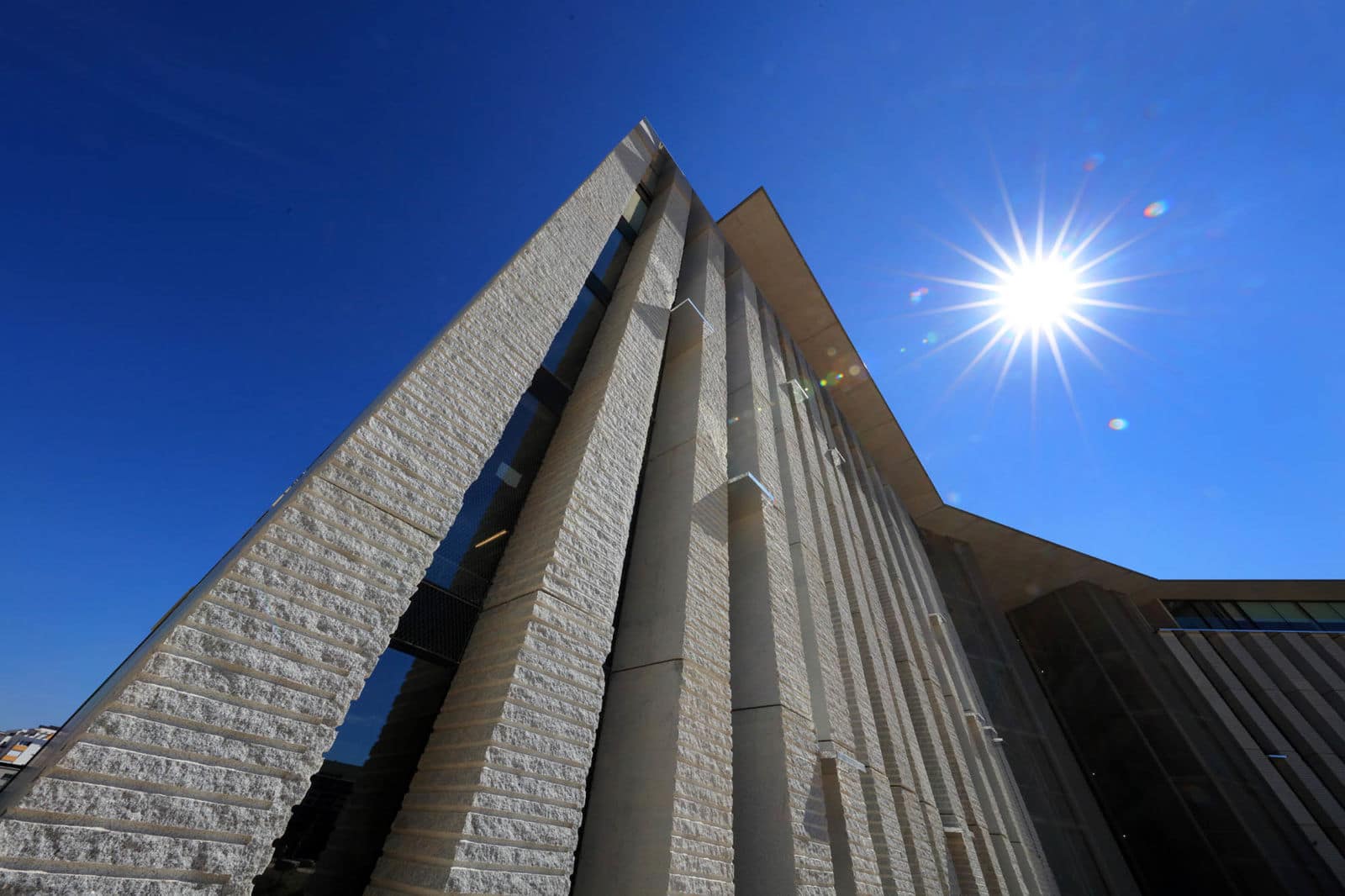
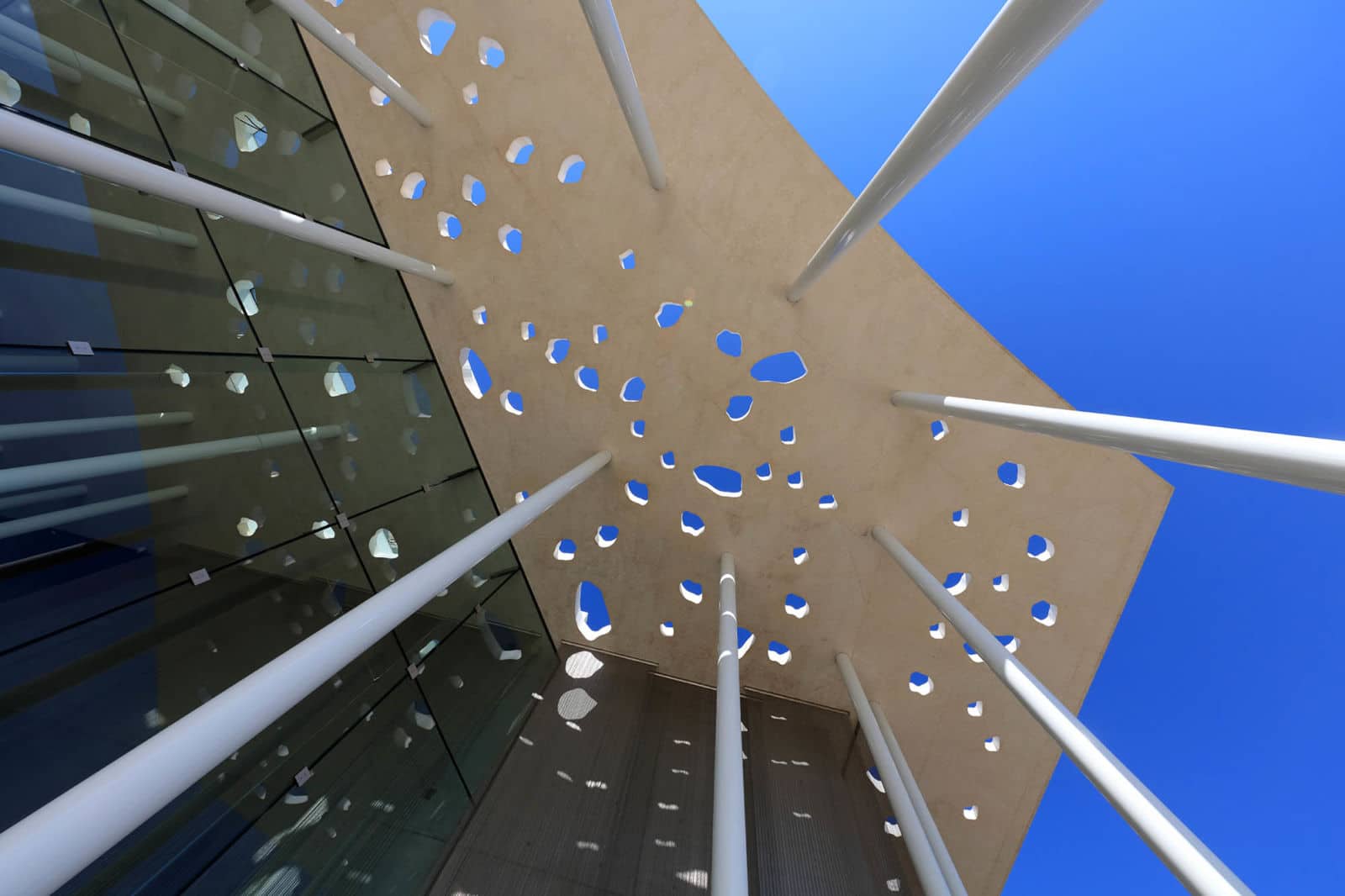
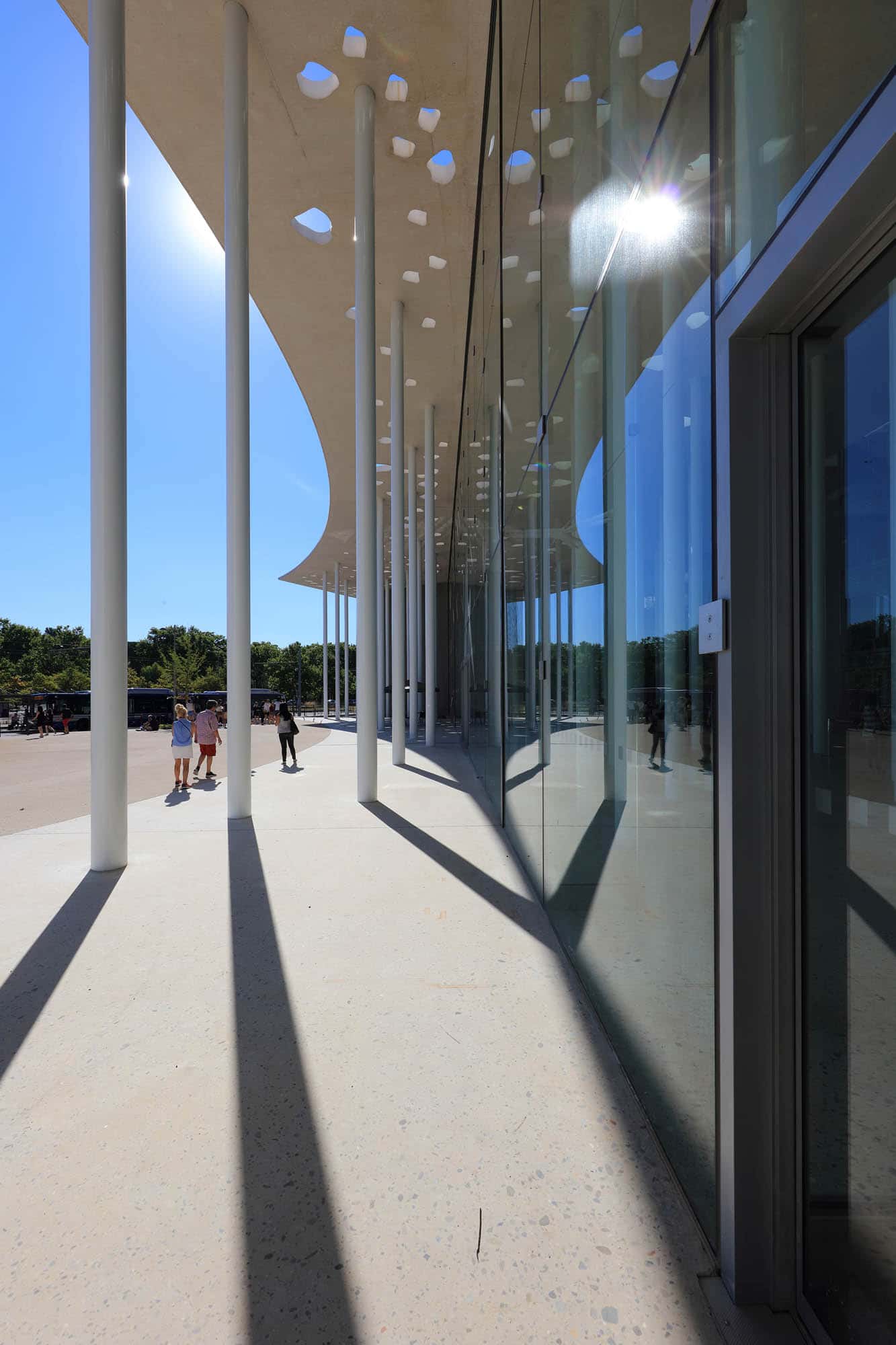
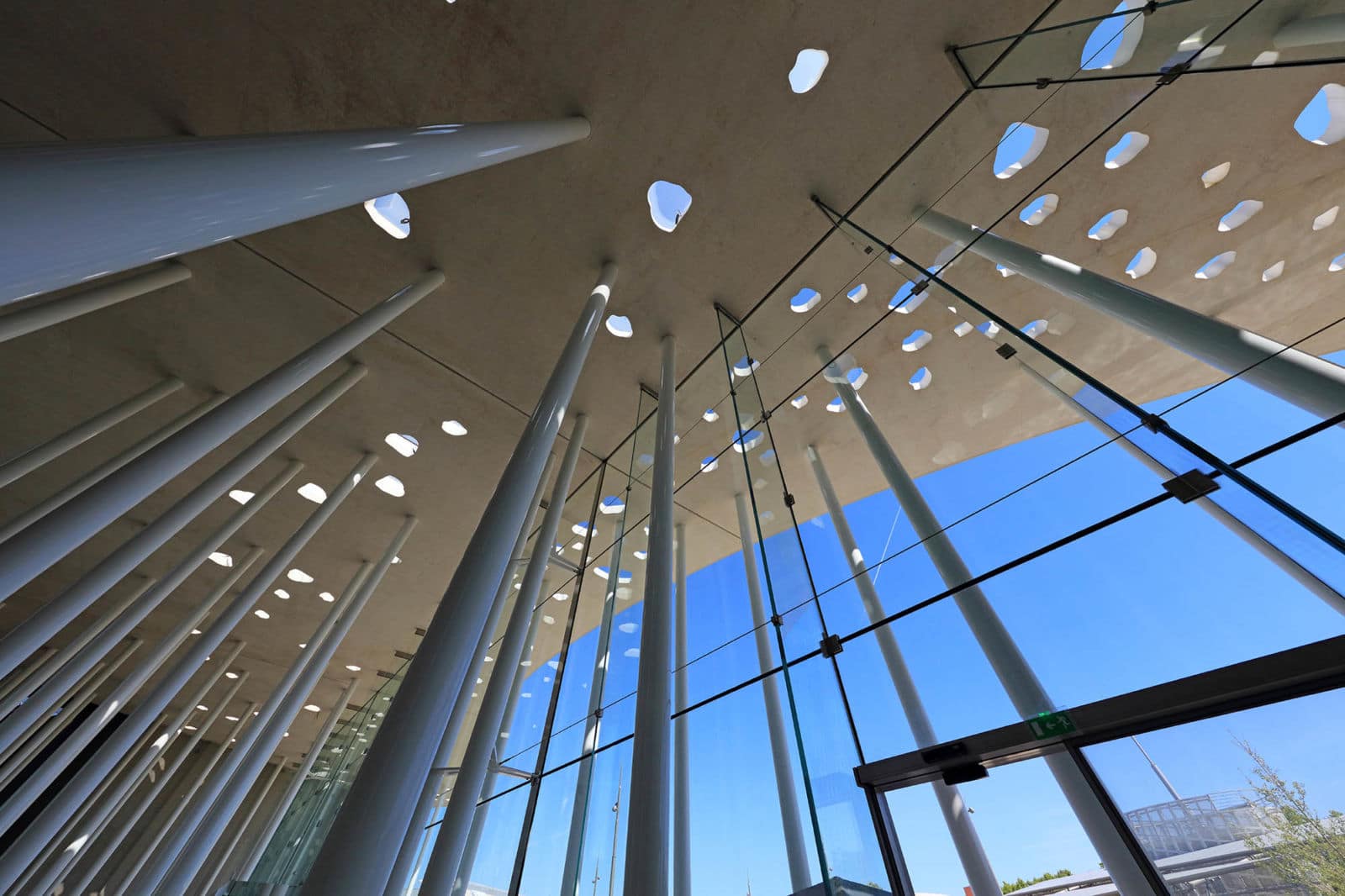
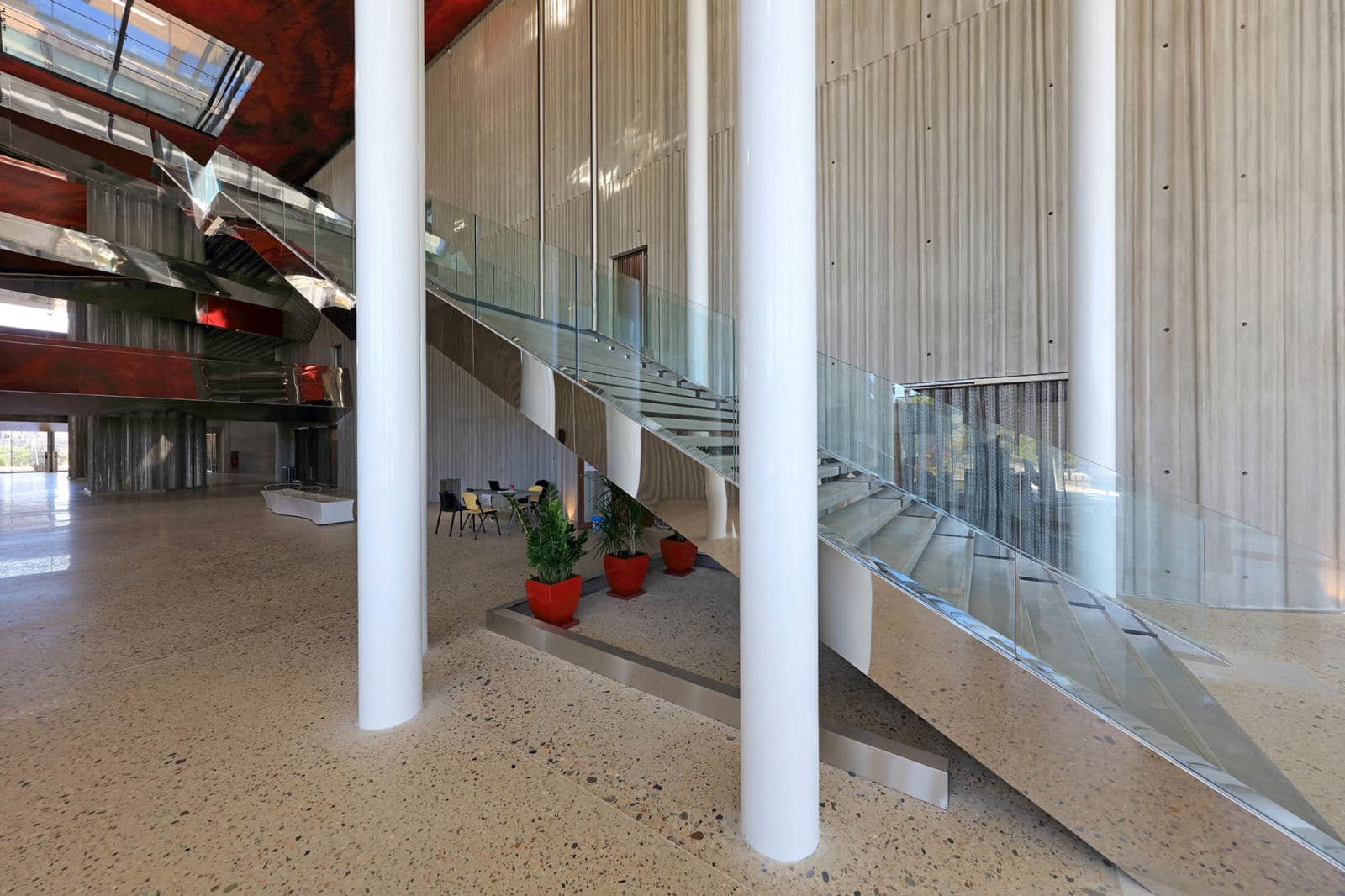
A center of gravity has just shifted. The pride of the University of Montpellier and a symbol of a city renowned worldwide for its medical education since the 13th century, the School of Medicine had been housed since 1795 in the former monastery adjacent to Saint-Pierre Cathedral. It has now left this prestigious building to be reborn in an ultra-modern glass structure at the heart of the Arnaud de Villeneuve campus.
Medicine of the Future
A campus largely dedicated to biology and health: it is home to the Regional University Hospital, the Medical Education Unit of theUM , and world-class research units (the Institute of Human Genetics,the Institute of Functional Genomics, the Center for Structural Biology, andthe University Institute of Clinical Research ); as well as the CNRS’s Genopolys center, a hub for scientific exchange and collaboration in the field of health.
Located in close proximity to hospital campuses and research centers, the new faculty offers a medical education platform that is unique in France and at the cutting edge of new teaching methods: videoconferencing, visual communication, distance learning, telemedicine, medical simulation, medical robotics, and more…
Putting People at the Heart of Education
It also aims to be a place of learning where teaching is centered on the human experience, for the greatest benefit of the students. Through role-playing, simulations of medical procedures, and even theater workshops designed to teach future practitioners “interpersonal skills,” the project’s creators sought to promote a humanistic and compassionate approach to medical practice.
This vision is one thatMontpellier-based architect François Fontès sought to place at the heart of the building’s design, which “must, through its modernity, evoke its history and influence, as well as the essence of the science of humanity.”
800 Years of History
As the birthplace of medical education, Montpellier owes its renown to its iconic medical school, founded in 1220—the oldest medical school in the Western world still in operation. The beginnings of medical education in Montpellier coincide with those of the city itself, a commercial center founded in 985 along a major trade route, at the crossroads of Jewish, Arab, and Italian influences.
This reputation attracted distinguished physicians to Montpellier, including Arnaud de Villeneuve, Gui de Chauliac, François Lapeyronie, Rondelet—who built the first anatomy lecture hall—Nostradamus, who was expelled for insubordination, and François Rabelais, who received his medical degree in 1537.
By the Numbers
Total cost: 45.9 M€
3,600 students
11,440 m² of total floor space spread over 6 levels
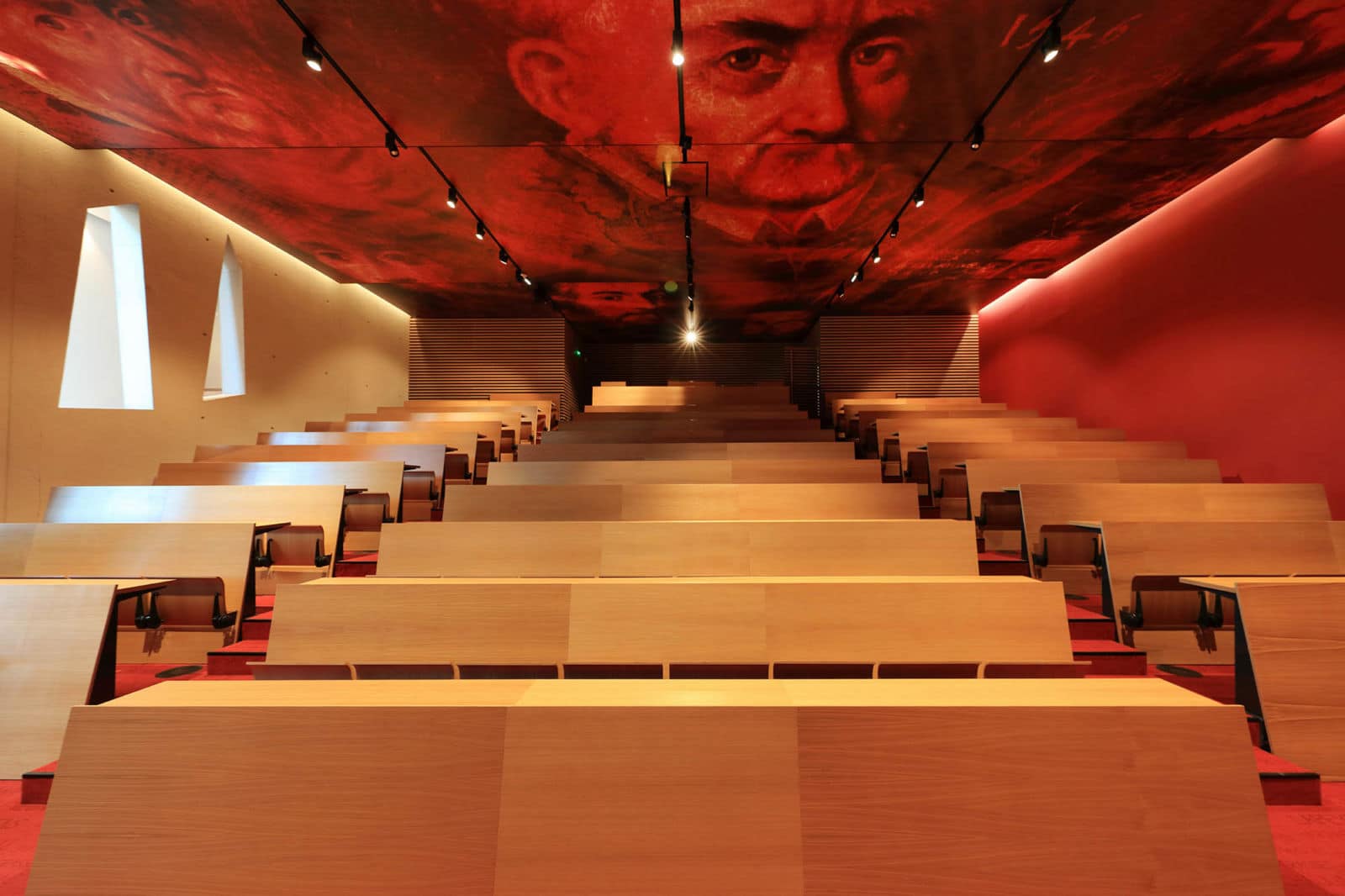
5 lecture halls with 200 to 240 seats
25 classrooms or study rooms