"UM : Science" [S01-ep01]: From Tanzania to the Fabre Museum
On the agenda for this first episode of the season: the socioeconomic benefits of marine protected areas, featuring Alicia Dalongeville from the MARBEC Marine Biology Laboratory and Antoine Leblois from the Montpellier Center for Environmental Economics. In the second half of the episode, Delphine Jullien from the Mechanics and Civil Engineering Laboratory takes us on a tour of the Fabre Museum.
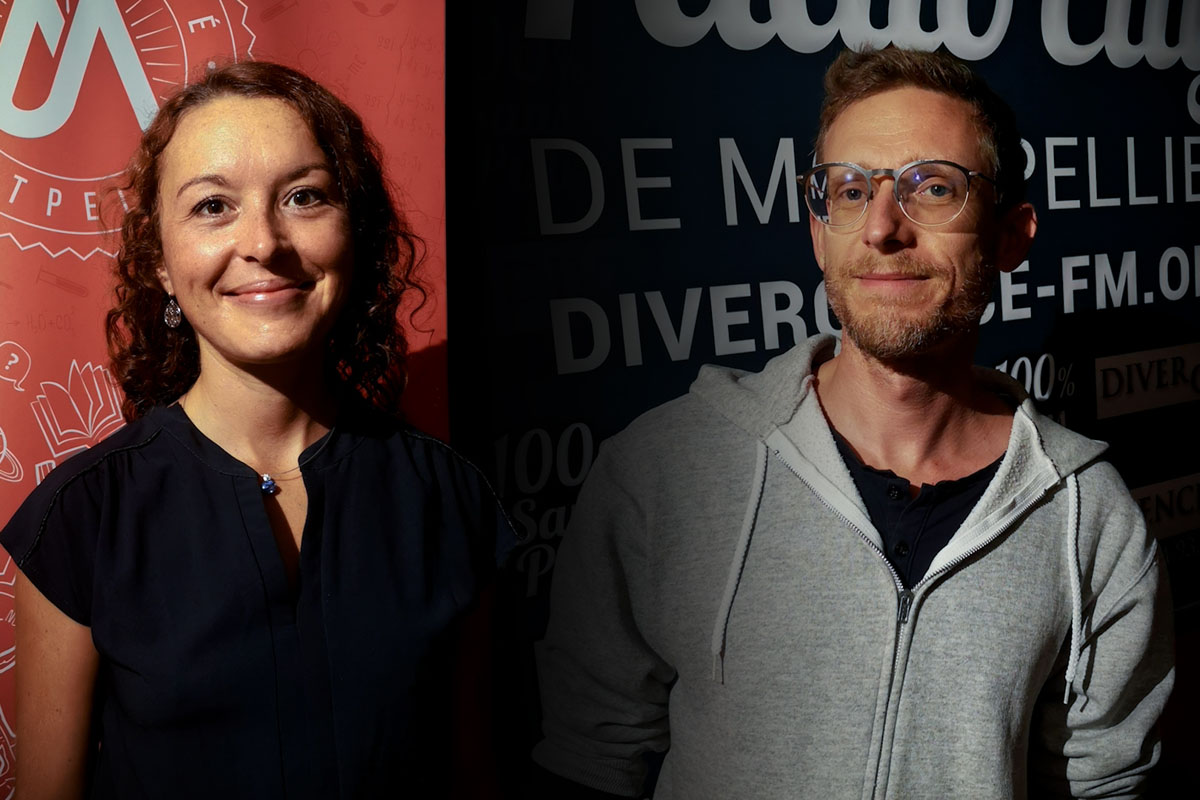
For this first issue of *A l’UM * science, we’re shining the spotlight on Africa. On October 8, Montpellier hosted the Africa-France Summit. This provided the University with an opportunity to organize four days of scientific meetings and discussions focused on research and innovation on the continent. We’re continuing this international event today by taking you to Tanzania.
The Socioeconomic Benefits of Marine Protected Areas
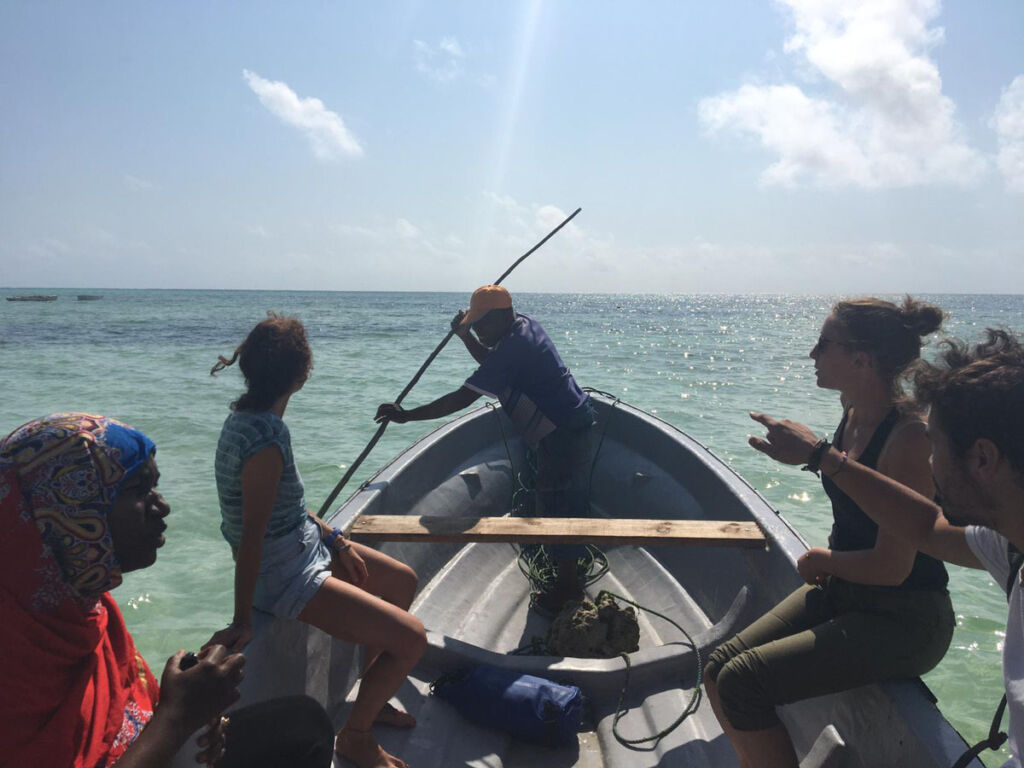
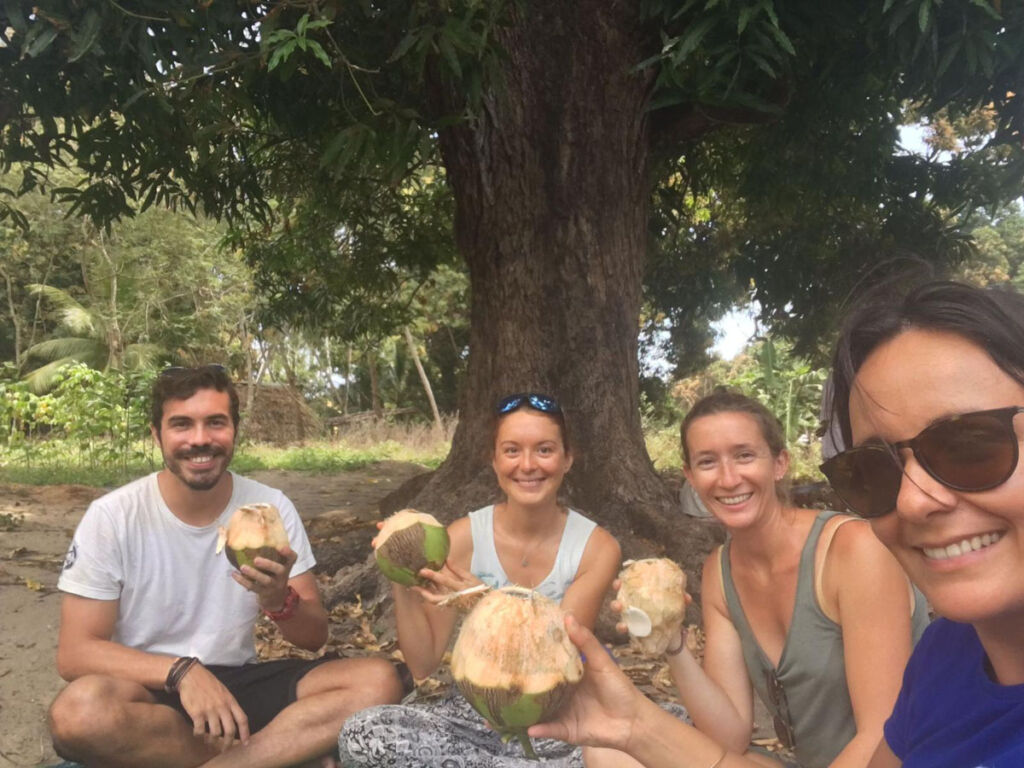
Beyond Zanzibar’s idyllic beaches, the grand safaris in the Serengeti, the snows of Kilimanjaro, and the shores of Lake Victoria, Tanzania is one of the poorest countries on the continent, as nearly one-third of its population lives below the official poverty line. In this context, fishing appears—even more so than elsewhere—to be an indispensable resource for the local people. So, is it possible to reconcile the vital needs of the population with the conservation of marine environments, which, like everywhere else, are under threat from climate change and human pressure? That is what our guests want to know. To find out, they went into the field to assess the potential socioeconomic benefits of establishing marine protected areas in Tanzania. Now back from their mission, they share their initial observations with us.
Joining us in the studio are Alicia Dalongeville and Antoine Leblois. She is a research engineer in marine biology at the MARBEC laboratory and a professional diver. He is an economist at CEE-M, the Montpellier Center for Environmental Economics, and a specialist in water resource management and climate change adaptation.
LUM Special Issue: “Afr icas”
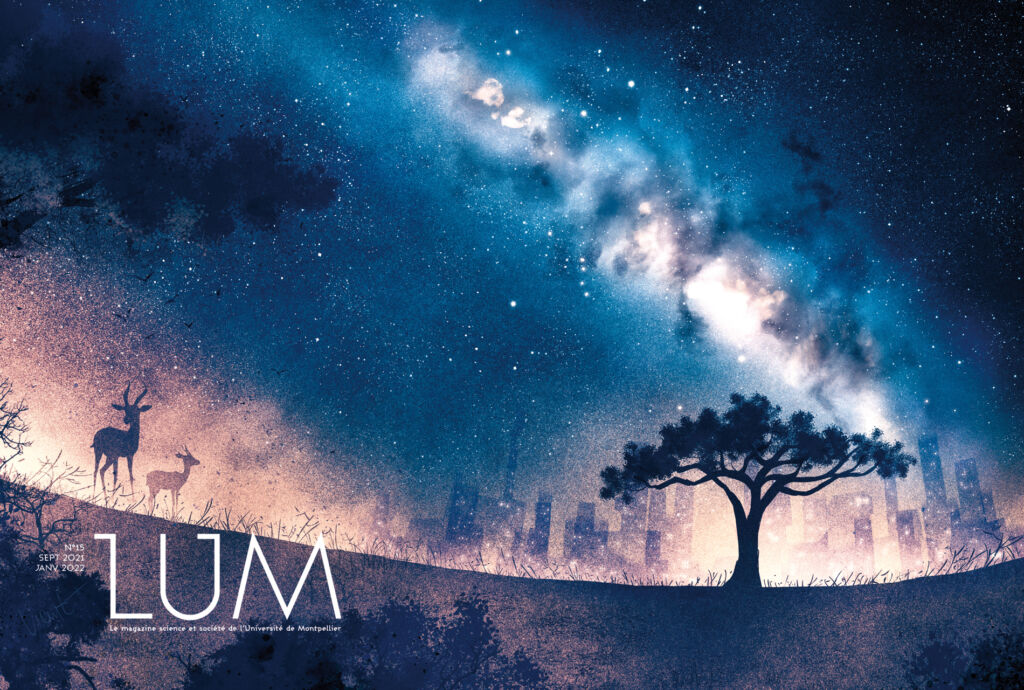
This quarter, LUM magazine is also bringing you a special issue dedicated to “Africas.” Track elephants on their mysterious migrations, and keep an eye on beaches that are disappearing before our very eyes. Follow the researchers who work every day to better understand issues related to water and food resources, in order to anticipate and adapt to changes—both climate-related and demographic. Also meet those who battle daily against major health threats such as the Ebola virus and sleeping sickness… Findthe digital versionon the University of Montpellier website.
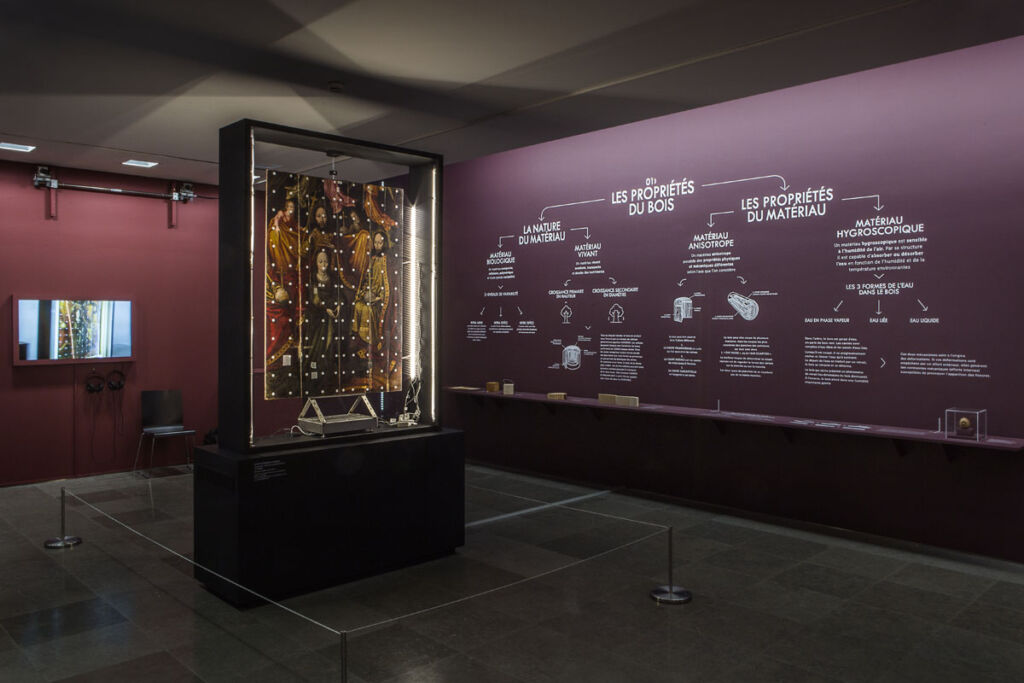
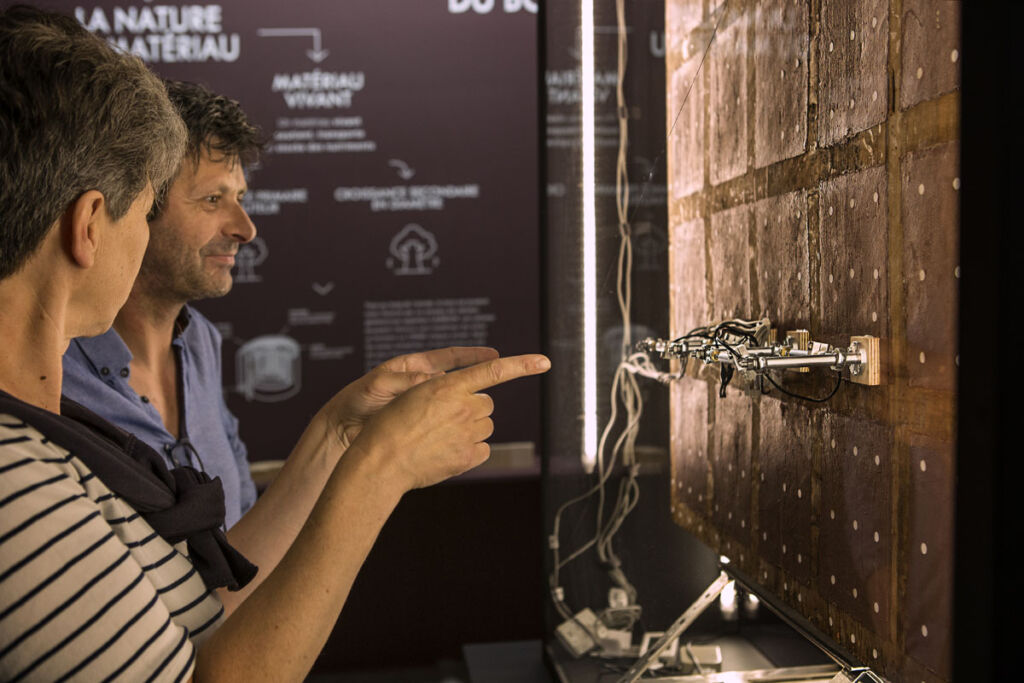
The Fabre Museum's Climate Display Case
In the second part of the program, we’ll take you to the Fabre Museum—specifically to the Flemish Gallery—where Delphine Jullien, a researcher at the Laboratory of Mechanics and Civil Engineering (LMGC), and Marina Bousvarou, the restoration campaign coordinator at the Fabre Museum, will introduce us to*The Holy Trinity Crowning the Virgin*. This15th-century work is painted on four oak panels:“The movement of the wood caused by fluctuations in ambient humidity is prevented by a latticework structure on the back of the panels, which leads to the formation of cracks that damage the paint layer,” explains the researcher. To better understand the wood’s movement and thus better preserve this work, the LMGC team has designed a very special display case that we’re showing you today.
At "UM : Science," here's the lineup—let's get started!
Co-production: Divergence FM / University of Montpellier
Host: Lucie Lecherbonnier
Interview: Aline Périault / Lucie Lecherbonnier
Reporting: Aline Périault
Editing: Bruno Bertrand
Directed by: Bruno Bertrand and Anna Demeulandre
Listen to the show “A l’UM la science” on Divergence FM 93.9
Check out theUM podcasts, now available on your favorite platform (Spotify, Deezer, Apple Podcasts, Amazon Music, etc.).