Science at theUM [S01-ep20]: From Plants’ Natural Immunity to X-ray Fluorescence Spectroscopy
This week, Thomas Kroj, a biologist at PHIM, discusses his study on stimulating plants’ natural immunity, published in *Nature Communications*. In the second half of the program, Julien Fullenwarth of theICGM explains X-ray fluorescence spectroscopy to us.
Herbicides, insecticides, fungicides—or, to use the more euphemistic term, “plant protection products.” Synthetic pesticides first appeared on the global agricultural scene in the 1930s. The rest of the story is well known: their use became widespread as the population grew and agriculture became more intensive. Criticism, too, soon intensified, and scientific studies have continued ever since to demonstrate the dangers of pesticides to both human health and biodiversity.
However, curbing pesticide use is not so simple. The population continues to grow, and with it, our food needs. And while organic foods are gaining ground on our plates, they are still far from winning over professionals in the agri-food industry.
So how can we protect crops from disease while ensuring good agricultural yields? This is the crux of the necessary agricultural transition that our societies must undertake to meet the food challenges of the future.
In the face of this challenge, science clearly has a vital role to play, as demonstrated by this study conducted by a Montpellier-based team comprising researchers from INRAE, the CNRS, and Inserm. They focused on rice and found that this plant is capable of using a ruse to deceive pathogens and stimulate its immune response by employing a decoy. All that remained was to draw inspiration from this method to slightly boost the plant genome and observe promising results, which were published last March in the prestigious journal *Nature Communications*.
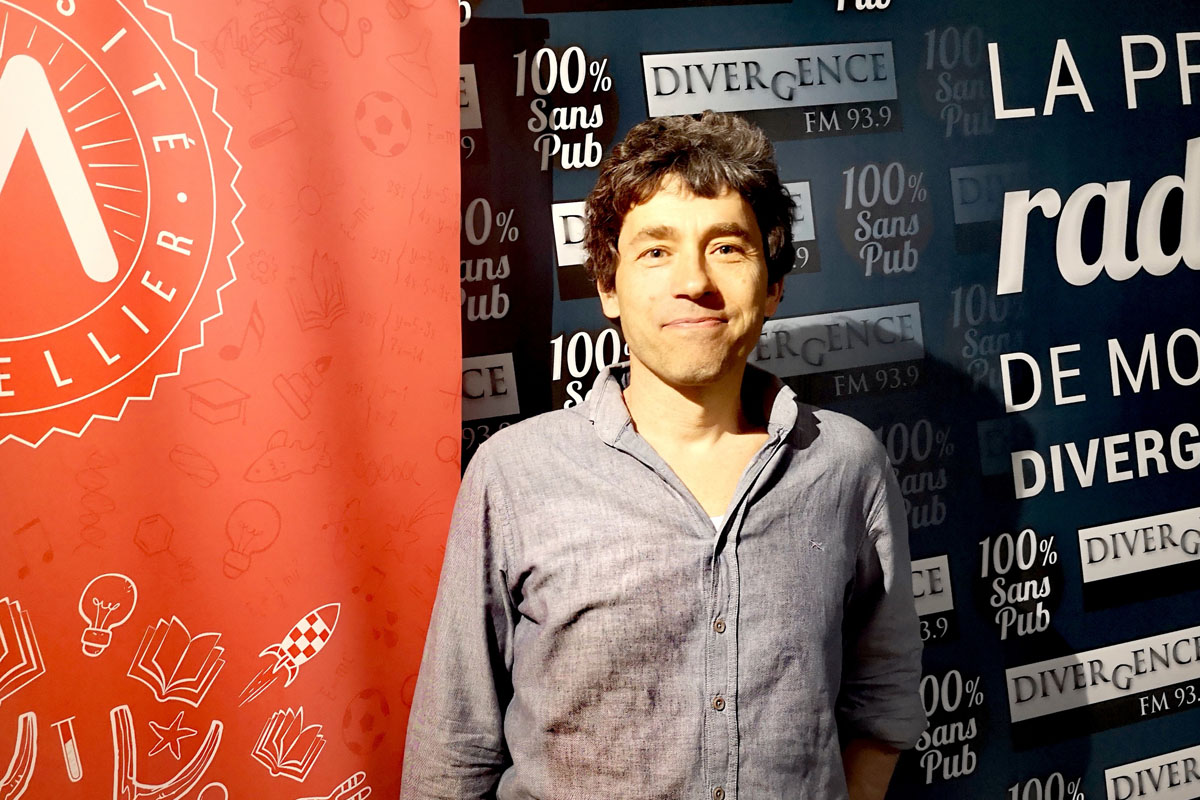
Thomas Kroj is our guest; he is a biologist at PHIM (Plant Health Institute Montpellier).
See also:
- Teaching Plants to Better Defend Themselves Against Diseases by Using Their Natural Weapons, CNRS press release, March 22, 2022.
- New recognition specificity in a plant immune receptor achieved through molecular engineering of its integrated domain; published in *Nature Communications*, March 21, 2022.
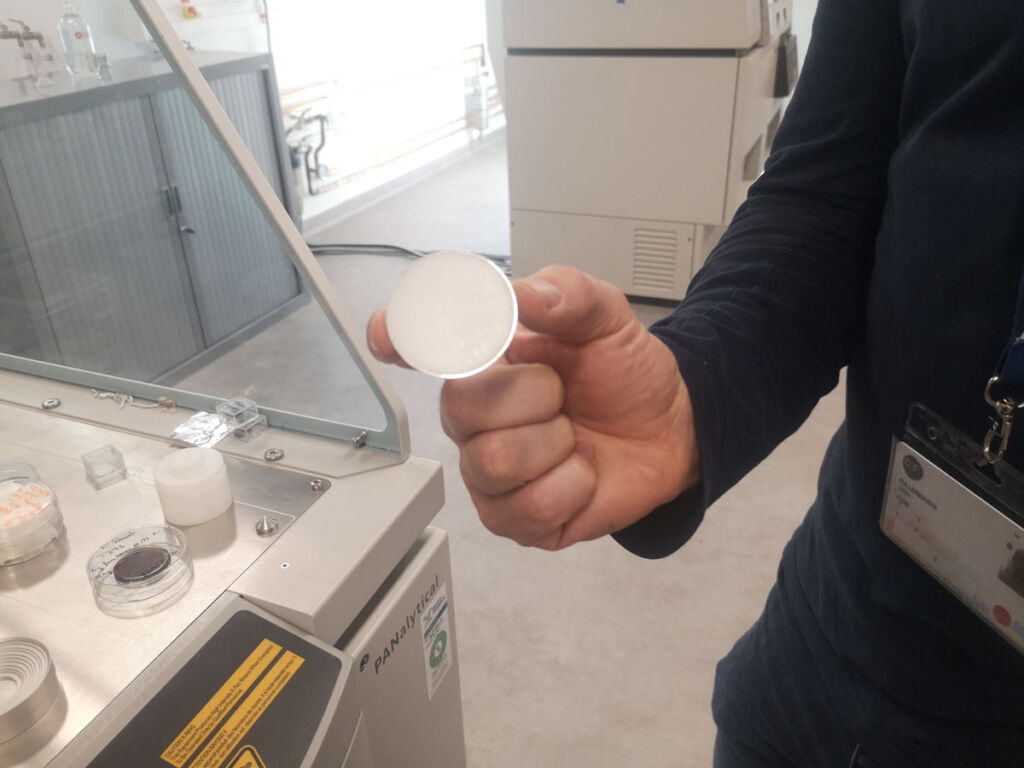
In the second half of the show, we’ll take you to the Charles Gerhardt Institute in Montpellier. If, like me, X-rays and gamma rays inevitably bring to mind the world of Marvel, then our superhero of the day is Julien Fullenwarth. He’s an engineer, and in his day-to-day work, he analyzes materials using X-ray fluorescence spectroscopy at the X-ray and Gamma Ray Network platform.
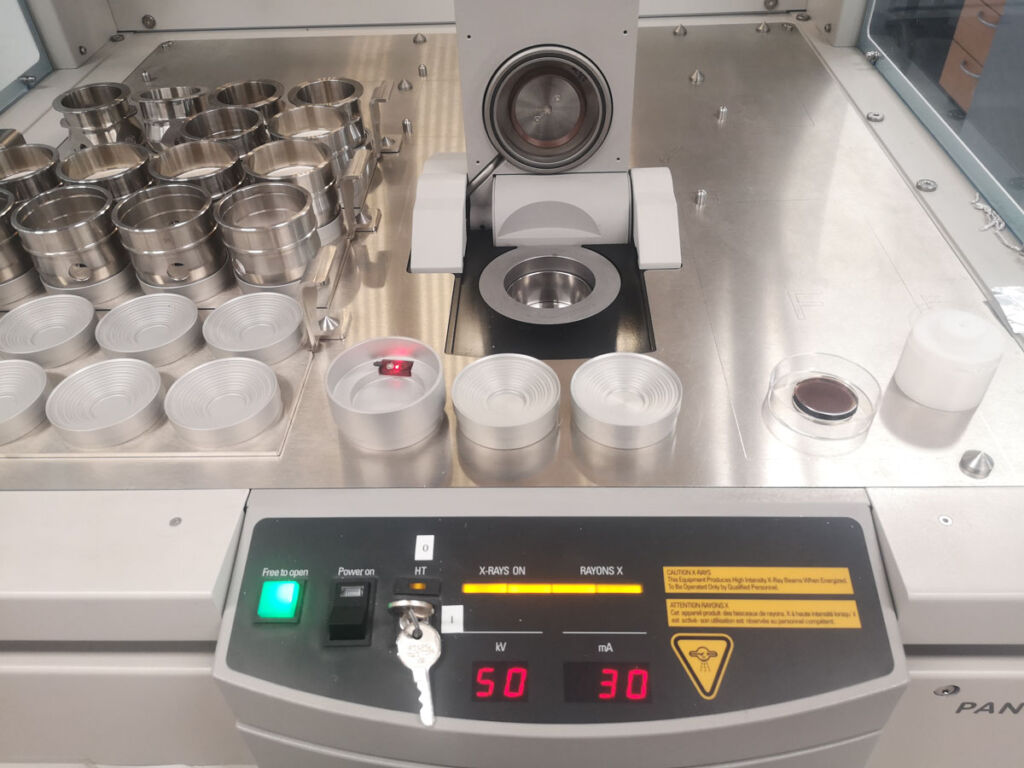
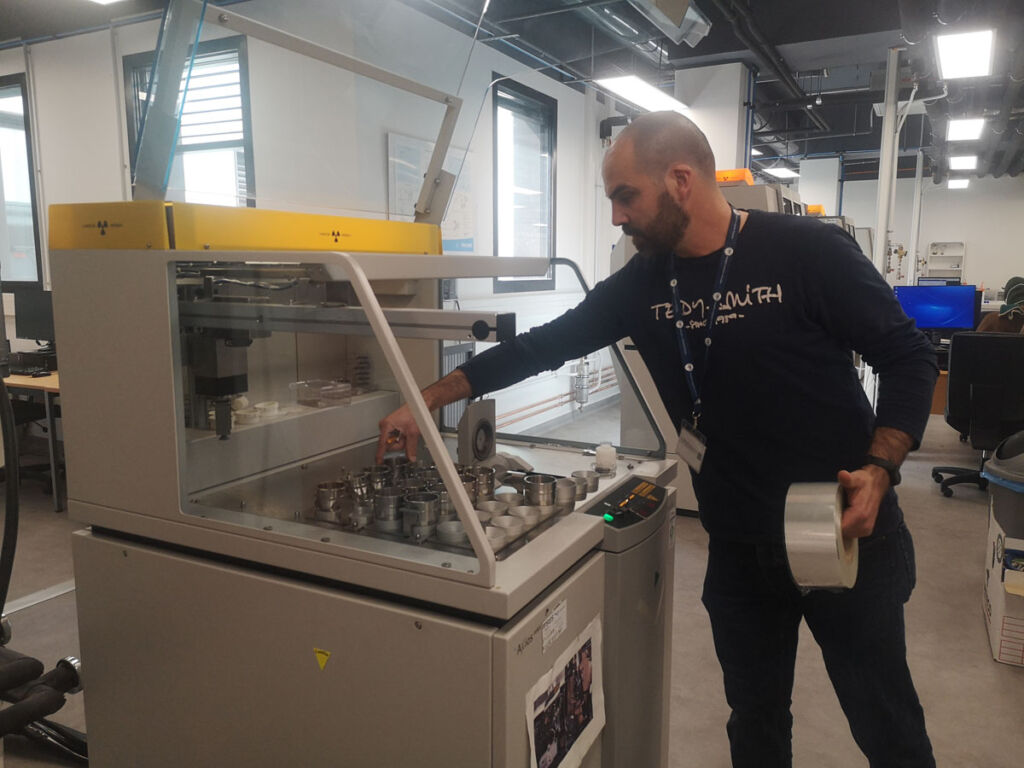
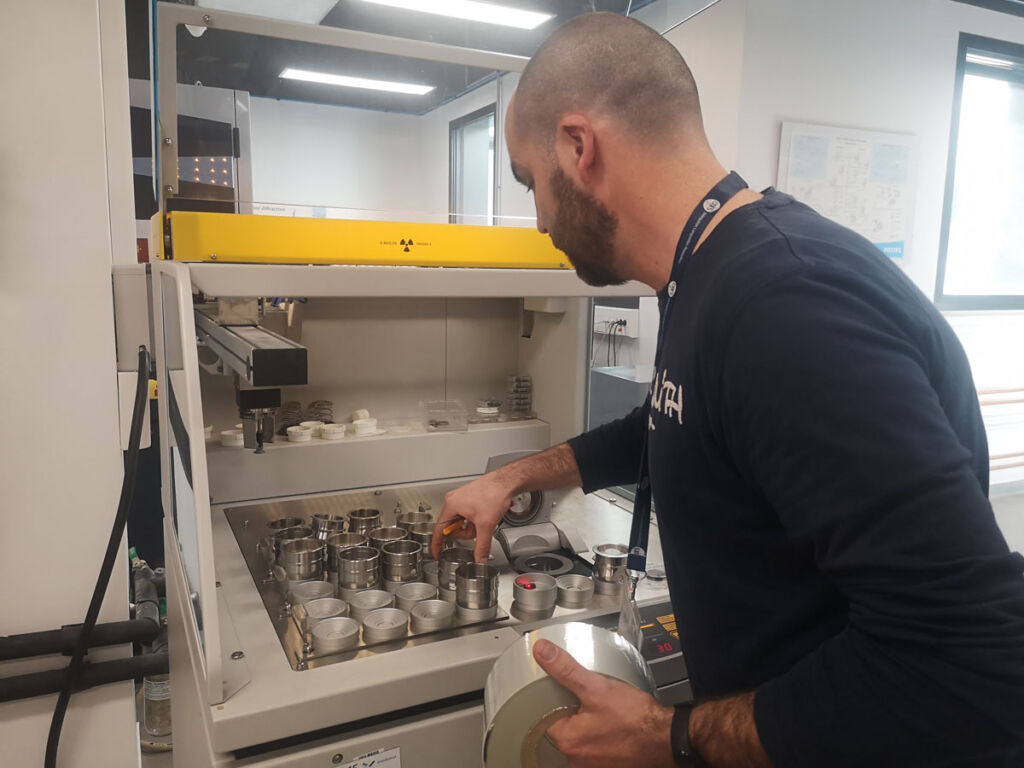
At "UM : Science," here's the lineup—let's get started!
Production: Universityof Montpellier/Divergence FM
Host: Lucie Lecherbonnier
Interview: AlinePériault/Lucie Lecherbonnier
Reporting and editing: Lucie Lecherbonnier
Director: Anna Demeulandre
Tune in to the show “A LUM LA SCIENCE” on Divergence FM 93.9

Check out theUM podcasts, now available on your favorite platform (Spotify, Deezer, Apple Podcasts, Amazon Music, etc.).