"UM : The Science [S01-ep24]": From Gas Purification to the Cryogenics Lab
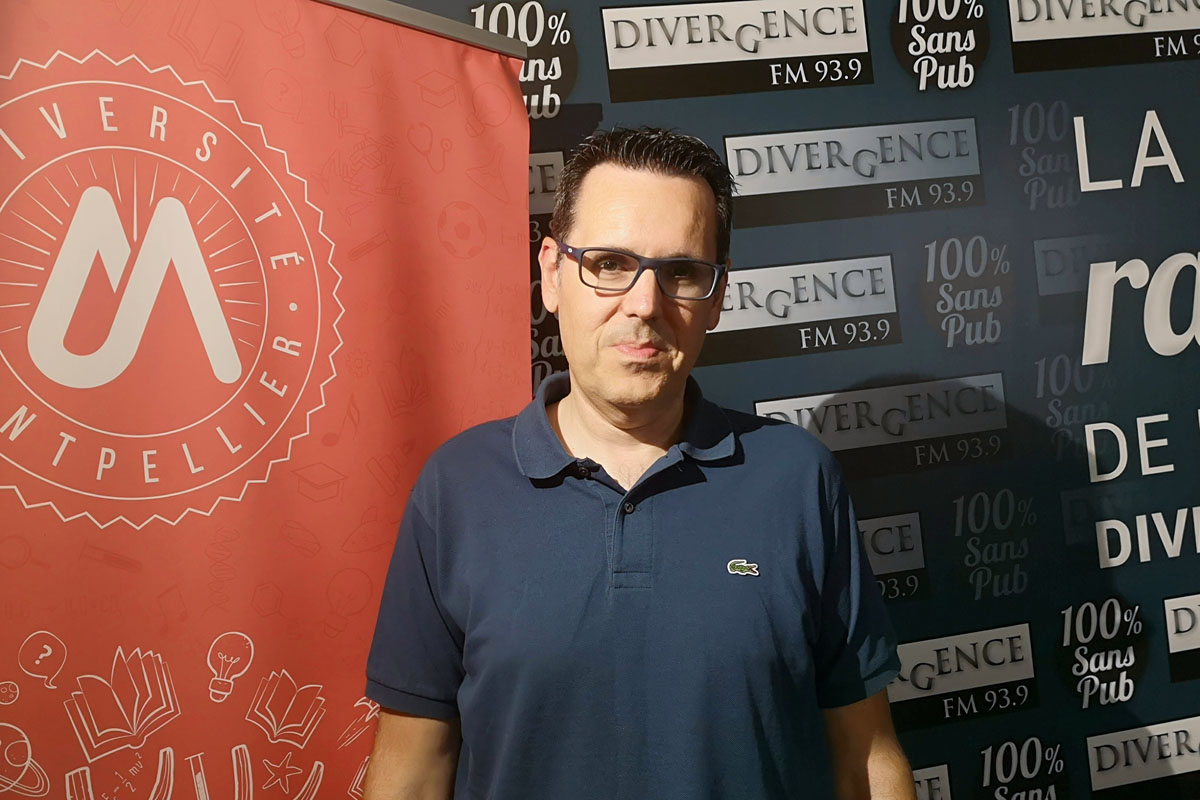
This week on *A l’UM * science, our guest is Guillaume Maurin, a researcher atthe Charles Gerhardt Institute in Montpellier. Together with his team, he has just developed a new membrane that improves the economic and environmental efficiency of gas purification. In the second segment, Bernard Mongellaz takes us on a tour of the University of Montpellier’s cryogenics laboratory.
In France, natural gas consumption accounts for 19.2% of final energy consumption. Of all fossil fuels, natural gas can be considered one of the least polluting, as it emits 25% less CO2 than oil and half as much as coal. It also emits no dust, smoke, heavy metals, or waste.
Admittedly, natural gas isn’t exactly what you’d call a green energy source either—especially when it comes to shale gas—but given the current energy and geopolitical landscape, it’s a safe bet that its share of the French energy mix will increase in the coming years.
Especially since, alongside natural gas, a new option is emerging with significantly greater environmental potential: biogas. It currently accounts for only 1% of consumption in France, but better waste management—supported by an effective recycling policy—could make this sector a genuine eco-friendly alternative.
There is still one problem to solve: biogases, like natural gas, cannot be used in their raw state and require a purification process. This industrial process is energy-intensive and therefore costly both economically and environmentally.
Guillaume Maurin is a researcher at the Charles Gerhardt Institute in Montpellier. As part of a collaboration with Chinese and Saudi teams, he has recently developed a new membrane that could revolutionize natural gas and biogas purification processes and reduce their energy costs. Their findings have just been published in the journal *Science*, and additional findings are forthcoming in *Nature*.
Recommended reading:
- Hybrid MOF/Polymer Membranes for Natural Gas Purification –CNRS Press Release
- "Rational Design of Mixed-Matrix Metal-Organic Framework Membranes for Molecular Separations" in *Science*
In the second half of the show, we’re staying with gases as we take you to the cryogenic laboratory, where Bertrand Mongellaz will tell you all about the liquefaction of a gas that’s essential to scientific research: helium. His secret base is called the cryogenic laboratory.
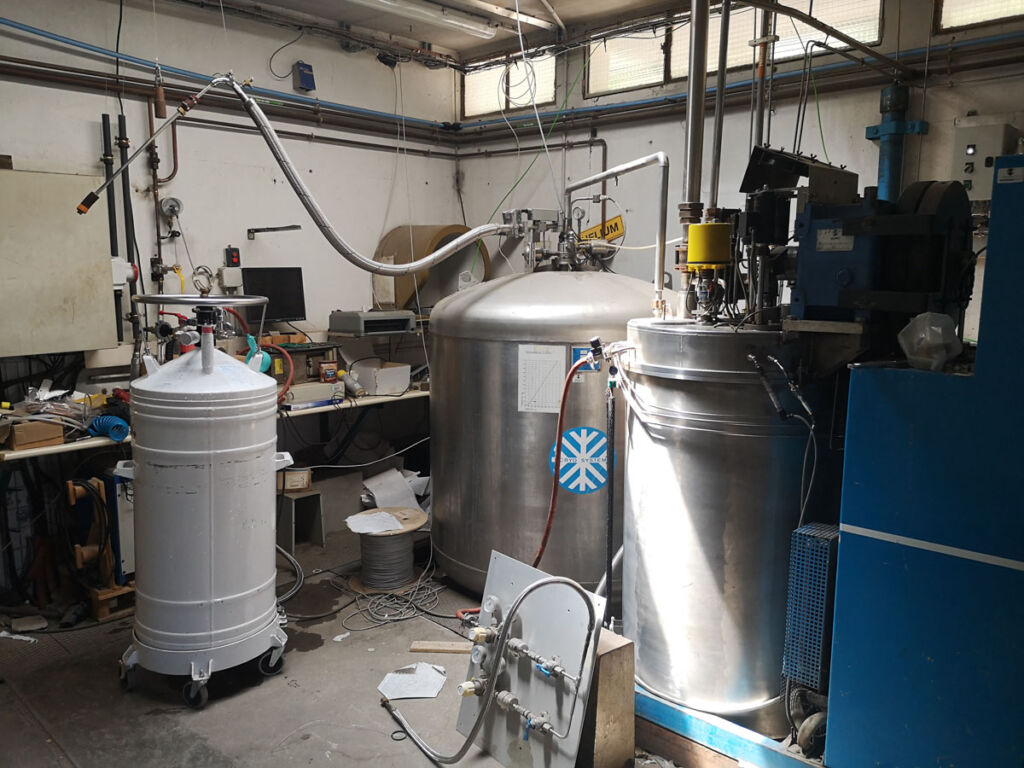
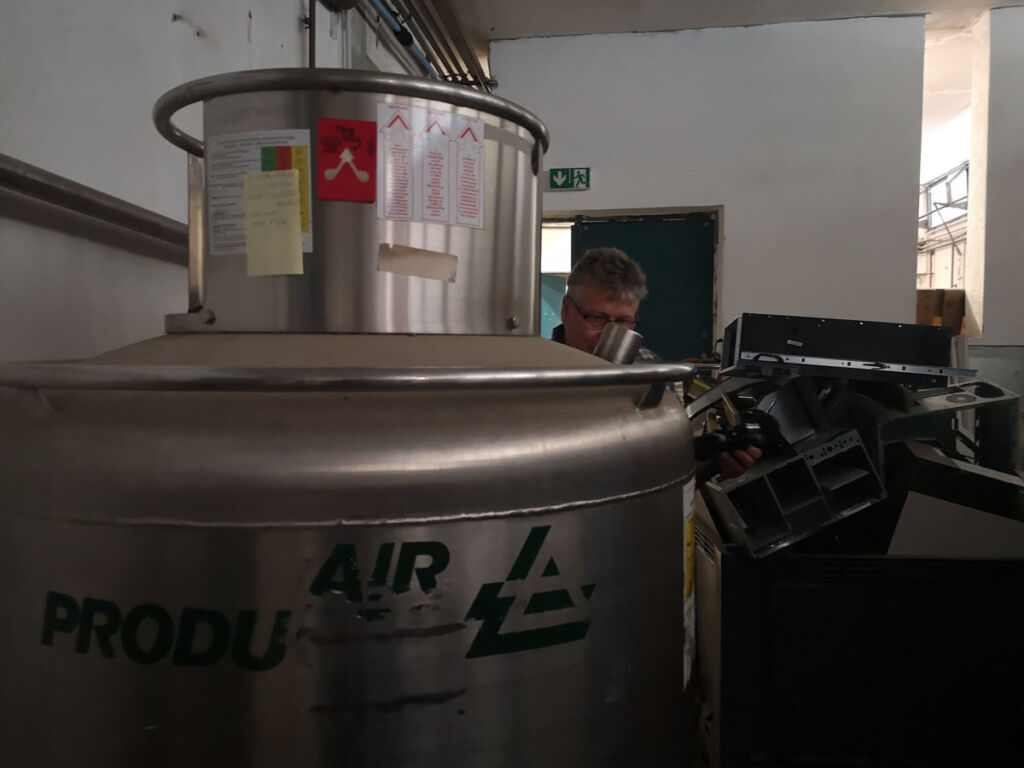
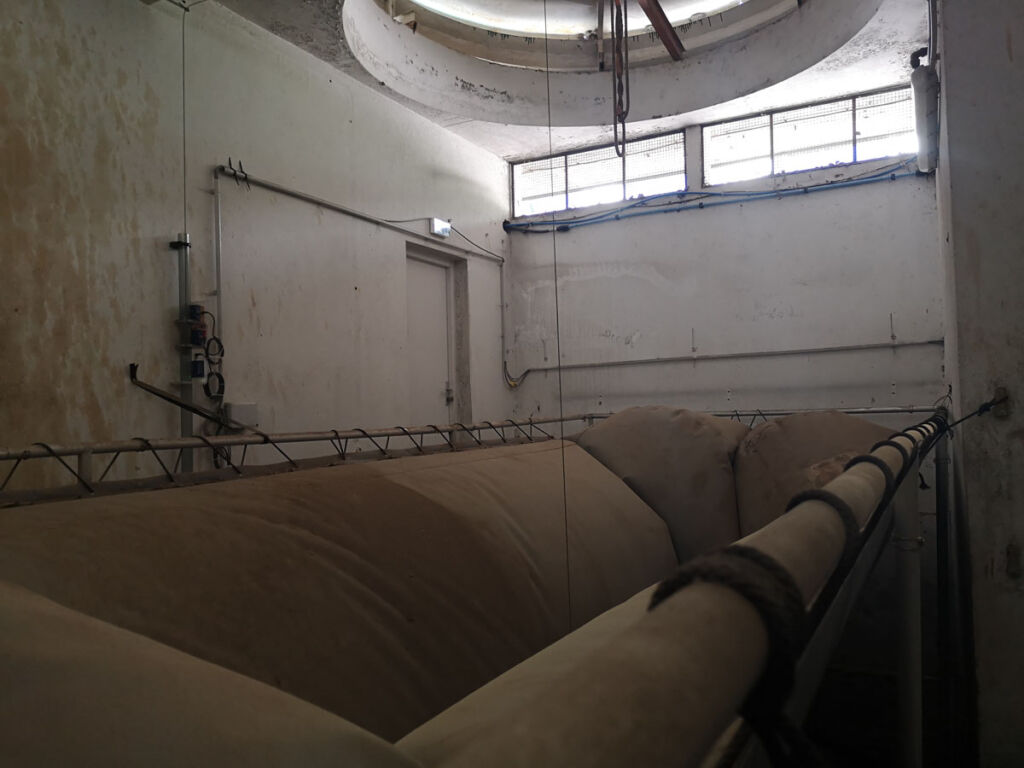
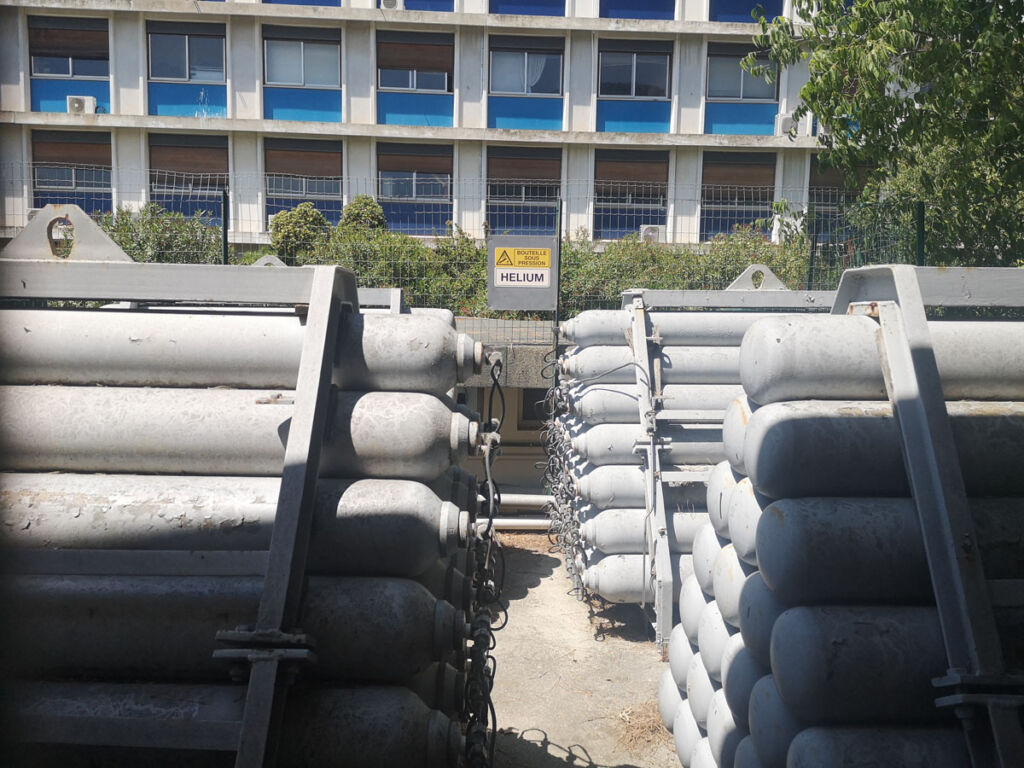
At "UM : Science," here's the lineup—let's get started!
Production: Universityof Montpellier/Divergence FM
Host: Lucie Lecherbonnier
Interview: AlinePériault/Lucie Lecherbonnier
Reporting and editing: Lucie Lecherbonnier
Director: AdelineFloch’
Tune in to the show “A LUM LA SCIENCE” on Divergence FM 93.9
Check out theUM podcasts, now available on your favorite platform (Spotify, Deezer, Apple Podcasts, Amazon Music, etc.).