"UM : Science" [S02-ep09]: From CO2 in Vegetables to the Peptide Plate
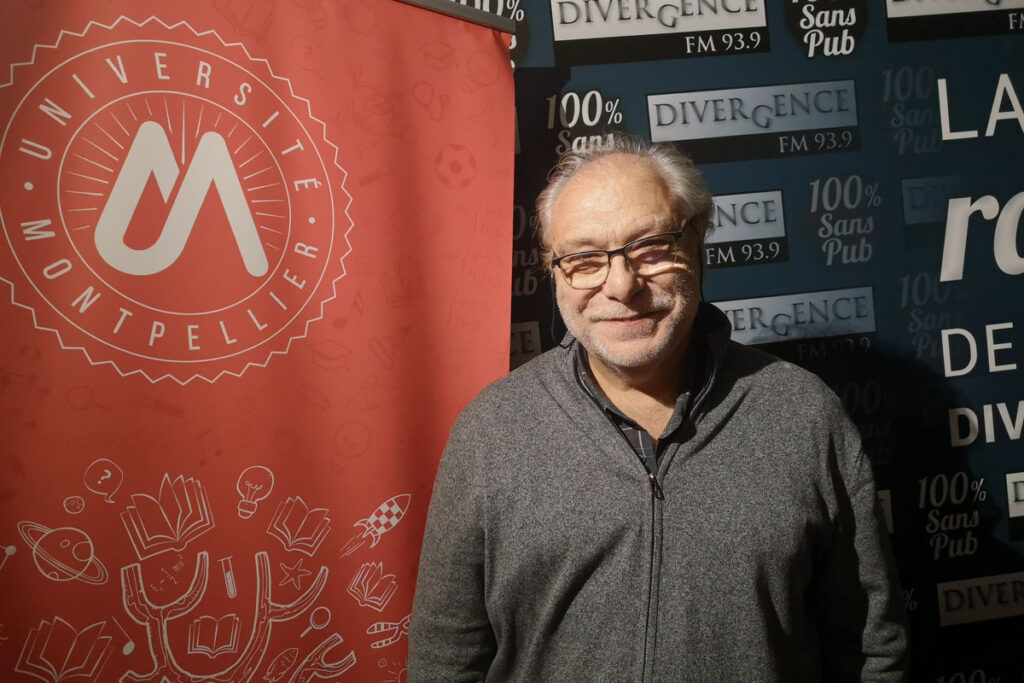
This week, Alain Gojon from the Montpellier Institute of Plant Sciences explains the impact of higher atmospheric CO2 concentrations on the nutritional quality of plants. In the second part of the program, Pascal Verdié invites us to the peptide lab at the Synbio3 platform in the Balard Chemistry Cluster Research. A program co-produced with Divergence FM.
Vitamins, minerals, fiber, protein… What could be better than a piece of fruit to give you a boost? What could be better than a vegetable to help you get your energy back?
Come on, we’ve seen right through you… Don’t blush like a tomato and stop feeding us a load of nonsense! We know that for many of you, fruits, vegetables, and other plant-based foods are a real pain in the neck. Too expensive when you’re broke as a joke, too dry when you’re into fatty foods, too time-consuming to prepare when you’re in a mad rush…
And yet… Imagine for a second that vegetables no longer serve us. Imagine if plants no longer fed us! A global crisis! All of humanity running out of juice! Does that make you think… “rice…re”? And yet it’s no joke… Recent studies show that while rising atmospheric CO2 levels stimulate photosynthesis, they also degrade the nutritional quality of plants.
So, are the carrots cooked? That’s the question we’re asking our guest today. Alain Gojon is a researcher at the Montpellier Institute of Plant Sciences.
See also:
- How Rising Atmospheric CO2 Threatens the Nutritional Quality of Plants, CNRS Press Release, November 3, 2022
- What if plants no longer fed us? LUM Magazine No. 9, May 2019
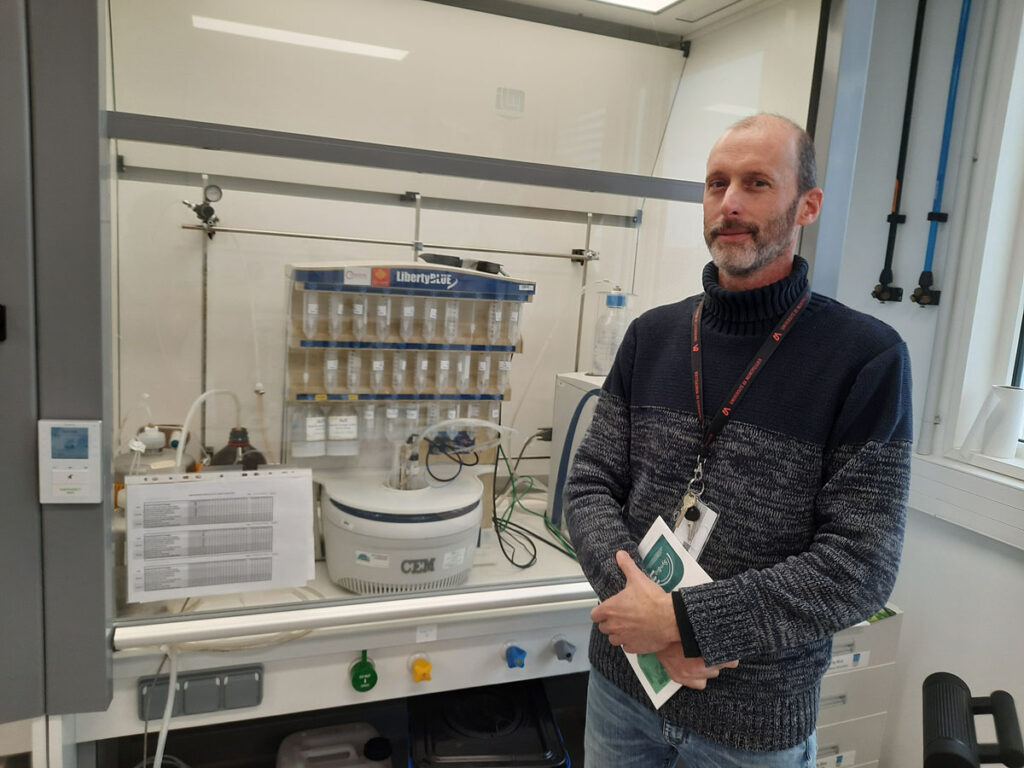
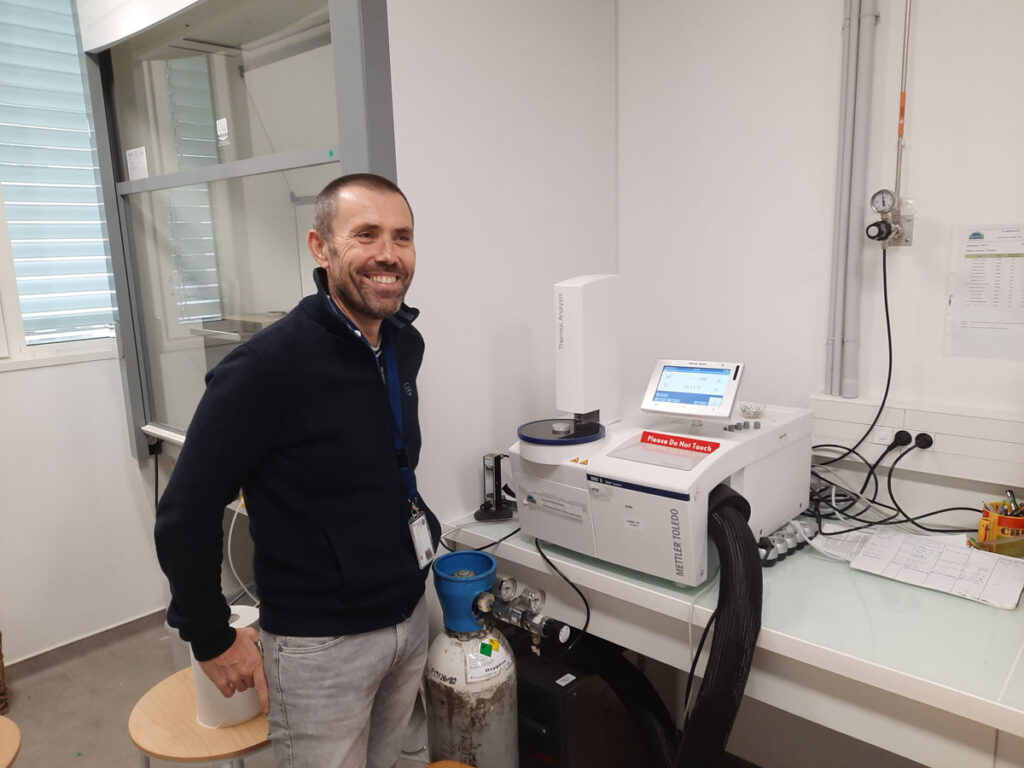
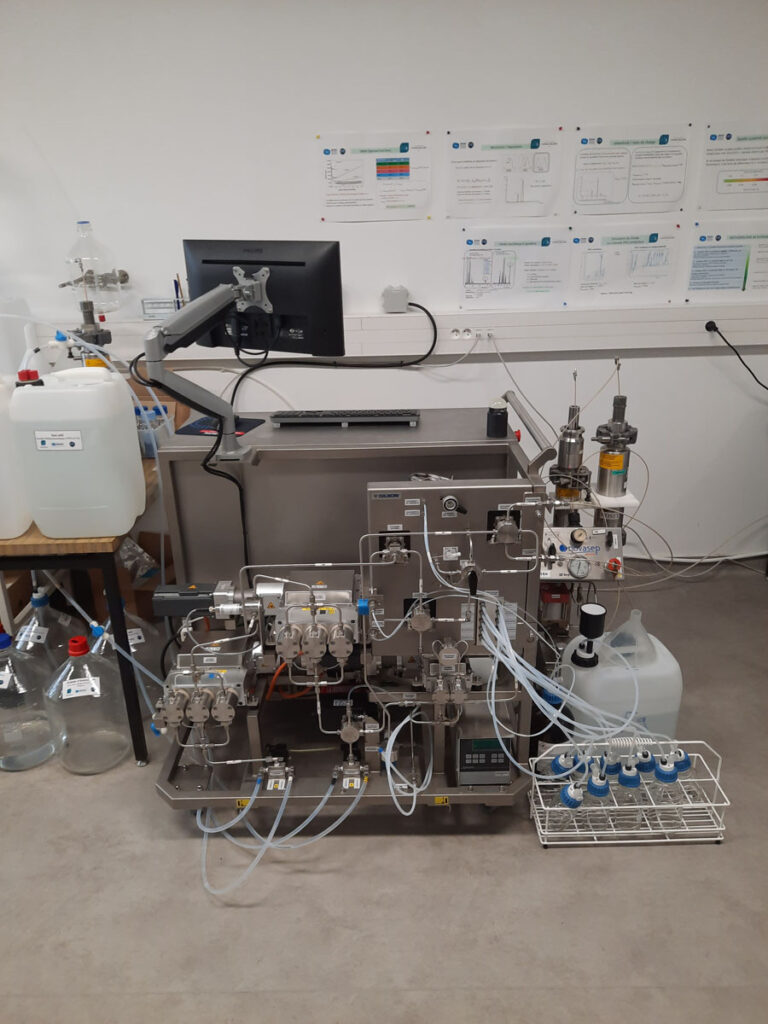
At "UM : Science," here's the lineup—let's get started!
Co-production: Divergence FM / University of Montpellier
Host: Lucie Lecherbonnier
Interview: Lucie Lecherbonnier, Aline Périault
Reporting and editing: Aline Périault
Director: Naomi Charmetan
Listen to the show “A l’UM la science” on Divergence FM 93.9

Check out theUM podcasts, now available on your favorite platform (Spotify, Deezer, Apple Podcasts, Amazon Music, etc.).