Montpellier-Sherbrooke Meetings: 20 Years of Sharing Science
From June 3 to 5, 2026, the University of Montpellier hosted the 10th edition of the Montpellier-Sherbrooke Academic Scientific Conference. The event celebrated two decades of exchanges, fruitful collaborations, and joint projects between higher education institutions in Montpellier and Quebec, united by the French-speaking world, a love of science, and a passion for sharing.
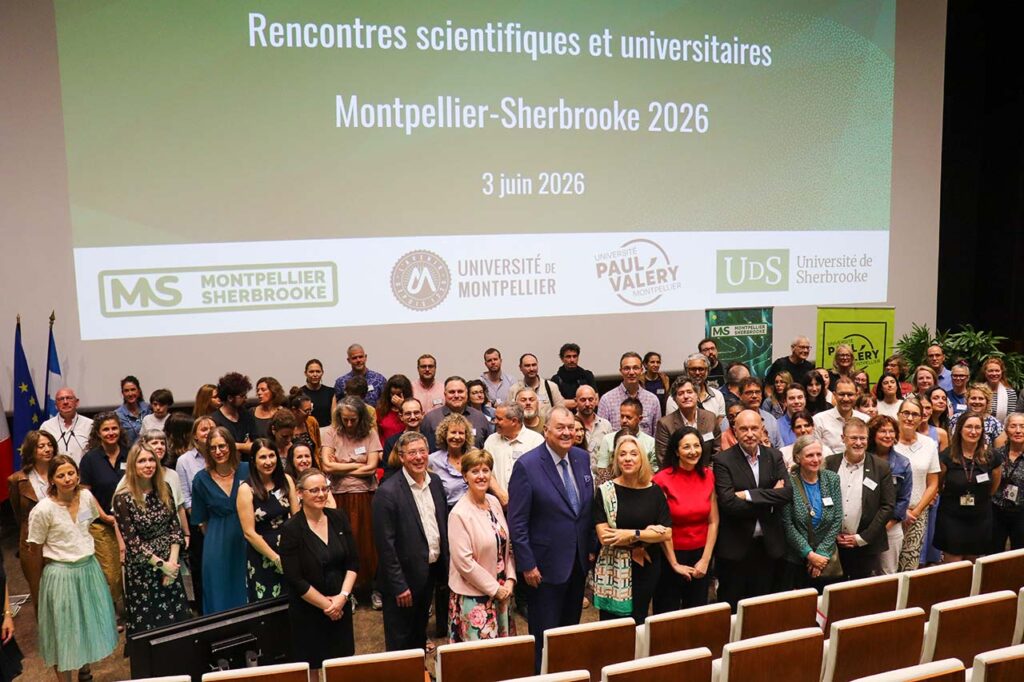
20 years—a wonderful story. A story of the French-speaking world, international cooperation, and a love of science in all its diversity. It began in 2006 with the signing of a strategic framework agreement between the University of Montpellier, the University of Montpellier Paul-Valéry, and the University of Sherbrooke in Quebec. That was the same year as the first edition of the biennial scientific meetings, held alternately in Sherbrooke and Montpellier, which quickly became a highly anticipated event for the scientific communities on both continents. They have even fostered an official sister-city relationship between the two cities since 2013.
40 Workshops in the Age of AI
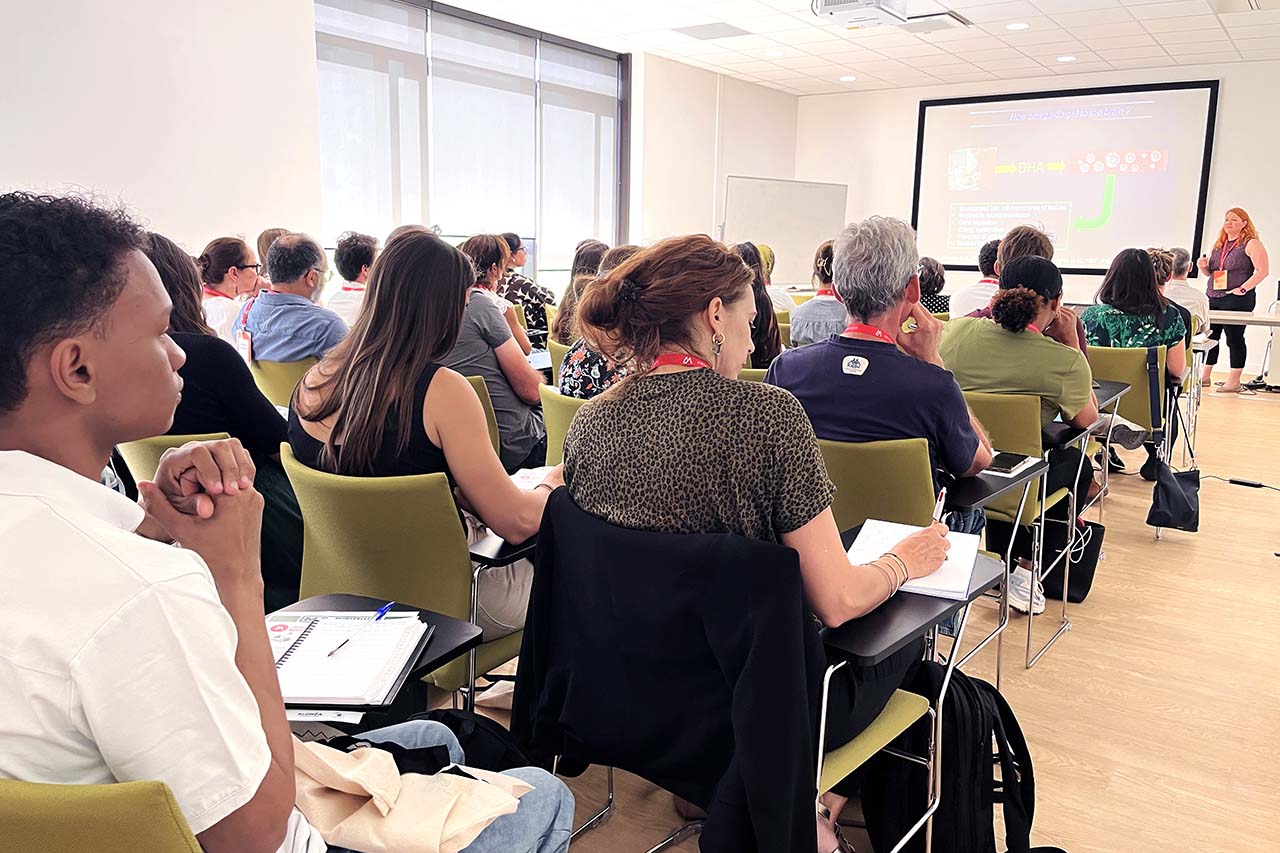
Following a 2024 event in Quebec marked by the renewal of a long-term strategic partnership, Montpellier hosted the tenth edition of these meetings from June 3 to 5. The theme was: “The Challenges and Opportunities of Using AI in University Collaborations.” The program featured nearly 40 in-person and virtual workshops: 12 institutional workshops co-organized by partner universities and 24 scientific workshops, including 13 led by researchers from the University of Montpellier.
That was all it took to bring together 380 participants over three days—an event that reflects two decades of collaboration and projects that continue to grow between higher education institutions in both territories. “This10th edition marks 20 years of cooperation, 20 years of exchanges, and 20 years of joint projects. It highlights the longevity and stability of our cooperation at a time when our institutions of higher education—regardless of the country, state, or continent where they are located—often face the same challenges and issues,” said Philippe Augé, president of the University of Montpellier.
A shared passion for interdisciplinary work
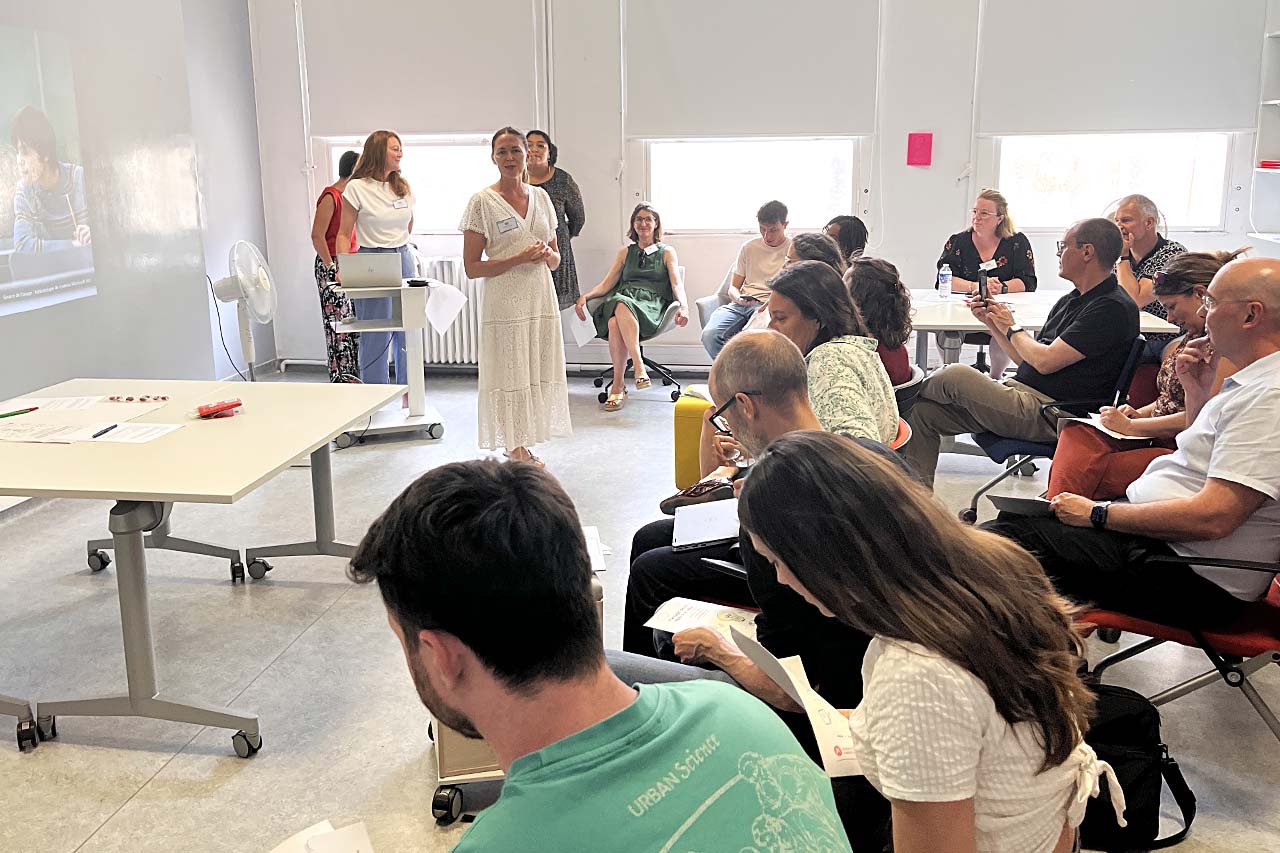
Once again this year, the institutional workshops fostered the sharing of best practices and collective reflection on the challenges facing universities. Open to the entire university community, they provided an opportunity to discuss institutional strategies for ecological transition, student engagement and career readiness, innovation, evolving skill sets, and future pedagogical challenges…
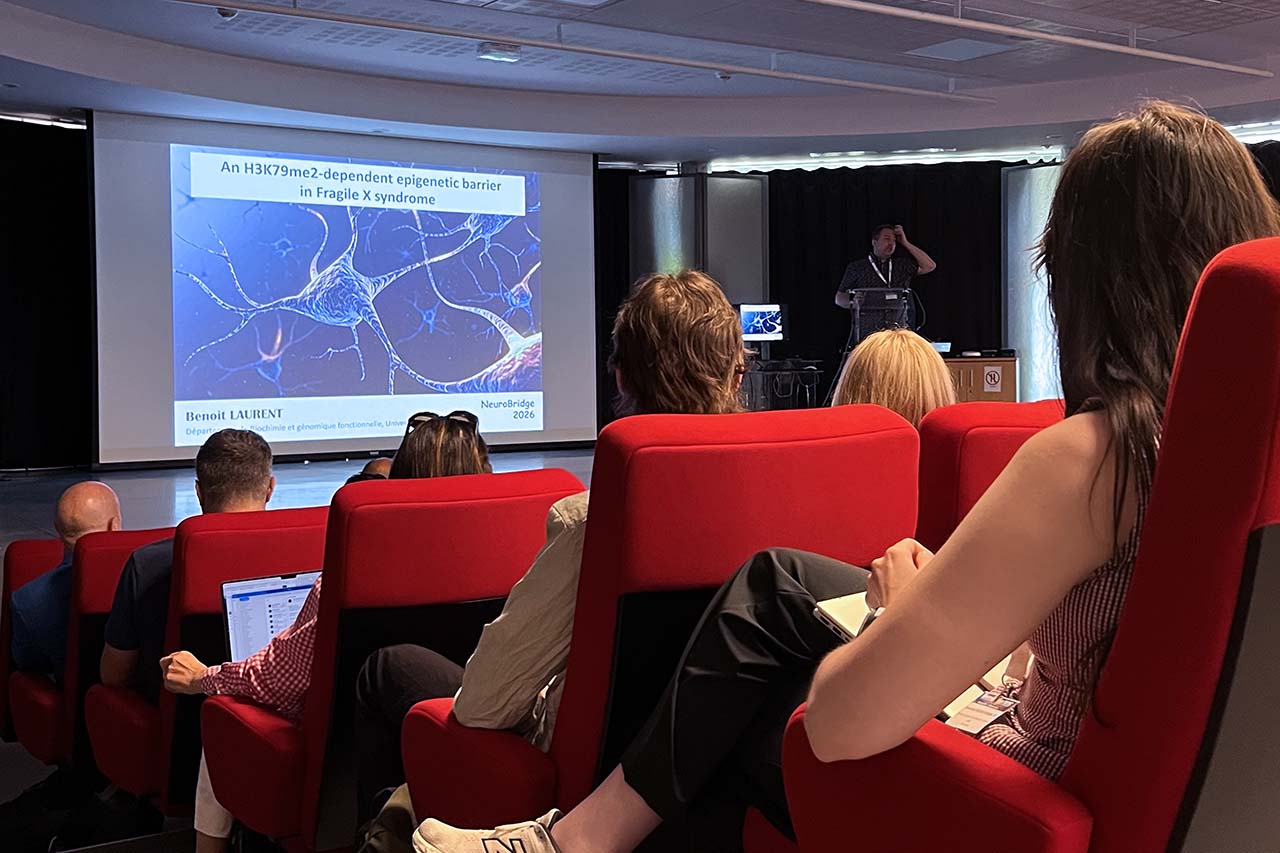
The growing use of AI—which is already transforming all academic fields and disciplines, from support functions to teaching and research—was, of course, a recurring theme in the discussions. While it was central to some scientific workshops, it was not the dominant topic. These meetings also provided an opportunity to highlight the diversity of research and training projects already being carried out jointly by the partner institutions. Chemistry, mathematics, engineering, sports, law, biology, health, quantum technologies, neuroscience, art, humanities, and social sciences… A rich panorama of their cutting-edge fields, reflecting a strong commitment to interdisciplinary collaboration.
Thinking Together, but Differently
Once again, the Montpellier-Sherbrooke academic scientific meetings demonstrate the commitment and influence of these collaborations within the faculties, departments, and laboratories of each institution. They also highlight the strength of the collective effort and the need to preserve such shared spaces for experimentation. “This strong collaboration allows us to advance our communities from a scientific perspective and to think together, yet in different ways,” says Jean-Pierre Perreault, president of the University of Sherbrooke.
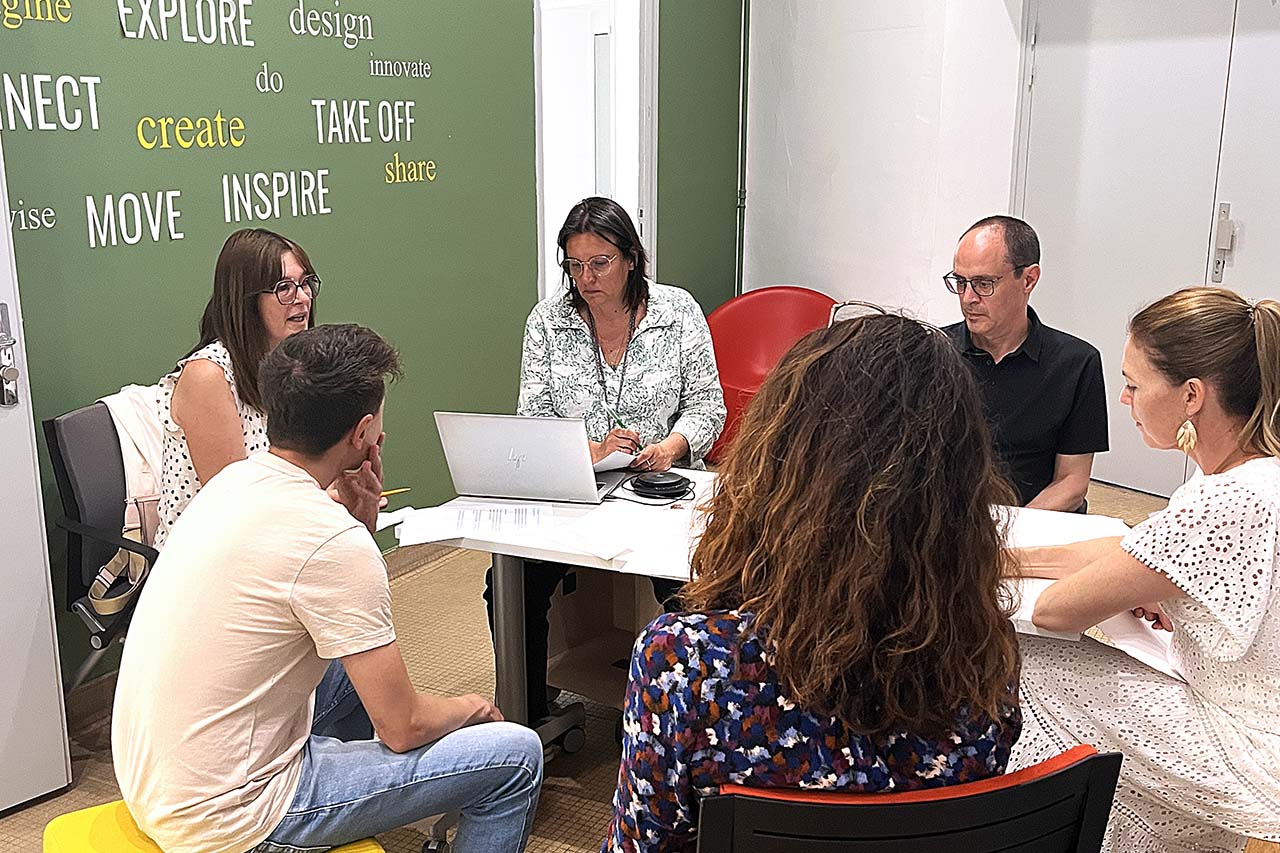
Thinking differently, but within a French-speaking community with shared values, without ever forgetting the human connection—one that is particularly evident in informal exchanges and projects that take shape around a table, amid lively discussions and shared laughter. Clearly, on both sides of the Atlantic, the joy of coming together, forging new bonds, and fostering mobility remains as strong as ever. This vitality underscores the importance of strong, vibrant international partnerships for advancing research, fostering innovation, and working together to address society’s major challenges.