Shanghai: TheUM Still in the Top 200!
For the fourth consecutive year, the University of Montpellier has solidified its position among the world’s top 200 universities in the Shanghai General Ranking, released on August 15. Through these strong results, the university demonstrates its ability to make an impact on the global stage and meet international standards of excellence in research and education.
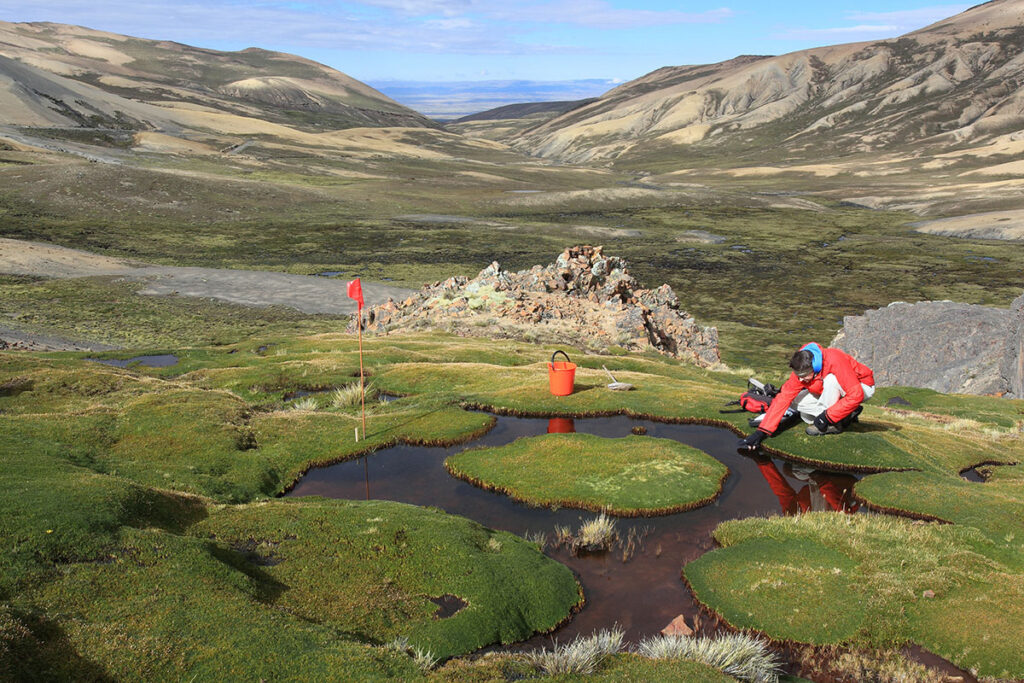
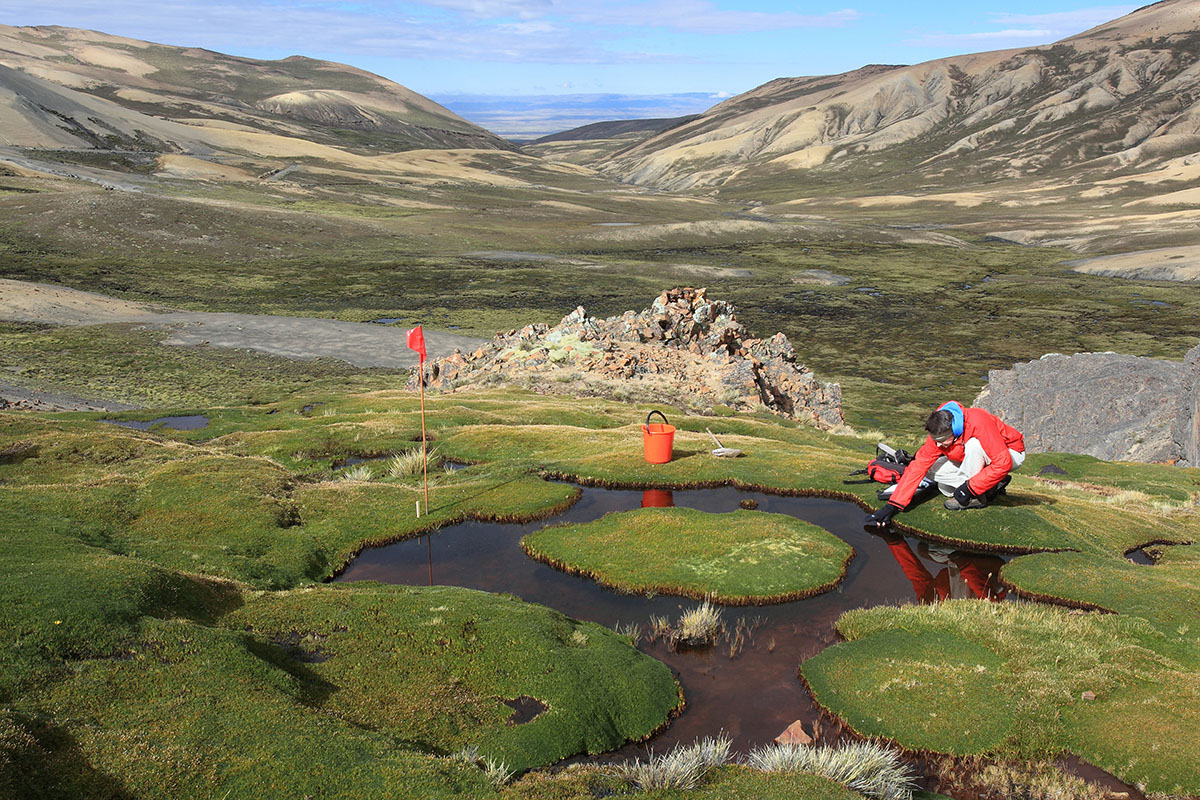
© IRD Olivier Dangles
“I am delighted to see, once again, the University of Montpellier rank among the world’s best universities. We are proud to help promote French research on a global scale,”said Philippe Augé, president of theUM , the day after the release of the now-famous Shanghai General Ranking, published every summer. In the 2022 edition, the university ranks, for the fourth consecutive year, among the world’s top 200 out of the 1,800 institutions evaluated. This marks steady progress since 2016, when it was ranked in the top 400.
A VERY POSITIVE OVERALL ATMOSPHERE
Although controversial, the highly anticipated Shanghai Ranking only underscores the overall very positive momentum of theUM , as the president was keen to point out:“These strong results in the Shanghai Ranking, as well as in all other global rankings, reflect an ambitious policy of excellence that has been in place for several years, one that relies on the talent and significant investment of our entire community, whom I would like to congratulate. ” Benefiting from exceptional resources allocated to research and education—thanks, among other things, to the implementation of its I-SITE Excellence Program, which was extended through March 2022—the University and its partners are thus demonstrating that they are now major players in research and higher education in France.
THE SHANGHAI RANKING BASED ON SIX CRITERIA
The Shanghai Ranking, also known as the Academic Ranking of World Universities, has been published annually since 2003 by Shanghai Jiao Tong University. This global ranking of higher education institutions evaluates approximately 1,800 institutions based on six quantitative criteria, including: the number of publications in the scientific journals*Nature*and*Science*; the number of citations of researchers; the number of Nobel Prize winners in science and Fields Medalists; the prominence of alumni and faculty members; and so on. The Shanghai Ranking thus ranks the top 100 universities individually. Beyond that, the ranking only lists ranges: 100 to 200; 200 to 300; 300 to 400; and 400 to 500, the final category.
A GLOBAL LEADER IN ECOLOGY AND ADVANCES IN MANY FIELDS
UM had already achieved excellent results on July 19, when the Shanghai subject-specific rankings were released, securing a spot on the global podium in ecology (3rd) for the fourth consecutive year, as well as ranking among the world’s top 50 in six subject areas: geography (47th), water resources (45th), food science (49th), agricultural science (17th), and biotechnology (35th).
Finally, it ranks among the world’s top 100 in five fields: oceanography, earth sciences and veterinary sciences, statistics, and remote sensing.“These results also attest to the strength of our scientific community here in France, which enables us both to address the major global challenges of the 21st century and to tackle these critical issues more effectively,” continues Philippe Augé.
THE FIRST UNIVERSITY FOCUSED ON SUSTAINABLE DEVELOPMENT
Another ranking the University can be proud of is the “Times Higher Education (THE) Impact Ranking” related to the Sustainable Development Goals. It ranks theUM first among French institutions for goals related to health, well-being, and reducing inequality, and third for those related to decent work, economic growth, and quality education.
TheUM also climbed 16 spots in the CWTS Leiden Ranking—which is based on scientific publications and their citations—and thus secured an impressive151stplace worldwide. Notably, it rose to16thplace globally in the “Life & Earth Sciences” category. These rankings should be taken with a grain of salt: they represent recognition of a collective effort and shine a spotlight on theUM ’s contribution to the global influence of French research.