Sitevi: The University Innovation Hub at the Heart of the Vineyard and Wine Industry
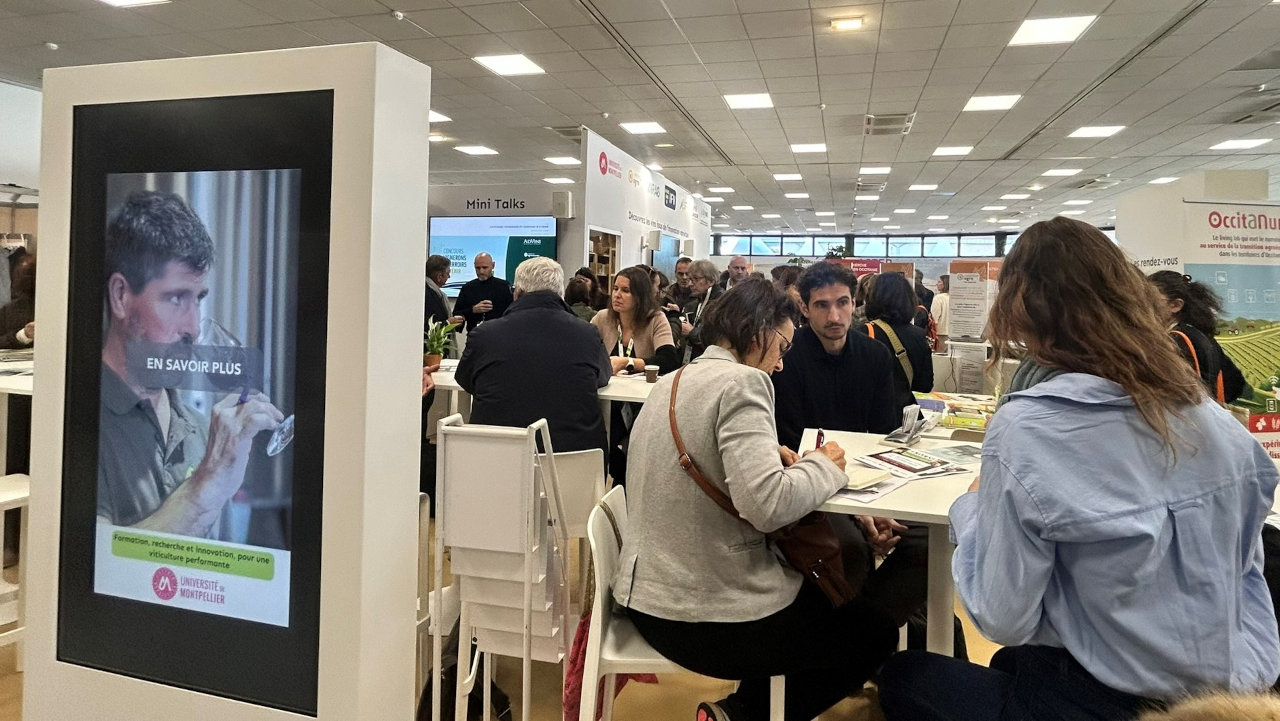
Stakeholders in the vineyard and wine industry of the University Innovation Cluster (PUI) in Montpellier took part in the SITEVI international trade show , which brought together the viticulture, winemaking, arboriculture, and olive-growing sectors at the exhibition center from November 25 to 27. It was an opportunity to present professionals with forward-looking solutions in the fields of research, training, and innovation.
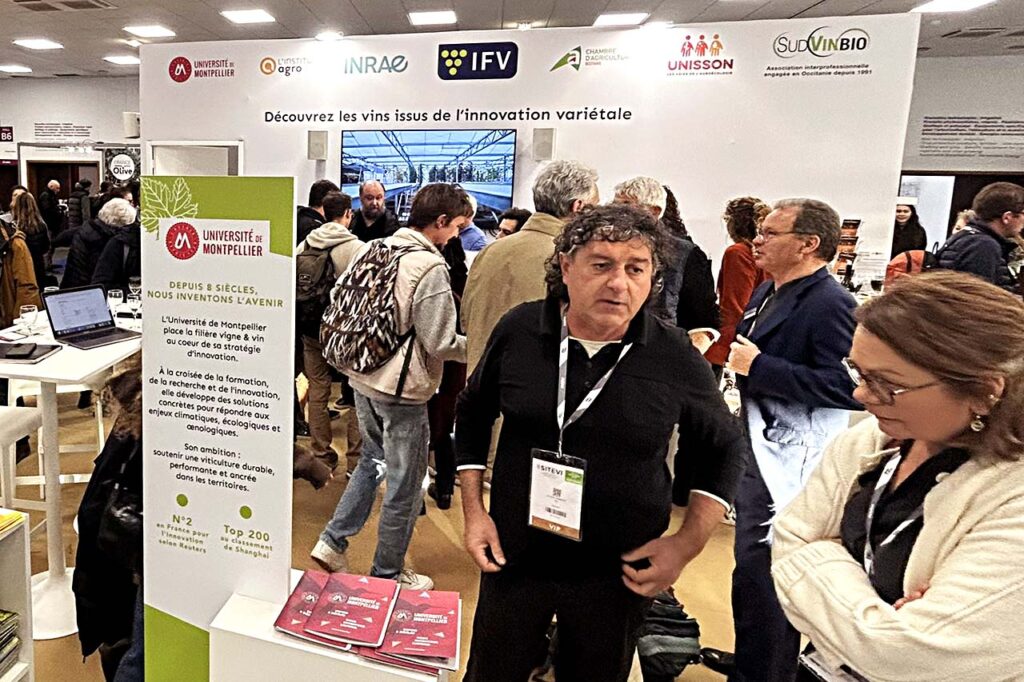
In recent years, the wine industry has undergone unprecedented changes: evolving professional practices, declining consumption, climate change… All of these upheavals call for new solutions. So, at the 2025 edition of the Sitevi trade show—which welcomed nearly 1,000 exhibitors and more than 50,000 visitors—the presence of the PUI, led by the University of Montpellier, was a natural fit.
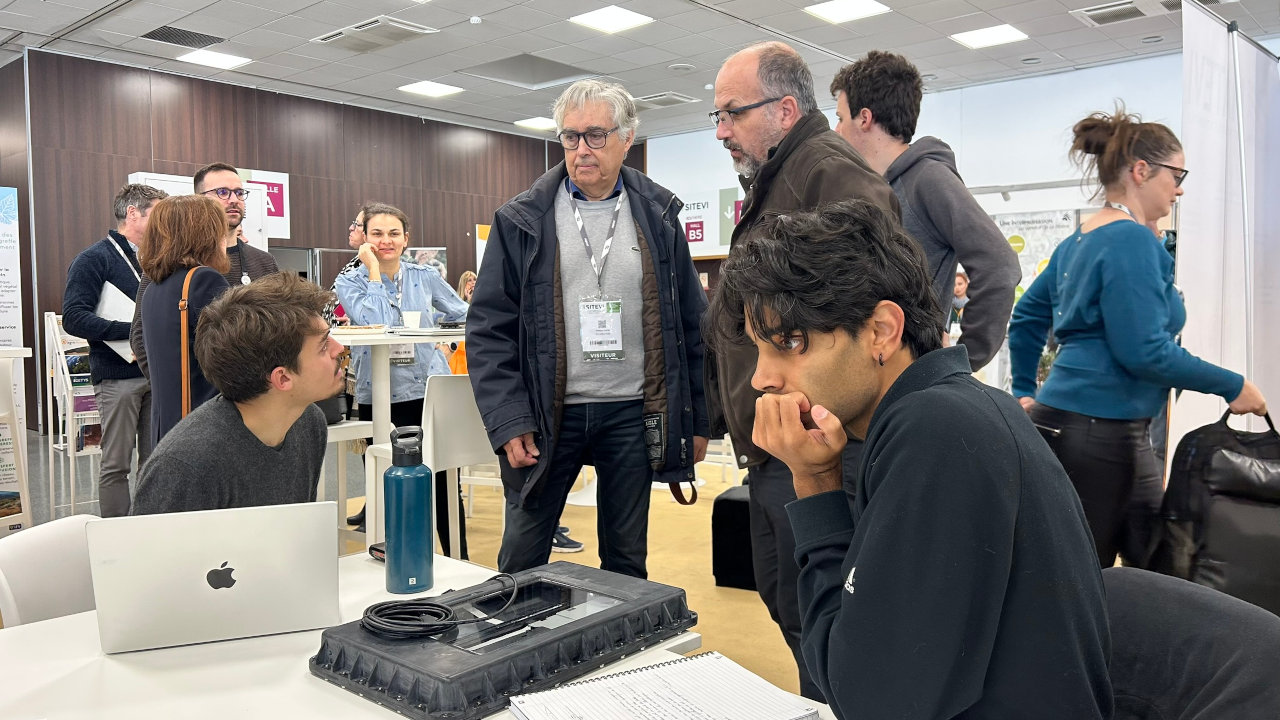
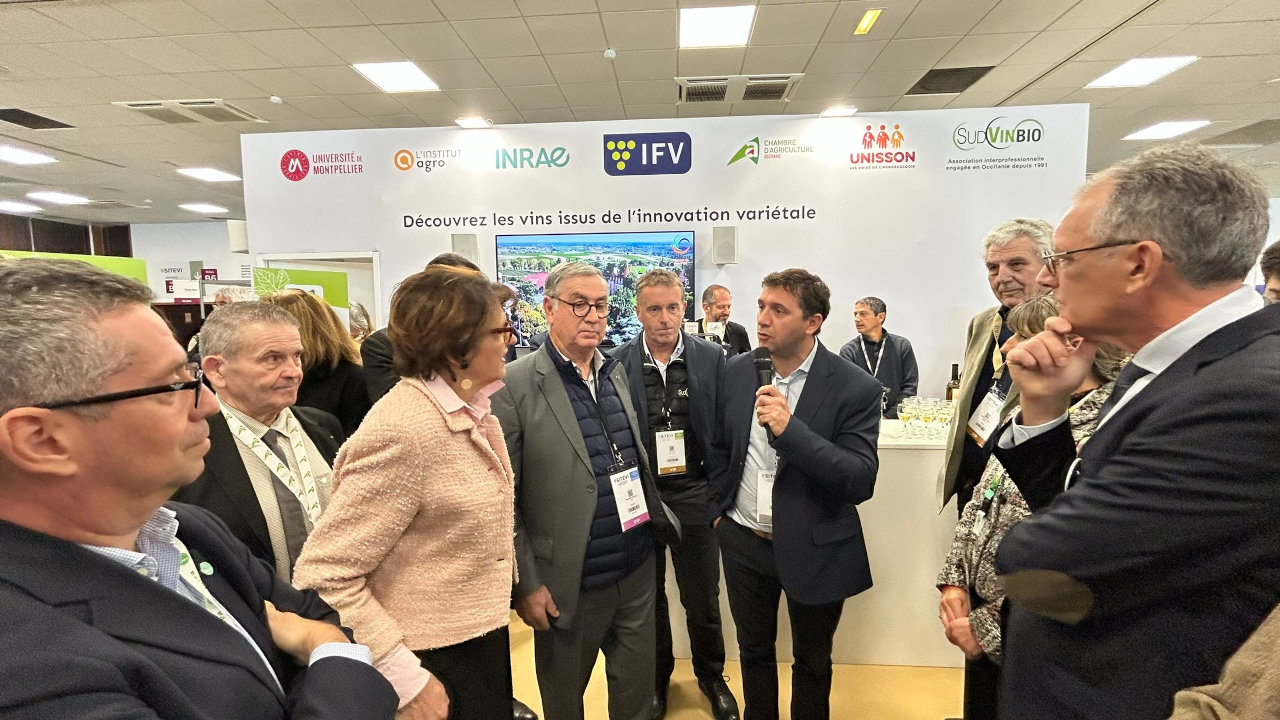
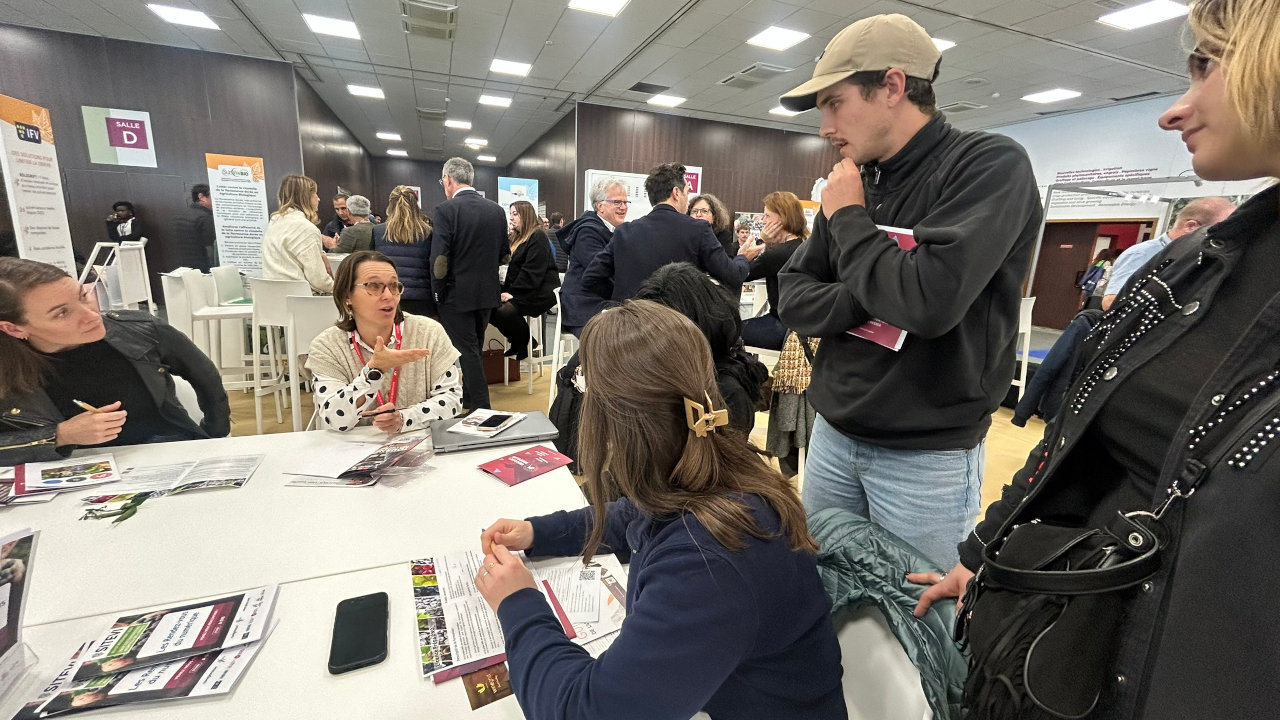
This was also evident to the approximately 150 visitors who came to meet them at the “Together for the Vineyards of the Future” booth, which the “UM ” was hosting in collaboration withINRAE andInstitut Agro (members of the PUI), as well asIFV, SudVinBio, the Occitanie Chamber of Agriculture, and Unisson. Seven stakeholders and partners from the fields of R&D, innovation, and education—including the teaching teams from the National Diploma in Oenology and the EnsupLR vocational training center —came together to answer questions from students, suppliers, producers, scientists, and local authorities… and even from Agriculture Minister Annie Genevard, who was very interested in the PUI’s dynamic members.
Unlock
“I’ve met with about 15 companies that want to be connected with research labs capable of overcoming the obstacles they face. These include, in particular, a fertilizer manufacturer and a company in the water sector, both of which wish to work on their own practices or those of producers regarding water consumption,” explains Sophie Marron, innovation manager at INRAE and responsible for coordinating the PUI’s vineyard and wine roadmap.
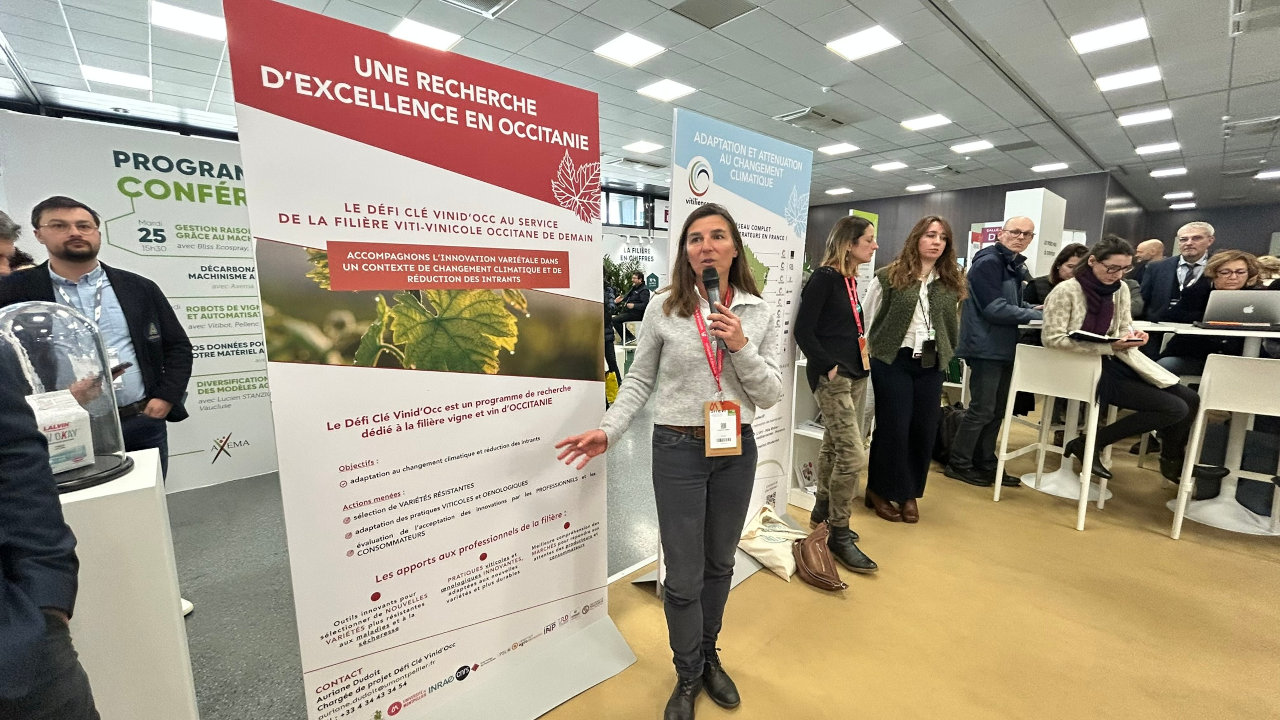
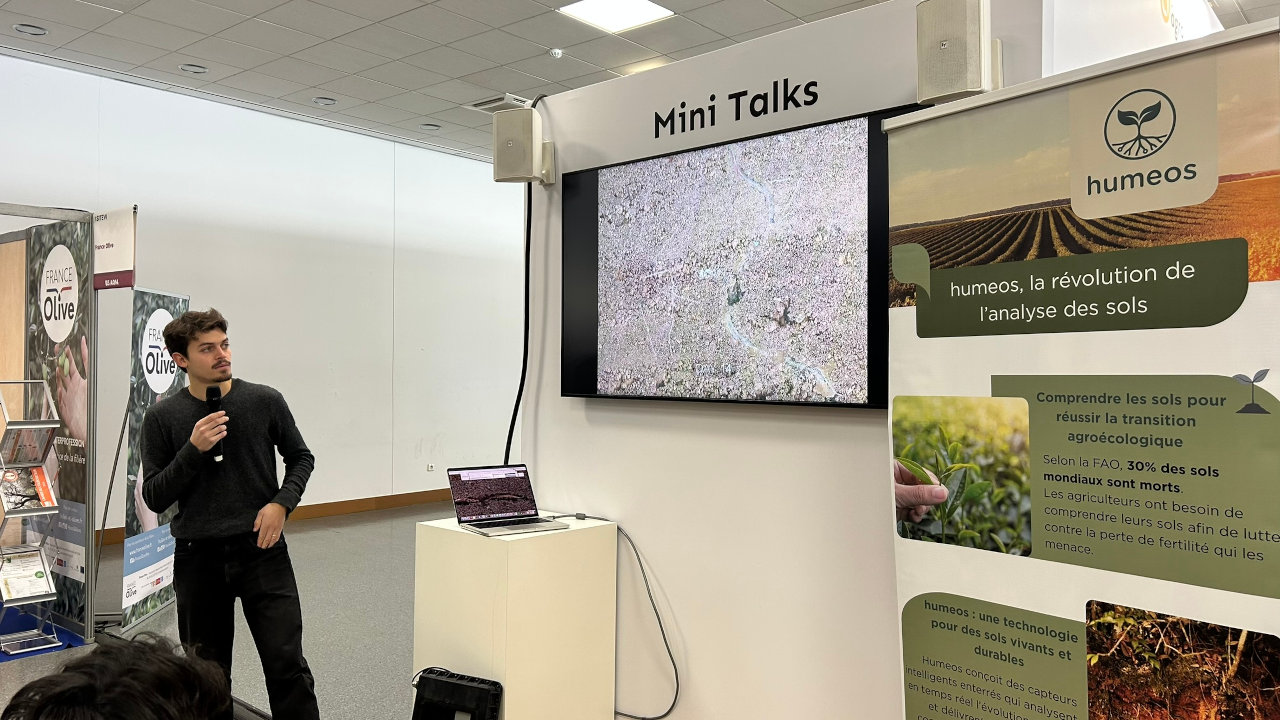
Curious about the scientific and technological advances that could help them scale up, the entrepreneurs in attendance were able to exchange ideas with researchers from Vinid’occ—the key initiative launched by the Occitanie Region—as well as with about ten startups linked to or spun out of public research that offer innovative digital solutions. “A dedicated space was set up for them so they could meet potential clients or partners and, above all, showcase their innovations,” Sophie Marron added. The researchers in attendance also participated in several conferences to discuss the challenges surrounding plant protection products, ongoing experiments, and the development of “no-low”—a trend focused on producing wines with very low alcohol content or completely non-alcoholic wines…
"Climate change has been a major turning point"
The PUI also presented the experimental unit at the Vassal estate, a sort of conservatory dedicated to the genetic characterization of grapevines located in Marseillan-Plage. With nearly 8,500 varieties from some 50 countries, this collection addresses the exciting challenge of “preserving genetic heritage, ” adds Sophie Marron. “But given the risk of flooding due to rising sea levels and soil salinization, there are plans to relocate the estate to the Pech Rouge experimental unit in Gruissan, in the Aude department,” continues the partnership development manager at INRAE, the institute spearheading this remarkable upcoming project.
During tasting sessions, the seven partners at the booth finally gave passersby the chance to discover the hardy grape varieties developed in the south. Indeed, the wine industry is facing major challenges across the country. While consumers are turning away from this iconic symbol of French heritage, climate change is threatening production and causing alcohol levels to skyrocket. It’s a double blow that PUI stakeholders—whose vineyard network is one of the densest in France—are working tirelessly to combat. “For us, climate change has been a major turning point, because we were affected earlier than others,” recalls Gaspard Lépine, PUI project manager for INRAE in Montpellier and at the national level.
A shift that meets expectations
To address these risks, researchers are actively working on grape varieties that are resistant to water and heat stress, as well as varieties that are disease-resistant. “We’re also working on changing farming practices so that winegrowers can adapt as effectively as possible to climate change… Such as through the use of cover cropping, for example.”
Within the PUI, researchers are also working to support winemakers through“processing” methods, helping them adjust the acidity and high sugar content of wines affected by the heat waves that now punctuate every summer in the far south. “This is a very important issue right now, because it’s a shift that aligns with consumer expectations. The processing of non-alcoholic beer has been more successful than that of wine. For white wine, dealcoholization works very well, but we’re having a bit more trouble with red wine,” says Gaspard Lépine. Value creation, improvement, dealcoholization, adaptation… These are all crucial areas of research for supporting a wine industry in the midst of a crisis.