Healthcare in the World of Tomorrow
Rapid development, rising life expectancy, dwindling resources… Countries in the Global South are undergoing profound changes, and the health needs of their populations are evolving. The expected response to these health needs is also changing. We take stock of the situation with the “ Professors ” from the University of Montpellier.
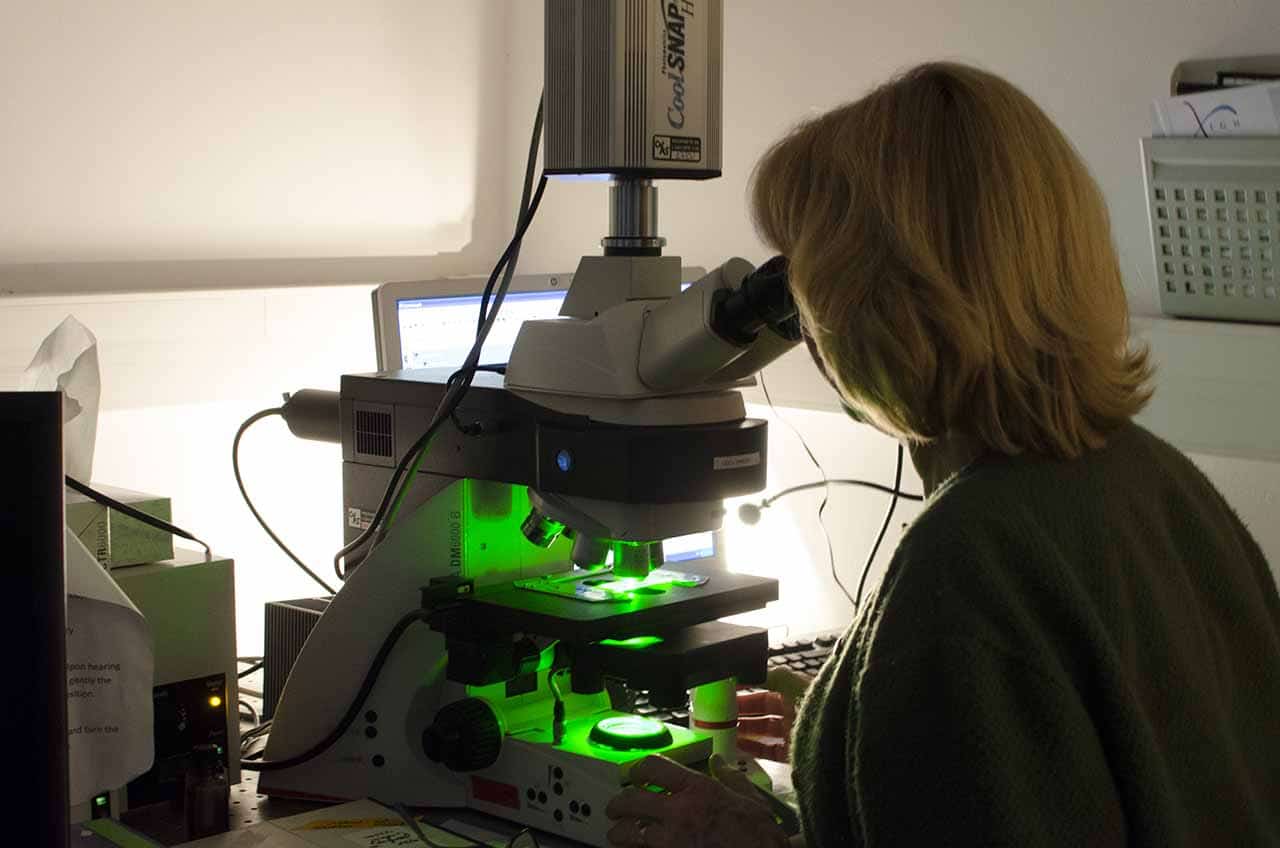
IGH © Miss Buffet Froid
“As their lifestyles become more like ours, countries in the Global South will soon face the same diseases we do, particularly those associated with a sedentary lifestyle: obesity, diabetes, and cardiovascular disease,”predicts Jacques Mercier. According to the vice president for research at the University of Montpellier, in addition to the emergence of these “diseases of wealthy countries,” countries in the Global South will very soon find themselves facing a new challenge on a massive scale for which they are not truly prepared: cancer.
Cancer: A Disease of the 21st Century
As head ofthe ICM (Montpellier Cancer Institute), Marc Ychou is convinced that cancer is and will remain the predominant disease over the next thirty years. Increased life expectancy and an aging population inevitably lead to a rise in the number of cancer cases. Many of these cases (about 20% today, according to the World Health Organization) are caused by pathogens—parasites, bacteria, and viruses—that are particularly prevalent in the Southern Hemisphere. These agents specifically interfere with the proper functioning of the immune system, which is responsible for destroying cancer cells.
Thus, in the context of increasing life expectancy, understanding how the immune system in the regions of the world most exposed to infections will manage the growing threat of cancer has become a paramount research priority.
Defeating AIDS
“Of the 35 million people living with HIV, 25 million are in Africa,” notes Eric Delaporte, an infectious disease specialist at Montpellier University Hospital and a professor at the University of Montpellier. When asked the rhetorical question,“How can we end HIV tomorrow?” the professor of medicine obviously has no answer.“While research into a preventive or therapeutic vaccine has so far proved unsuccessful, there have been major therapeutic advances,” explains theProfessor , which specializes in HIV, among other areas.“There is still no cure for AIDS, but the disease has gone from being fatal to chronic. And today’s therapies now prevent the transmission of the virus,”explains Monsef Benkirane, director ofthe Institute of Human Genetics (IGH).“In Africa, the stigma surrounding people living with HIV is still sometimes a barrier to getting tested—and even to seeking treatment,” continues the CNRS research director.
Defeating AIDS in the Global South will be no easy task, as—in addition to cultural factors—there are numerous obstacles to overcome, particularly those related to the fragility of health care systems. Now more than ever, in order to treat HIV in the Global South, research must continue to develop, among other things, an innovative approach to the disease.
Target: 90%
To end the AIDS epidemic, the UN set the following goals for 2020 in late 2014: that 90% of people living with HIV know their HIV status; that 90% of those tested receive sustained antiretroviral treatment; and, finally, 90% of them would have sustained viral suppression.
Currently, just two years before this deadline, only 70% of people living with HIV are believed to know their HIV status. 77% of those who have been tested are receiving appropriate antiretroviral treatment. 80% of them are believed to have viral suppression.
Preventing the Ebola Virus
In 2014, the Ebola virus caused its deadliest outbreak to date. According to figures from the World Health Organization, 11,310 people died in West Africa. Another 10,000 survived but were left with serious long-term effects. Humans likely become infected by handling infected animals during hunting and butchering. Led by Ahidjo Ayouba (UM, IRD), the“Post-Ebola Resilience Initiative”project—selected as part of the first Muse call for proposals, “Research Support 2017”—aims to document the presence of the virus at the interface between wildlife and humans using a “One Health”* approach.
This project, which has received 100,000 euros in funding, will be carried out in Guinea, the Democratic Republic of the Congo, and Cameroon, with the goal of understanding the circulation of this virus in the animal world. This information is essential for preventing new epidemics in humans.
* This is an integrated approach to health that emphasizes the interactions between animals, humans, and their various environments.
I-SITE MUSE
 “ Feed, Care for, Protect“, three global challenges for the 21st century at the heart of I-SITE MUSE.
The MUSE (“Montpellier University of Excellence”) project brings together 19 institutions behind a shared goal: to establish in Montpellier a thematically focused, research-intensive university that is internationally recognized for its impact in fields related to agriculture, the environment, and health—a university that will serve as a close academic partner for all members of the consortium, one with which they will have strong ties and of which they can be proud.