[LUM#15] Toward a Food Democracy
Restoring confidence in local food to limit the ravages of junk food. These are the recommendations of a team of researchers who have mapped the food environment in major African cities.
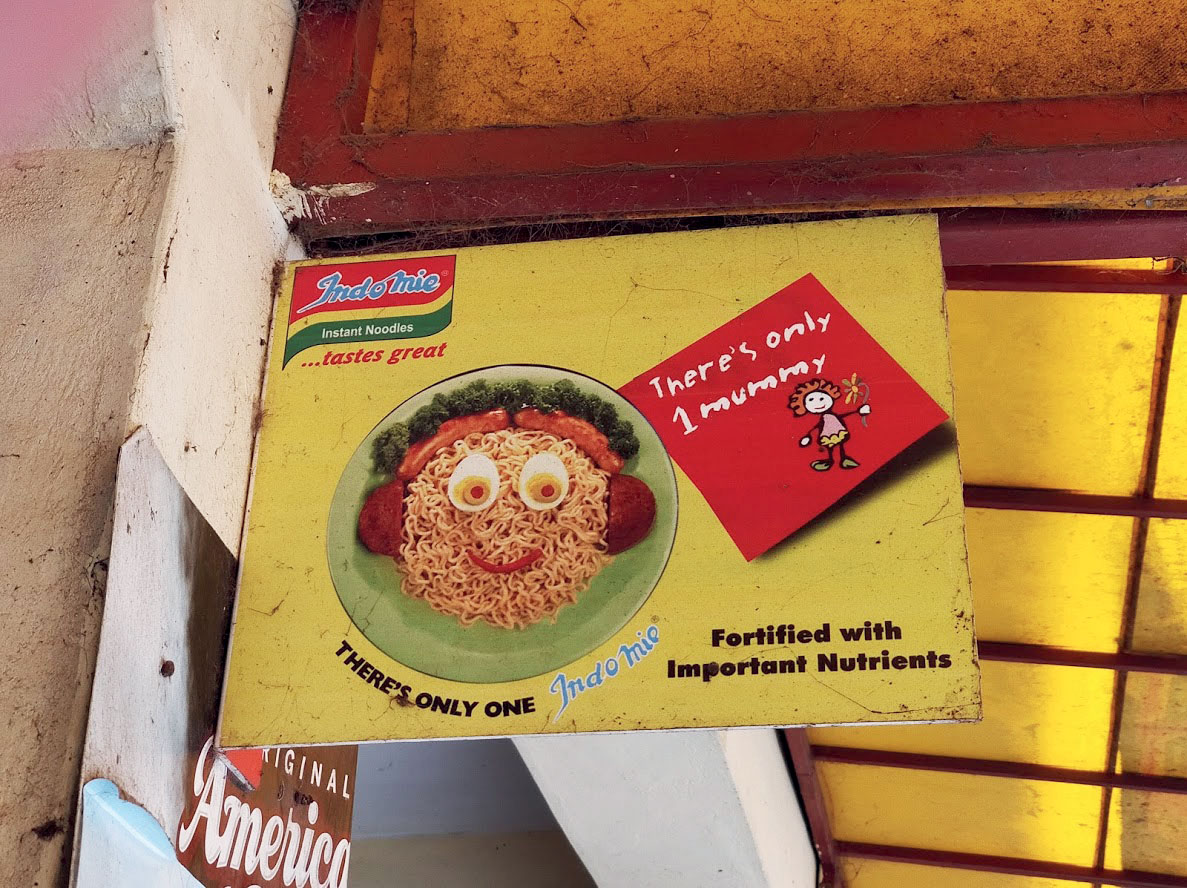
It is a global scourge with serious consequences, and one that does not spare the African continent, where obesity is on the rise, particularly in major cities. In Ghana and Kenya, nearly half of all women are overweight or obese, which leads to a host of related conditions, including diabetes, cardiovascular disease, and other chronic illnesses.
Why has this phenomenon become such a major issue? And, above all, how can it be alleviated? To better understand the issue, a team of international researchers went to meet with residents of three disadvantaged neighborhoods as part of a project bringing together nutrition and social science researchers from French teams atthe IRD and CIRAD in Montpellier, as well as from universities in England, Ghana, and Kenya. “We really worked with the residents,” emphasize Michelle Holdsworth and Nicolas Bricas, “asking them, in particular, to take photos of where they shop and the factors that influence their daily diet in order to better understand their food landscape, ” explain the researchers from the Moisa* laboratory.
Top-Rated Supermarkets
These snapshots highlight a shift in dietary habits: “Processed foods are increasingly popular at the expense of traditional local foods, which are typically available at informal retail outlets such as kiosks or street stalls, ” the researchers note.
Why are residents turning more and more to these products? “Packaged foods—low in nutrients but high in fat and sugar—are easily accessible and heavily advertised in these poor communities, ” explains Michelle Holdsworth. And those aren’t the only reasons. “People are concerned about poor hygiene at informal distribution points; the fear of food poisoning is very real, ” adds Nicolas Bricas. This fear drives residents—reassured by the cleanliness of the packaging—toward foods and beverages that are too high in fat, salt, and sugar.
Consultation
To reverse this trend, “we must restore confidence in locally sourced food by enabling small-scale artisans to work under proper sanitary conditions: providing sanitary processing and food service areas, organizing waste collection, and so on.” Support for “small, community-based food service” must, above all, be provided in consultation with residents . “We must devise these solutions for the future together through ongoing dialogue with all residents. In particular, we must ensure that these changes do not result in an increased workload for women, who are the most directly affected, ” the experts caution.
Following this essential dialogue with residents, researchers are turning their attention to policymakers to incorporate these recommendations, particularly into urban planning policies. “We need to view this as a true food democracy, ” conclude Michelle Holdsworth and Nicolas Bricas. The goal is to reshape a food landscape that is healthier and beneficial not only to public health but also to the local economy.
Check out theUM podcasts, now available on your favorite platform (Spotify, Deezer, Apple Podcasts, Amazon Music, etc.).