Innovation Award
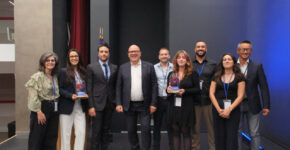
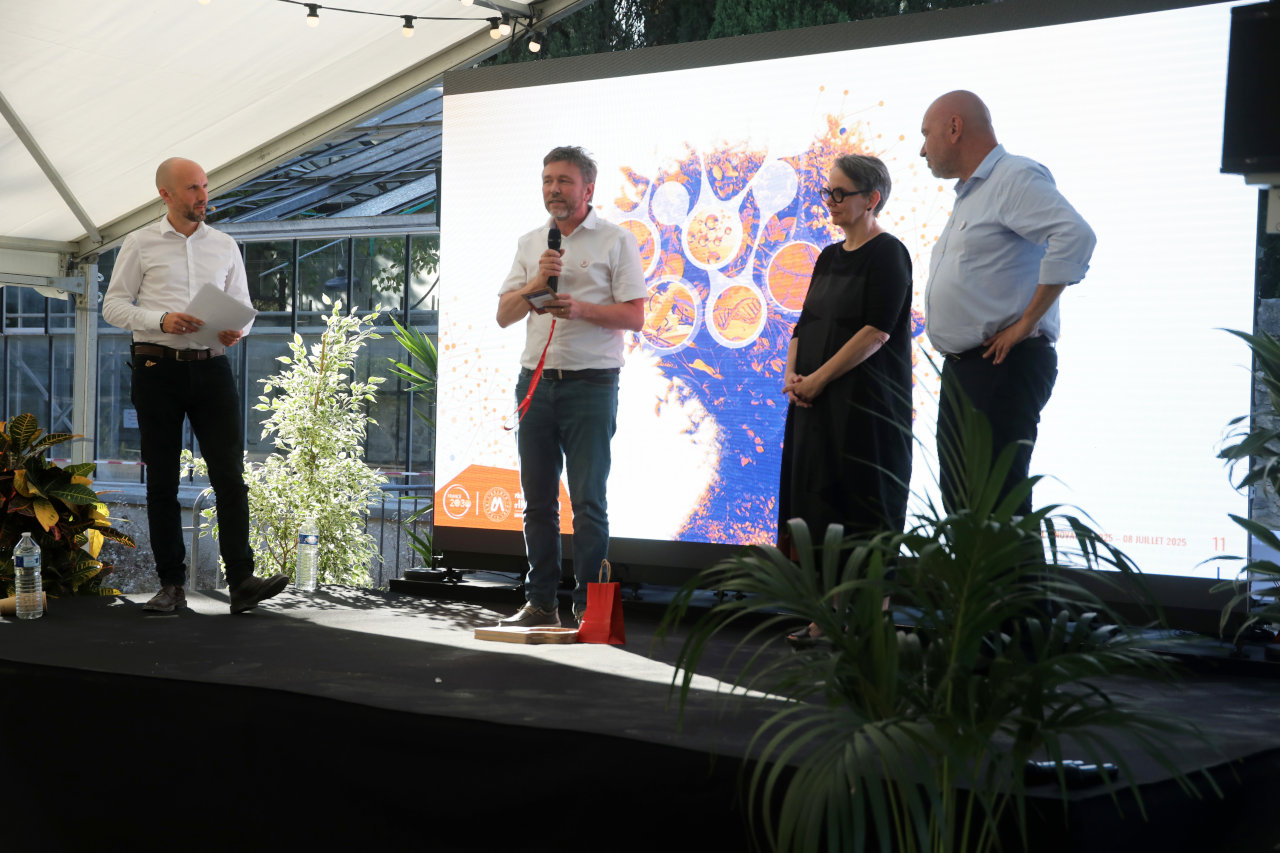
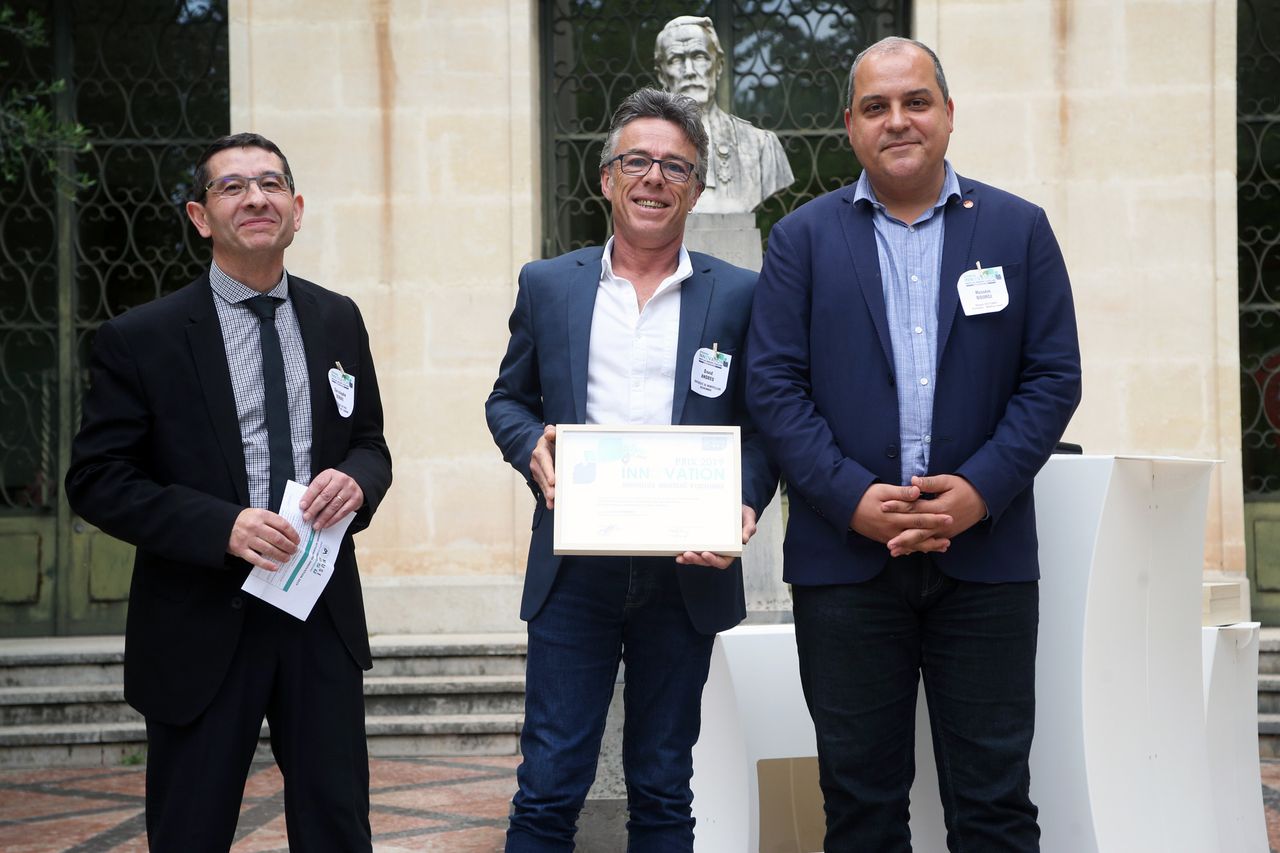
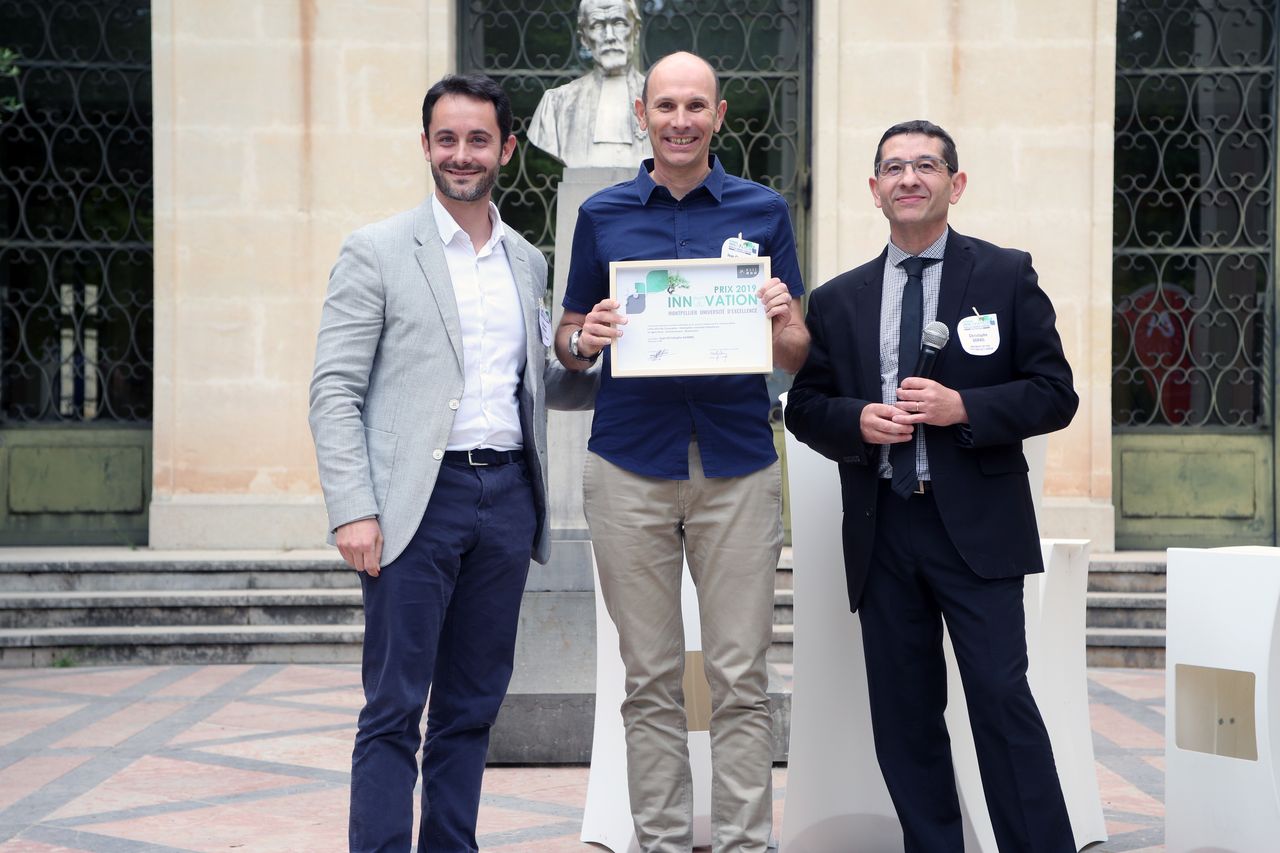
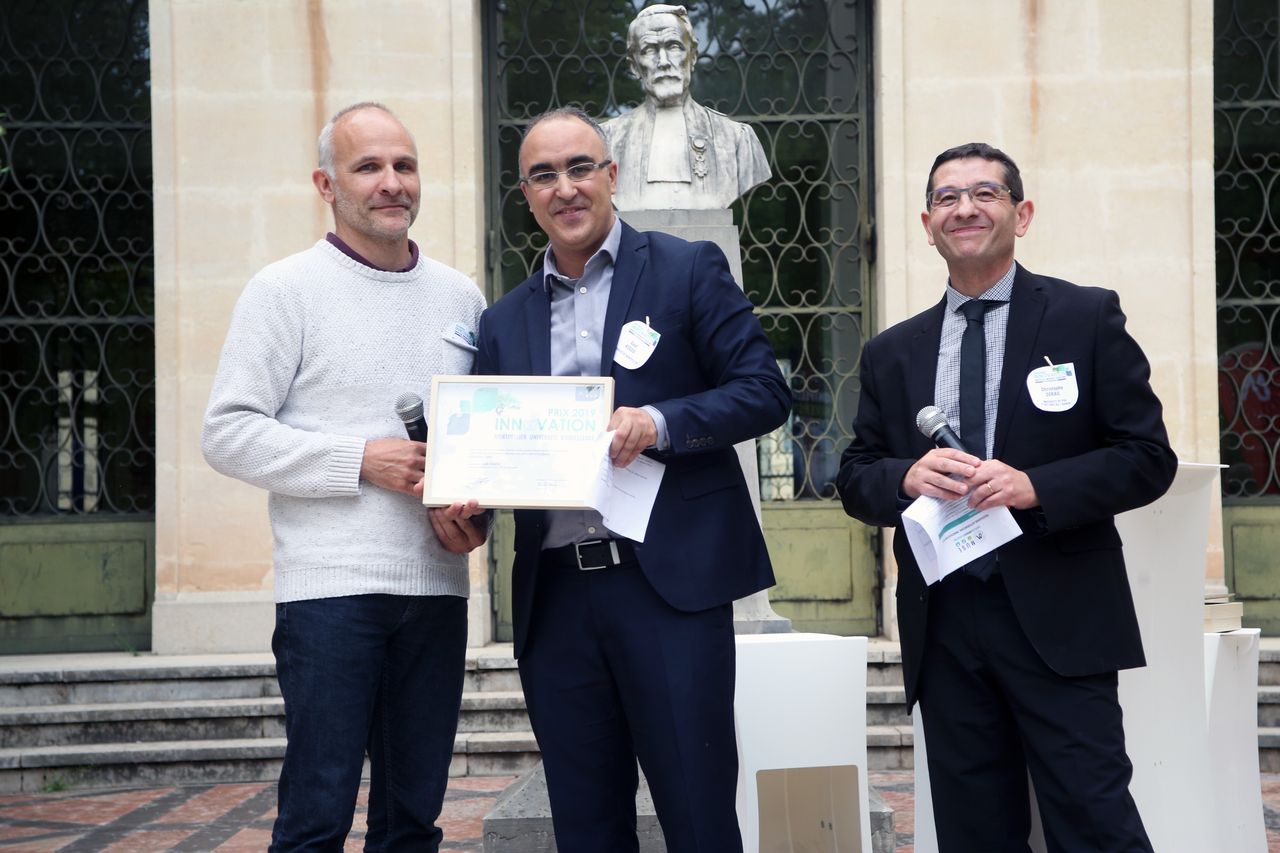
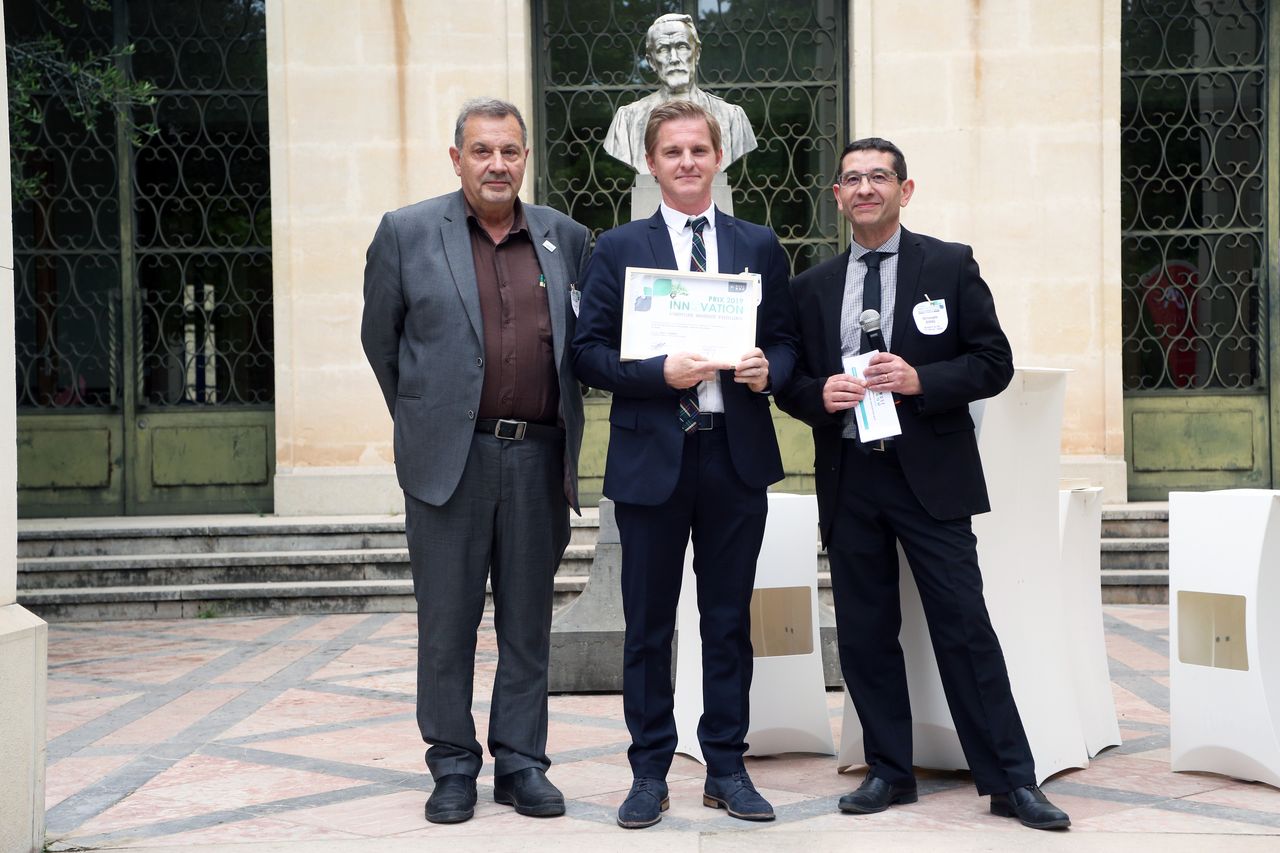
Since 2019, the University of Montpellier has brought together the leading players in local innovation for an event during which it honors the best innovative initiatives by staff at the “UM ” and those at partner institutions of the I-Site Program of Excellence (PEI): “The Innovation Award.” An initiative led by the University Innovation Hub.
This initiative, which is part of the objectives of the University Innovation Cluster led by the University of Montpellier, aims to foster the emergence of new innovation projects from laboratories and maximize their impact.
The award recipients are all from one of the following five research clusters: Agriculture, Environment, Biodiversity (AEB); Biology, Health (BS); Mathematics, Computer Science, Physics, Systems(MIPS); and Chemistry, Social Sciences (SOC).
Would you like to learn more about the terms and conditions? Check out the related news post.
The "Innovation Award" Winners
2025–2026 EDITION
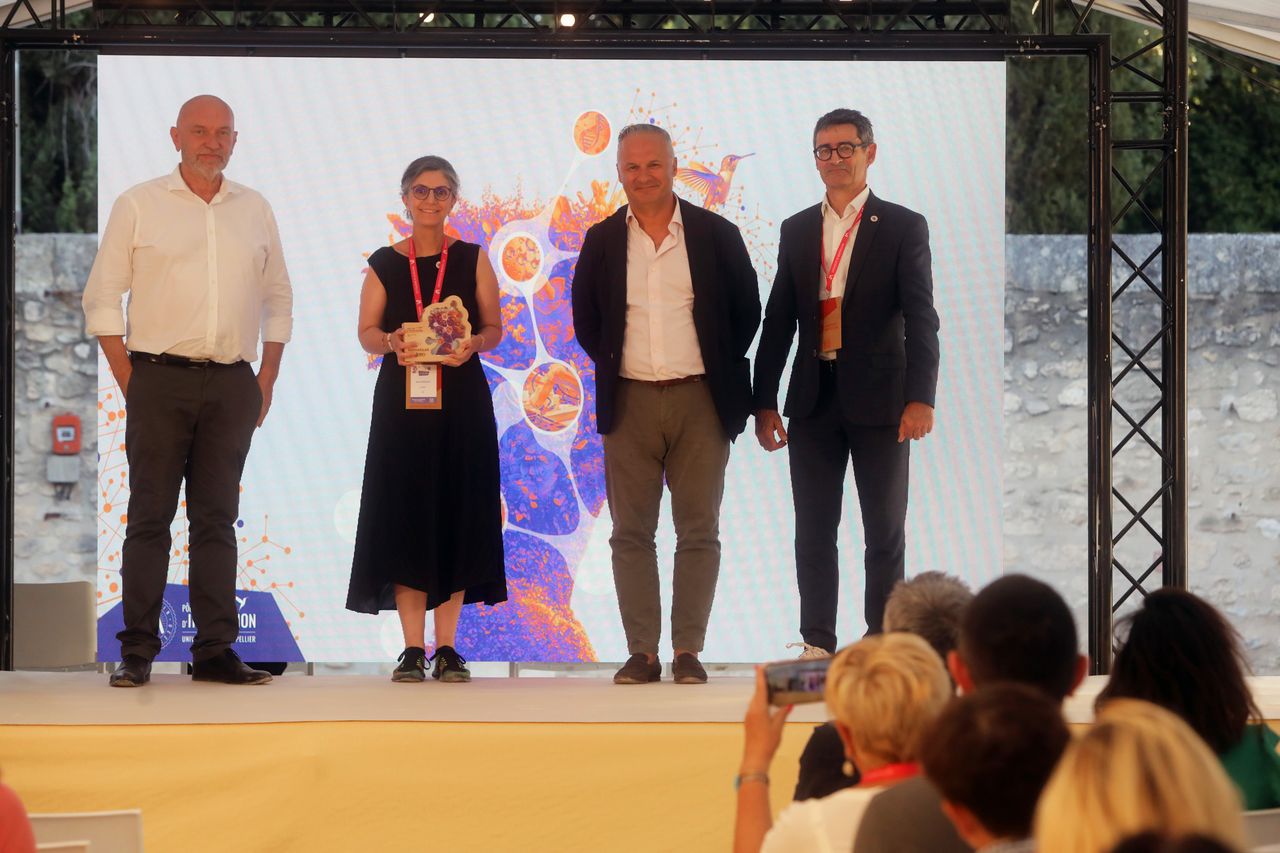
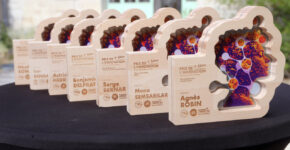
- AEB Award Winner: Nicolas SOMMERER (INRAE), for the BioSanThé project: an innovative aeroponic method for growing tea plants that enables the sustainable production of high-value-added bioactive compounds, while making use of the entire plant and recycling 95% of the water used.
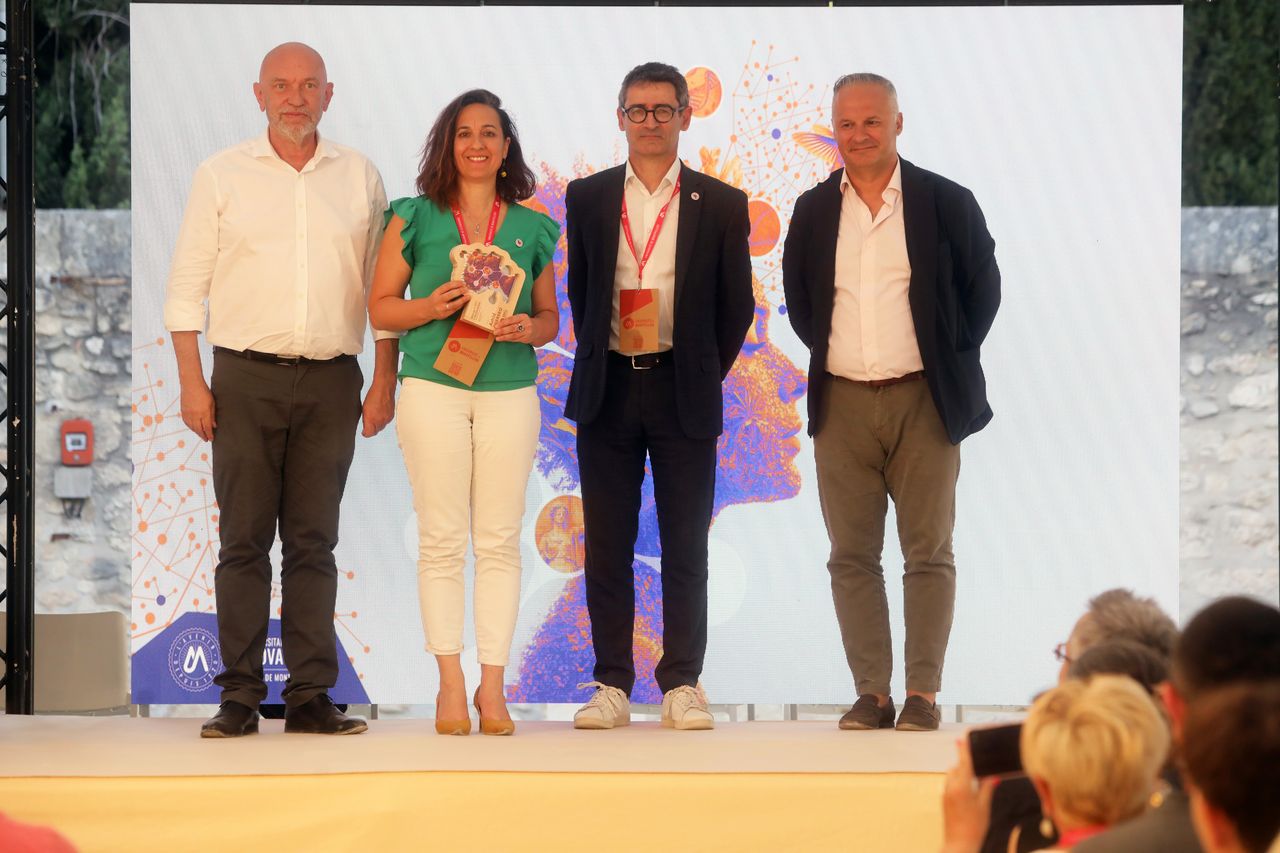
- Biology and Health Award Winner: Astrid HERRERO (Montpellier University Hospital), for the FLOWGRAFT project: a secure digital platform designed to optimize the logistics, traceability, and quality of organs, from procurement through transplantation.
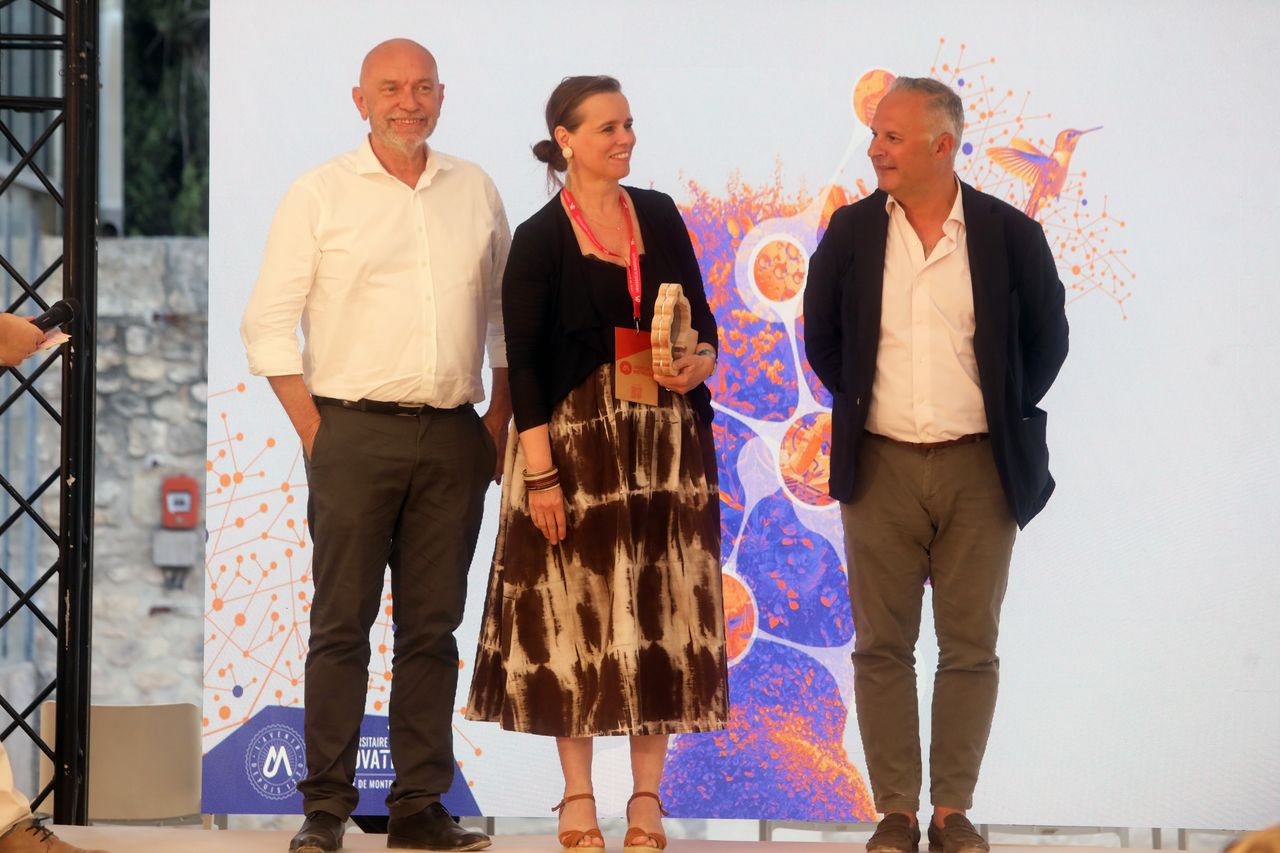
- Chemistry Award Winner: Mona SEMSARILAR (IEM), for the NOVASORB project: an innovative adsorbent material capable of effectively capturing all PFAS, including short-chain compounds, to address the public health challenges associated with these “forever chemicals.”
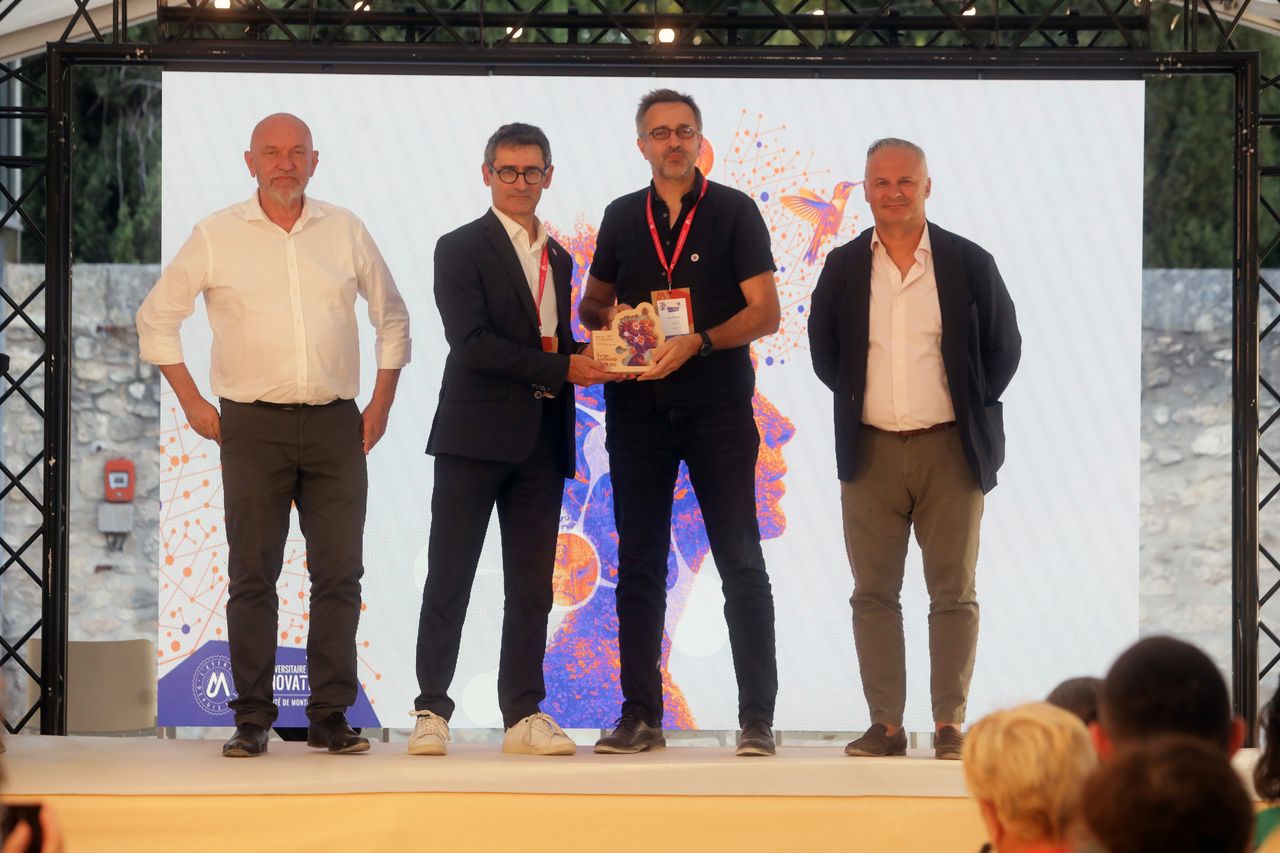
- MIPS Award Winner: Serge BERNARD (LIRMM), for the DeepPulseNeuro project: a minimally invasive technology for deep brain exploration via endovascular access, aimed at improving the diagnosis and monitoring of patients with epilepsy.
- Social Sciences Winner: Agnès ROBIN (Faculty of Law and Political Science, Montpellier; LiCeM), for the JurisDoR project: an open-access platform designed to organize and make research data law more accessible by providing reliable legal resources organized according to the data lifecycle.
- Winner of the Jury’s Special Selection Award: Benjamin DELPRAT (MMDN), for the WOLSIT project: an innovative therapeutic strategy targeting membranes associated with mitochondria to treat Wolfram syndrome and other neurodegenerative diseases.
- Montpellier Méditerranée Métropole “Coup de Cœur” Award Winner: Ian SOULAIROL (ICGM Montpellier, Nîmes University Hospital), for the I3M2P project: a 3D printing technology that enables the production of personalized medications, particularly for children and patients with rare diseases.
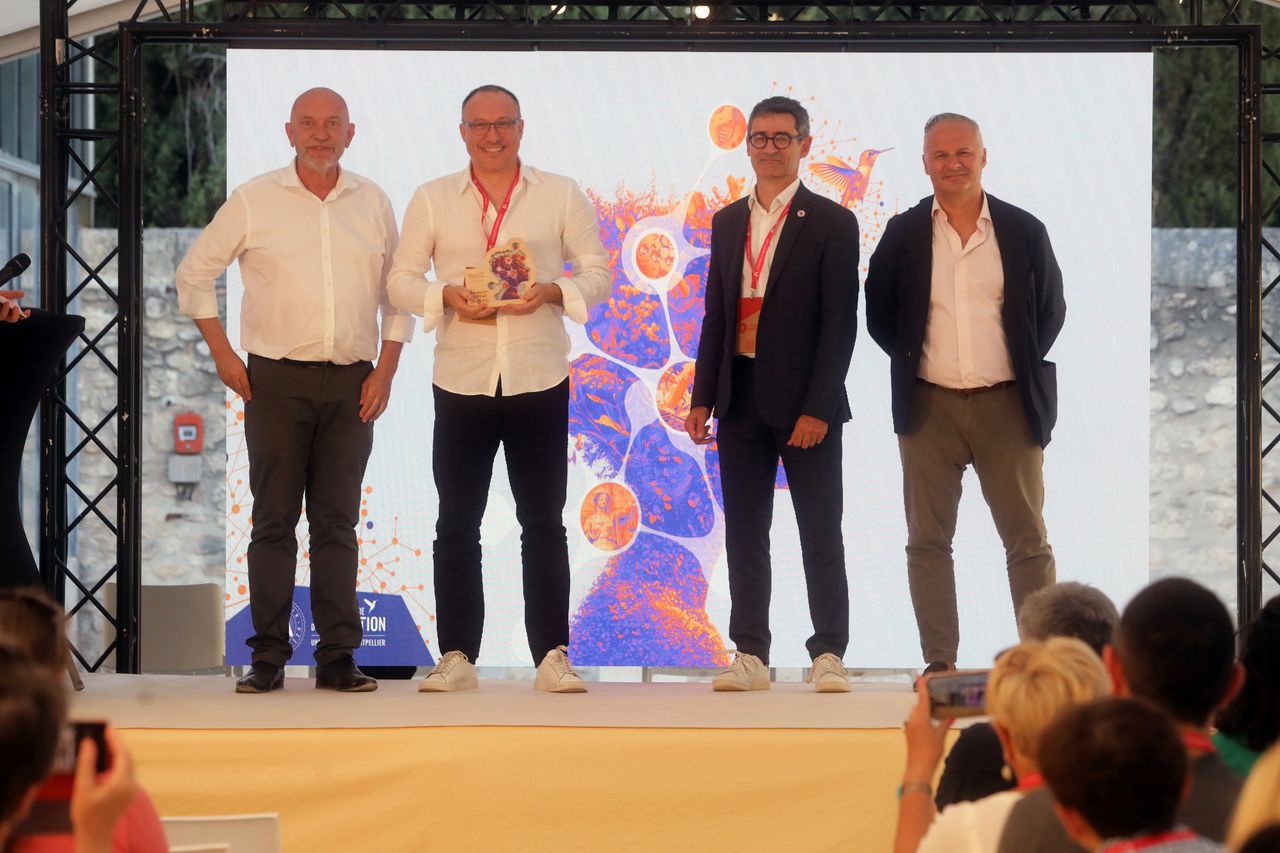
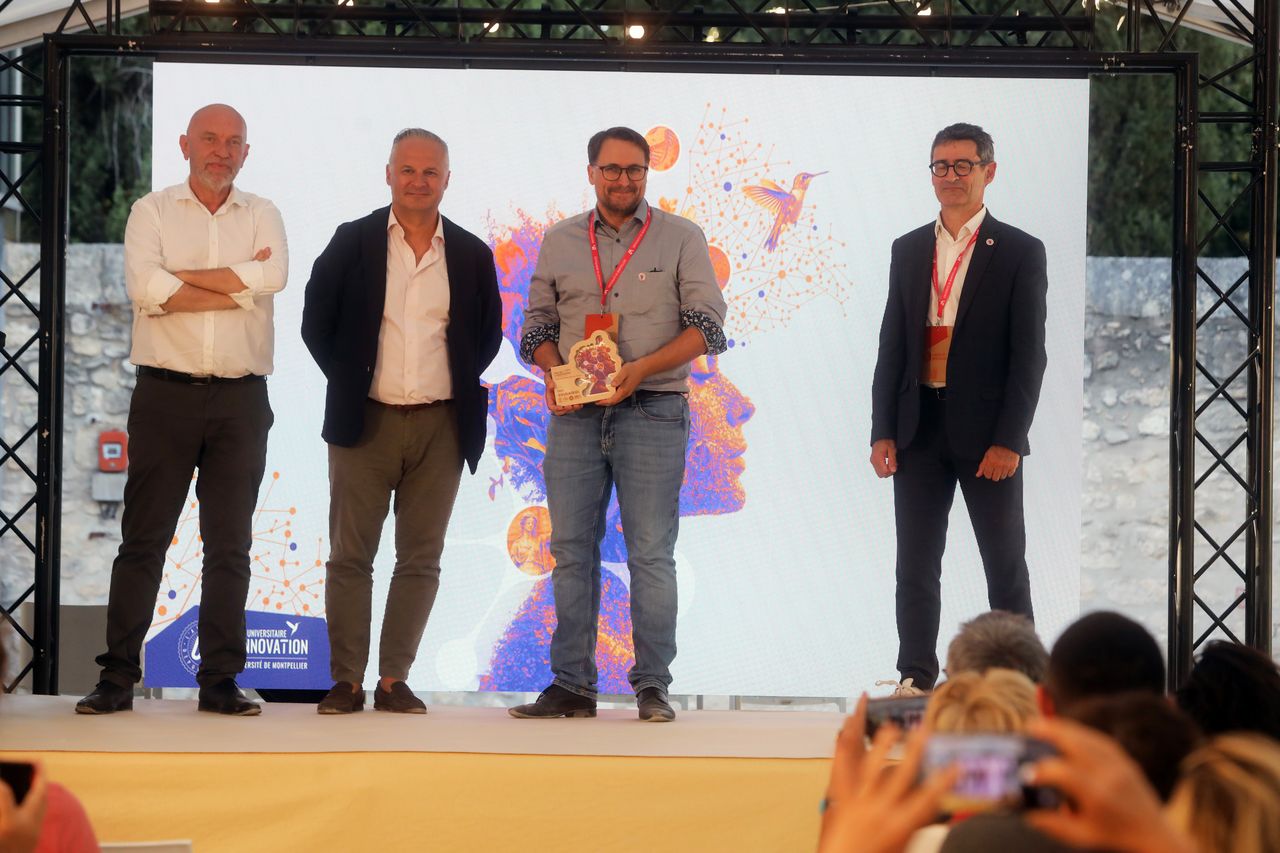
2024–2025 Edition
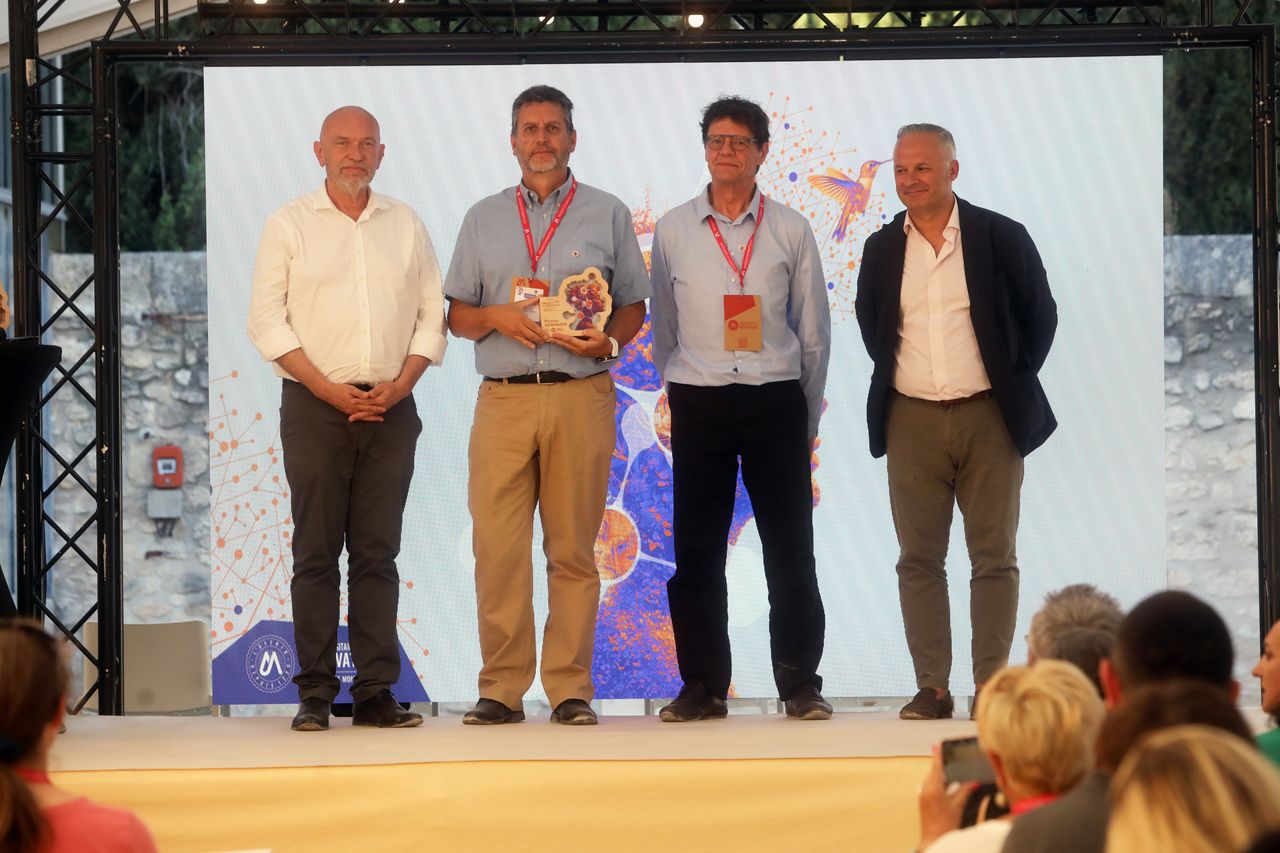
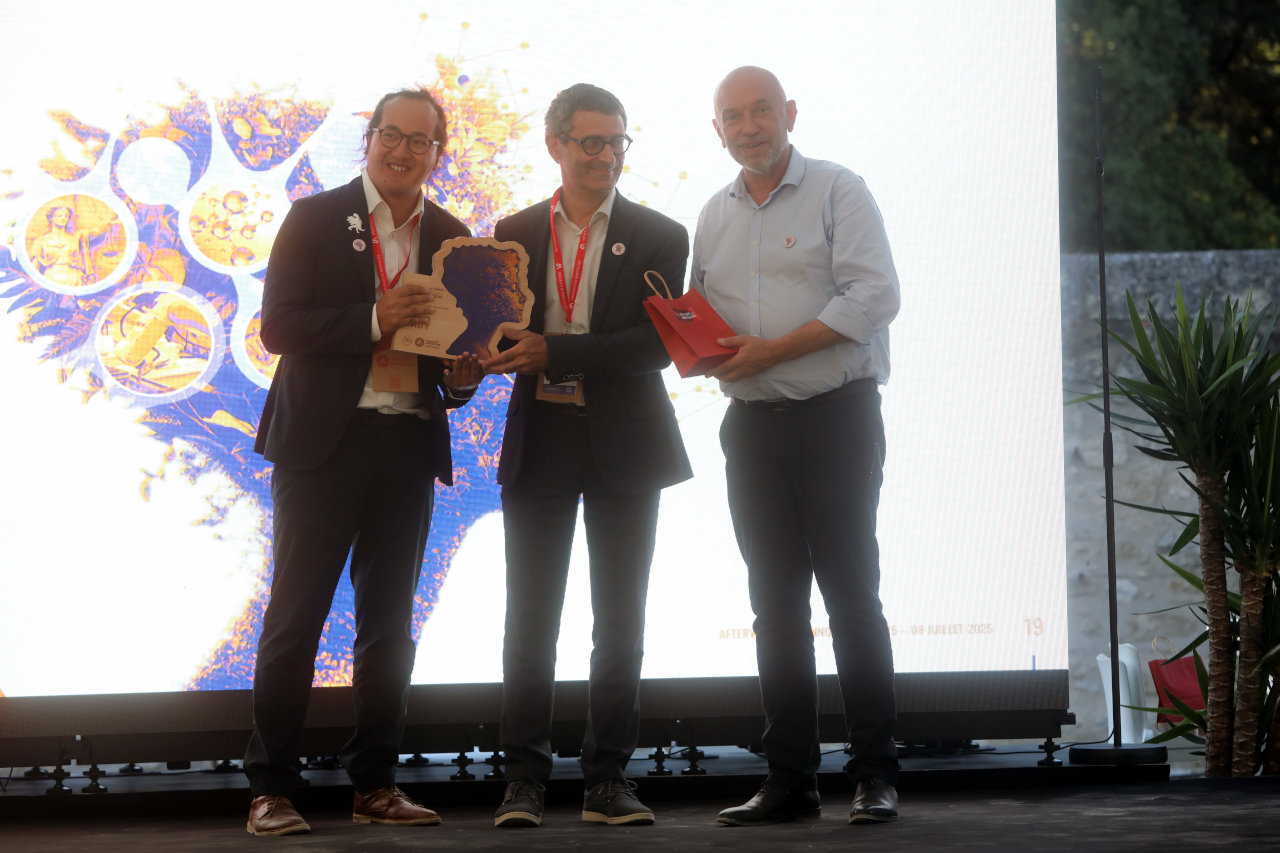
- AEB Award Winner,William ARDITI(SATT AxLR), for theScanorhize Project: a revolutionary underground sensor that makes it possible to visualize root dynamics in the soil without excavation.
- BS Award Winner:Eric KREMER (IGMM:CNRS/ UM) for theCAVisca Project: an innovative gene-based approach to treating Dravet syndrome, a disease that causes a severe form of childhood epilepsy.
- Chemistry Award Winner: Gilles SUBRA( IBMM/ICGM/BioWooEb/CTC Group), in collaboration with theSicle.e Industrial Chair, for developing a method of tanning leather using silicic acid, which enables an innovative way to recycle leather waste.
- MIPS Award Winner Kevin YAUY (Montpellier University Hospital) for theDocSimulator Project: a platform that uses generative AI to train healthcare students using simulated virtual patients, promoting the development of medical and interpersonal skills.
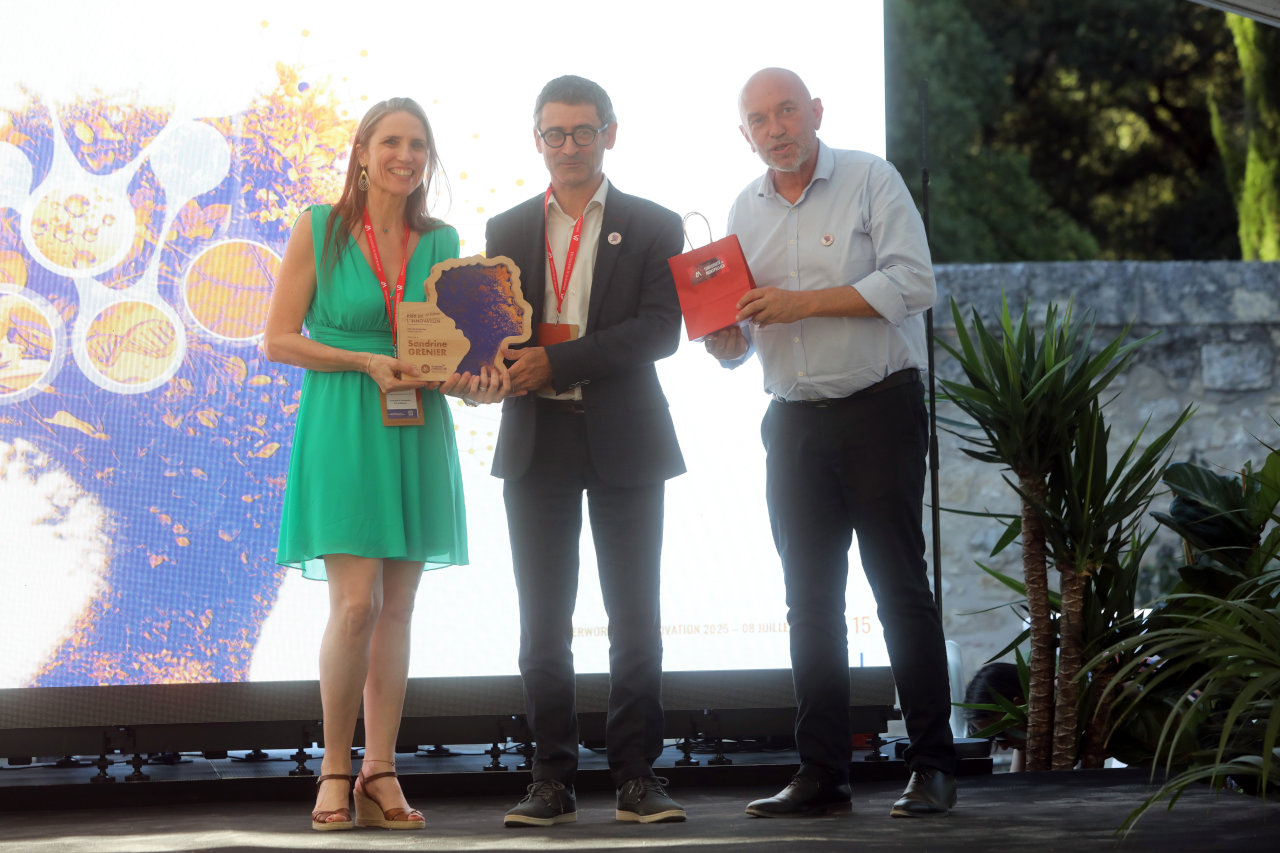
- Social Sciences Winner: Sandrine GRENIER (LiCeM: UM) for theproject “Learning Differently: Law and Film”— a solution that offers a playful, story-driven exploration of the law through short and medium-length films, providing a new educational approach to justice.
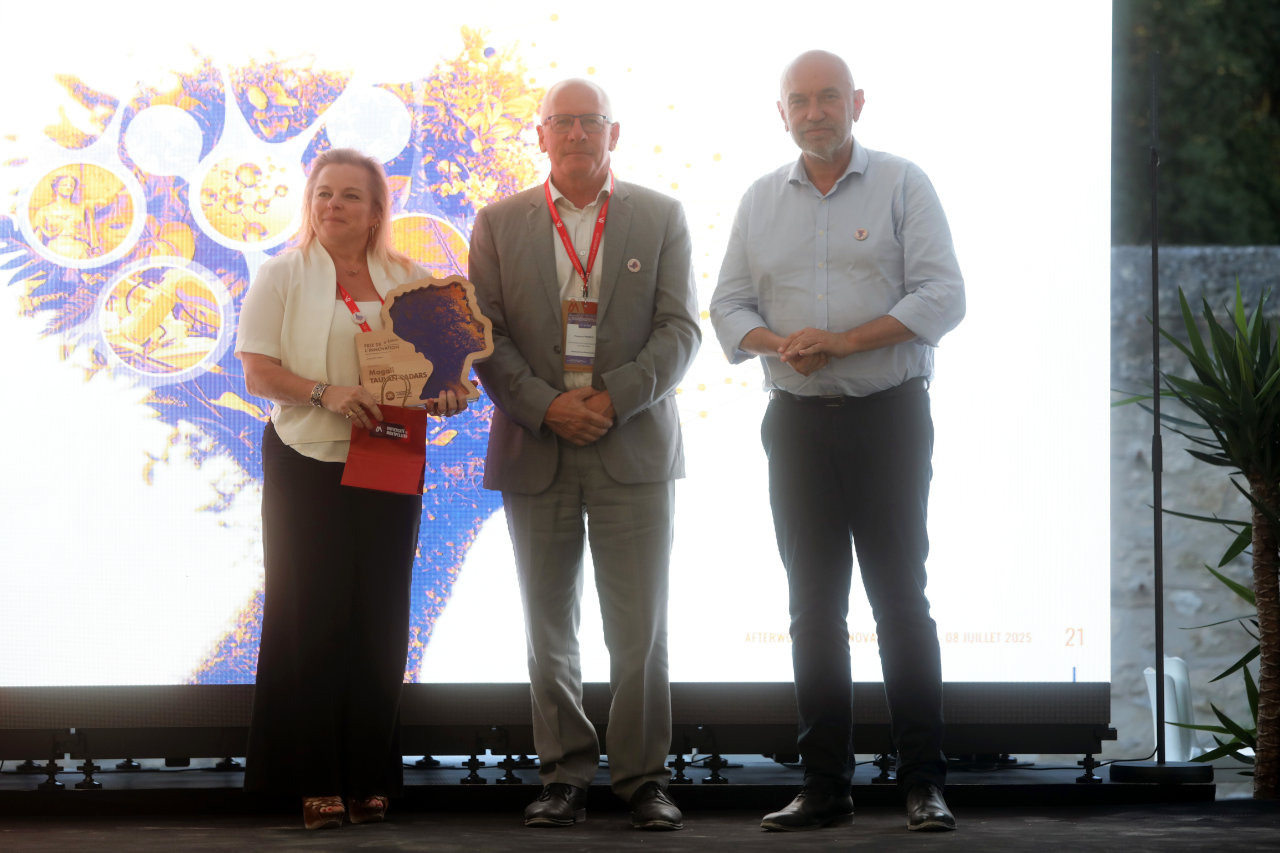
- Winner of the “Coup de cœur” Award: Magali TAULAN-CADARS (PhyMedExp:CNRS/INSERM/ UM) for the development of a treatment for cystic fibrosis using an innovative dual-therapy inhalation regimen combining DNA and peptides.
- Winner of the Montpellier Méditerranée Métropole“Coup de cœur” Award , Aurélie PERRIN (SATT AxLR): a solution for encapsulating biological agents in natural polymers, designed to replace pesticides in agriculture through a biological strategy involving targeted predatory worms.
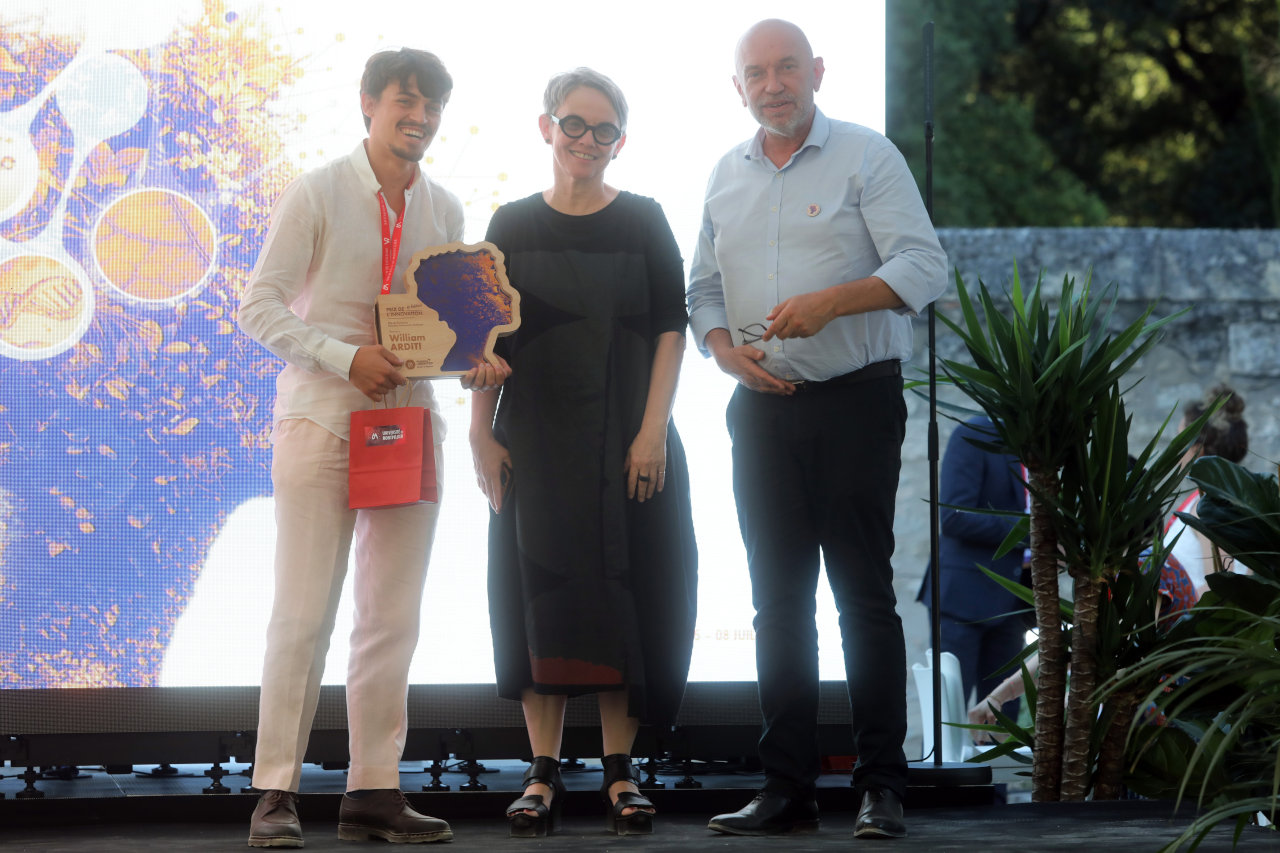
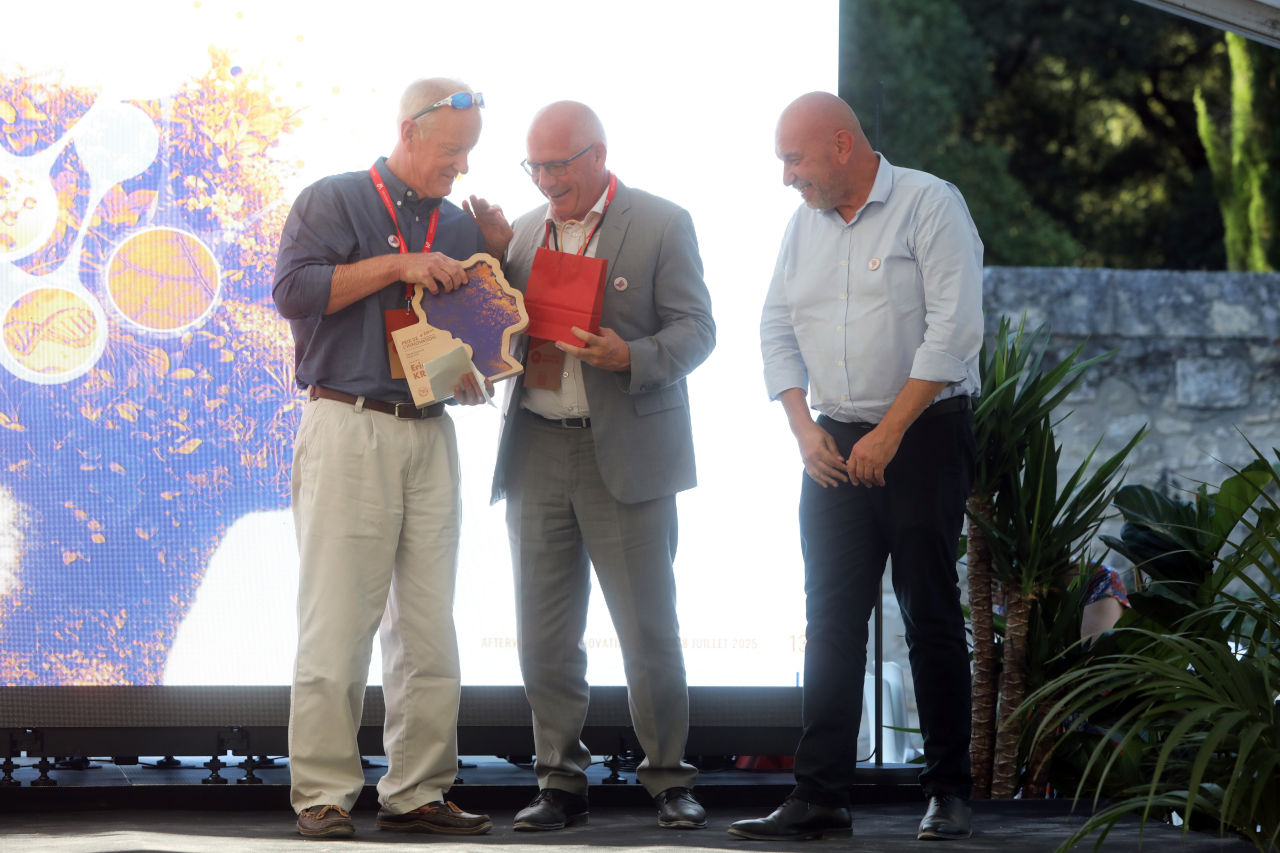
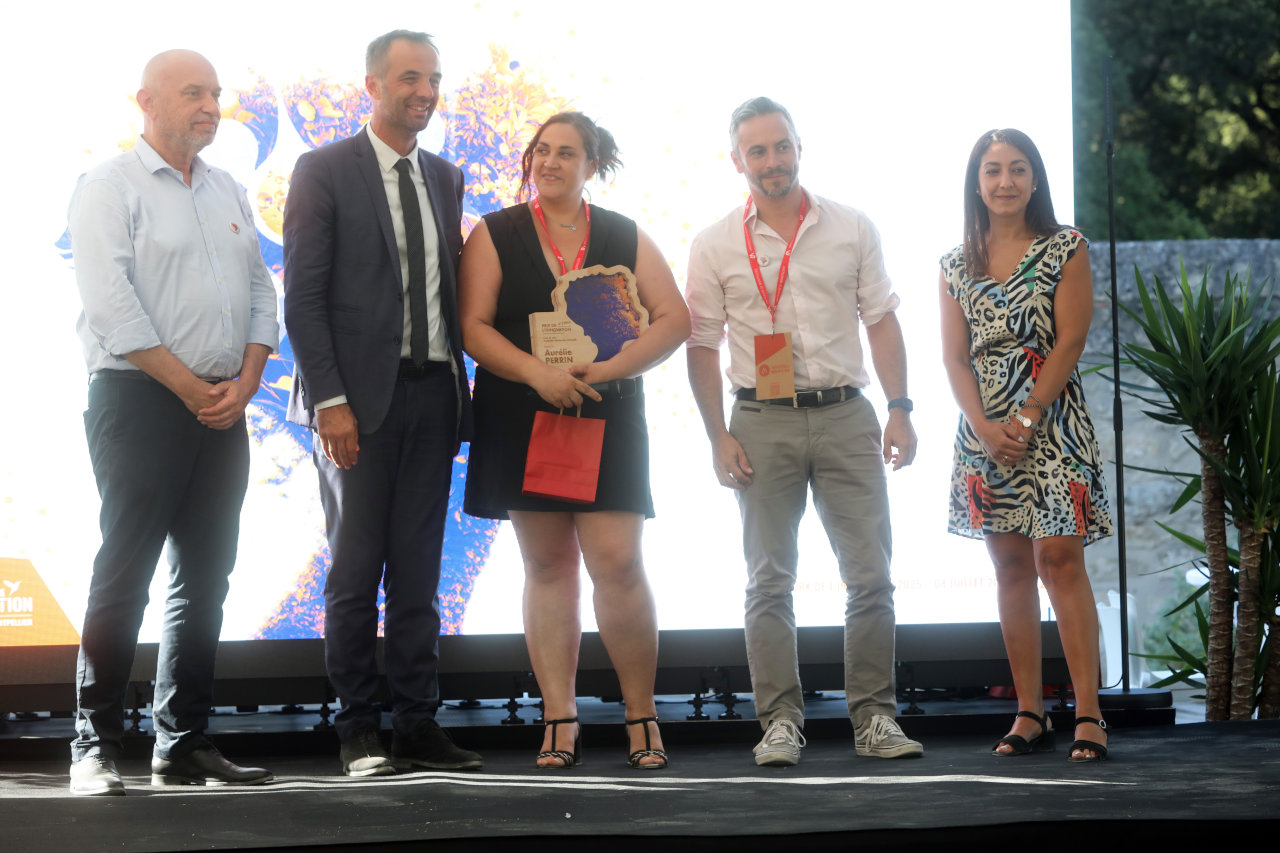
2023–2024 Edition
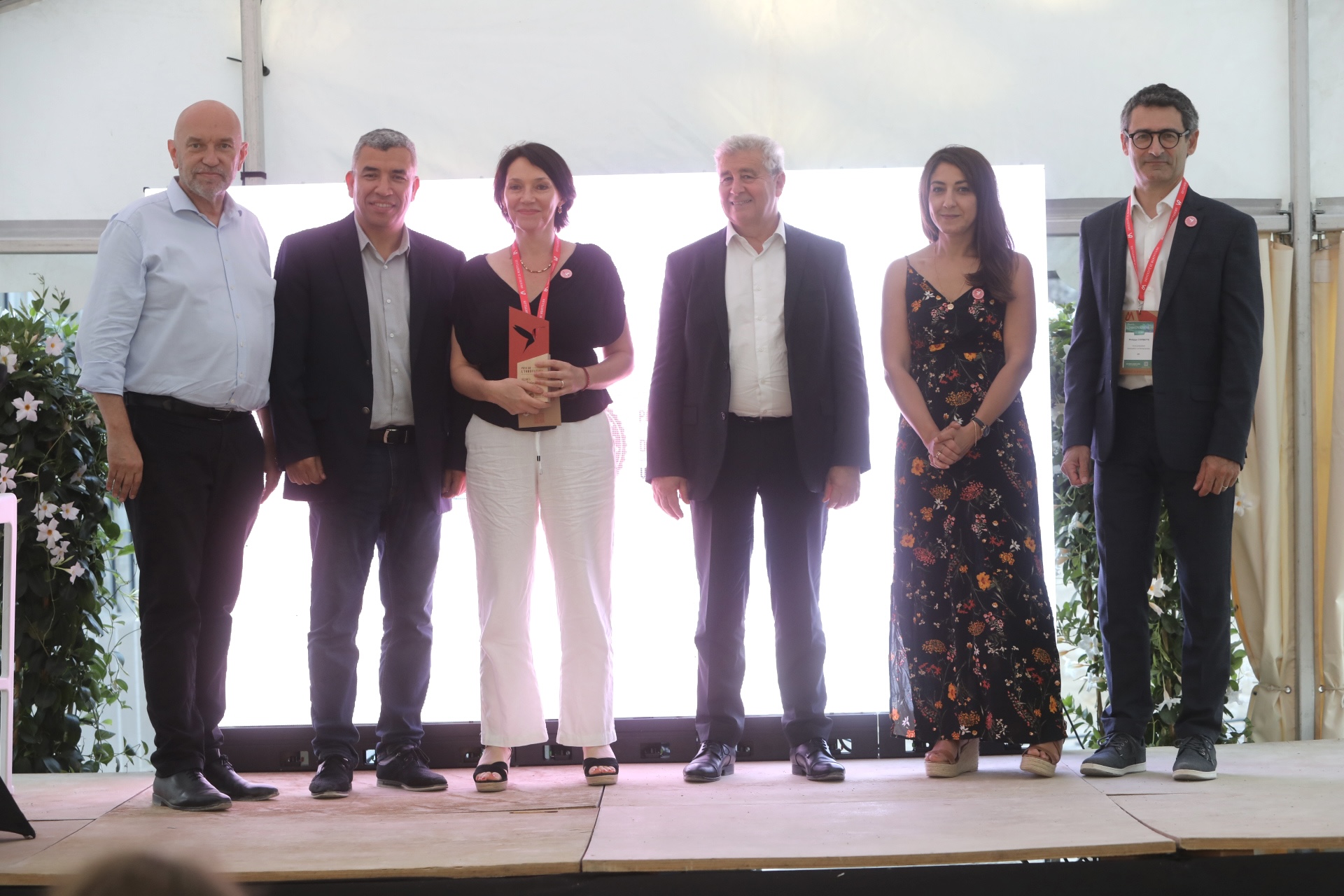
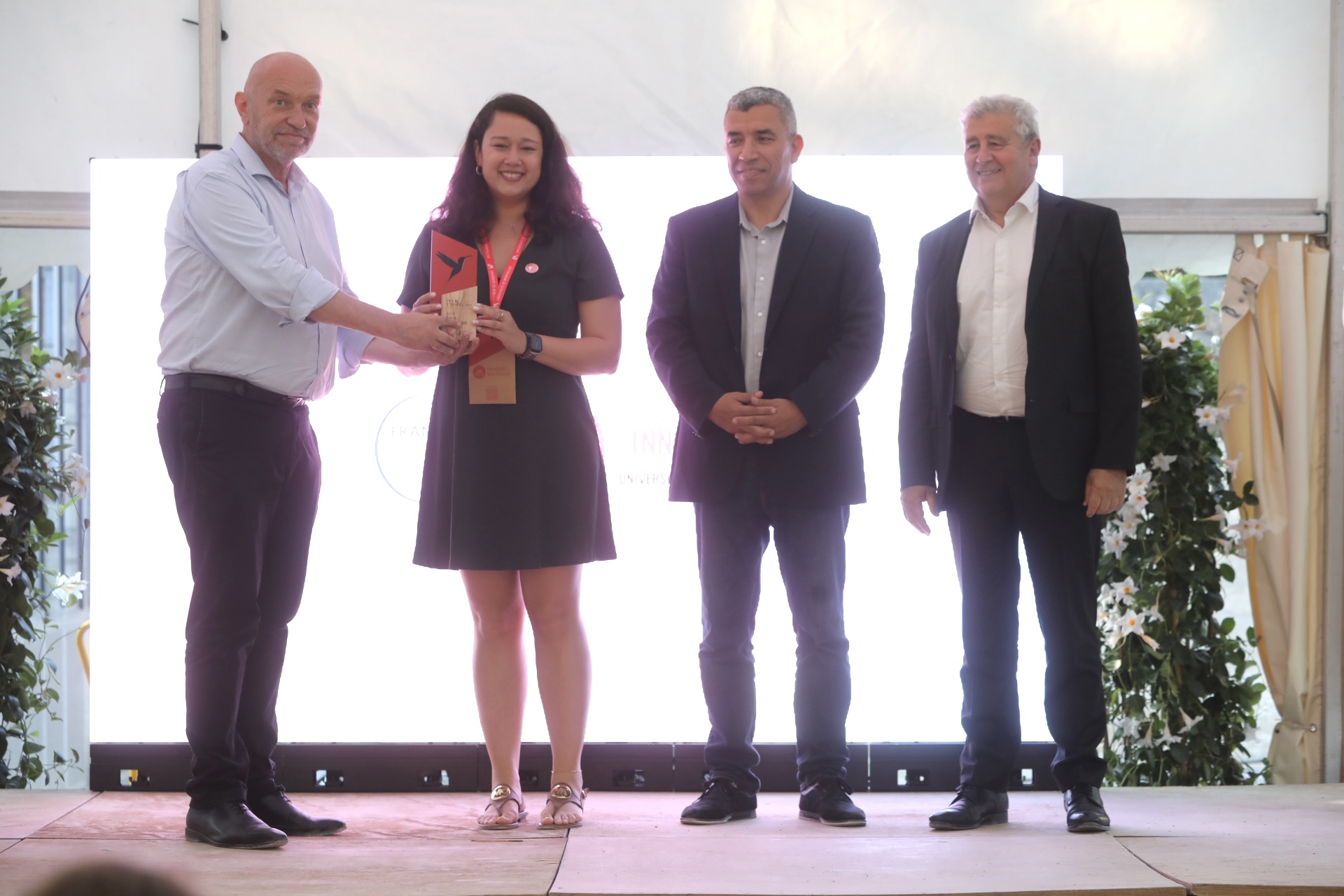
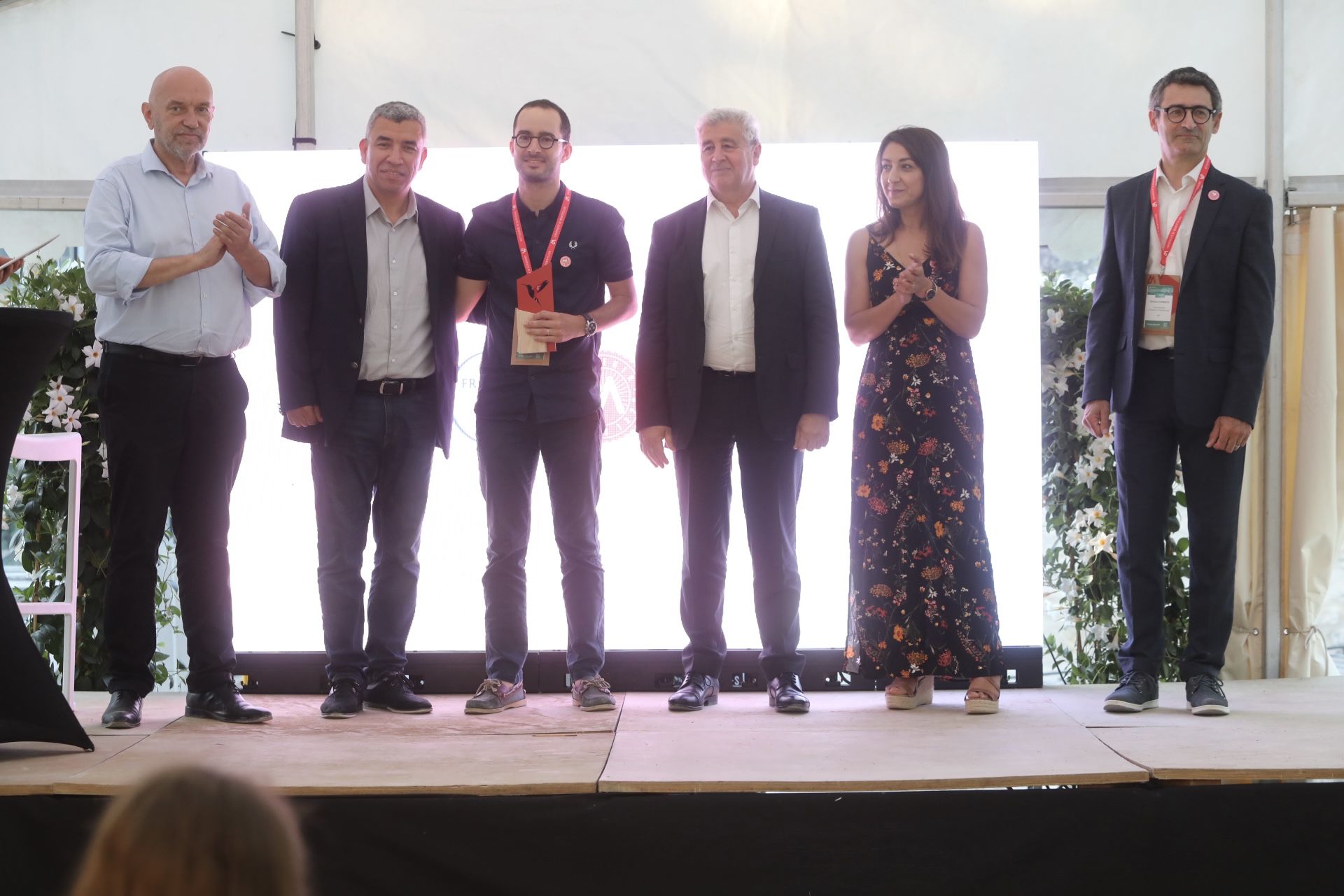
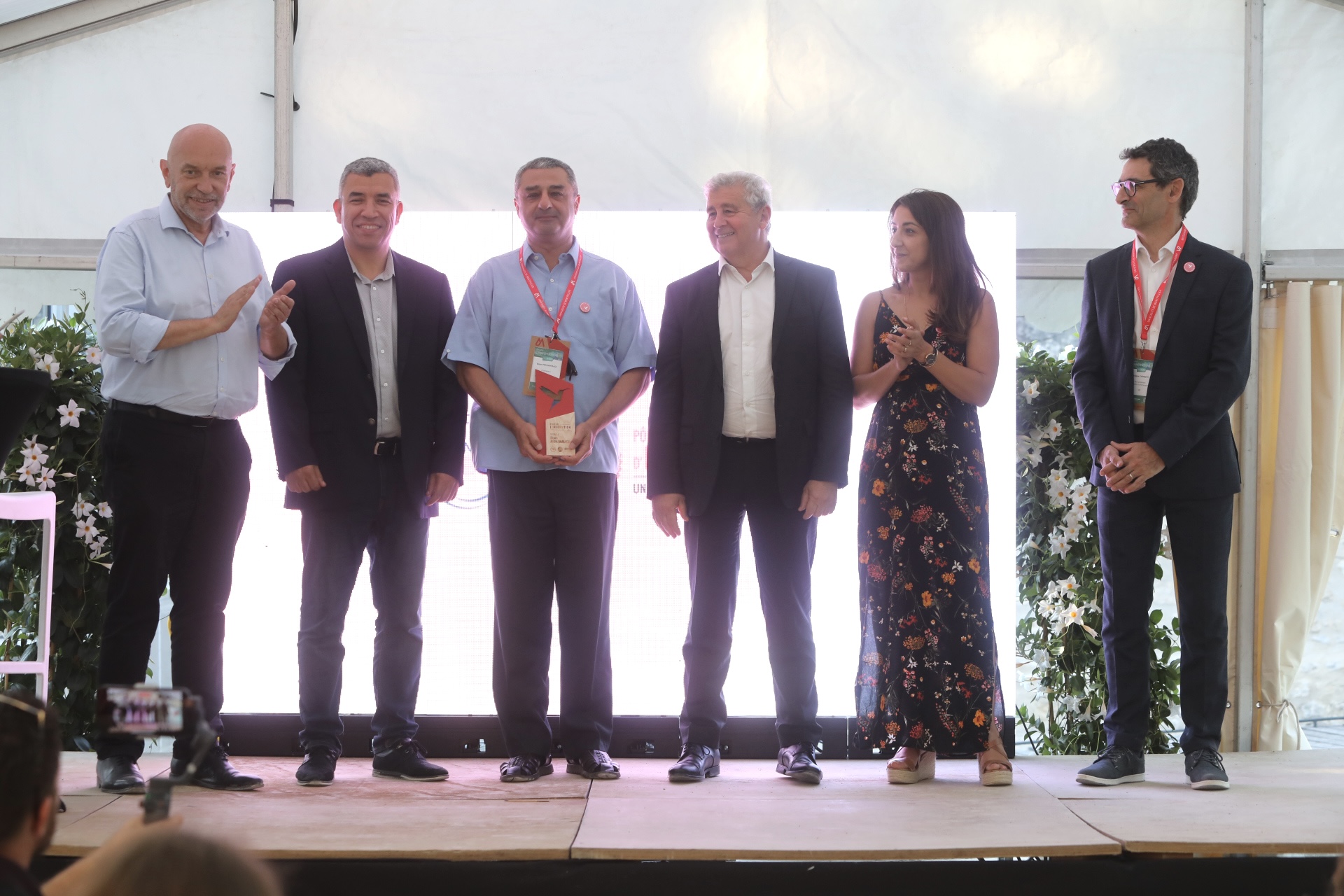
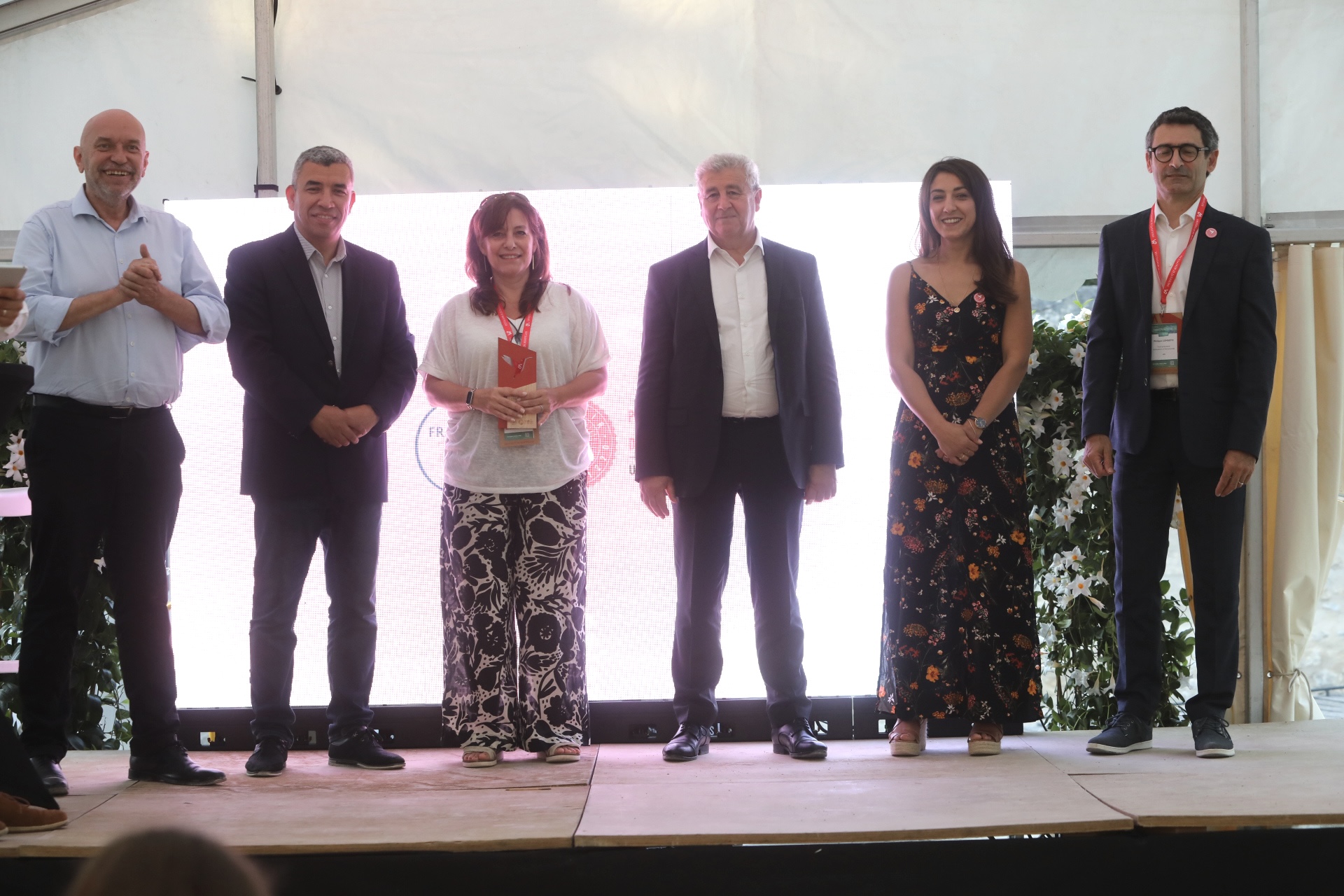
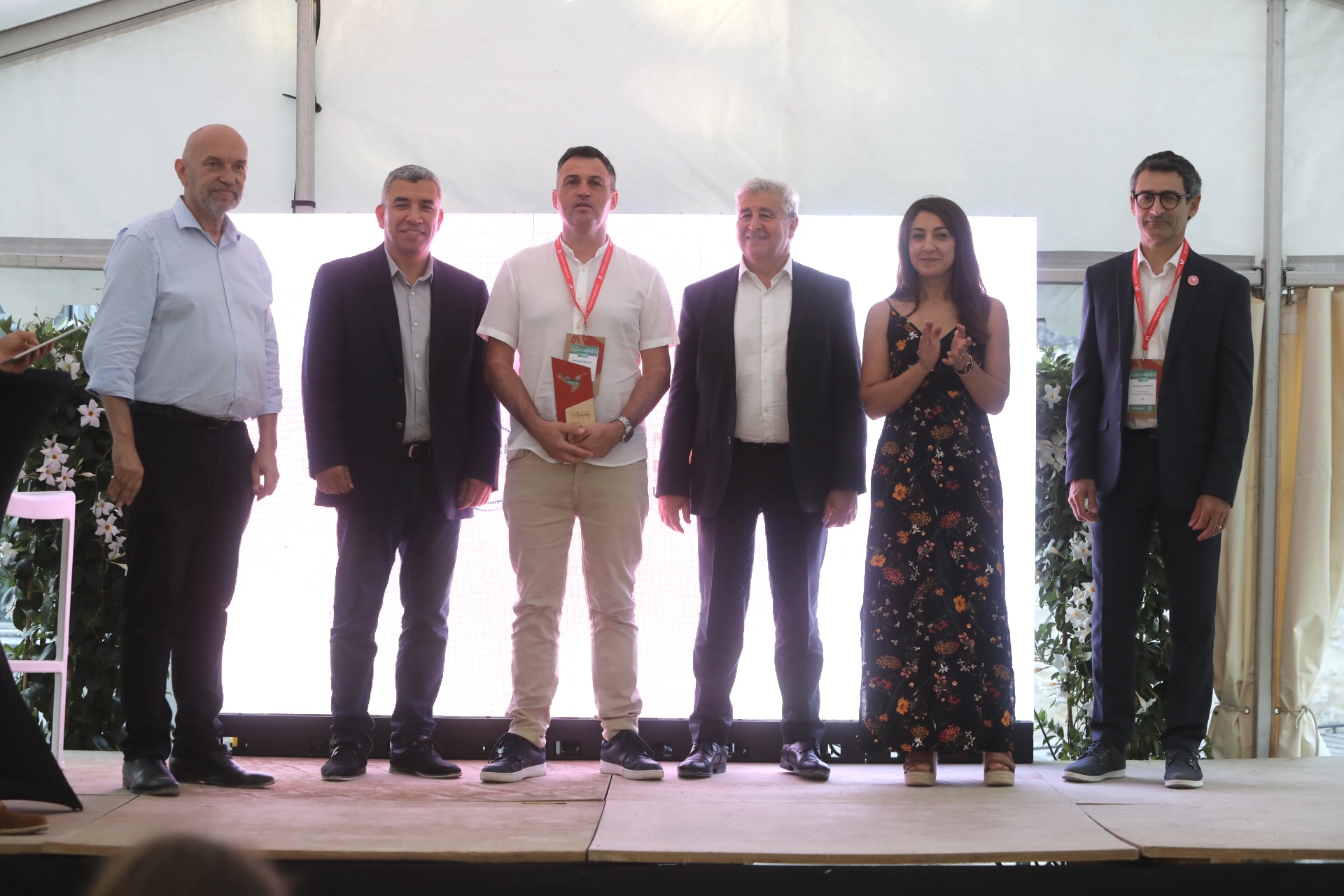
- AEB Award Winner, Frédérique ABERLENC(DIADE: UM / IRD / CIRAD) for theSEXPALM Project: A device for the early sex determination of palm trees.
- BS Award Winner,Sarah COLOMBANI ( PhyMedExp:CNRS/INSERM/ UM) for theOcciCal Therapeutics Project: A preventive treatment capable of halting recurrent diaphragmatic dysfunction in patients on mechanical ventilation in intensive care.
- Chemistry Award Winner, Damien VOIRY(IEM :CNRS/ENSCM/ UM )fortheC2ET Project: Utilization and conversion of CO2 into ethylene.
- MIPS Award Winner, Bijan Mohammadi (IMAG:CNRS/UM) with theDeeplomath to Bondzai Project: Applying AI to predictive maintenance and anomaly detection solutions on industrial production lines.
- Winner in the Humanities and Social Sciences category, Isabelle BOURDON ( MRM : UM)fortheCONSENTCHAIN Project: A solution designed to strengthen and streamline the traceability of patient consent in clinical trials.
- Winner of the “Coup de cœur” Award (Social Sciences), Philippe RONDARD ( IGF: CNRS / INSERM / UM): Treatment of brain diseases using immunotherapy.
2022–2023 Edition
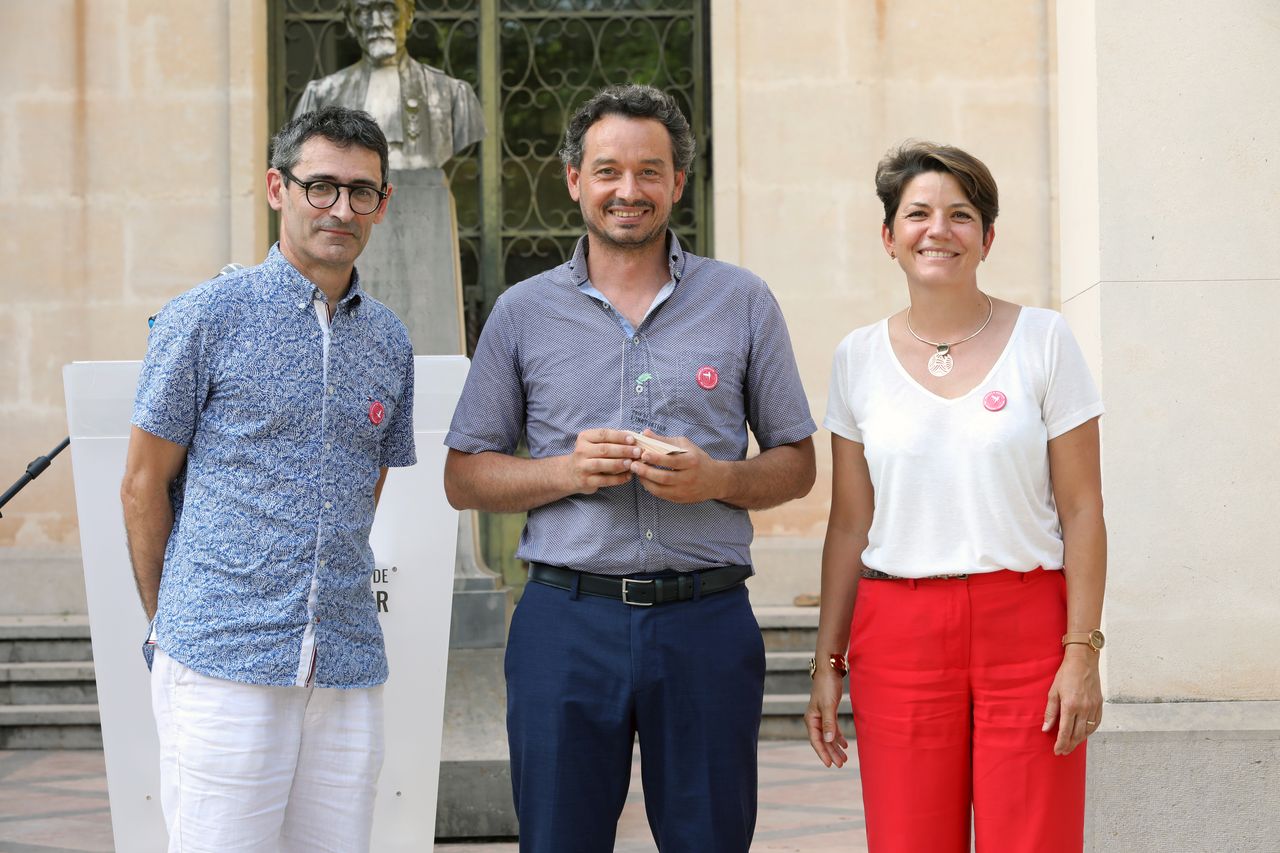
- AEB (Agronomy, Environment, Health) award winner Bastien MERIGOT (MARBEC: CNRS / IRD / IFREMER / UM / INRAE) for the DOLPHINFREE Project: a bio-inspired acoustic beacon designed to reduce incidental dolphin bycatch in fisheries.
- BS (Biology, Health) Award Winner: Alexandre DAVID – Christophe HIRTZ – Eric RIVALS (IGF: CNRS / INSERM / UM) – IRMB: INSERM/ UM – LIRMM: CNRS/ UM /INRIA/UPVD/UPVM) with the EpiTransDiag Project: Early cancer diagnosis, patient stratification, and post-treatment monitoring using an epitranscriptomic approach and machine learning.
- Chemistry Award Winner, Jullien DRONE(ICGM: CNRS / ENSCM/ UM)forthe CaboZym Project: ultra-porous, biologically derived carrier materials for efficient biocatalysis.
- MIPS (Mathematics, Computer Science, Physics, and Systems)Award Winner, Jimmy TEIXERA ( LMGC: CNRS / UM) for the THOR EYES Project: Design of a 360° stereo-correlation video system easily adaptable for measuring deformation movements on the surfaces of living organisms.
- Winner in the Humanities and Social Sciences category, Guillaume DUMAS, for the JEUdeCOMPTA project: the game that’s a miracle tool for learning accounting.
- Winner of the “Coup de Cœur” Award (Social Sciences), Dorian GRÉGOIRE for the INSEPARABLE Project: optimizing and organizing relationships between a patient’s loved ones and intensive care staff using specialized software.
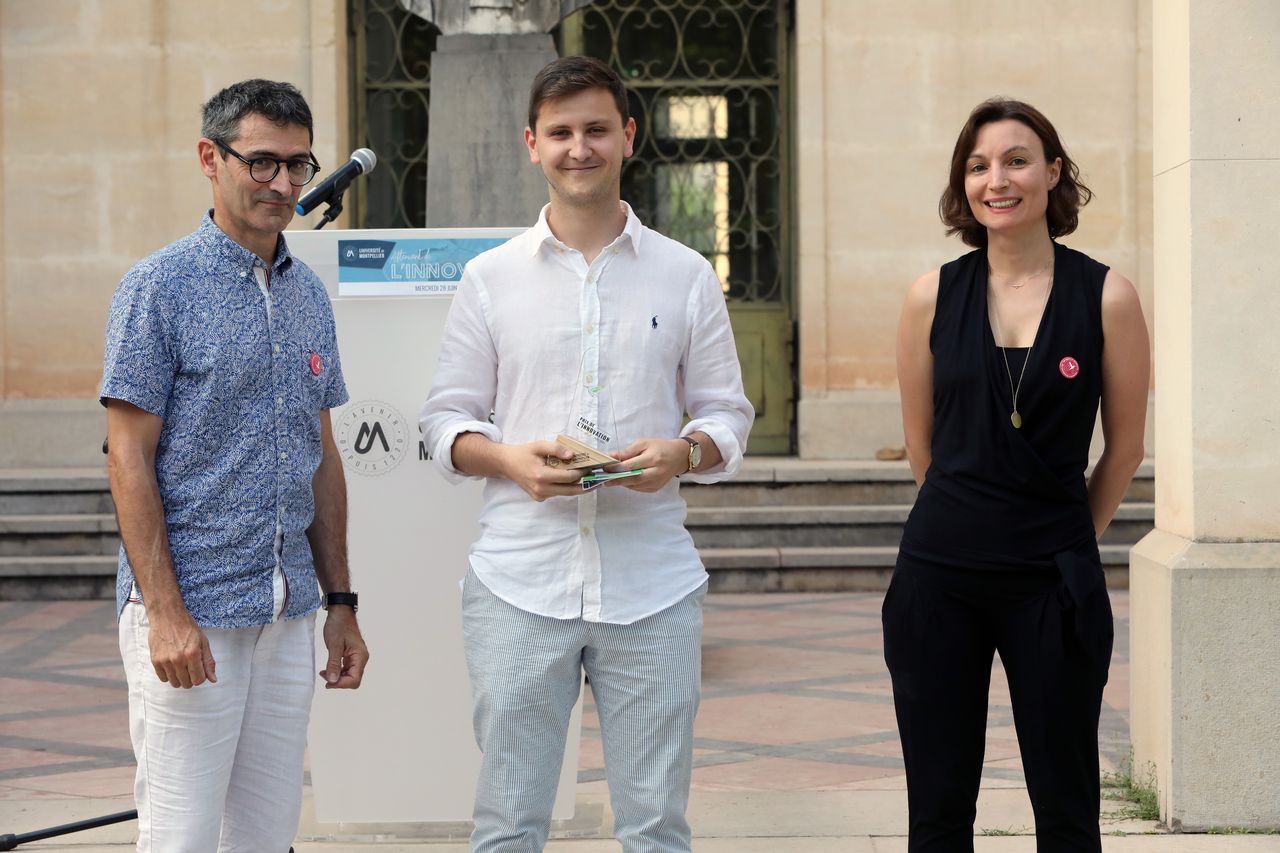
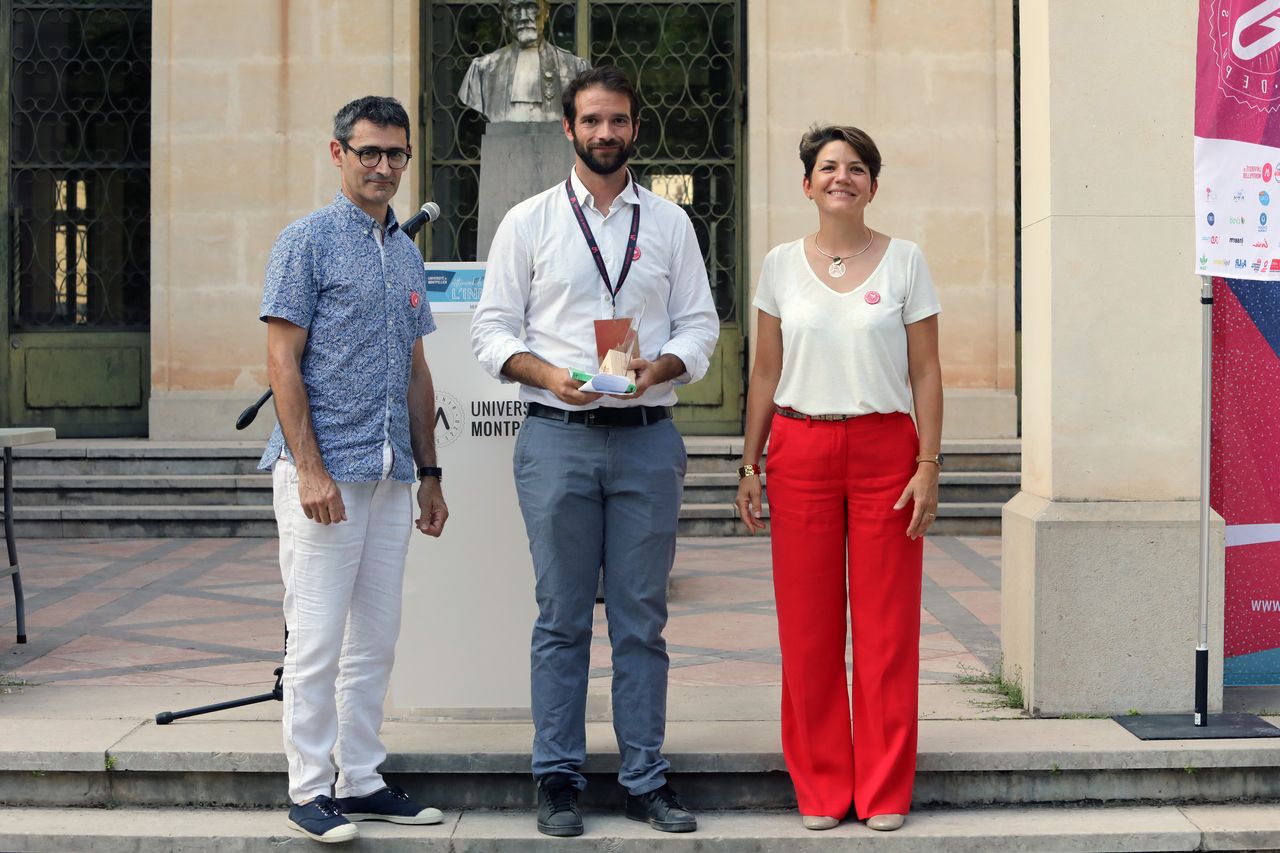
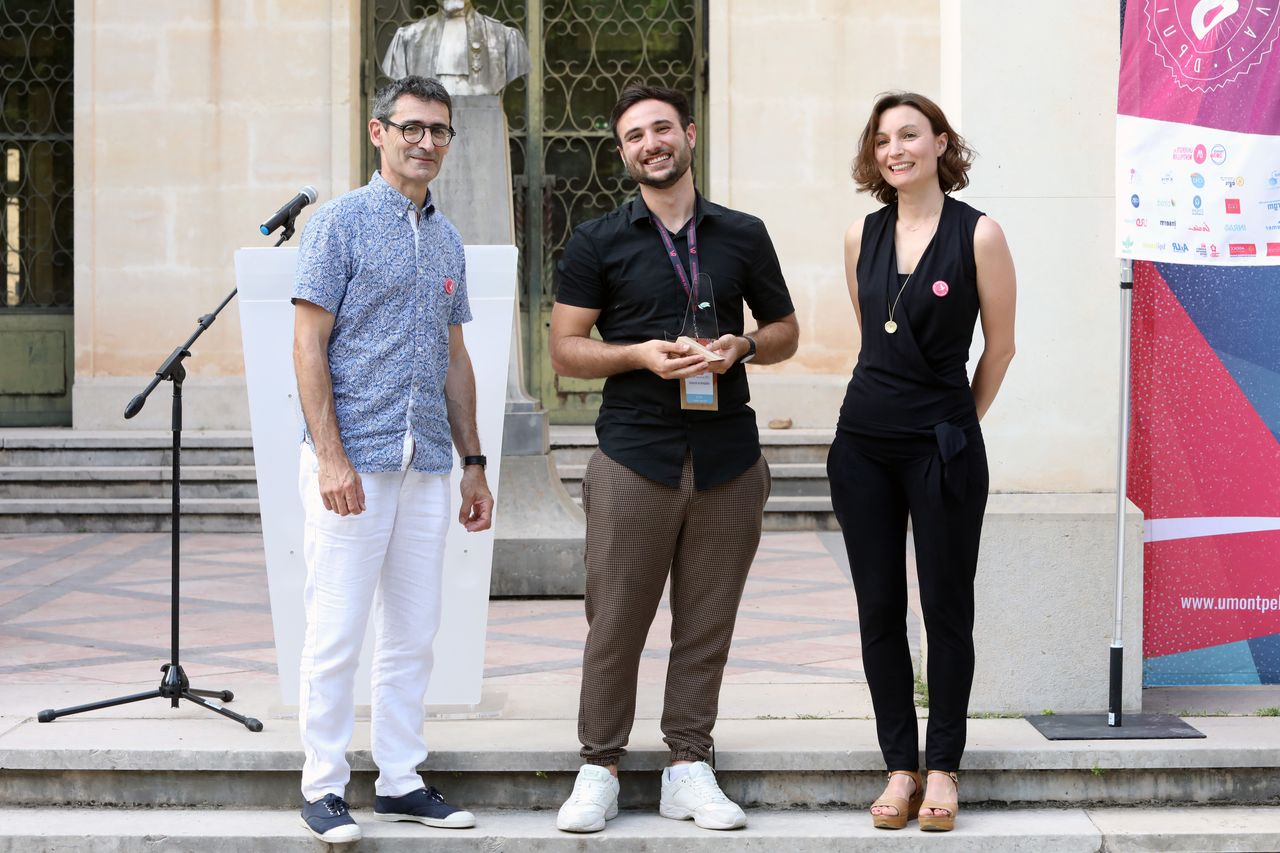
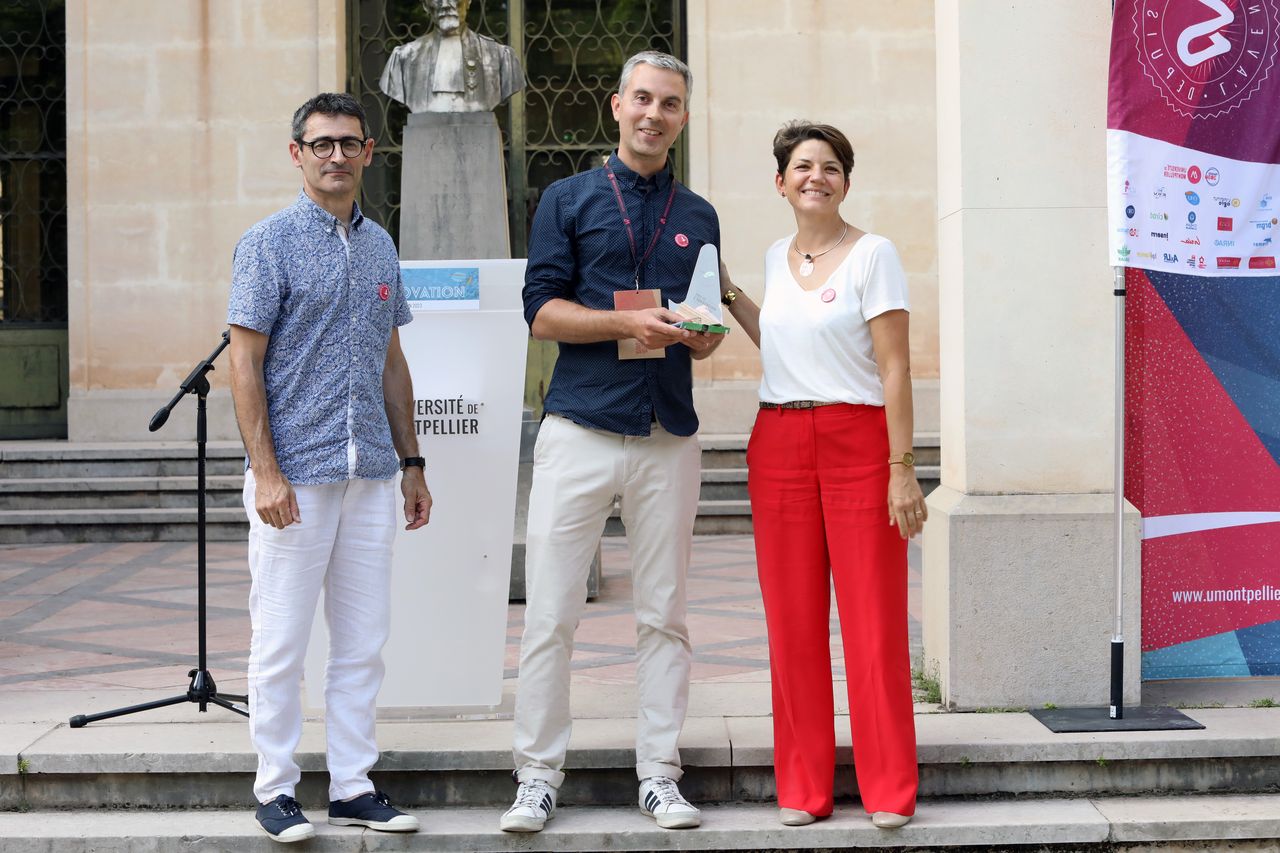
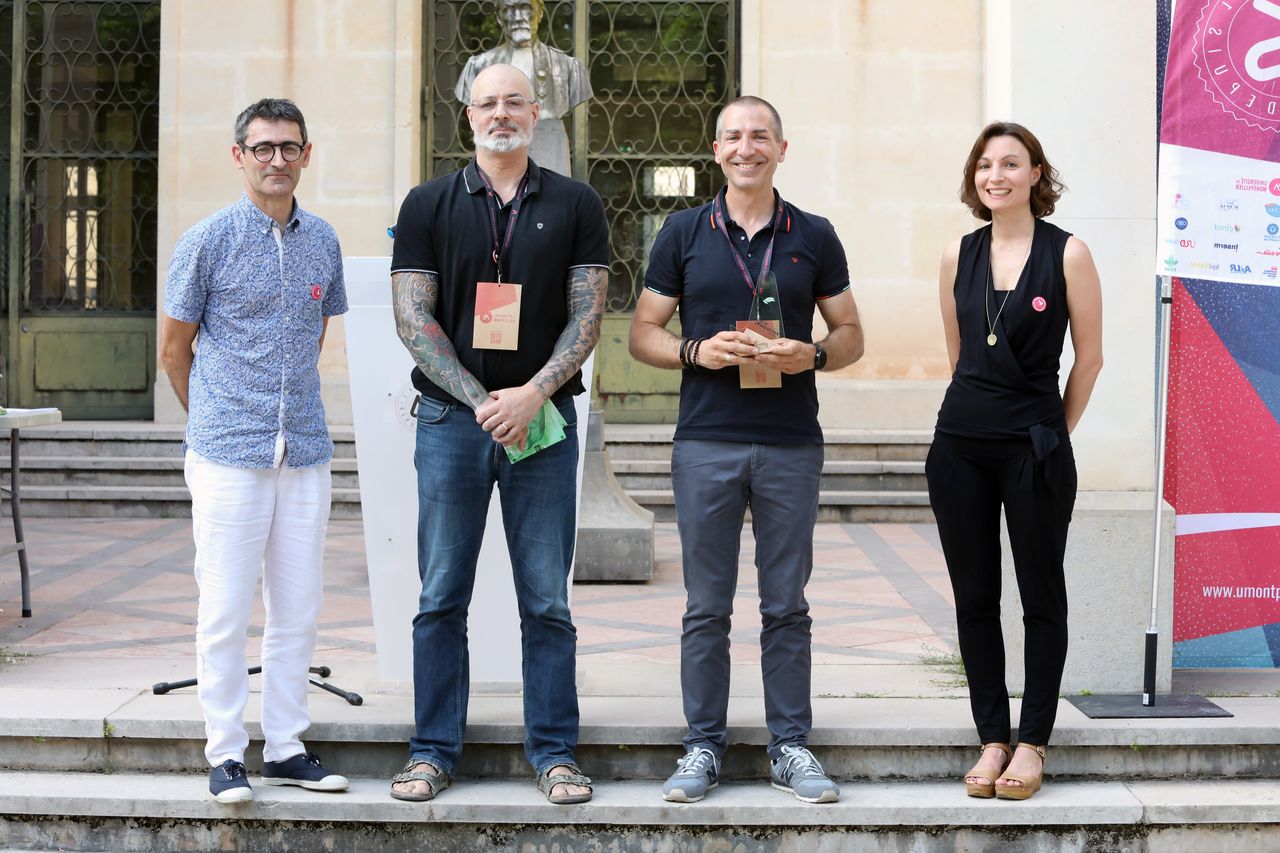
2021–2022 Edition
- AEB (Agronomy, Environment, Health) Award Winner: Magali GIES (Postdoctoral Researcher at CIRAD / UMR QUALISUD) for the PROMET project: A functional food made from fermented, probiotic, plant-based grains that has cholesterol-lowering potential due to the addition of phytosterols.
- BS (Biology, Health) Award Winner, Alain THIERRY (Researcher atINSERM / UMR IRCM) for his work on circulating DNA, which has revealed significant potential for clinical applications and innovations in cancer care. This research now makes it possible to determine treatment options, detect residual disease after surgery, monitor for recurrence, and identify treatment resistance.
- Chemistry Award Winner, Habib BELAID ( Postdoctoral Researcher at the CNRS / UMR IEM) for his work on the synthesis and characterization of biomaterials for healthcare applications, which has led to the development of new formulations of printable composite materials with biocompatible and bioresorbable properties, as well as bioactive and antibacterial properties. Bringing this technology to market will help address a major health challenge in the field of bone tissue engineering in dentistry and oncology.
- MIPS (Mathematics, Computer Science, Physics, and Systems) award winnerVincent CREUZE (Professor at theUM /UMR LIRMM) for his work on “small” underwater robots weighing less than 100 kg designed at the LIRMM. These innovations are now used daily by French archaeologists at depths of up to 2,500 meters. Thanks to these innovations, France is currently the leading country in the daily use of robots specialized in underwater archaeology.
- Winner in the Humanities and Social Sciences category, Sophie SPRING (lecturer and researcher at theUM /UMR MRM) for the creationof Incubagame, a free game open to all that aims to explore key issues in entrepreneurship (matching the project to the entrepreneur, market positioning of the offering, legal and financial structuring) while incorporating parameters related to CSR considerations from the project’s development phase onward.
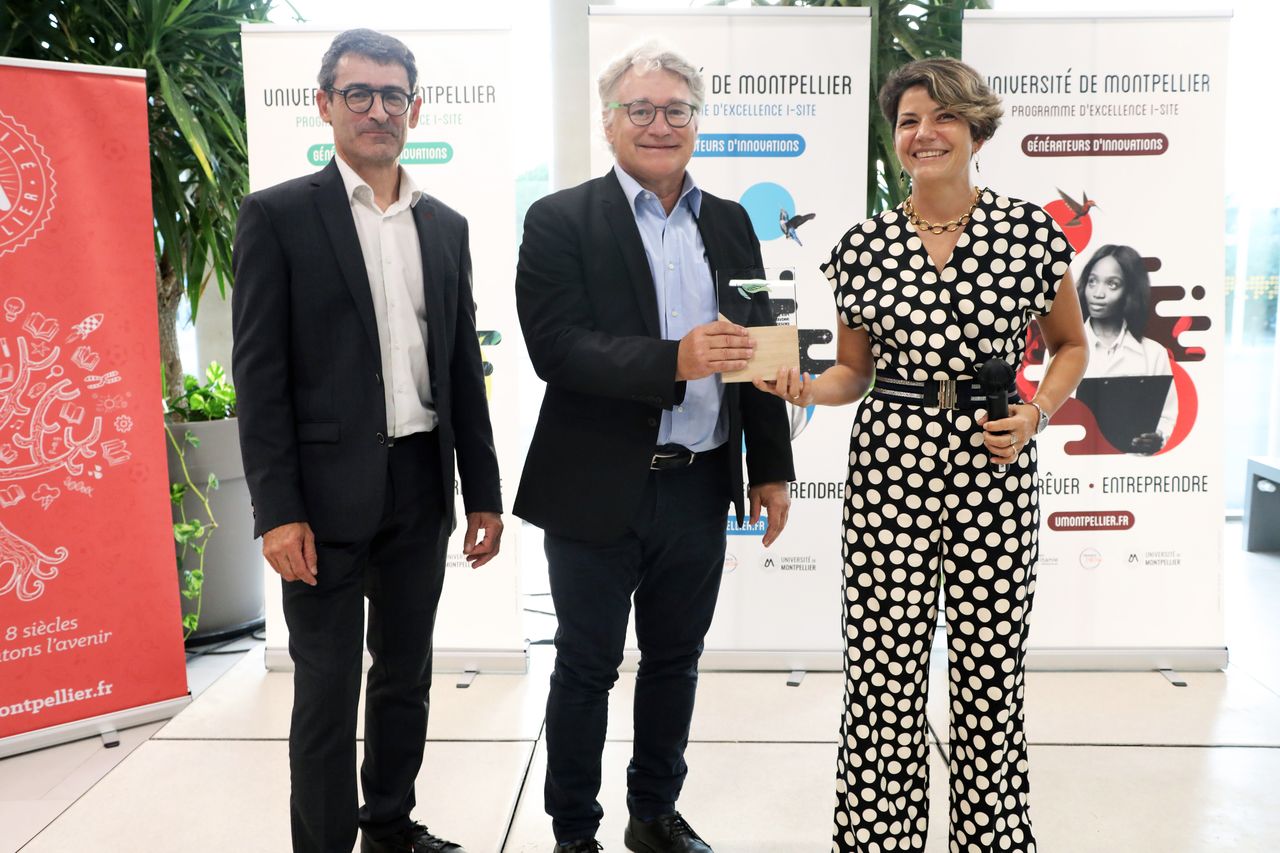
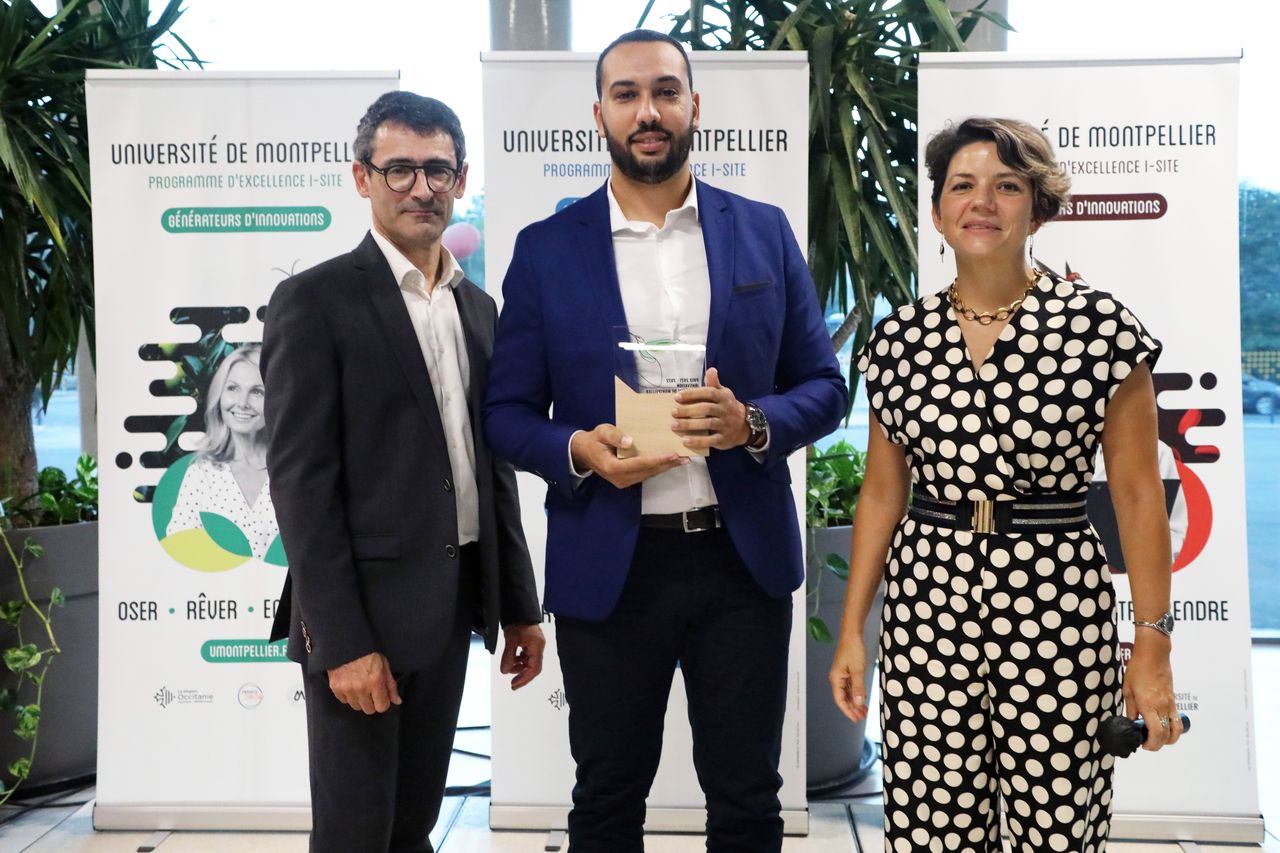
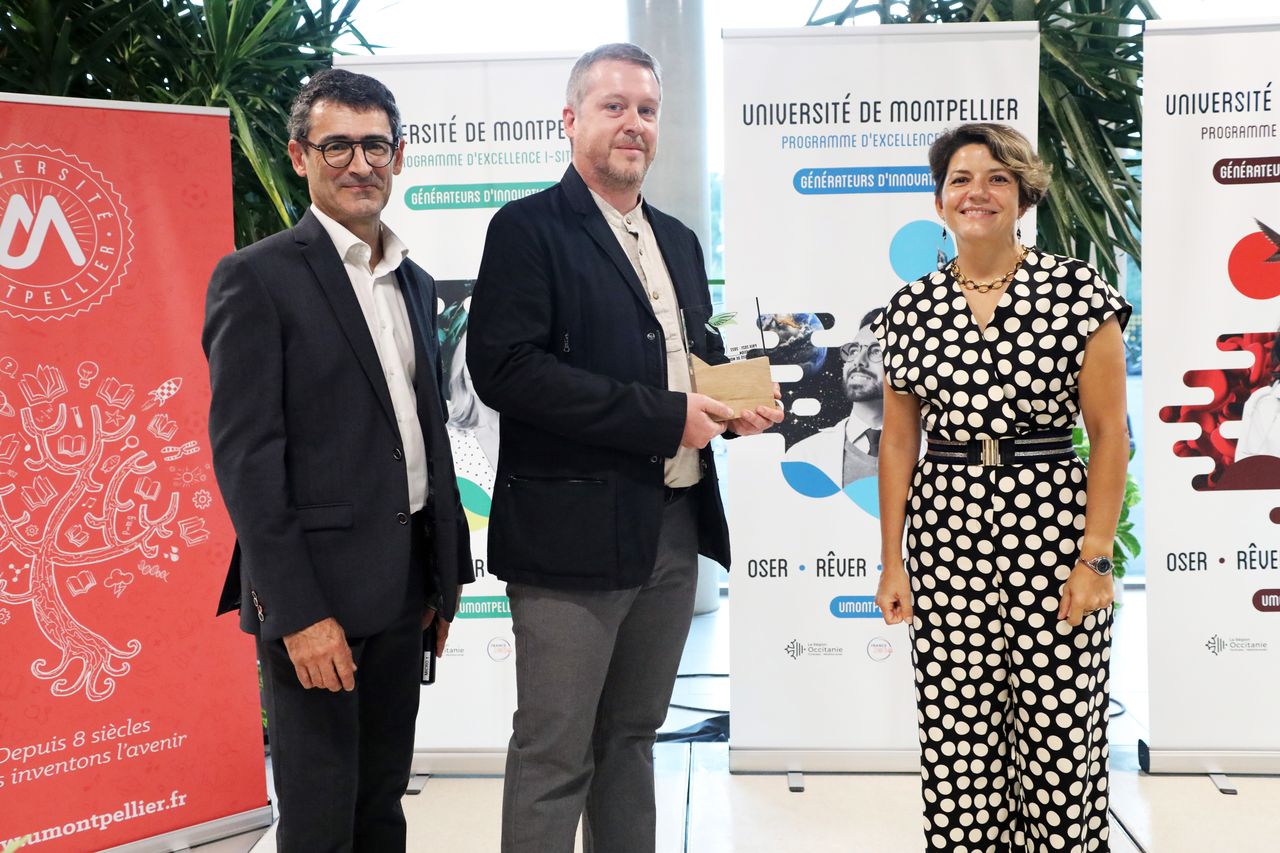
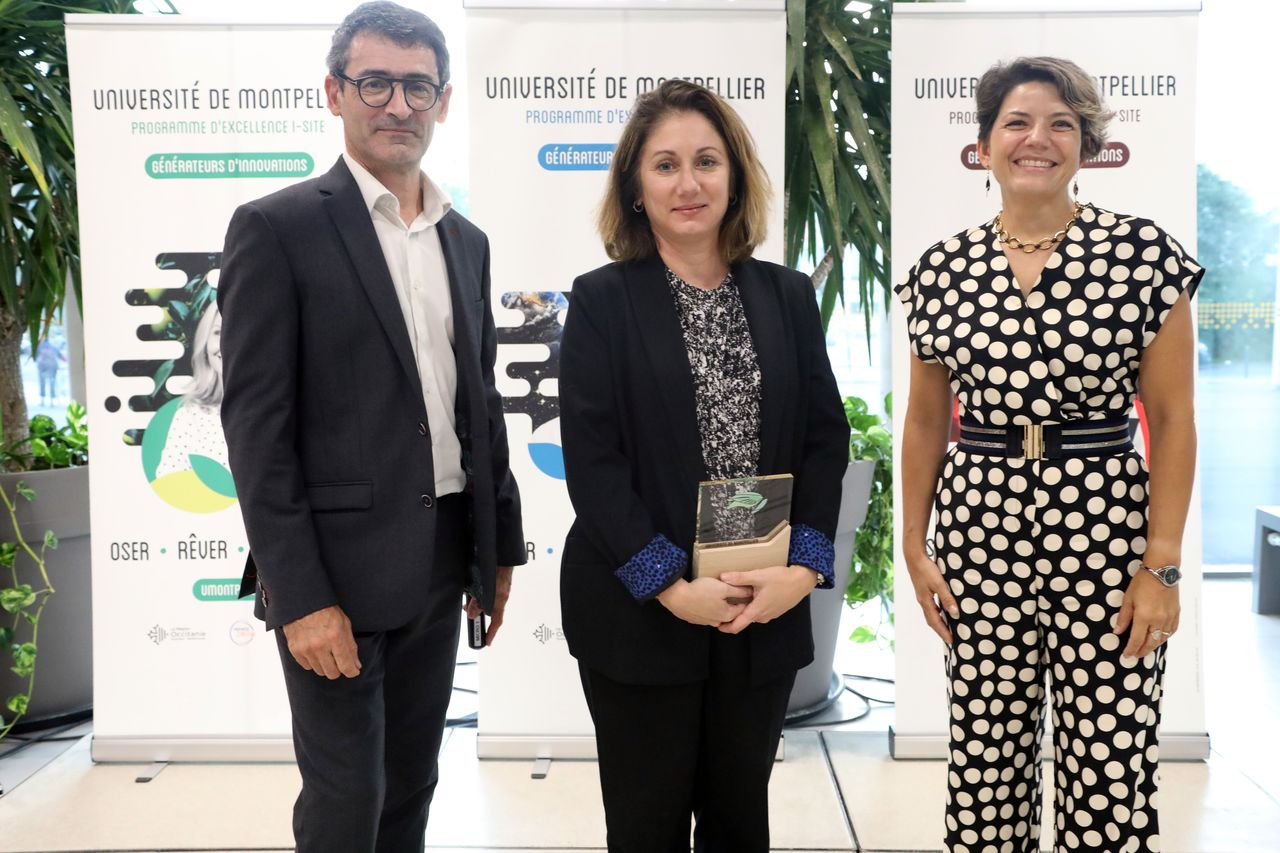
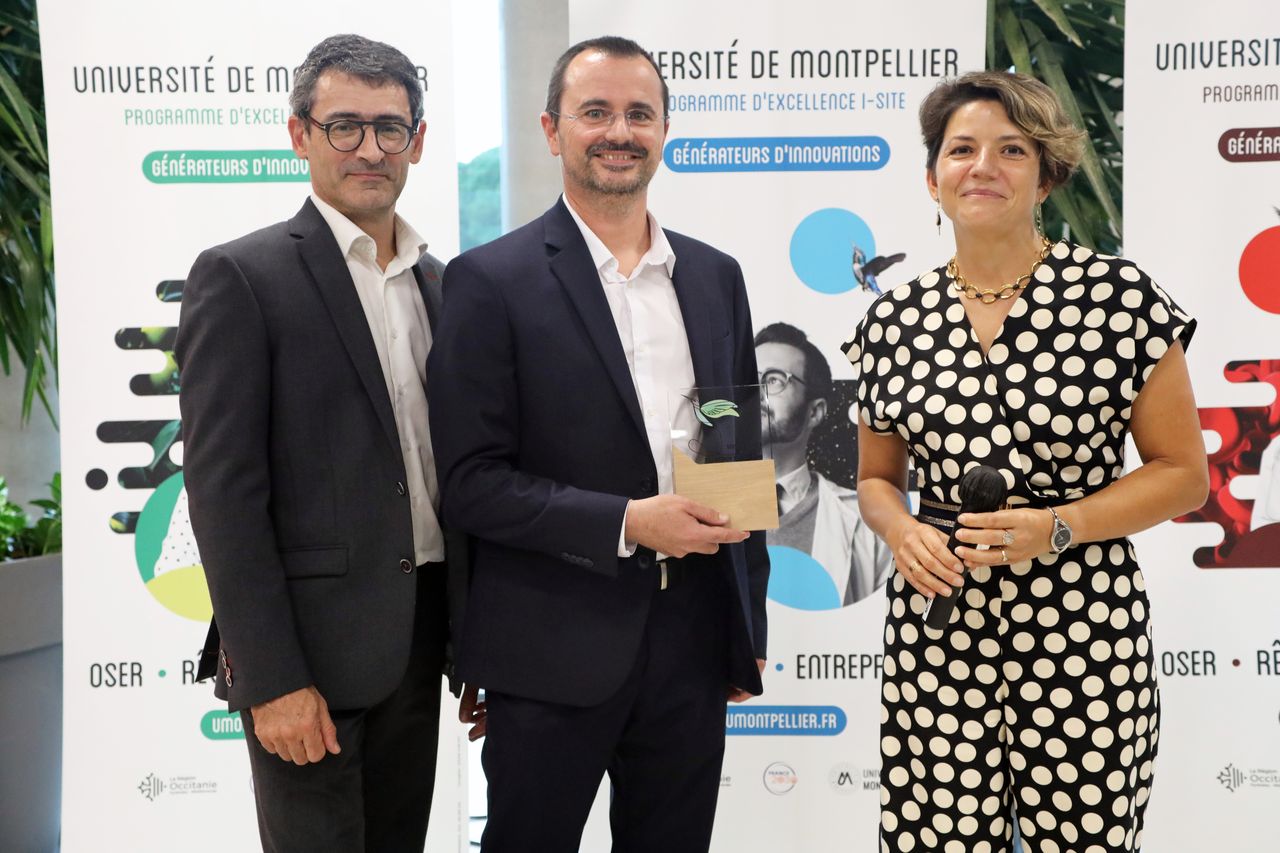
2020–2021 Edition
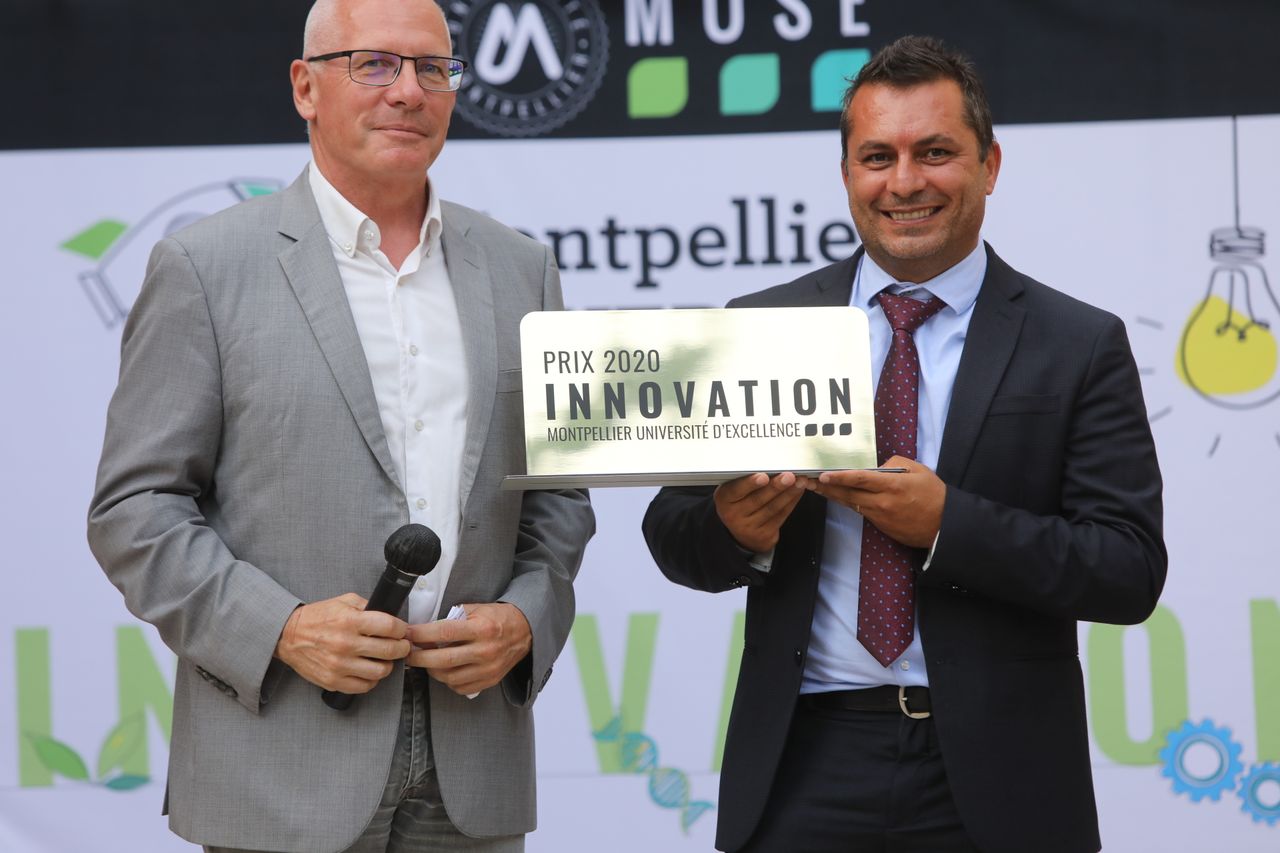
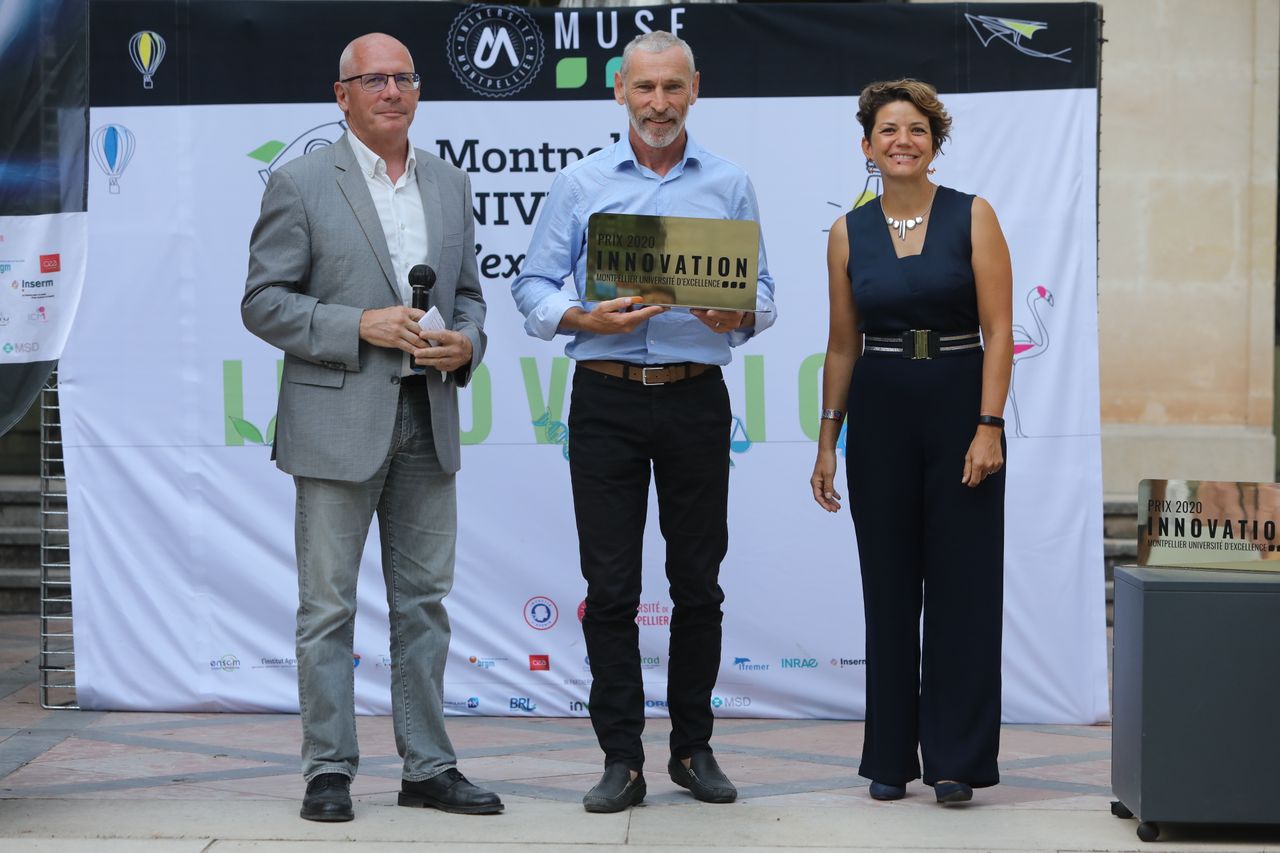
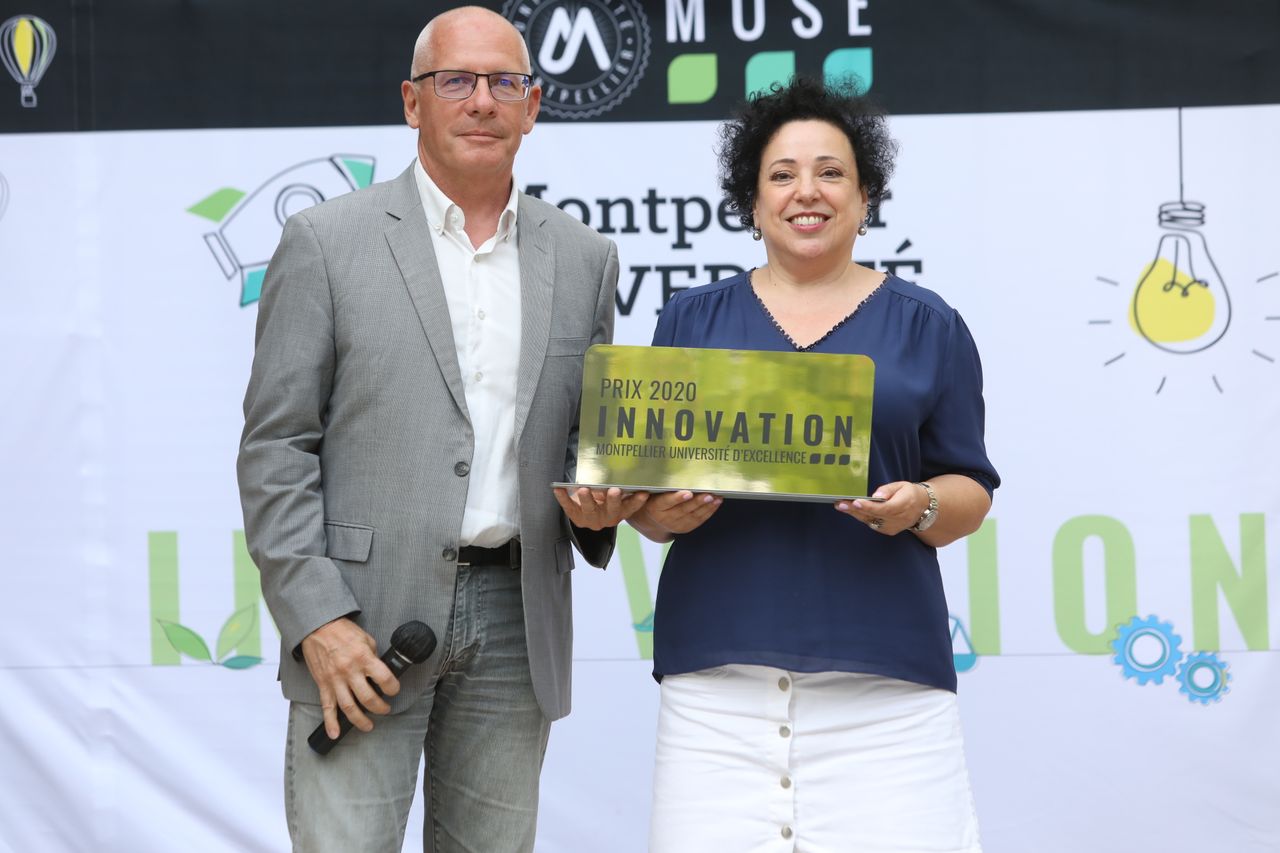
- AEB (Agronomy, Environment, Health) Award Winner: Claude GRISON ( Researcher at the UM , affiliated with the CNRS and UMR ChimEco) for her research on ecocatalysis—a key technology in ecology and green industrial chemistry—aimed at generating ecological, economic, and social value based on scientific findings.
- BS (Biology, Health) Award Winner: Franck MOLINA (CNRS / sys2diag), for his work on the development of diagnostic testing methods that do not require a laboratory, and more specifically for his invention of the first SARS-CoV-2 saliva test, EASYCOV.
- Chemistry Prize Winner, Mikhael BECHELANY (CNRS / UMR IEM) for his work on multifunctional inorganic membranes, particularly their applications in the fields of energy, the environment, and health.
- MIPS (Mathematics, Computer Science, Physics, and Systems) Award Winner Philippe POIGNET (UM / UMR LIRMM) for his work in the field of retinal surgery, specifically through a medical device that incorporates a robotic assistant for microsurgery. This teleoperated macro-micro robotic platform enables more precise and safer surgical procedures.
- Winners in the Humanities and Social Sciences category: Simon MARESCHAL DE CHARENTENAY (Professor UMR CERCOP)forhis work on the legal theory and practice of blockchain. Also noteworthy is the development of innovative educational programs in the field of law, notably with the creation of the LegalTech University Diploma.
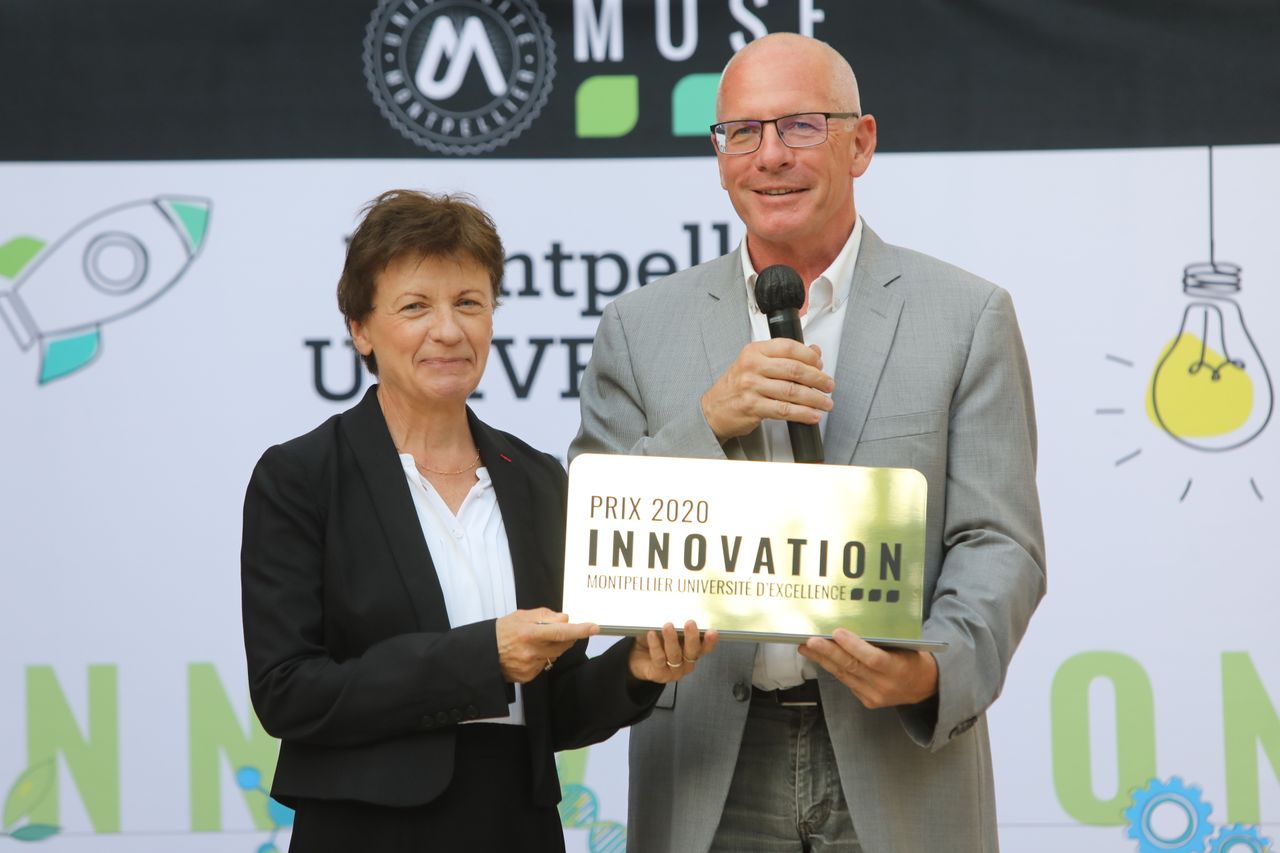
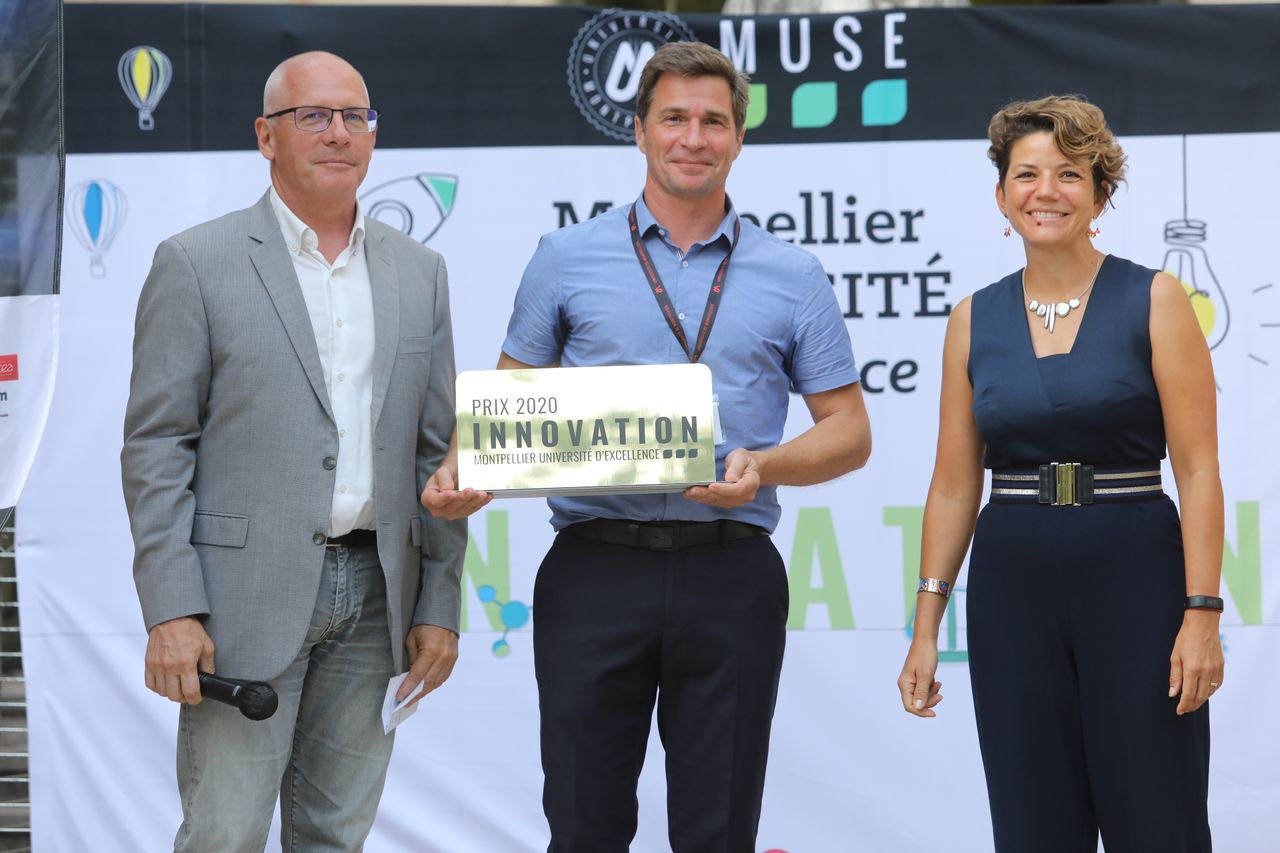
2018–2019 Edition
- AEB Award Winner (Agronomy, Environment, Health), Jean-Christophe AVARRE ( IRD Researcher / UMR ISEM) for his work on high-resolution DNA melting (High Resolution Melting, HRM), which is based on the principle that two different DNA sequences, and for the development of a completely innovative method that led to a patent and the creation of software.
- BS (Biology, Health) Award Winner: Saïd ASSOU (Research Engineer UM /UMR IRMB)forhis work focused on the design and development of diagnostic tools that bridge the gap between basic research and clinical applications in the fields of reproductive biology and regenerative medicine.
- Chemistry Award Winner: Xavier GARRIC (Professor UM /UMR IBMM) for his research on the design of new healthcare products based on degradable polymers. An innovation in the field of medical devices for the treatment of mechanical female infertility.
- MIPS (Mathematics, Computer Science, Physics, and Systems)Award Winner, David ANDREU (Professor UM / UMR LIRMM) for his work on the design of assistive solutions for human functional impairments resulting, for example, from spinal cord injury. He has contributed to innovations that have resulted in several patents and software registrations.
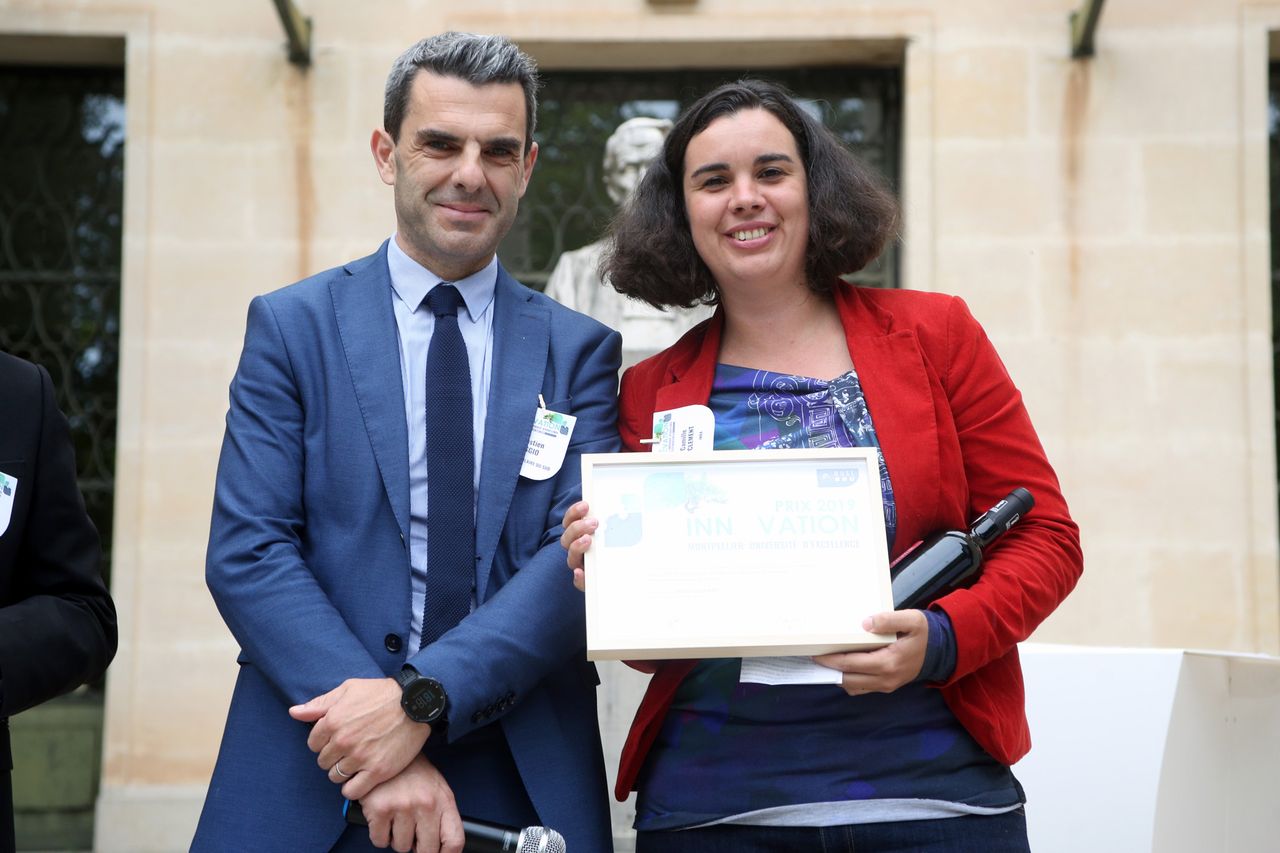
- Winners in the Humanities and Social Sciences category: Camille CLEMENT (Research Engineer at INRAE / UMR Innovation)fordeveloping a generic tool to support local communities on issues related to access to agricultural land and buildings: FONCIJEU, the agricultural land game.
News
Innovation After-Work 2026: Seven Winners Honored with PUI Awards
Published on: July 17 , 2026
On Wednesday, July 1, the Montpellier University Innovation Hub (PUI) celebrated its…