UM atUM [S03-ep09]: Neighbor-Modulated Susceptibility in Plants
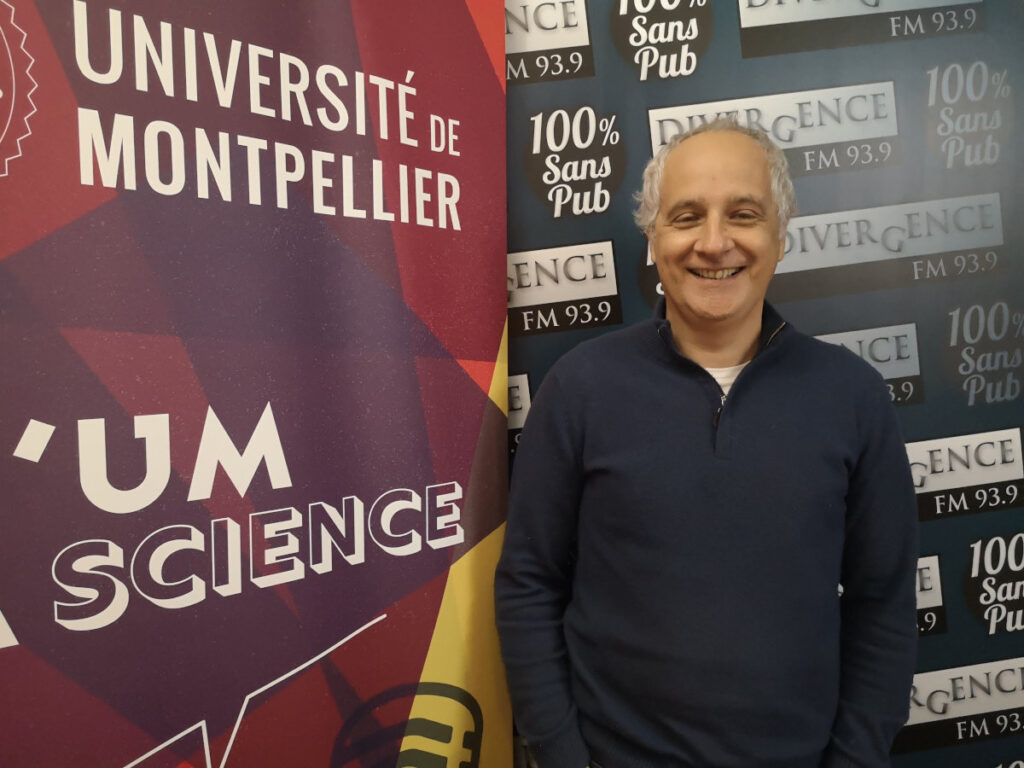
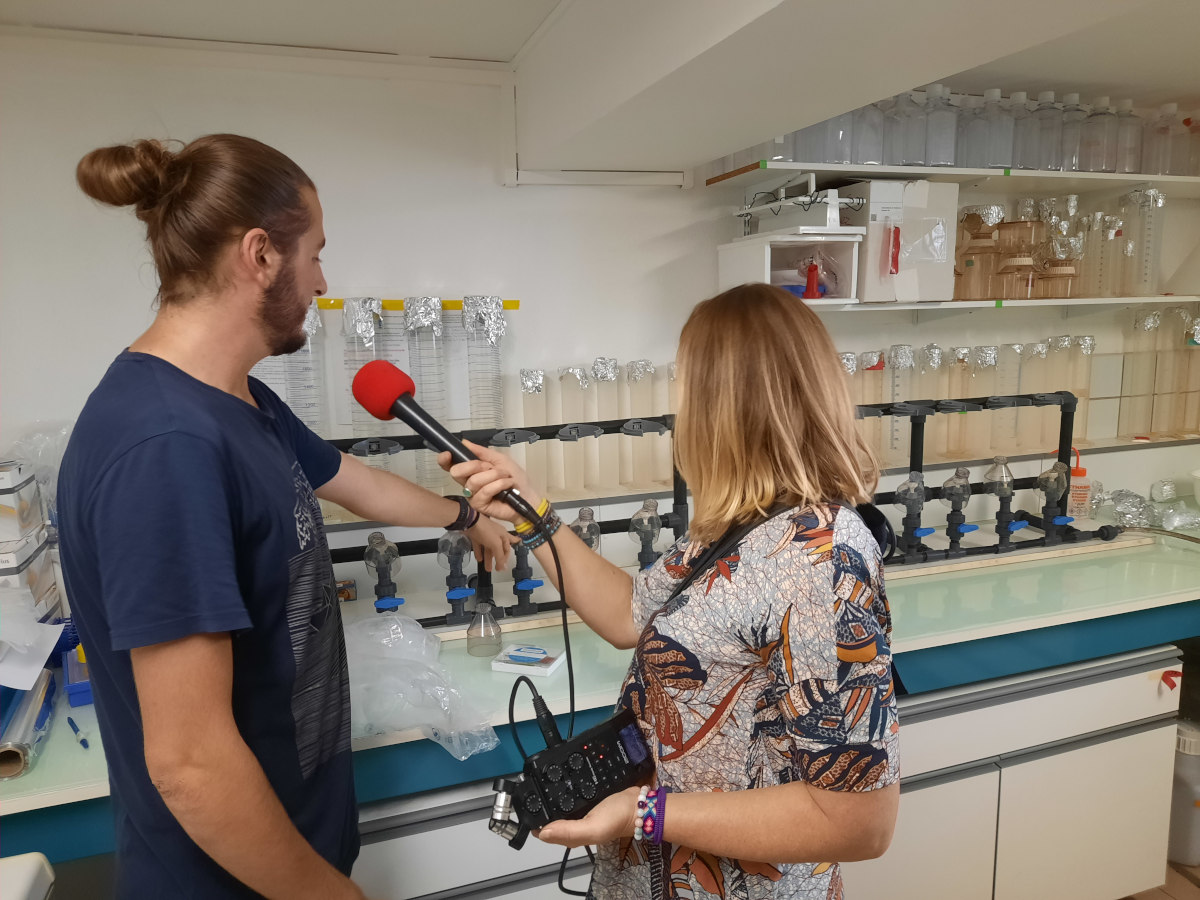
This week on *AUM science*, Jean-Benoit Morel, a researcher at the Montpellier Institute of Plant Health (Phim), talks to us about plant immunity. Our report takes us to the SMEL technical facility with Valentin Kempf. Finally, Nathan Roure,UM press relations officer, presents the program for the “Sud de Sciences” science film festival. The show airs every Wednesday at 6 p.m. on Divergence FM 93.9.
Ah, the neighbors! My mom always told me, “Get into a fight with whoever you want, but not with your neighbors.” And yet… When you live in the city, it’s hard to stay calm when the bass from the girl upstairs keeps making the bed frame shake at 5 a.m., or when the guy downstairs has once again taken your parking spot because he’s saving his own for his RV. You might say it’s no better in the countryside, between the crazy people who poison cats and those who mow their lawns at 7 a.m. on Sundays… Yes, neighbors can be a real pain.
And remember COVID. Our horrified stares in the elevator at a tip of a nose peeking out from under a mask, or the atmosphere at meetings and family dinners when a simple sneeze felt more threatening than a bomb on the subway. Depending on the context or how crowded our spaces are, our neighbors can become a living hell… Just as they can also be our best defenses against life’s uncertainties—and here again, I refer you to COVID. Perhaps one of the finest contemporary demonstrations that collective action—whether it’s wearing a mask or getting a shot—can help build greater resistance to disease.
What if plants behaved the same way? What if, in a wheat field, the proximity of each ear of wheat could have a positive or negative impact on its disease resistance? That is what Jean-Benoît Morel, a researcher and director of the Phim Laboratory for Plant Health at the Montpellier Institute, set out to discover by testing the impact of proximity on the disease resistance of different varieties of wheat and rice. The results were published in the journal PLOS Biology.
Learn more:
- Read the post
- Read the press release
- Also listen to the episode of *AUM science* titled“Varietal Blends at the Food TechnologyLab”
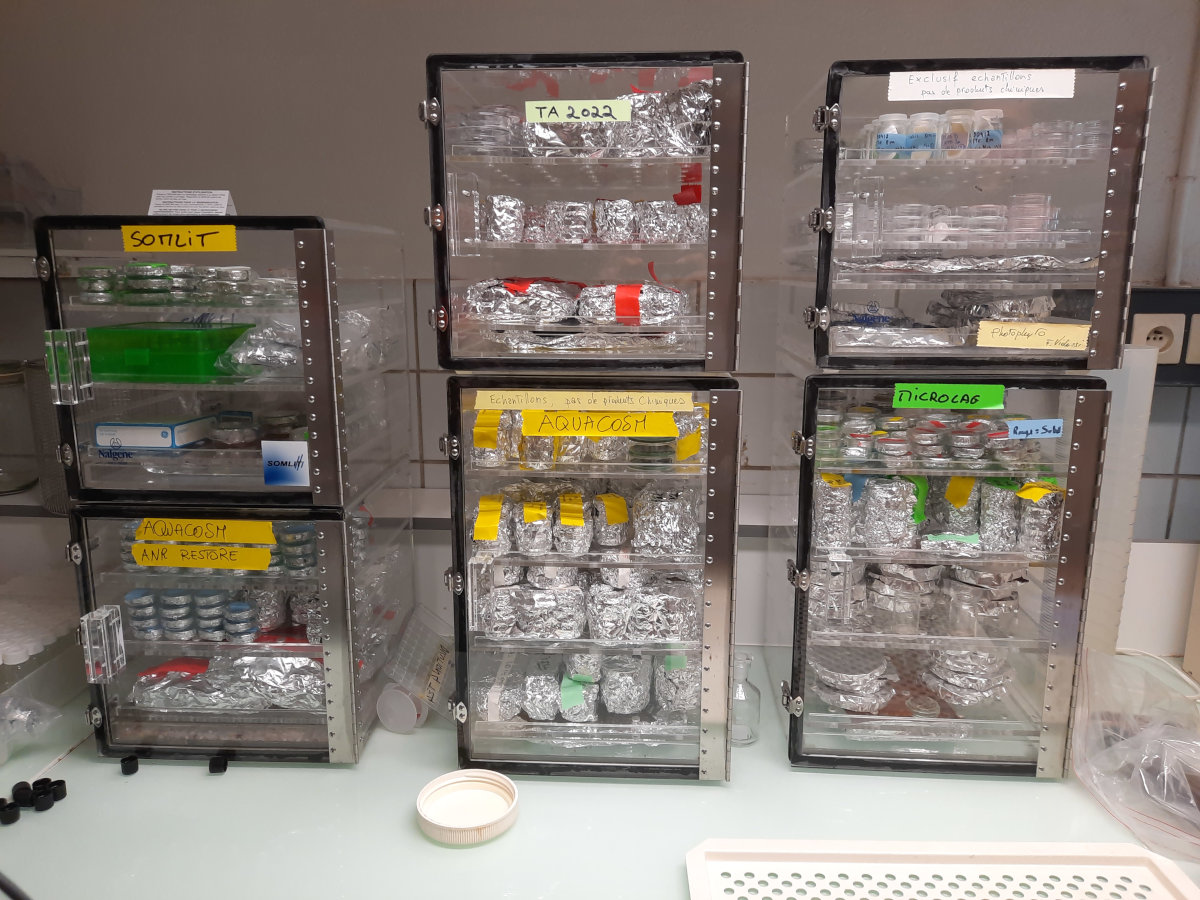
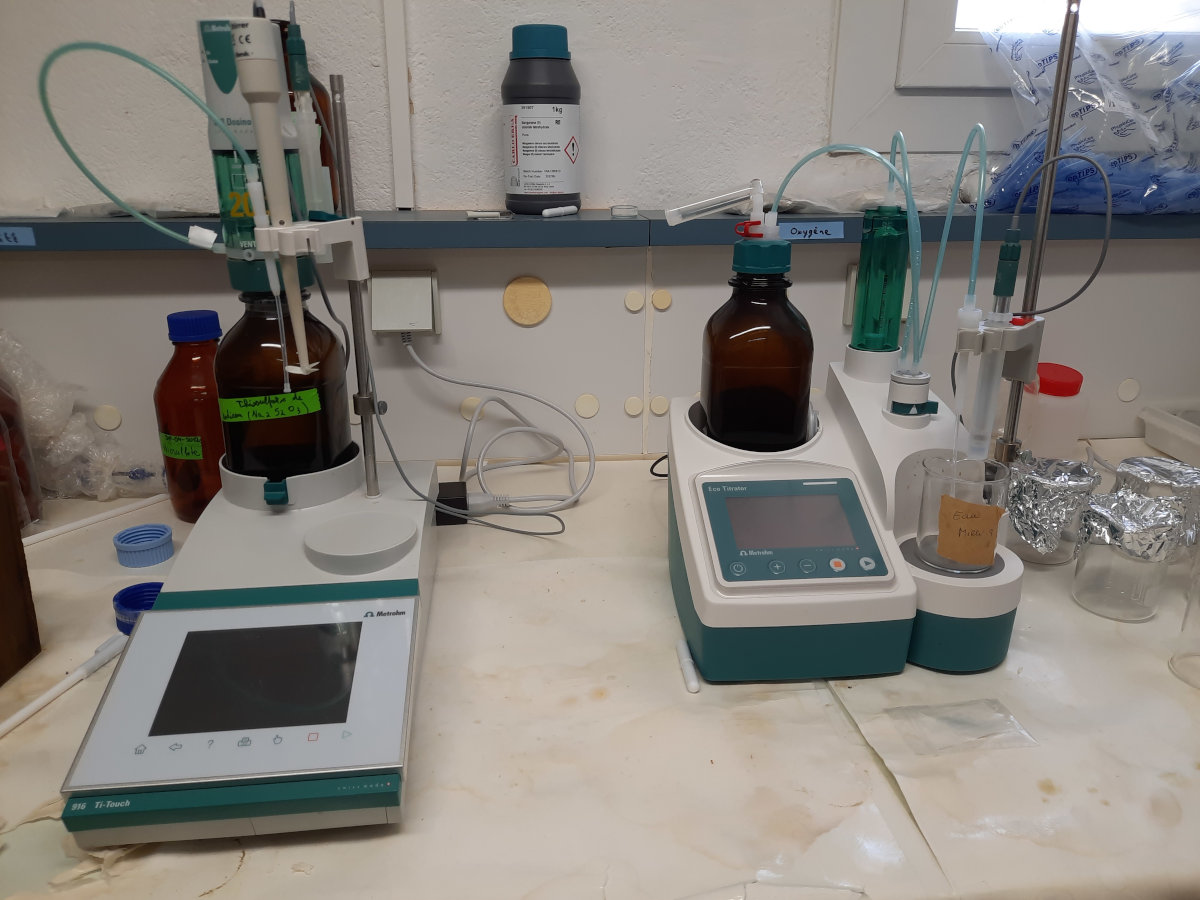
In the second half of the program, we continue our exploration of the Mediterranean Coastal Environment Station in Sète with Valentin Kempf, and we take a closer look at the analytical platform.
AtUM , you’ve got the schedule—let’s get started!
Co-production: Divergence FM / University of Montpellier
Host: Lucie Lecherbonnier
Interview: Aline Périault / Lucie Lecherbonnier
Report: Lucie Lecherbonnier
Director: Alice Rollet

Check out theUM podcasts,UM available on your favorite platform (Spotify, Deezer, Apple Podcasts, Amazon Music, etc.).