[LUM#15] At the Roots of the Forest
The goal of the Global research project led by botanist Thomas Couvreur is to gain a better understanding of the evolutionary history of the Annonaceae family and tropical rainforests. This research will provide deeper insights into the evolution of this extraordinary ecosystem.
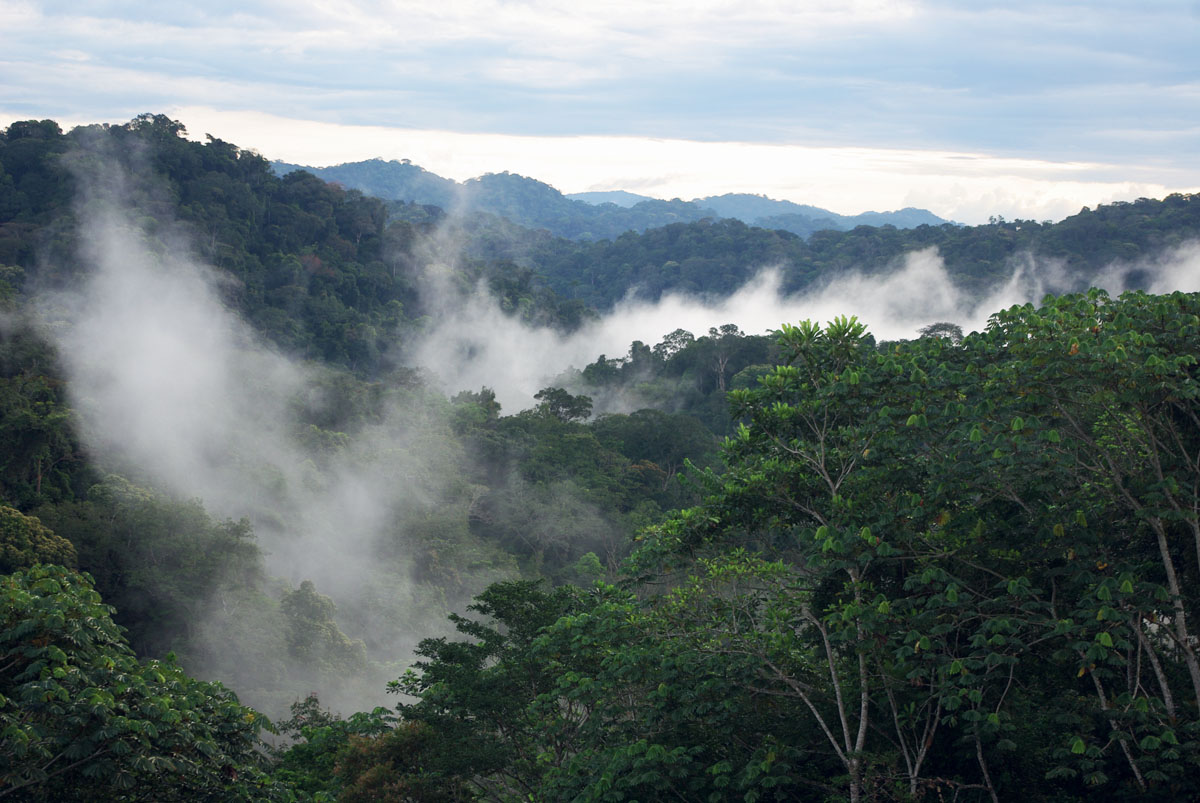
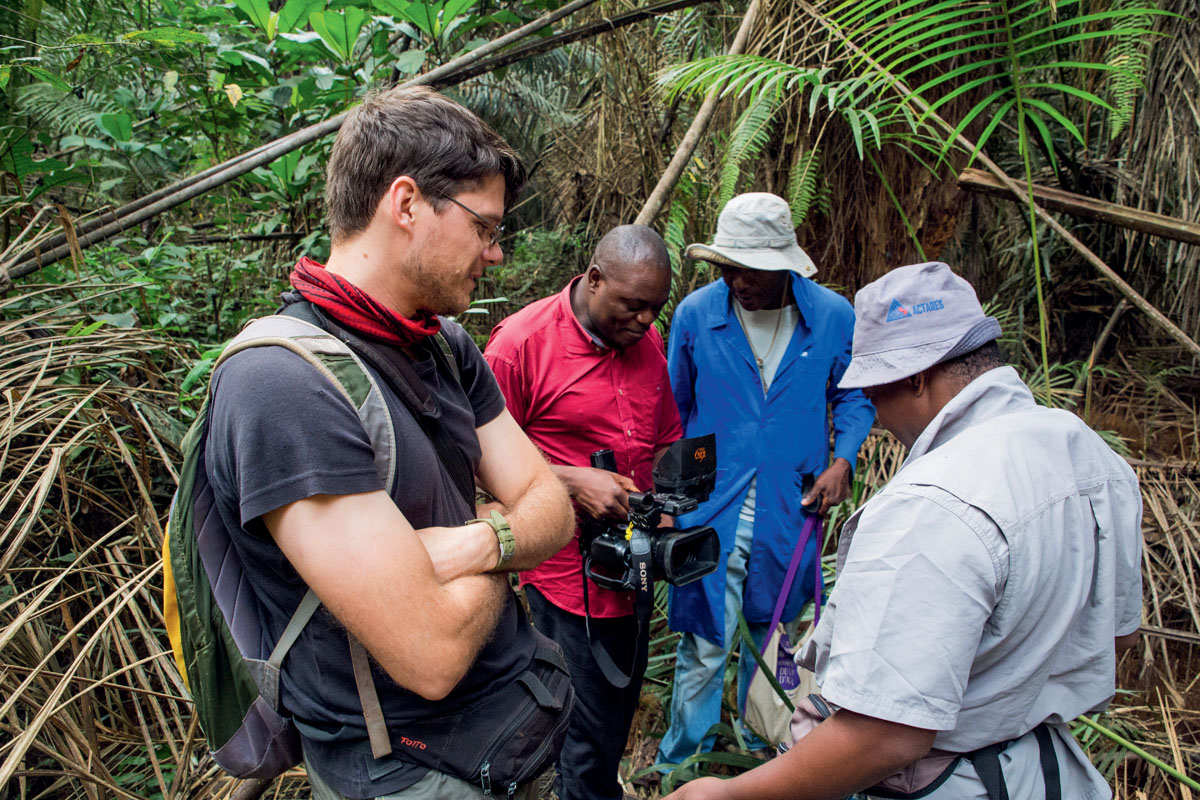
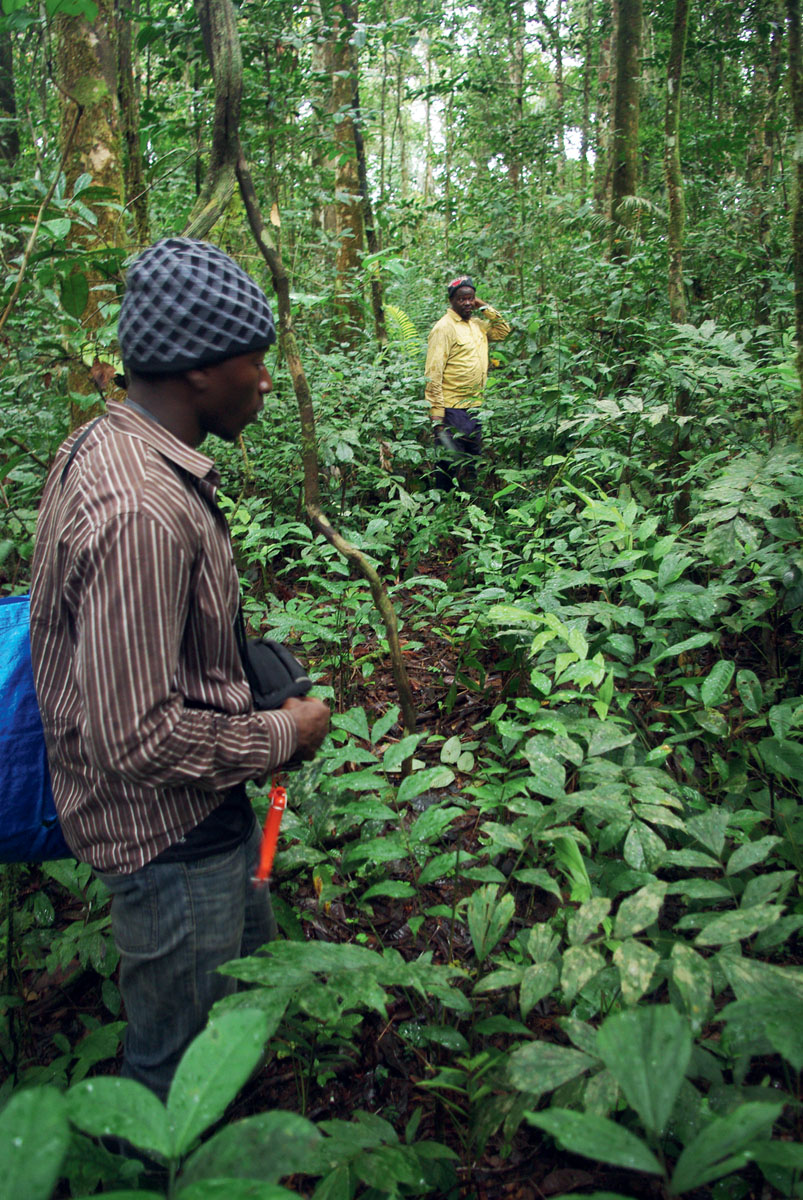
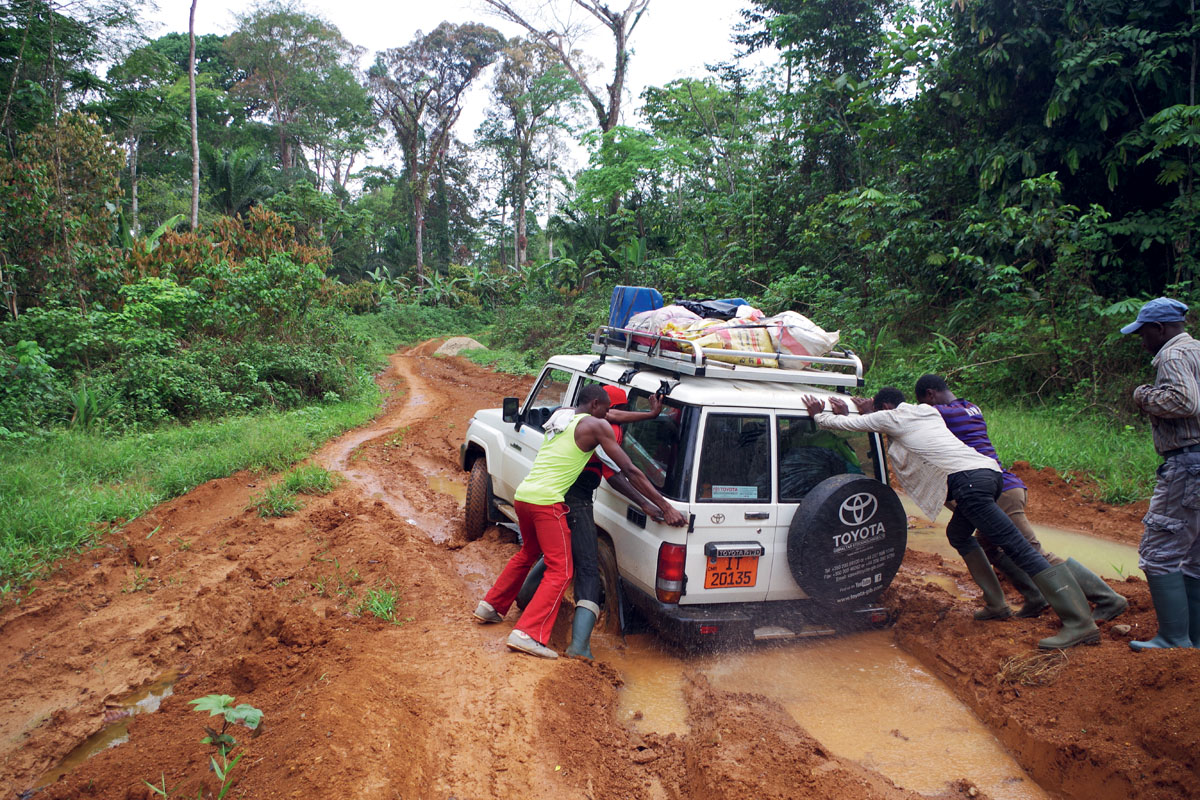
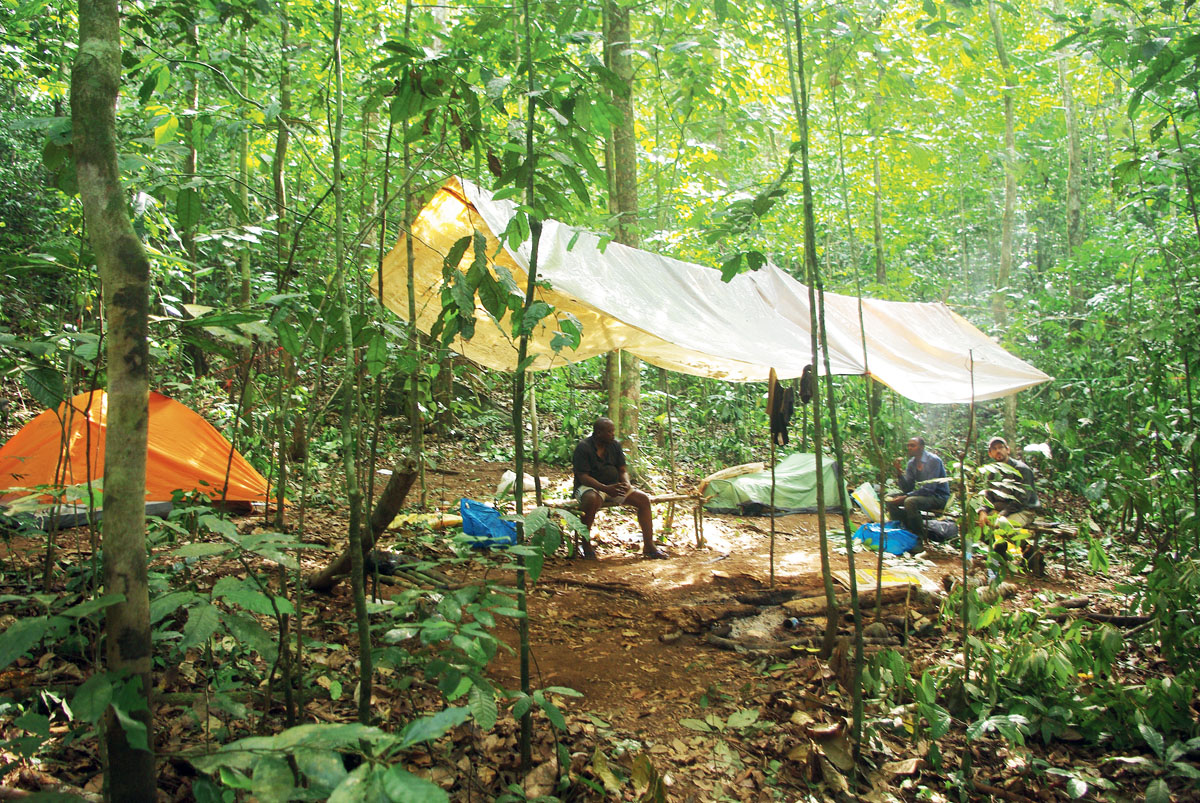
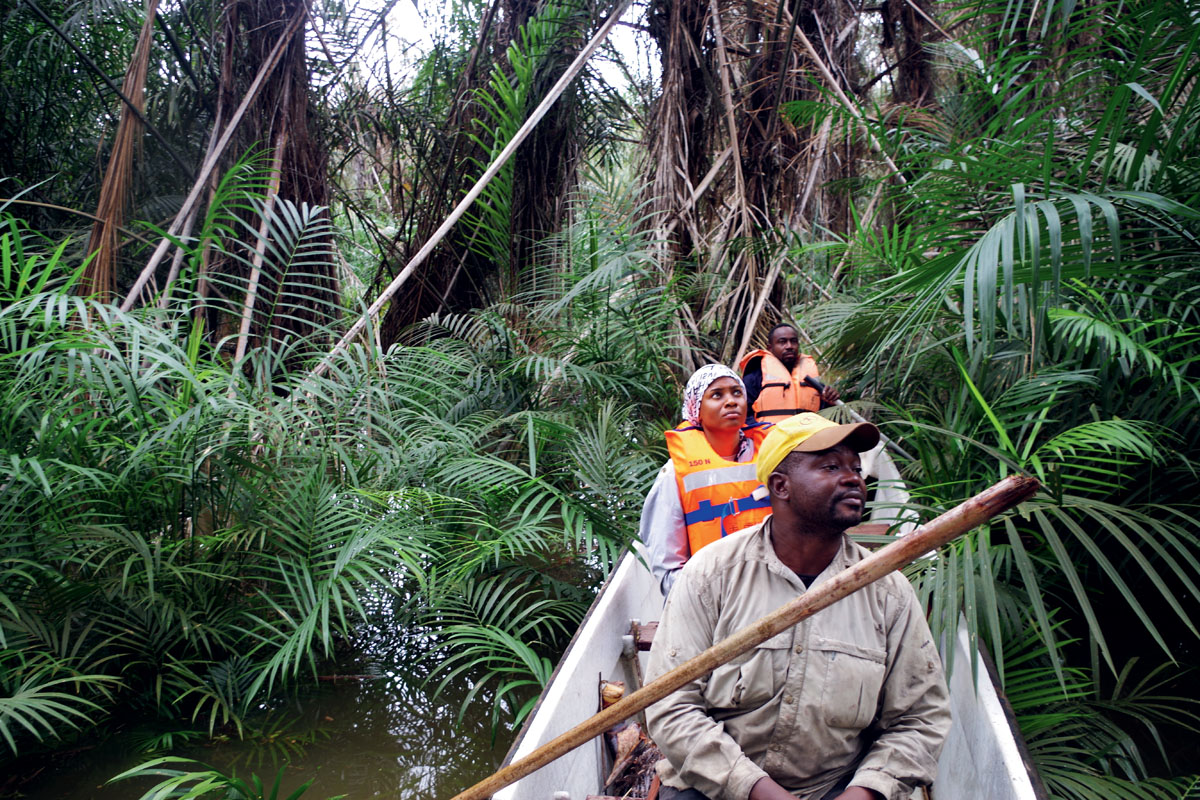
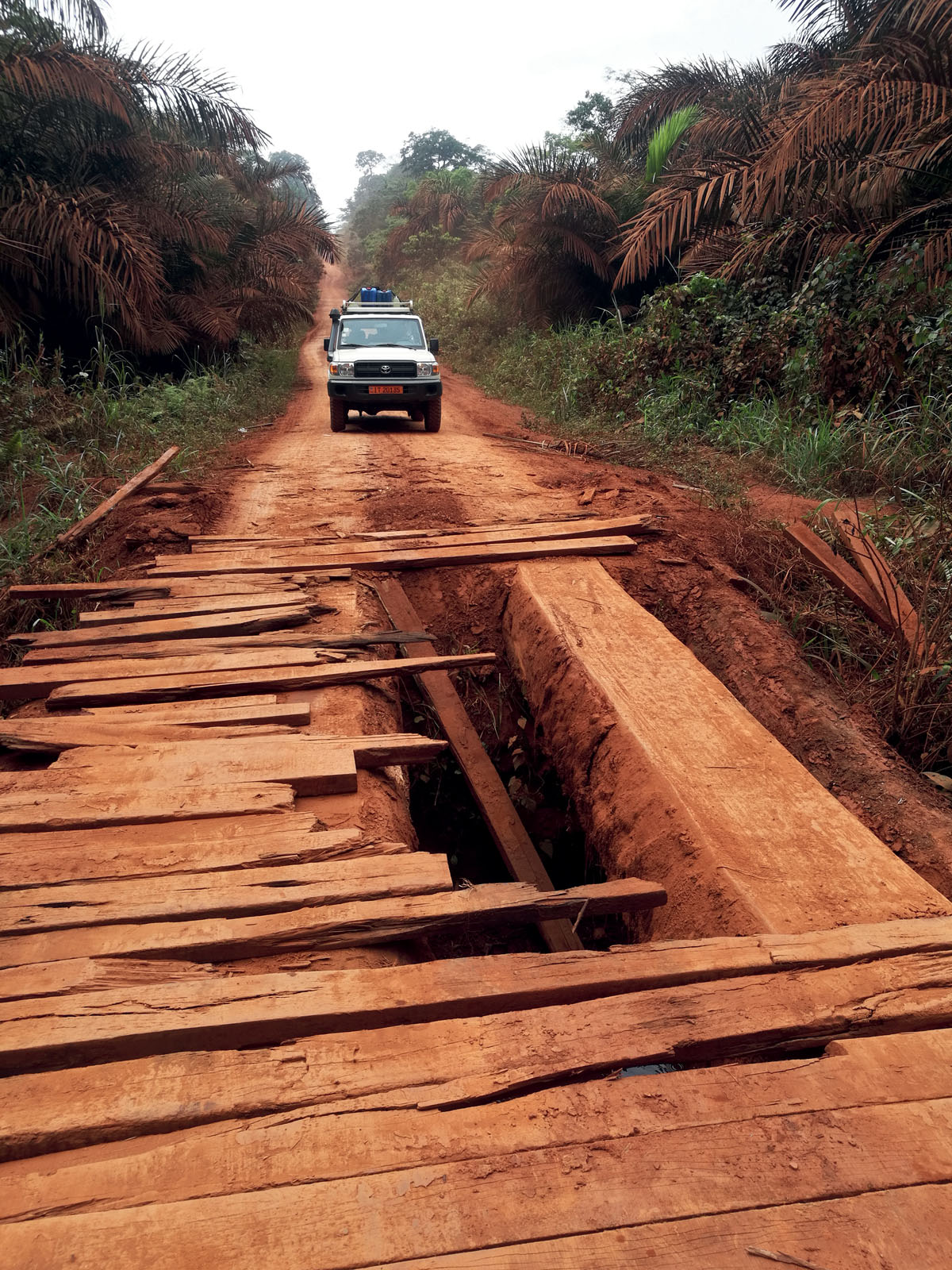
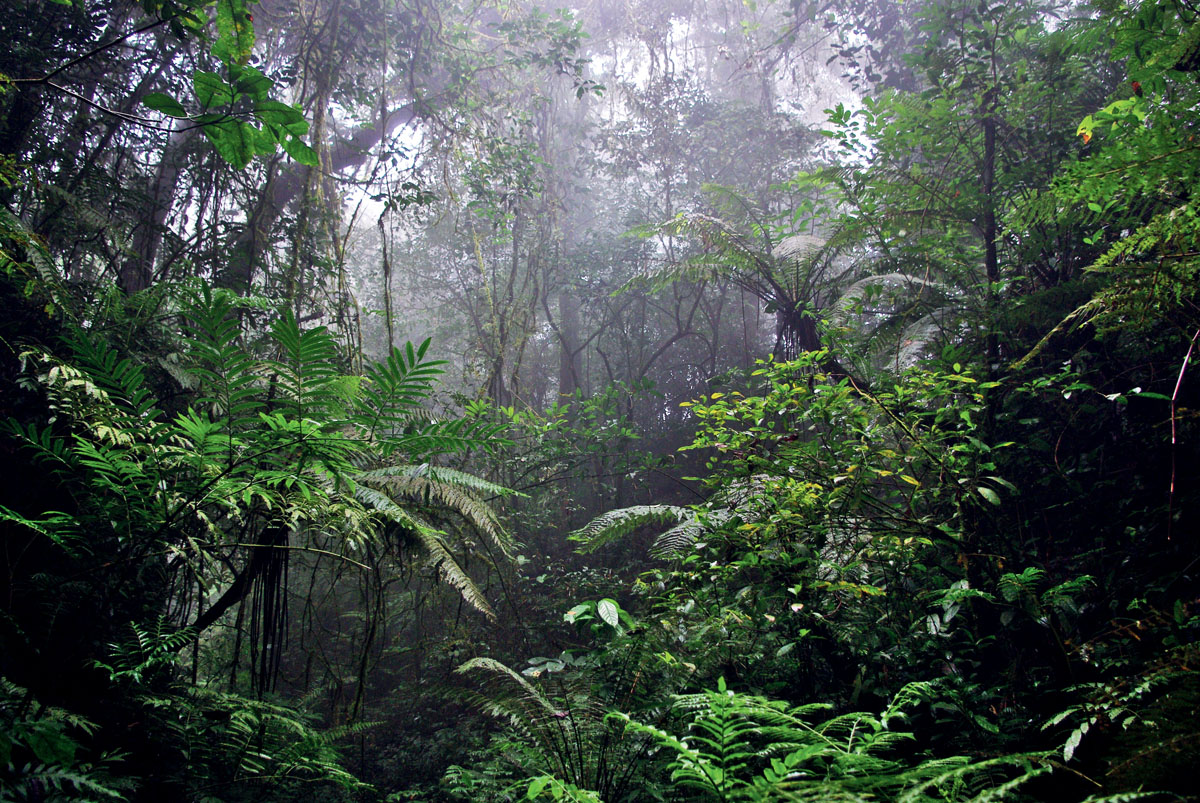
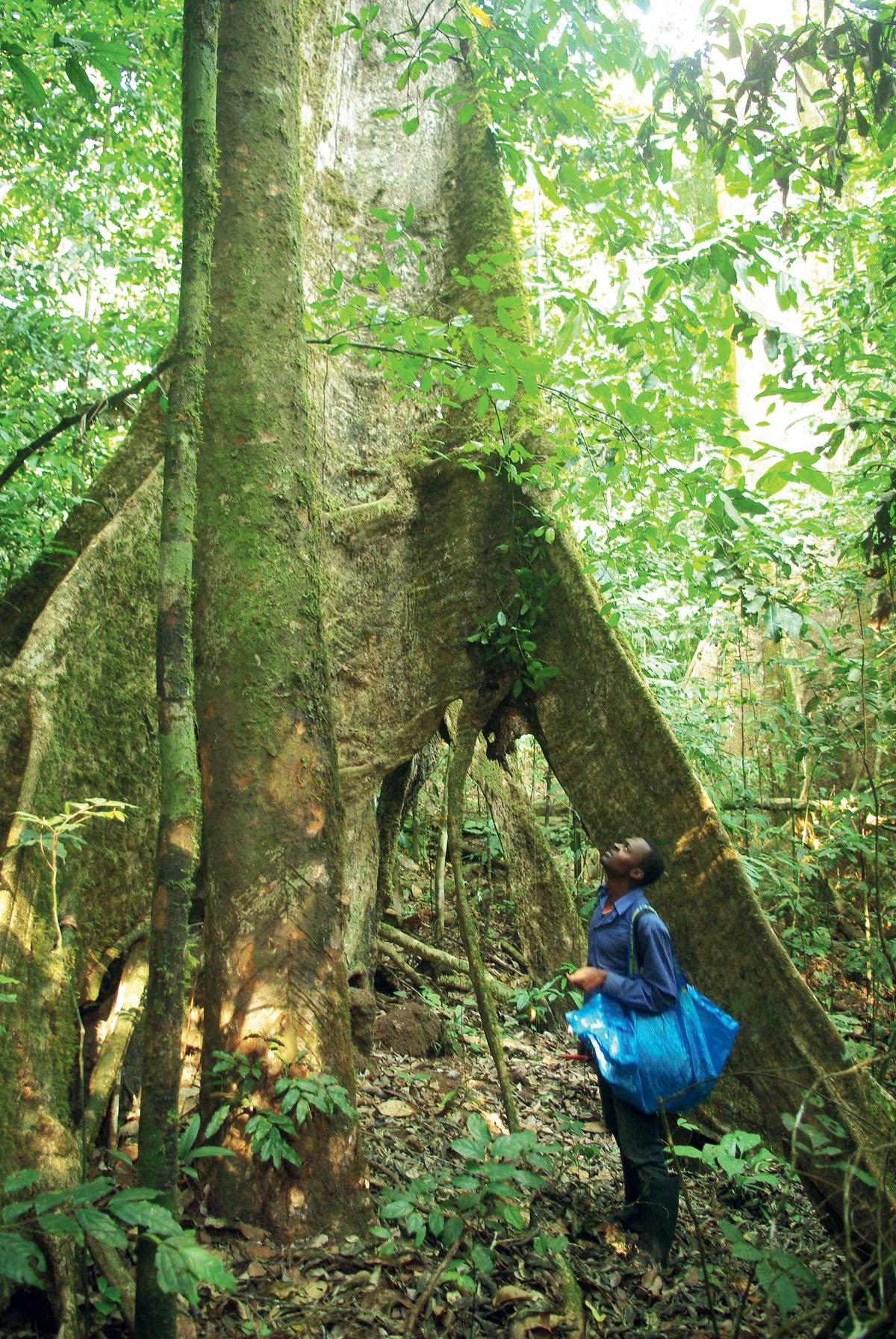
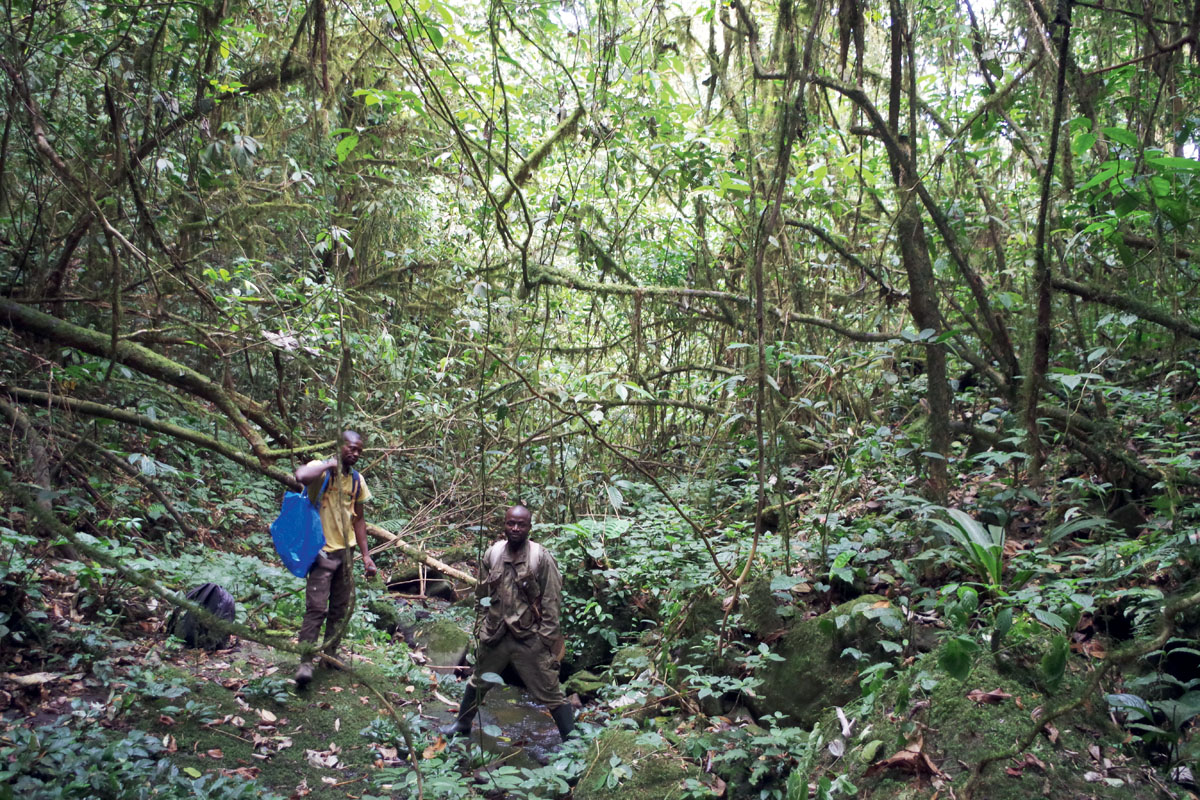
Of all the planet’s ecosystems, this one boasts the richest biodiversity. “So rich, in fact, that tropical rainforests remain largely unknown, ” says Thomas Couvreur. The botanist from the Diade* laboratory has been exploring these forests for years. They cover nearly 600 million hectares in Africa and more than 1,700 million hectares worldwide. It’s an extraordinary playground for expeditions for the researcher, who, through his research project titled GLOBAL, aims to gain a better understanding of this vital ecosystem.
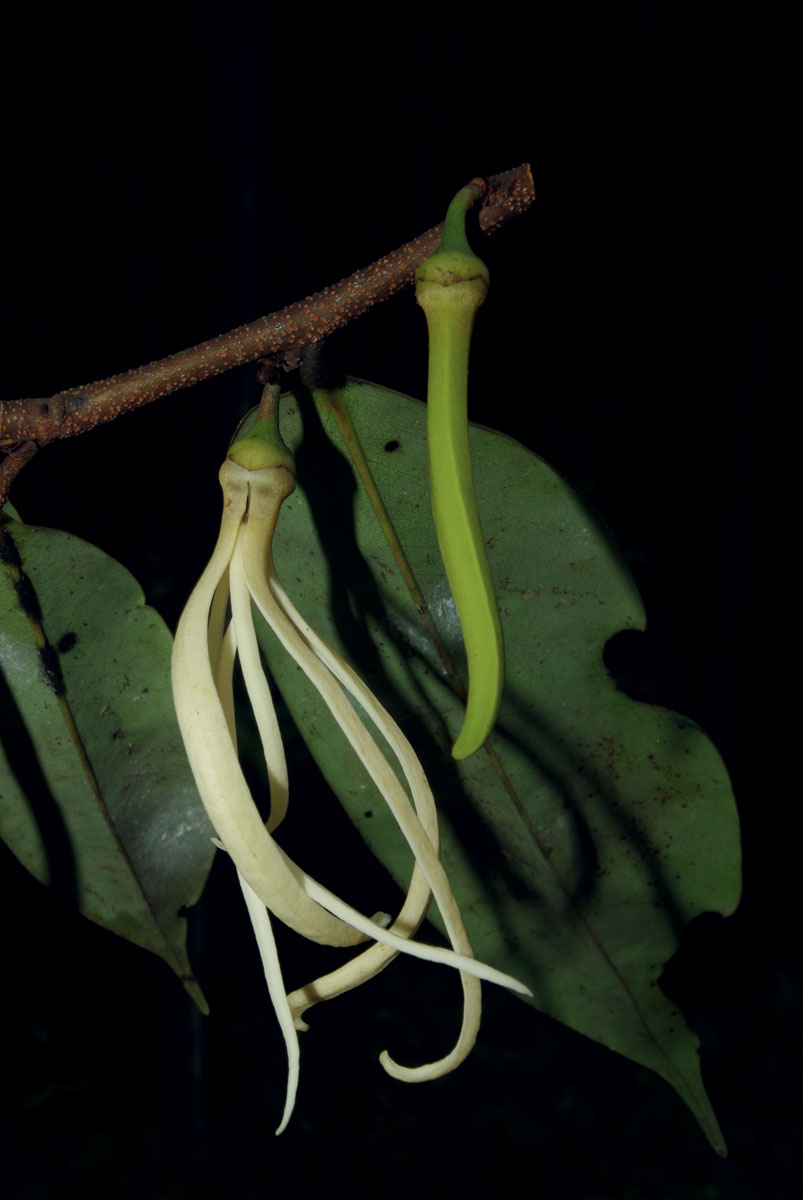
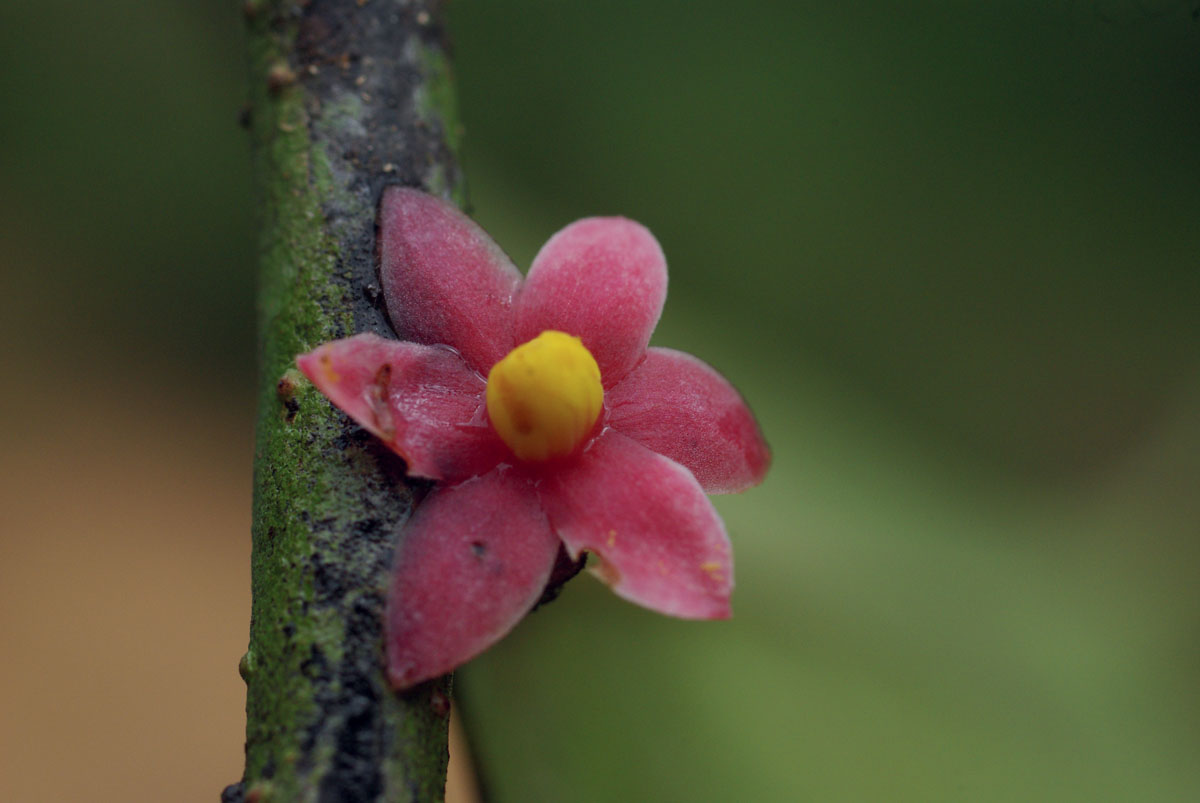
How has their rich biodiversity evolved over time? To try to answer this big question, Thomas Couvreur and his colleagues are focusing on one of the most important families of tropical plants: the Annonaceae. “This family comprises nearly 2,500 species found in tropical forests around the world, where they first appeared 90 million years ago, ” explains Thomas Couvreur.
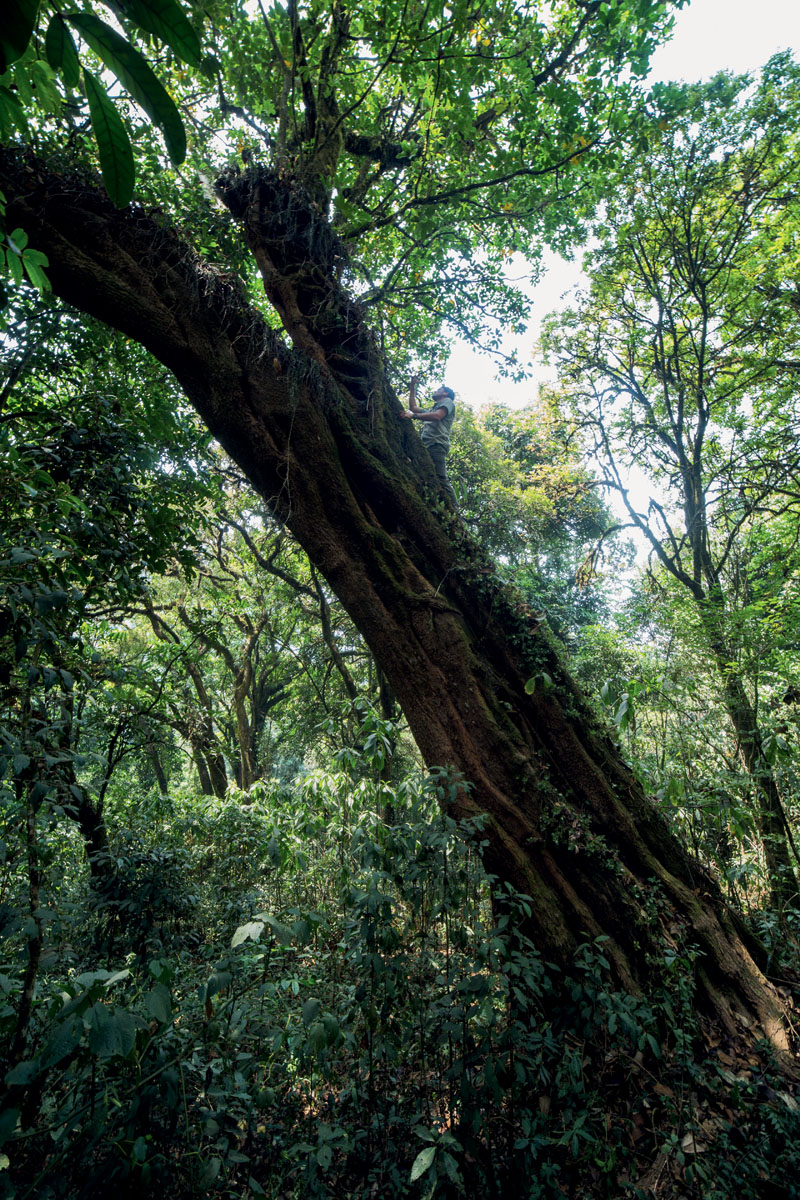
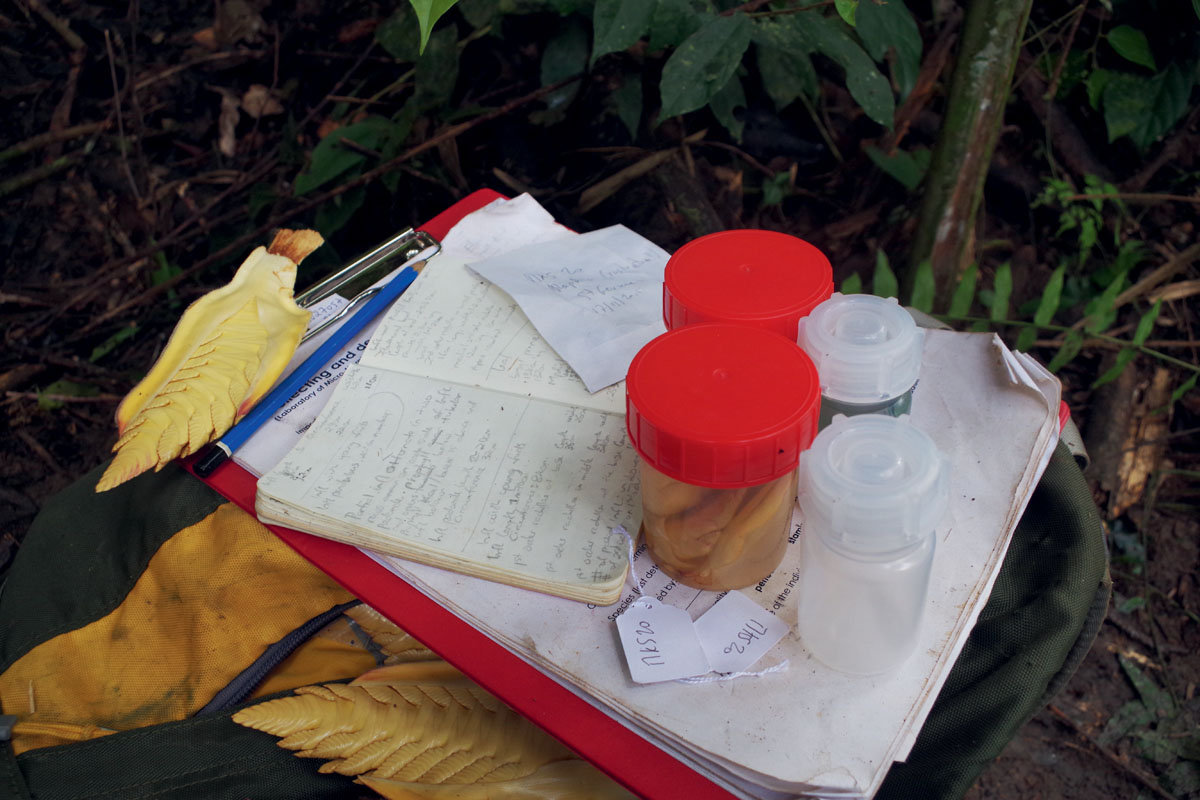
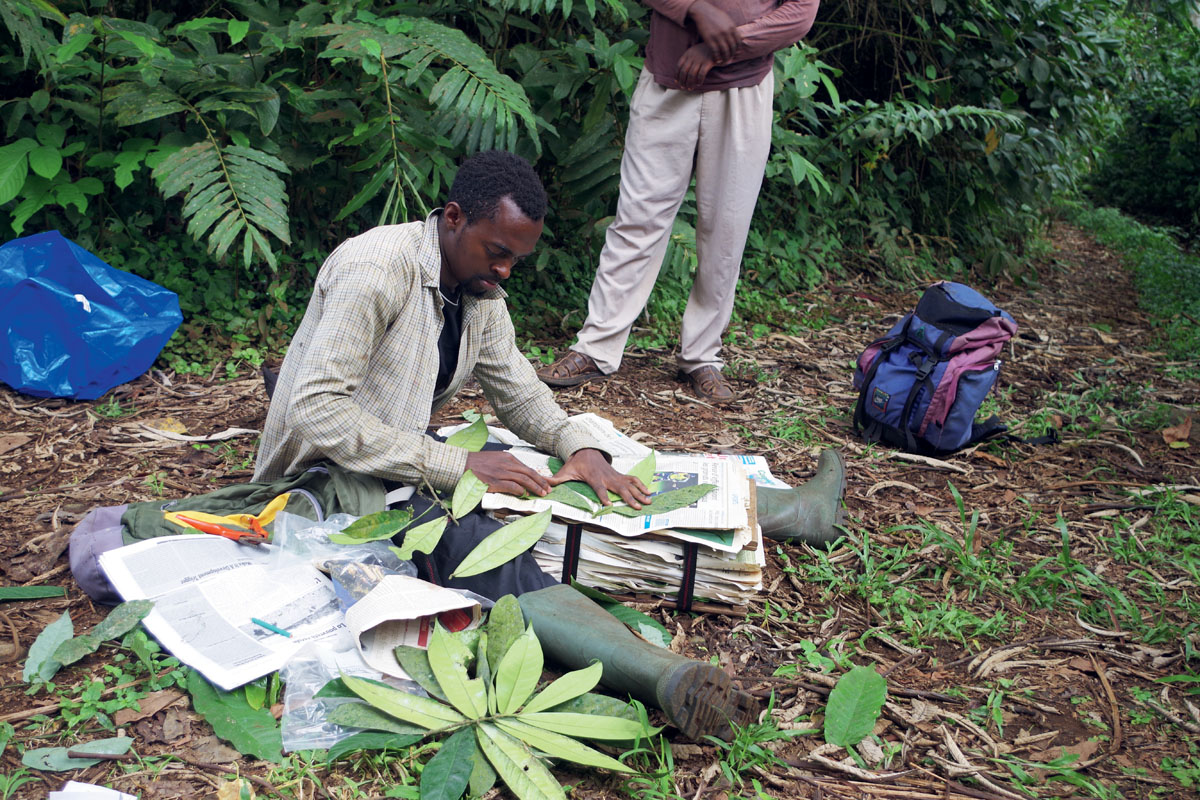
His goal: “to bring together everything we can learn to better understand the evolutionary history of the Annonaceae family and, by extension, tropical rainforests.” The GLOBAL project thus relies on numerous collaborations with countries in the Global South to gather as much data as possible. “To do this, we will of course study the plants in the field, but we primarily rely on specimens from herbaria.” These herbaria are a treasure trove of information for botanists, who deploy a whole arsenal of tools—from spectrometry to molecular sequencing—to better trace the genealogy of the Annonaceae family….
But also to better describe their future trajectories. Many species are threatened with extinction due to human activities. What impact will the disappearance of these species have on the evolutionary history of tropical rainforests? “We are trying to understand how the ‘tree of life’ of the Annonaceae family will be affected in terms of its taxonomic, functional, and phylogenetic diversity, ” explains Thomas Couvreur.
A project that will shed some light on the evolution of these unique forests, which play major roles in climate regulation, particularly through their ability to store carbon.
Check out theUM podcasts, now available on your favorite platform (Spotify, Deezer, Apple Podcasts, Amazon Music, etc.).
* Plant Diversity, Adaptation, and Development – DIADE (UM –CIRAD–IRD–CNRS)