# Science Is Fun: From Grief in Chacma Baboons to the Anatomy Museum
Welcome to *La science s’aMuse*, the science program co-produced by the *UM * and Divergence-FM, which takes you on a journey through the archipelago of Muse laboratories. This week, Elise Huchard, a primatologist atISEM, shows us how chacma baboons grieve when their young die. In the second half of the program, Marie-Angeline Pinail, collections manager, takes us on a tour of an iconic site at the School of Medicine: the anatomy museum.
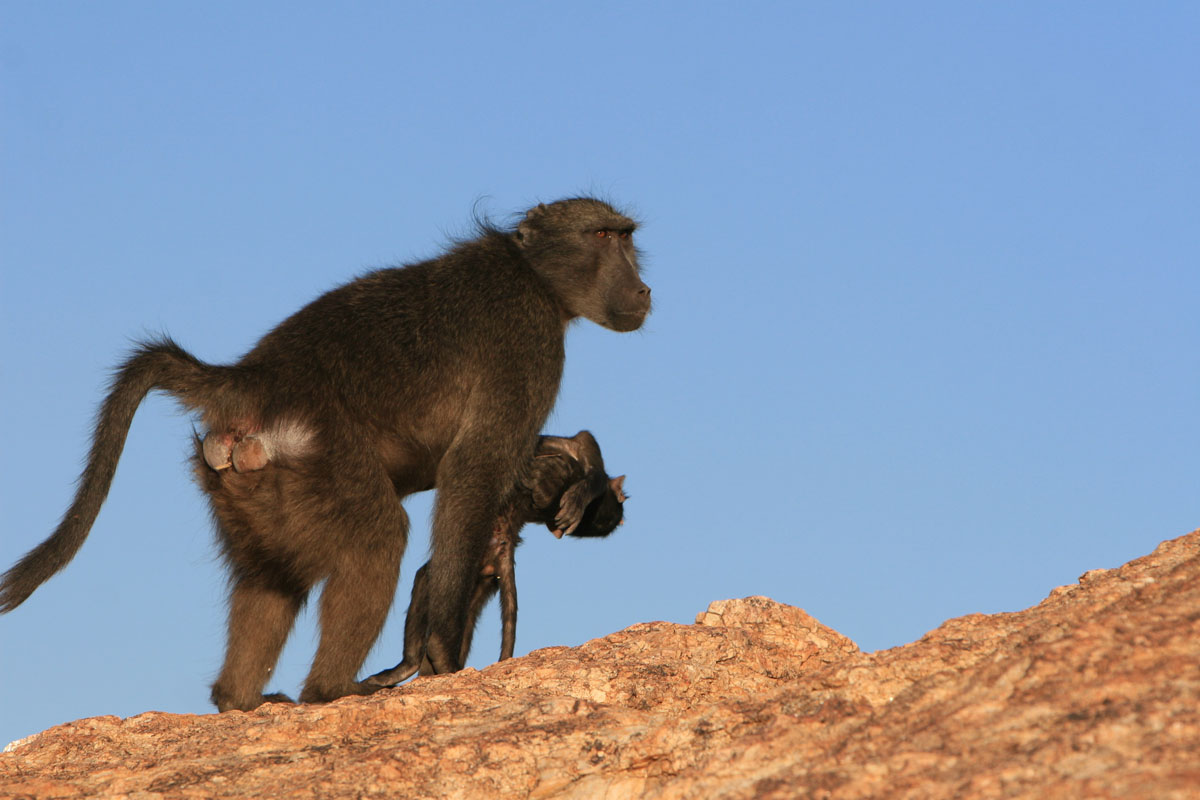
This month marks the release of the 14th issue of LUM, the university’s quarterly popular science magazine. Titled “Animalement votre,” it features a special section dedicated to animals. Throughout the issue, researchers take you out to the open sea in the wake of bluefin tuna, to the Caribbean in search of the first rodents that appeared on these islands more than 30 million years ago, on a quest for ecologically rare species with Nicolas Loiseau—whom we hosted right here a while back (listen to the episode again here)—and even to Namibia with our guest of the day.
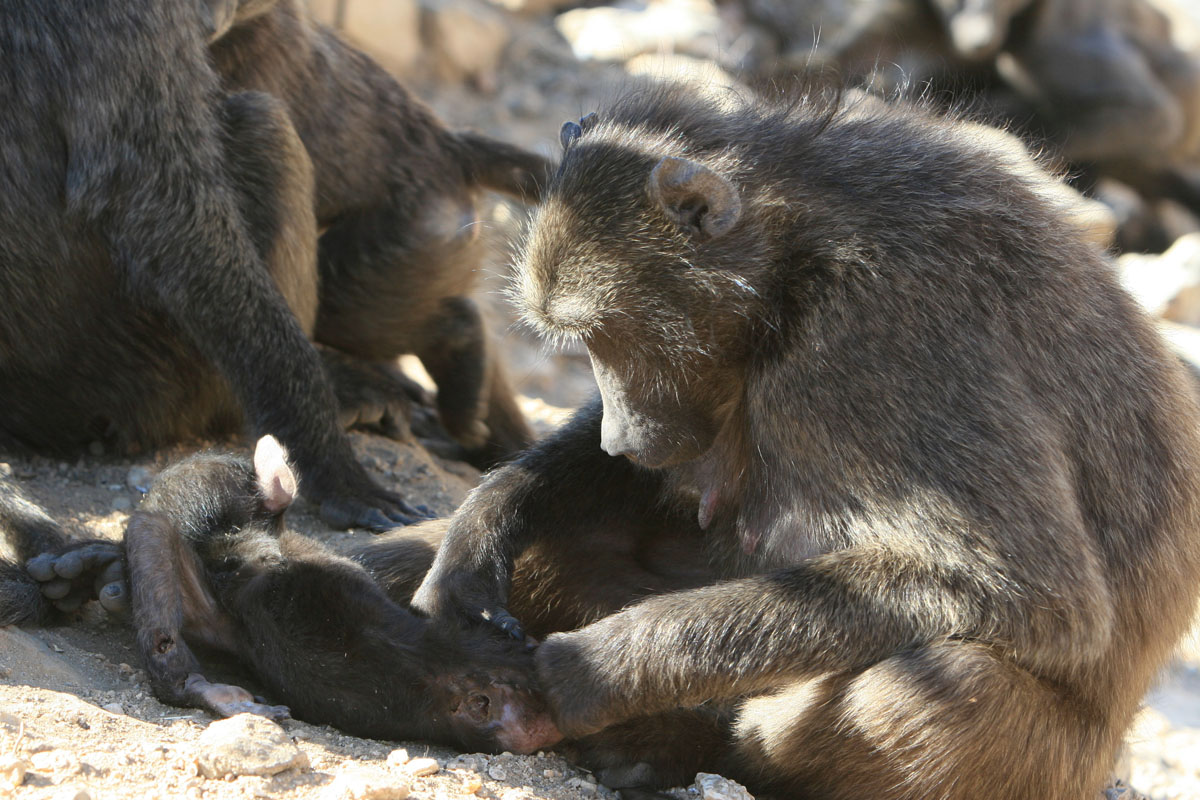
Elise Huchard is a researcher atthe Institute of Evolutionary Sciences in Montpellier (ISEM). Her doctoral research, which began in 2005, led her to study chacma baboons on the edge of the Namibe Desert. She has continued to observe them ever since, eventually becoming co-director of the Tsaobis Baboon Project, which she’ll tell us a little about. She is co-author of a highly acclaimed study on mourning behaviors among chacma baboon mothers, published in March 2020, and we’re delighted that she’s here today to talk to us about it.
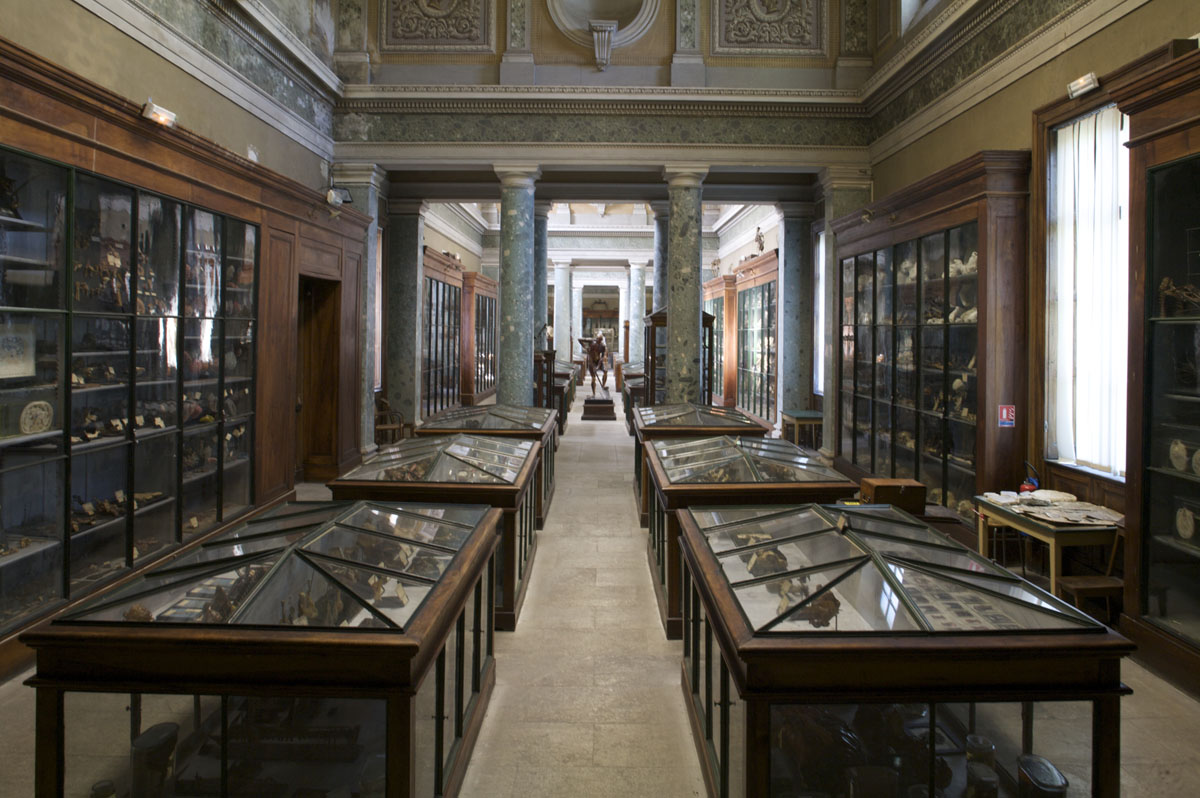
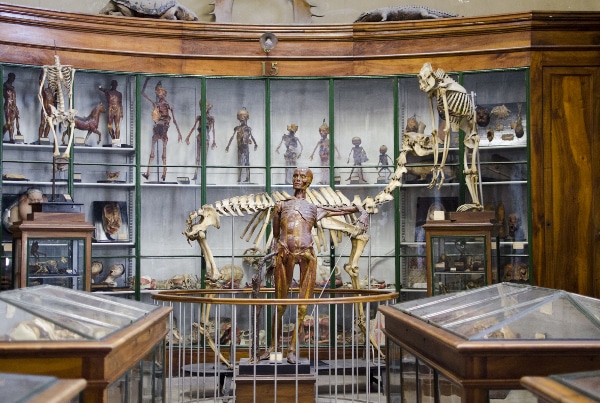
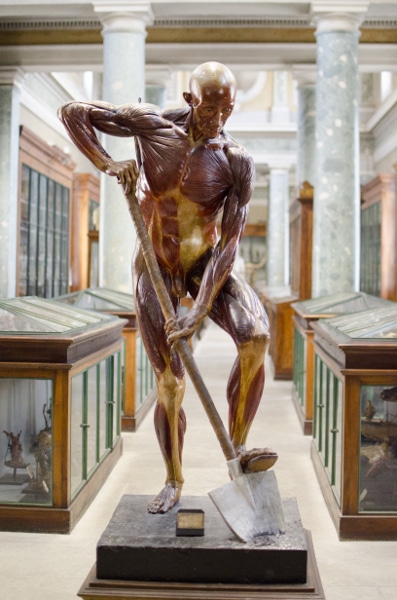
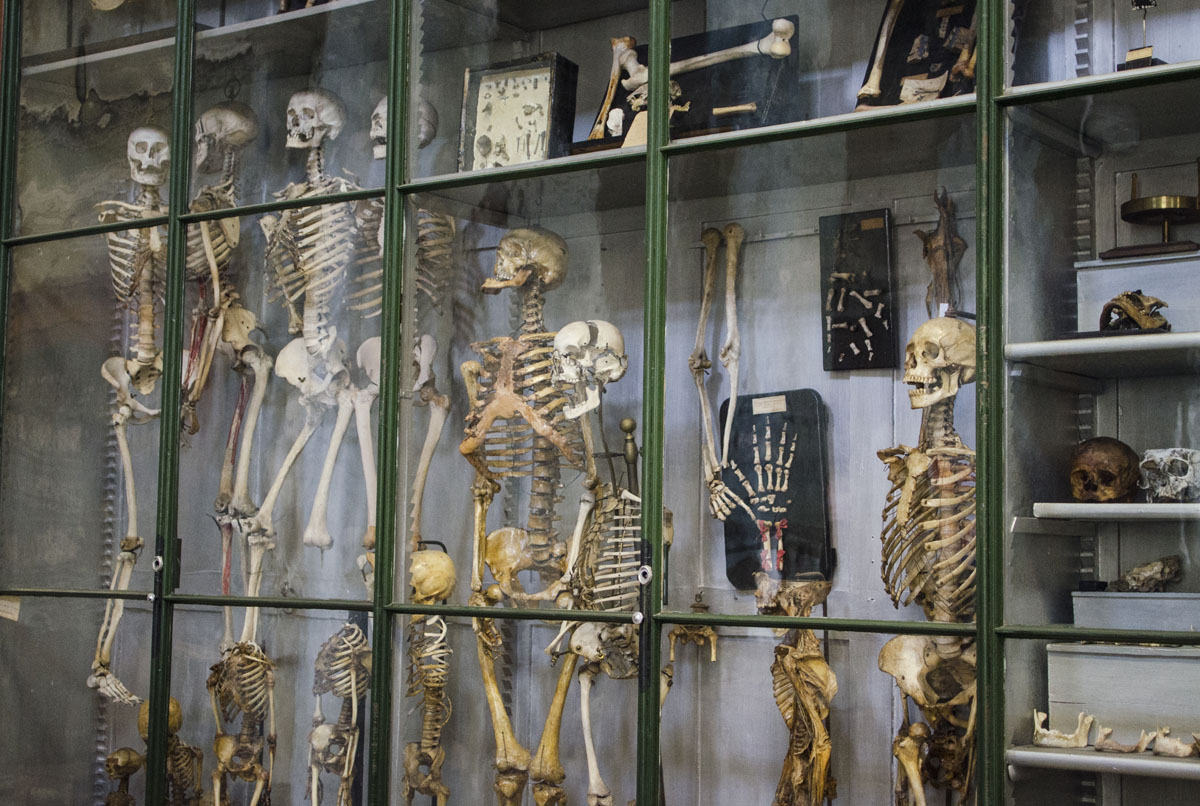
In the second part of the program, we’ll take you to the anatomy museum at the School of Medicine. At a time when we are sorely lacking in cultural venues, Marie-Angeline Pinail, the collections curator, opens the doors to this extraordinary space for us. In the 19th century, it was in this sanctuary of medical knowledge that generations of students were trained: embalming, teratology, comparative anatomy, casts, and wax models—the collection comprises a total of more than 13,000 items. An astonishing tour that challenges our relationship with the body, illness, death, and, in a certain sense… the sacred.
Science Is Fun—you’ve got the map, let’s go!
Co-production: University of Montpellier / Divergence-fm
Host: Lucie Lecherbonnier
Interview: Lucie Lecherbonnier / Aline Périault
Reporting: Lucie Lecherbonnier / Aline Périault
Editing: Lucie Lecherbonnier
Director: Bruno Bertrand
Tune in to the show “A LUM LA SCIENCE” on Divergence FM 93.9