Montpellier’s University Innovation Hub Showcases Its Talent at Santexpo
Exhibiting at the trade show Santexpo 2025, which took place May 20–22, the University Innovation Cluster (PUI) in Montpellier highlighted several innovative projects led by its researchers, schools, and partners active in the healthcare sector. This marked a first for the PUI, which was present at the Occitanie Region’s booth.
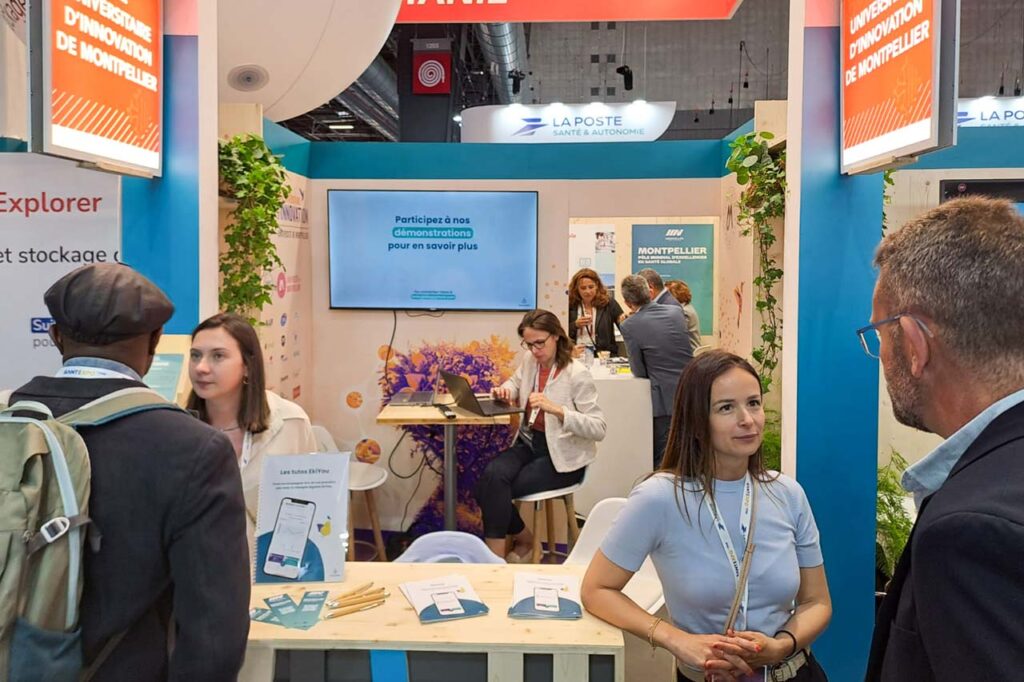
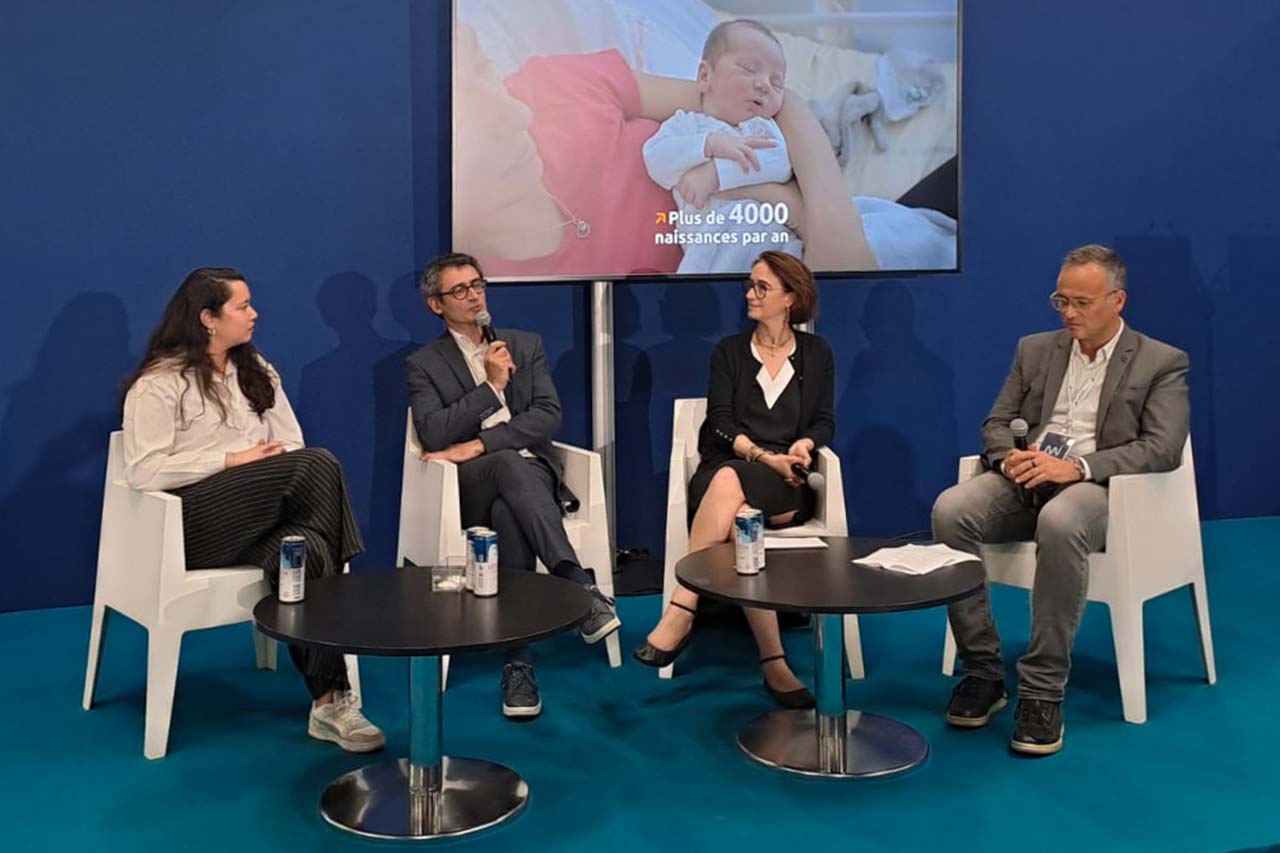
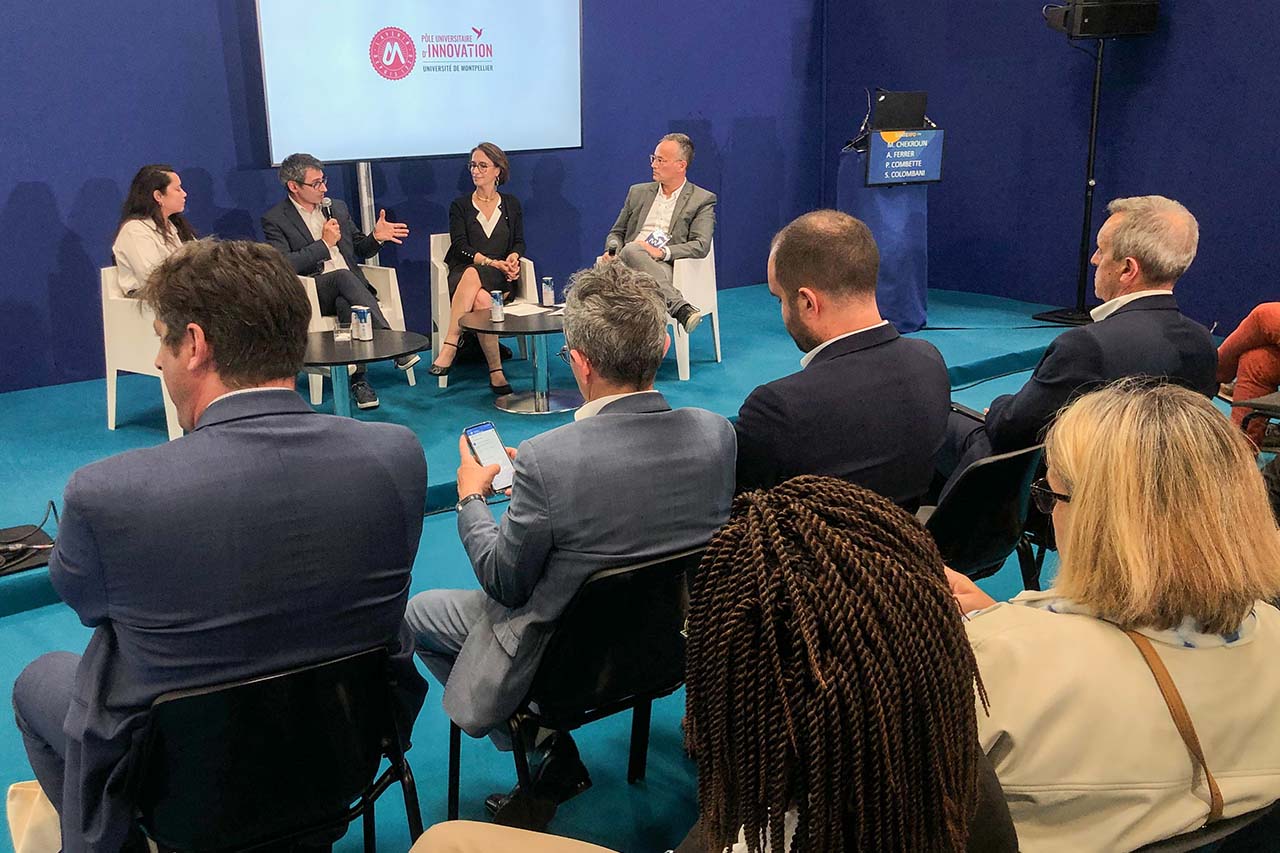
Healthcare is one of the most significant issues facing society, and that is likely why the Montpellier University Innovation Hub (PUI) decided to participate in the Santexpo 2025 trade show, alongside the Occitanie Region. Now in its third year, this must-attend event for healthcare professionals and “solution providers” took place in Paris from May 20 to 22. It was a great opportunity for the Montpellier PUI to highlight several flagship projects being carried out as part of its roadmap for digital health. Over the course of these three days, the PUI was also able to take stock of its progress in close collaboration with its members and key partners, including MedVallée, the Montpellier University Hospital, and the AD’OCC agency. Together, they participated in two panel discussions: “The Occitanie Region is Building the Future of Healthcare: From Innovation to the Patient” and “Montpellier: 360-Degree Innovation in Healthcare.”
"Innovation in healthcare is one of our top priorities."
“The University of Montpellier has one of the oldest medical schools in France; innovation in healthcare has therefore long been one of our top priorities,” notes Olivier Marini, who is in charge of partnership development for the MIPS research cluster, which leads the “digital health” roadmap within the PUI. “We had innovations to showcase. It’s a great way to meet people and build relationships with industry representatives and stakeholders in the hospital sector, ” he explains.
With this in mind, Olivier Marini hopes that certain projects will have caught the attention of the entrepreneurs and decision-makers in attendance and will lead to new opportunities in the short or medium term. “The idea was also to showcase our expertise, our laboratories, and our research findings, and to raise the profile of the PUI. We did this in collaboration with the Occitanie Region, with whom we share a common strategy, particularly through initiatives led by MedVallée, ”he continues.
"Success stories developed in our laboratories"
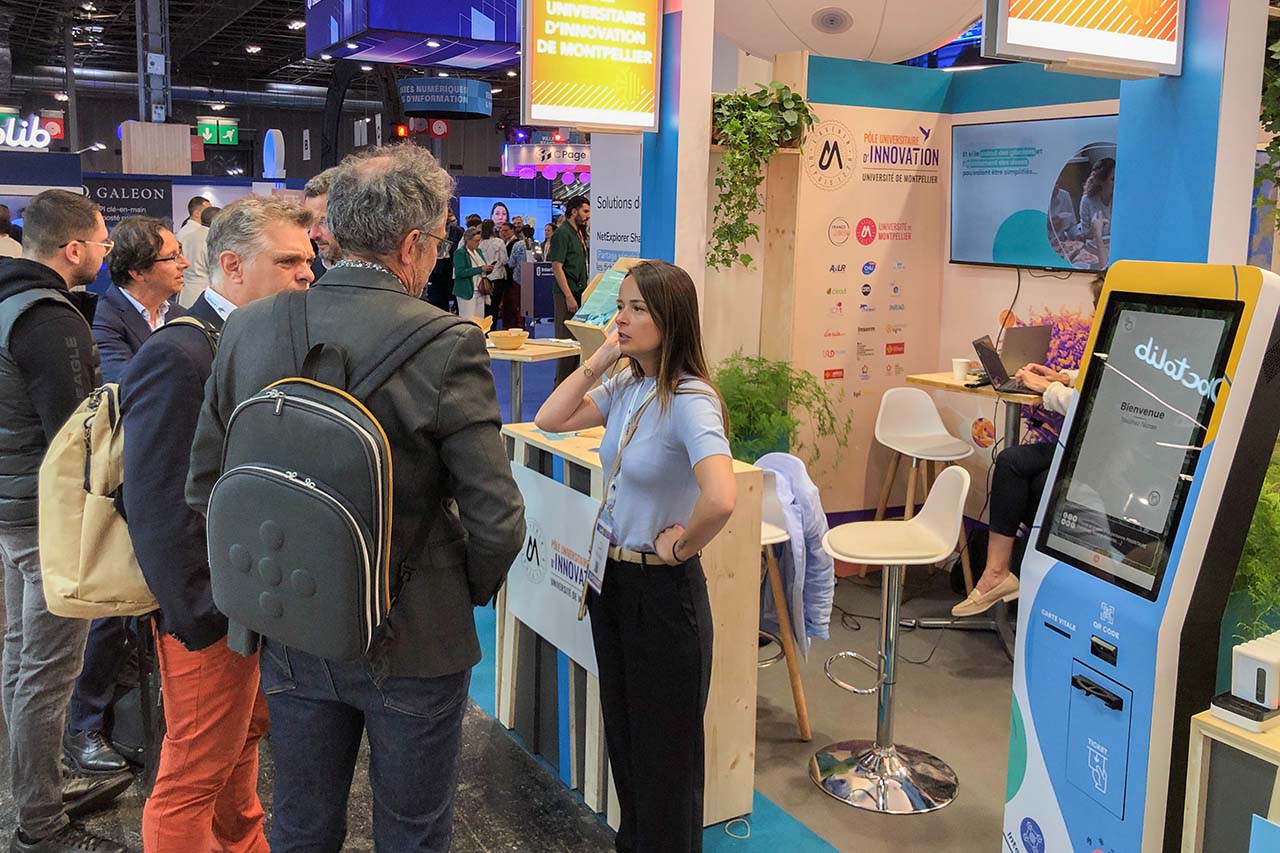
In all, six companies and projects took turns at the booth and on the seats in the trade show’s Agora, where they were able to showcase their unique features. Founded by researchers from the EuroMov laboratory, Beat Health highlighted its technologies for synchronizing human movement to the rhythm of music. “This innovation can help athletes adjust their stride and improve their performance, but it’s also designed for people with disabilities or those affected by certain conditions, such as Parkinson’s disease,” explains Olivier Marini. For Kanopymed, Dr. Grégoire Mercier has developed a digital medical device that allows cardiologists to personalize the care plan for patients with heart failure.
Also featured at the booth was the Peasy project, led by Professor Xavier Garric, which focuses on male incontinence and offers an innovative device that is less invasive than previous solutions. But there was also the company Inséparable, which demonstrated how it aims to facilitate communication between families and hospital staff regarding a patient in intensive care; DiappyMed, which helps people with diabetes adjust their treatment; Aviitam, which offers digital solutions to improve obesity management; and the 3D4 Pedia project, which is currently developing active ingredients using 3D printing, in partnership with MB Therapeutics. Not to mentionthe University of Montpellier’sSchool of Digital Health, a “unique” training program led by Professor Maurice Hayot.
“We’ve chosen to highlight projects that are currently under development but at an advanced stage. At the same time, we’ve also reached out to former researchers who have commercialized their technologies by starting companies… The only thing they all have in common is that these technologies are success stories developed in our laboratories, and they maintain a strong connection with our research teams,”summarizes Olivier Marini. In short, these are inspiring gems that may well help spur the collaborations of tomorrow…