[LUM#11] At the Heart of a Work of Art
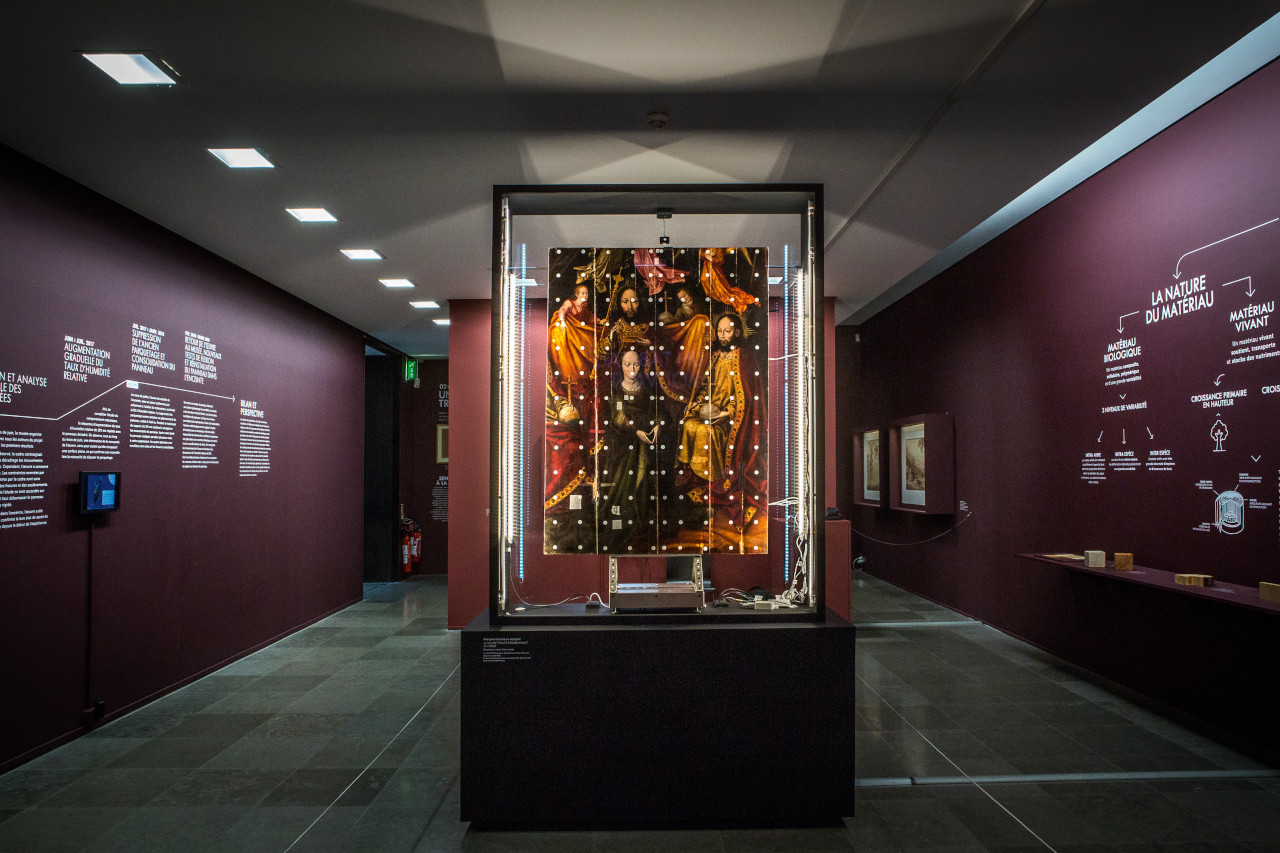
Humidity, temperature fluctuations, the passage of time… in museums, paintings mounted on wooden panels are put to the test. To better understand how wood moves and thus better preserve these works, Delphine Jullien, a researcher at the Laboratory of Mechanics and Civil Engineering (LMGC), designed a very special display case installed at the Fabre Museum.
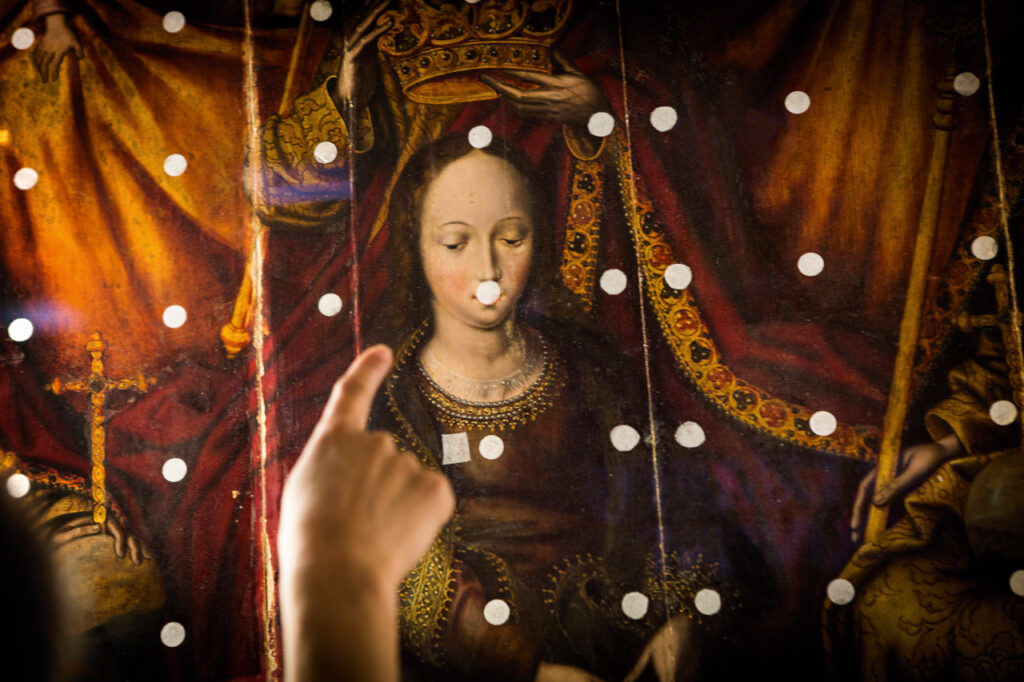
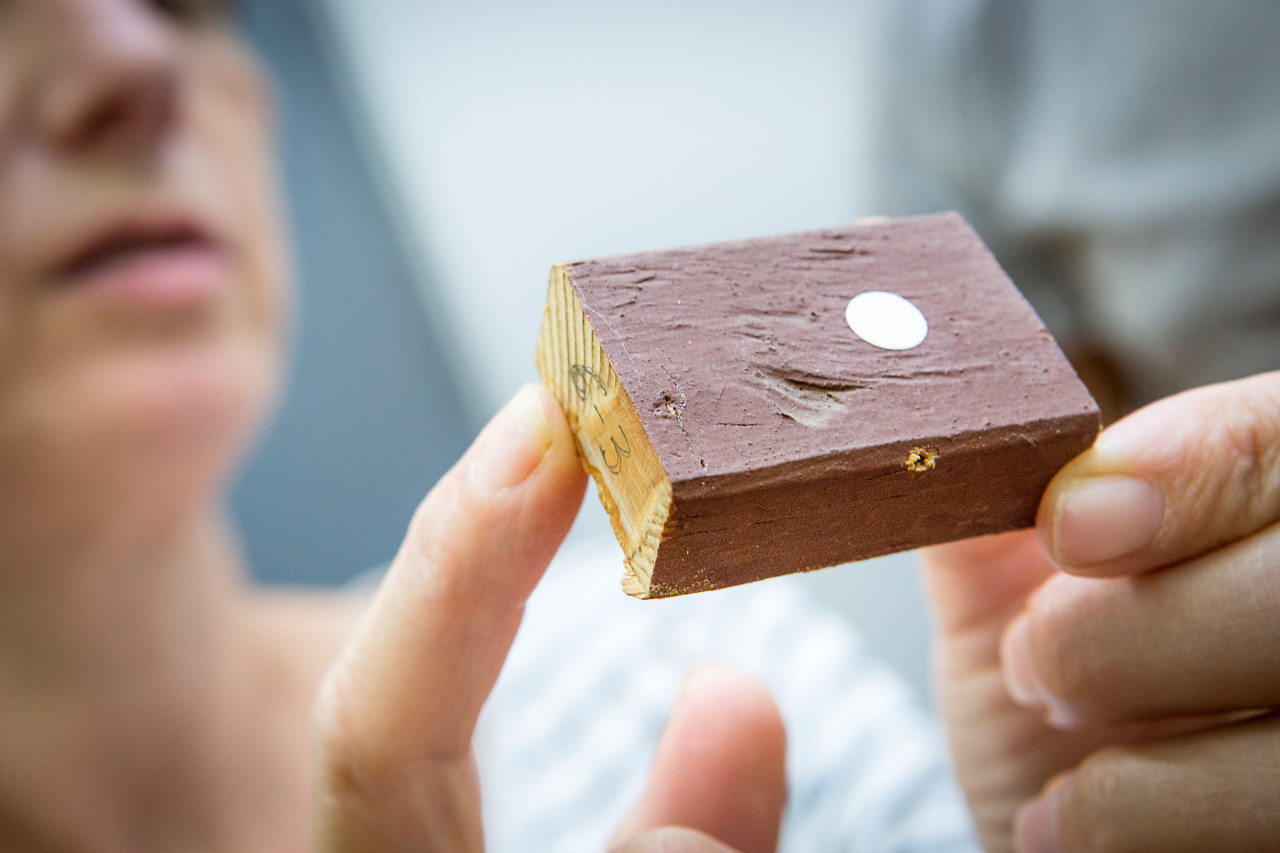
As witnesses to a past that is sometimes distant, works of art span the centuries and are not spared by the passage of time. Paintings on wood, for example, are subject to the natural warping of this material, which can sometimes damage the works. To better preserve this heritage, curators turn to… researchers. Specifically, they rely on the wood team at the Montpellier Laboratory of Mechanics and Civil Engineering (LMGC), which possesses extensive expertise in this field, having previously studied the famous Mona Lisa in collaboration with the PPRIME Institute in Poitiers and the GESAAF at the University of Florence (Italy).
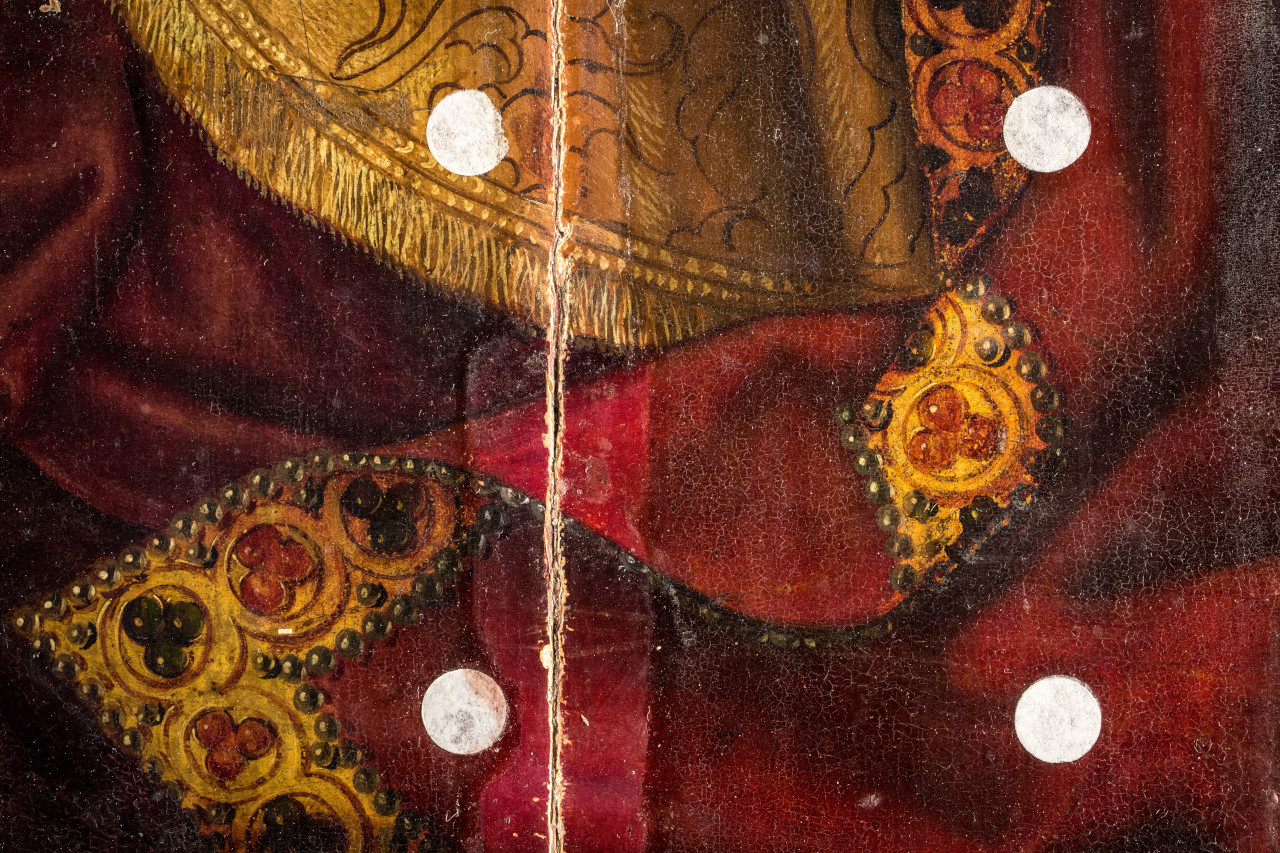
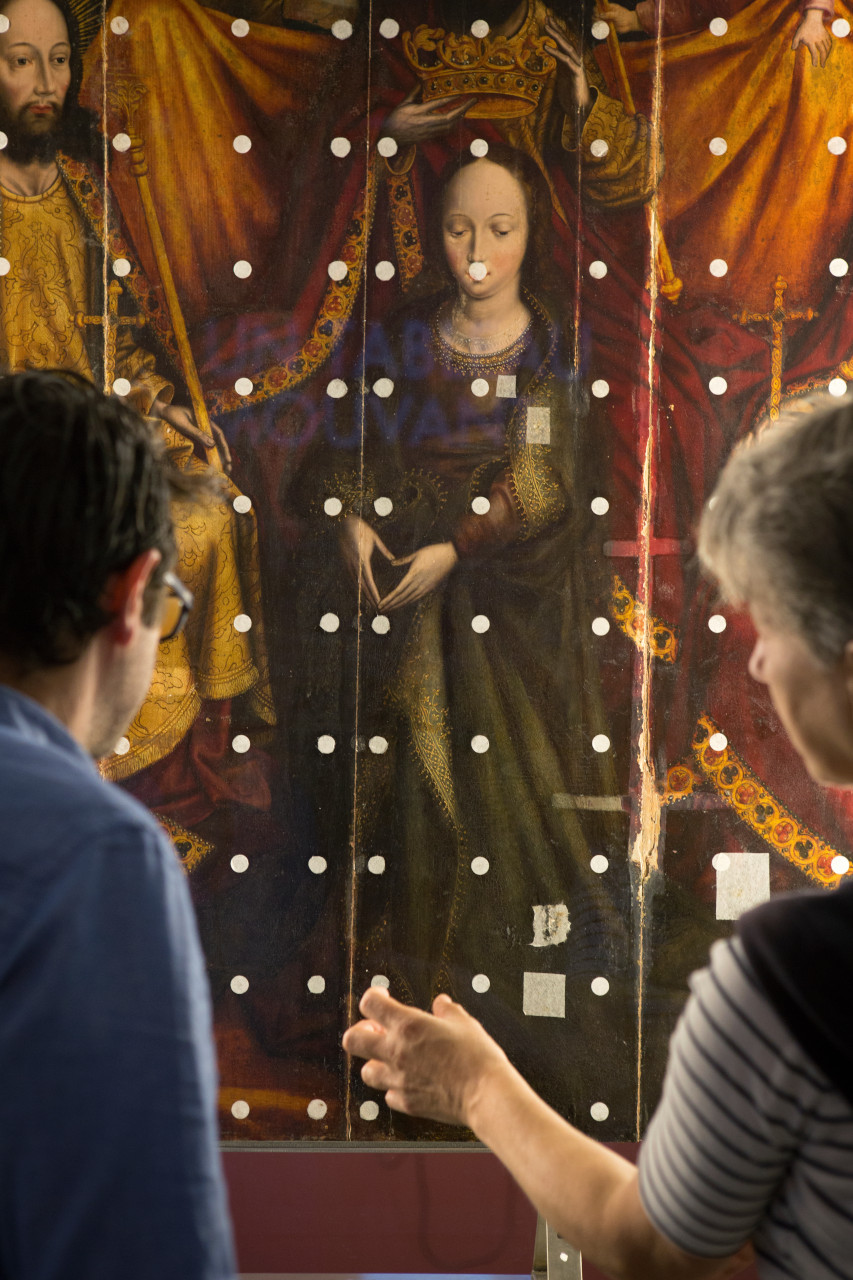
This time, these researchers are examining The Holy Trinity Crowning the Virgin, a work on display at the Musée Fabre in Montpellier.“It is a15th-century painting on a panel of four oak boards, fitted with a frame and a backing,” explains Delphine Jullien. “This prevents the wood from moving due to changes in environmental humidity, which has led to the appearance of cracks that have damaged the paint layer.”
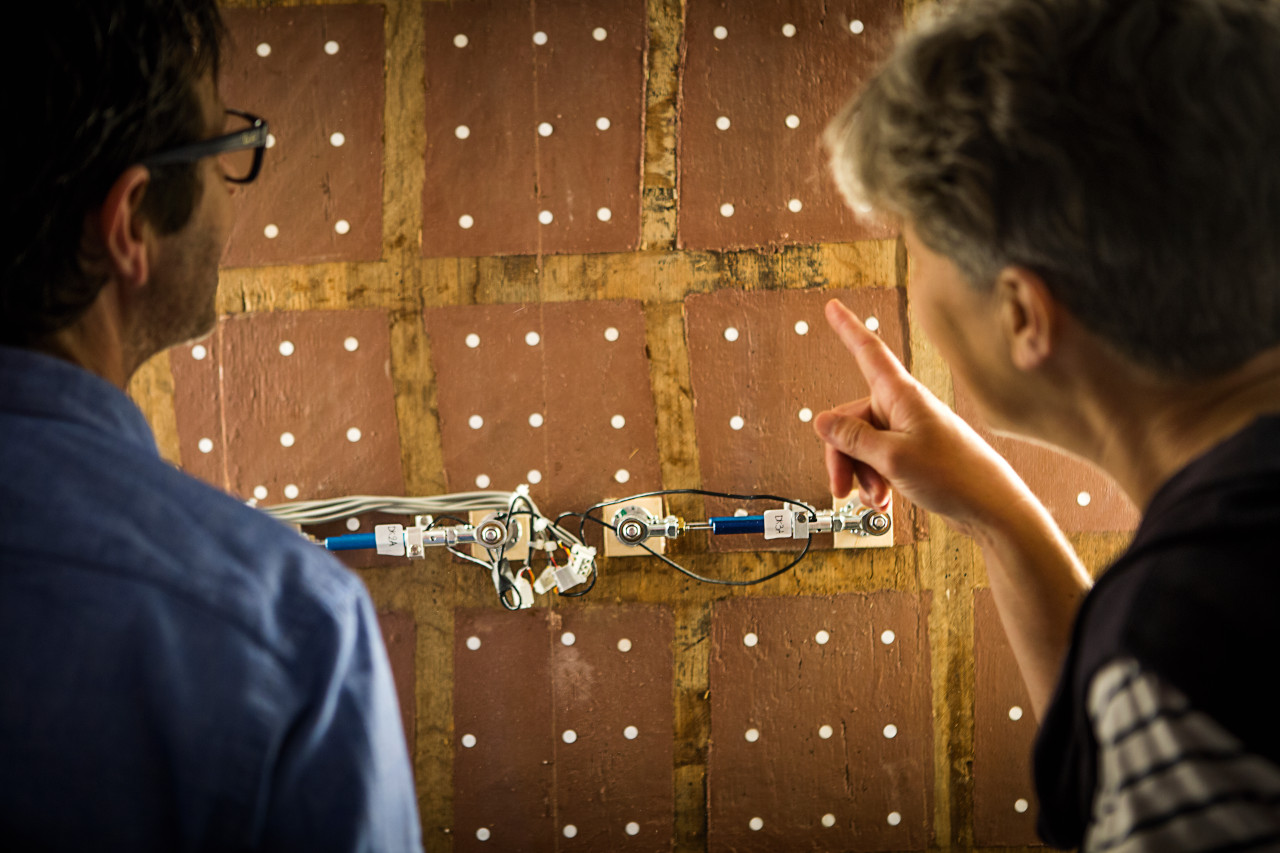
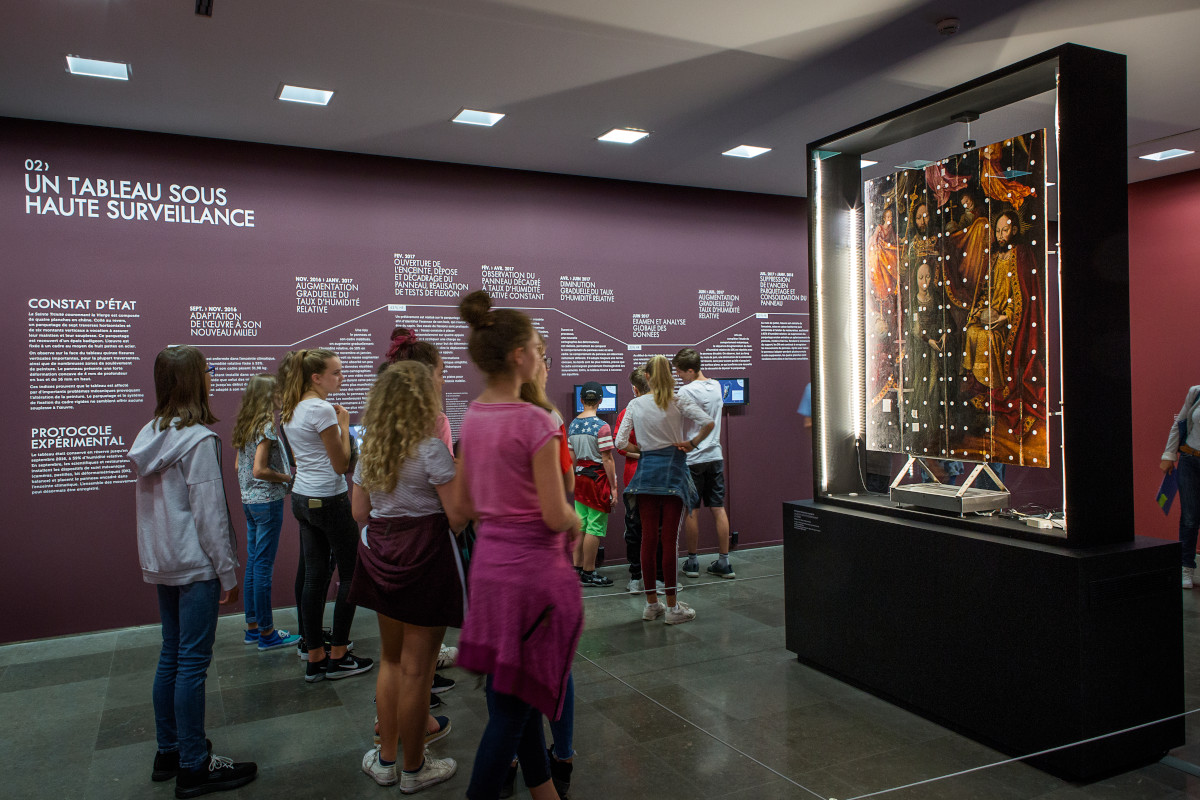
To better understand how wood behaves, the researcher and her team set up a full-scale laboratory in the heart of the museum, in full view of the public.“The painting is placed in a sealed climate-controlled display case where it is subjected to fluctuations in relative humidity, ranging from 53% to 63%.”
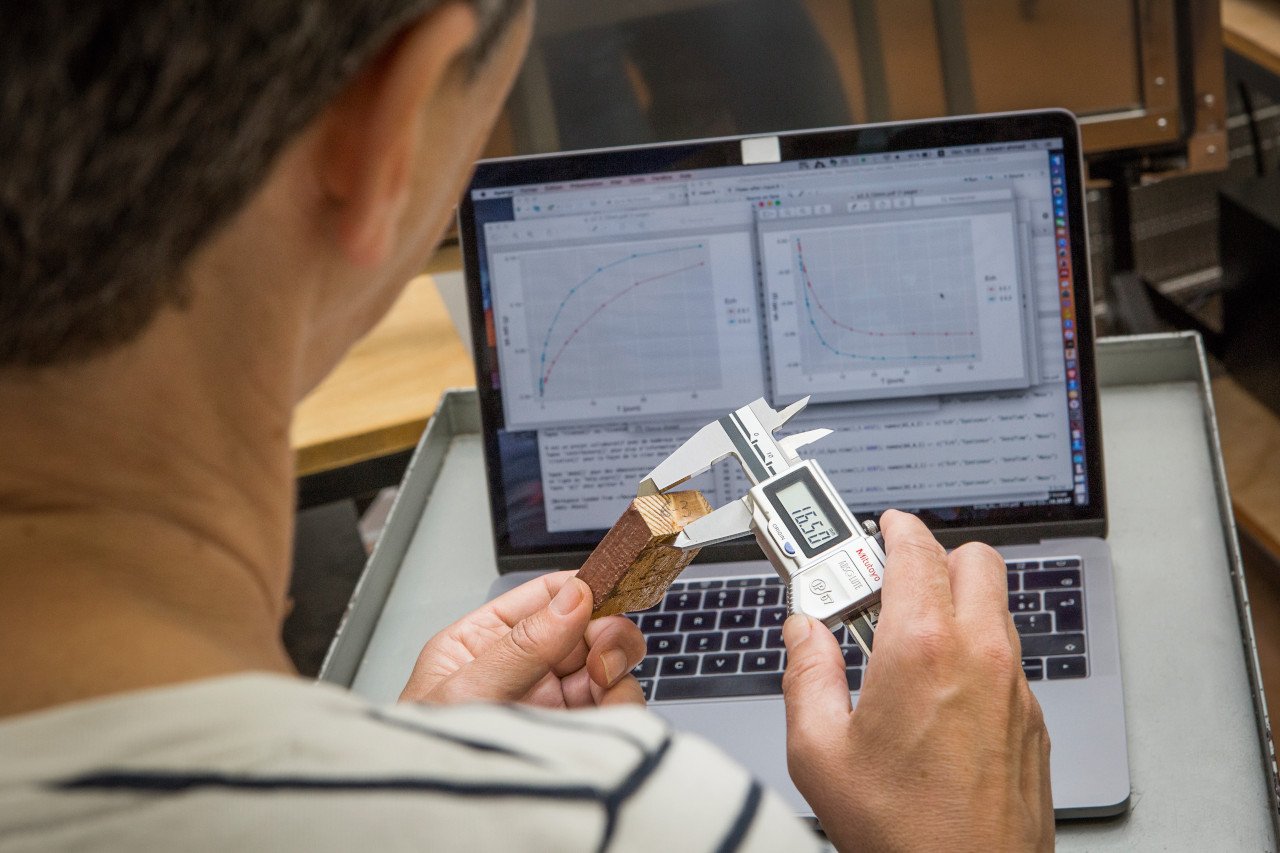
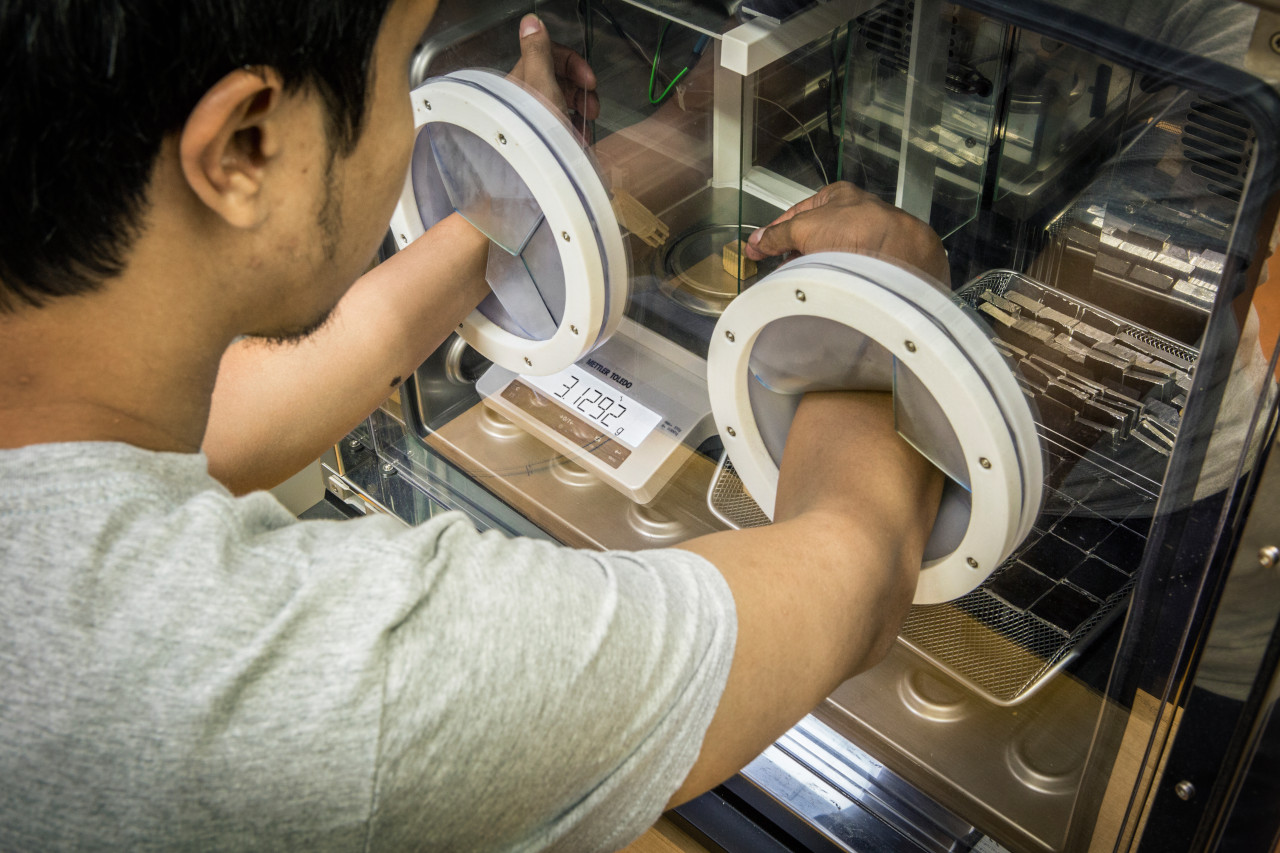
A high-precision scale measures changes in the panel’s weight and calculates the amount of water absorbed by the wood. A system of cameras that reconstructs the artwork in three dimensions, combined with “strain gauge” sensors, continuously measures the wood’s movements and the panel’s deformations.
“This data will allow us to quantify and better understand the movements of a painting on wood, and thus work with conservators to propose solutions for better preserving them,” says Delphine Jullien.
Listen:
- The "A l’UM la science" podcast on the Fabre Museum’s climate display
UM podcasts are now available on your favorite platform (Spotify, Deezer, Apple Podcasts, Amazon Music, etc.).