[LUM#23] Chickadees Urbi et Orbi
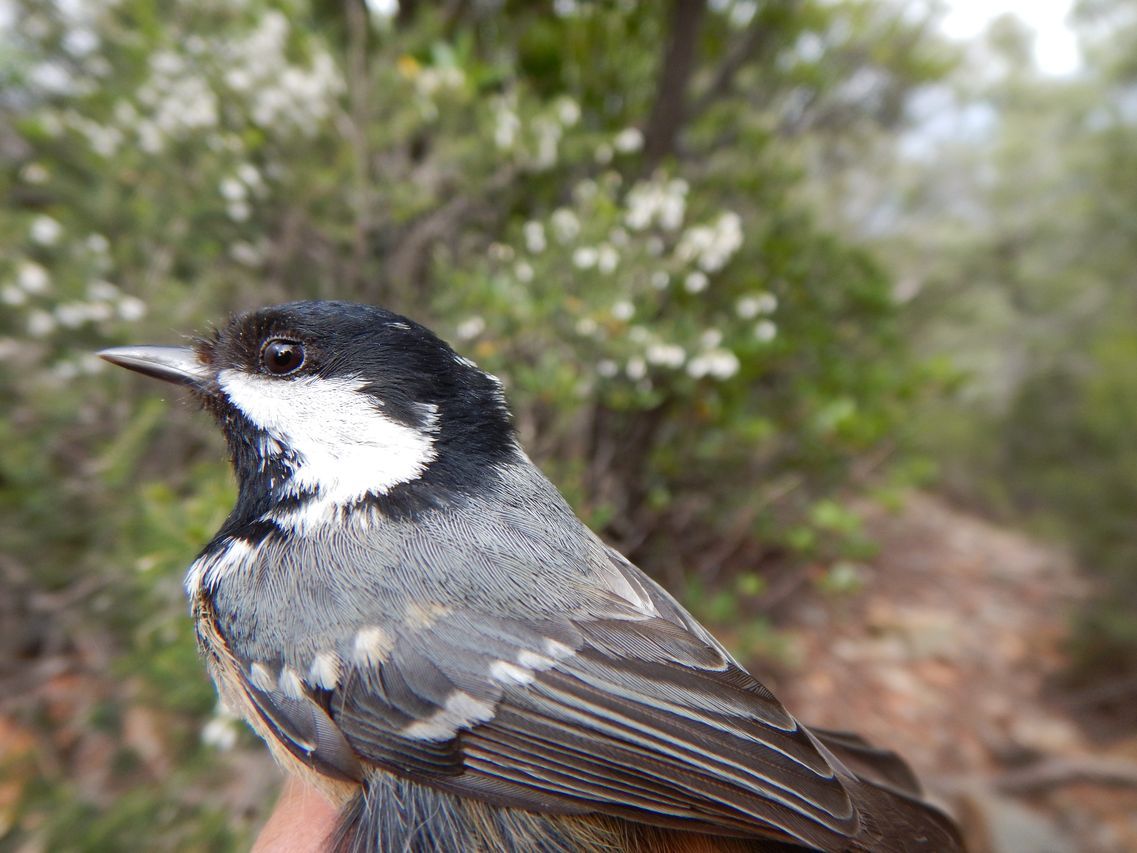
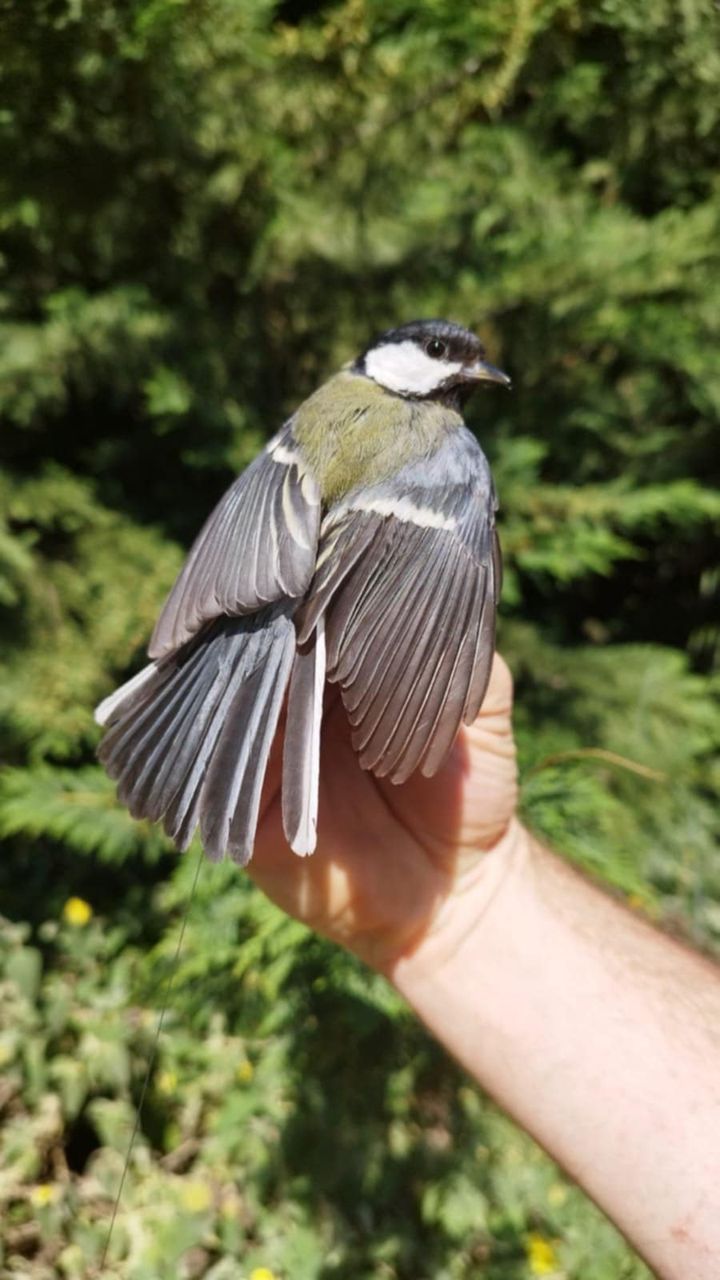
This little ball of yellow and blue feathers fills the skies above our forests and cities alike and punctuates the sounds of our surroundings with its distinctive song. The chickadee has been the subject of a monitoring program for more than 50 years at the Center for Functional and Evolutionary Ecology —and the good news is that it is adapting well to climate change, as shown by the research of Ph.D. candidate Jérémy Defrance.
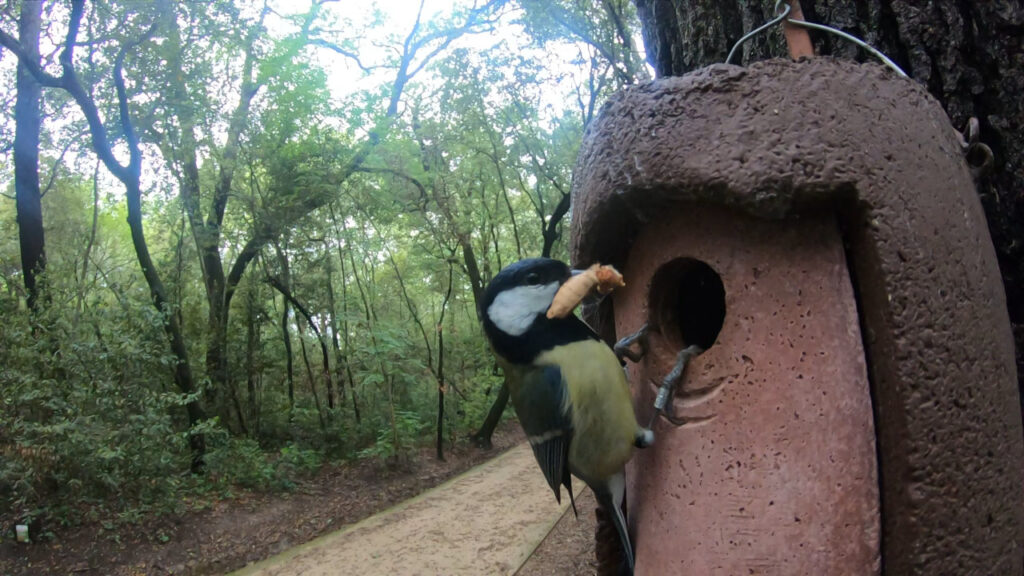
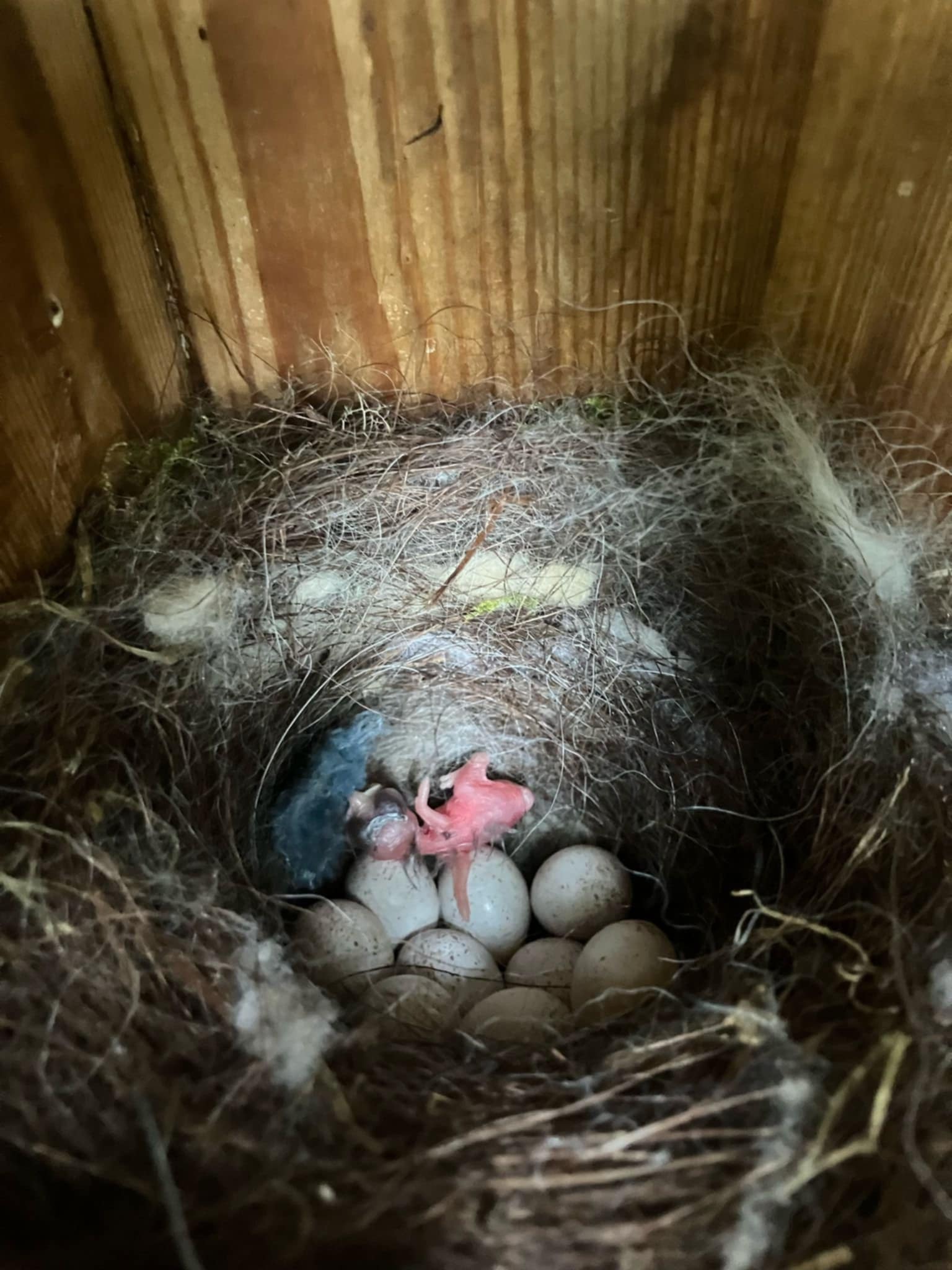
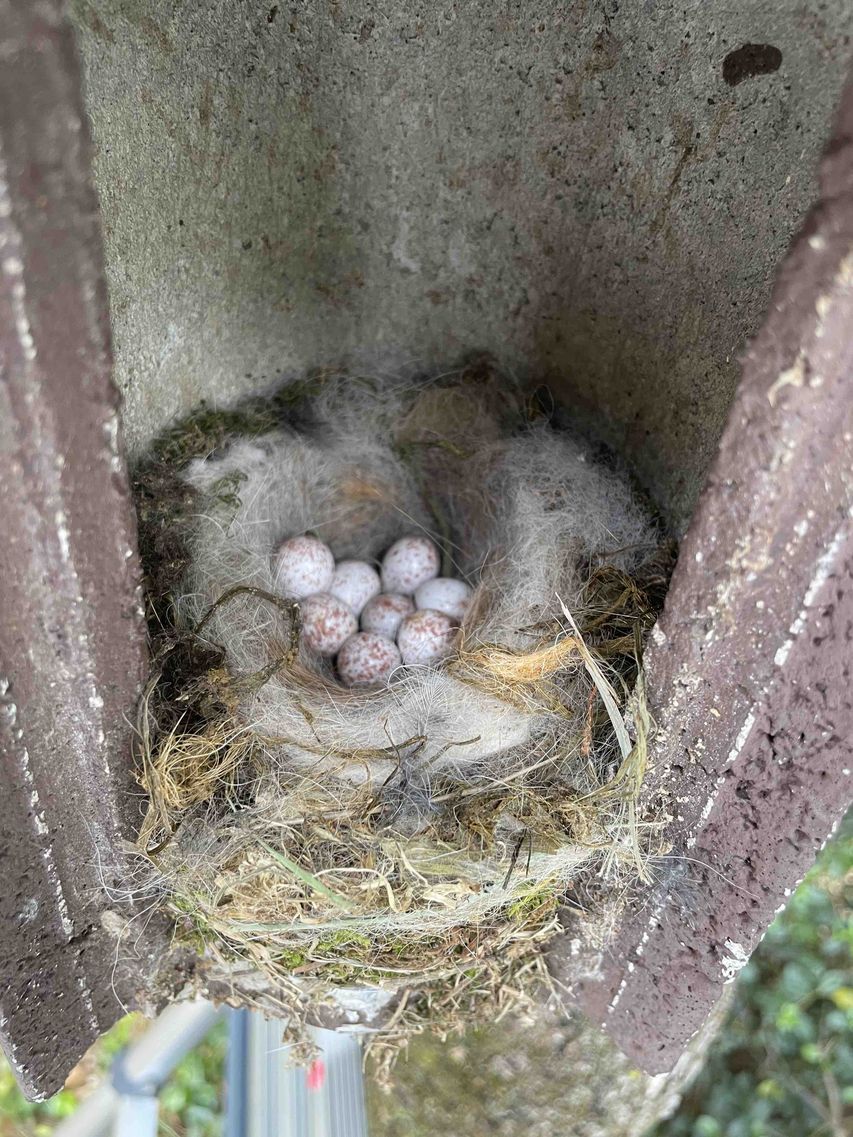
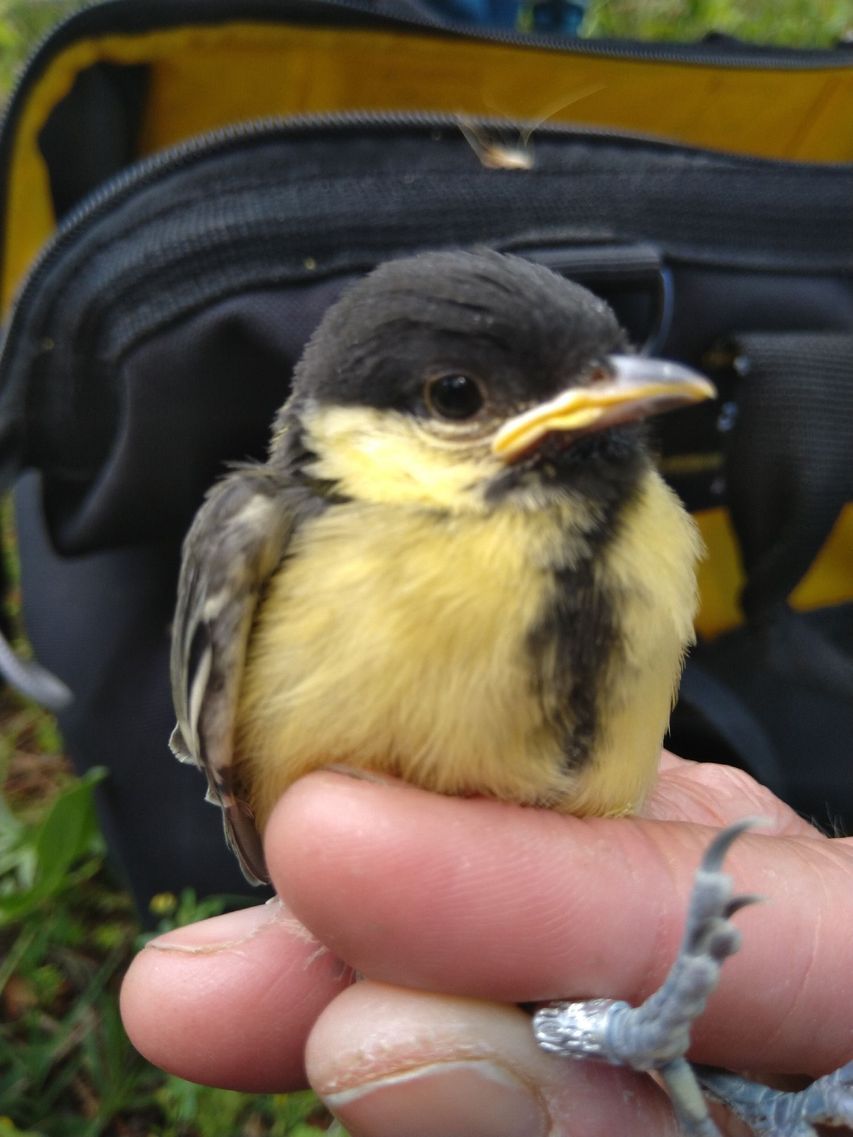
The great tit is one of those species that thrive in the city. But this adaptation didn’t come without a few setbacks: “The great tit lays its eggs four days earlier in the city and lays an average of 7.5 eggs, which is 1.5 fewer than its forest-dwelling counterpart. We’ve also observed that fewer chicks reach fledging age—3.5 chicks for the former, compared to 5 for the latter, ” notes Jérémy Defrance. This doctoral student is studying the link between food availability and reproductive traits in this small passerine, which has been monitored for 50 years by the teamled by Anne Charmantier (Profile: A Deep Dive into Titmice), a researcher at the Center for Functional and Evolutionary Ecology, where he is completing his dissertation.
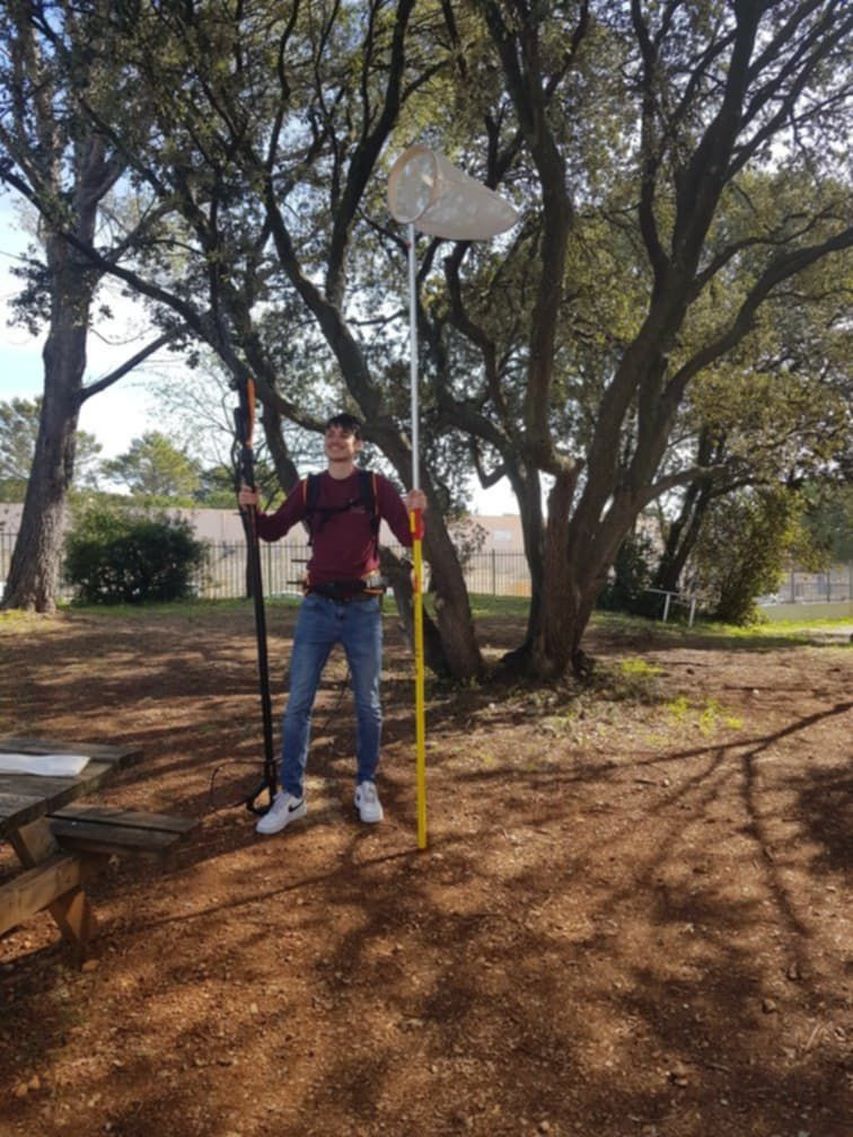
In an attempt to explain these differences, the young man is studying the quantity and quality of the food source. And using a large net, he searches through the bird’s food supply. “This is called tree-tapping. Every week between mid-March and late June, I collected samples of the insects found on white and live oaks, as well as on Aleppo pines and stone pines.” And what did he find on the menu? Mainly “spiders, lepidopteran larvae, and other arthropods.” All of these are delicacies for our chickadee.
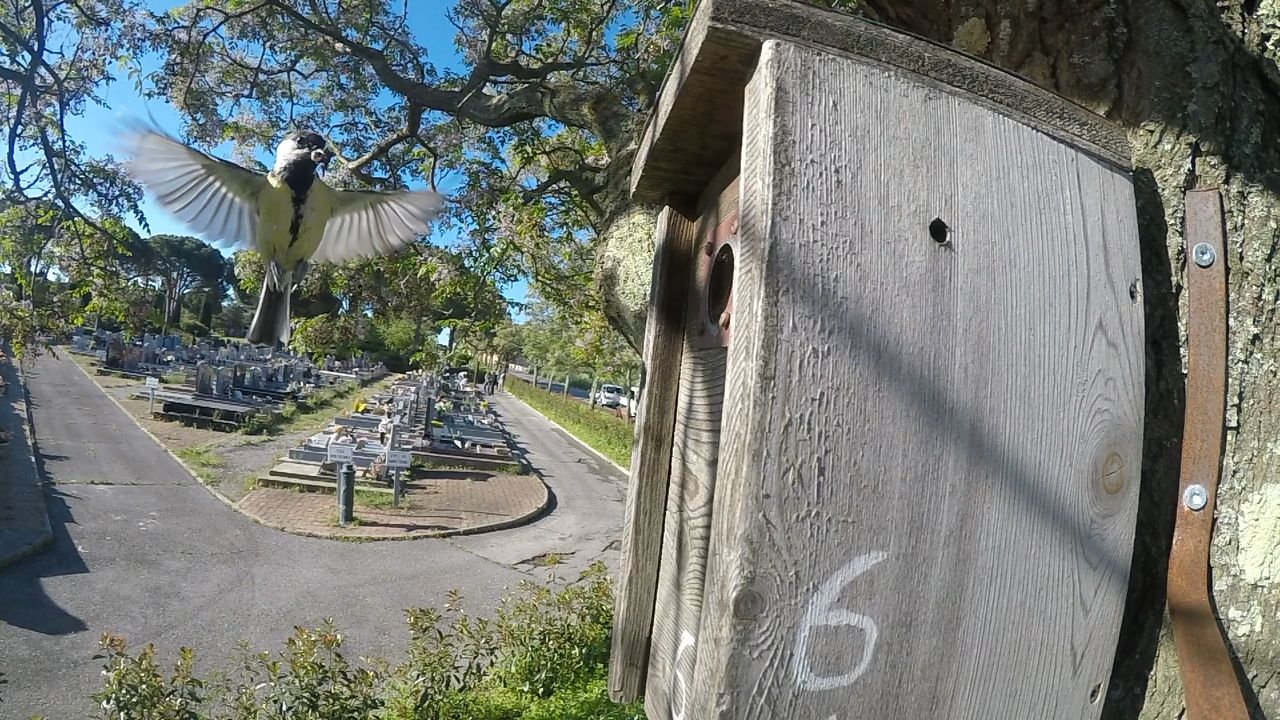
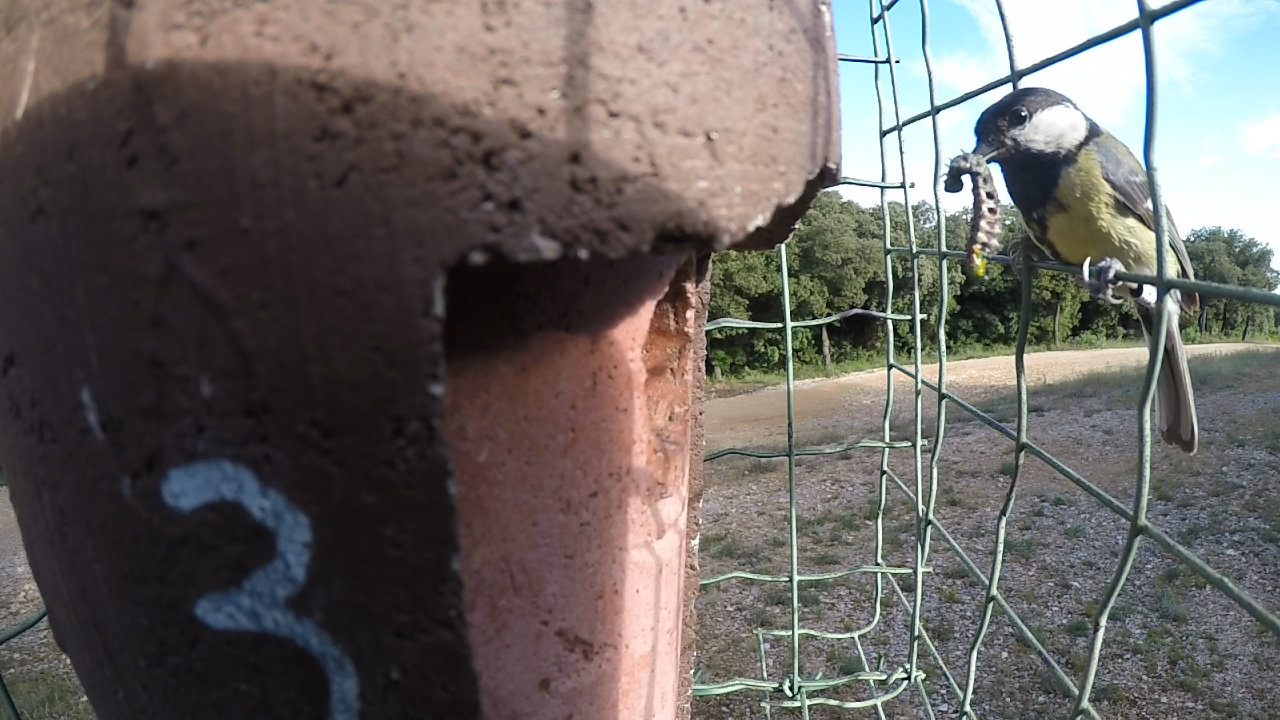
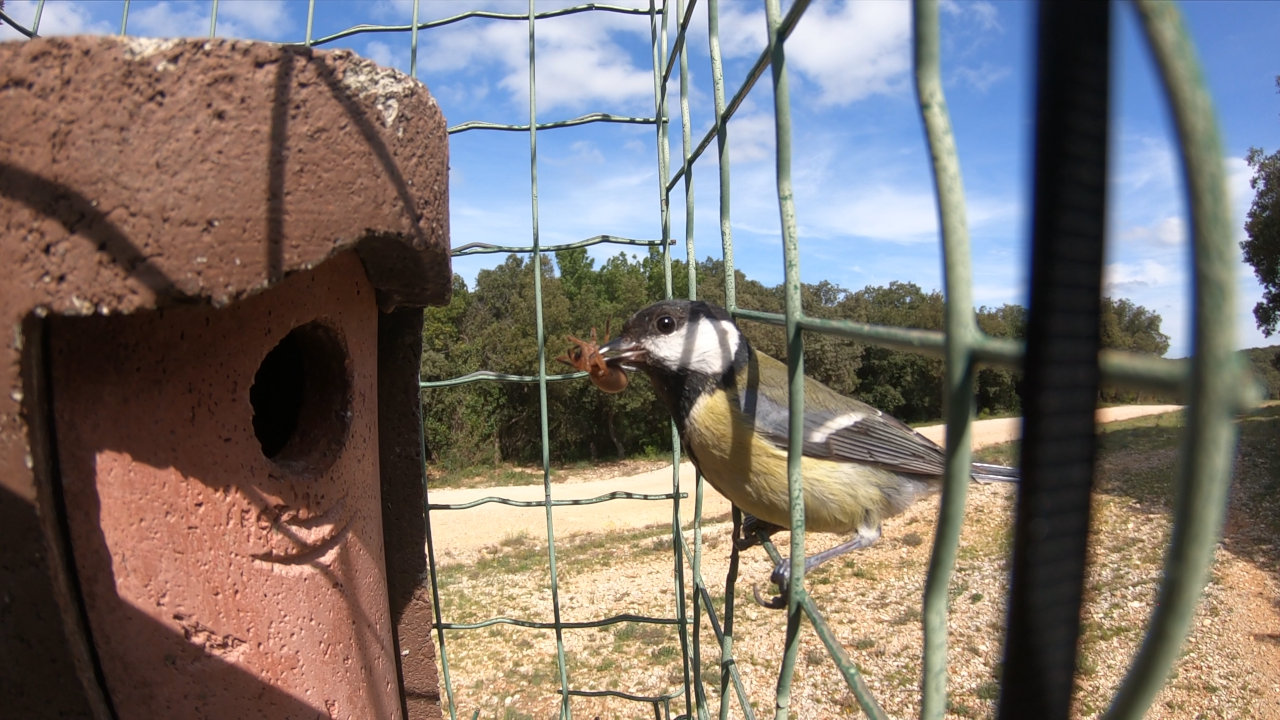
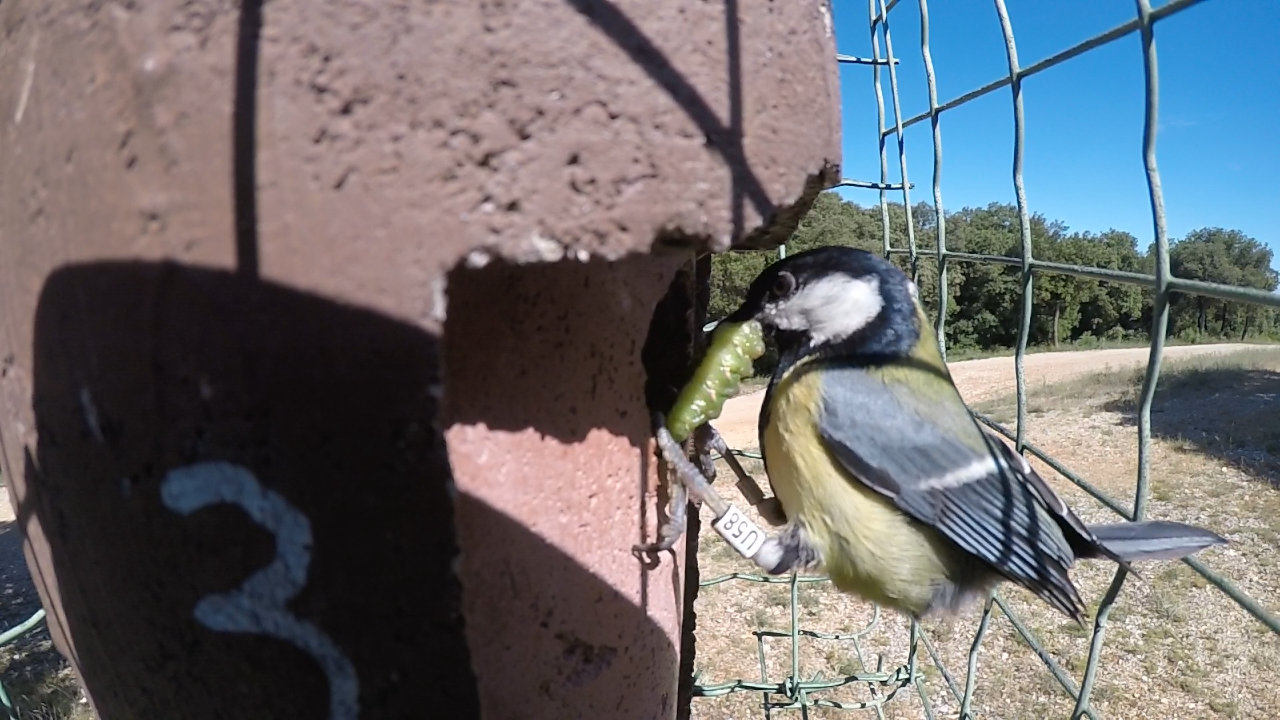
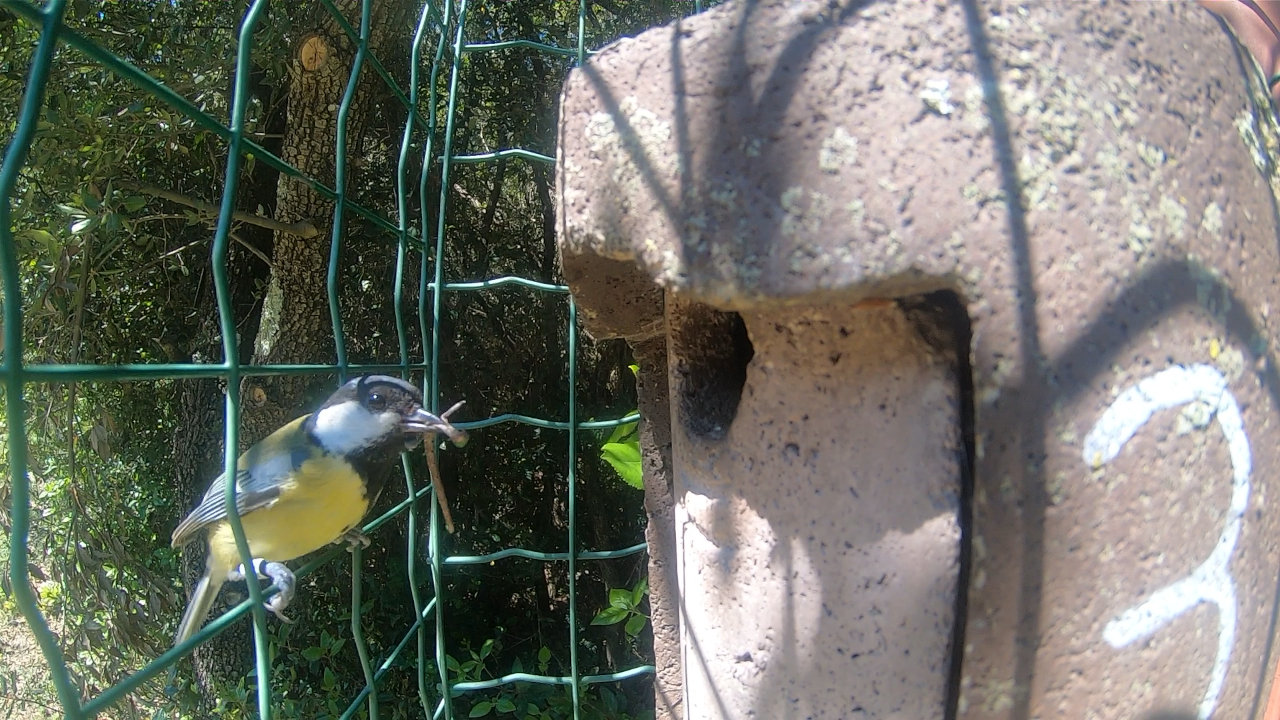
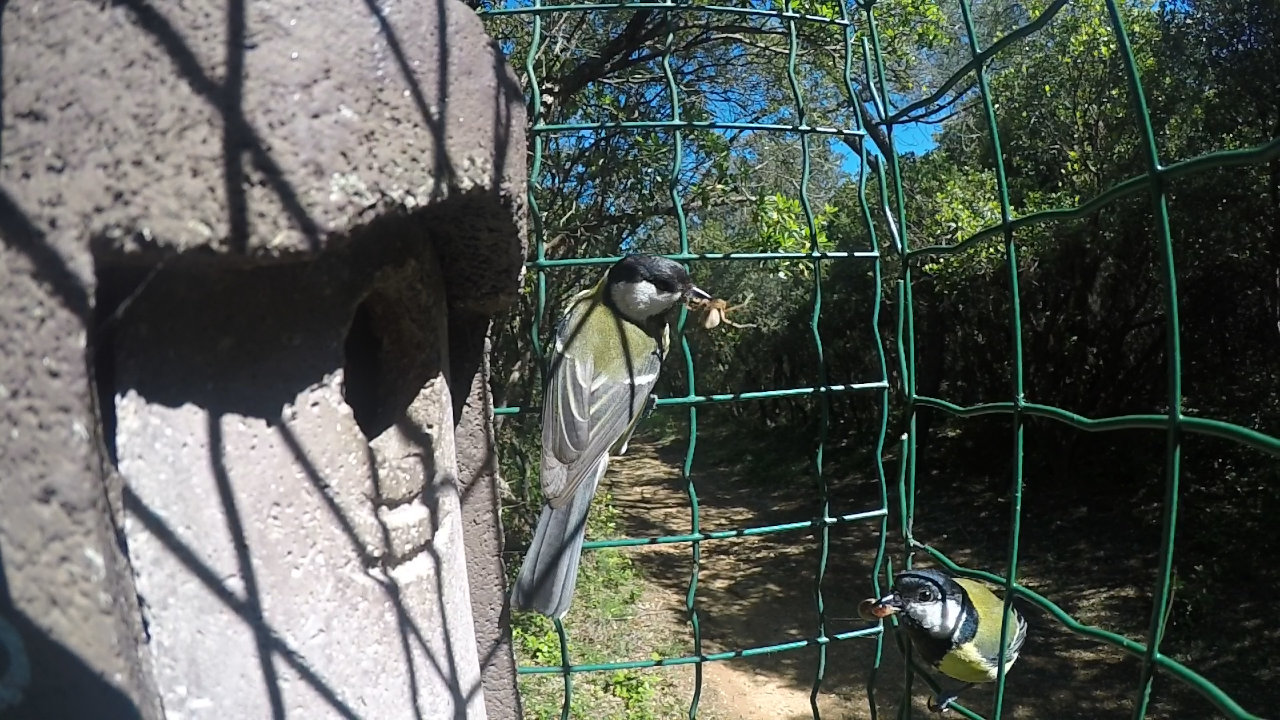
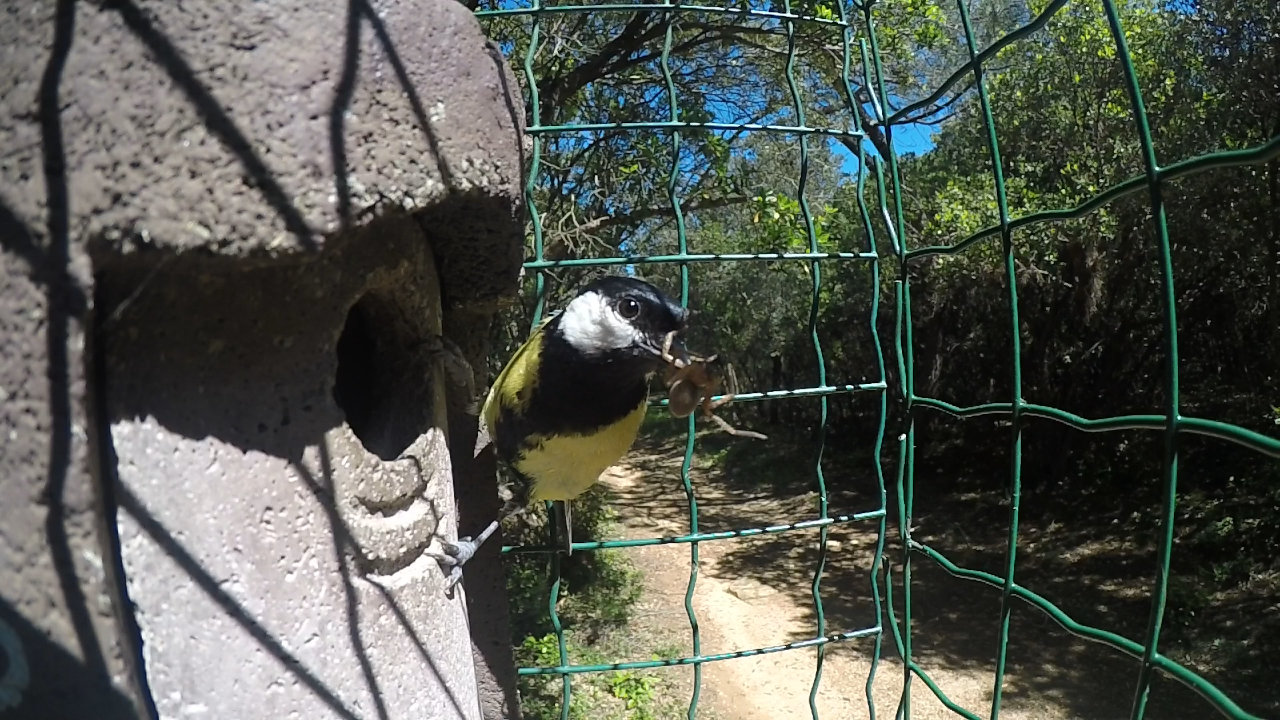
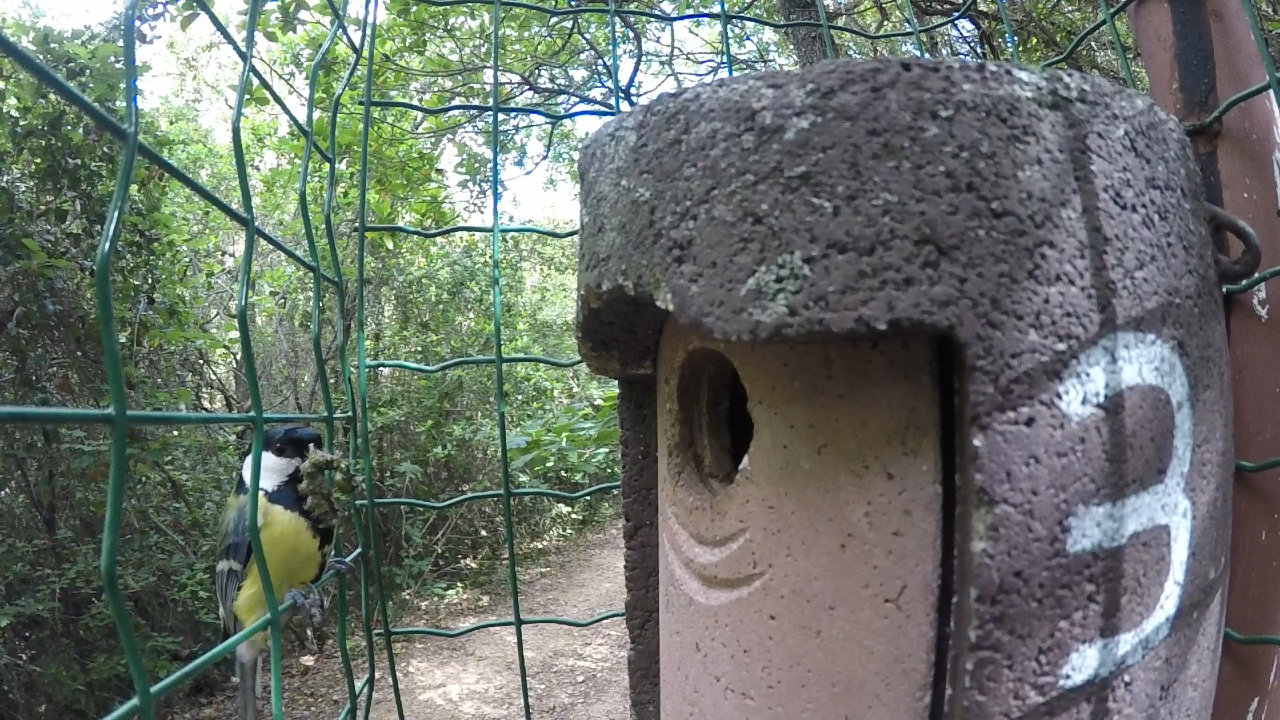
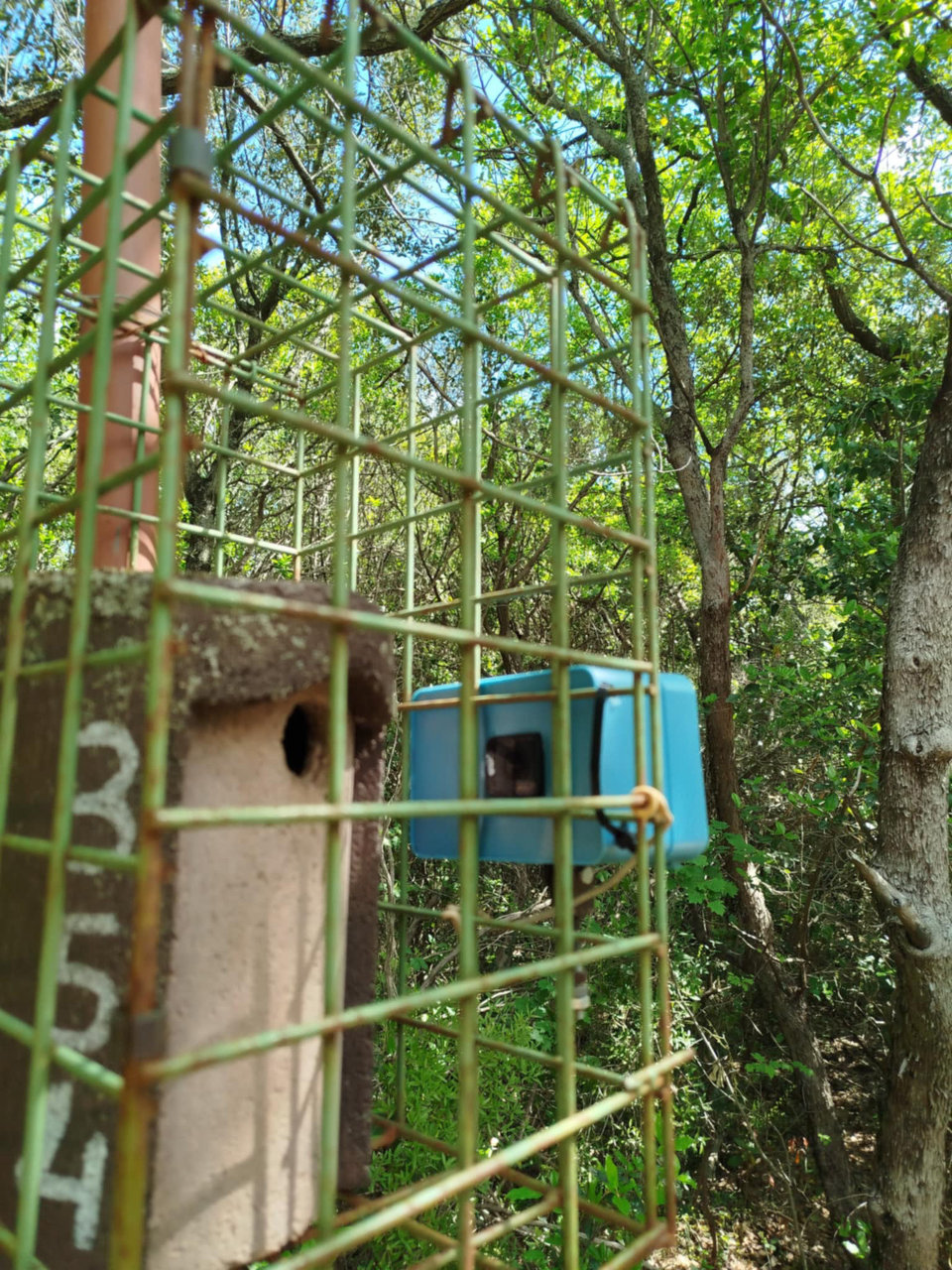
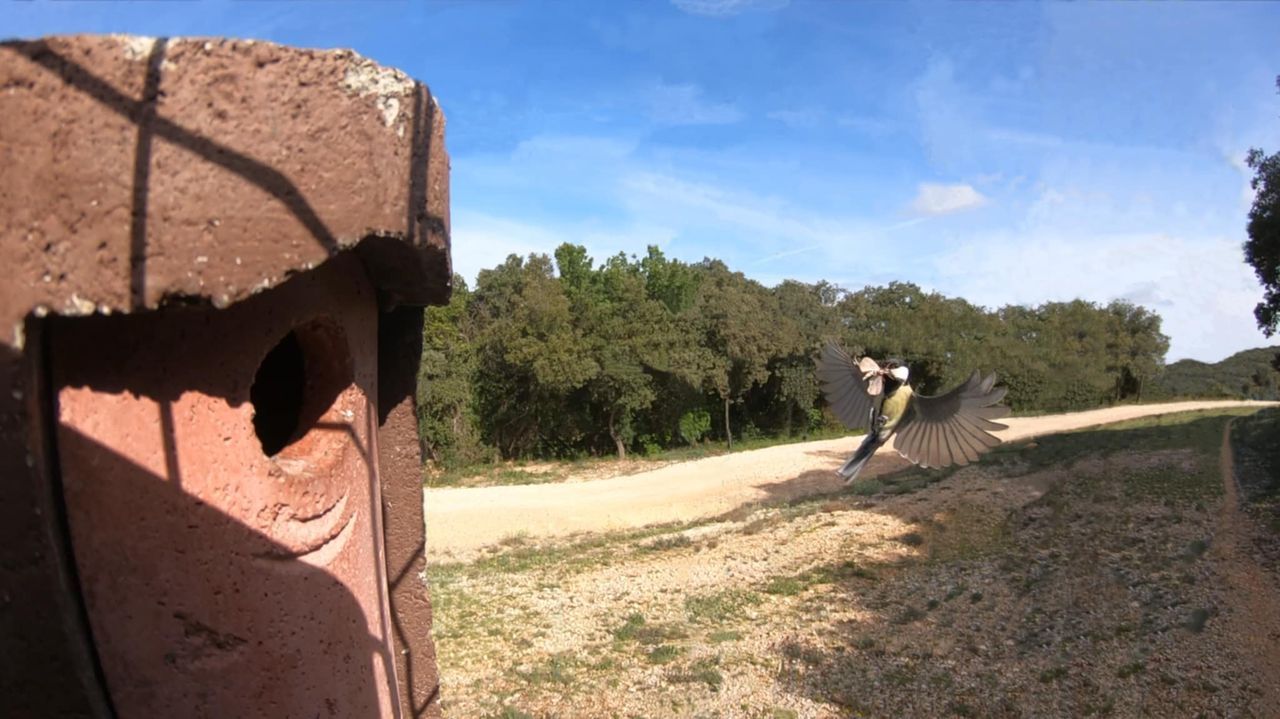
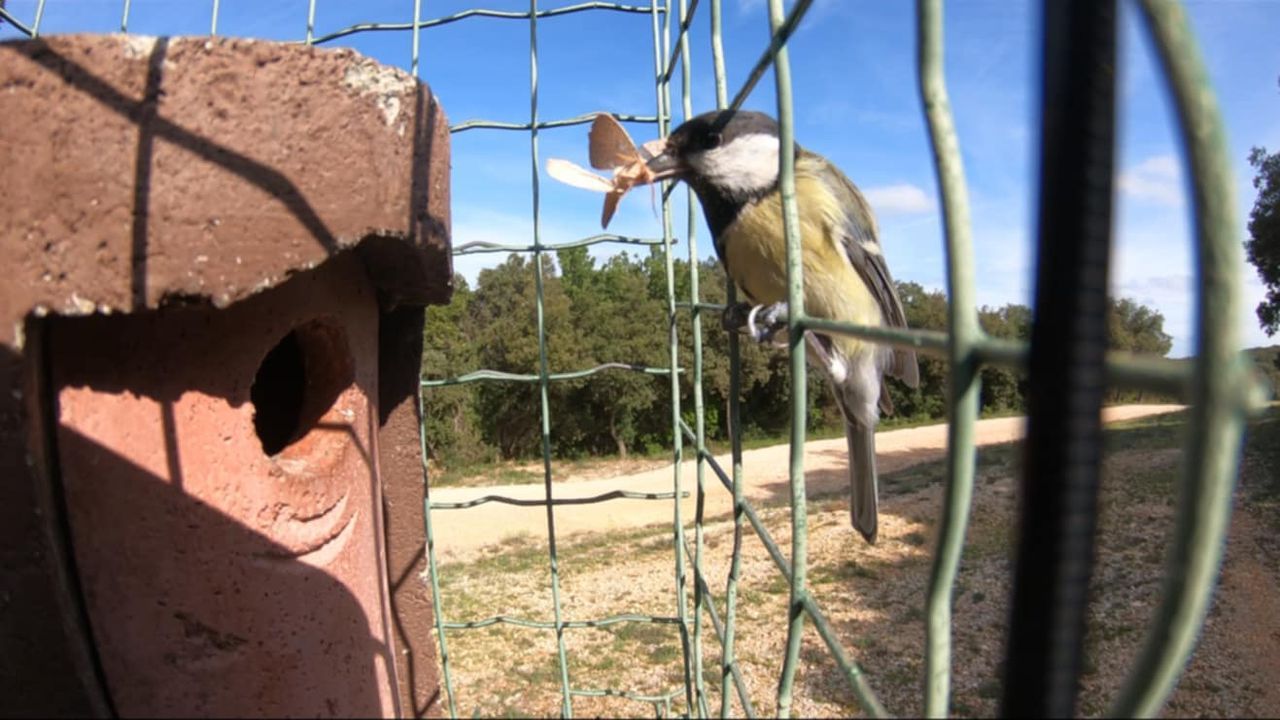
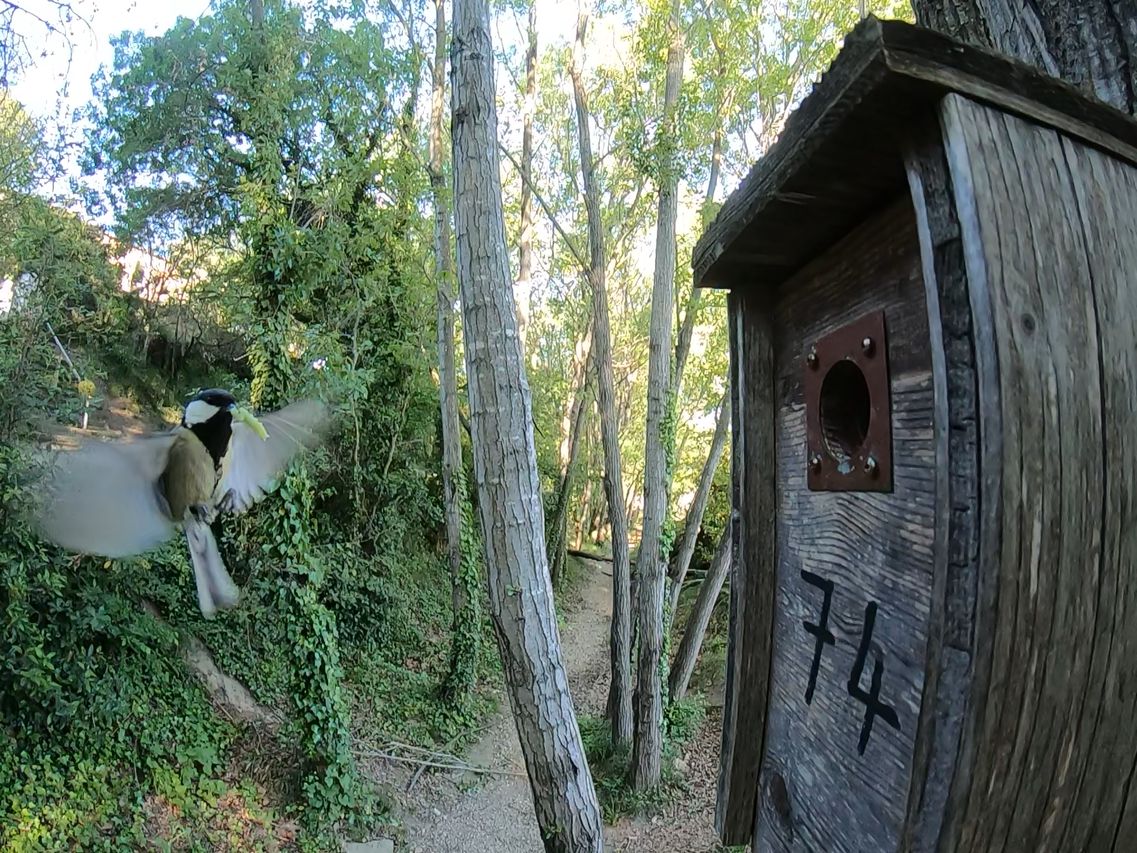
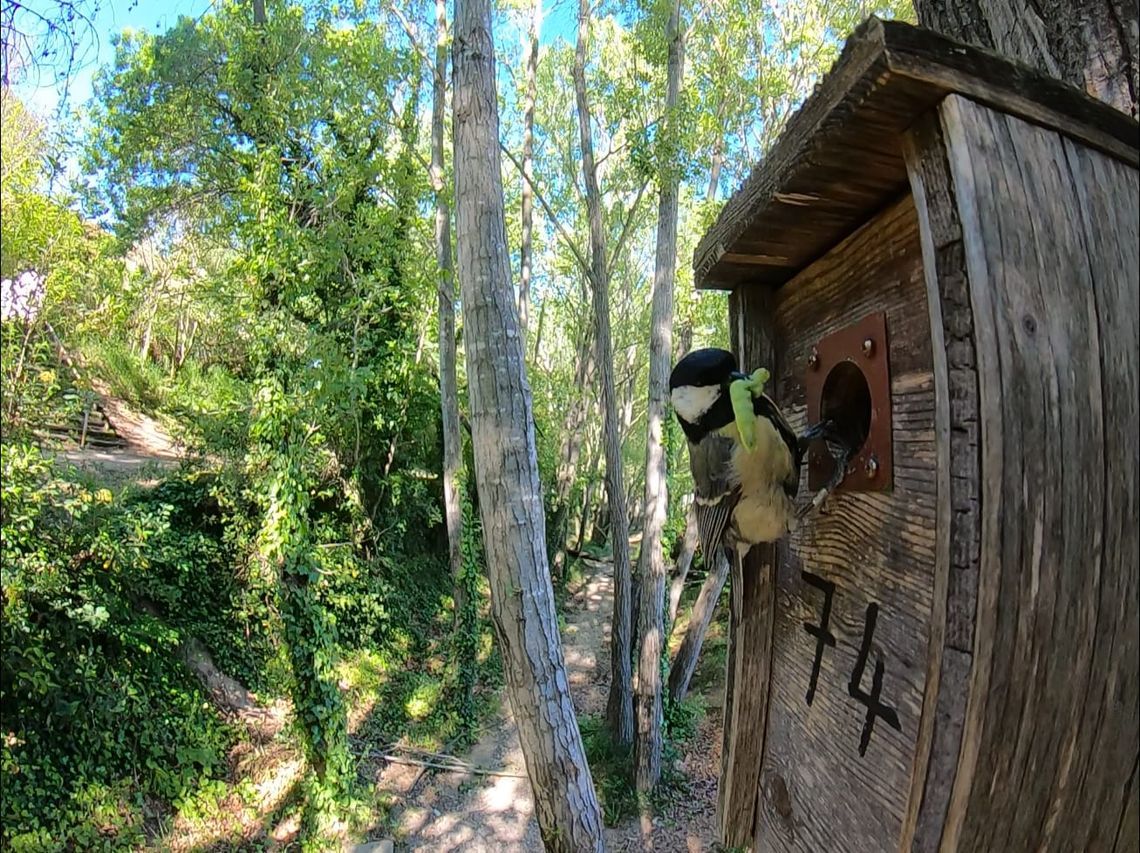
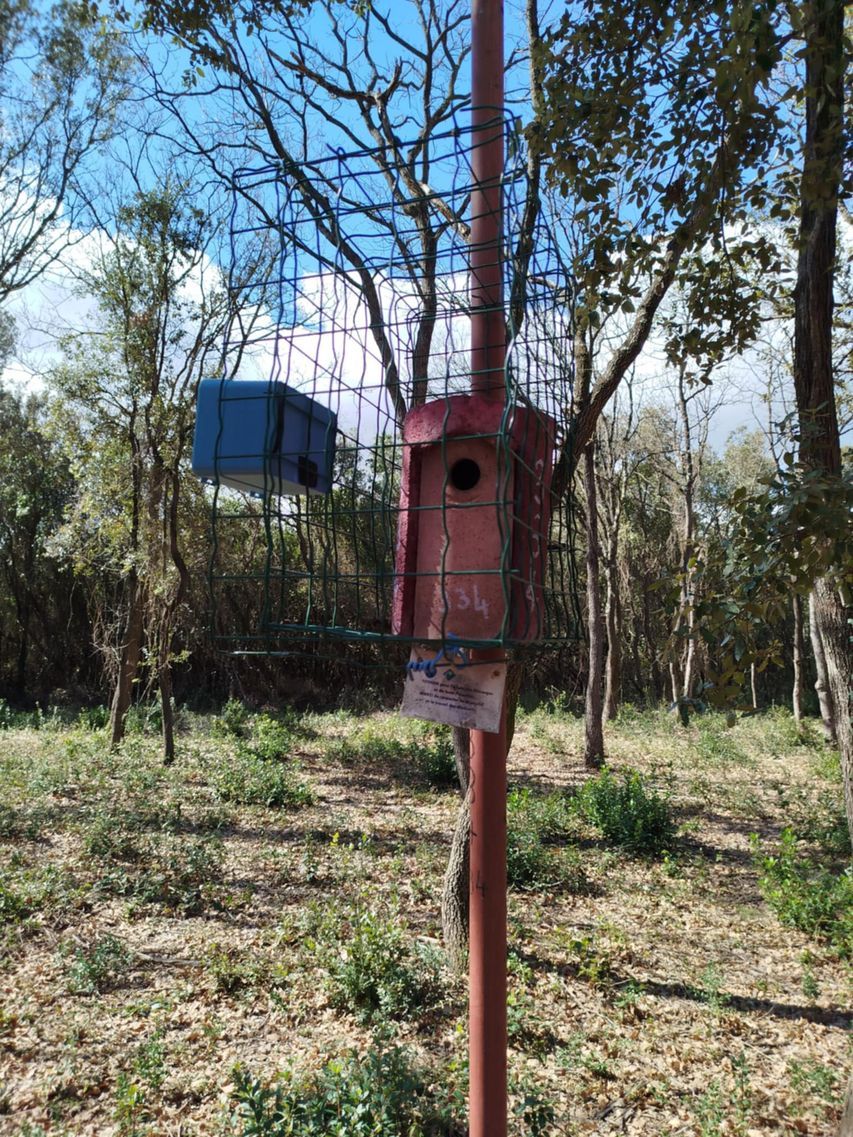
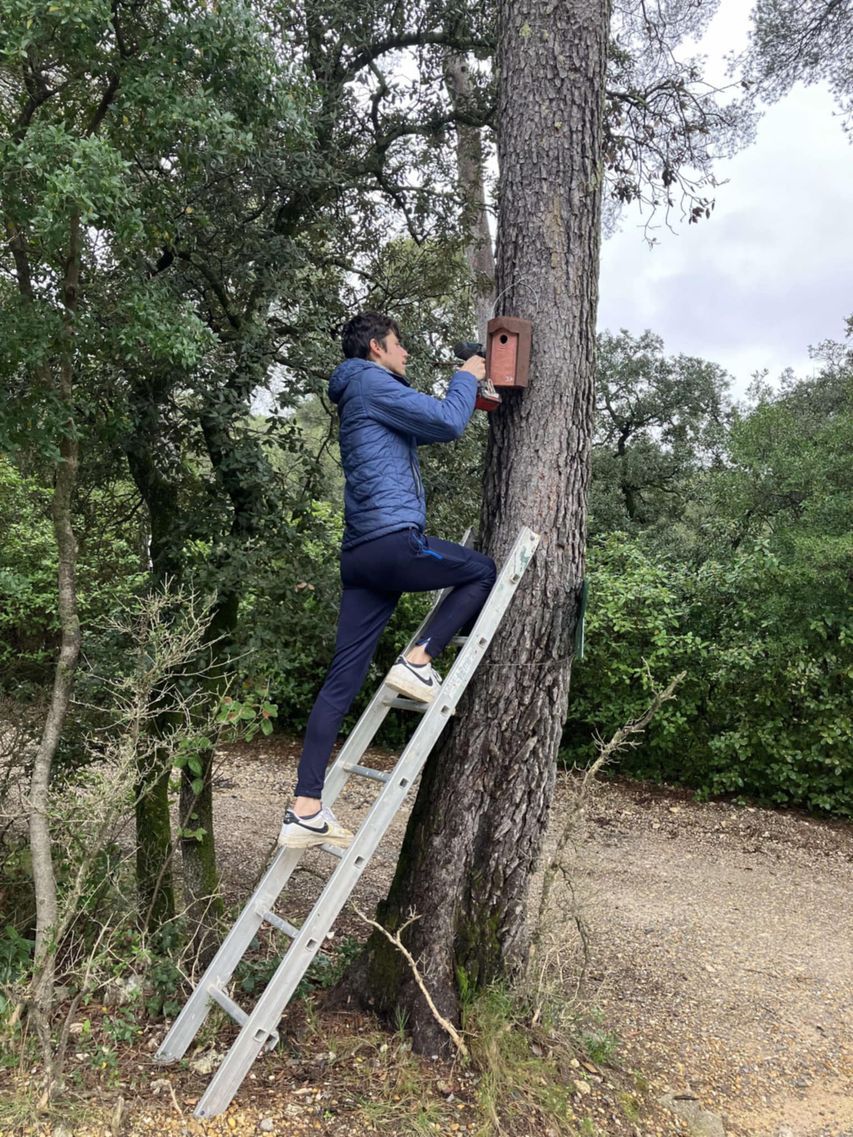
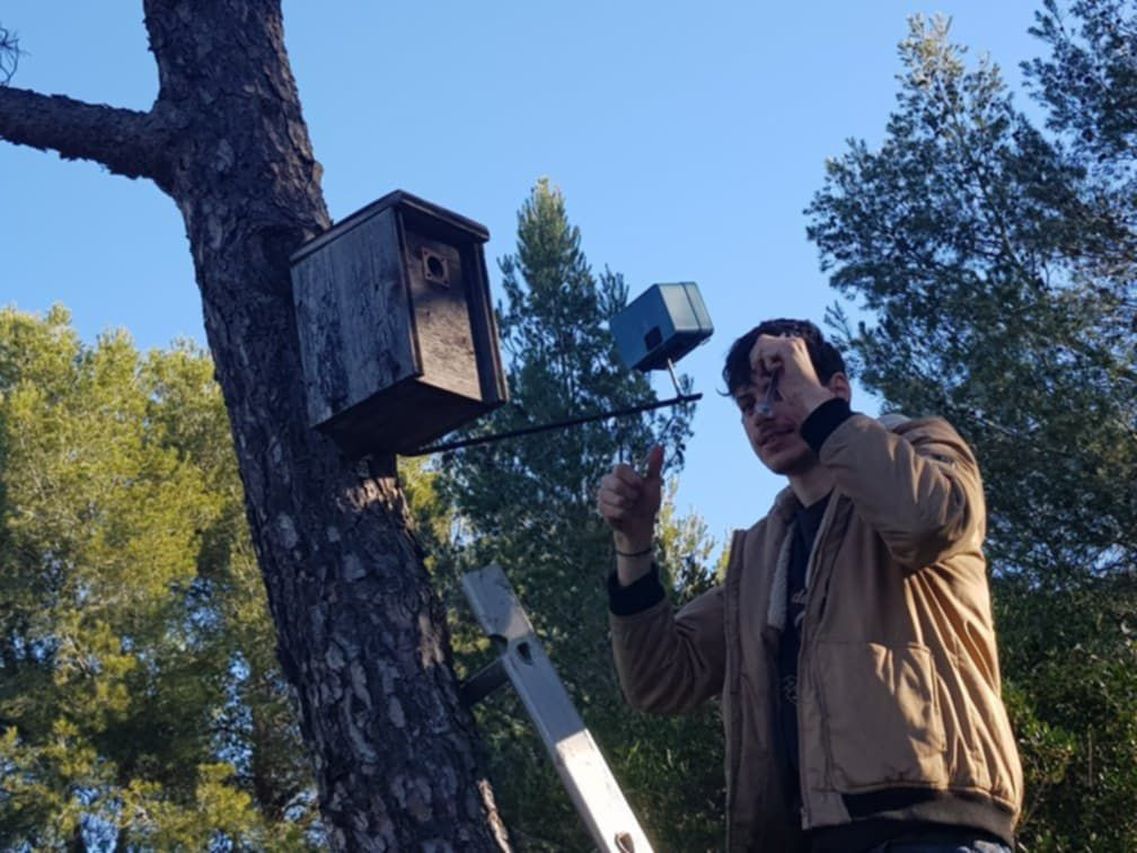
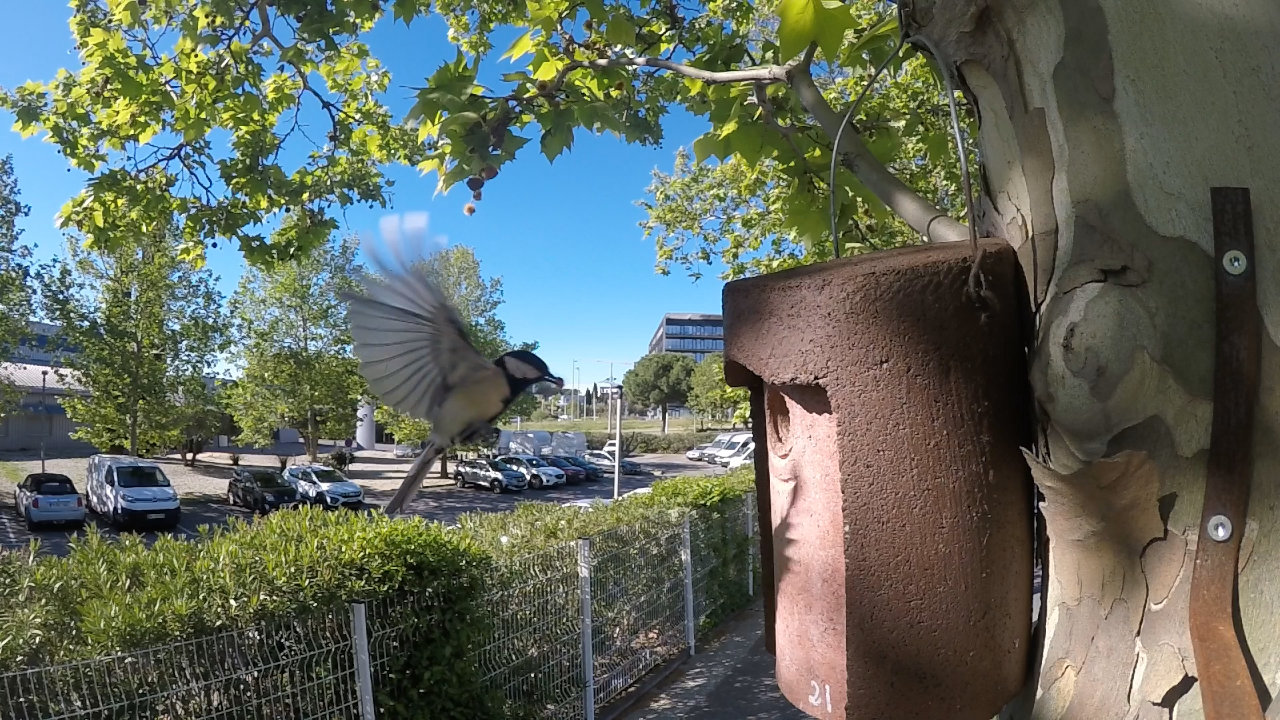
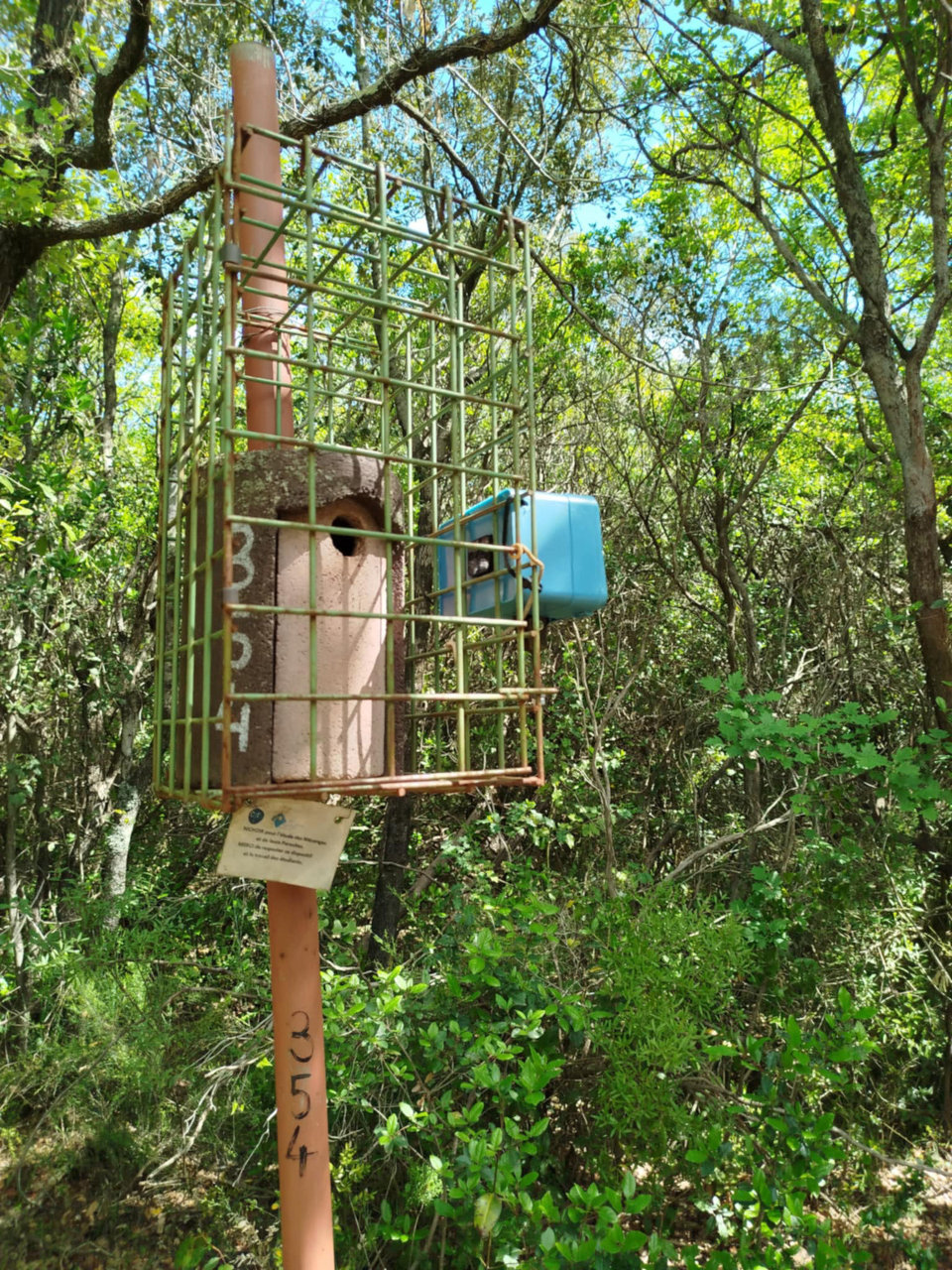
It remains to be seen which ones ultimately reach the chicks. To find out, Jérémy Defrance has equipped 40 nest boxes in the city and 40 in the forest with video cameras. The goal: to capture footage of the parents bringing prey back to their young. While the frequency of trips back and forth is the same in the city and in the forest—on average every 1 to 2 minutes—the type of prey differs depending on the season. “Urban chickadees bring back more caterpillars during the first clutch (40% of prey) than forest chickadees (20%), which consume far more spiders (55% of prey) before turning to caterpillars for the second clutch (80%).”
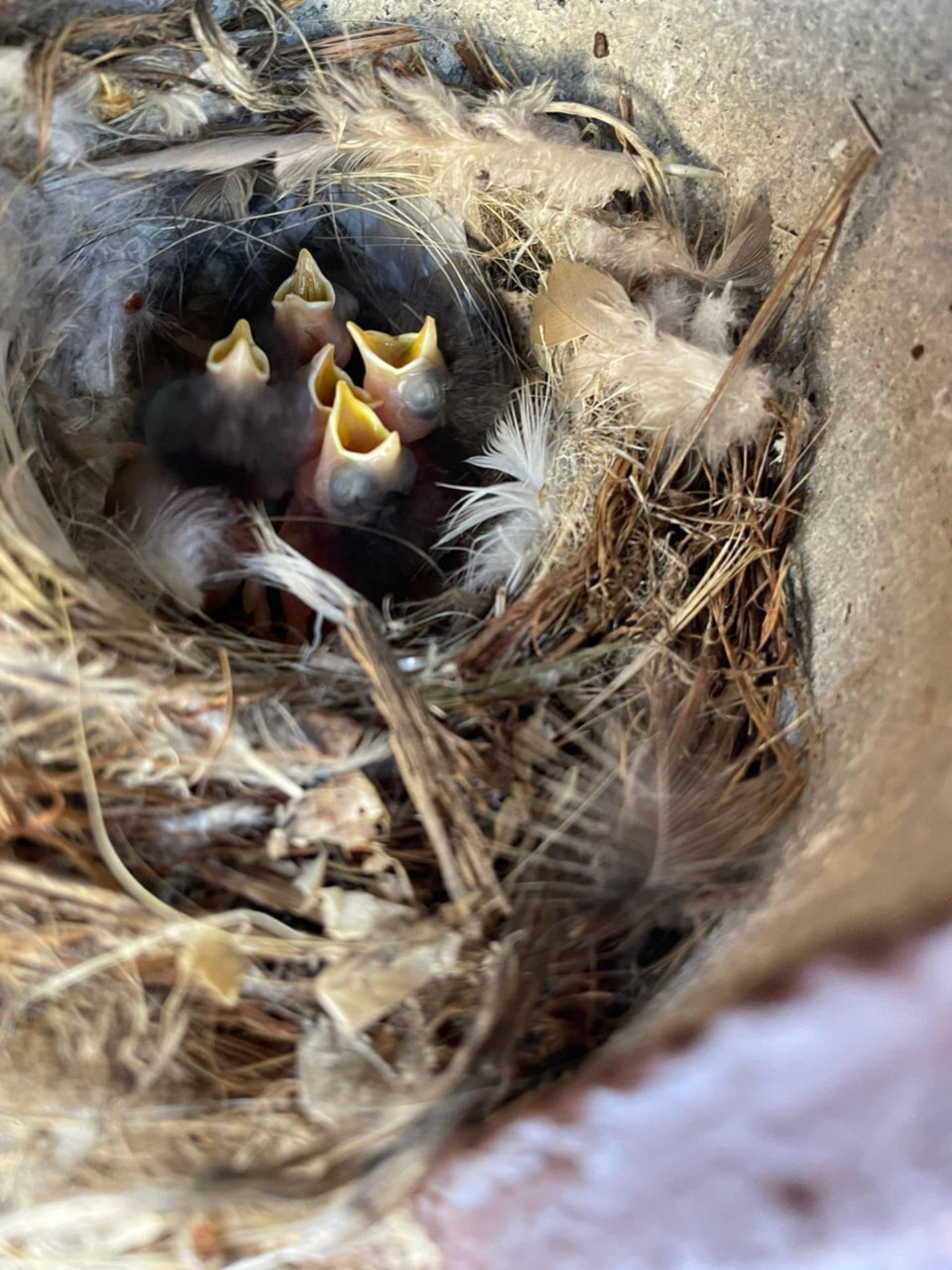
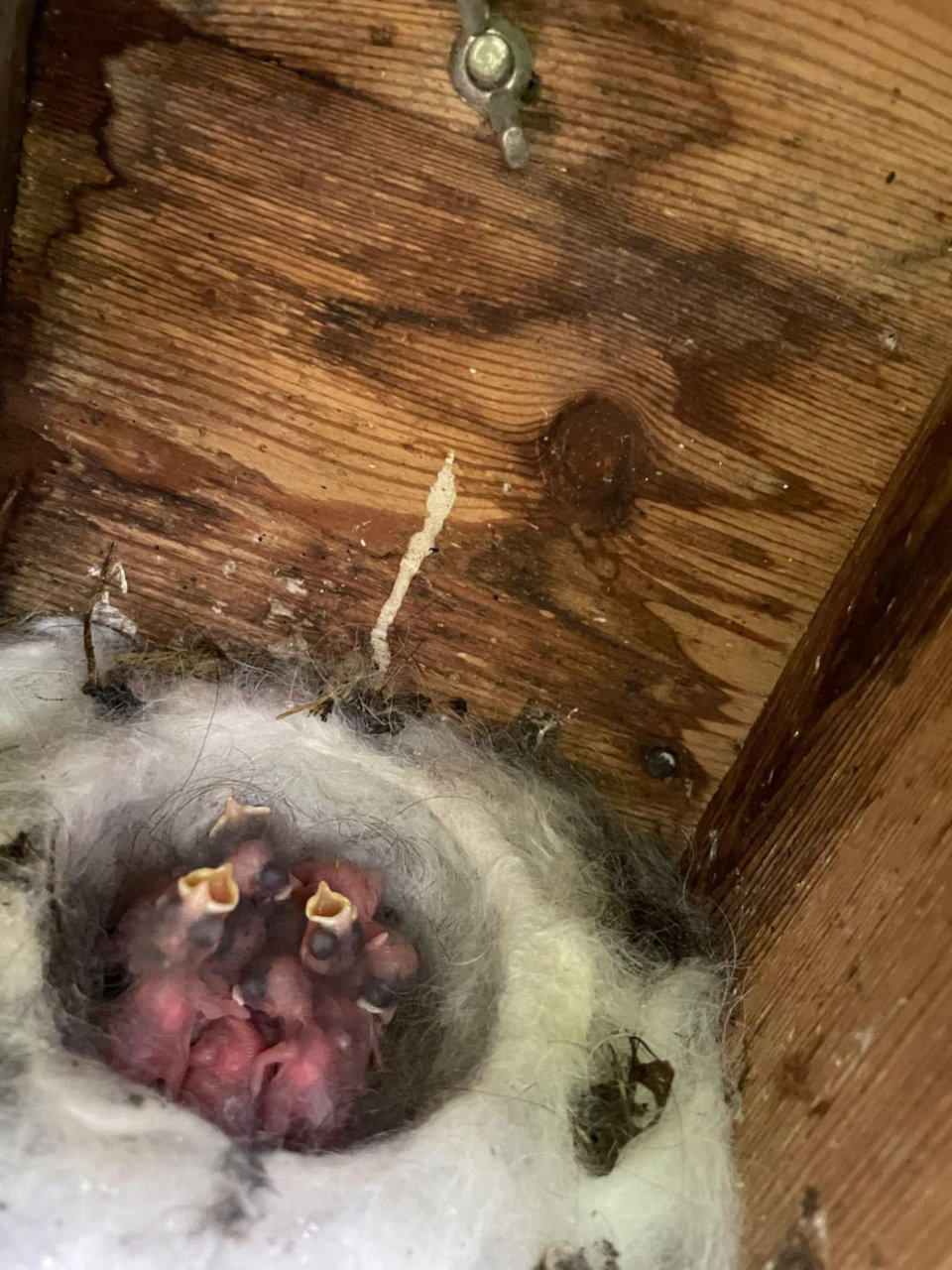
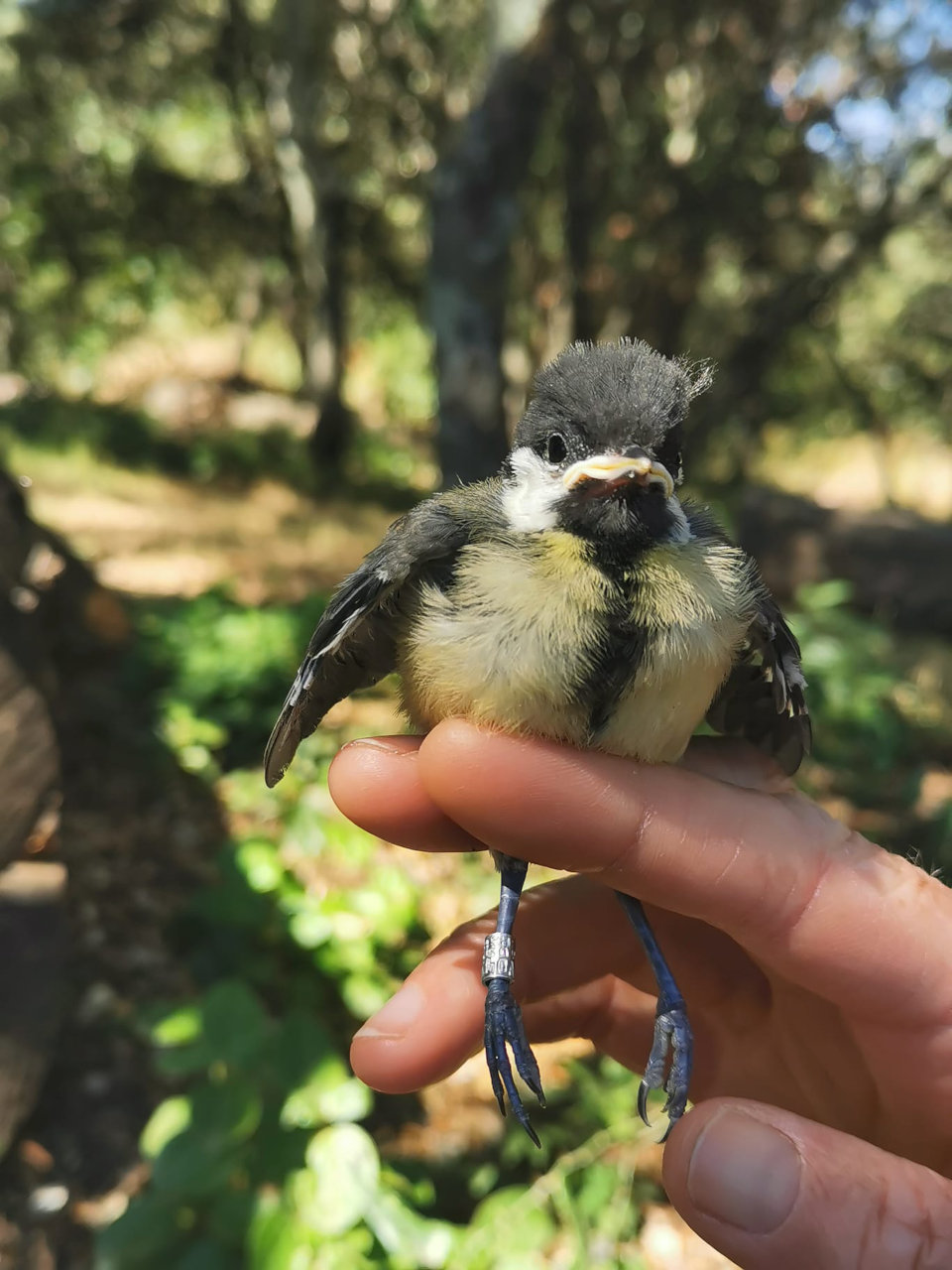
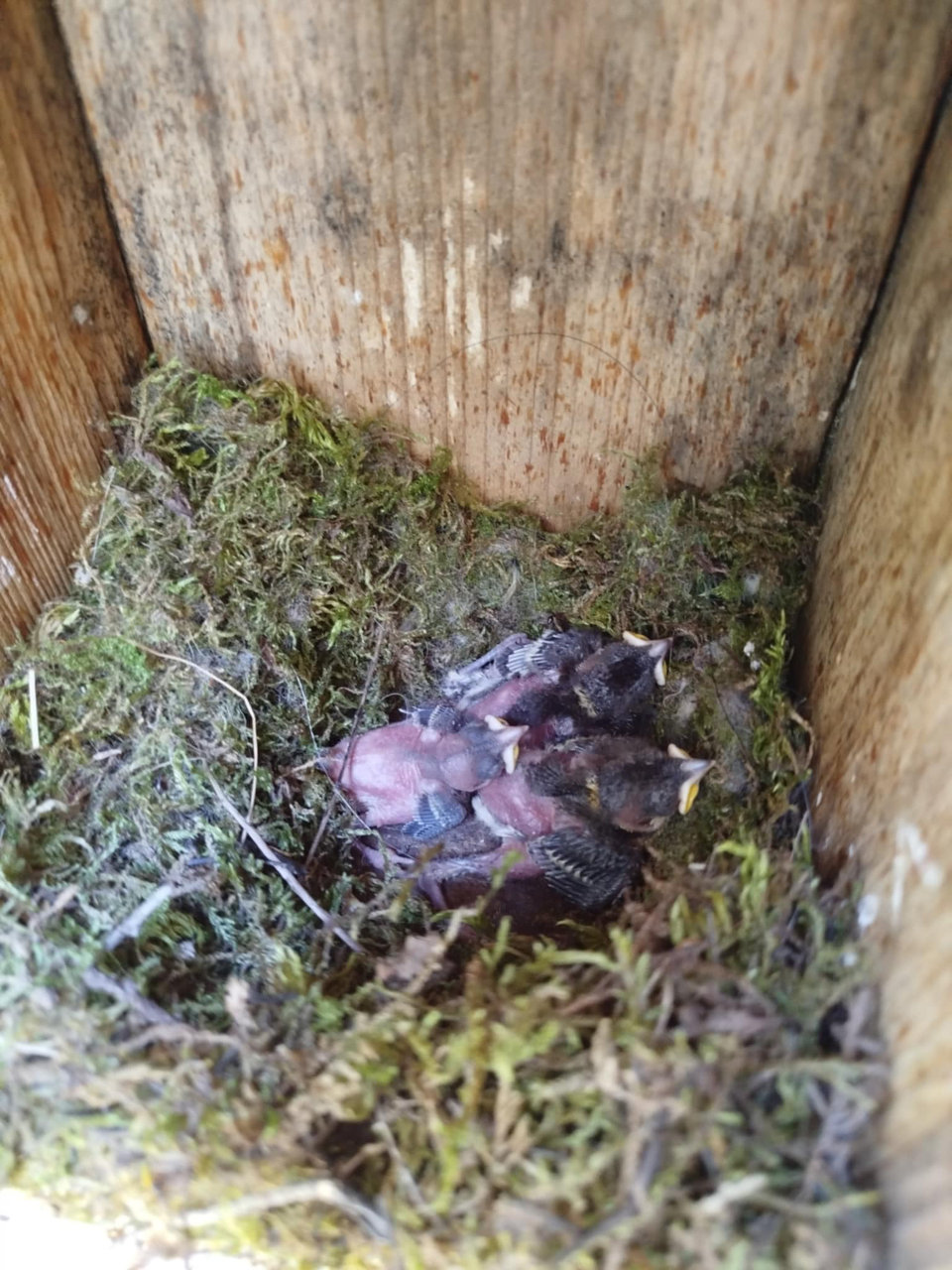
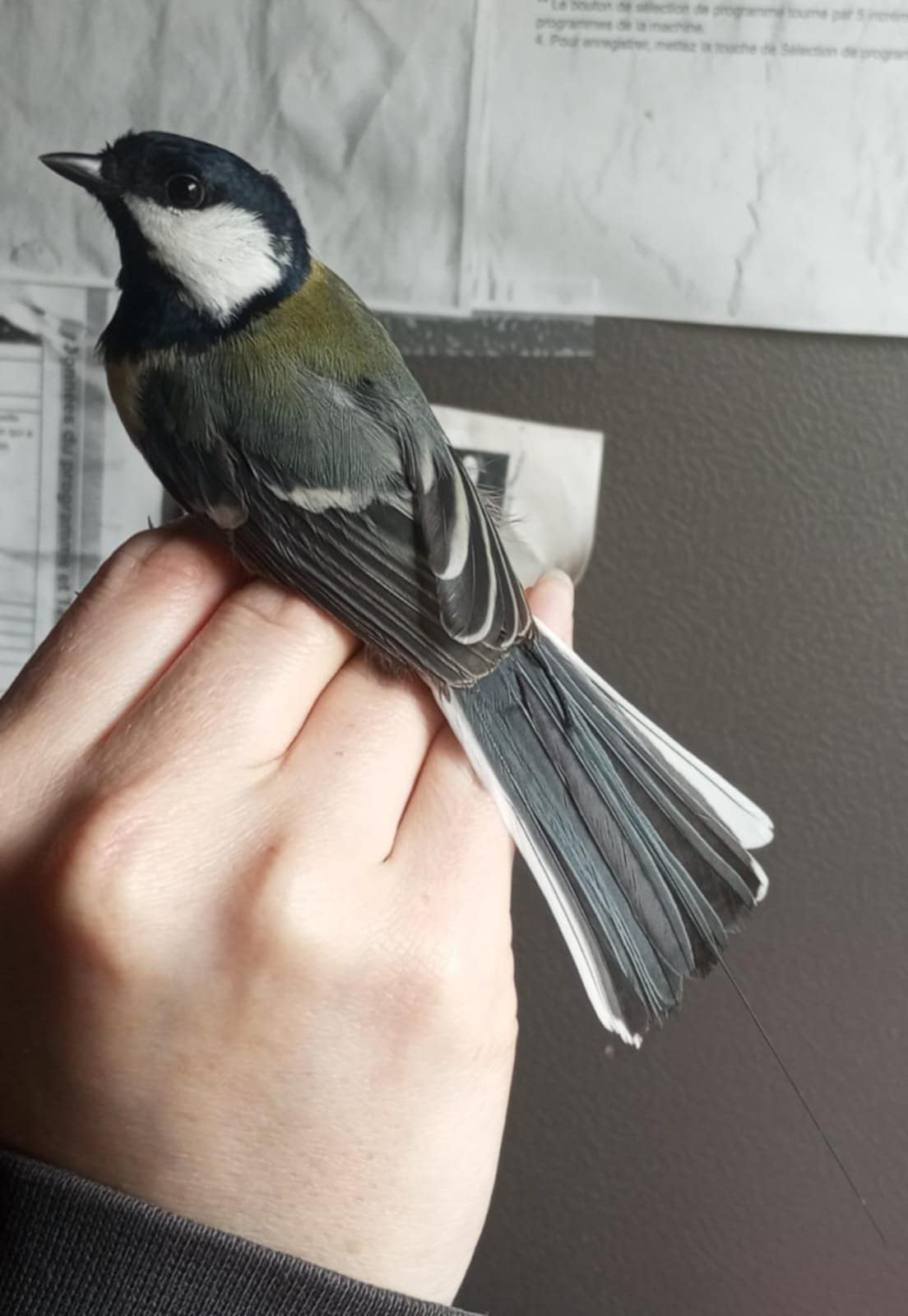
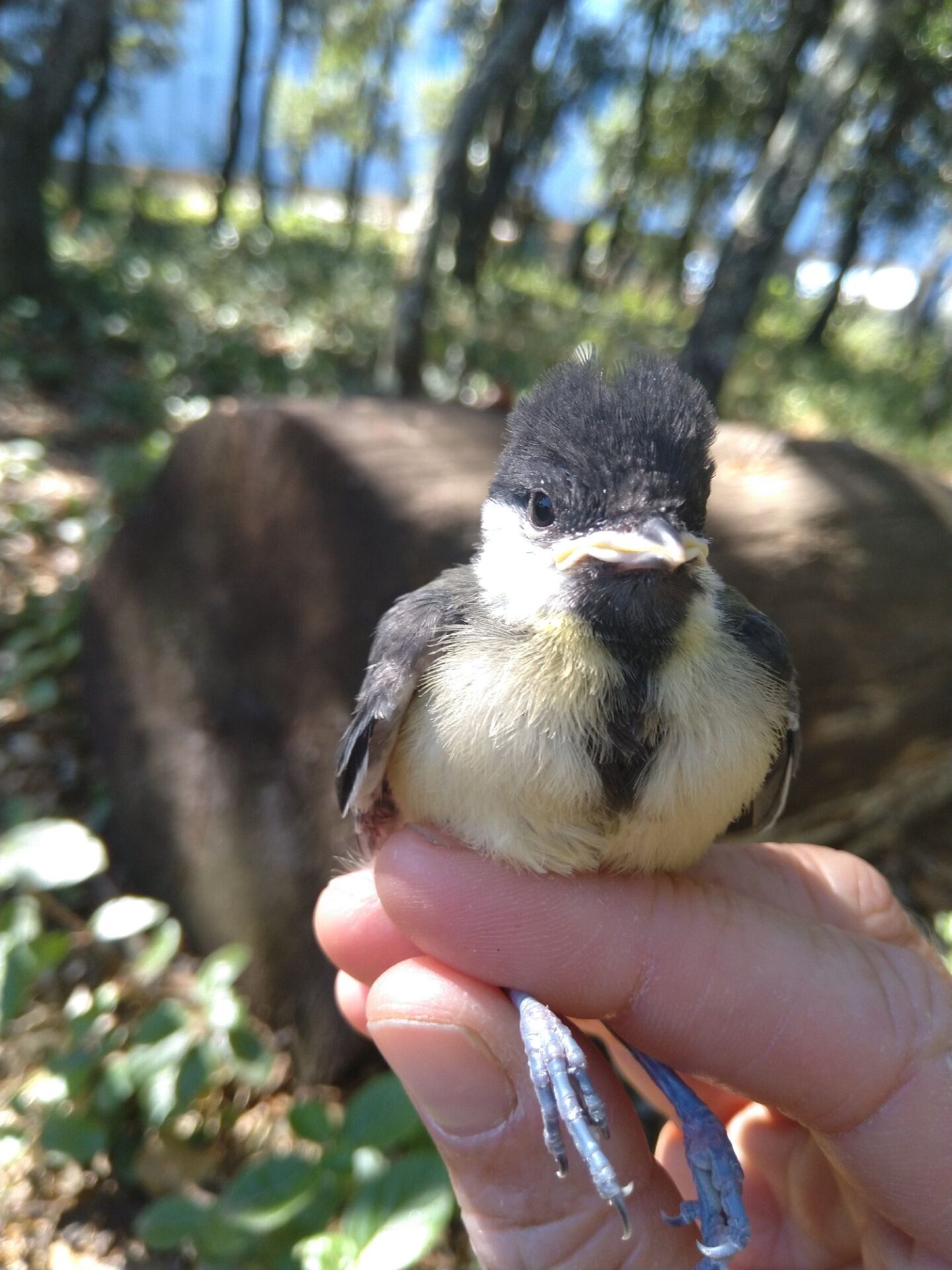
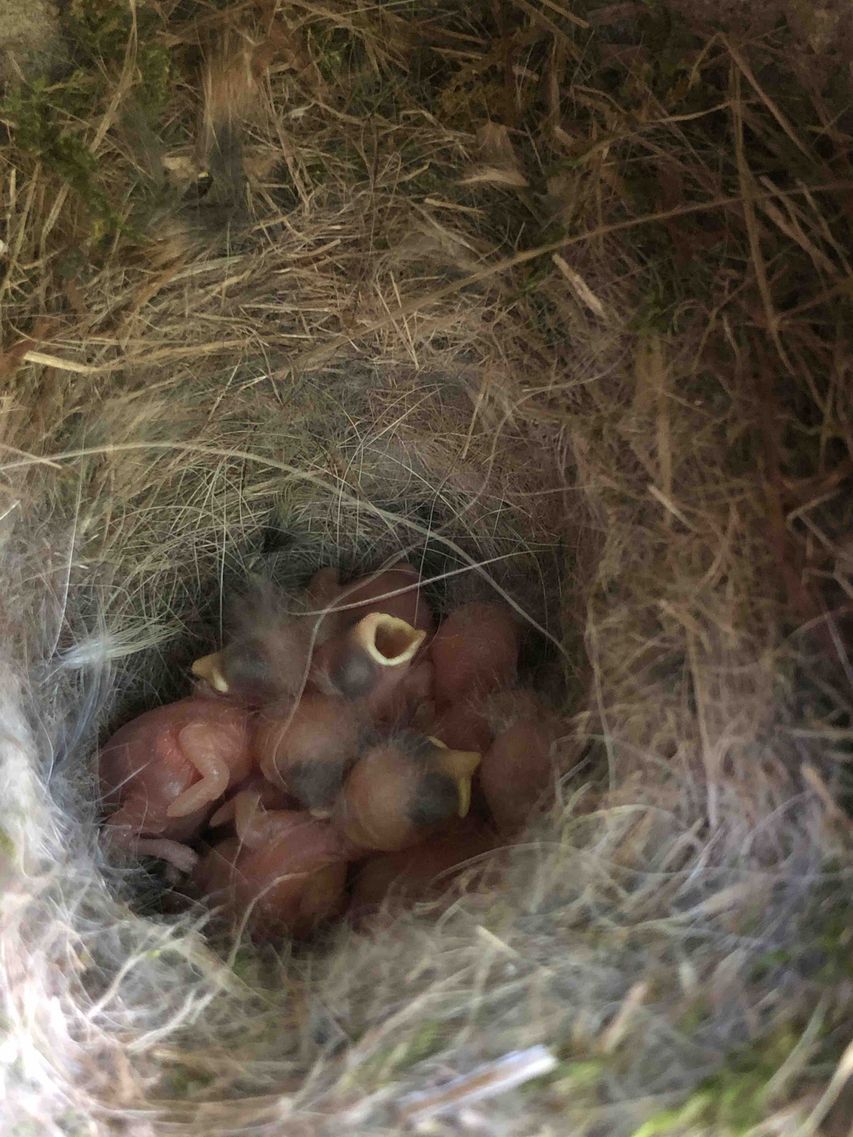
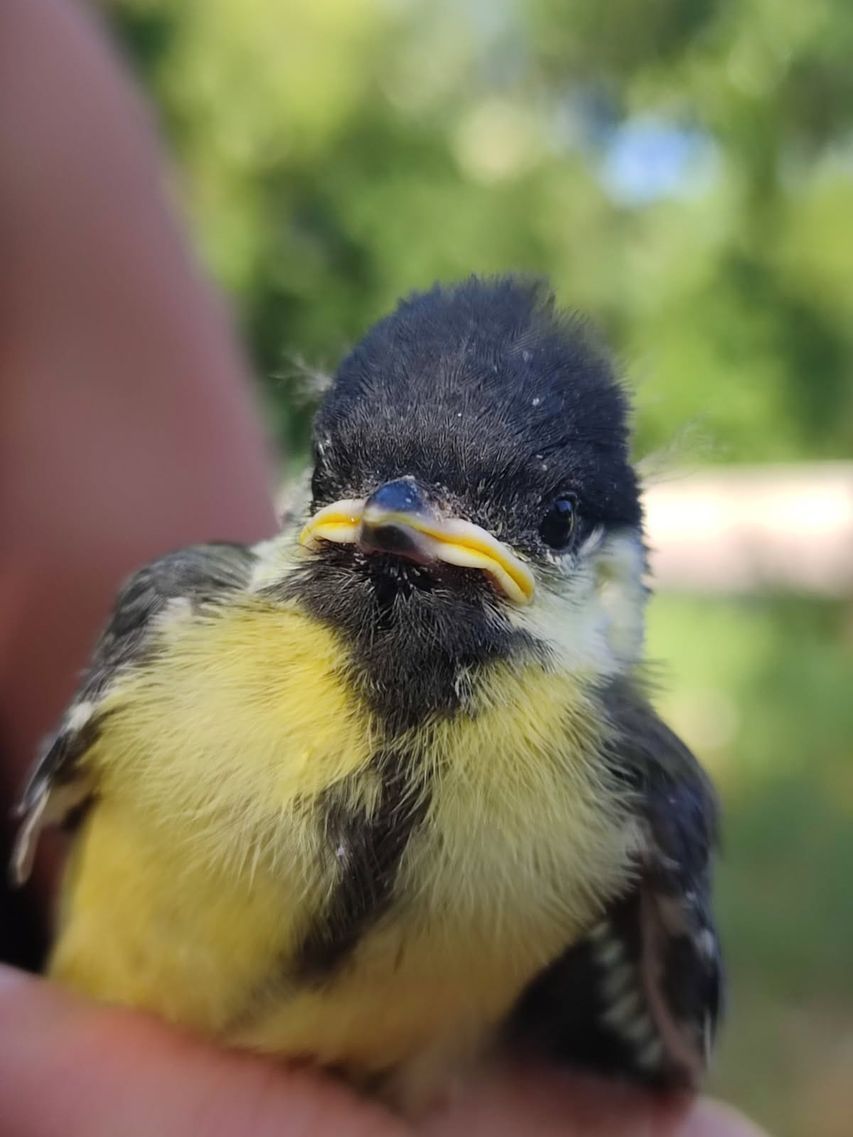
To take his research a step further, the doctoral student collected chick droppings to subject them to metabarcoding analyses —“a DNA analysis method that uses droppings to determine which insects were eaten.” While we await his conclusions, Jérémy Defrance, who won over the jury of *My Thesis in 180 Seconds* with his one-of-a-kind rambling ("AUM to Science: 3 Years of a Thesis Summarized in 3 Minutes", April 2025), shares his photos in a yellow-and-blue portfolio. Warning: “Chickadees are so fast that, even when filming at 120 frames per second, I can’t always make out what they’re holding in their beaks.”
Check out theUM podcasts, now available on your favorite platform (Spotify, Deezer, Apple Podcasts, Amazon Music, etc.).