A restored gate opening to the general public
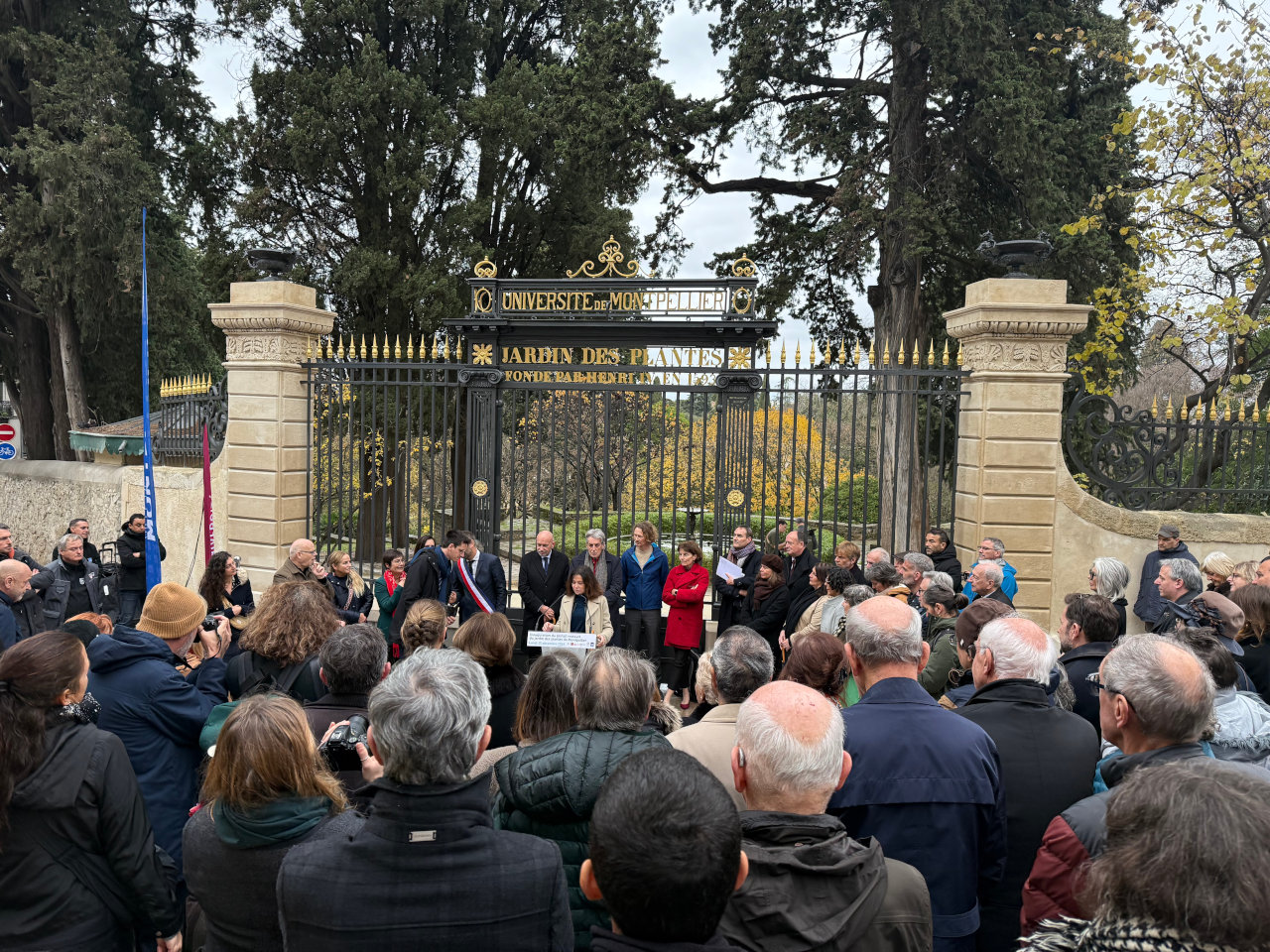
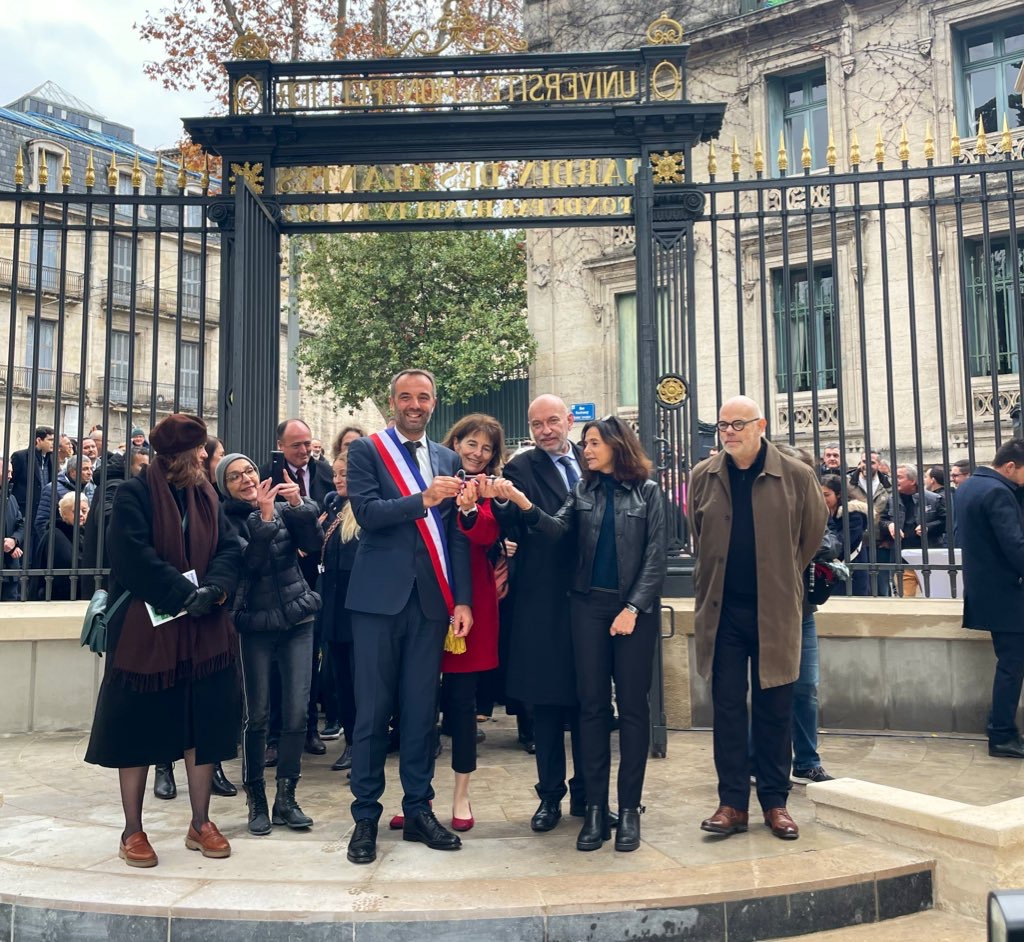
On Monday, December 15, Montpellier celebrated its historical heritage and university collections by inaugurating the restored south gate of the Jardin des Plantes and presenting the first master plan for the heritage and collections of theUM, along with its ForUM project. The event brought together numerous representatives from the national government, local authorities, and the University of Montpellier to celebrate an exceptional heritage that has shaped the city’s academic identity for more than eight centuries.
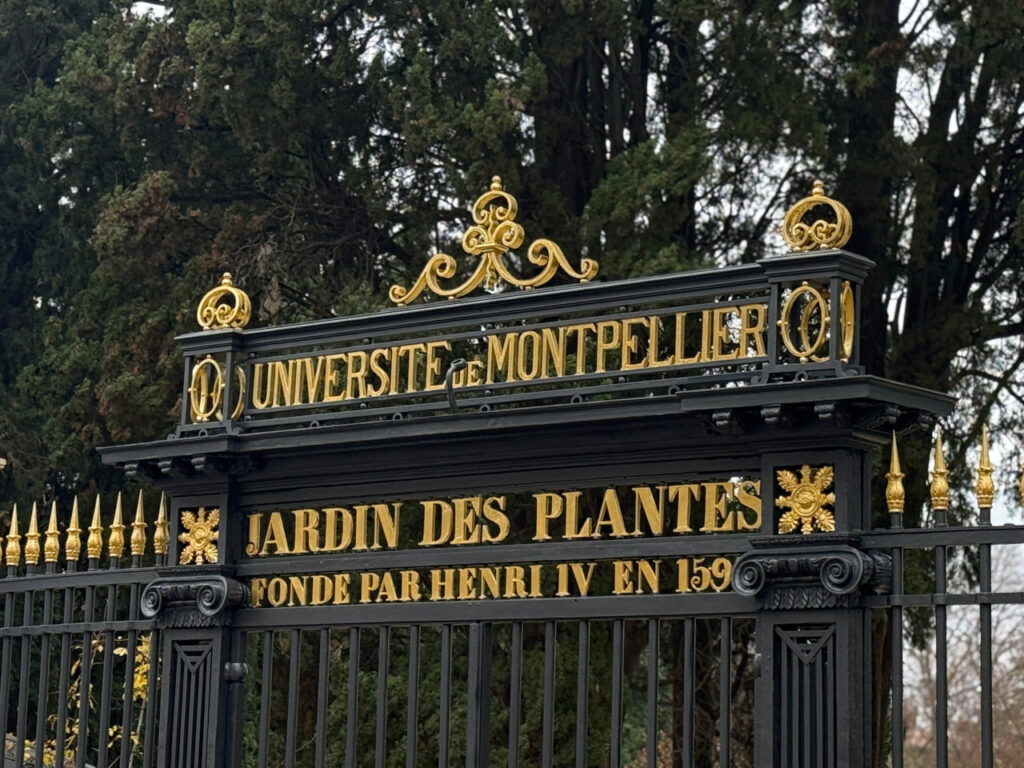
Founded in 1593, the Jardin des Plantes—the oldest botanical garden in France—has reclaimed one of its major historic entrances. Long closed to the public, the south gate has undergone a comprehensive heritage restoration, drawing on exceptional craftsmanship in stone masonry, metalwork, and gilding. This new entrance thus offers a fresh perspective on the garden, highlighting the exedra in particular, while providing redesigned accessibility that is fully integrated into the site’s overall development plan.
This inauguration underscores the scope of the efforts undertaken in recent years to preserve and showcase Montpellier’s university heritage. The restoration projects carried out at the Jardin des Plantes, the Institute of Botany, and the historic building of the Faculty of Medicine reflect a collective effort to transform these historic sites into vibrant spaces open to school groups, university students, and the general public.
Master Plan for Historic Heritage and Collections
The press conference held as a prelude to the event also provided an opportunity to present the first master plan for the historical heritage and collections of the University of Montpellier. Serving as a roadmap, this strategic document sets forth a bold ambition: to preserve, organize, and make accessible to as many people as possible a unique heritage consisting of iconic buildings and remarkable scientific, medical, and documentary collections. In particular, it outlines the ForUM project, a future heritage trail connecting the Botanical Garden, the Institute of Botany, and the historic building of the Faculty of Medicine in the heart of the city.
From a place where public assemblies were held and public affairs were discussed in ancient Rome, the term “forum” has evolved in contemporary computer science to refer more specifically to a platform for exchange. These various meanings inform the concept of ForUM as the University of Montpellier envisions it: a place at a crossroads, in the heart of the city, where debates take place and a diverse range of people come together.
More specifically, ForUM is a network for sharing and exchange that aims to connect several iconic sites embodying the history of science within theUM and to extend its reach to all parts of the city. The result of a shared commitment between the University and its partners, ForUM is fully aligned with the heritage master plan and sets in motion a process destined to continue with new phases of development and promotion. Ultimately, visitors will be able to explore interconnected museum spaces, discovering the rich heritage of science and medical education in Montpellier, thereby expanding upon the heritage and collection promotion projects already underway within the academic departments, schools, and institutes.
Memory of the World
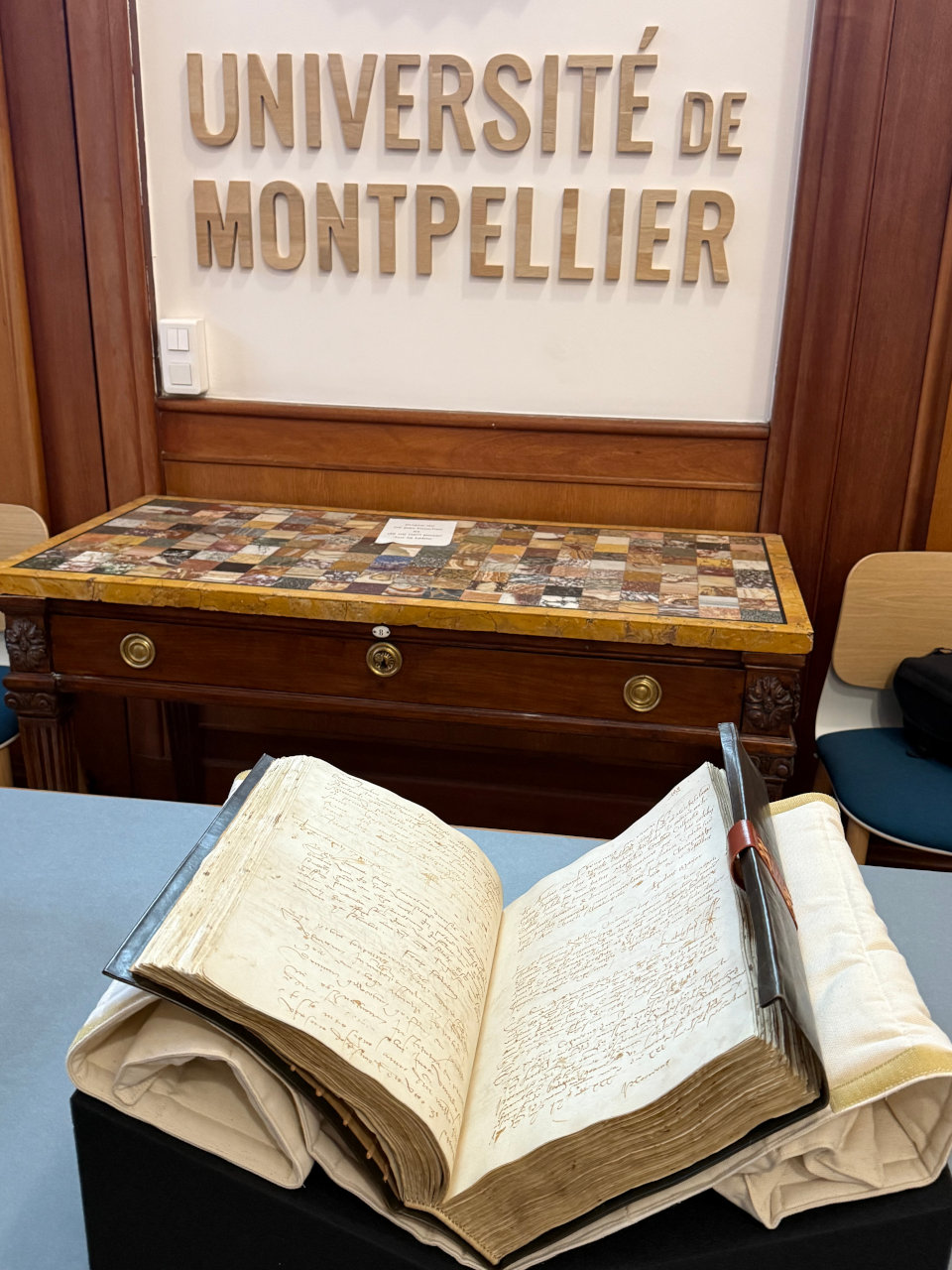
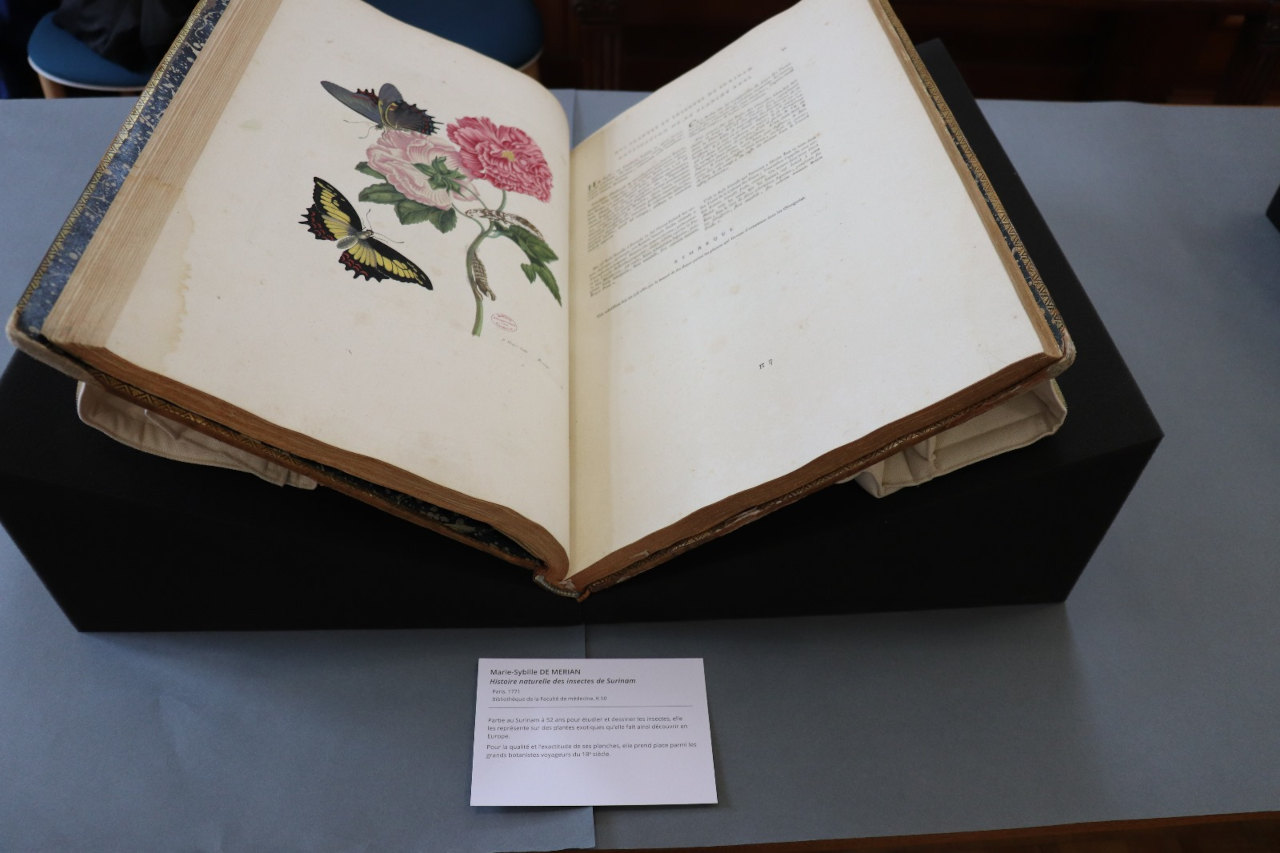
But this architectural heritage is not the only one Montpellier can be proud of. As the first university to systematize medical education, it now preserves the oldest and most comprehensive collection of documents on the academic organization of this discipline in the Western world. Testifying to remarkable continuity since the 12th century, these archives have weathered the vicissitudes of history while retaining nearly all of their integrity, unlike those of other European schools.
Given the wealth of materials preserved in these various institutions, the Hérault Department, the University of Montpellier, the City, and the Metropolitan Area decided to continue a collaboration that has been underway for many years by submitting a nomination for inclusion in UNESCO’s Memory of the World Register, ultimately supported by France. An international scientific committee was formed to demonstrate the abundance of high-quality publications based on this collection of documents, which brings together charters and manuscripts preserved in the municipal archives of Montpellier, the Hérault department, and the university libraries of the “UM.” It includes various types of documents produced during the Middle Ages, the Ancien Régime, and the Revolutionary period (registers, cartularies, charters, maps, engravings and drawings, court records, and diplomas). In addition, there are 16,000 rare books, manuscripts, and printed works dating from the 8th to the 19th century.
Montpellier has therefore submitted a nomination to UNESCO’s Memory of the World Register for “The Documentary Collections on Medical Education in Montpellier from the 12th to the 19th Century.” The nomination is currently under review; only two projects will be submitted by France, and a decision is expected in the spring of 2027.