IDIL: INTERDISCIPLINARY IN LAB
The University of Montpellier's Graduate Program
The IDIL“Interdisciplinary In Lab” graduate program is an initiative of the University of Montpellier. Funded by the France 2030 plan under the call for proposals titled “Structuring Education through the “ Research ” in Initiatives of Excellence” (SFRI), the IDIL graduate program is affiliated with the University of Montpellier’s Office of Structuring Programs.
The goal of the IDIL graduate program is to rethink the training of students pursuing careers in research through immersive learning in research laboratories affiliated with the University of Montpellier and it Research .
Twelve master’s programs and one engineering program (Institut Agro / ENSCM / Polytech) have already been adapted to the IDIL format, involving five different units of the University of Montpellier: the Faculty of Sciences, the Faculty of Sciences and Techniques of Physical and Sports Activities (STAPS), the Faculty of Pharmacy, the Faculty of Medicine, the Faculty of Law, and Montpellier Management.
Courses are taught in English, and the various course units provide a multidisciplinary approach to the topics, in order to address current research challenges.
The Program's Objectives
Enhance the international appeal of educational programs
The goal of teaching in English is to make the University of Montpellier’s programs more attractive to international students. A specific financial aid program has been established to encourage new international students to enroll:
- a 4-month living stipend;
- mobility grant to cover the cost of transportation tickets;
- French as a Second Language classes.
Offer research-based learning
IDIL students participate in a laboratory immersion program each year for periods ranging from 3 to 6 months, depending on their field of study. This format allows them to gain exposure to their future professional environment as early as possible in their education.
To promote learning, the number of traditional class hours has been reduced, and subject-specific concepts are now taught by a “mentor” before and during the internship.
Hands-on workshops, known as “In Lab,” are also offered by research teams in the laboratory over the course of one or two days, with the goal of teaching a specific technique, method, or concept directly in the setting where the research is conducted.
All internships are paid, either through the IDIL program in the first year or by the host laboratory in the second year.
Personalized support
Throughout the master's program, students are mentored by two researchers or Professors, who help them develop and advance their research projects.
The academic advisor is available only during the first year to guide students in their career plans, serve as a liaison with their mentor, and advise students on selecting their “à la carte” course units. Thus, starting in the first year, students develop a career plan called a “personal project,” which serves as a roadmap for tailoring their education to their individual needs.
The mentor supports the student throughout these two years of internship and provides all the supplementary coursework necessary for learning the student’s primary discipline, known as “CORE.” Beyond supervising the internship, the mentor commits to integrating the student into their research team and involving them in the life of the laboratory. Thanks to their mentor, the student builds a relationship of trust with their host laboratory, where they can envision themselves continuing their research toward a Ph.D.
A Customized Multidisciplinary Approach
The IDIL graduate program aims to promote a multidisciplinary approach by developing a new vision of education and research based on issues or themes at the intersection of several research areas.
Students may choose their specializations from the foundational courses (known as “CORE”), as well as an introductory course in another discipline within the IDIL program (a course called “NON CORE”). They also have access to methodological and career-oriented courses to develop their soft skills.
In the M2 program, students from all tracks work in groups onmultidisciplinary projects that bring together their respective disciplinary skills and expertise. The goal is to foster the development of multidisciplinary research projects.
The Transdisciplinary Outreach Project
To strengthen ties among students across different tracks, the IDIL graduate program has launched an innovative student community project inspired by the House Cup from the famous “Harry Potter ©” franchise. Students are randomly assigned to one of three houses—red, yellow, or green—which will compete throughout the year to win the “IDIL House Cup.”
Beyond fostering a sense of belonging to the University of Montpellier and the IDIL graduate program, this outreach project helps build trust among students and develop their interdisciplinary mindset, preparing them to carry out the multidisciplinary project they will be required to complete by the end of their program.
News
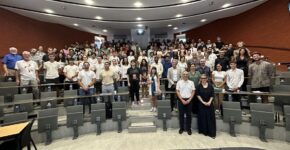
IDIL: A Vibrant Summer School
Published on: September 5 , 2025
The 2025–2026 session of the IDIL summer school has just come to a close after an intense week…